
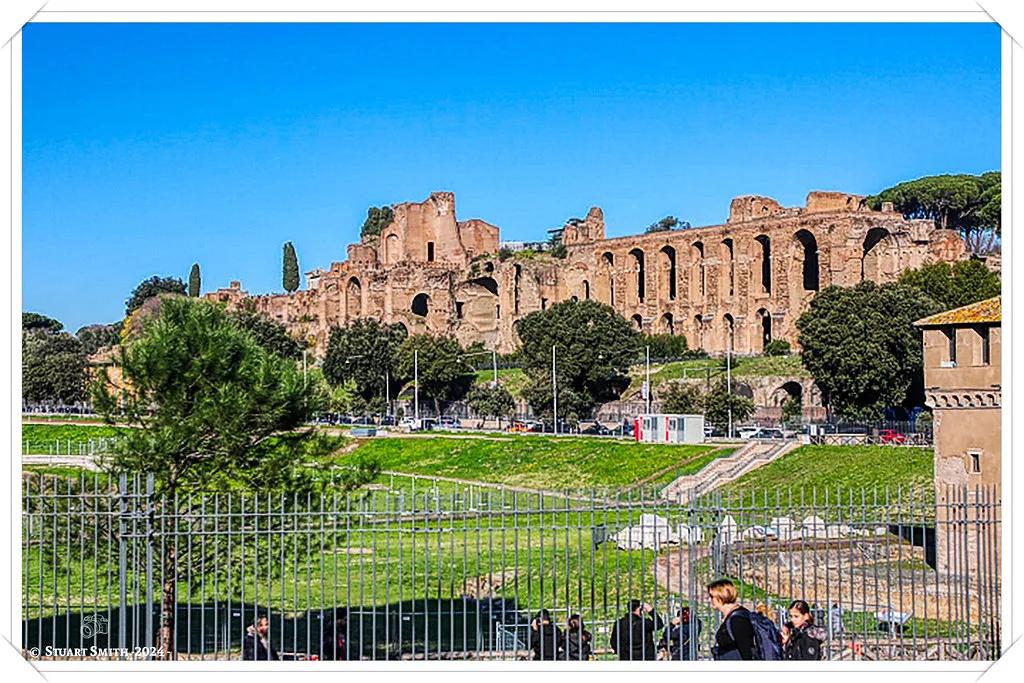
Last updated November 2026: the circus maximus is the largest chariot-racing venue of ancient Rome, and today it is a large open grassy valley between the Palatine and Aventine hills with little standing ruin. Entry is free and the site is normally open 24 hours a day, so a 15-minute look costs nothing. Stop by if you are already walking between the Colosseum and the Forum, and skip it if you expect grandstands.
Featured image: Stuart Smith., CC BY-SA 2.0, via Flickr.
Circus Maximus at a glance
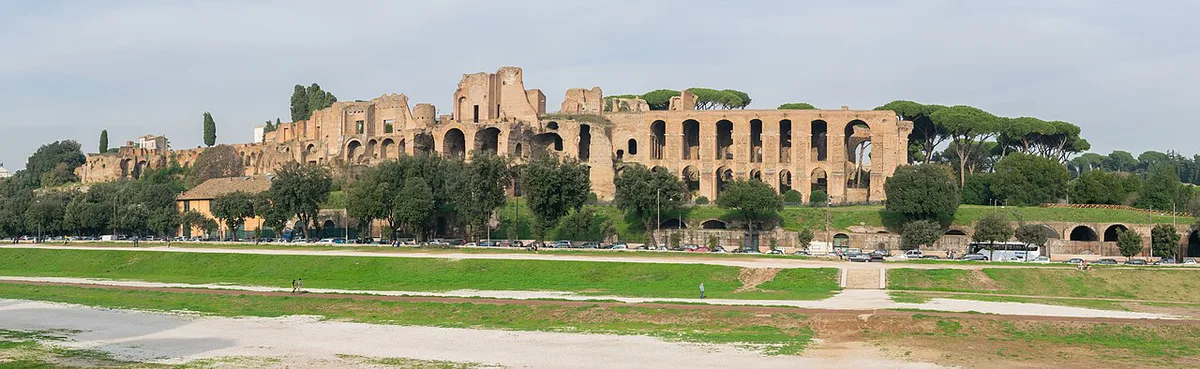
At roughly 600 m (nearly 2,000 ft) long and about 140 m (around 460 ft) wide, this was the biggest racetrack in the Roman Empire. What you find today is a public park that traces the old track, not a monument with seating. Use the quick facts below to decide how much time to give it.

- Verdict: a quick, free look at the scale of Roman chariot racing, best as a stop on a longer walk.
- Cost: free to walk around.
- Access: open 24 hours a day, 7 days a week, unless an event closes parts of it.
- Time needed: 15 minutes is the floor; allow longer for a picnic, a run or the VR option.
- Getting there: Metro Line B, station Circo Massimo.
- Best for: passers-by on the Colosseum, Forum and Palatine route, chariot-history fans, and picnic or running stops.
What you can actually see today
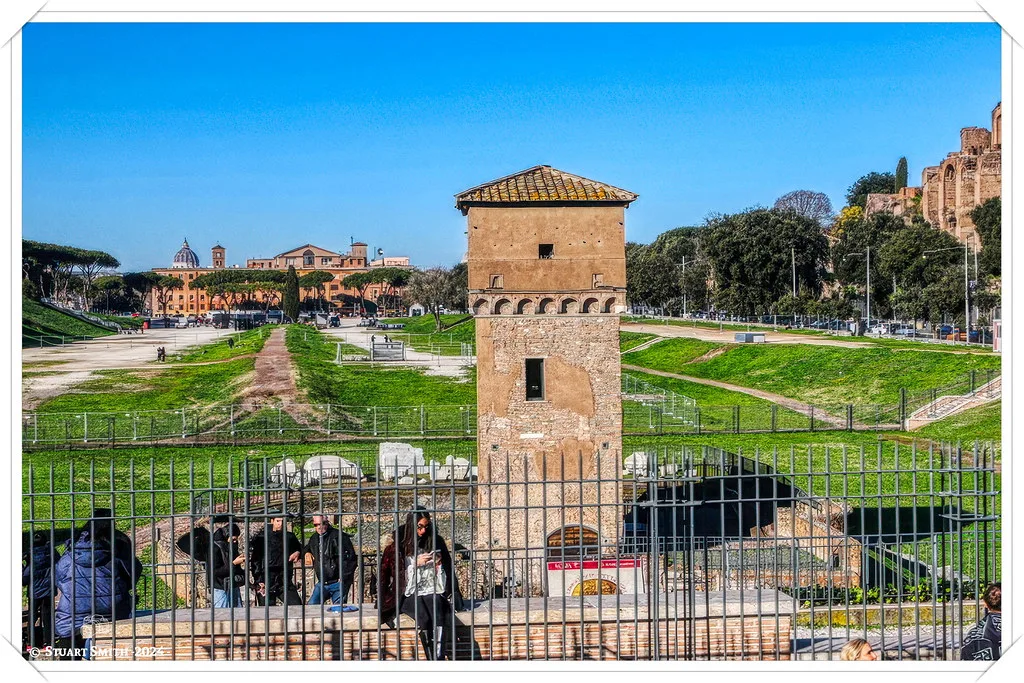
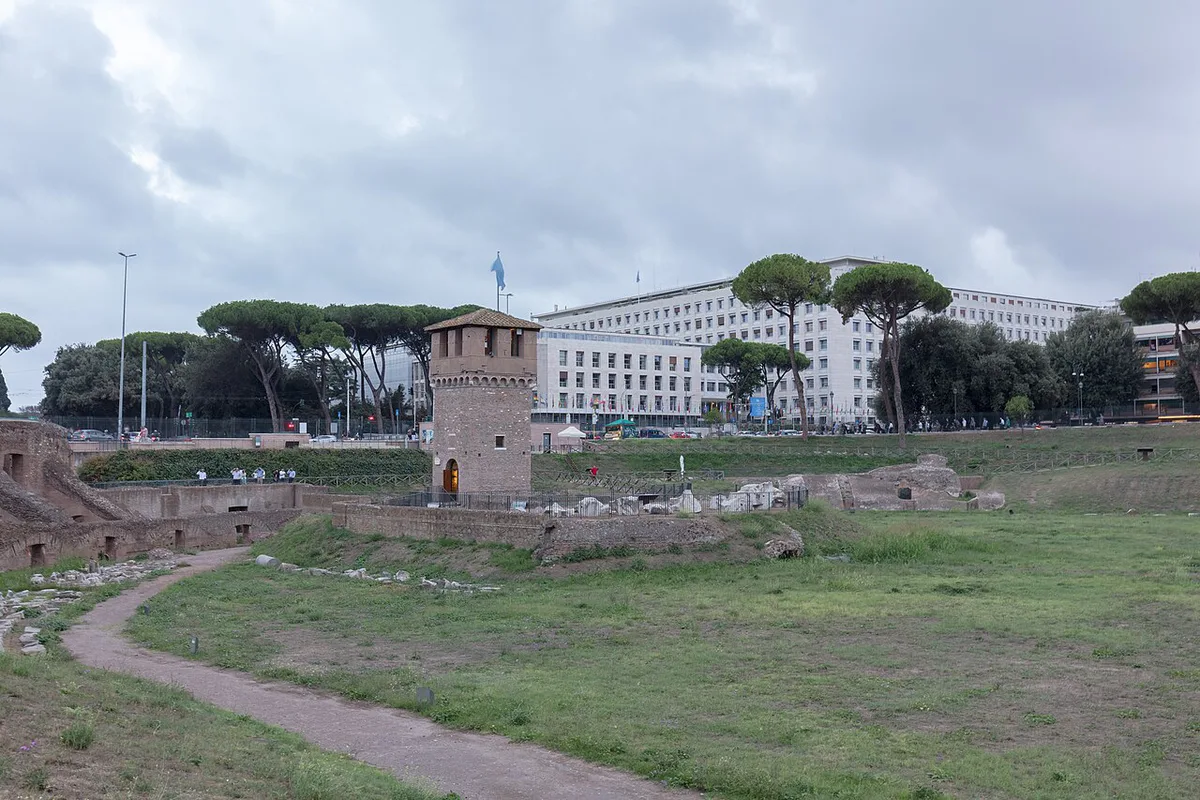
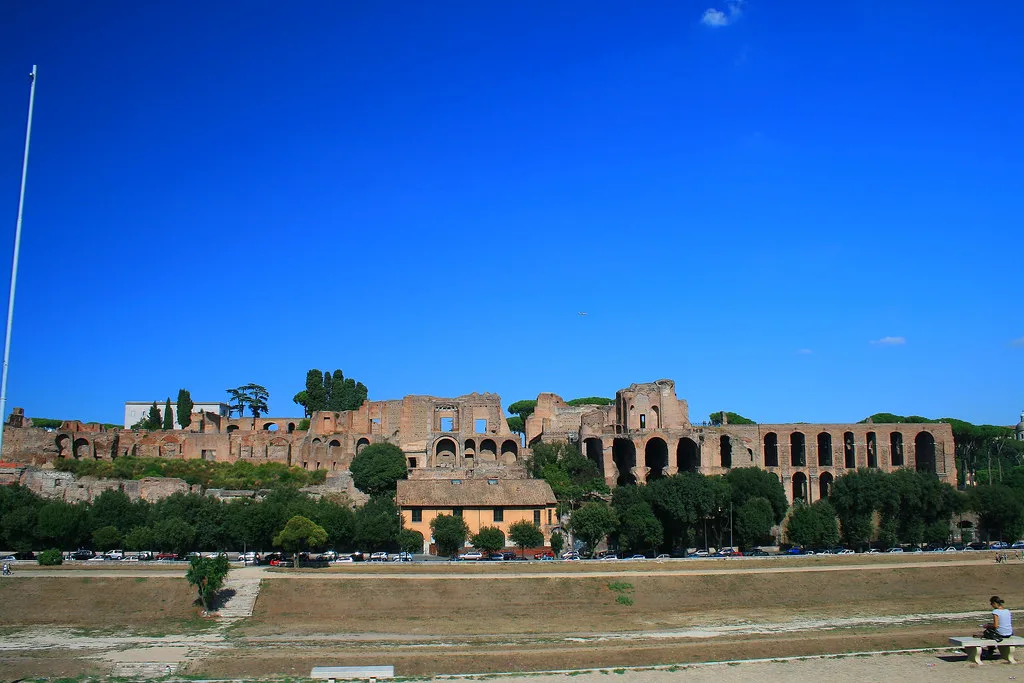
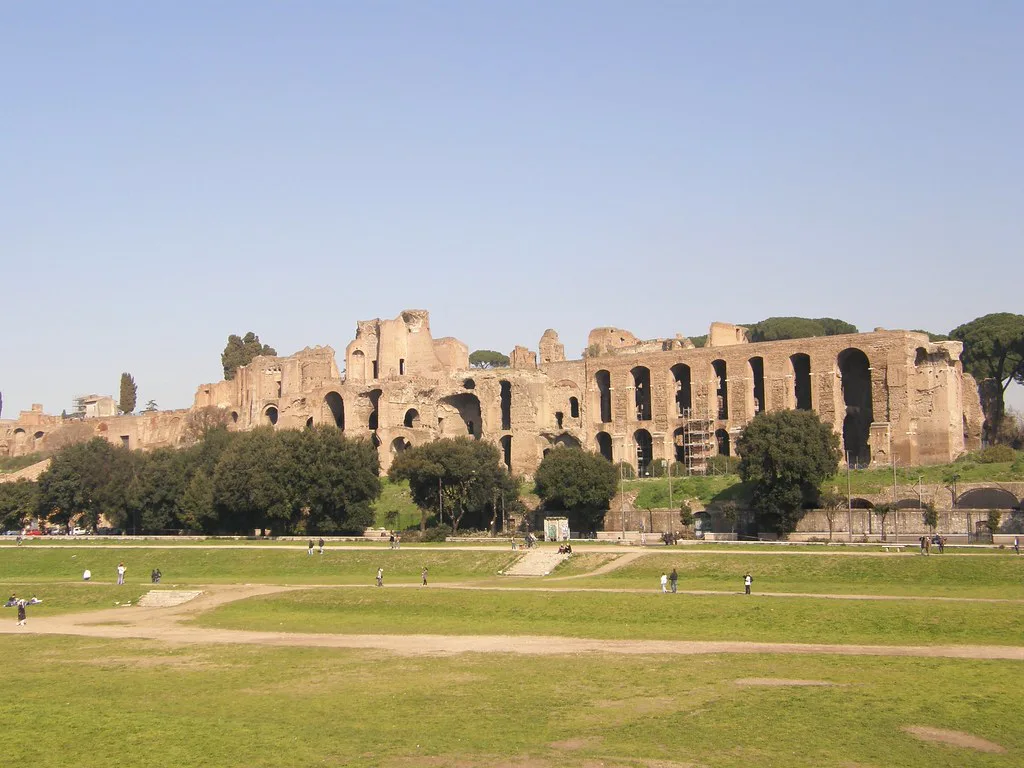
You see a long, flat strip of grass with the Palatine slope on one side and the Aventine slope on the other. Their shape still explains why the valley suited a racetrack. A few sections of the original structure survive, along with the outline of the track. There are no grandstands, no standing arena and no reconstructed starting gates. Walk the length of the grass to feel the scale, then use the slopes for a wider view of the oval.
Is the Circus Maximus worth visiting?
It is worth a short stop if you are nearby, and rarely worth a dedicated trip on its own. The value is scale and setting, not detail. Use these criteria to decide.
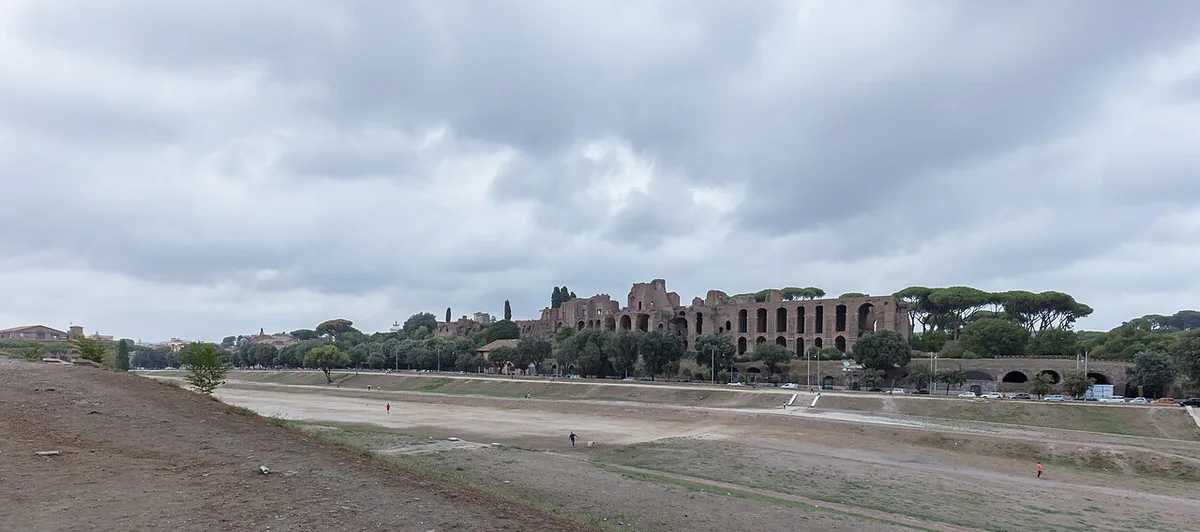
- Go if you are walking between the Colosseum, the Forum and the Palatine and want to see where Rome watched its biggest races.
- Go if you like chariot history and are happy to imagine the rest.
- Go if you want free open space for a picnic or a run.
- Skip it if you want carved stone, mosaics or a ticketed museum.
- Add the VR experience or a guided tour if bare grass will not mean much to you without reconstruction.
Opening hours, tickets and event closures
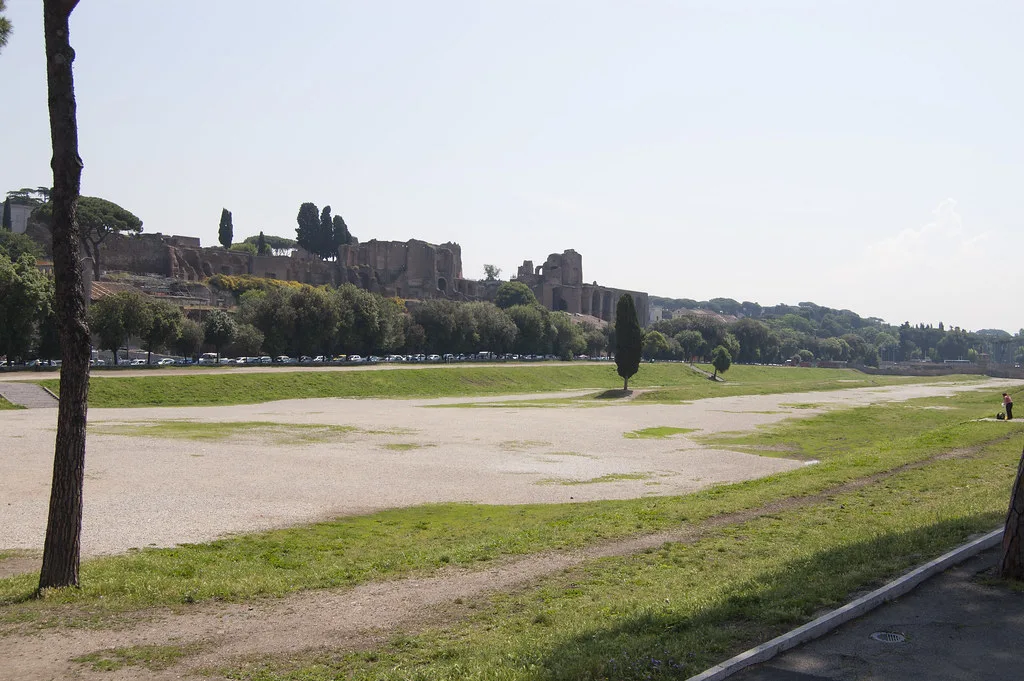
Access is free and normally open 24 hours a day, 7 days a week. Several times a year, concerts, sporting events and large festivals fence off parts of the site. Check the official Rome visitor site for the events calendar before you plan around a visit. On an event day, the edge of the Aventine or Palatine slope still gives you a view of the valley. Expect little shade and few services on the grass, so bring water in summer. Mistake to avoid: arriving on an event day, expecting standing ruins, or booking a non-cancellable tour without checking the date.
How to get there
Take Metro Line B to Circo Massimo, which is a few minutes' walk from the site. Buses 81 and 628 also stop at Circo Massimo, and a tram stop named Aventino/Circo Massimo is close by. On foot, it is a short walk from the Colosseum or the Roman Forum. Parking nearby is paid and limited, so public transport is the practical choice. Routes change often, so check current Rome transit information for your travel date.
VR experience and guided options: when paying makes sense
A VR chariot-race tour runs about 2 hours in Italian, English or Spanish, for groups of 1 to 15 people. You show a voucher and valid photo ID at the meeting point, and the ticket cannot be cancelled or rebooked. Details and booking are on the operator's official site. Read our guide to the Circus Maximus VR experience before you book. Pay for it if you want the race brought to life. Otherwise, a free walk plus a guided Palatine or Forum visit covers the context at lower cost.
How to fit it into your Rome day
Treat the Circus Maximus as a connector between ticketed sites. Our one-day ancient Rome plan shows how the stops fit together. This table compares the three ways to see it, with costs given as relative levels.
Booking the VR chariot tour adds about 2 hours to the day, while a free walk along the grass fits into 15 minutes.
| Option | Cost | Time | Best for |
|---|---|---|---|
| Walk-by on the grass | Free | 15 minutes or more | Passers-by and picnic stops |
| VR experience | Paid, highest of the three | About 2 hours | Visitors who want the race reconstructed |
| Palatine and Forum day with a look at the valley | Paid ticket, mid-range | Most of a day | First-time visitors who want context |
A short history of chariot racing
Tradition holds that races were run in this valley under Rome's first kings, when it was open ground between two hills. Stone grandstands, starting gates and the long central barrier called the spina were added over time. Julius Caesar expanded the site in the 1st century BC, and Augustus enlarged and embellished it. Capacity figures vary between sources: well over 100,000 spectators, and more than 150,000 at times. Drivers raced for factions whose colors fans backed with passion. Chariot racing ended with the decline of the Western Roman Empire, and the site later fell into disrepair.
Estimates put crowds at more than 150,000 at times, while today's 600 m strip holds only grass and slope views.
Nearby ruins and next steps
Our guide to 12 Roman Ruins in Rome: Best Sites, Tickets & Routes maps the wider choices. For free, open-air ruins in the city center, see Largo di Torre Argentina: Hours, Tickets & What to See. For a standing Roman facade with a medieval layer above it, look at the Theatre of Marcellus Rome: Visit Guide & What to Expect. For a museum that explains daily life in ancient Rome, try Crypta Balbi, Rome: Is It Worth It? Visit Tips and Passes. For the Palatine and Forum, check current access on the Colosseum archaeological park site.
Frequently Asked Questions
Do they still do chariot races in Rome?
No. Chariot racing ended with the decline of the Western Roman Empire. Today the site hosts concerts, sporting events and large festivals.
What is a Roman Circus Maximus?
It was the largest chariot-racing track in ancient Rome, set in the valley between the Palatine and Aventine hills. Races and other public events were held there for centuries.
Related guides



Continue reading
Guides on the same trip


