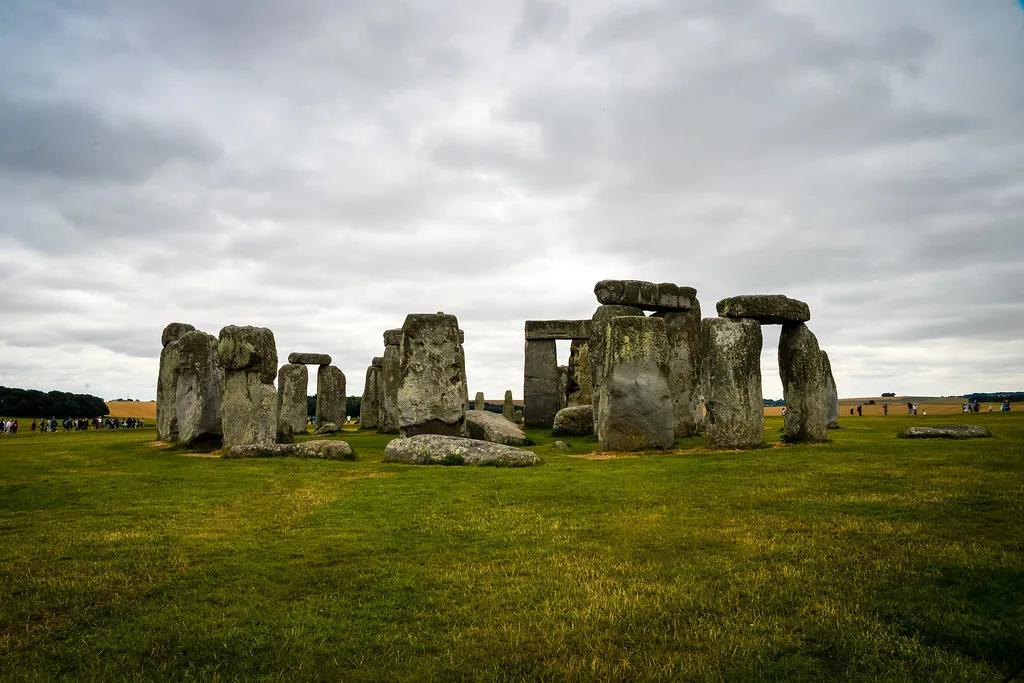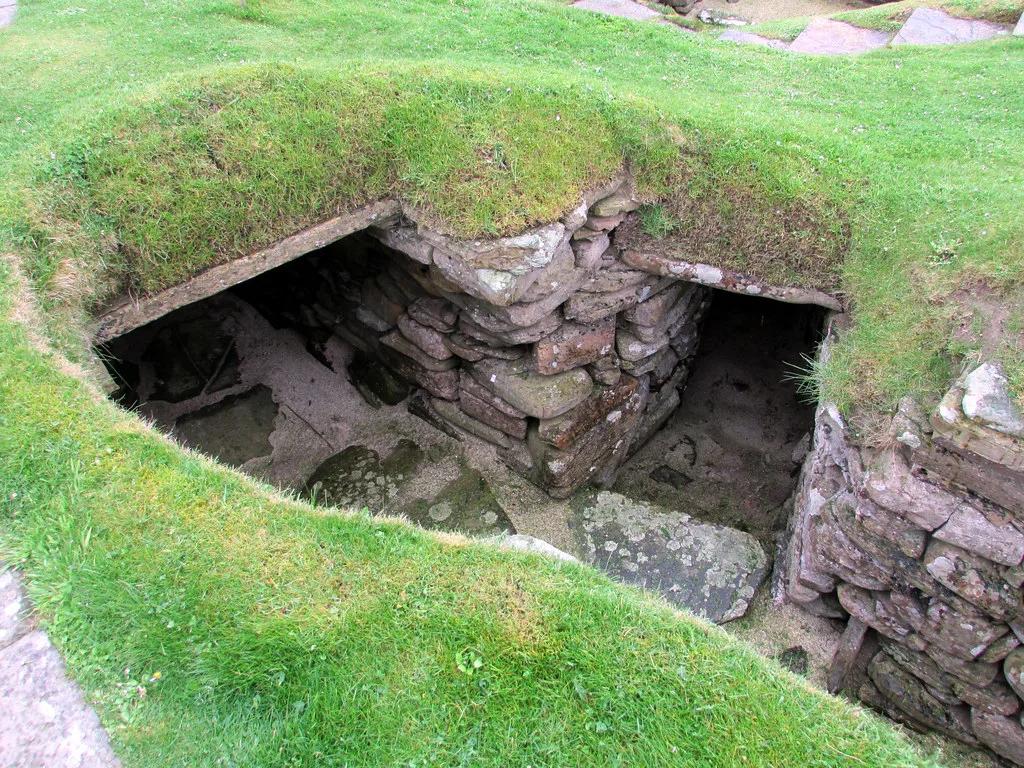
Last updated November 2026. Skara Brae vs Stonehenge is a choice between a Neolithic village and a ceremonial stone monument, not between two versions of the same thing. Pick Skara Brae for domestic interiors, Orkney scenery and a wider Neolithic landscape. Pick Stonehenge for the easiest, most recognisable monument on a southern England itinerary.
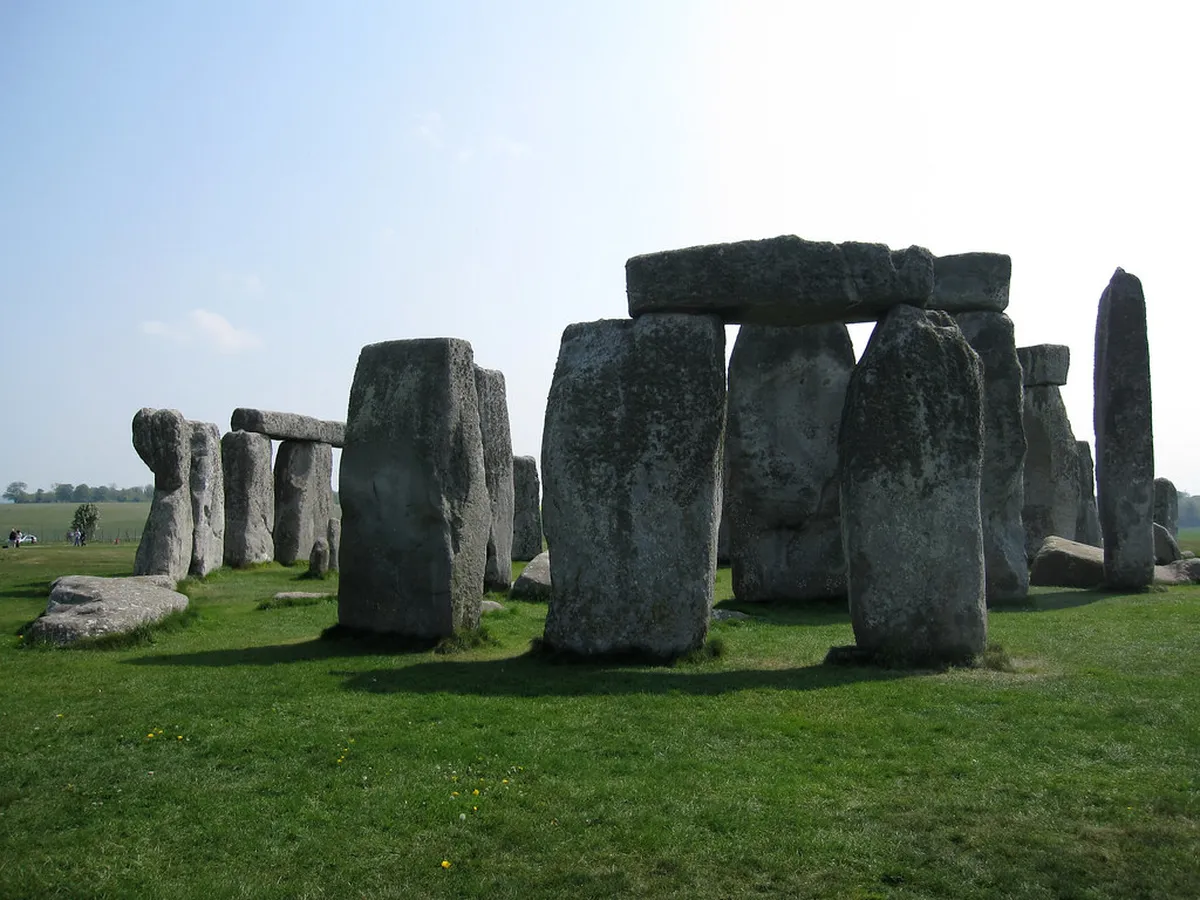
Featured image: Reading Tom, CC BY 2.0, via Flickr.
Quick Verdict
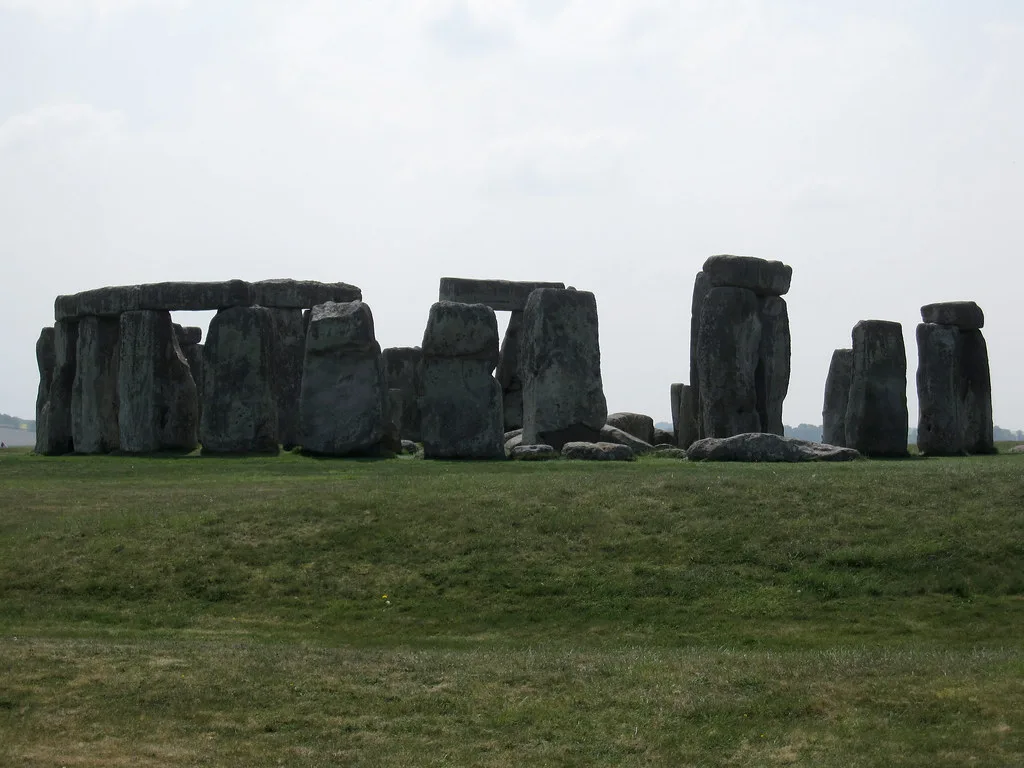
Neither site beats the other outright. Skara Brae is a settlement where families lived, and its stone beds and dressers still stand in the house walls. Stonehenge is a monument built for ceremony, a stone circle on Salisbury Plain. On age, Skara Brae was occupied from roughly 3100 to 2500 BC. Stonehenge began as an earthwork around 3000 BC, and its stones were raised in several later phases. Our guide to the age of Skara Brae covers the dating in more depth.
Around 3000 BC, Stonehenge's earthwork began while Skara Brae was still occupied, since its 3100 to 2500 BC span covers that date.
- Choose Skara Brae if you want domestic life, remote coastal scenery and a wider Orkney Neolithic landscape.
- Choose Stonehenge if you want the most accessible, iconic monument on a London, Salisbury or Bath trip.
Skara Brae vs Stonehenge at a Glance
This table sets the two sites side by side on the points that decide most trips. Entry details change, so use the official sites for current rules.
| Criterion | Skara Brae | Stonehenge |
|---|---|---|
| What it is | Neolithic village of stone houses | Ceremonial stone circle and landscape |
| Date range | Occupied roughly 3100–2500 BC | Earthwork around 3000 BC, stones in later phases |
| Setting | Bay of Skaill, west coast of Mainland, Orkney | Salisbury Plain, southern England |
| Seeing it up close | Houses viewed from paths above; a replica house stands nearby | Circle viewed from a path; inner-circle access is limited to special visits |
| Getting there | Ferry or flight to Orkney, then road from Kirkwall | Road or rail from London, Salisbury or Bath; day tours run |
| Booking | Check Historic Environment Scotland for timed entry | Advance booking is the norm; check English Heritage |
| Best season | Long summer days, with weather risk year-round | Spring to autumn is easiest; busy in summer |
| Crowds | Quieter, with cruise-day peaks | Busier, with timed arrivals |
What You Actually See
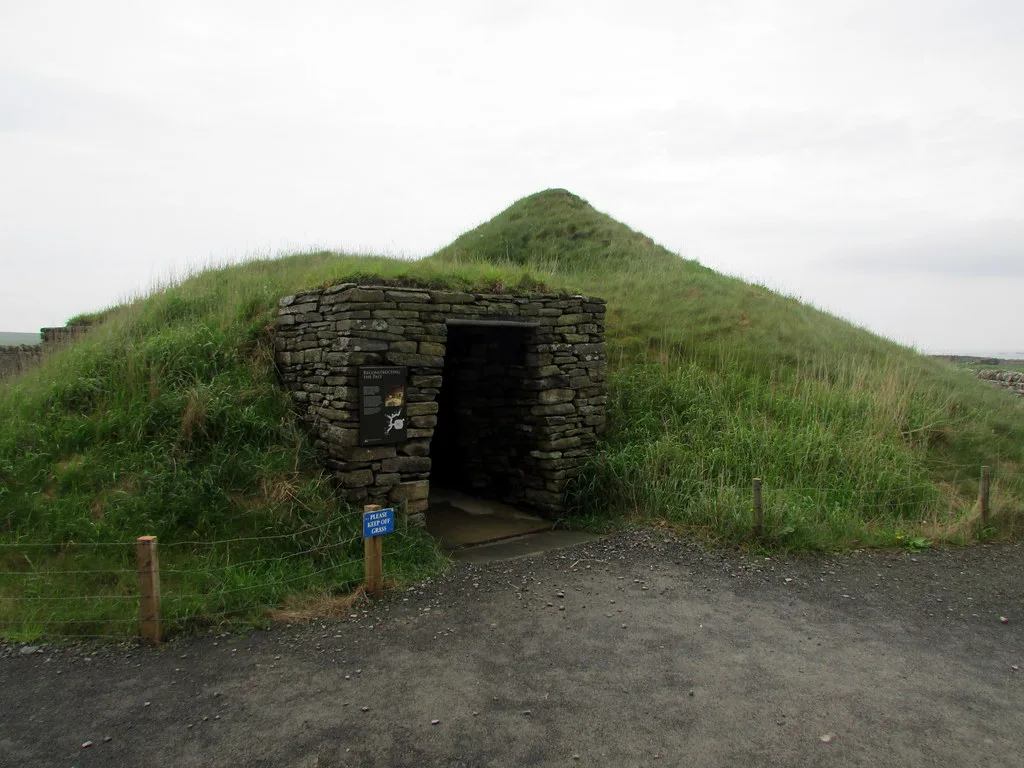
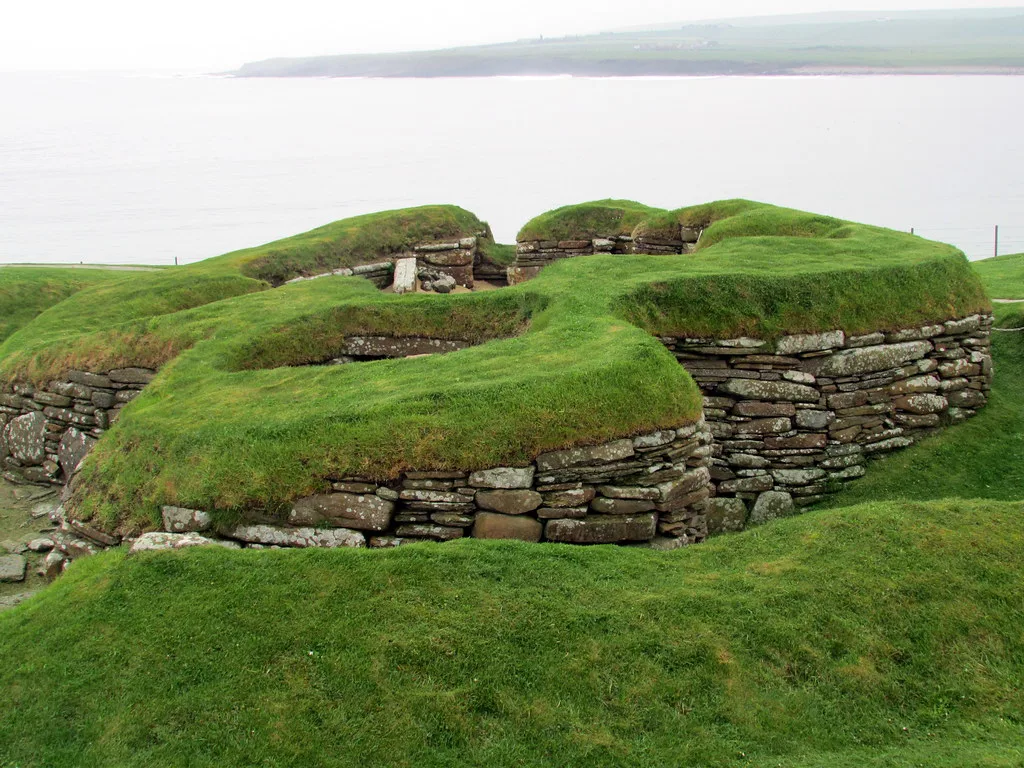
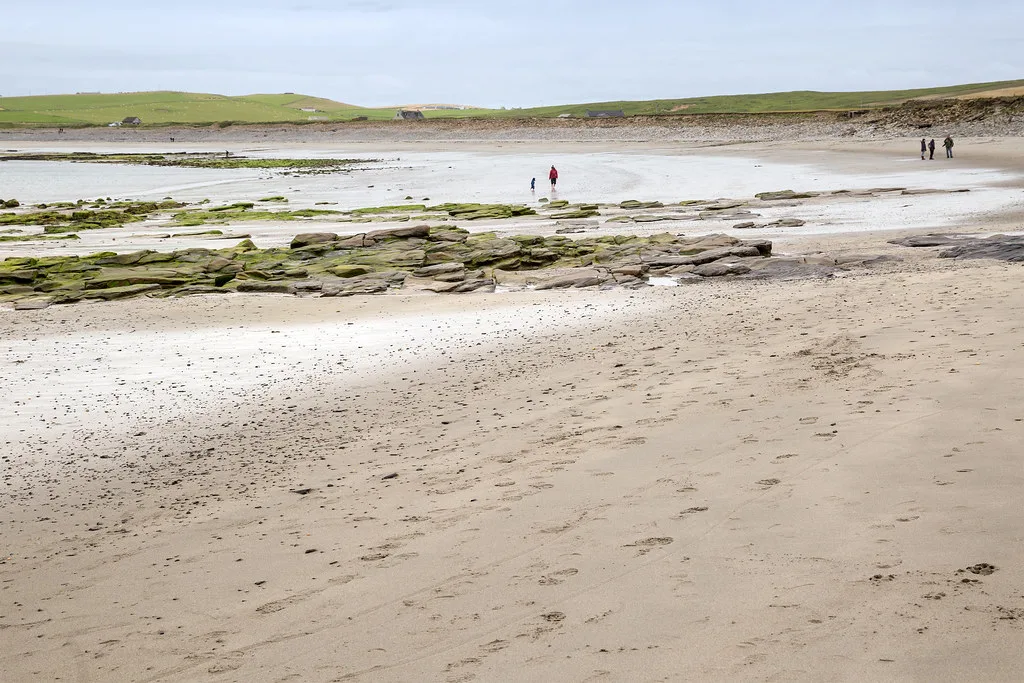
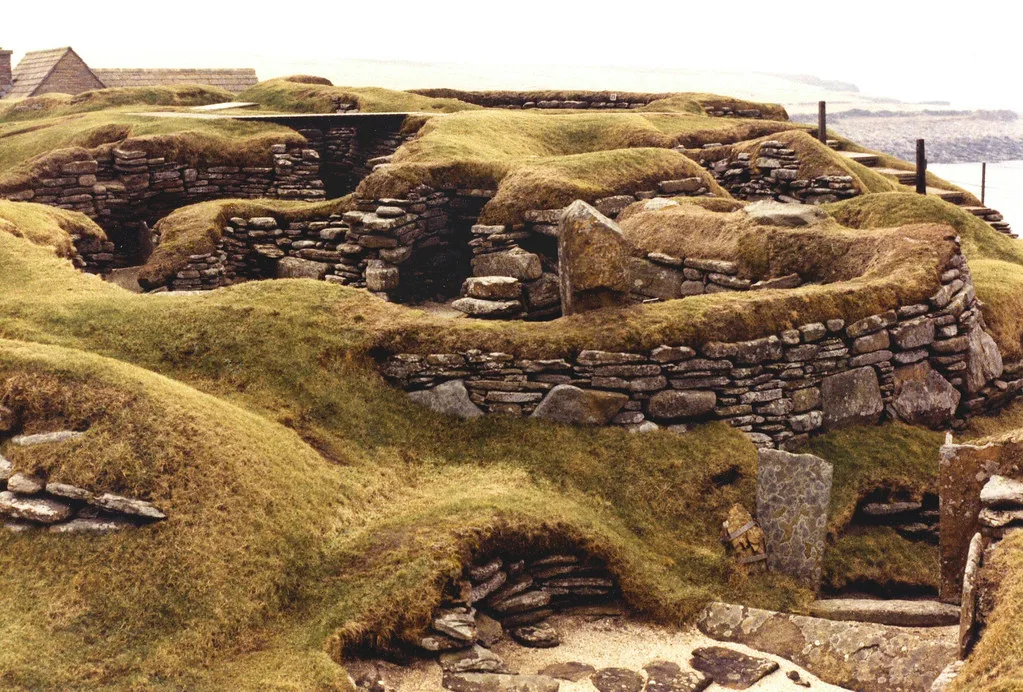
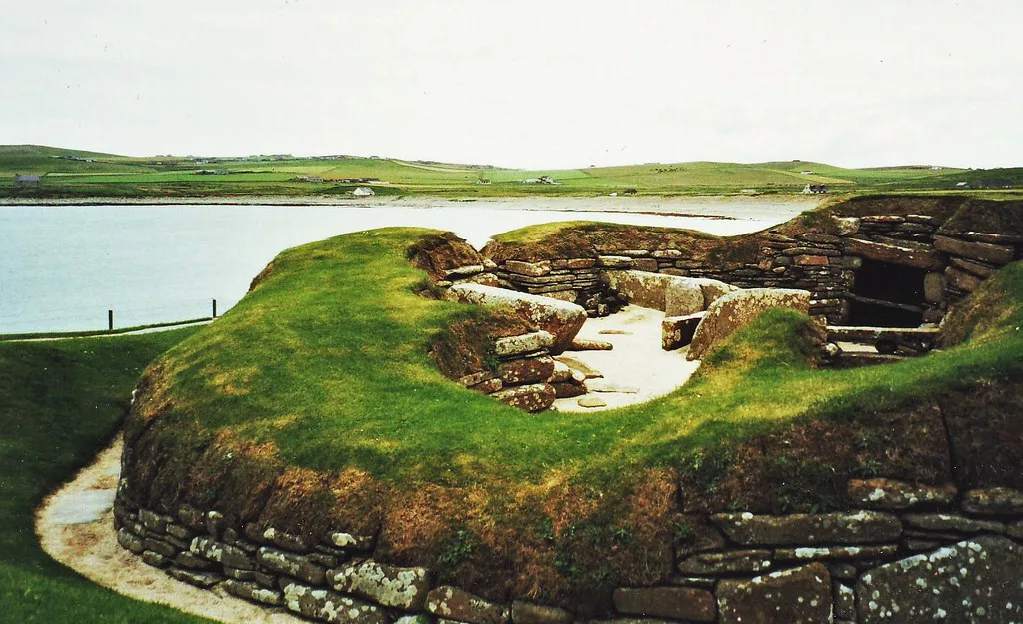
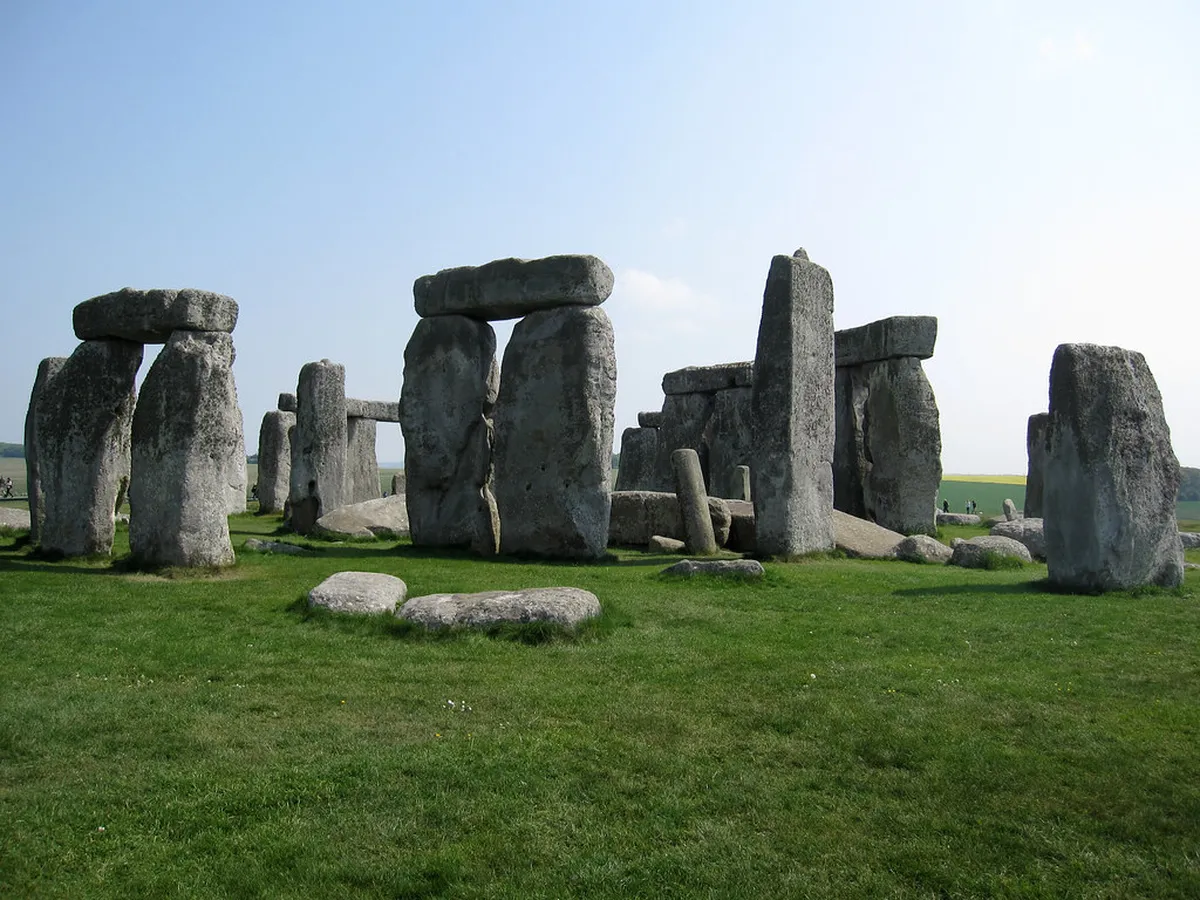
Skara Brae sits on the Bay of Skaill on the west coast of Mainland, Orkney. You look down into the houses from the paths around them. Stone beds, dressers and hearths survive in the walls. A visitor centre and a replica house explain how the interiors worked. Our Skara Brae guide walks through the houses one by one. Stonehenge is a different experience. You walk a path around the circle on Salisbury Plain and see its lintels and uprights from a set distance. Walking among the stones is normally limited to special-access visits outside regular hours. A visitor centre holds the exhibits.
Getting There: Logistics and Friction
Skara Brae needs a transfer chain. You reach Orkney by ferry or flight, then travel by road from Kirkwall to the Bay of Skaill. Our guide to reaching Skara Brae from Kirkwall covers that last leg. Ferries and flights can be disrupted by wind, so leave a spare day around any fixed departure. Stonehenge is far simpler. You can go independently by road or by rail to Salisbury and onward, or join a day tour from London or Bath. A tour trades flexibility for convenience. Independent travel lets you set your own hours and pair the stones with Salisbury.
Cost and Time Trade-Offs
Prices and hours checked November 2026. Adult entry has recently run about £10–£15 at Skara Brae and about £25–£30 at Stonehenge, so the Orkney ticket looks cheaper. The full trip tells another story. Orkney adds ferry or flight fares, a night or two of accommodation and car hire or tours. Stonehenge fits into a single day from London. Check the current price on each official site before you book, and see our Skara Brae ticket guide for entry options. Plan Orkney as a multi-day trip. Plan Stonehenge as a half-day or full-day outing.
At £25–£30 for adult entry, Stonehenge costs more than Skara Brae, but a London day trip skips Orkney's ferry and flight fares.
Who Each Option Fits
Match the site to the traveler and the schedule.
- First-timers based in London: Stonehenge, because day tours and rail connections keep the trip short.
- Families with children: Stonehenge is simpler logistically, while Skara Brae's replica house gives children something to step inside.
- History and archaeology enthusiasts: Skara Brae, especially combined with the wider Orkney sites.
- Photographers: Skara Brae for the shoreline setting, Stonehenge for the iconic circle.
- Mobility-limited visitors: check the access pages for both sites, as paths and terrain differ.
- Cruise passengers: Skara Brae is the usual Orkney stop, and our Orkney shore excursion guide explains the options.
- Tight schedules: Stonehenge, which needs far less transfer time.
Can You Do Both?
Yes, on a longer trip across Scotland and southern England. Treat them as separate legs, not a same-day pairing. Do the stones near Salisbury while you are in London or Bath. Add Orkney as a distinct Scotland leg with spare days for weather. If time is short, skip Orkney and keep Stonehenge. If you already plan to reach the far north of Scotland, Skara Brae is worth the extra effort. Read the VisitScotland Orkney pages when you plan that leg.
Beyond the Headline Sites
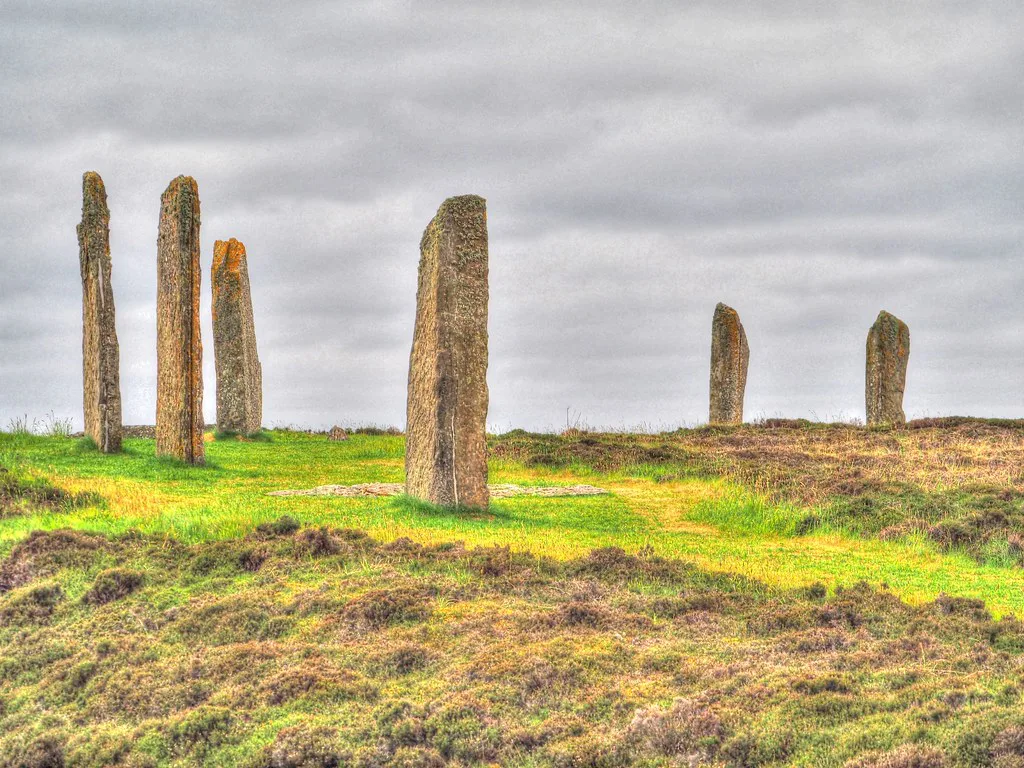
Skara Brae is one stop in a larger Orkney landscape, while Stonehenge is usually a single-stop visit. Our Neolithic Orkney guide maps the whole cluster. Nearby, the Ring of Brodgar is a large stone circle and henge. Our Ring of Brodgar guide covers a visit. The Standing Stones of Stenness: Visit Guide and Day Plan stand close by. Maeshowe is a chambered tomb. The Ness of Brodgar: What to See Now and How to Visit excavation has been backfilled, so there is no open dig to visit, although the Ness of Brodgar Trust shares its findings. The Tomb of the Eagles, Orkney: Is It Open and How to Visit is a separate chambered cairn on South Ronaldsay. The Broch of Gurness: Visitor Guide, Access & Worth It? is an Iron Age site on the north coast.
Mistakes to Avoid
These errors cost visitors the most time.
- Treating the two as interchangeable: one is a village, the other a ceremonial monument.
- Underestimating Orkney travel time and skipping a weather buffer.
- Arriving at Stonehenge without checking the advance booking policy.
- Expecting to enter the original Skara Brae houses; you view them from the paths.
- Overlooking the weather on Orkney's exposed west coast.
Frequently Asked Questions
Does Scotland have Stonehenge?
Scotland has no Stonehenge, but Orkney has comparable Neolithic monuments. The Ring of Brodgar and the Standing Stones of Stenness are stone circles on Mainland Orkney, and Skara Brae is a village from the same era.
Why was Skara Brae made?
Skara Brae was built as a settlement, a place where families lived, cooked and stored food. Its stone beds, hearths and dressers show everyday household life from roughly 3100 to 2500 BC.
Related guides

Continue reading
Guides on the same trip