Stonehenge Winter Solstice 2026: Access, Times & Travel
Last updated November 2026. Stonehenge winter solstice access is run by English Heritage as a managed event, with sunrise gathering arrangements published for 22 December 2026. Entry to the stone circle is free, but parking must be pre-booked and the morning starts in the dark. This guide works backwards from sunrise so you can plan transport, clothing and a backup for cloud around the Stonehenge monument.
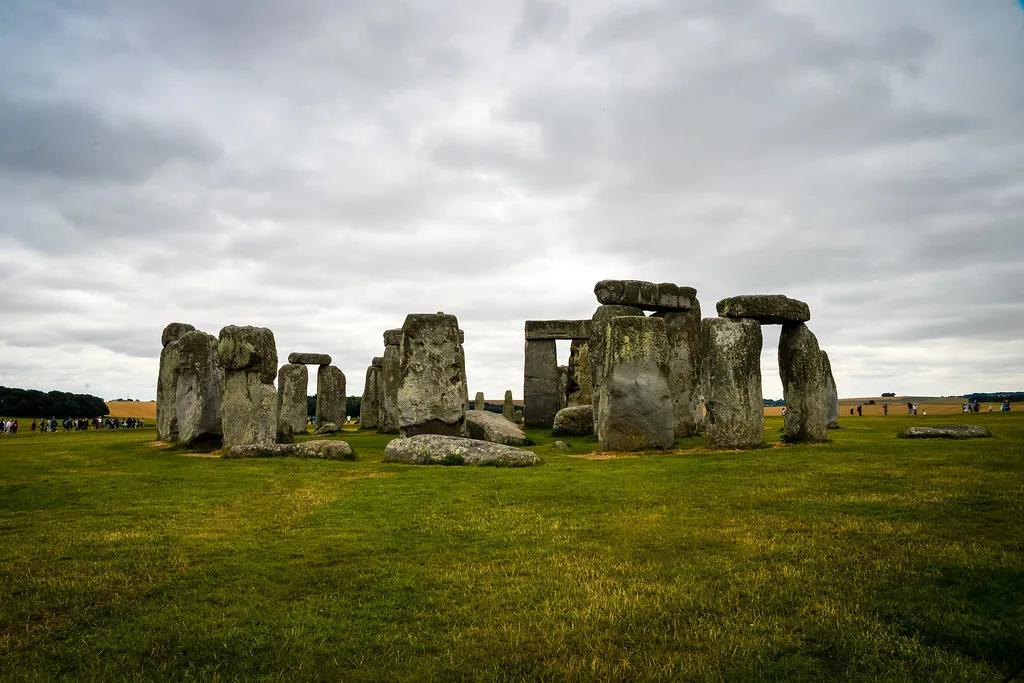
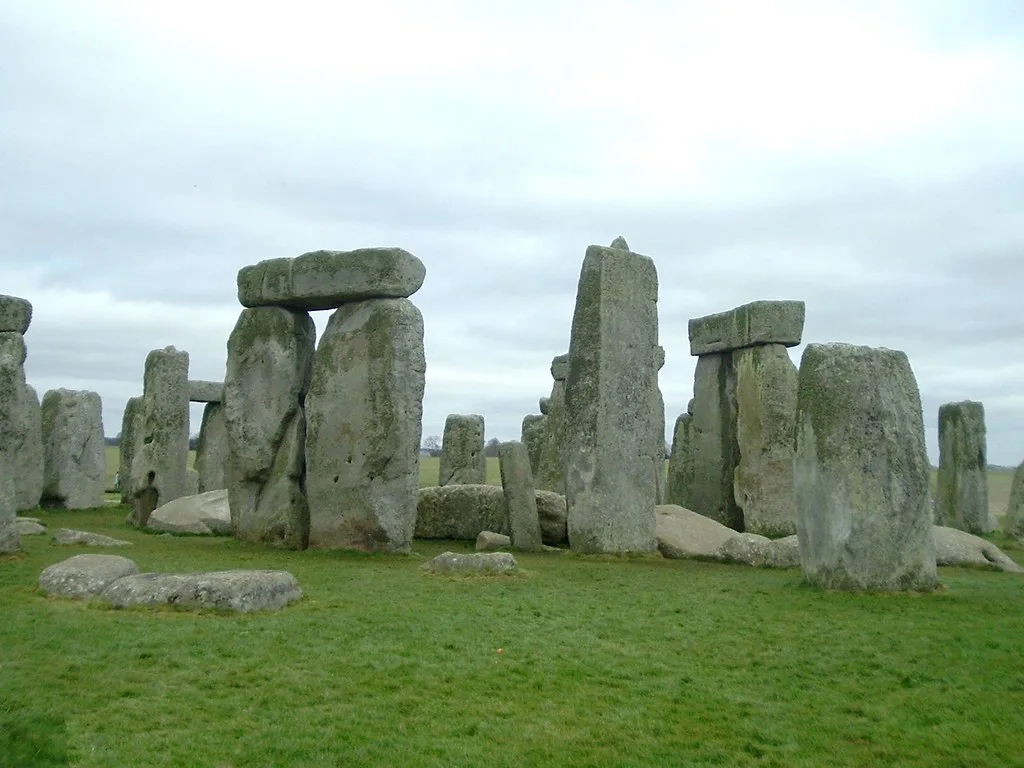
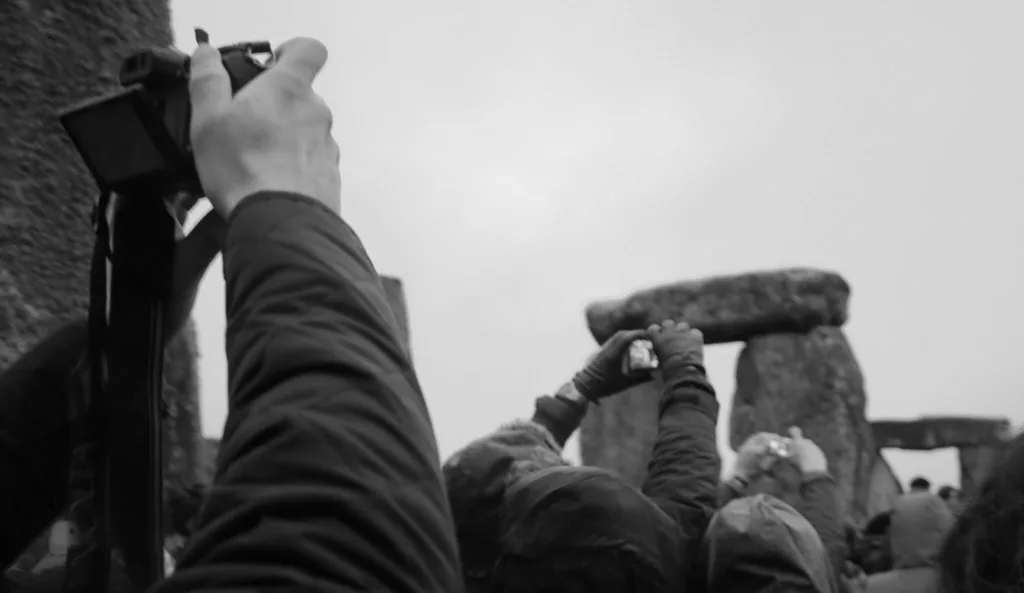
Featured image: South of the Border Gringo Photography, Public Domain Mark 1.0, via Flickr.
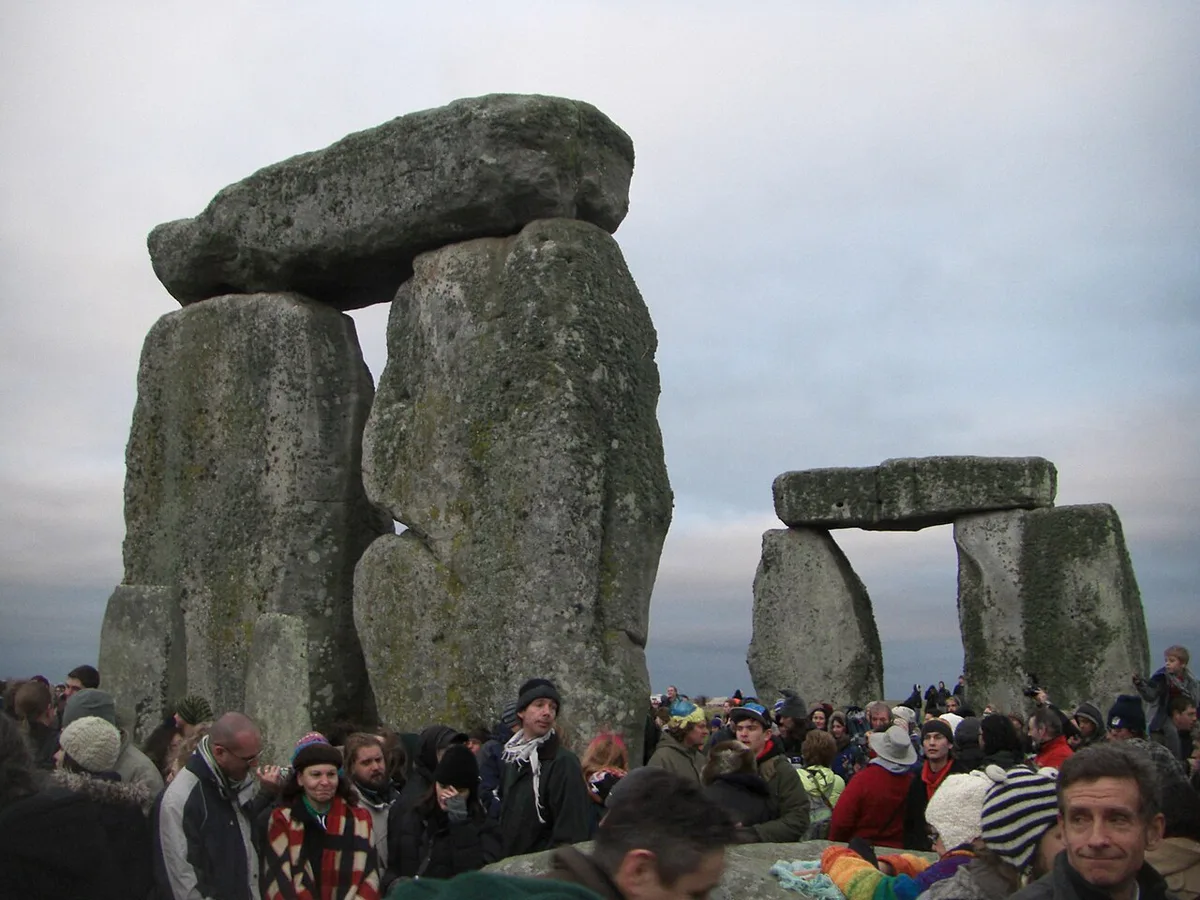
Stonehenge winter solstice 2026: quick answer
English Heritage has published free access to the stone circle for 22 December 2026. Sunrise is listed at 8.09am, and the car park opens at 5.15am. Last admission for sunrise viewing is 7am. Drivers must hold a parking booking, and cars without one are turned away. Prices, times and rules were checked in November 2026, so read English Heritage's current event page before you travel. Dates and times can change if conditions or road plans change.
2026 timings at a glance
Work backwards from sunrise and add a buffer for travelling in the dark. These are the event times English Heritage has published for 22 December 2026.
- 5.15am: car park opens for pre-booked vehicles.
- 7am: last admission for sunrise viewing.
- 8.09am: sunrise listed for the gathering.
When is the winter solstice at Stonehenge: 21 or 22 December?
The astronomical solstice in 2026 falls on the evening of 21 December (around 20:50 UTC), when the sun reaches its southernmost point. Nothing is visible at that moment, so English Heritage hosts the public gathering at the next sunrise, on 22 December 2026, listed at 8.09am.
That is why guides quote both dates. The sun also rises and sets in almost the same places for several days either side of the solstice, so the view on 21 or 23 December looks very similar. Only 22 December has the managed access, the shuttle and the special buses.
- Sunrise gathering: 22 December, free access to the circle, pre-booked parking only.
- Sunset: the sun goes down in mid-afternoon, shortly before 4pm. It is the other half of the alignment discussed above, but there is no organised sunset event listed for 2026.
- Ordinary entry: on other days you need a paid timed ticket, and the stones are seen from the path.
If your dates are flexible and you would rather see the monument in daylight, our guide to the best time to visit Stonehenge compares the seasons.
How to get there: bus, rail, drive or tour
Organisers advise public transport because temporary road closures and one-way systems operate around the site. Salisbury Reds special services run from Salisbury rail station and the city centre via Amesbury on 22 December 2026. Plan trains through National Rail journey planning, because Salisbury is the nearest major station. This table compares the main routes without inventing fares or timetables.
| Route | Suits | Main risk | Check |
|---|---|---|---|
| Salisbury Reds special bus | Visitors based in Salisbury | Early start, queues | Salisbury Reds and English Heritage pages |
| Train to Salisbury, then bus | Travellers from London | Trains may not match the pre-dawn bus | Rail times and first bus |
| From Bath | Visitors staying in Bath | No confirmed early link | Read the Bath route guide |
| Drive with parking booking | Groups with kit | No booking means turned away | Booking, plus parking advice |
What to expect on the morning
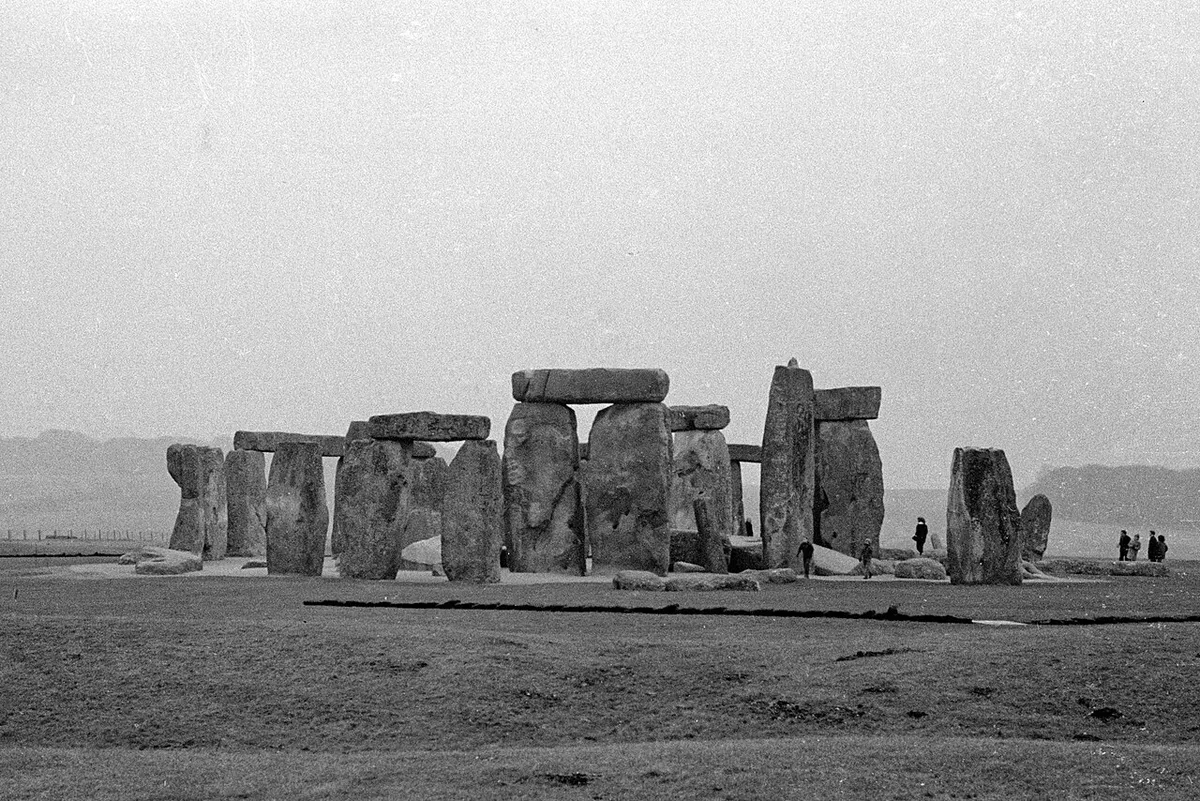
It is dark before sunrise, so expect a torch-lit approach across uneven ground. From the Stonehenge Visitor Centre: What's Inside and How to Plan Your Visit, you can walk to the stone circle or take the shuttle bus. Stewards direct drivers along routes marked with yellow signs for Solstice ticket holders. Do not leave a vehicle on the A303 or nearby roads. Touching or climbing the stones is prohibited, so expect to watch from the permitted areas. Check the official page for any stone-access arrangements.
What to wear and bring, and what to leave behind
Dress for conditions near 0°C (32°F) before dawn. Daytime highs in Wiltshire in December often stay under 10°C (50°F). Wind across Salisbury Plain can make 5°C (41°F) feel far colder. English Heritage advises warm waterproof clothing, sturdy shoes and a torch.
Drivers get in from 5.15am into air near 0°C (32°F), so the cold is waiting before you reach the stones.
- Bring: waterproof layers, gloves, a hat, sturdy shoes, a torch.
- Leave behind: alcohol, drones, glass and large bags, all prohibited.
- Common mistake: arriving by car without a parking booking.
Photographing the solstice sunrise at Stonehenge
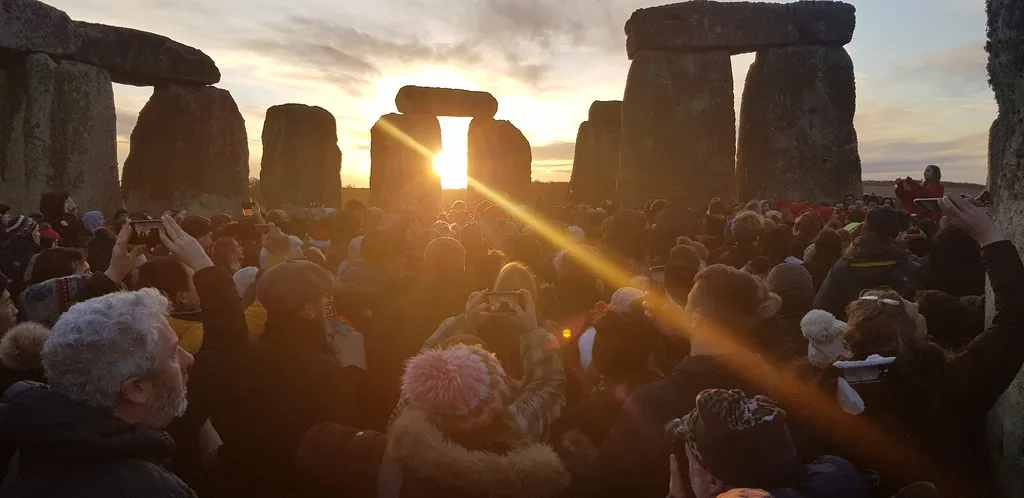
Expect low light until close to 8.09am, followed by a short window when the sky colours before the sun clears the horizon. Cloud is common in December, so treat any clear sunrise as a bonus rather than a promise.
- Phone or camera: a phone on night mode copes well. Keep it in an inside pocket until you need it, because cold drains batteries quickly. A spare power bank is worth carrying.
- Tripods: check English Heritage's current event rules before packing one. Crowds and uneven ground can make them impractical, and large bags are already prohibited.
- Drones: not allowed, so leave them at home.
- Position: arrive early if you want a place with a clear line to the stones. Stewards control the permitted areas, and you cannot step closer for a better angle.
- People in shots: thousands of visitors gather, so frame for silhouettes and atmosphere rather than an empty circle. For a clean photo of the stones, a daytime visit is far easier.
Wear gloves thin enough to work a screen, and keep your torch pointed at the ground so you do not spoil other people's long exposures.
Should you go to the solstice or visit another day?
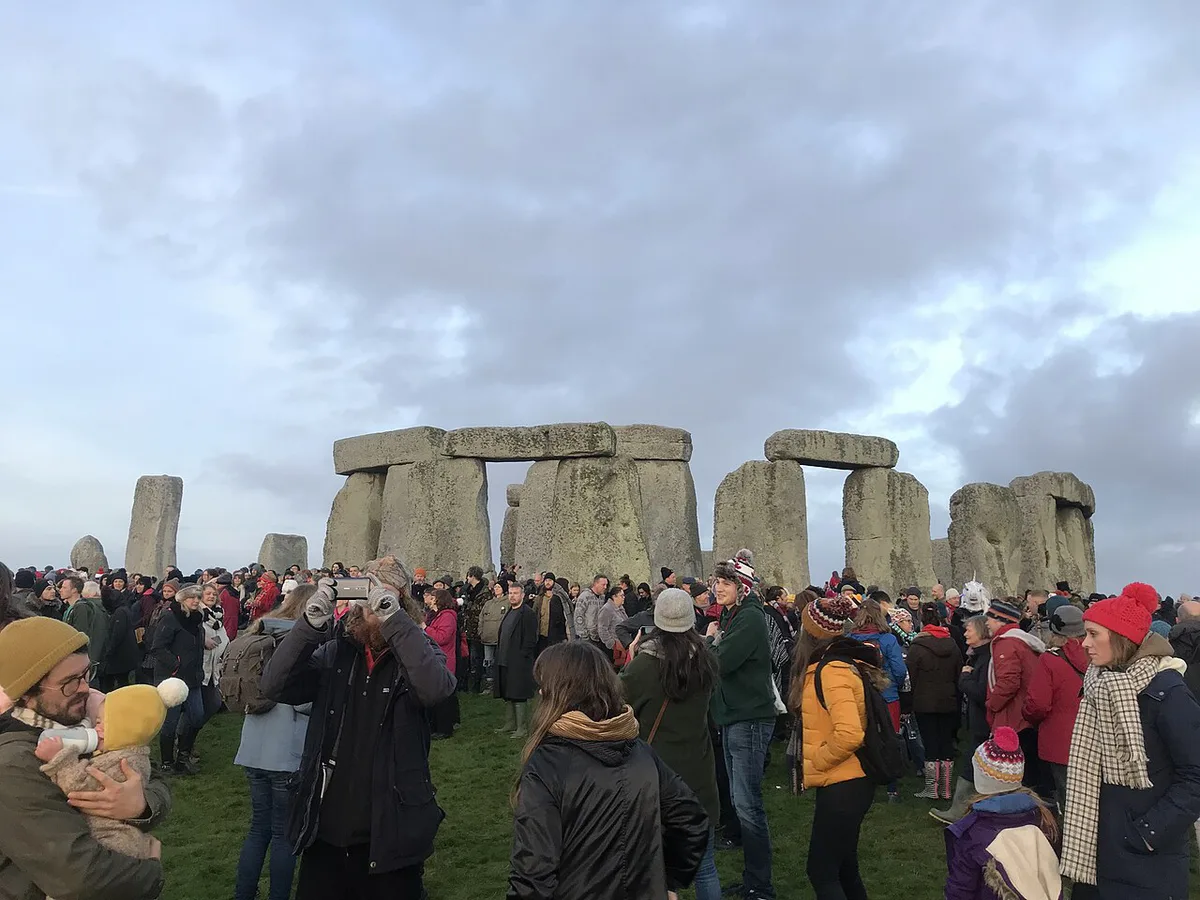
Choose the solstice for the atmosphere of a dawn crowd, free entry and an early start. Choose another day for the audio guide, the museum and a calmer pace. Normal visits need a paid timed entry, so see timed Stonehenge tickets for the details. Close views from the path are explained in stone circle access options. If you are undecided, our worth-it verdict helps. Families with young children may prefer a daylight visit.
Why Stonehenge and the solstice? The alignment explained
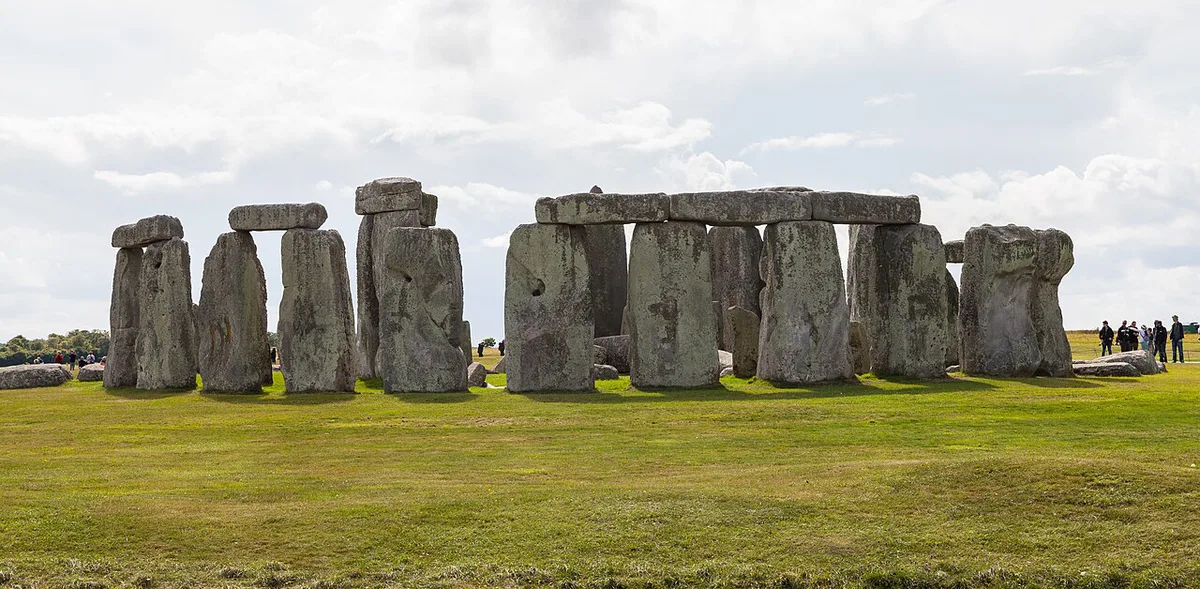
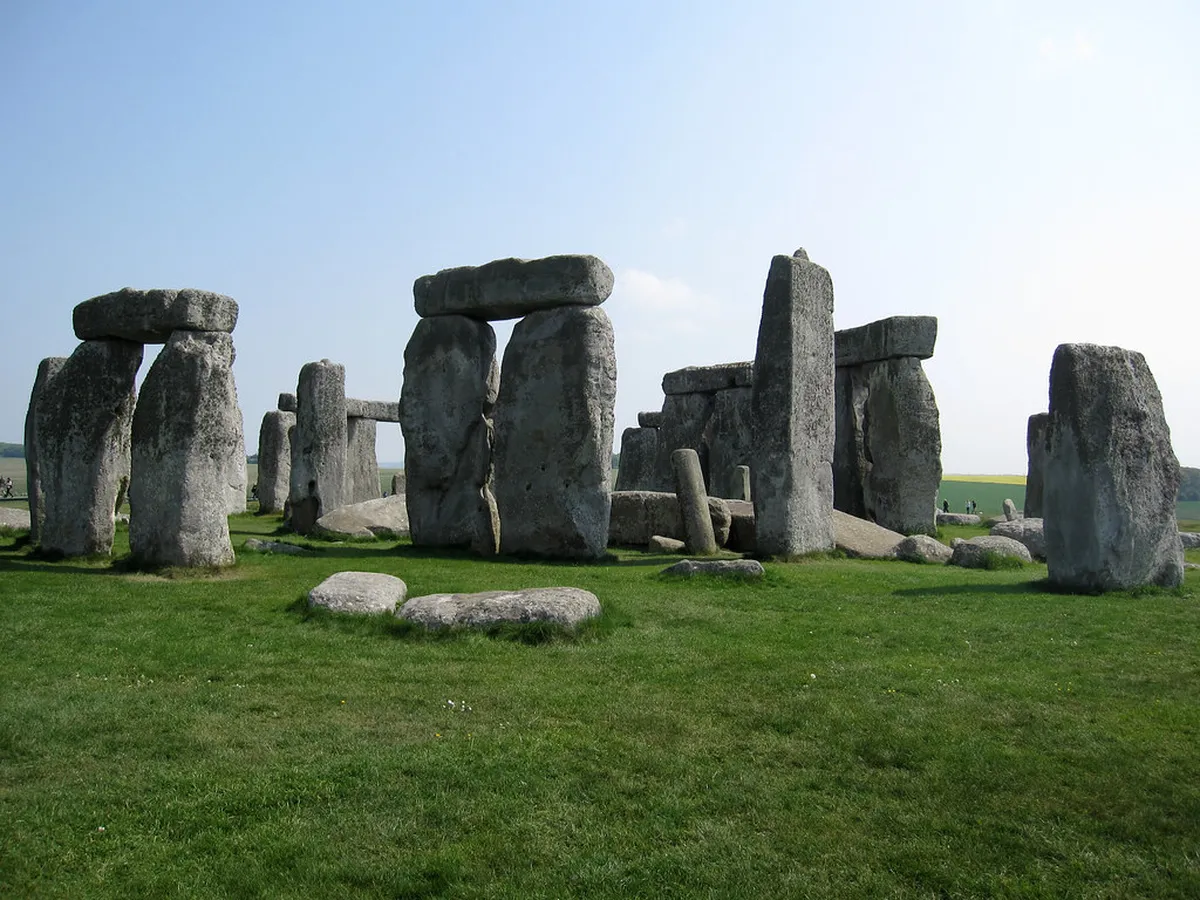
English Heritage describes the main axis of the monument as aligned with the solstitial axis. The stone circle dates from about 2500 BC, and the wider monument grew over roughly 2,000 years, from about 3700 to 1600 BC. Sources discuss the alignment with both midwinter sunset and midsummer sunrise, so treat claims about one "correct" direction with care. The site sits in a protected landscape, which the National Trust Stonehenge Landscape page also covers. Builders and methods are covered in Who Built Stonehenge? Builders, Dates and How.
Winter solstice vs summer solstice at Stonehenge
Winter means cold and dark with a pre-dawn start, while summer brings warmer air and a different crowd. Entry on solstice day is £0 for the circle, compared with a paid timed ticket on an ordinary day. For the other event, read summer solstice at Stonehenge.
| Season | Conditions | Entry | Feel |
|---|---|---|---|
| Winter solstice (22 Dec 2026) | Near 0°C (32°F), dark before 8.09am | £0 for the event | Cold, quiet start |
| Summer solstice | Warmer, light early | Check English Heritage | Larger warm-weather crowd |
| Ordinary day | Daytime visit | Paid timed ticket | Audio guide, Visitor Centre |
Where to stay and plan the day
Stay in Salisbury if you rely on the early bus, since the special services start there and run via Amesbury. Stay in London or Bath only if you can confirm a connection that gets you there before 7am. Cloud can hide the sunrise at 8.09am, and the gathering runs only as officially announced. Backups include Woodhenge and Durrington Walls: Visitor Guide, the Visitor Centre exhibition, and Salisbury itself. Avebury is another option for a second stone circle. Browse Visit Wiltshire for local stays.
Pre-dawn trains from London or Bath must land before 7am, the last admission for sunrise viewing.
Frequently Asked Questions
Is the solstice sunrise or sunset?
Both are discussed, because the monument's axis relates to the solstice sun. English Heritage hosts sunrise viewing on 22 December 2026, listed at 8.09am.
What happens at Stonehenge during the winter solstice?
English Heritage runs a managed gathering with free access, a shuttle from the Visitor Centre and special buses via Amesbury. The stones are protected, and touching or climbing them is prohibited.
Related guides

Continue reading
Guides on the same trip