Best Time to Visit Stonehenge: Season, Month & Crowd Guide
Last updated November 2026: the best time to visit Stonehenge is a weekday morning in late spring or early autumn. Daylight is long enough for an unhurried walk, and the site is calmer than in July and August. Winter suits you if you want quiet and low sun, while the summer solstice is a festival-style event rather than a normal visit. Still weighing the trip? Our guide on whether the stones repay the journey covers the other side of the decision.
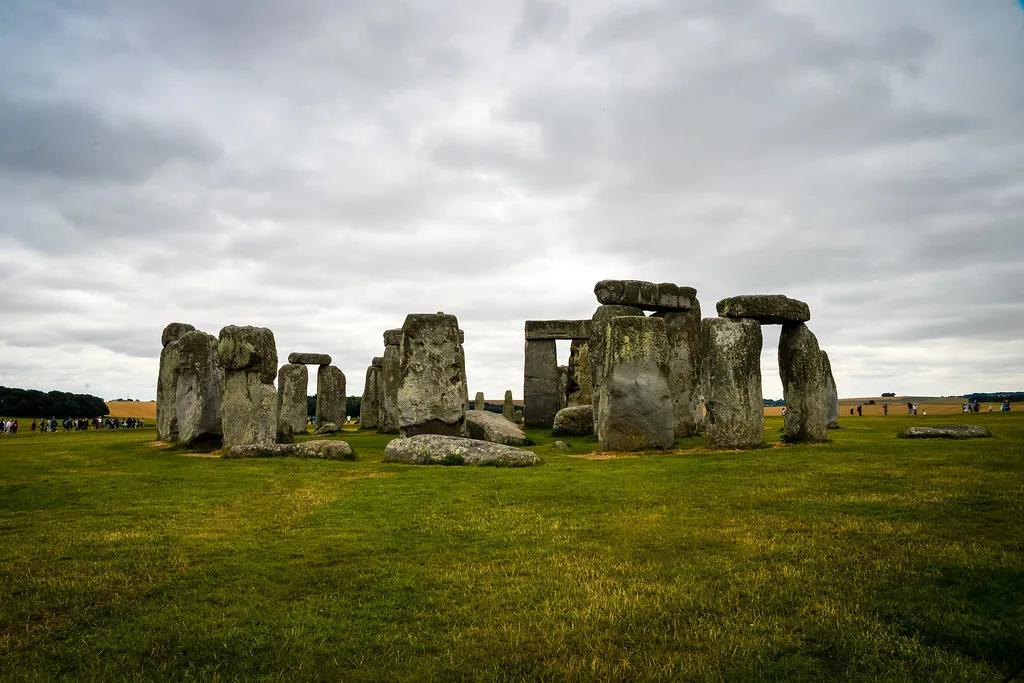
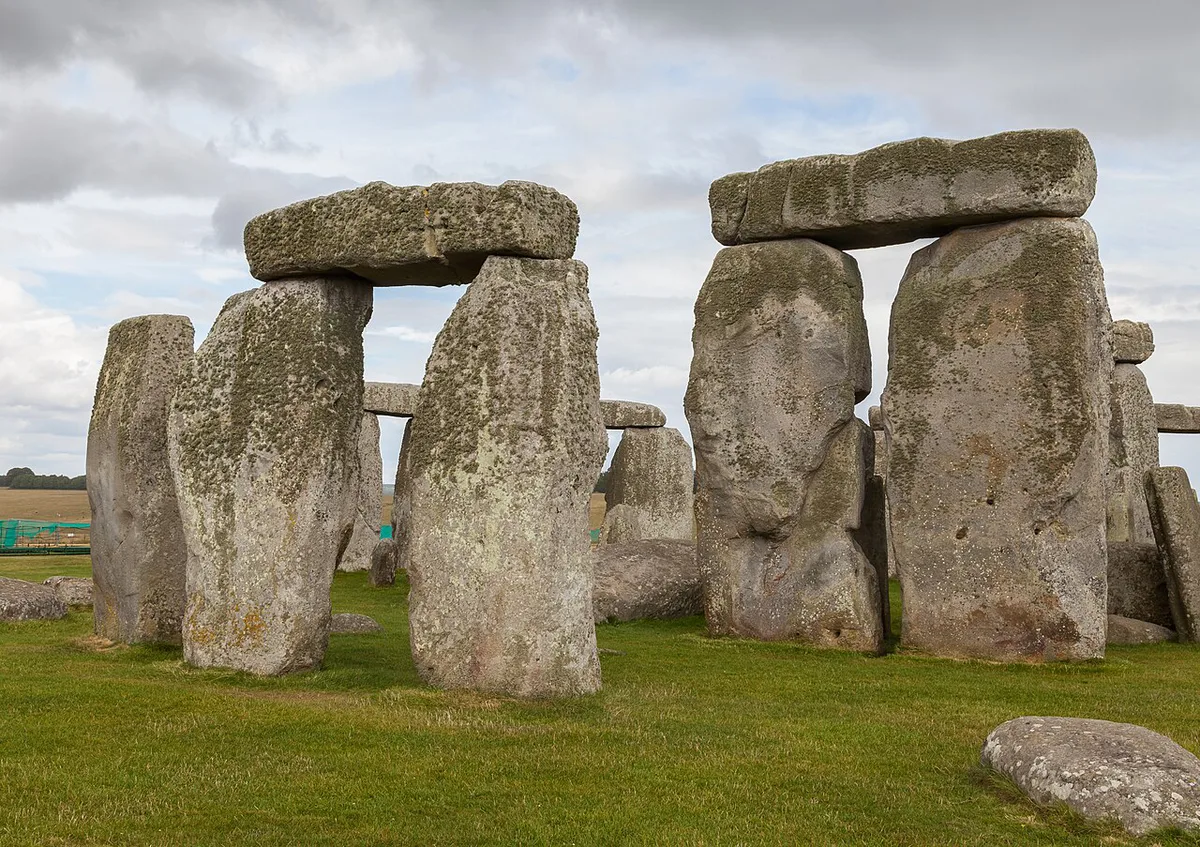
Featured image: nyaa_birdies_perch, CC BY 2.0, via Flickr.
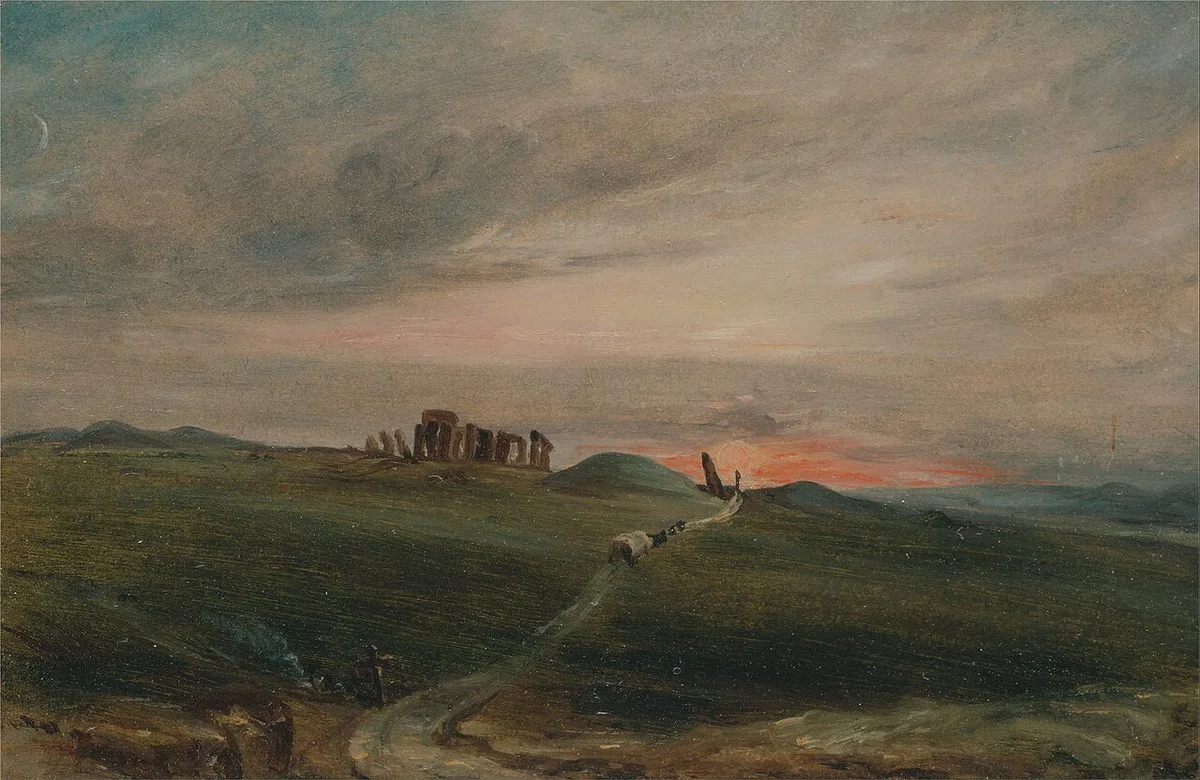
Quick Answer: Best Time to Visit Stonehenge
Pick a weekday in May, June or September and book the first slots of the day. These months give long daylight and milder air on an open site with almost no shelter. If you want the full picture of the monument first, start with our Stonehenge overview. Pick winter only if you accept short days and a cold wind across Salisbury Plain.
Best Time by Priority
Your priority decides the answer more than the calendar does. This table gives a clear pick for each goal.
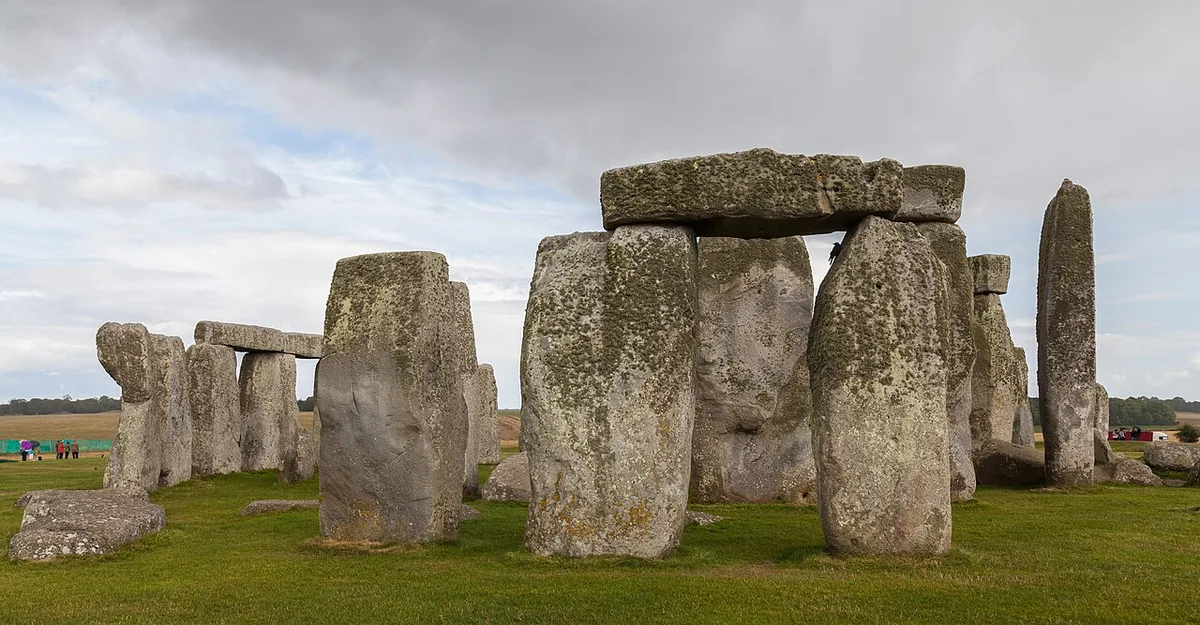
Winter's January days sit near 7°C (45°F), a cost worth paying for the fewest crowds on a first slot.
| Your priority | Best choice | Why |
|---|---|---|
| Fewest crowds | Winter weekday, first slot | Fewer tour groups and school trips |
| Best light and photography | Early morning in autumn or winter | Low sun gives long shadows on the stones |
| Mildest weather | Late spring or early autumn | Gentler wind and longer daylight |
| Lowest overall cost | Off-peak weekday | Slots stay easier to book |
| Families and school holidays | Term-time weekday in May or September | Calmer paths for children |
| Inner-circle or solstice experience | Solstice or a stone circle access slot | Closest contact with the stones |
Stonehenge by Season: Spring, Summer, Autumn, Winter
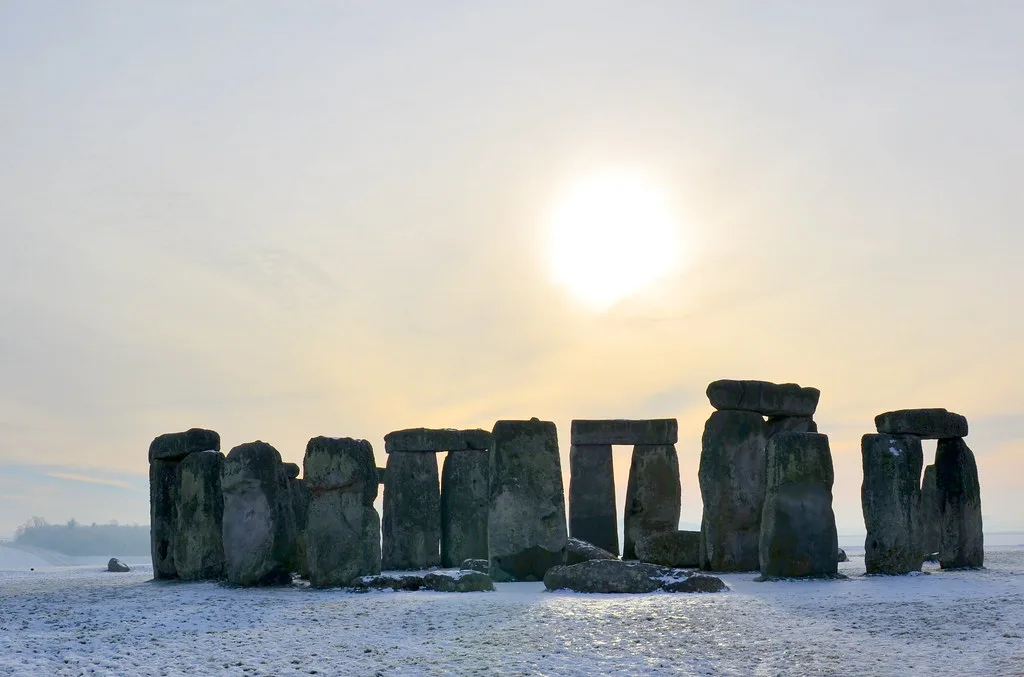
Salisbury Plain is exposed in every season, so the wind matters as much as the temperature. Typical spring afternoons sit near 13°C (55°F), and July highs reach about 21°C (70°F). Autumn settles near 14°C (57°F). January days hover around 7°C (45°F), and wind chill can make that feel nearer 2°C (36°F). Pack layers whatever month you choose.
| Season | Typical temperature | Crowds | Trade-off |
|---|---|---|---|
| Spring (Mar–May) | About 13°C (55°F) | Moderate, rising after Easter | Changeable showers, green fields |
| Summer (Jun–Aug) | About 21°C (70°F) | Heaviest, especially school holidays | Longest days, busiest paths |
| Autumn (Sep–Nov) | About 14°C (57°F) | Moderate, then quiet | Soft light, earlier dusk |
| Winter (Dec–Feb) | About 7°C (45°F) | Lightest | Short days, cold wind, mud |
Best Time of Day and Day of Week
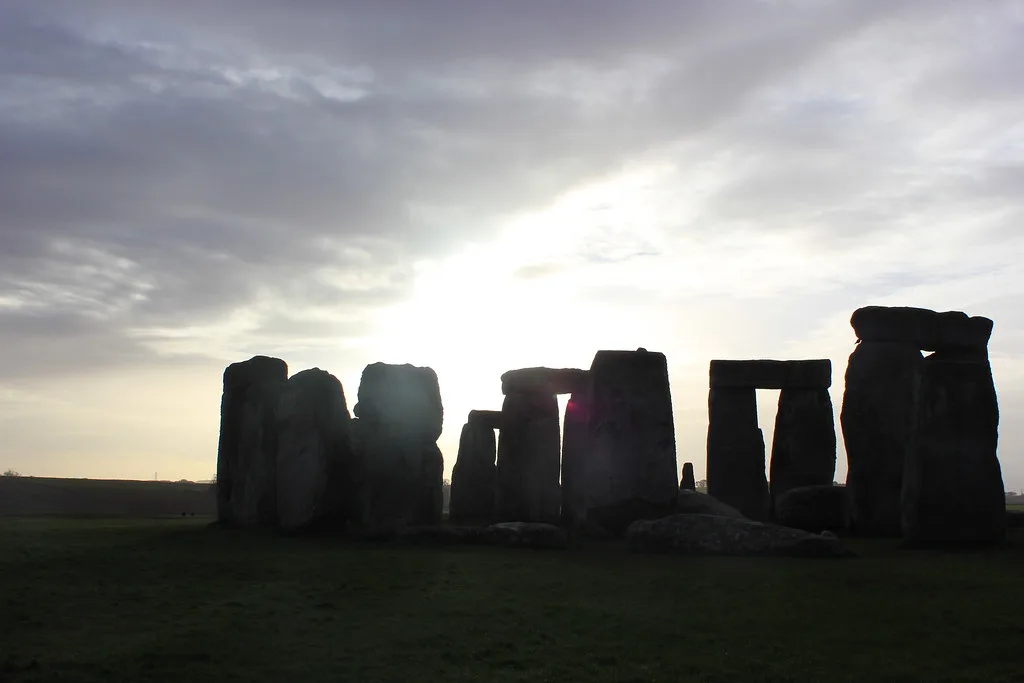
Early slots are the calmest, and weekdays beat weekends in every season. Midday is when coach groups overlap on the path from the visitor centre. In winter, avoid the last slot, because you will lose daylight on the walk back. Check the live booking calendar for current opening hours, since English Heritage changes closing times between summer and winter. Allow time for the exhibition at the visitor centre as well as the stones.
Summer and Winter Solstice: Worth It?
Solstice mornings are a different product from a standard visit. Open access to the stone circle and a festival mood come with heavy crowds, strict item rules and limited transport. A 2024 event guide reported car park opening at 7 PM on 20 June, so check the current year's dates. Read our summer solstice guide before you plan one. The winter event is quieter and moodier, and our winter solstice guide explains what to expect.
Getting There by Season
Daylight shapes every route. From London, trains run to Salisbury, and you can check times on National Rail. Our London day trip guide covers the full route. Salisbury is the usual base, and a 2024 solstice guide listed the Stonehenge tour bus at £13 for about 50 minutes. Fares and winter timetables change, so verify with the operator. See Salisbury to Stonehenge: Bus, Shuttle & Timetable Guide for the details. Coming from the west? Use our Bath route guide. Local planning ideas are on Visit Wiltshire. Drivers should read about parking at Stonehenge, because solstice parking was listed at £15 for cars and £5 for motorbikes.
Tickets, Booking and Cost Trade-offs
Book ahead in summer and on school-holiday weekends, when slots sell out first. Off-peak weekdays leave more choice of times. Our Stonehenge tickets guide compares the options. Standard entry keeps you on the perimeter path. If you want to stand among the stones, look at stone circle access, which has its own limited slots. Busy day? Woodhenge and Durrington Walls: Visitor Guide make a quieter alternative. Avebury is another option.
Solstice parking runs £15 for cars and £5 for motorbikes, so budget travelers should count it alongside ticket costs.
Mistakes to Avoid
These errors cost visitors the most.
- Arriving for a sunrise without a solstice plan, since normal visits follow set opening hours.
- Assuming you can touch the stones on a standard visit.
- Underdressing for wind on an open plain.
- Booking the last winter slot and losing daylight.
- Treating solstice day as an ordinary visit.
If You Only Have One Choice
First-timers should book a weekday morning in May or September. Photographers should take the first slot on a clear winter morning. Budget travelers should choose an off-peak weekday and skip paid extras. Families do best in term time, with warm layers and an early start.
Frequently Asked Questions
How much time is needed to see Stonehenge?
Plan a half day including travel. Walking the stones and the exhibition takes a morning or afternoon, and more if you add Woodhenge.
Related guides

Continue reading
Guides on the same trip