Stonehenge Visitor Centre: What's Inside and How to Plan Your Visit
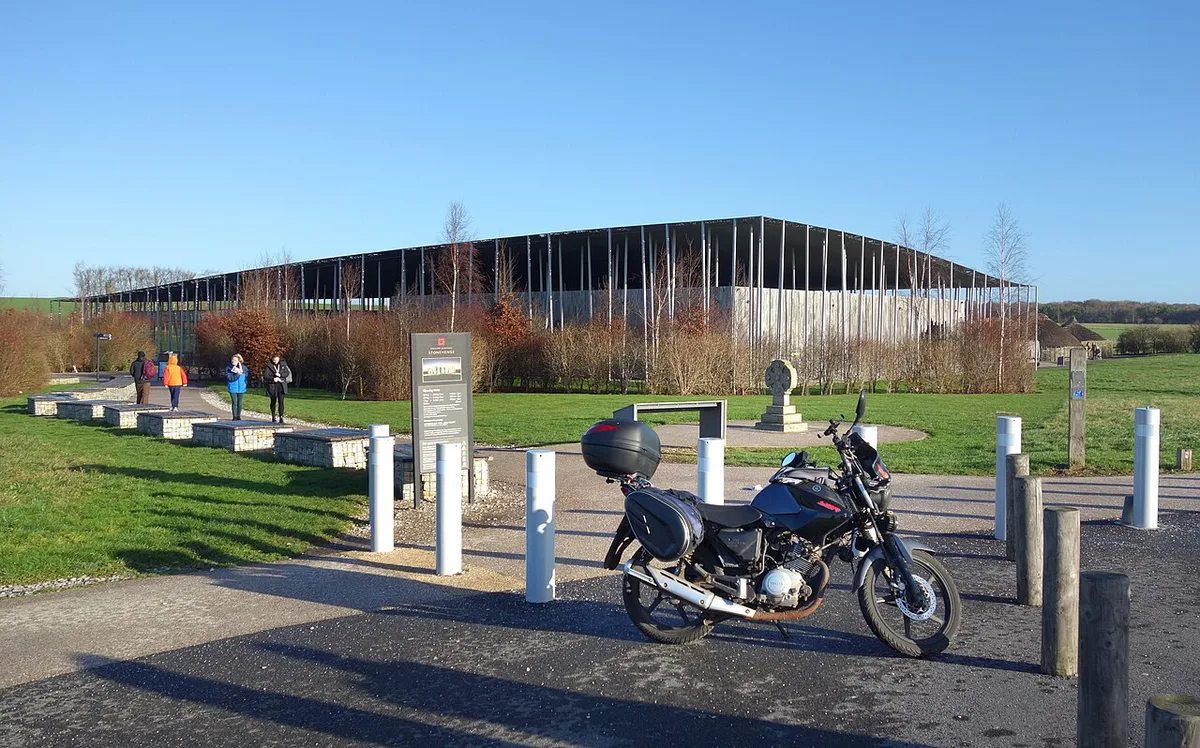
Last updated November 2026: the Stonehenge visitor centre is the main arrival building, set about 1.5 miles from the stones. It holds the exhibition, café, shop, toilets and ticket desk, and a shuttle or a walk links it to the circle. Use our complete Stonehenge guide for the wider trip.
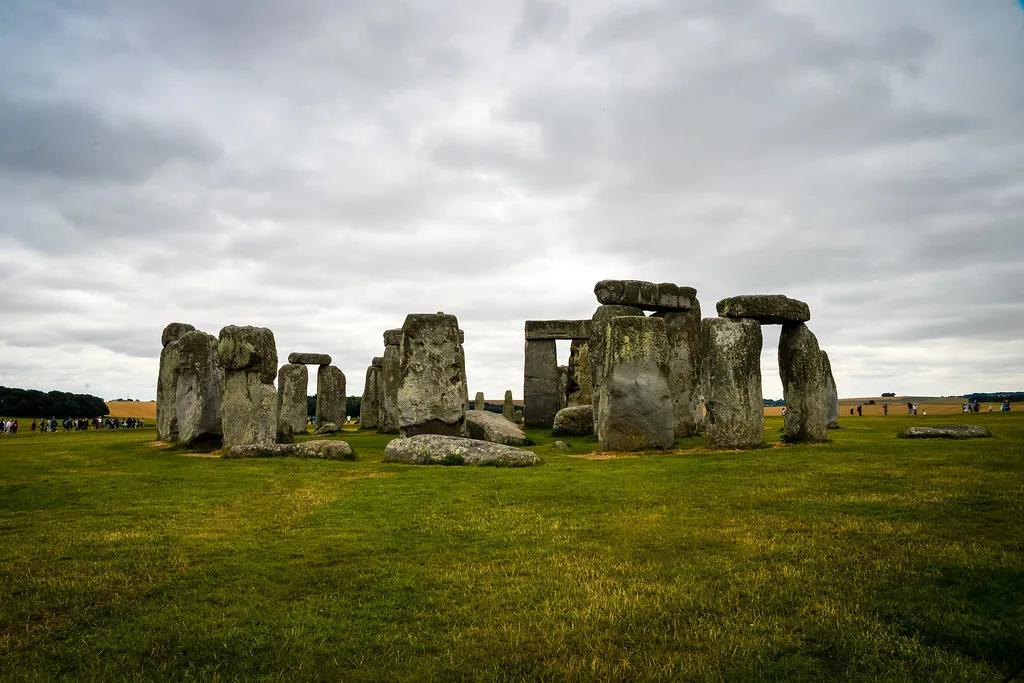
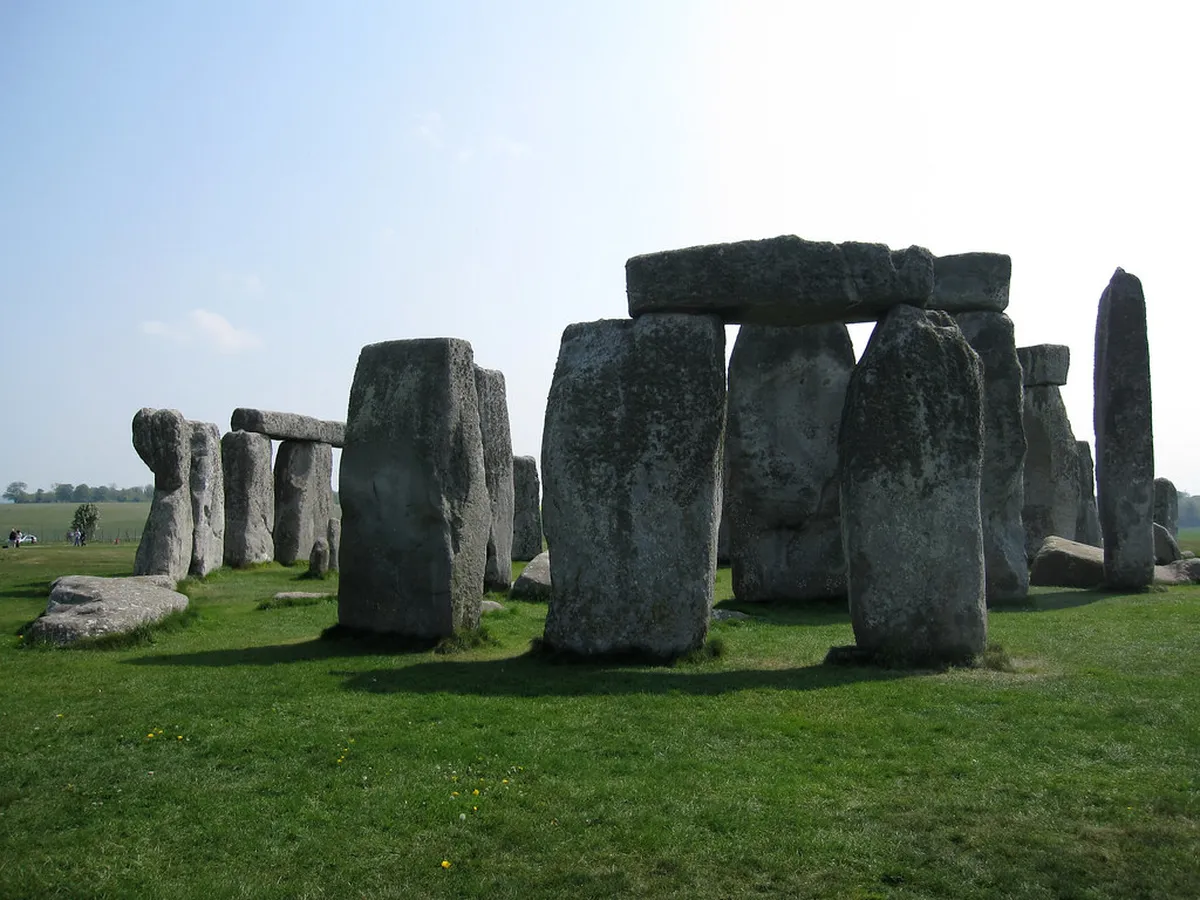
Featured image: Stonehenge Stone Circle News www.Stonehenge.News, CC BY 2.0, via Flickr.
What the Stonehenge Visitor Centre is and where it sits
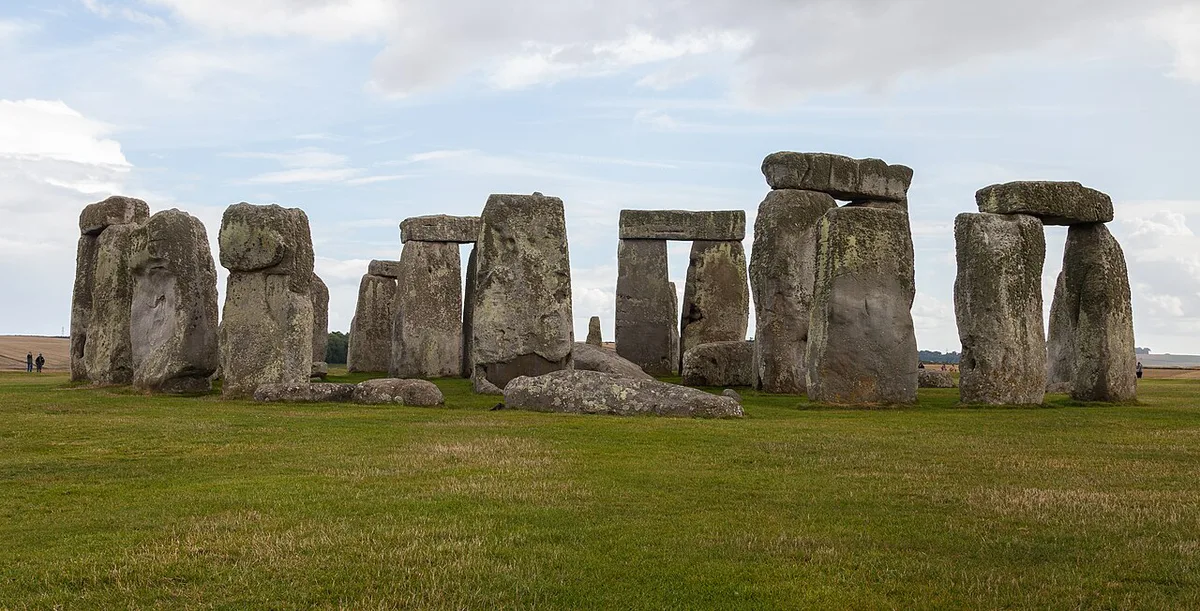
Stonehenge Visitor Centre is a separate building, not part of the monument itself. It opened in 2013 under English Heritage, and its architects placed it deliberately out of view of the stones. Building it let the old road and the outdated car park beside the monument be removed. That reunited the circle with The Avenue, its ancient processional route. Both English Heritage and the National Trust look after the approaches, and the National Trust landscape pages cover the surrounding land. Expect to arrive here first, then travel roughly 2 km to the circle on foot or by shuttle.
What's inside: exhibition, reconstructions, café and shop
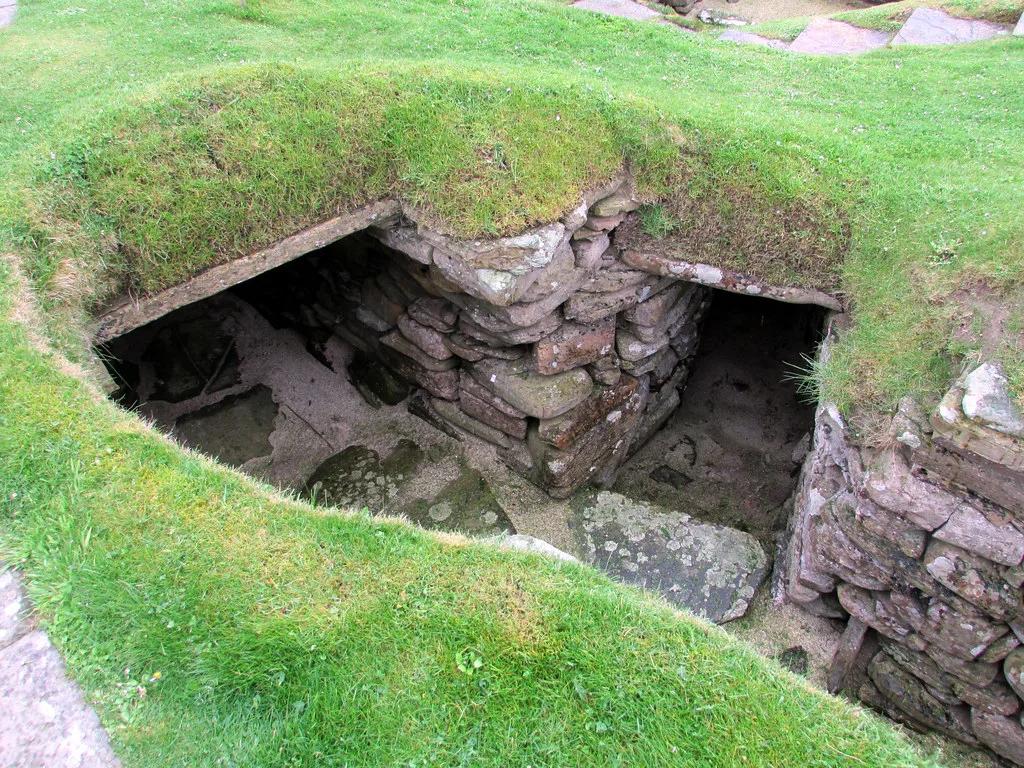
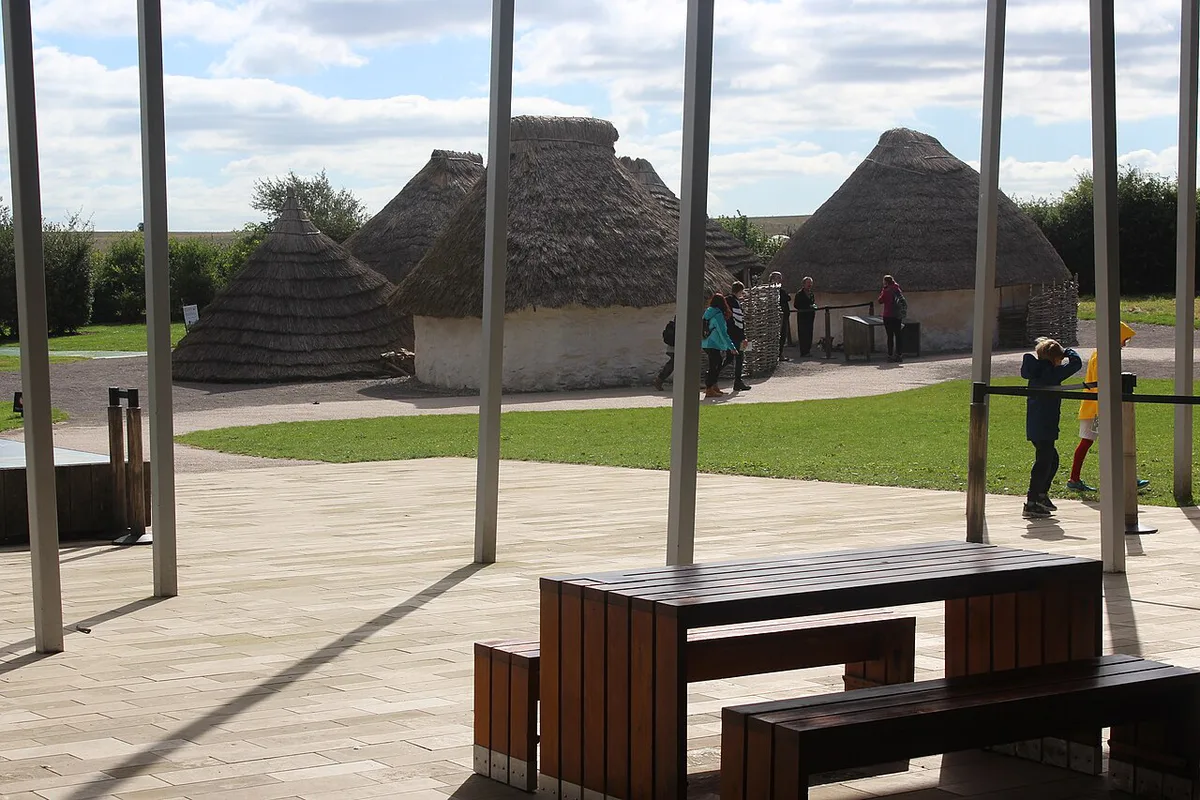
Everything you need before the stones is under one roof. Outside, a group of reconstructed Neolithic houses gives the story a physical scale.
- Exhibition: artefacts, timelines and video displays explain how and why the monument may have been built. For the story behind it, read who built the stones.
- Reconstructed Neolithic houses: outdoors near the centre, with life-size spaces to look inside and handle.
- Café: indoor and outdoor seating, with snacks such as pasties, sandwiches and pastries. Main-meal choice is limited.
- Shop: a large, spacious shop that works as a first stop or a last one.
- Toilets: large, clean and located in the centre, so use them before the stones, where facilities are minimal.
Centre first or stones first?
Most visitors go to the exhibition first because it explains what you are about to see. That order suits families, first-timers and anyone who likes context before the view. Reverse it when the weather is clear and you want the best light at the circle. The exhibition is indoors, so it also works as a wet-weather fallback afterwards. Queues for the shuttle build at busy times in both directions, so plan the return trip as carefully as the outward one. Our guide to the best time to visit shows when crowds ease. Time spent in the exhibition varies widely. Quick readers report 10–20 minutes, while others spend an hour or more. Reading depth, children, the café and the shop all stretch it.

Getting from the centre to the circle: shuttle or walk
The stones sit roughly 2 km from the centre. You can take the shuttle bus or walk. Budget extra time for shuttle queues in both directions, especially in summer and on weekends. Once at the circle, a set path keeps you at a distance but gives good views. Anyone hoping to stand among the stones should read about stone circle access before booking.
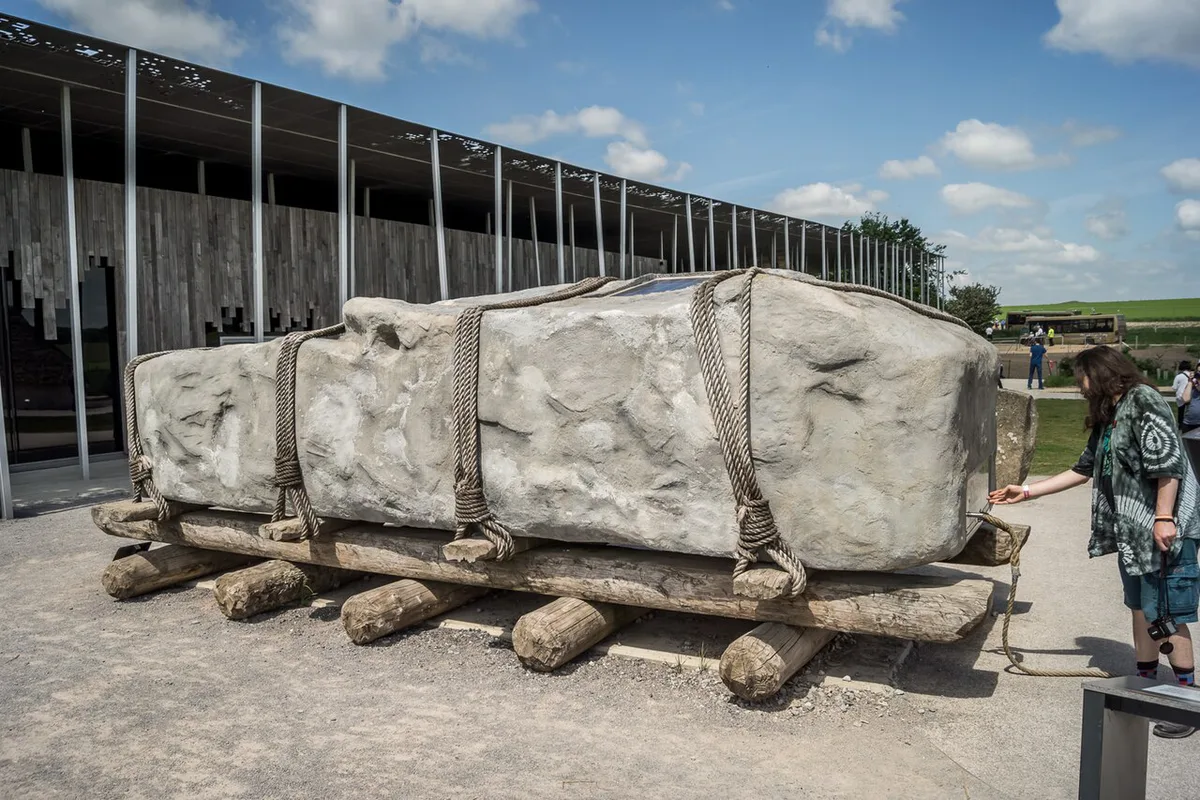
Walking the 2 km each way eats into a two-hour window once exhibition time is added.
| Option | Effort | Best for | Caveat |
|---|---|---|---|
| Visitor centre only | Low | Wet days, short stops, anyone who wants the story without the walk | You do not see the monument itself |
| Centre plus stones by shuttle | Low to moderate | Families, mobility needs, tight schedules | Queues build at peak times, in both directions |
| Centre plus stones on foot | Moderate | Fit walkers and anyone avoiding queues | About 2 km each way, with little shelter if the weather turns |
A sample half-day plan for your visit
The centre, the shuttle and the circle path add up to more time than most visitors expect. This outline uses the timings already given above. Treat it as a starting point and adjust for your pace.
| Stage | Typical time | Notes |
|---|---|---|
| Arrive, park, toilets | 15-20 minutes | Use the toilets here, because facilities at the stones are minimal |
| Exhibition and reconstructed houses | 10-20 minutes if skimming, an hour or more if reading everything | Children and the shop both stretch this |
| Shuttle to the circle | Allow extra for queues | Queues build at busy times |
| Circle path | 30-45 minutes | A set path keeps you at a distance, with good views |
| Return shuttle, café, shop | Allow extra for queues | Plan the return as carefully as the outward trip |
On that basis, a relaxed visit fits comfortably into around three hours. A rushed one can be done in two, as the FAQ says, but with no slack for queues.
Book the earliest entry slot you can if you want shorter shuttle queues. Our Stonehenge vs Avebury comparison is worth reading if you would rather have a quieter, more hands-on second stop on the same day.
Tickets, parking and opening hours
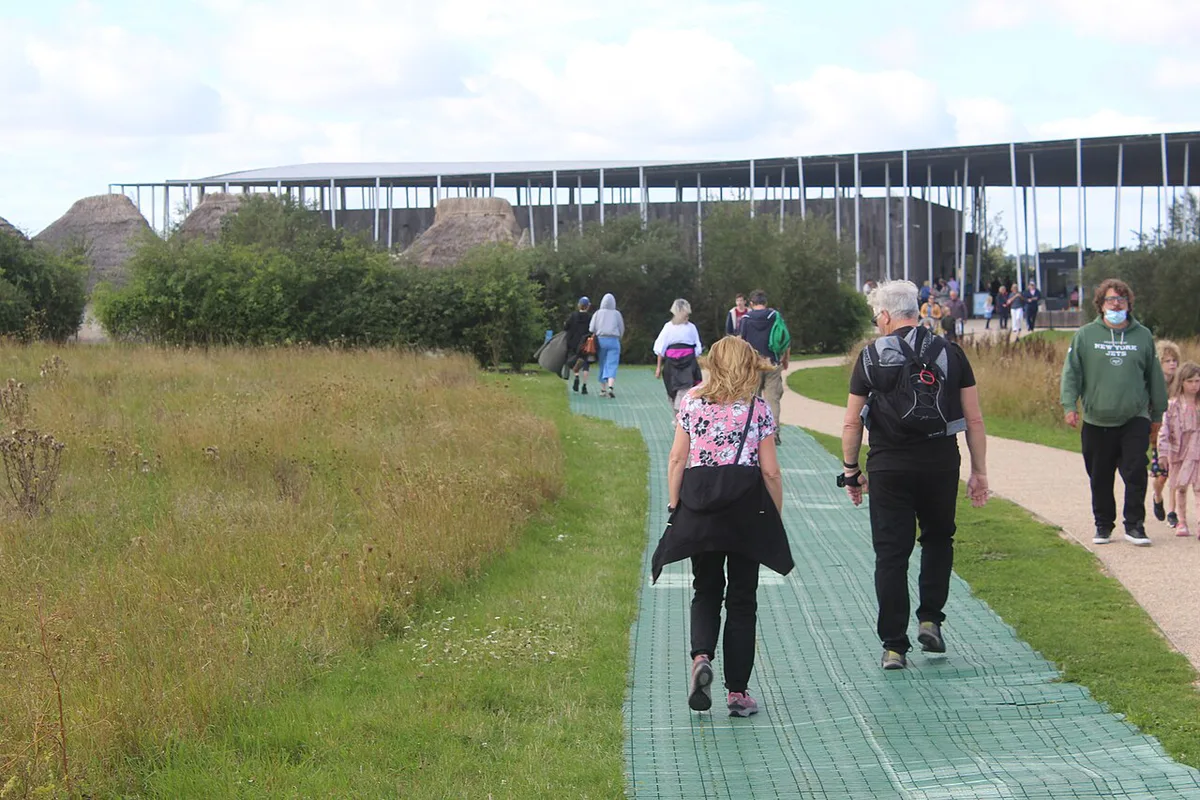
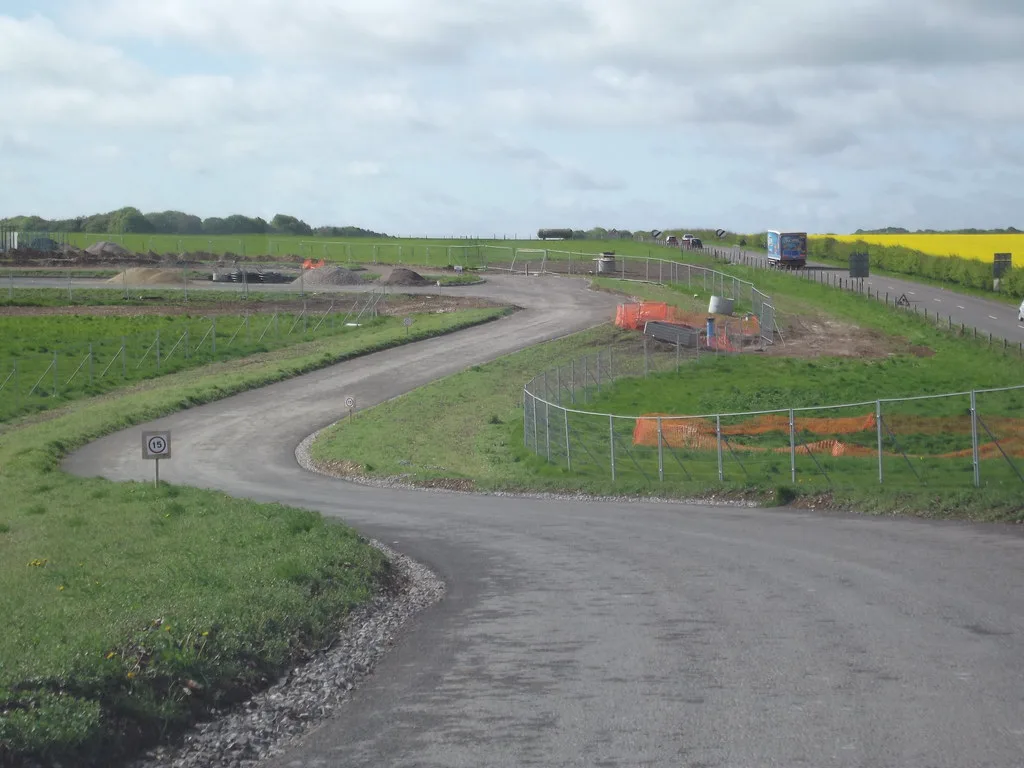
Tickets and slots are managed by English Heritage, and hours change by season. Check the official site on the day. Our ticket guide sets out what each option covers. Parking at the centre is large and organised, and visitors report it is included with some tickets and validated at the ticket office. Read our parking advice before driving. Download the audio guide app before you arrive, because mobile signal at the site is poor.
Set SP4 7DE in your sat nav, then check hours on the official site, since they change by season.
Solstice days and winter visits to the centre
The centre runs differently at the extremes of the year. Daylight is the main constraint in winter, and crowd management is the main one around the solstices.
- Winter: days are short, so the light fades while you are still on the circle path. Aim to reach the stones before the afternoon, and use the indoor exhibition as a fallback if rain sets in. Winter hours and last entry times differ from summer, so check the English Heritage site before you set off.
- Solstice mornings: English Heritage manages special access arrangements for the solstices, and these can change the normal parking and entry routine. Do not assume a standard ticketed visit to the centre is available on those days.
- Weekends and school holidays: these draw the longest queues for the shuttle and café, whatever the season.
If a solstice is the reason for your trip, read our guides to the summer solstice at Stonehenge and the winter solstice at Stonehenge before you plan your travel. Check the official site for the current year's arrangements.
Accessibility, families, dogs and food
The path from the car park to the centre is paved and lit, and visitors with limited mobility describe the building as easy to reach. Toilets include accessible and baby-changing facilities, and most areas are step-free for pushchairs. Dog rules are strict at the site, so confirm current policy with English Heritage before bringing one. Food is available at the café. The exhibition suits school-age children best, since it relies on reading and video.
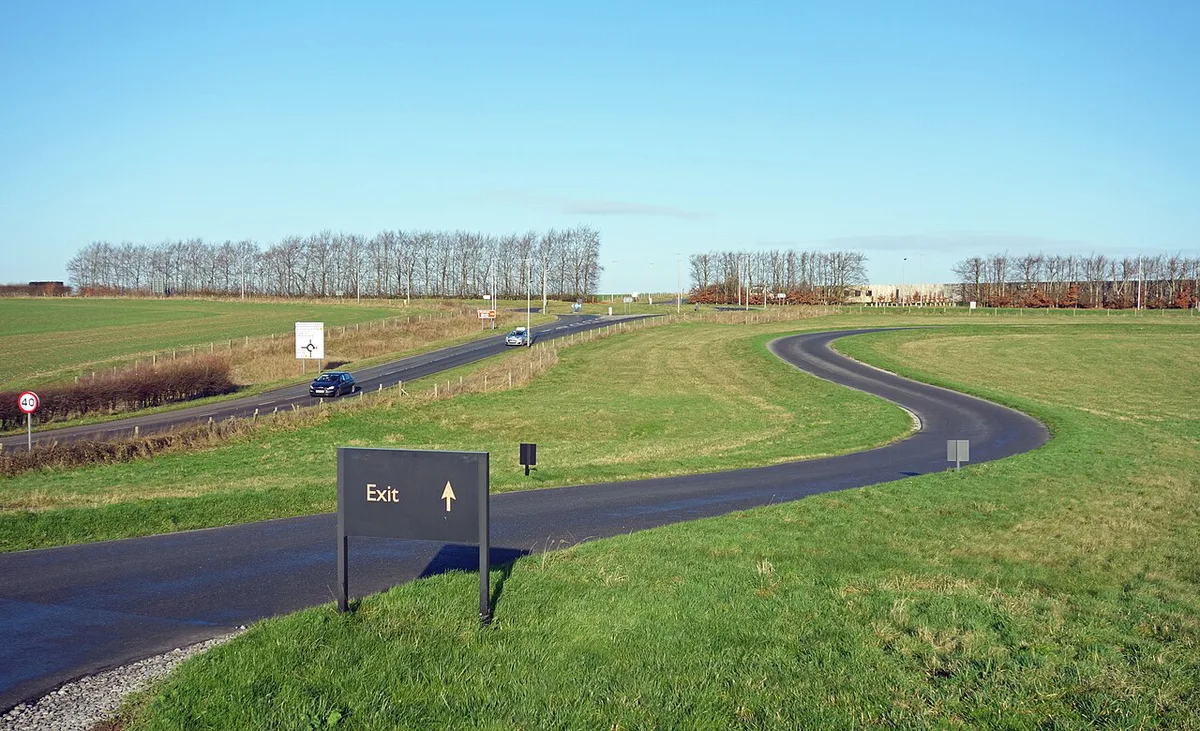
How the centre fits a wider trip
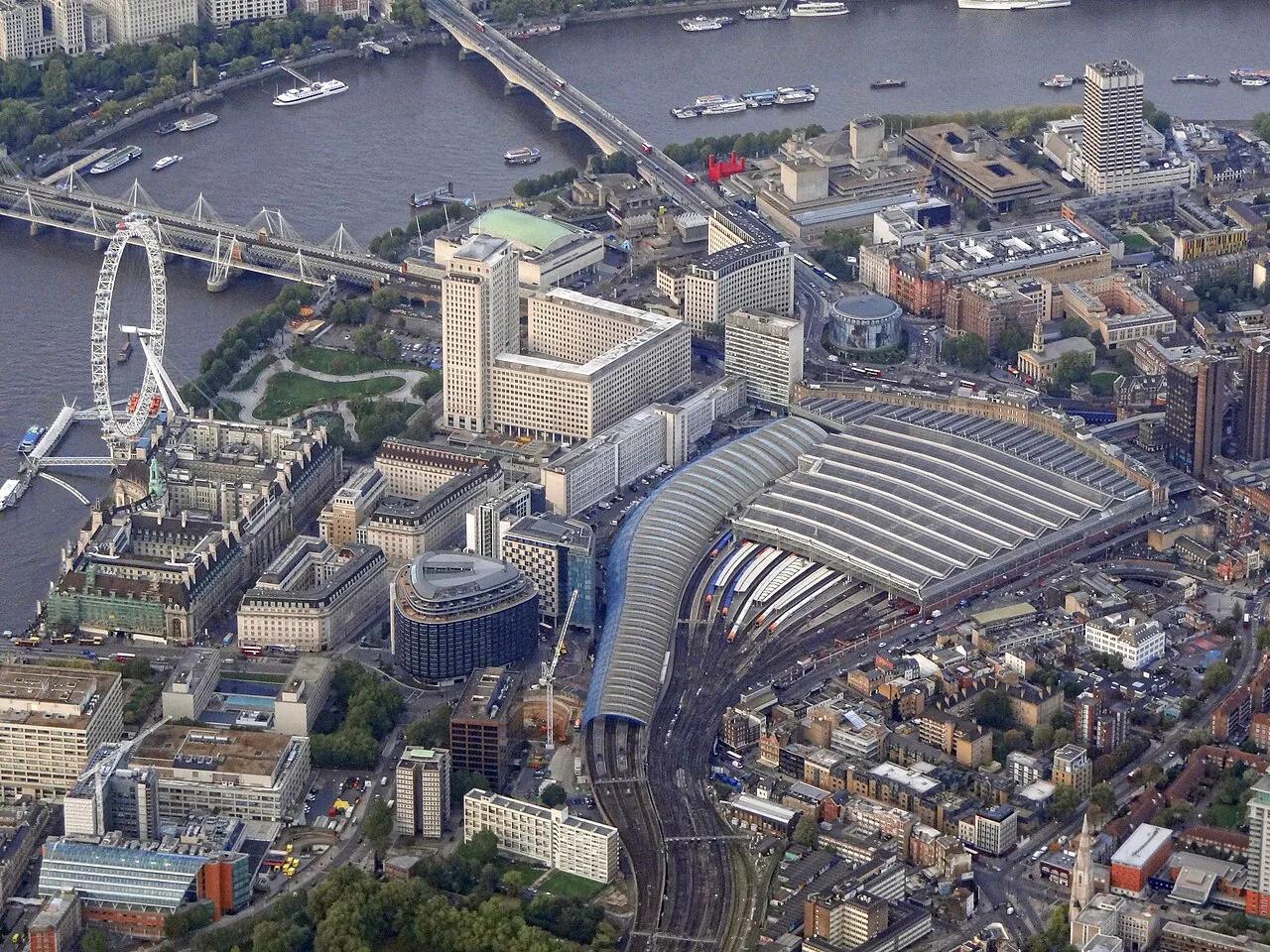
Stonehenge Visitor Centre is not on a major public transport route, and driving is the simplest approach. Plan the rest of your day around your starting point. From the capital, read about getting from London. Coming from the west, see the route from Bath. Salisbury is the closest base, and trips from Salisbury cover the options. National Rail and South Western Railway handle the main lines, so check National Rail journey planning for connections. If you are still weighing the cost, whether Stonehenge is worth visiting gives an honest view. For another prehistoric stop nearby, try Woodhenge and Durrington Walls: Visitor Guide.
Frequently Asked Questions
Is 2 hours enough at Stonehenge?
Two hours covers a quick exhibition visit, the shuttle and a lap of the circle path. Add time for queues, the café and the shop if you want a relaxed visit. Anyone reading every panel should allow longer.
Where can I find Stonehenge?
Stonehenge is in Wiltshire, near Salisbury, with the visitor centre at postcode SP4 7DE. Visitors arrive at the centre first, then travel about 2 km to the stones.
Related guides

Continue reading
Guides on the same trip