Last updated November 2026: Stonehenge vs Avebury is a choice between a ticketed, managed icon and a free, hands-on landscape. Pick Stonehenge for the famous silhouette, a visitor centre and a clear story. Pick Avebury for space, quiet and stones you can walk among, and know that a car lets you do both in one day.
Featured image: Infinity & Beyond Photography: Kev Cook, CC BY 4.0, via Flickr.
Quick Verdict: Stonehenge or Avebury?
Stonehenge is the better first stop if you want the iconic monument with context, facilities and a timed, organised visit. Avebury is the better stop if you want freedom, a village inside the monument and room to wander. Both sit in Wiltshire and share one UNESCO World Heritage inscription, so neither is a consolation prize. For the wider picture, start with our Stonehenge visitor guide.
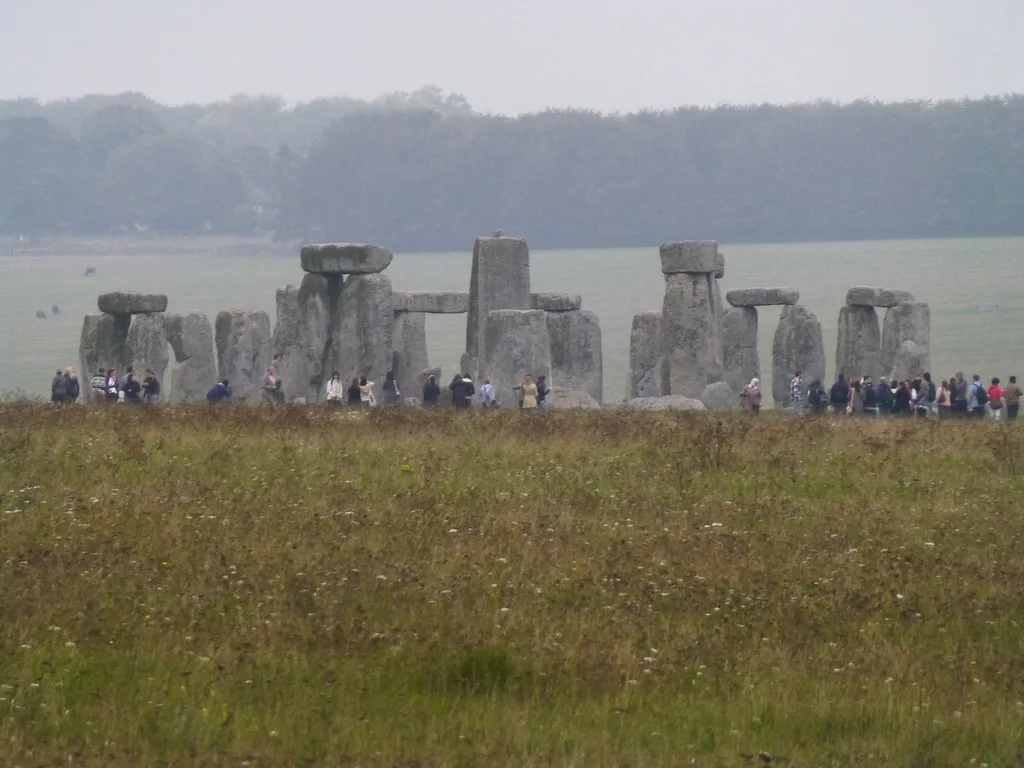
- Pick Stonehenge if it is your first prehistoric site, you want an audio-guided visit, or you have only a short London day trip.
- Pick Avebury if you want to walk among the stones, avoid timed tickets, or travel with children who need space to run.
- Pick both if you have a car and a full day: Stonehenge early, Avebury in the afternoon.
Stonehenge vs Avebury at a Glance
Avebury's outer circle spans more than 330 m across, while Stonehenge measures roughly 30 m. Size is only part of the story, because the two sites feel completely different on the ground. This table compares the practical criteria side by side.
| Criteria | Stonehenge | Avebury |
|---|---|---|
| What survives | Compact circle of upright sarsens and lintels, with smaller bluestones | 36 standing stones remain, with concrete markers for lost ones, plus a huge earth bank and ditch |
| Period | Neolithic and early Bronze Age, roughly 3000–1800 BC | Same broad era; the henge dates to around 2600–2500 BC |
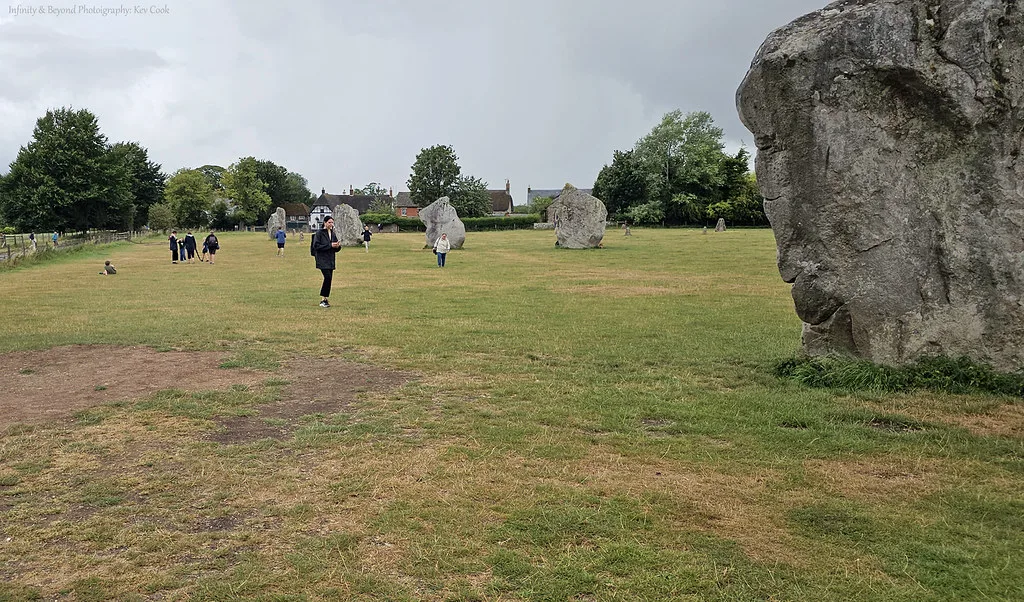
| Touching the stones | Not on a standard visit; a rope keeps you roughly 10 m away | Stones stand in open fields and village lanes, so you can walk right up to them |
| Inner-circle access | Separate pre-booked arrangement, limited to about 52 people | No separate arrangement needed |
| Cost model | Timed-entry ticket plus parking, typically £25–£30 | Stones free at £0; parking and museum entry may be charged |
| Time needed | About 1.5–2 hours | About 2–3 hours for the stones and village; 2.5–3 hours for the full 8 km circuit |
| Crowds | Coach-driven peaks around midday | Quieter early and late; busier on summer weekends |
| Facilities | Visitor centre, shuttle to the stones, exhibitions | Village pub, shop and museum within the henge |
| Best for | First-timers, history buffs, short day trips | Families, walkers, photographers, repeat visitors |
Which One Fits You?
Match the site to your travel style, not to fame alone. This decision table gives one pick and one reason for each type of visitor.
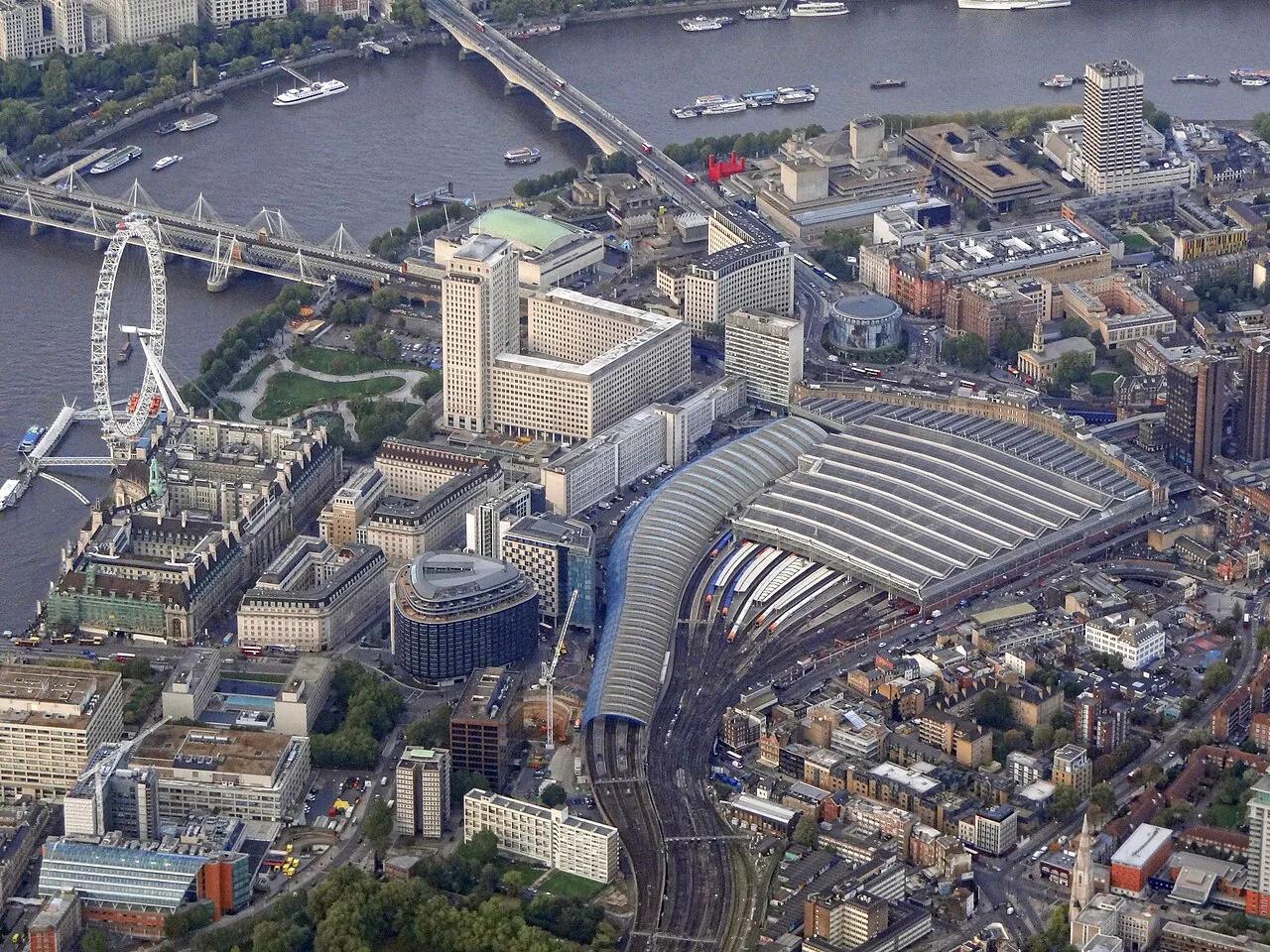
From London Waterloo, the train to Salisbury takes about 90 minutes, then a bus reaches the stones. Budget £25–£30 for the ticket on top, plus parking.
| Traveller type | Pick | Why |
|---|---|---|
| First-timer | Stonehenge | Visitor centre and audio guide give the full story in one visit |
| Photographer | Both | Stonehenge for the classic shape, Avebury for stones in fields, with long low light |
| Family with kids | Avebury | Open grass, sheep and no ropes; children can roam freely |
| History buff | Both | Stonehenge for the monument itself, Avebury for the wider landscape |
| No-car traveller | Stonehenge | Train to Salisbury and a bus is simpler than the Avebury connection |
| Short London day trip | Stonehenge | Single, well-signposted route with a fixed time slot |
| Limited mobility | Check both | Avebury is flat but uneven; Stonehenge has a shuttle and set path |
Stonehenge: What You Actually Get
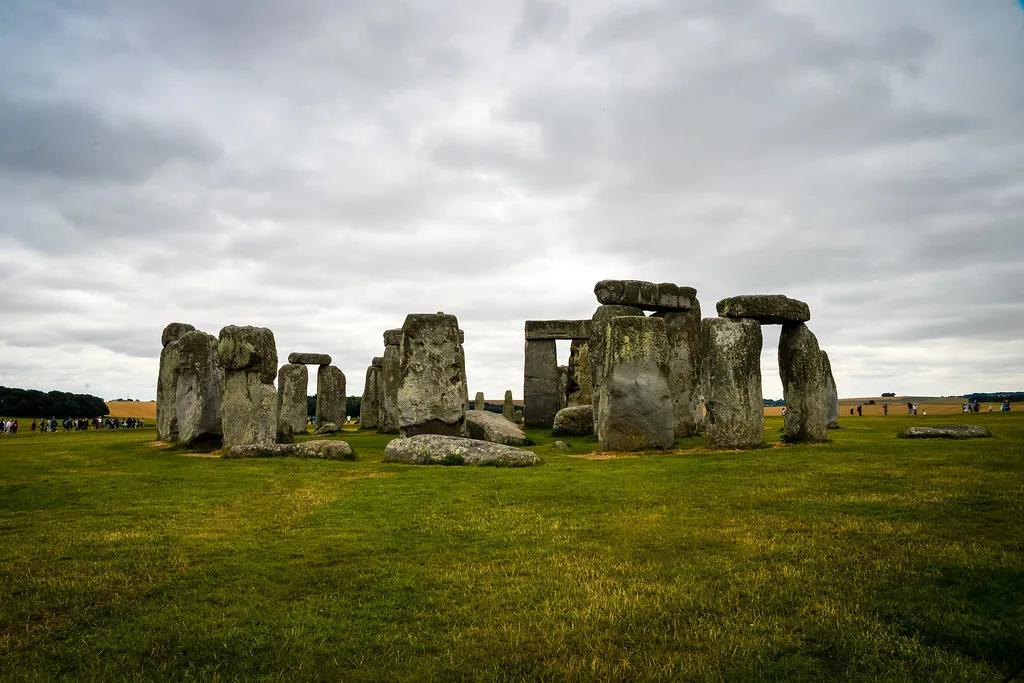
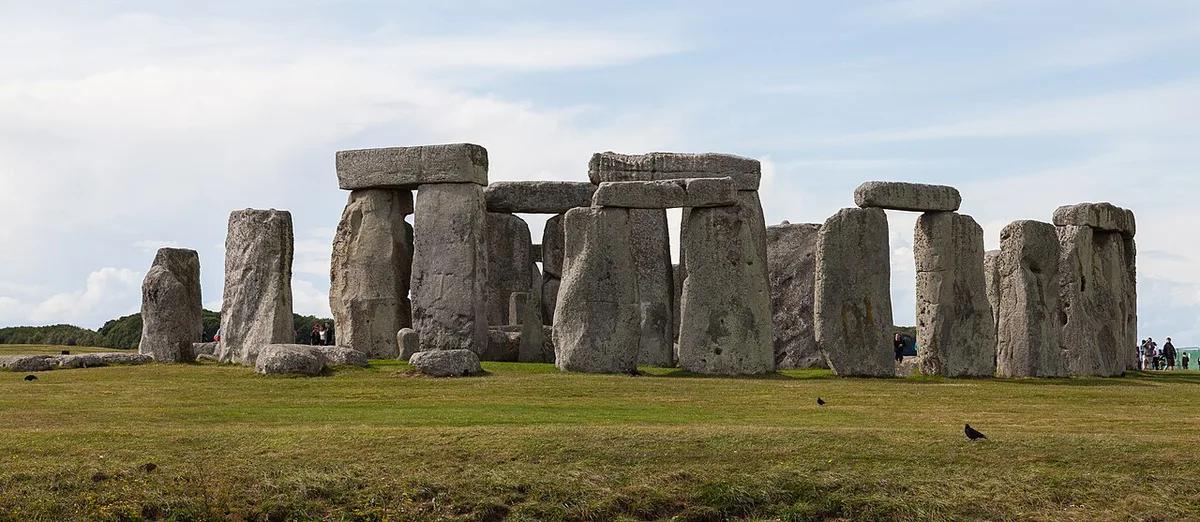
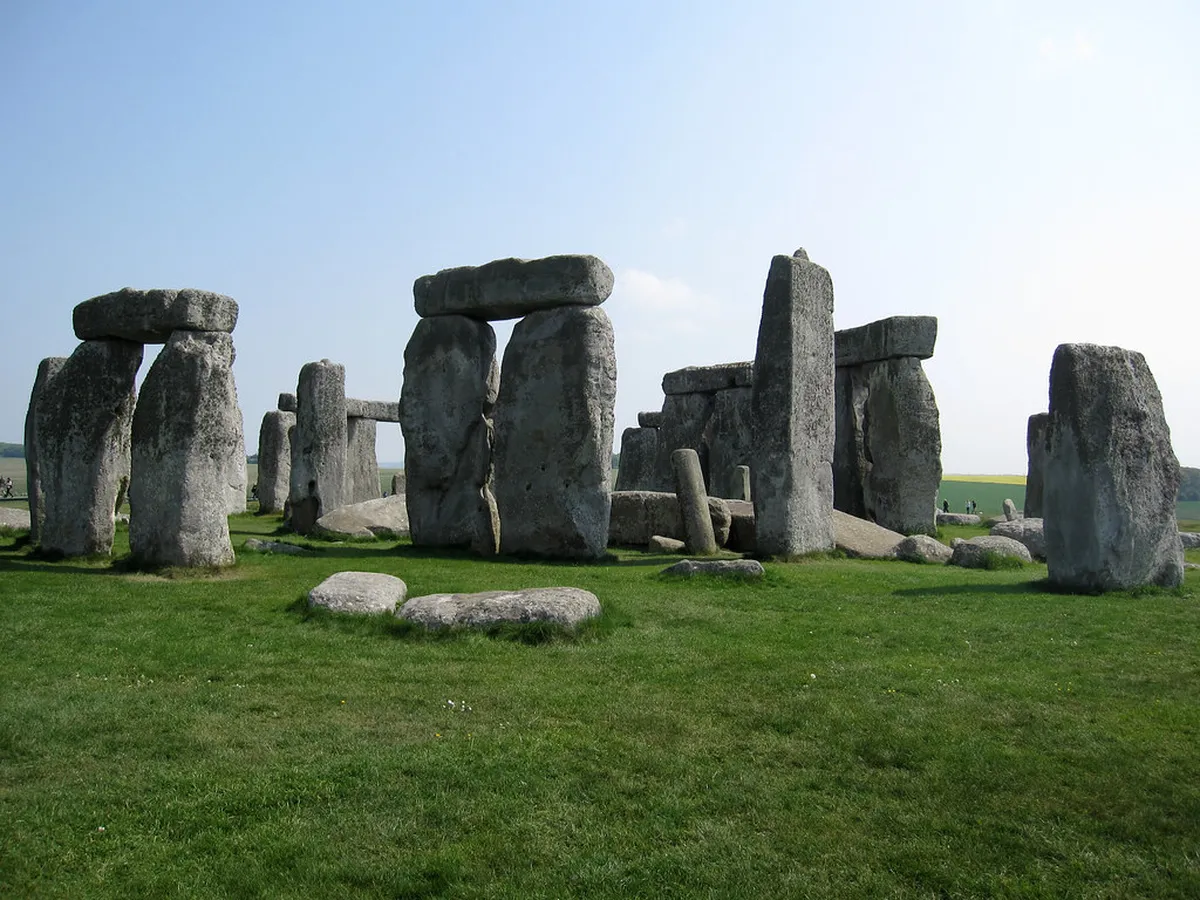
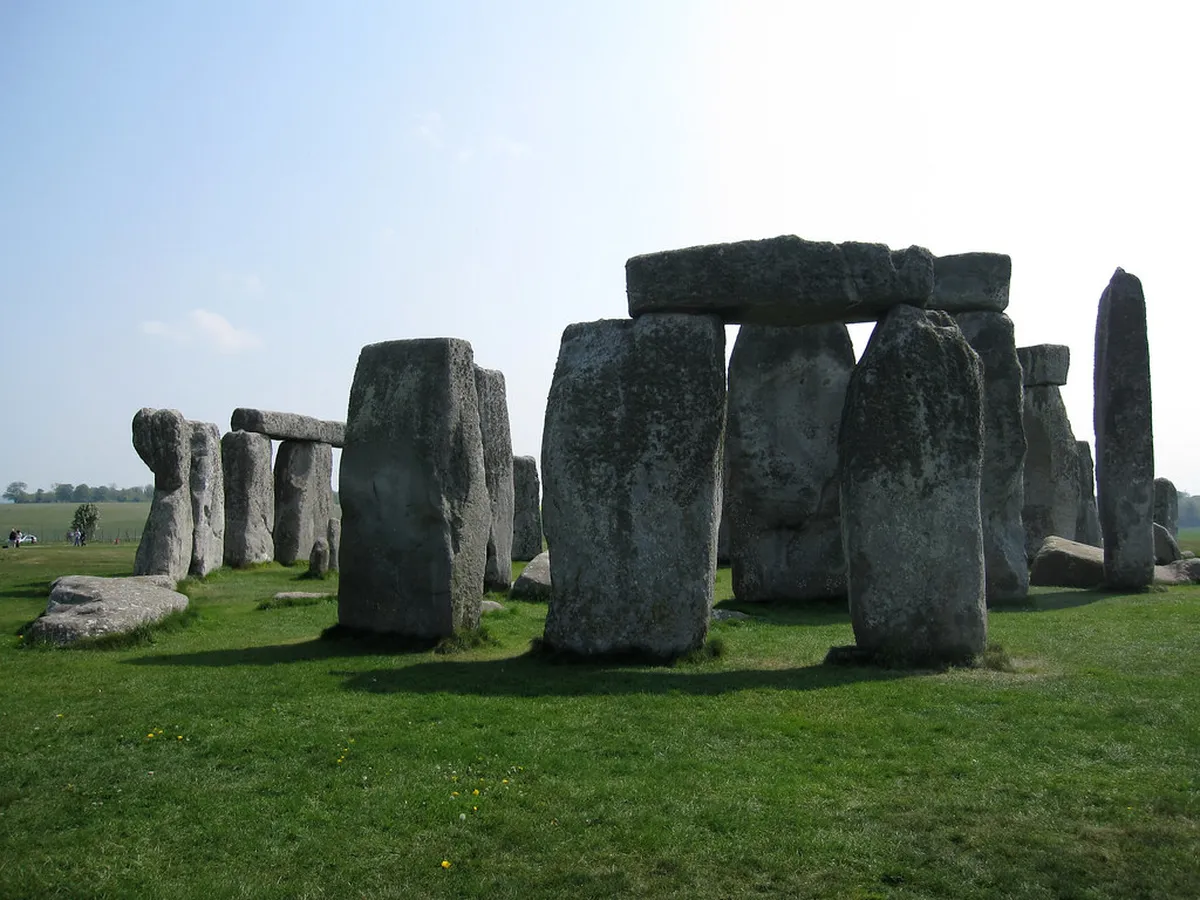
Stonehenge is a managed visit. You arrive at the visitor centre, take a shuttle to the stones, and follow a path around the circle. A rope keeps you roughly 10 m back, which protects the monument from erosion. Exhibitions and reconstructed Neolithic houses at the visitor centre add context, and our Stonehenge visitor centre guide covers what is inside. The circle itself is about 30 m across, so a full lap takes only a few minutes. Most visitors spend 1.5–2 hours in total. The smaller bluestones were brought from the Preseli Hills in Wales, roughly 250 km away. Our guide to Who Built Stonehenge? Builders, Dates and How explains the theories. You book a timed slot in advance, so turning up without one is the classic mistake. Read how Stonehenge tickets work before you choose a date. Not everyone is sure the price is justified, and our Is Stonehenge Worth Visiting? An Honest Verdict piece weighs that honestly. If you want to stand among the stones, inner-circle access is a separate, limited booking at roughly 52 people per session. Details sit in our Stonehenge Inner Circle Tour: Access and Booking guide.
Avebury: What You Actually Get
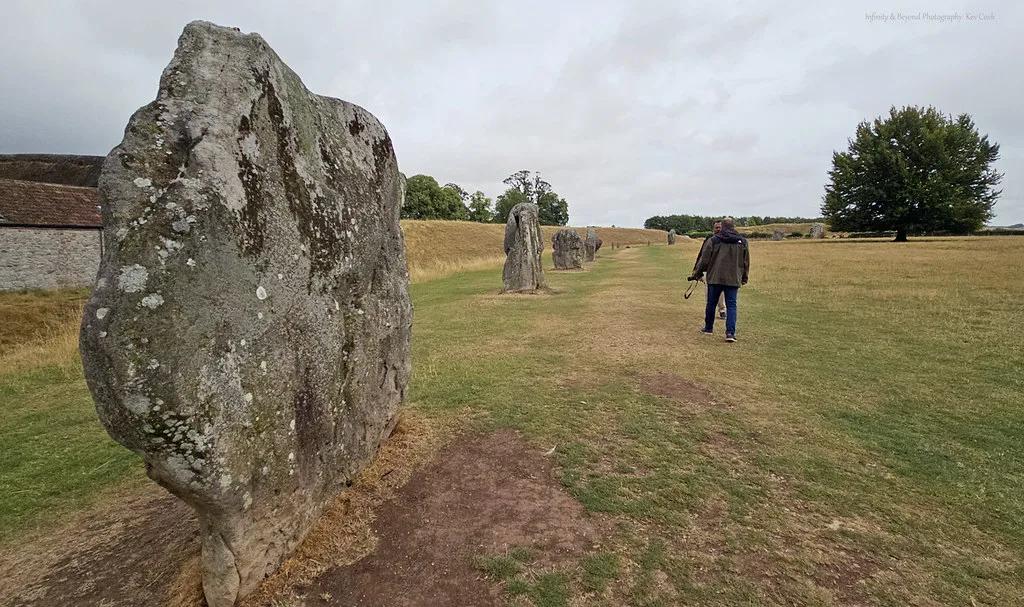
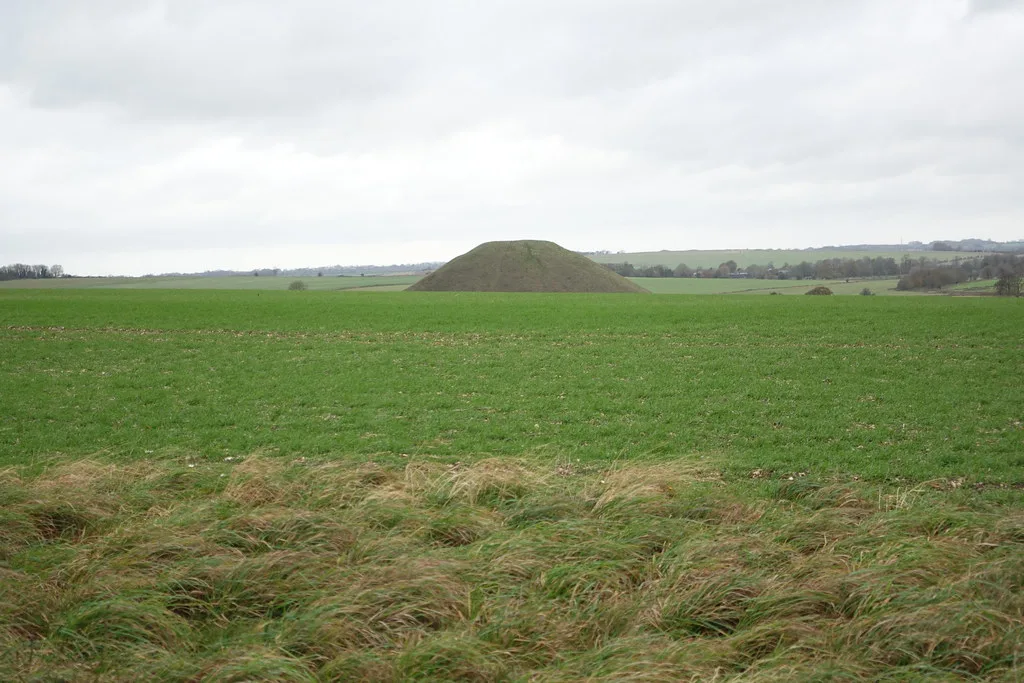
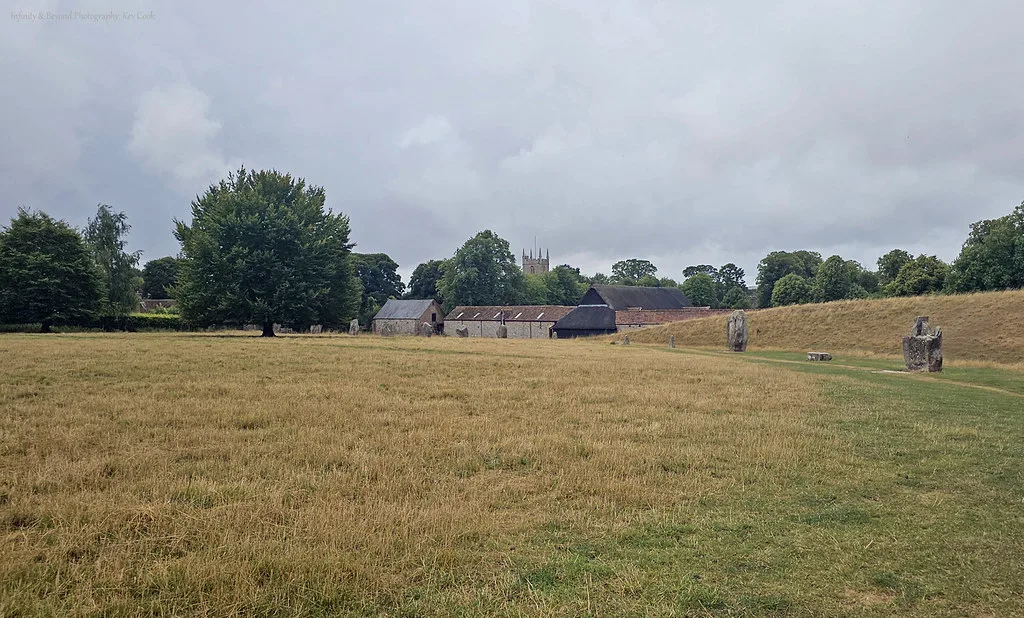
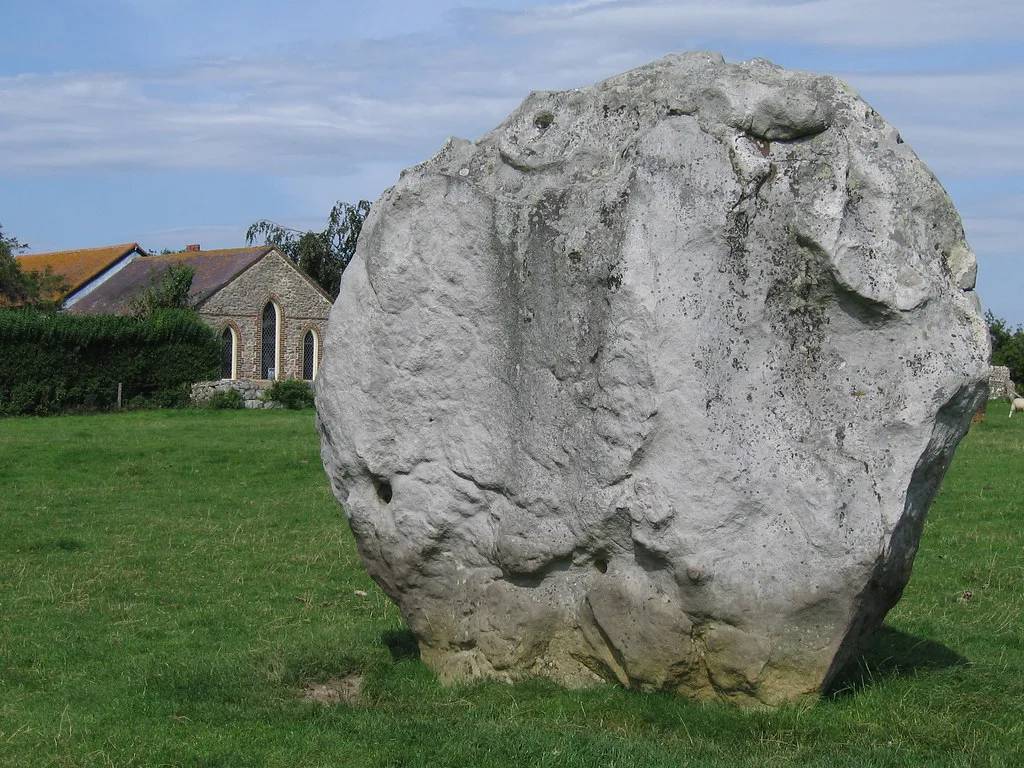
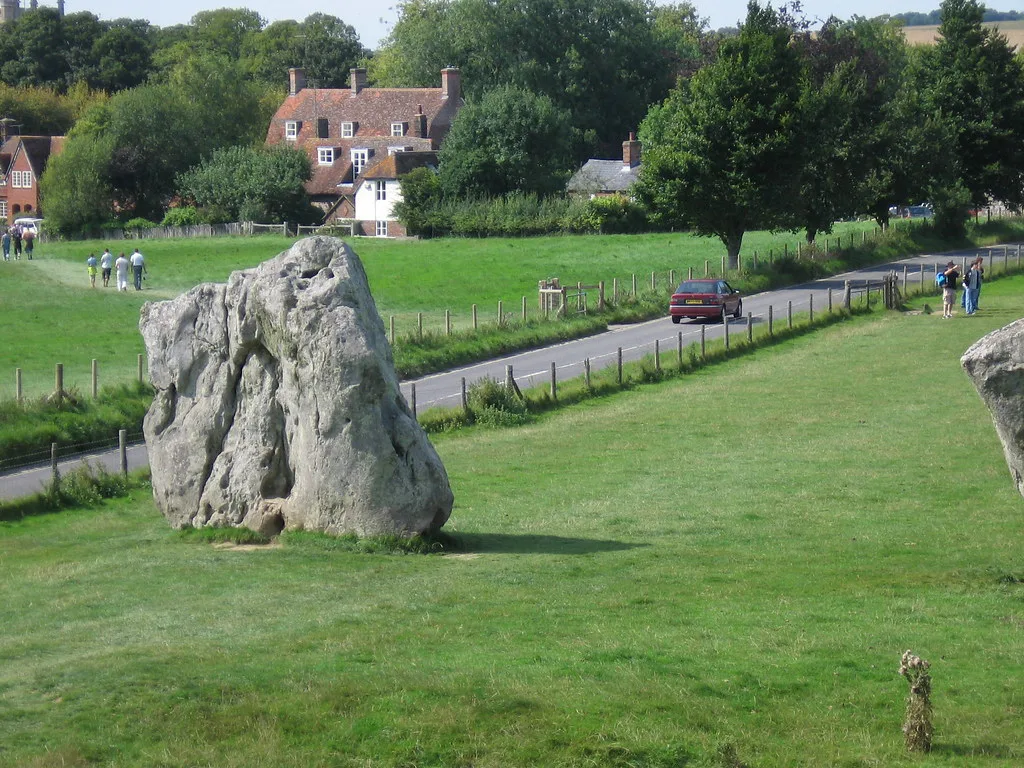
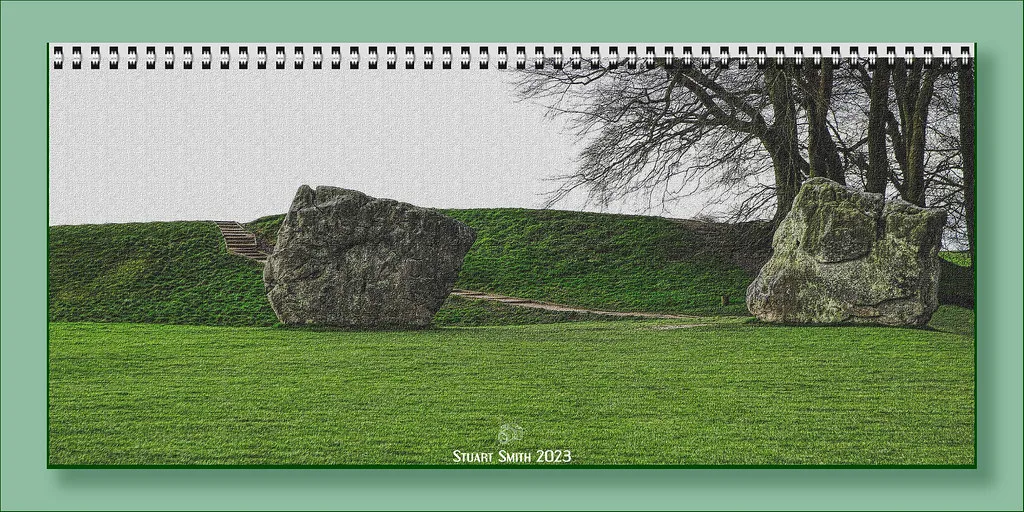
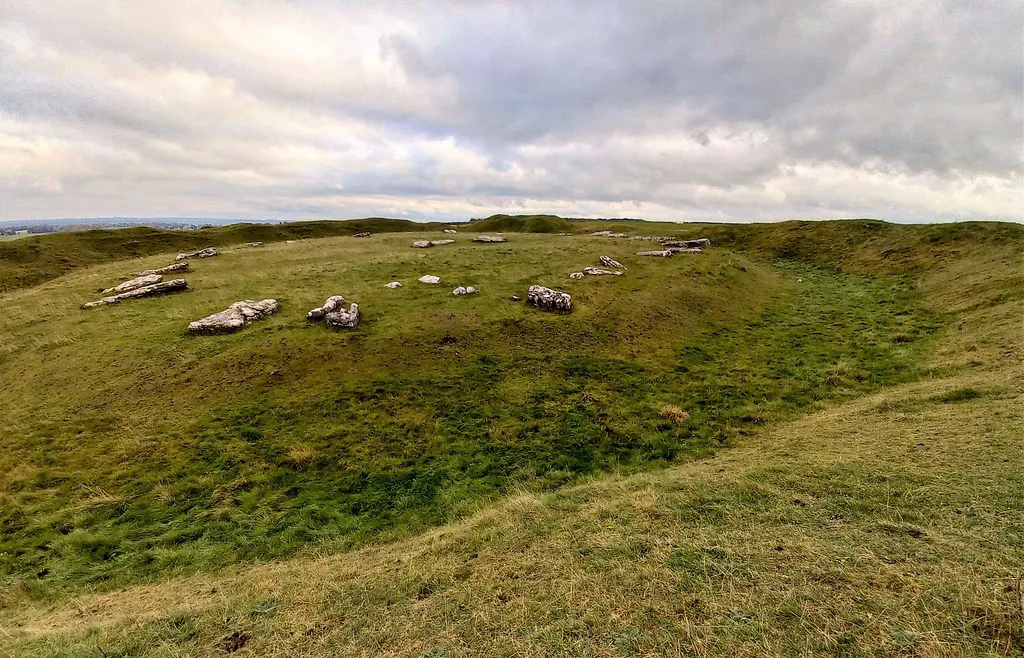
Avebury has no ticket gate for the stones. You park, walk through a gap in the earth bank and find yourself among them. Its outer circle spans more than 330 m, and a village sits inside the henge. A road cuts the site into four quadrants. The Red Lion pub stands within the monument, and the National Trust page for Avebury lists parking, access and opening details. Today 36 standing stones remain, and concrete markers show where lost ones stood. Sheep graze between them. You can touch the stones, which is a major difference from Stonehenge. Respect still matters: no climbing, and leave offerings and candles as you find them, because the site remains living heritage for many visitors. Beyond the circle, a longer walk of about 8 km, taking 2.5–3 hours, links several features. West Kennet Avenue is a line of paired stones, and the first 800 m are well preserved. West Kennet Long Barrow is a free-to-enter chambered tomb. Silbury Hill rises about 30 m, but climbing it is not allowed, so you view it from the path. The Alexander Keiller Museum charges its own admission, so check its current operator and price before you go.
- Worth the detour: West Kennet Long Barrow, for the chamber you can step into.
- Worth the detour: West Kennet Avenue, for the paired stones leading away from the henge.
- Quick look only: Silbury Hill, which you view from the path and cannot climb.
Cost and Time Trade-Offs
Stonehenge costs more because entry is ticketed. A standard adult ticket has typically run £25–£30, and inner-circle access has been around £70 per person. Those figures were last checked in November 2026 against widely reported rates, so confirm both on the official English Heritage page before booking, because they change by season. Parking is a separate line, covered in our Stonehenge parking guide. Avebury's stones cost £0 to enter. Budget instead for parking, a drink at the pub and any museum or manor entry. Membership may change the maths, so compare an English Heritage or National Trust pass against single entries if you plan other visits. Time is the other trade-off. Stonehenge needs about 1.5–2 hours because the circle is compact. Avebury rewards 2–3 hours for the stones and village, and the full 8 km circuit takes 2.5–3 hours. Choose Stonehenge when time is tight and Avebury when time is generous.
- Stonehenge standard entry: typically £25–£30 per adult.
- Stonehenge inner-circle access: about £70 per person, limited to roughly 52 people.
- Avebury stones: £0, with separate parking and museum charges.
- Time: 1.5–2 hours at Stonehenge, 2–3 hours at Avebury.
Getting There Without and With a Car
Stonehenge sits roughly 150 km west of London. The usual route is a train from London Waterloo to Salisbury, which takes about 90 minutes. Check services on South Western Railway before you travel. A bus then runs from Salisbury to the stones, and our Salisbury to Stonehenge: Bus, Shuttle & Timetable Guide guide covers that leg. Our Stonehenge from London: Tour, Train or Drive? guide compares trains, tours and driving. Staying in Bath instead? See Stonehenge from Bath: Car, Train, Tour Compared. Avebury is harder without a car. A train from London Paddington reaches Swindon in a little over an hour, and a bus then runs from Swindon to Avebury. Bus frequency changes, so look up the current timetable on National Rail and the local bus operator. A combined day without a car is difficult, so choose one site if you rely on public transport. Driving between the two takes about 45 minutes, so confirm the current route in a mapping app on the day.
Visiting Both in One Day
With a car, you can see both sites in a single day. Start at Stonehenge early, before coach groups arrive. Drive to Avebury for lunch and an afternoon walk. If time runs short, cut Silbury Hill and the museum first, then trim the long barrow walk. Keep the Stonehenge visit to 1.5–2 hours and the drive to about 45 minutes.
- Early morning: arrive at your booked Stonehenge slot and finish within 1.5–2 hours.
- Late morning: drive about 45 minutes to Avebury and park.
- Lunch: eat in Avebury village, within the henge.
- Afternoon: walk the stones, then West Kennet Avenue and the long barrow.
- Optional: view Silbury Hill from the path if daylight remains.
- If short on time: skip the museum and Silbury, and keep the stones and the long barrow.
Best Time and Crowd Strategy
Stonehenge is busiest around midday, when coach groups arrive, so aim for the first slot you can book. Our Best Time to Visit Stonehenge: Season, Month & Crowd Guide page covers the seasons in detail. School holidays and summer weekends are crowded at both sites. Solstice access differs between them. Stonehenge has special arrangements, explained in our summer solstice guide and our winter solstice guide. Avebury stays open on the land around the stones, though it also draws visitors at solstices and year-turning dates. For photography, early morning and late afternoon give a low, slanting light at both. In bad weather Stonehenge has the visitor centre for shelter, while Avebury offers the pub and museum. Before you leave, Visit Wiltshire lists other nearby sights to add to the day. Beyond the main circle, Woodhenge and Durrington Walls: Visitor Guide are a short detour near Stonehenge, though they are less visual than the circles.
Early slots at Stonehenge beat the coach peak. At 1.5–2 hours per visit, a morning slot leaves the afternoon free for Avebury.
Mistakes to Avoid
Most disappointments come from wrong expectations, not from the sites themselves. Avoid these common slips.
- Treating Avebury as a mini Stonehenge: it is a different kind of site, spread over a village and fields.
- Arriving at Stonehenge without a booked slot.
- Expecting to enter the inner circle on a standard ticket.
- Expecting to touch the Stonehenge stones, which a rope prevents on a normal visit.
- Underestimating the walking distances between Avebury features.
- Trying both sites in one day without a car.
Final Verdict
Choose Stonehenge for the icon, the organised visit and the easier rail route from London. Choose Avebury for freedom, scale and a quieter, more tactile day. If you have a car and a full day, do both in the order above. For everything else about the better-known site, return to our main Stonehenge guide.
Frequently Asked Questions
Is Avebury bigger than Stonehenge?
Yes. Avebury's outer circle spans more than 330 m across, while Stonehenge measures roughly 30 m. Avebury also spreads across a village and surrounding fields, so it takes longer to explore.
Related guides
Continue reading
Guides on the same trip