Stonehenge Summer Solstice: How to Go and What to Expect
Last updated November 2026. Stonehenge summer solstice gatherings let visitors stand among the stones around sunrise under managed access run by English Heritage, which has also opened the site at sunset. English Heritage sets each year's arrangements, so this guide uses the 2026 event as a worked example for planning June 2027. For a calmer comparison, start with our Stonehenge visitor guide.
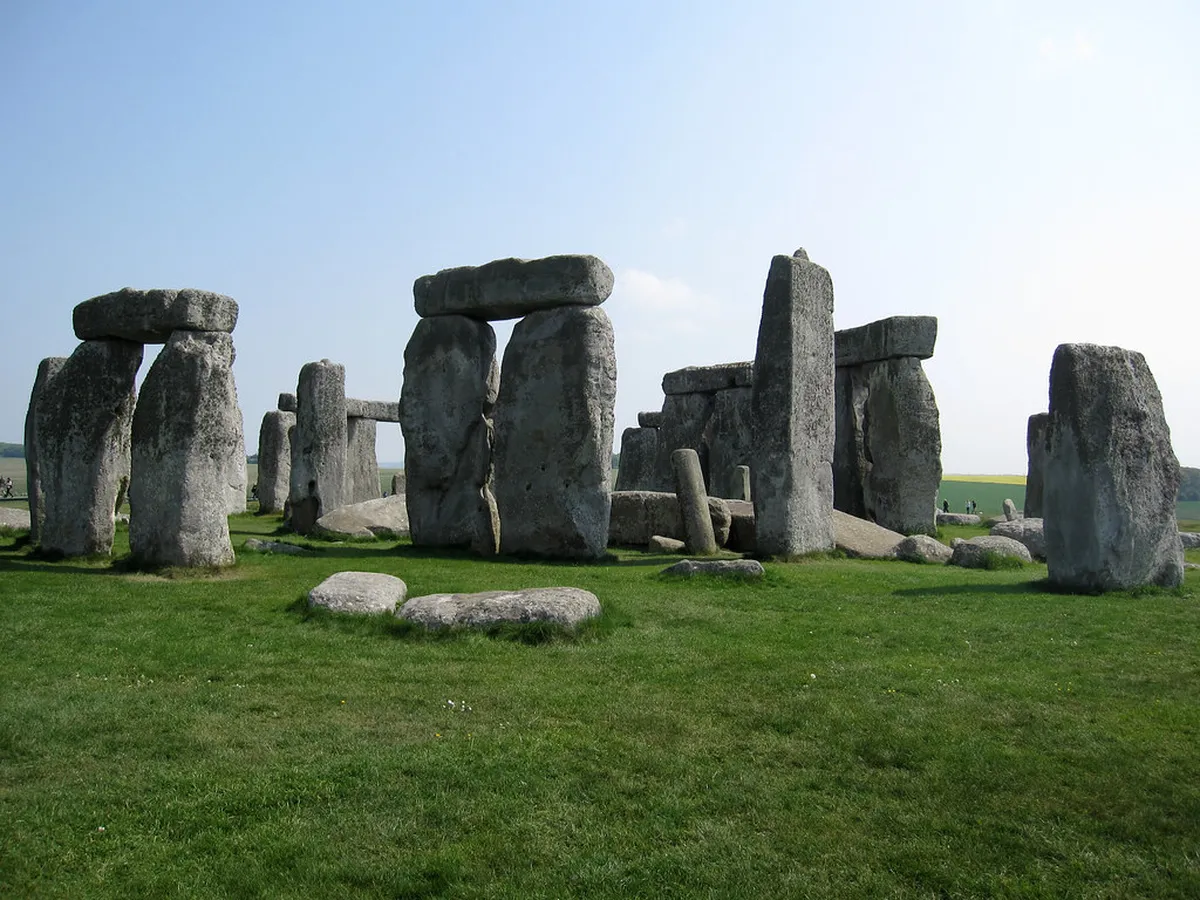
Featured image: isawnyu, CC BY 2.0, via Flickr.
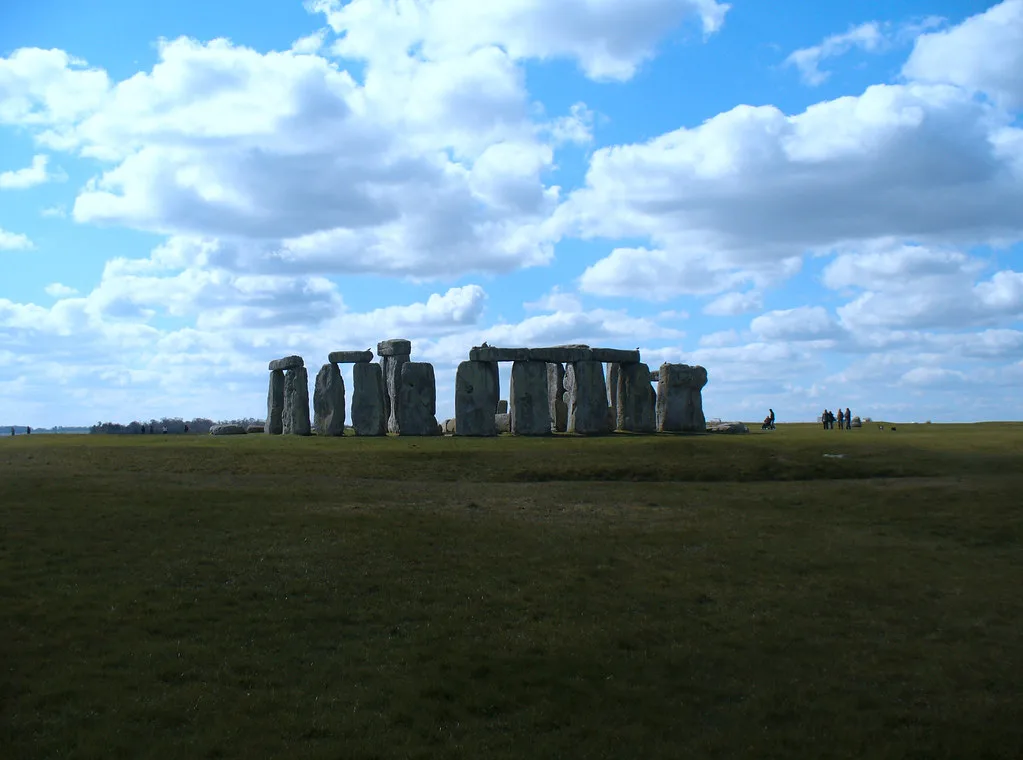
What happens at Stonehenge on the summer solstice
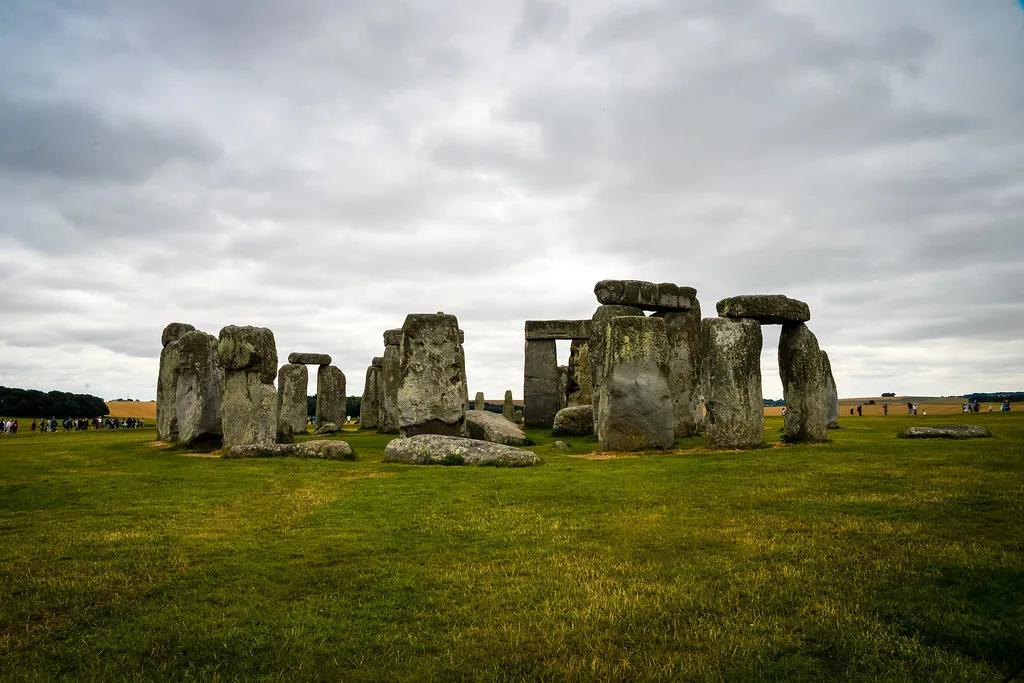
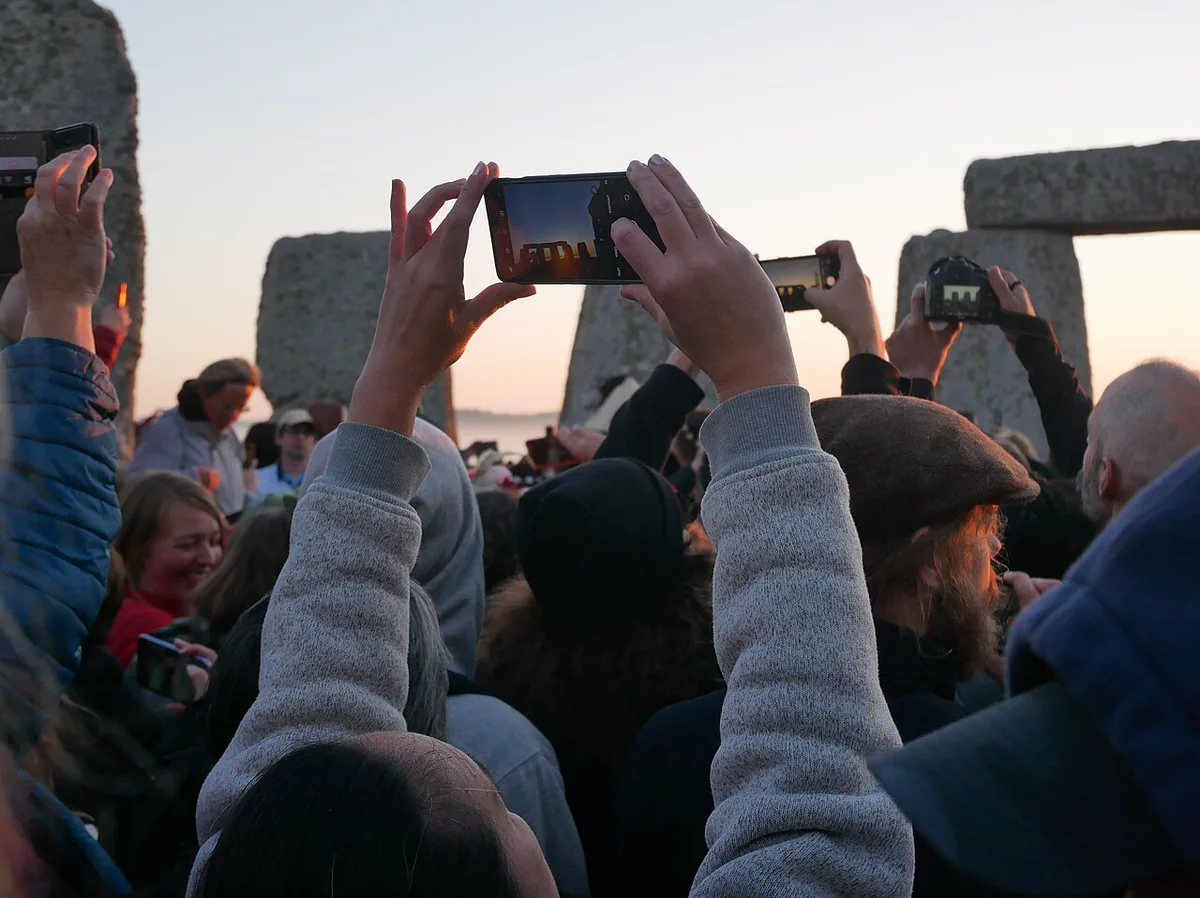
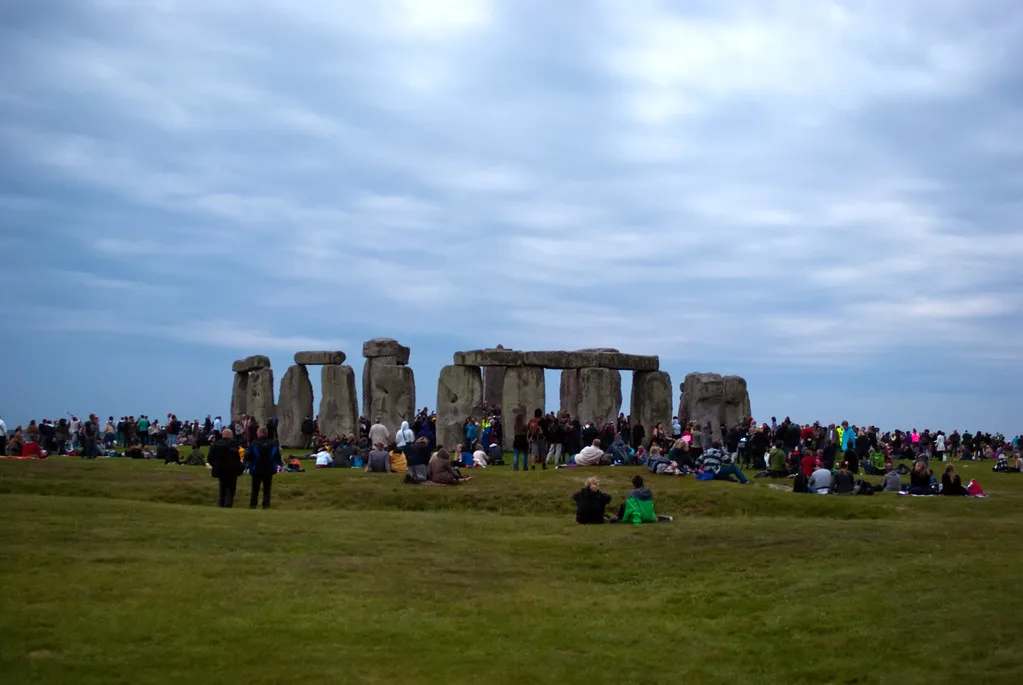
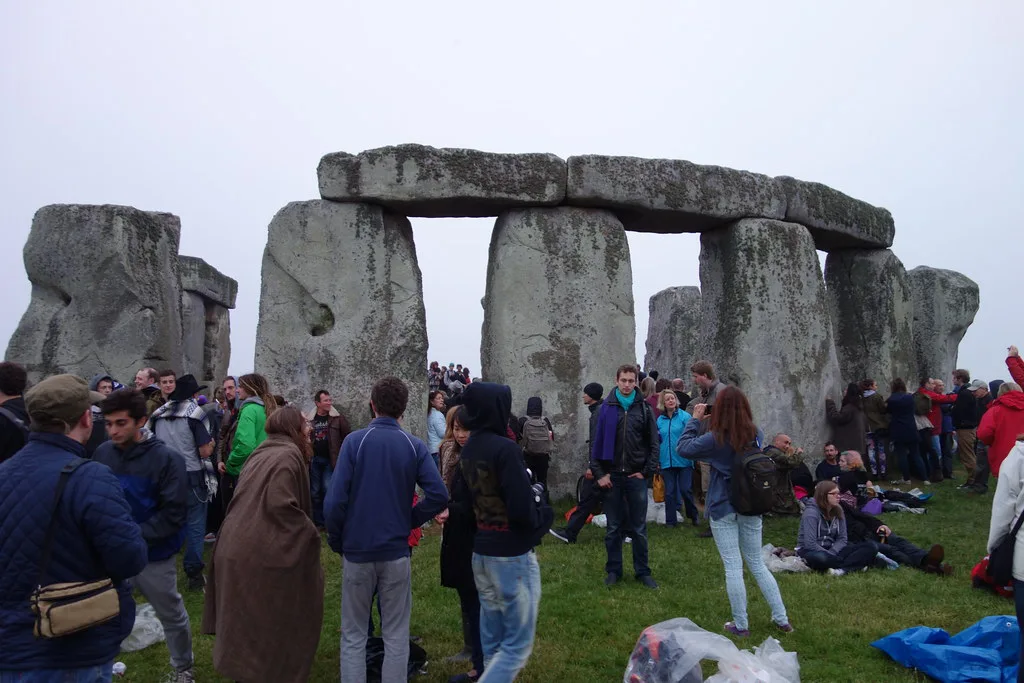
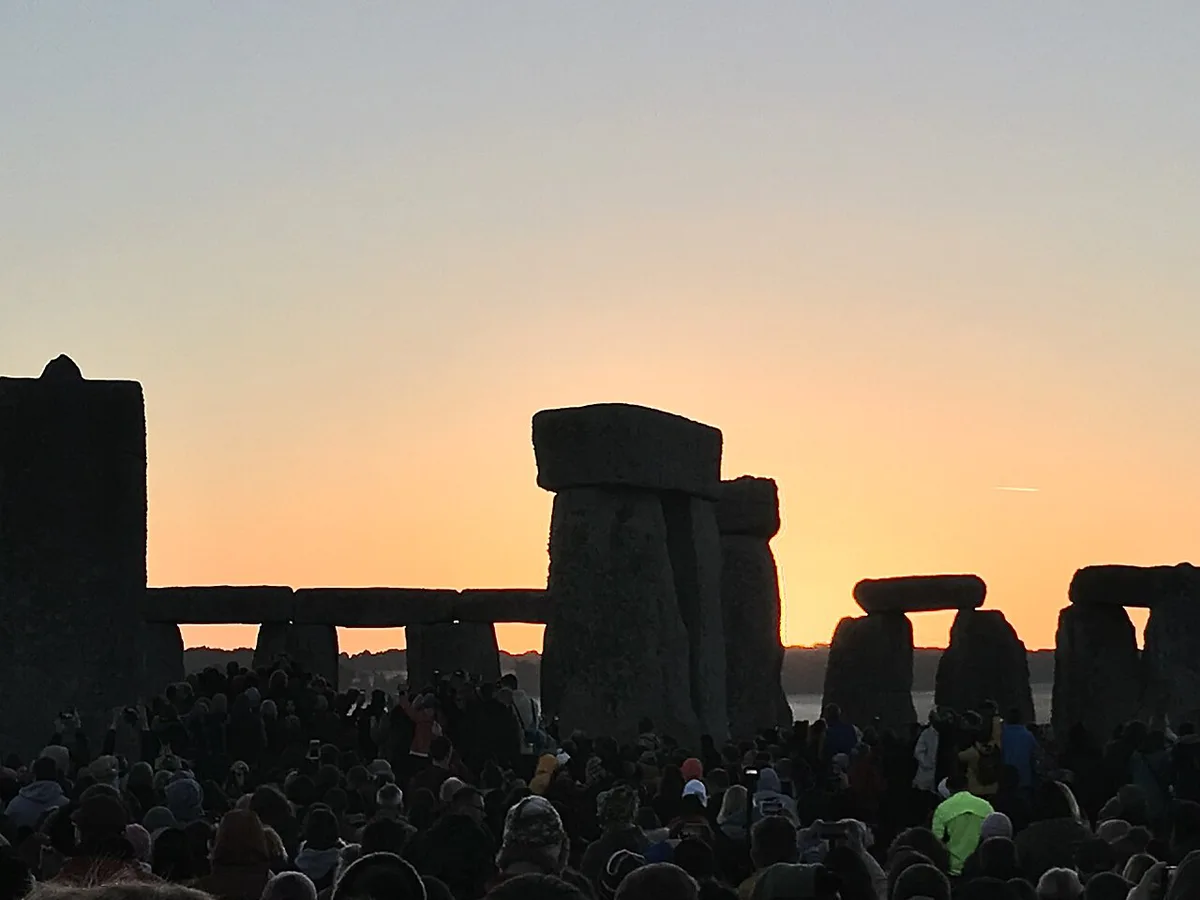
English Heritage opens the monument for managed access around the longest day, free of charge, with conditions of entry on what you may bring. Crowds gather inside and around the circle overnight and wait for first light. In 2026, sunrise at Stonehenge on 21 June was about 4:52am. One attendee that year put the crowd at more than 20,000 people on site, so expect a packed circle rather than a quiet vigil. English Heritage has also described sunset access in some years, so check which of the two evenings and mornings are open for 2027.
Why the solstice matters at Stonehenge
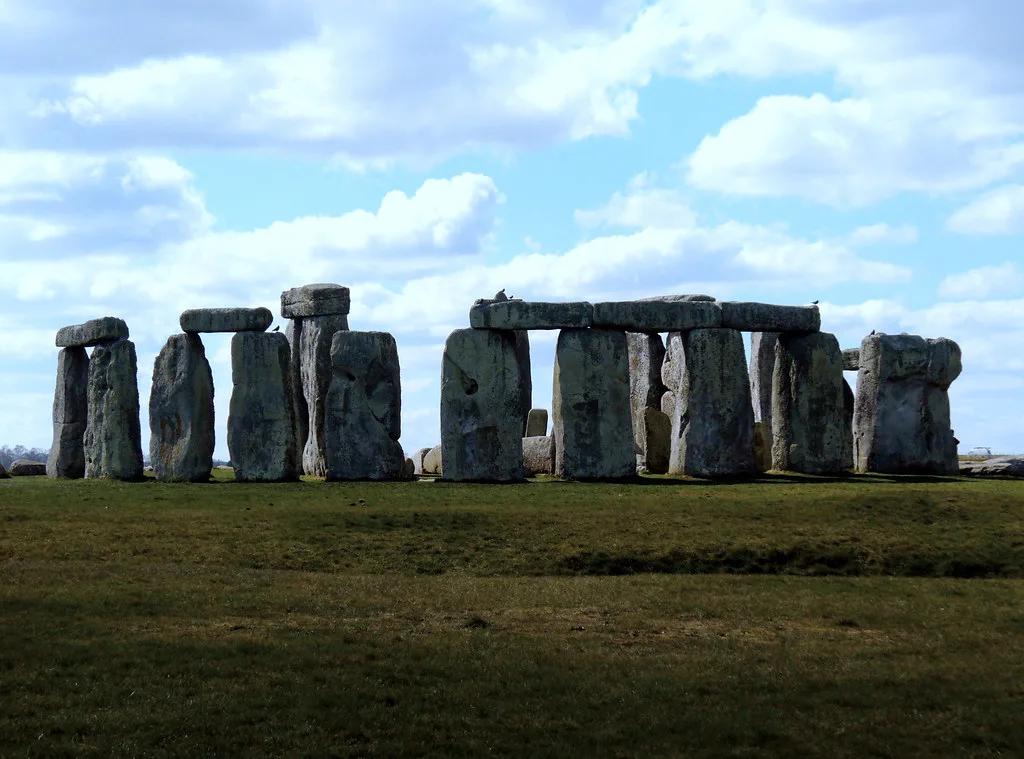
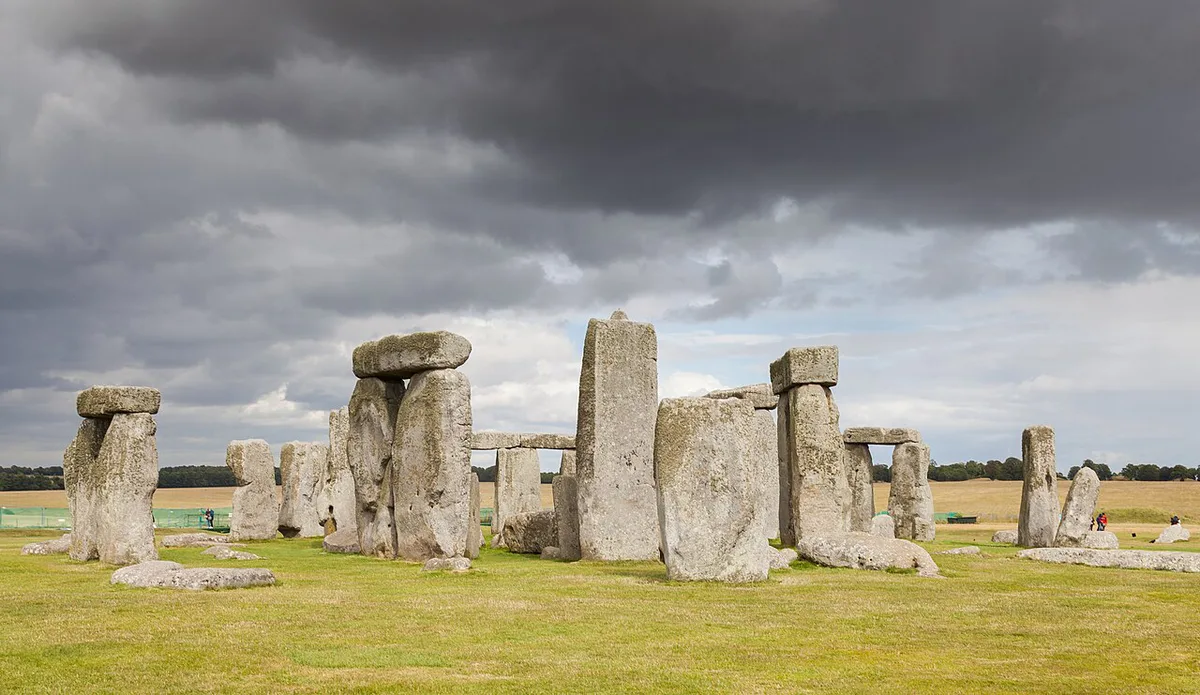
English Heritage explains that the central sarsen stones, raised around 2500 BC, sit along the solstitial axis. At midsummer the sun rises in the direction of the Heel Stone. In the opposite direction, the midwinter sunset is framed by the tallest part of the monument. Our winter solstice guide covers that mirror-image event. Nobody knows exactly what the monument meant to its builders. Evidence points to ceremonies tied to seasons, ancestors and the sun. Read Who Built Stonehenge? Builders, Dates and How for what archaeology does and does not show.
Is it worth it? Solstice access vs a normal visit
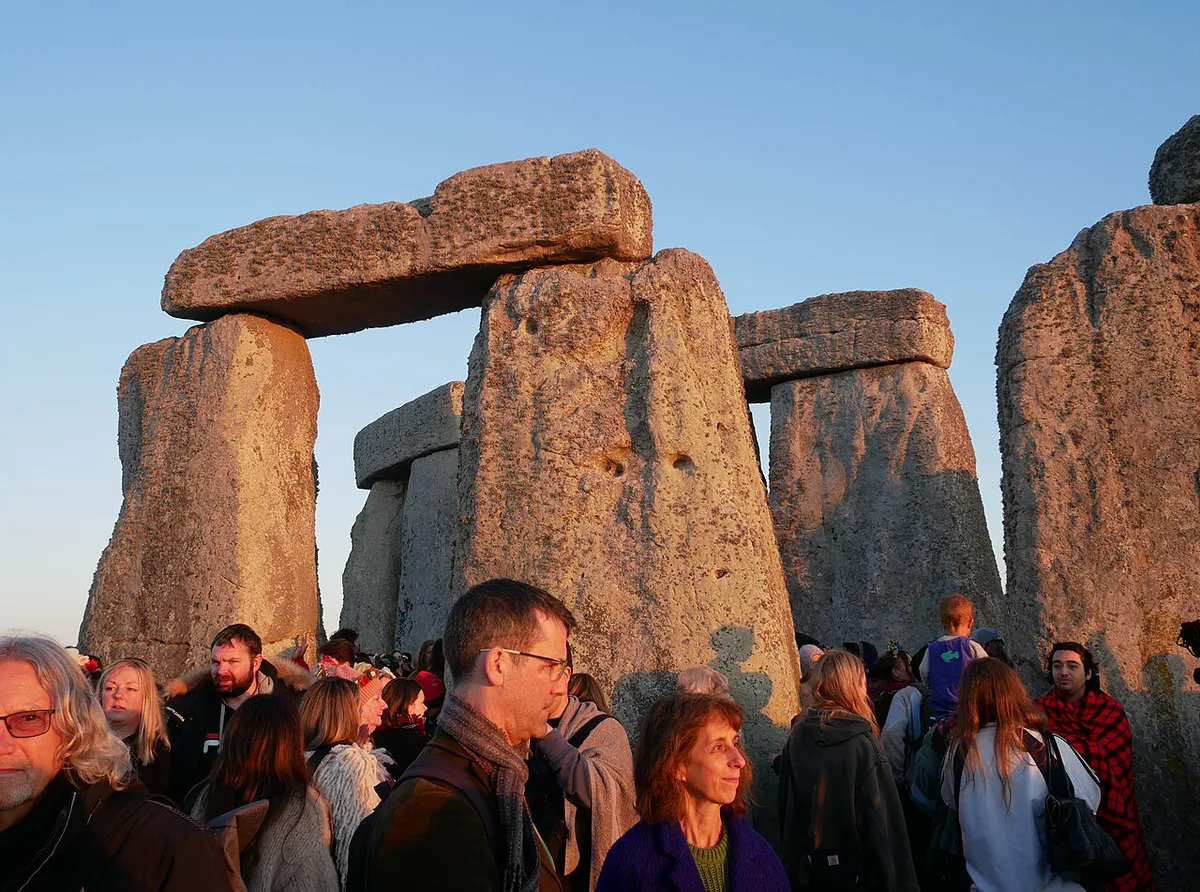
Solstice access gets you far closer to the stones than the daytime visitor route, which keeps you at a distance. The trade-off is crowds, cold and a night with almost no sleep. Our stone circle access guide explains the quieter paid route to the stones. For a daytime baseline, see Stonehenge Tickets: Which to Buy and When to Book and whether Stonehenge is worth visiting. Attendees have said that crowds and some behaviour undercut the spiritual mood, while drumming and the sunrise itself were the highlights.
Access itself is free, so the £15 adult return bus fare is the only fixed price to weigh against a paid daytime ticket.
| Factor | Summer solstice access | Ordinary daytime visit |
|---|---|---|
| Closeness to stones | Among the stones during managed access | Visitor route at a distance |
| Cost | Access free; 2026 bus return £15 | Paid ticket, see ticket guide |
| Crowds | Very dense, put at 20,000+ in 2026 by one attendee | Timed entry, far thinner |
| Atmosphere | Festival-like, drumming and phones | Quiet, interpretive |
| Facilities | Limited and temporary | Visitor centre open |
| Accessibility | Long walk on uneven, dark ground | Shuttle and level paths |
| Photography | Mostly crowds and phones | Clear views from the path |
| Effort | Overnight, 3am to 4am cold | Half a day |
Getting there and back overnight
In 2026, English Heritage told anyone without pre-booked parking not to drive to the site, and official parking sold out. Special route 334 ran from Wilton Park & Ride, outside Salisbury, every 30 minutes between 8pm and 4am. Return buses left Stonehenge from 4:30am. The published adult return fare was £15, and the service was cashless. Prices and timings checked November 2026 are for 2026 only, so look for the 2027 arrangements before planning around them. Our Stonehenge parking guide covers pre-booking. Coming from the city, read Salisbury to Stonehenge: Bus, Shuttle & Timetable Guide first. Trains to Salisbury can be planned on National Rail. From the capital, see Stonehenge from London: Tour, Train or Drive?. From Somerset, see Stonehenge from Bath: Car, Train, Tour Compared.
| Time in 2026 | What happened |
|---|---|
| 8pm to 4am | Route 334 every 30 minutes from Wilton Park & Ride |
| After arrival | About 2km (1½ miles) walk, 25 to 30 minutes |
| About 4:52am | Sunrise on 21 June |
| From 4:30am | Return buses every 30 minutes |
The walk and the night: what to expect
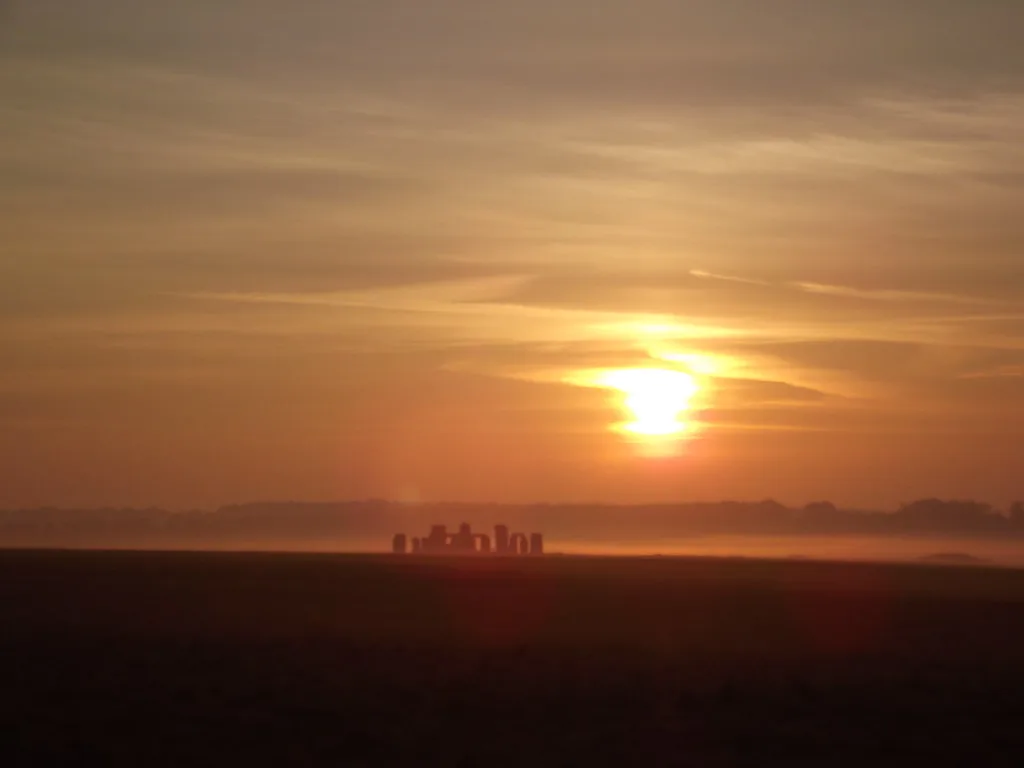
Buses stop near the Stonehenge Visitor Centre, and the ordinary shuttle does not run. You walk about 2km across uneven, damp grass with temporary lighting, then pass security. Southern England in June often drops to around 10°C (50°F) at 3am to 4am, even after a day near 22°C (72°F). Standing still on cold ground feels closer to 8°C (46°F). Plan the 25 to 30 minute walk as a night hike, not a stroll. English Heritage recommends sensible footwear, warm waterproof clothing and a torch.
- Warm layers, plus a waterproof
- Comfortable shoes that cope with wet grass
- A small torch or phone light
- Water, snacks and a flask of something hot
- A contactless card, since the 2026 bus was cashless
- As little luggage as possible
Rules and respect for the stones
English Heritage's 2026 conditions of entry banned alcohol and drugs. They also said not to touch or climb the stones, because contact damages surfaces and rare lichens. Visitors were asked to take rubbish away and not to desecrate the site or surrounding land. Conditions are set annually, so read the current version before you travel. Stonehenge is a protected monument, and some attendees described seeing drinking, litter and sleeping between stones despite the rules. Do not copy them.
Who should go, and who should skip
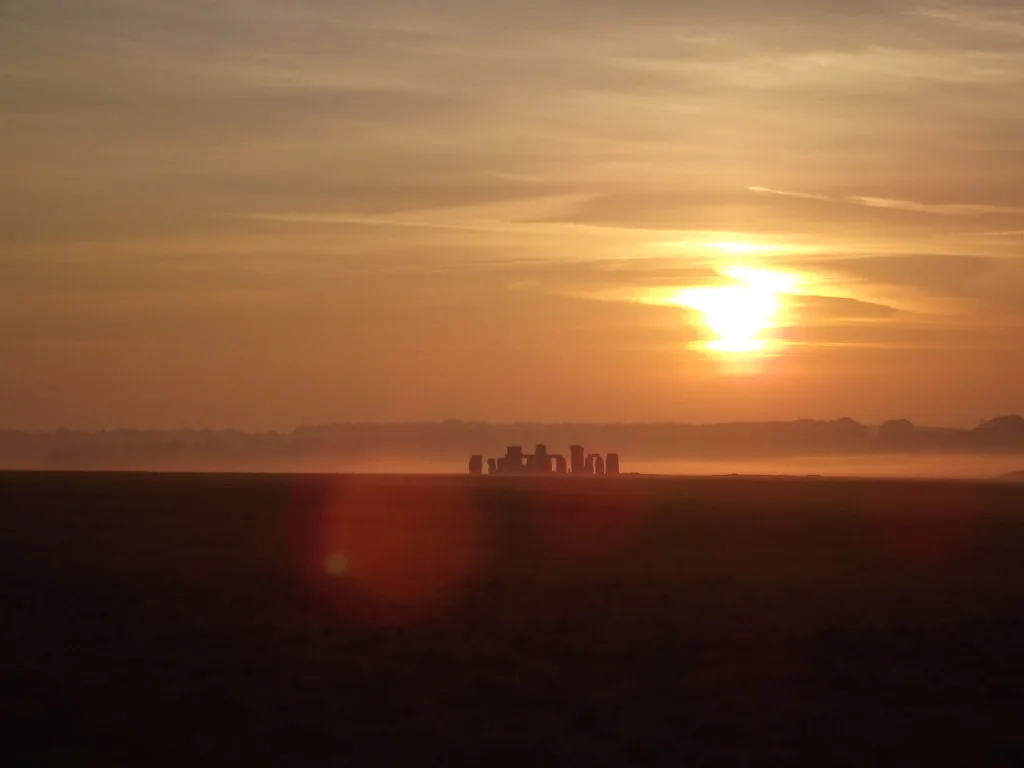
Go if you enjoy large communal gatherings, drumming and sunrise photography. Skip it if you want quiet contemplation, travel with young children, or cannot manage a 2km night walk on uneven ground. Anyone with limited mobility should read the access notes on the Stonehenge Visitor Centre: What's Inside and How to Plan Your Visit page and consider a daytime visit. For a quieter prehistoric landscape, try Woodhenge and Durrington Walls: Visitor Guide. To compare circles, read Stonehenge versus Avebury. Best Time to Visit Stonehenge: Season, Month & Crowd Guide lists calmer months. Local trip ideas are on Visit Wiltshire.
Planning checklist for next June
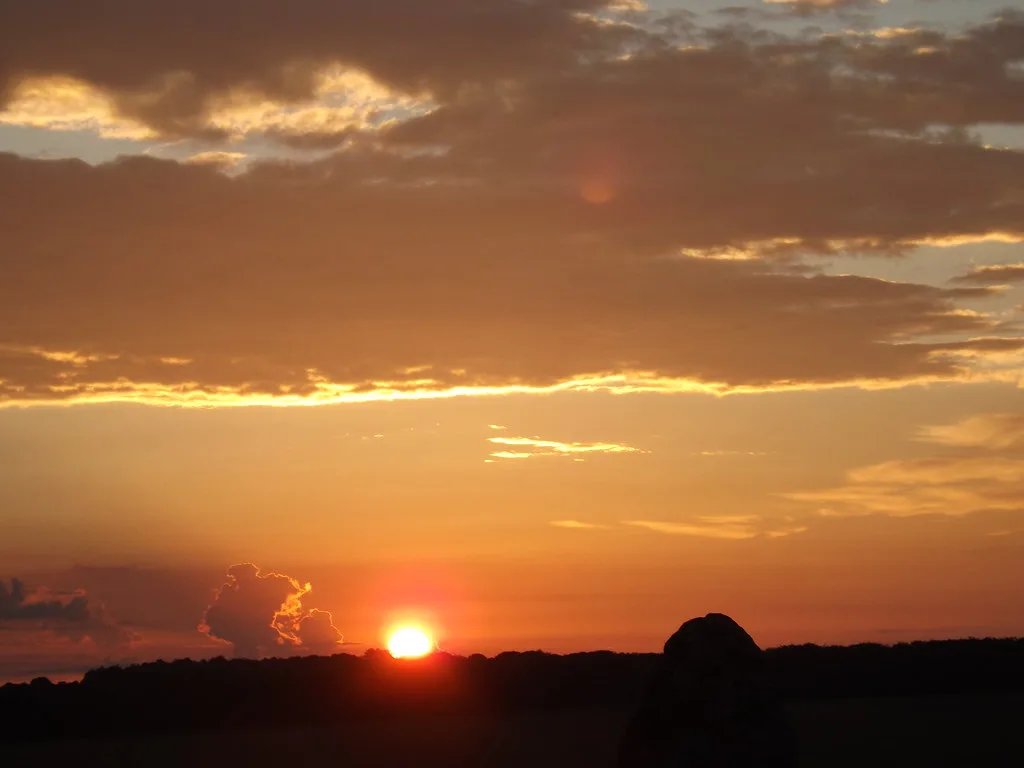
Check English Heritage for the 2027 announcement in spring. Book parking or a bus first, because 2026 parking sold out. Then arrange sleep, clothing and a lift home. Do not assume route 334 will run again.
Buses stop near the Visitor Centre, so treat the 25 to 30 minute walk as part of the night, not an afterthought.
- Mistake: driving without pre-booked parking.
- Mistake: expecting a quiet, spiritual atmosphere.
- Mistake: underdressing for 3am to 4am.
- Mistake: assuming a cash fare on the bus.
- Mistake: touching the stones.
- Mistake: leaving before first light without checking return times.
Frequently Asked Questions
What is the significance of the summer solstice?
It is the longest day of the year in the northern hemisphere. At Stonehenge, the midsummer sunrise lines up with the Heel Stone, according to English Heritage.
Is June 21st always the longest day?
No, the solstice usually falls on 20 or 21 June and can shift by a day. Check the year's date with English Heritage before booking.
What rituals happen at Stonehenge?
Attendees at recent solstice gatherings have described drumming, singing and quiet waiting for sunrise. Nobody knows what rituals the original builders held, and English Heritage sets rules on conduct.
Related guides

Continue reading
Guides on the same trip