Last updated November 2026. Woodhenge is a Neolithic timber-circle monument near Stonehenge in Wiltshire, now marked by concrete posts. It is a modest, ground-level stop, so this guide explains what you will see and how it differs from Durrington Walls. It also covers whether it earns a place beside your Stonehenge visit.
Featured image: Matt From London, CC BY 2.0, via Flickr.
What Woodhenge is and what you will actually see
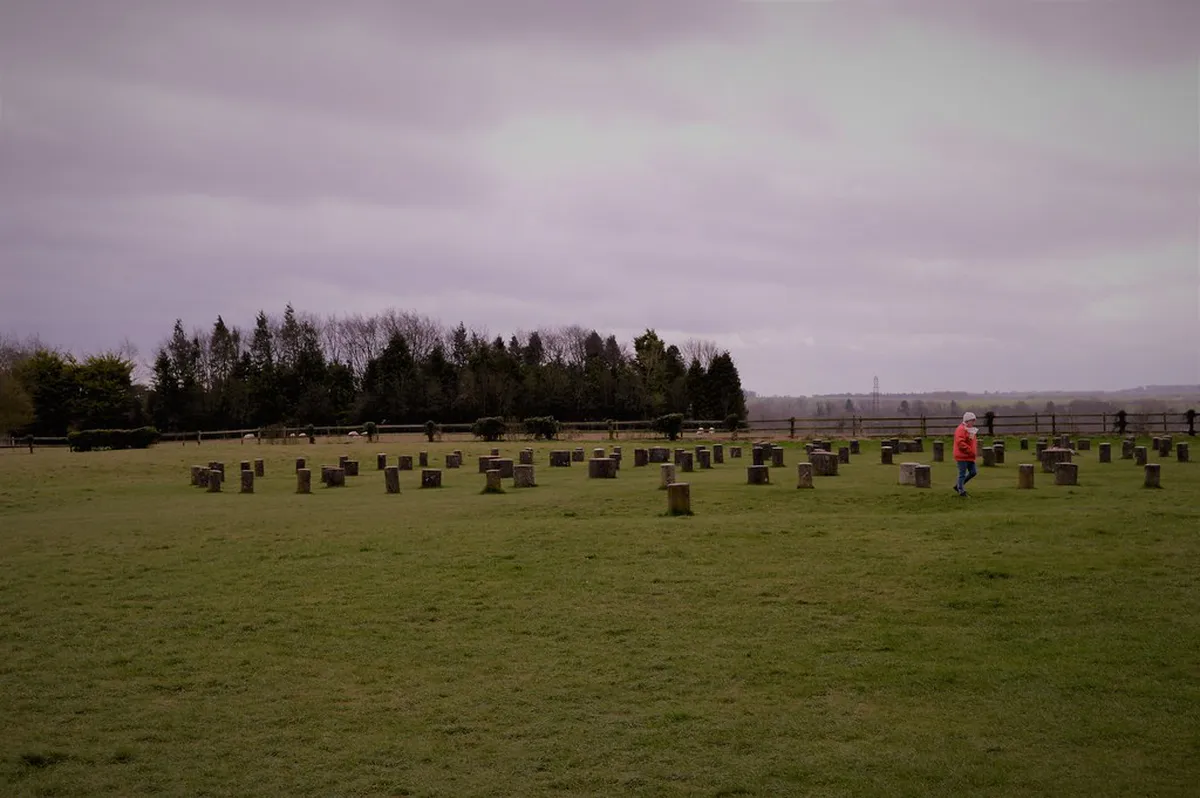
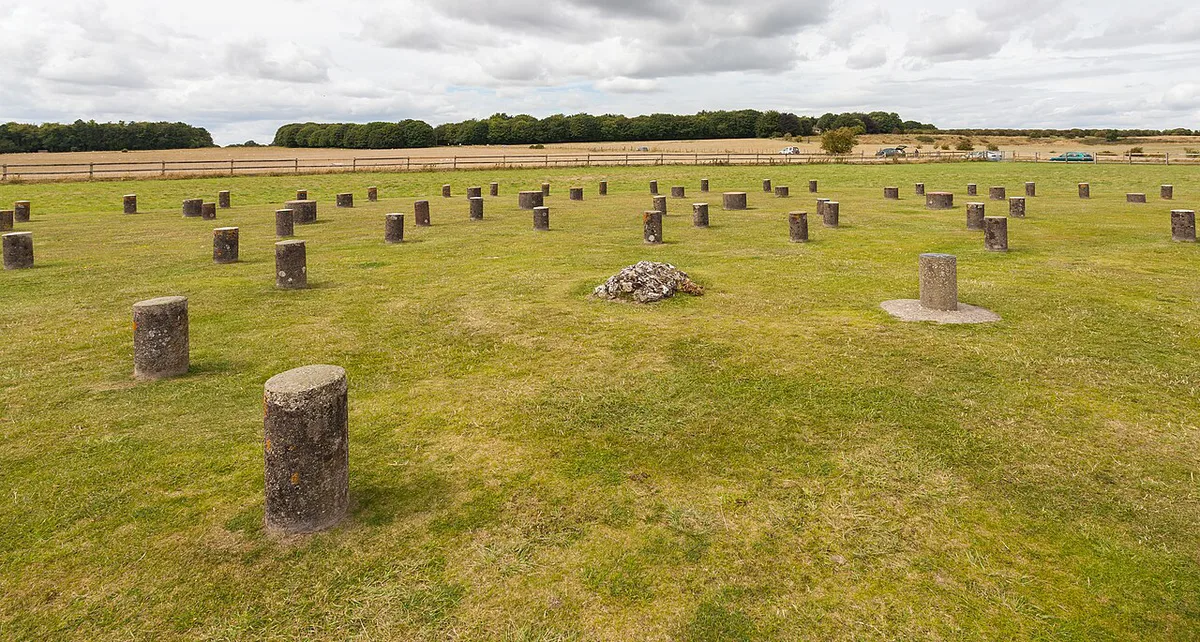
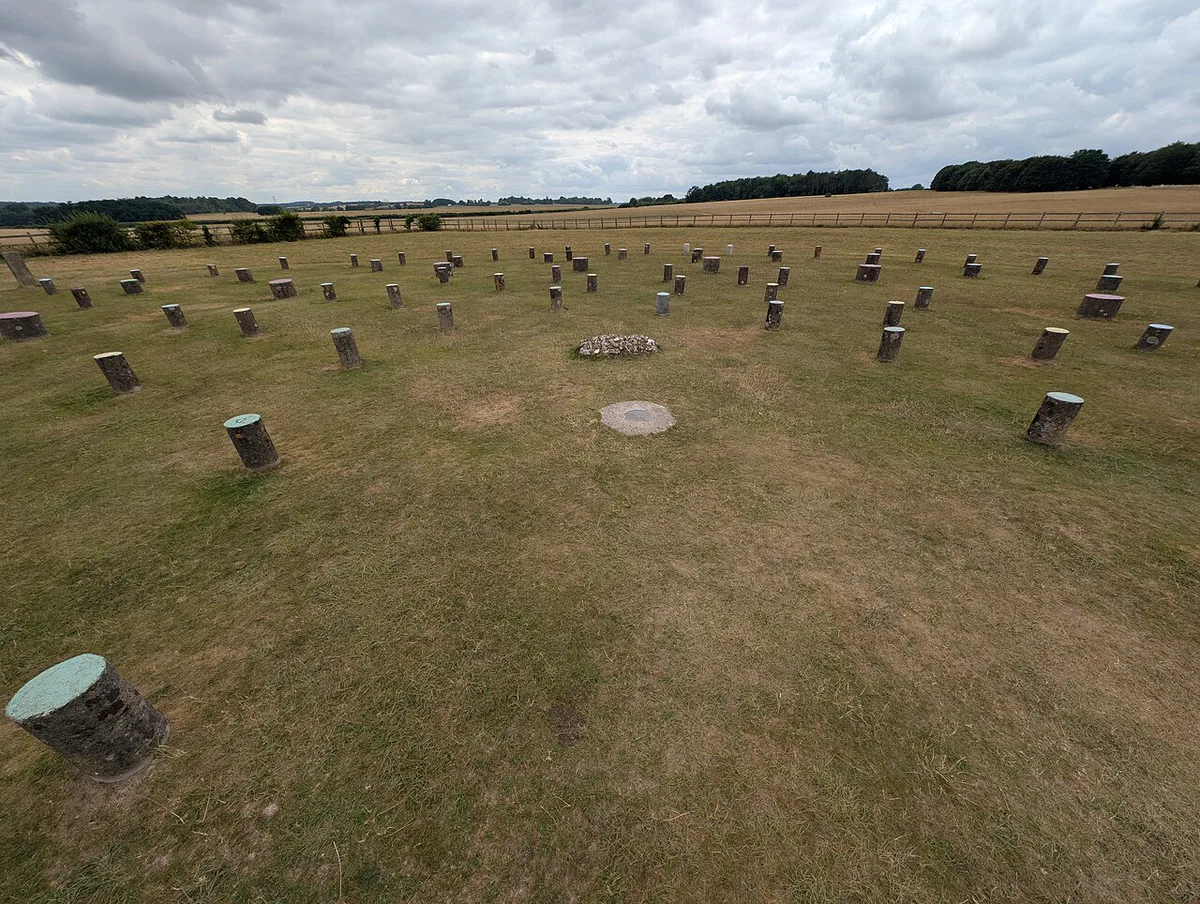
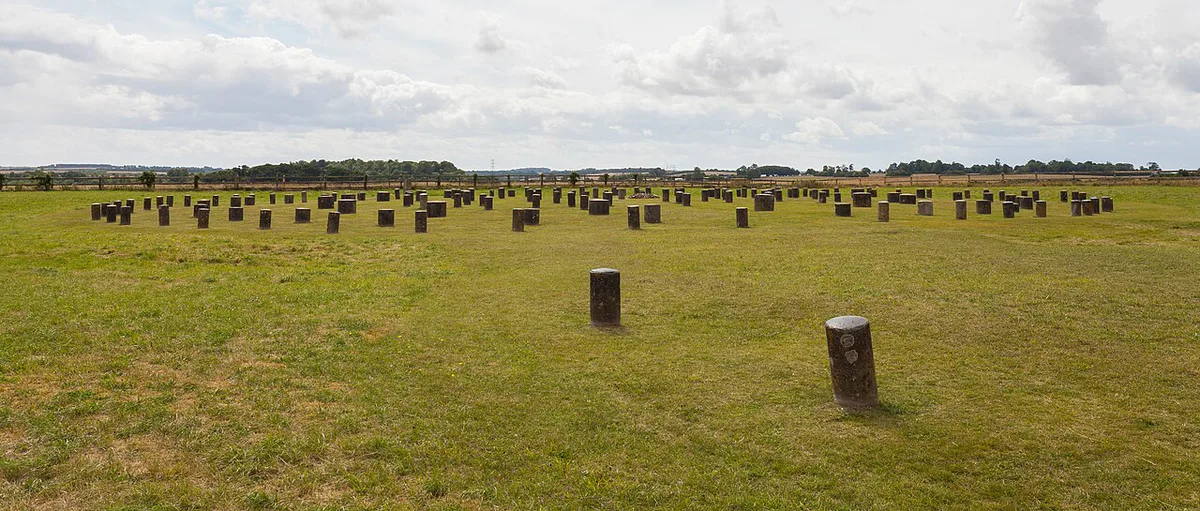
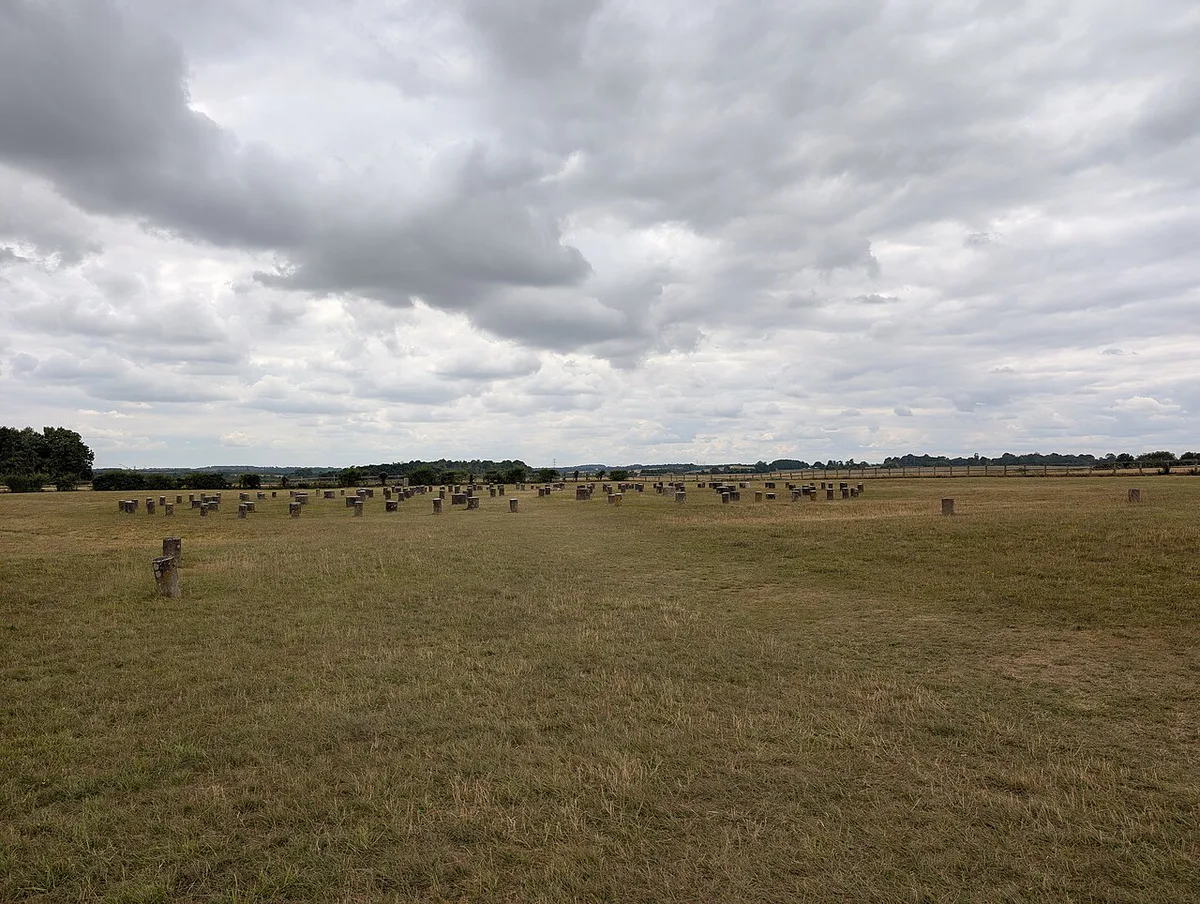
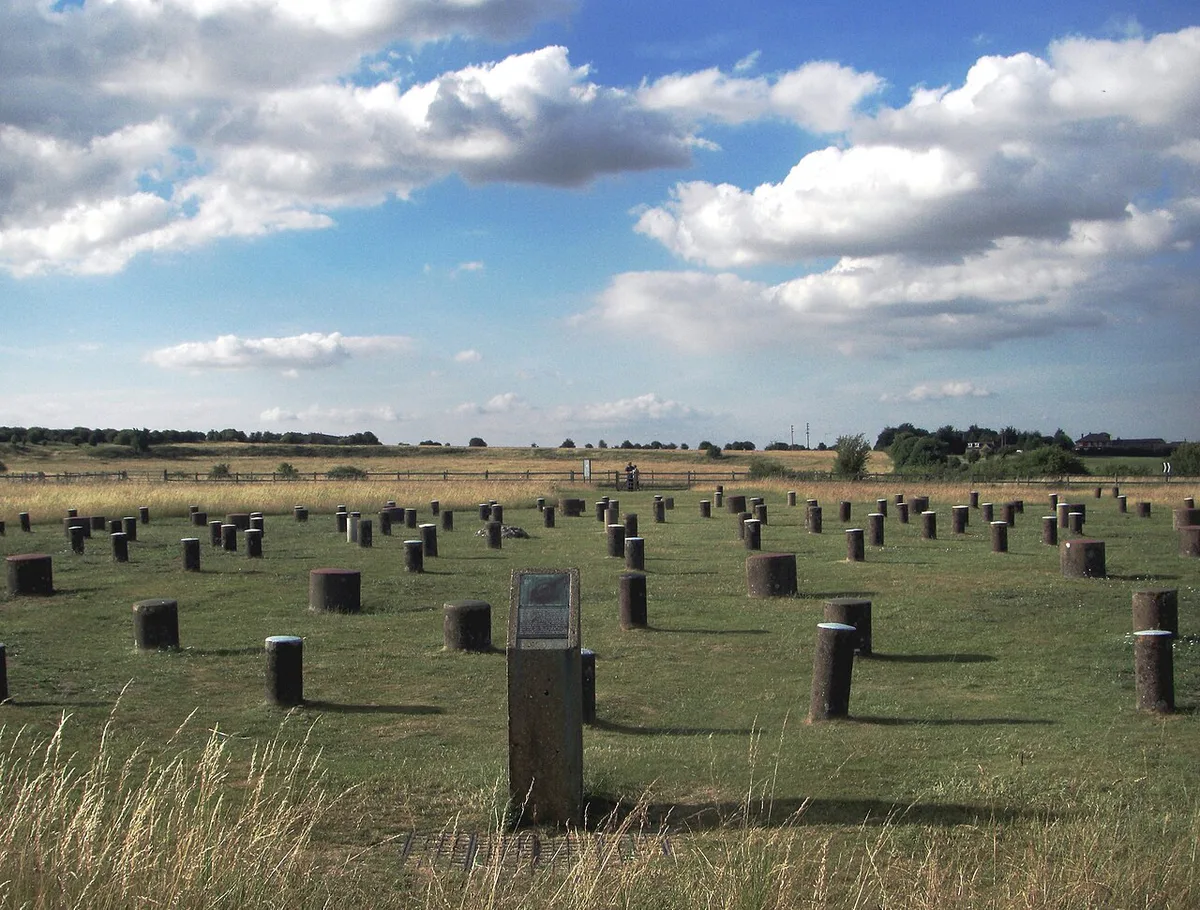
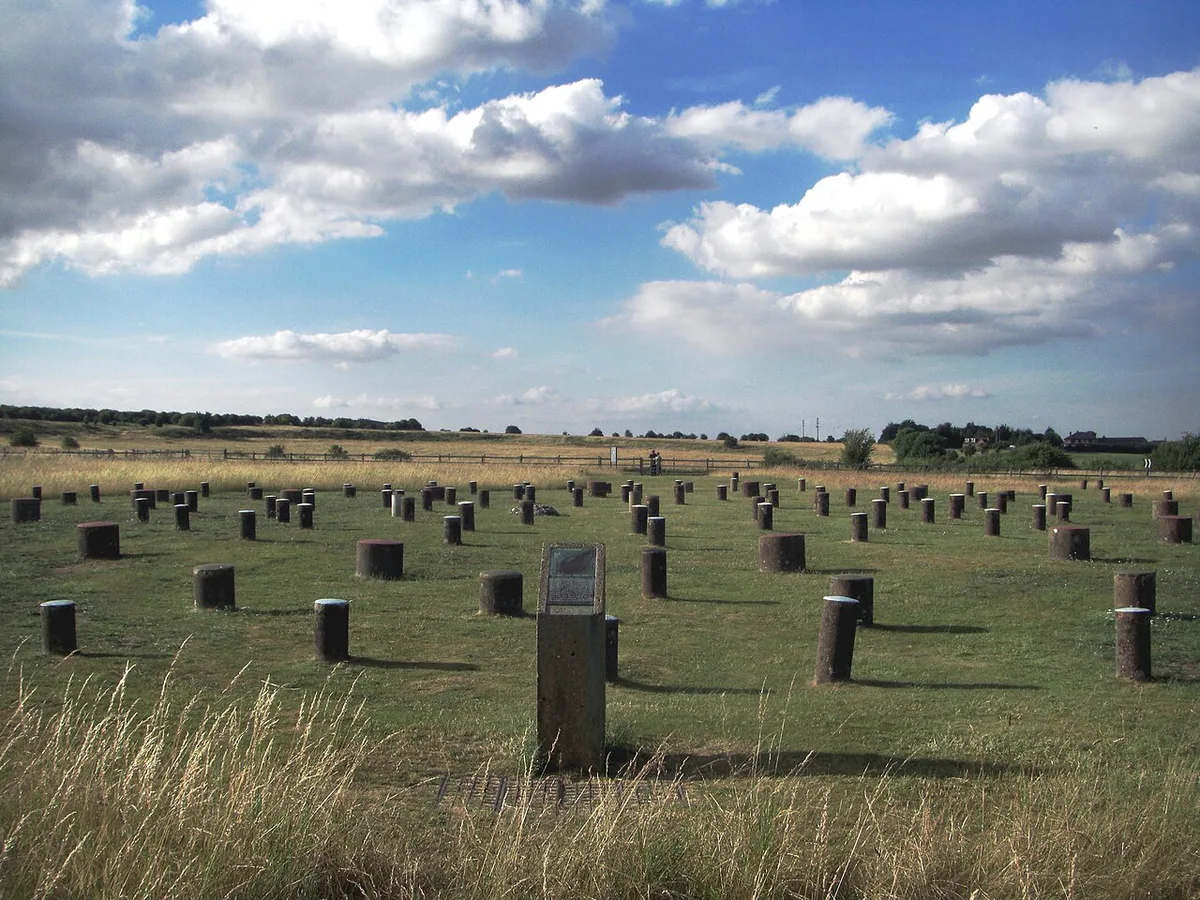
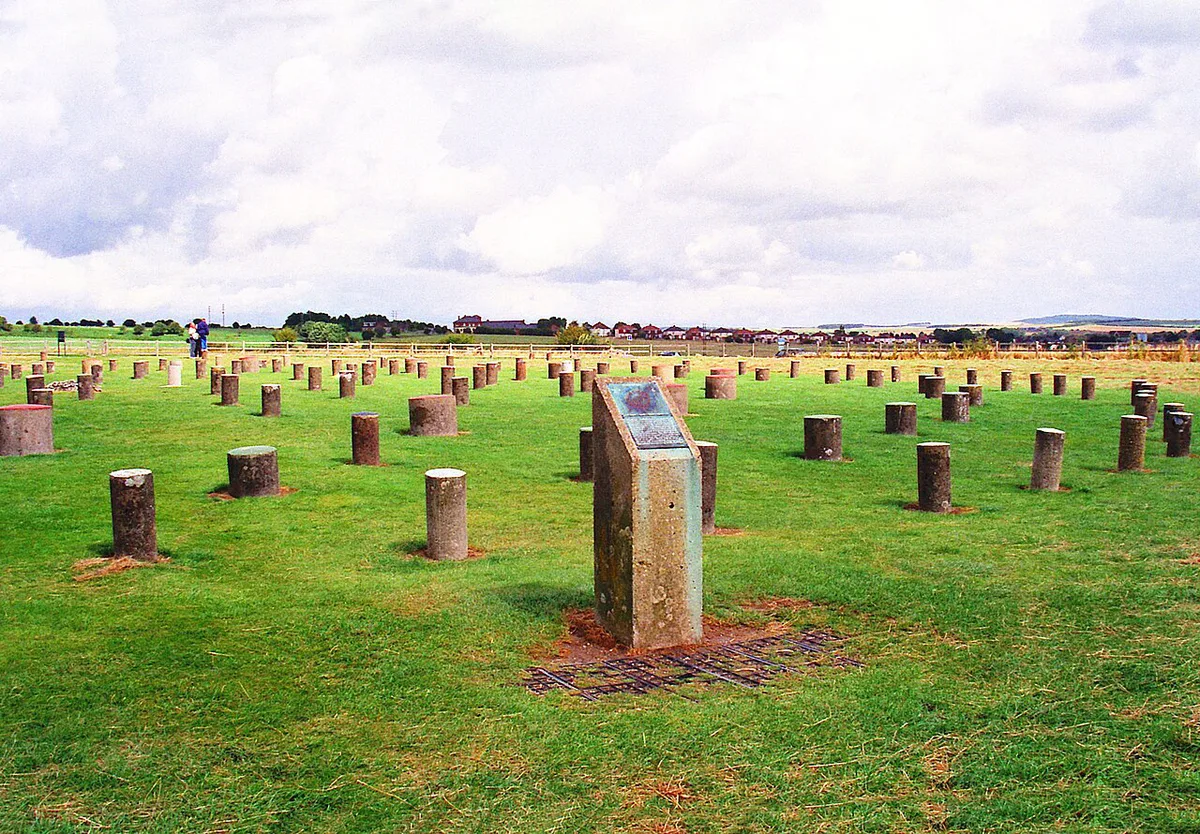
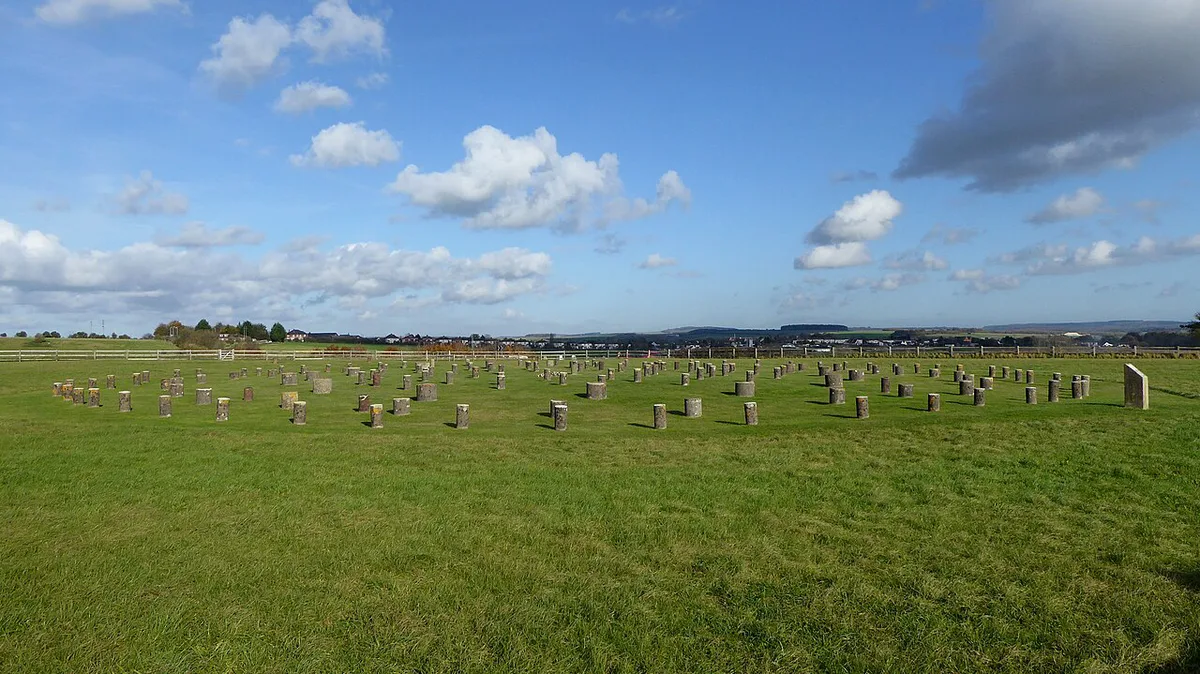
Woodhenge was a circle of timber posts. The original wood is gone. Today concrete posts mark where the timbers stood, so you see a layout on the ground rather than standing timbers.
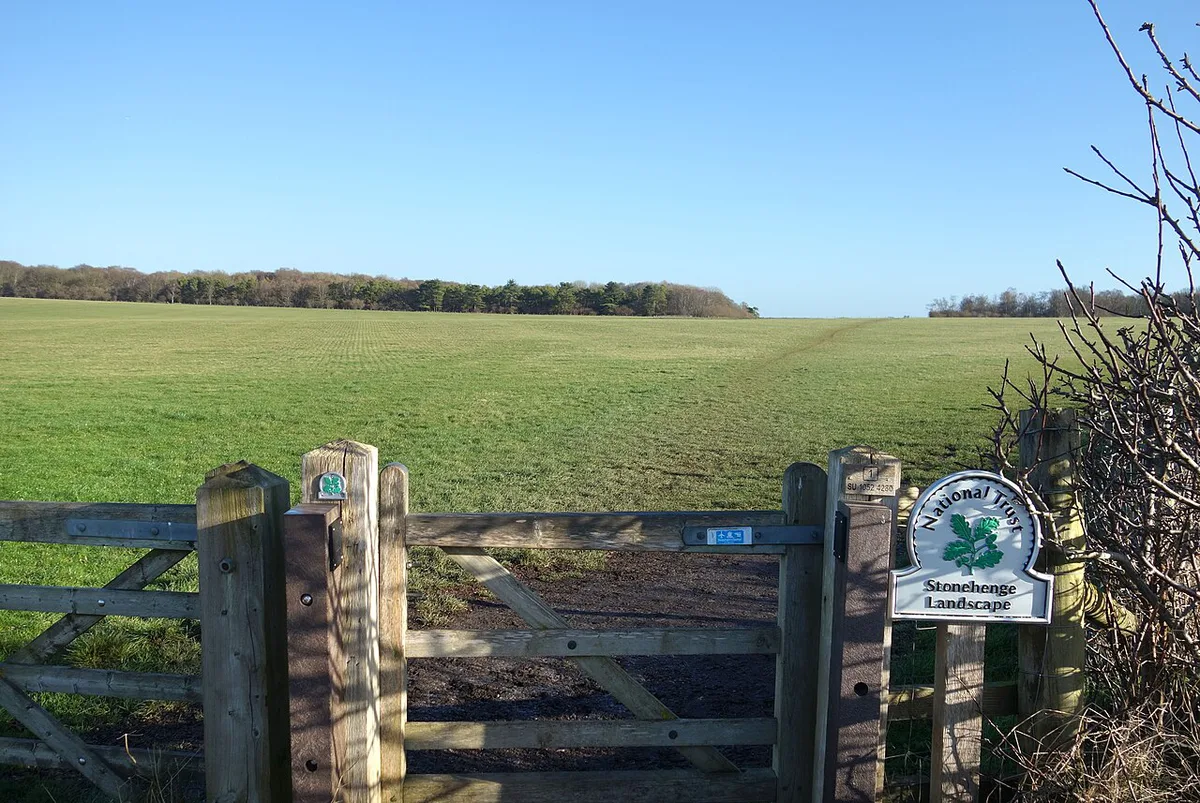
Expect a quiet field, a pattern of markers and some interpretation. Do not expect reconstructed posts or anything on the scale of the stones. Visitors who arrive expecting a rebuilt timber circle are the ones most often let down.
One disambiguation helps searchers. Other timber circles elsewhere in Europe have also been nicknamed "woodhenge". This page covers only the Wiltshire site.
Woodhenge layout: the six rings and how to read them
Woodhenge is easier to enjoy if you know what the markers represent. Excavation found the site was laid out as a series of concentric oval rings of post holes, six in total, surrounded by a ditch and bank. The markers you see follow that plan, so the ground pattern is an oval rather than a true circle.
- Marker colour and height: the concrete posts stand at different heights, with the pattern of the rings visible from the edge of the site. Walk the perimeter first, then look along a row to see how the rings line up.
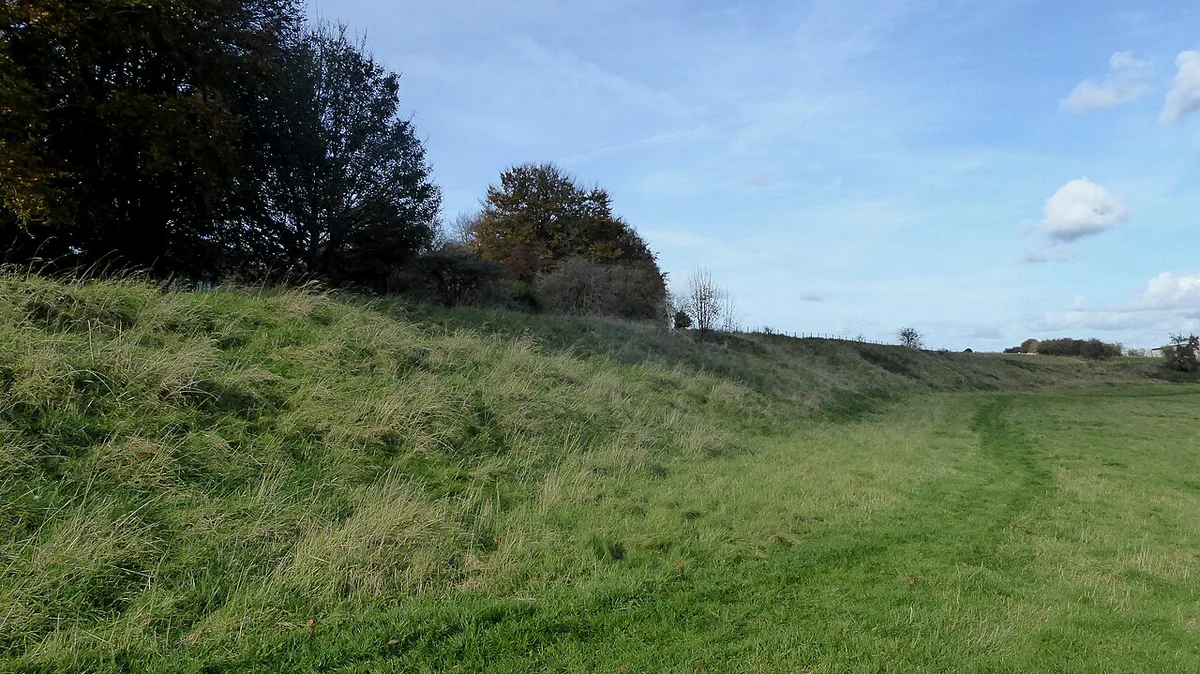
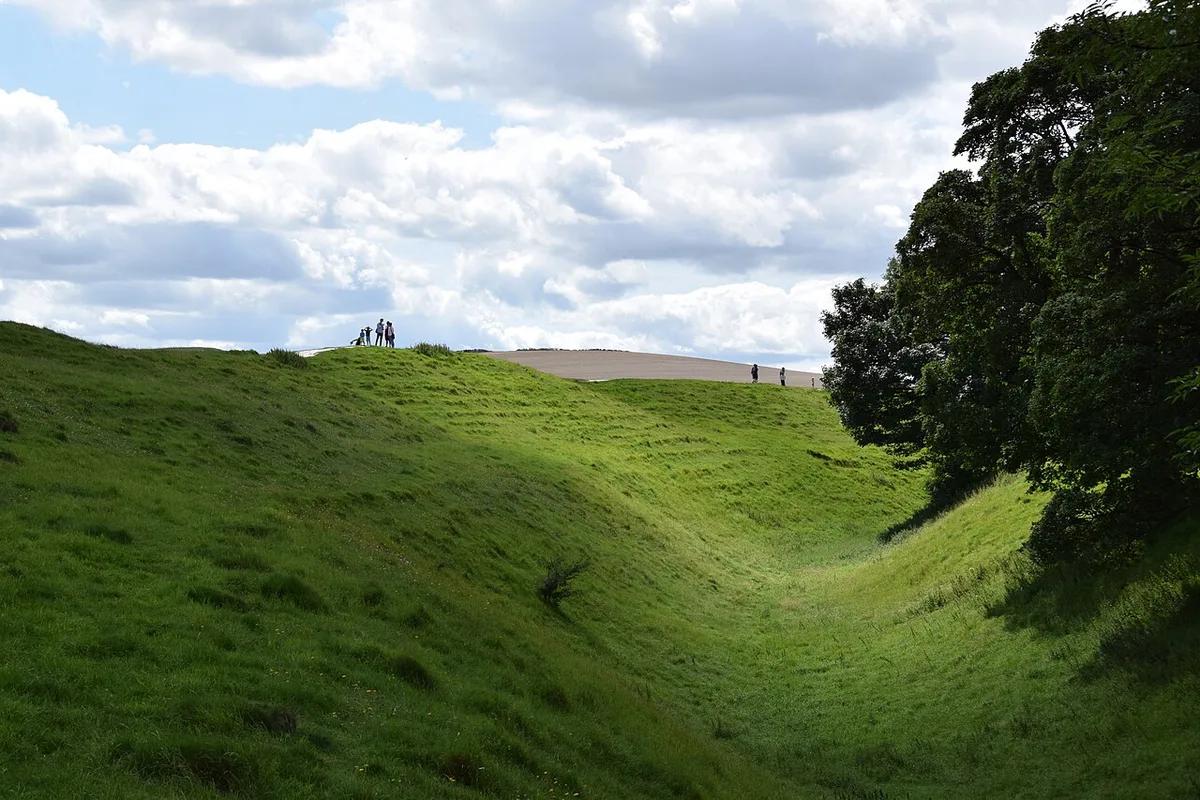
- Ditch and bank: a low earthwork surrounds the posts. It is subtle, so look for the slight change in ground level rather than a dramatic rampart.
- Central burial: the excavators recorded the grave of a young child near the middle of the monument, a detail that leads many archaeologists to read the site as ceremonial rather than domestic.
The timber posts themselves rotted long ago. What survives is the evidence of where they stood: the dark stains and holes recorded during excavation. That is why the site rewards a few minutes of reading and looking rather than a long visit.
For the wider background, the Wikipedia entry on Woodhenge summarises the excavation record, but check English Heritage for the current on-site interpretation.
Woodhenge and Durrington Walls: how they connect to Stonehenge
Durrington Walls is a large henge near Stonehenge. A henge is a circular earthwork enclosure. Woodhenge and Durrington Walls are separate monuments, even though people often blur them together.
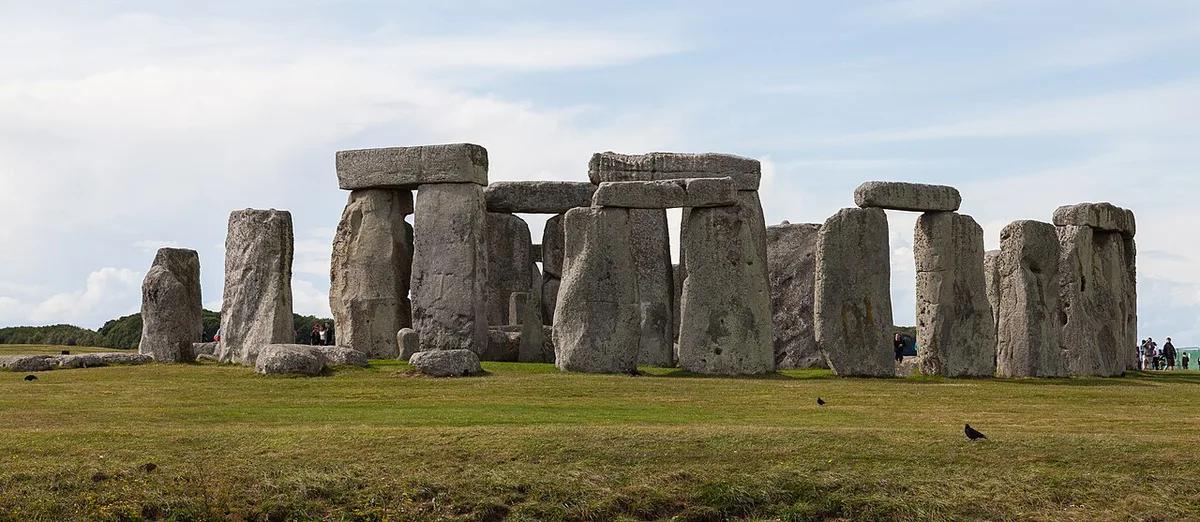
Both sit within the wider ceremonial landscape around Stonehenge. The usual contrast is timber at these sites against stone at Stonehenge. Interpretation is debated, so rely on the official descriptions. The National Trust describes the Stonehenge Landscape it looks after, which is the best starting point for walking information.
The dating is often given as around 2500 BC. Check the current English Heritage or Historic England entry before you quote it. For the bigger picture, read Who Built Stonehenge? Builders, Dates and How and see whether Stonehenge is worth visiting.
Archaeology and discoveries at Woodhenge and Durrington Walls
Woodhenge was identified from the air. Aerial photography in 1925 revealed a pattern of dark marks in a crop field, and excavations by Maud and Ben Cunnington followed in the late 1920s. Their work established the ring layout that the concrete markers now show.
Durrington Walls has a more recent research story. The Stonehenge Riverside Project, led by Mike Parker Pearson and running through the 2000s, excavated inside the henge and found evidence of a settlement: house floors, hearths and large amounts of animal bone, especially pig. The pattern suggests seasonal gatherings and feasting. Many researchers link it to people who took part in building and using Stonehenge, although the exact relationship is still debated.
- Houses: small floors with clay surfaces and central hearths, dated to the period around 2500 BC.
- Timber circles: evidence of timber structures inside the henge, now buried and not visible.
- The Avenue to the river: a route running from the henge towards the River Avon, which suggests movement between the river and the monument.
- Deep shafts: researchers have also described a ring of large pits around the henge, found through survey work. These are known from reports, not from anything you can see on the ground.
Almost all of this evidence is now below the turf, so a visit is about reading the landscape. The Wikipedia entry on Durrington Walls gives a fuller excavation history. For access and walking routes, rely on the National Trust.
Woodhenge vs Stonehenge vs Avebury
This table sets the four sites side by side. Costs and opening terms change, so each cost cell points you to the official page.
| Site | What's visible | Cost model | Best for |
|---|---|---|---|
| Woodhenge | Concrete post markers showing the timber layout | See the official page | Context seekers and archaeology fans |
| Durrington Walls | A large henge earthwork in the landscape | Check the National Trust page | Walkers and landscape readers |
| Stonehenge | Standing stones, plus a visitor centre | Ticketed; see our ticket guide | First-time visitors |
| Avebury | A large stone circle in a Wiltshire village | See the official page | A second stone-circle stop |
How to get to Woodhenge
Woodhenge sits near Stonehenge, so most visitors reach it by car, taxi or an organised tour. Public transport is thin for this part of Wiltshire. Check National Rail for the nearest station and plan the last stretch by taxi or on foot.
If you drive, read our Stonehenge parking guide first. Do not assume Stonehenge parking terms apply to Woodhenge. Check the signs at the site itself.
Cost, opening times and access rules at Woodhenge
No fee, hours or access terms are confirmed here. Check English Heritage and the National Trust before you go, and see Visit Wiltshire for local planning. Do not assume a Stonehenge ticket covers Woodhenge. Our Stonehenge tickets guide explains what a ticket includes, and the visitor centre guide covers what is on site there.
Combining Woodhenge with Stonehenge
Treat Woodhenge as an add-on rather than a day on its own. It suits people who already have a Stonehenge slot and want context on the timber side of the landscape. Allow a short stop.
Arriving from London? Start with Stonehenge from London: Tour, Train or Drive?. From Bath, see Stonehenge from Bath: Car, Train, Tour Compared. Staying in Salisbury? Use Salisbury to Stonehenge: Bus, Shuttle & Timetable Guide. Those who want a second stone circle can compare Stonehenge and Avebury.
Solstice dates bring crowds and possible access changes, so read the summer solstice and winter solstice guides if you plan around them. Our best time to visit guide covers seasons. Expect wet ground in winter on any open field.
Should you go to Woodhenge?
Go if you enjoy archaeology and want to understand the timber side of the Stonehenge landscape. Go if you are already nearby and want a quiet stop.
If you already hold 1 timed Stonehenge slot, add Woodhenge as a short stop. Confirm the walking distance on the official site before you plan the detour.
Skip it if you want standing monuments or have only a short time in Wiltshire. A visitor with one slot should spend it at Stonehenge itself. Close-circle access is a separate matter, covered in our stone circle access guide.
Where to stay and eat nearby
Amesbury and Salisbury are the practical bases for this area. Browse Visit Wiltshire for current places to stay and eat. Specific venues are not listed here, because opening details change.
Choose the right stop in the Stonehenge landscape
Woodhenge works best as a context stop, not a substitute for Stonehenge. If you have only 1 timed Stonehenge slot or a very limited day in Wiltshire, make Stonehenge the priority. Its standing stones and visitor centre give the clearest introduction to the landscape.
Add Woodhenge if you want to see the timber side of the same Neolithic story. The commonly cited date of around 2500 BC places it in the period often discussed alongside Stonehenge, although interpretation of the relationship remains debated.
Durrington Walls suits visitors who enjoy reading earthworks and walking through the wider landscape. Avebury is the stronger alternative for travellers wanting a second major stone-circle experience. The comparison involves 4 very different places, so choose by what you want to see rather than trying to treat each as an equal stop.
- Choose Woodhenge for concrete markers and archaeological context.
- Choose Durrington Walls for earthworks and landscape walking.
- Choose Stonehenge or Avebury for visible standing stones.
Related guides
Continue reading
Guides on the same trip