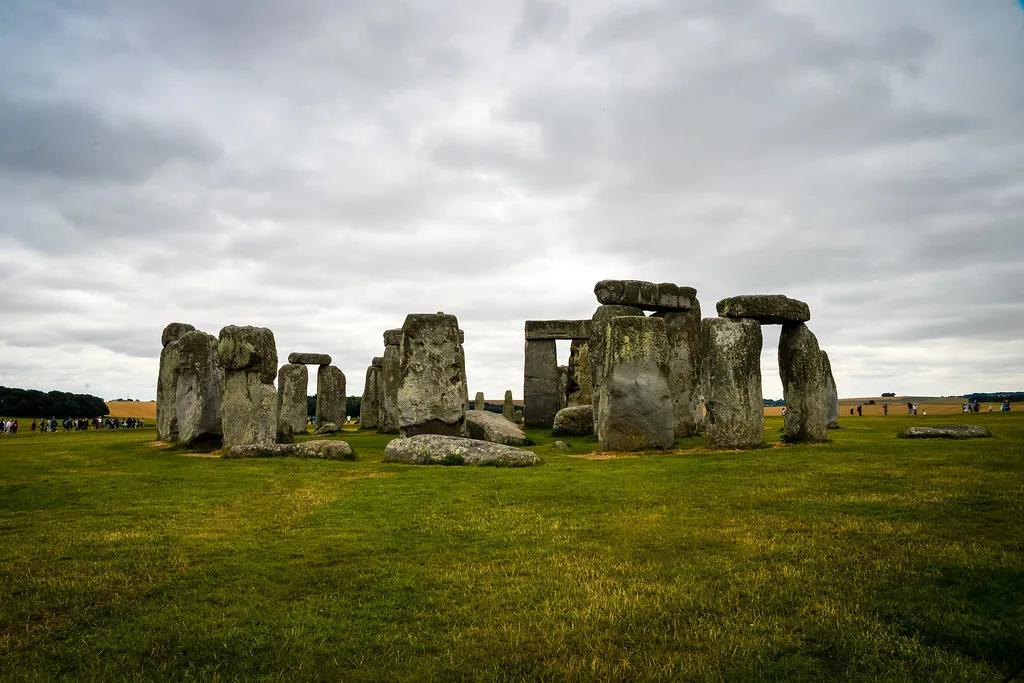
Last updated November 2026: who built Stonehenge? Neolithic communities of Britain raised it in stages over roughly 1,500 years, starting around 3000 BC. No named individual is known, because nobody wrote anything down in that period. For the visit itself, start with our complete Stonehenge guide.
Featured image: daves_archive _inactive at current time, CC BY 2.0, via Flickr.
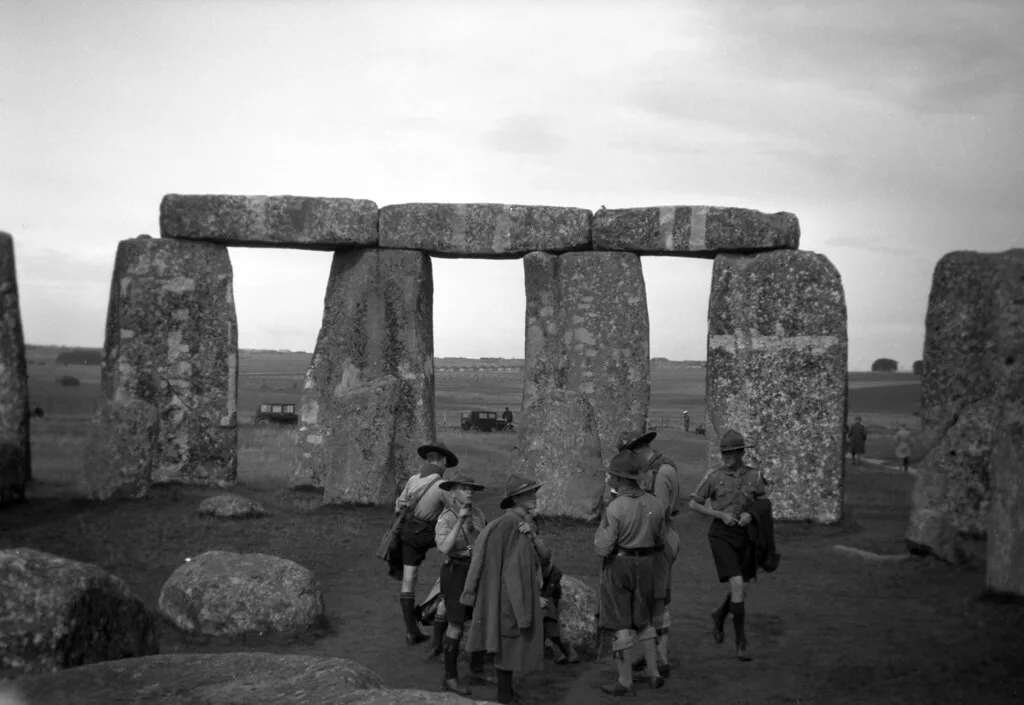
Who built Stonehenge? The short answer
Neolithic people of Britain built Stonehenge in stages, beginning about 3000 BC. No individual builder is known, because the period left no writing. Druids, Romans, Merlin and aliens did not build it. Bluestones travelled about 140 miles from west Wales, and the larger sarsens came from about 15 miles away. Dates below are approximate ranges, not single years.
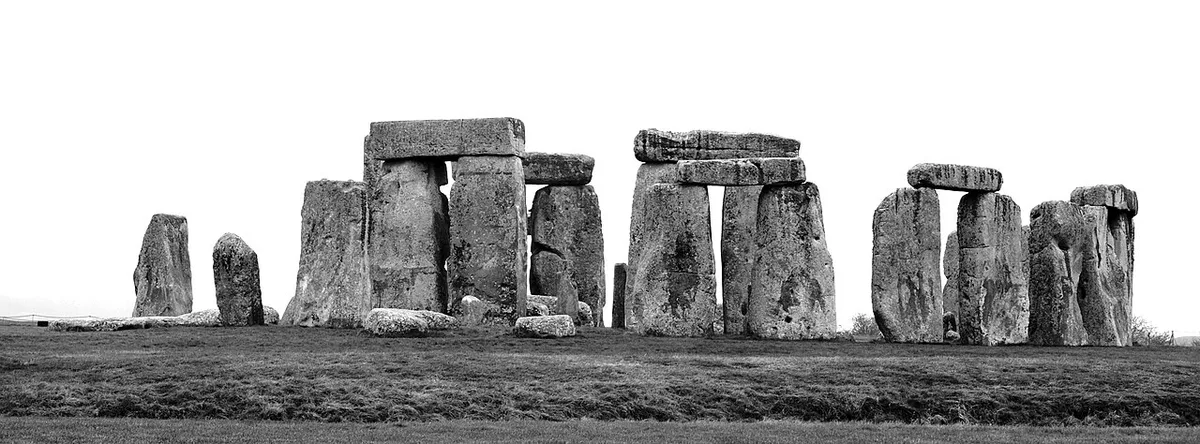
| Phase | Approximate date | What was built | Stone |
|---|---|---|---|
| Earliest activity | Around 8000 BC | Large postholes near today's visitor centre | Timber |
| Earthwork | From about 3000 BC | Circular ditch and bank, plus 56 pits called the Aubrey Holes | Chalk |
| Bluestones | Dates still debated | Smaller stones set up at the monument | Bluestone from Wales |
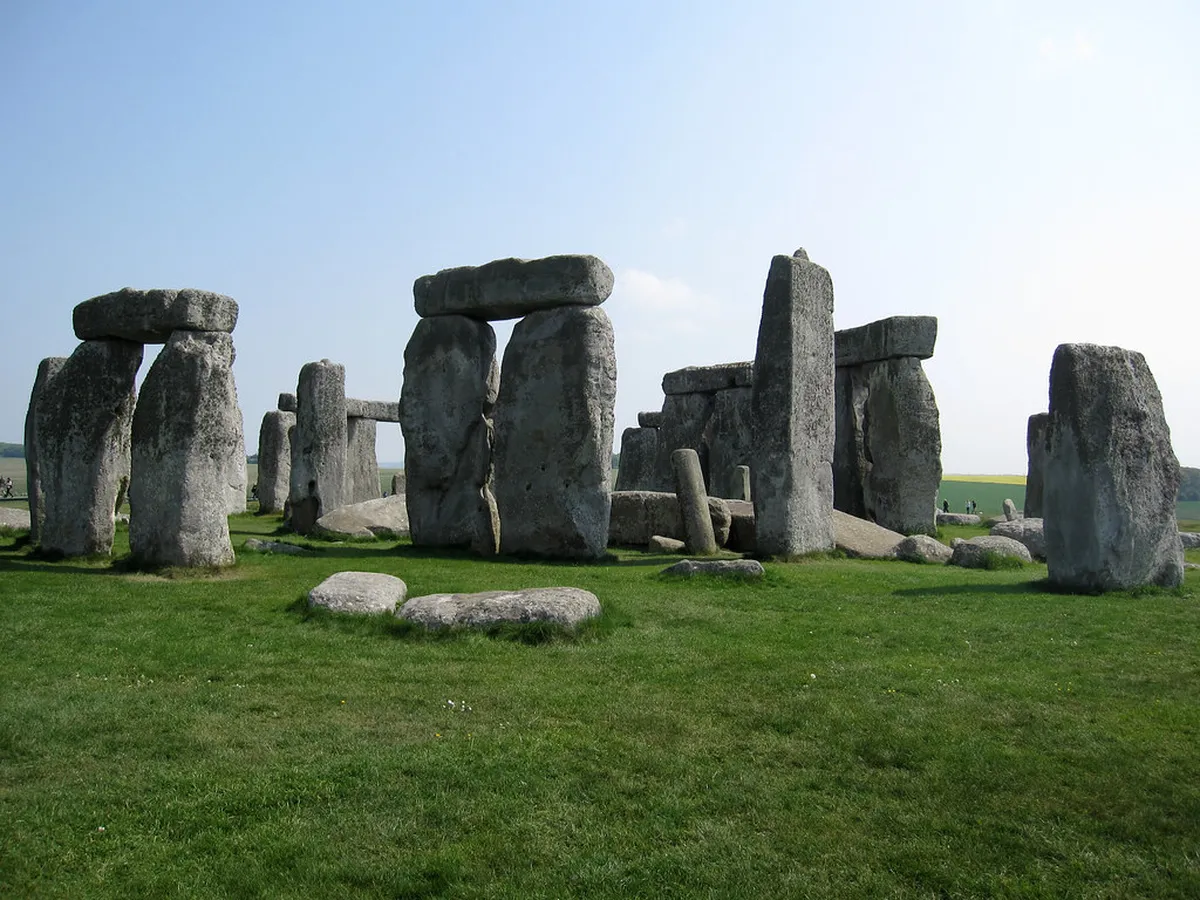
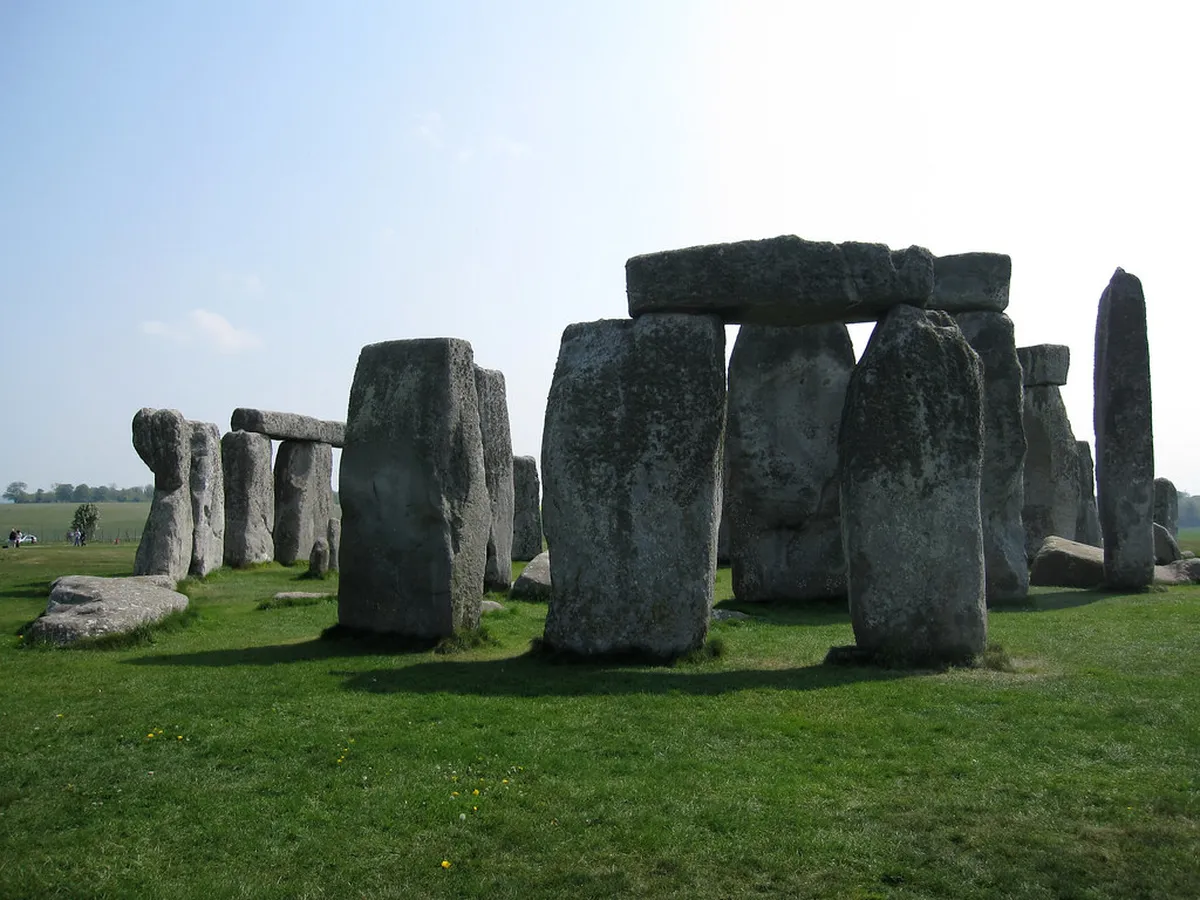
| Sarsen circle | Around 2500 BC | Large uprights capped with lintels | Sarsen from West Woods |
Who were the builders?
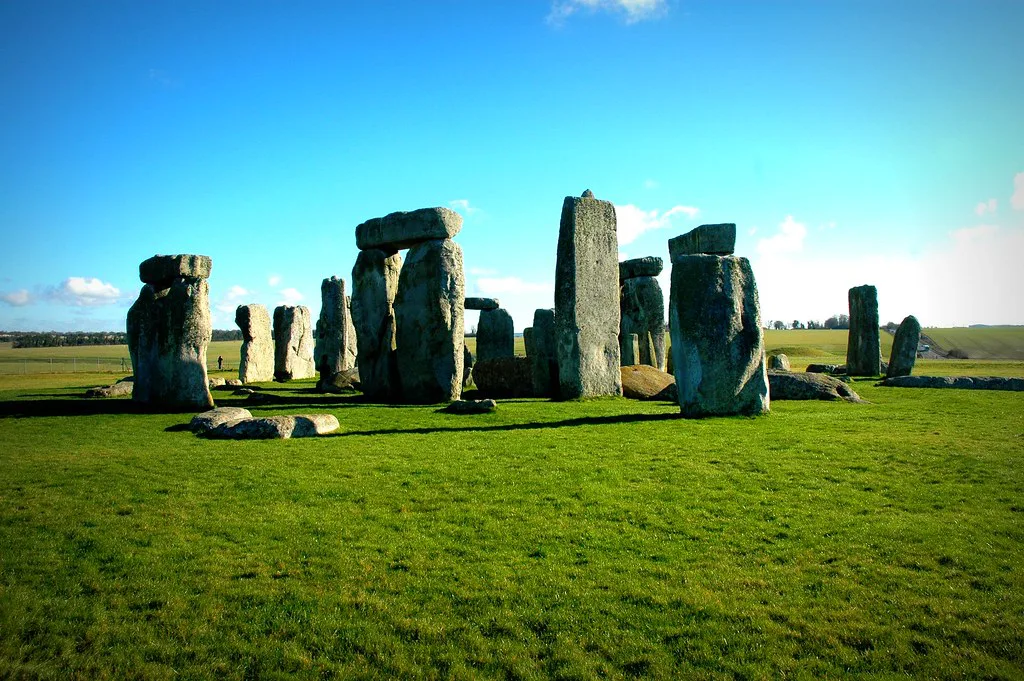
Farming communities had settled across Wiltshire by around 4000 BC. They cleared woodland, raised burial mounds and dug earthwork enclosures. Evidence for who they were is archaeological: ditches, postholes, tools and settlement remains. At Durrington Walls, an enclosure surrounded a Neolithic village where the builders likely lived and held seasonal feasts. Our guide to Woodhenge and Durrington Walls: Visitor Guide covers that side of the story. The National Trust Stonehenge Landscape page describes the wider ground around the monument. Debate continues over how many people took part, where they came from and how their labour was organised.
Newcomers and the Beaker period at Stonehenge
The people who started Stonehenge were not the same population that finished it. Ancient DNA studies show that farmers with ancestry from Anatolia, arriving via continental Europe, largely replaced Britain's earlier hunter-gatherers by around 4000 BC. Those farming communities dug the first ditch and bank.
Around 2500 BC, close to the time the sarsen circle was going up, a second wave of migrants arrived, linked to the Beaker pottery tradition. Over the following centuries they changed the genetic makeup of Britain. This means the monument's story spans at least two peoples, and the label "Neolithic builders" is a simplification for the earlier and larger share of the work.
- Earlier builders: Neolithic farming communities who dug the ditch, set the first stones and lived at sites such as Durrington Walls.
- Later arrivals: Beaker-using people, who brought copper and gold working to Britain.
- Amesbury Archer: a Beaker-era burial found a few miles from the monument. Isotope analysis of his teeth suggests he grew up in the Alpine region, which shows how far people travelled.
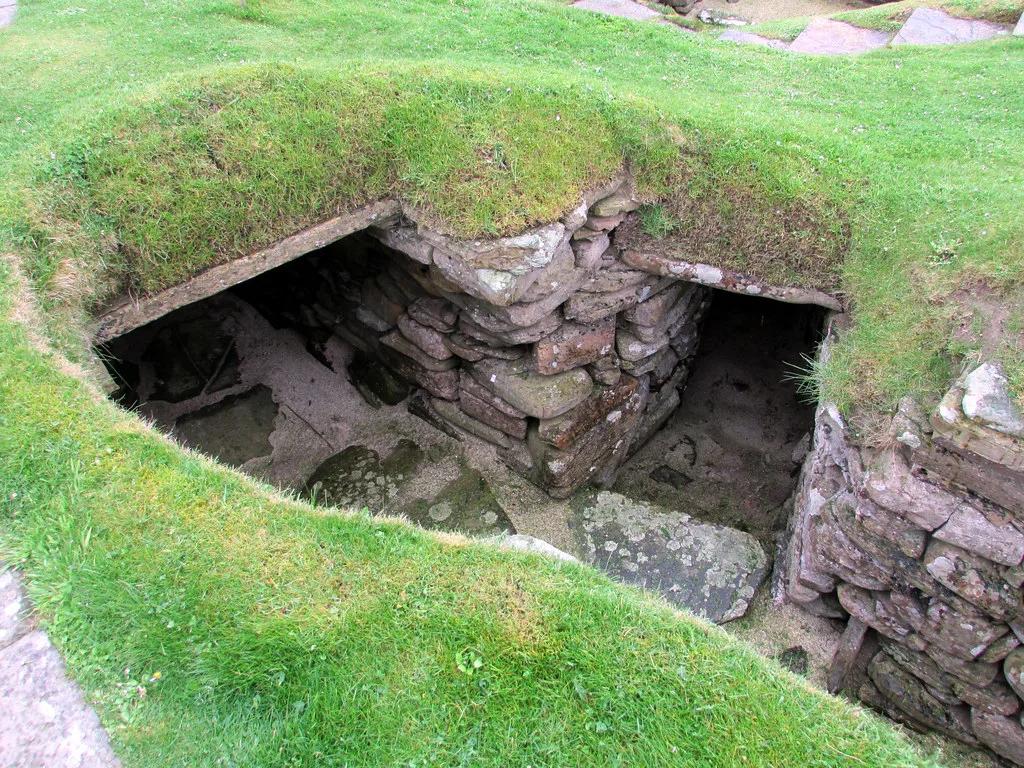
Whether the Beaker newcomers took part in the building or simply inherited a sacred place is still debated. For a contrasting Neolithic community that left a village rather than a stone ring, see our comparison of Skara Brae and Stonehenge.
How was Stonehenge built, phase by phase?
Construction ran as a sequence of projects rather than one build. Each step added to what earlier generations had left.
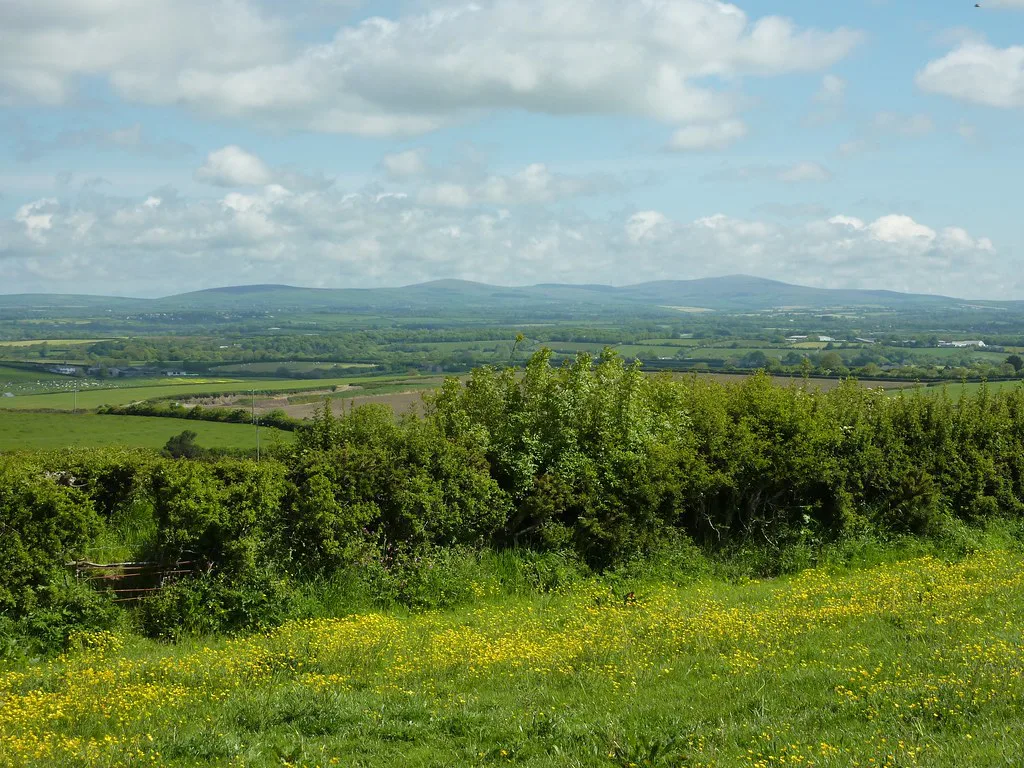
Wiltshire was already home to farmers by around 4000 BC, roughly a millennium before the circular ditch was dug.
- Ditch and bank: around 3000 BC, workers dug a circular ditch using red deer antlers and ox shoulder blades.
- Aubrey Holes: 56 pits were dug inside the ring and held smaller stones.
- Bluestones: builders likely moved them on wooden sledges, rollers and rafts.
- Sarsens and lintels: around 2500 BC, huge sarsens were raised in pits, then capped with lintels.
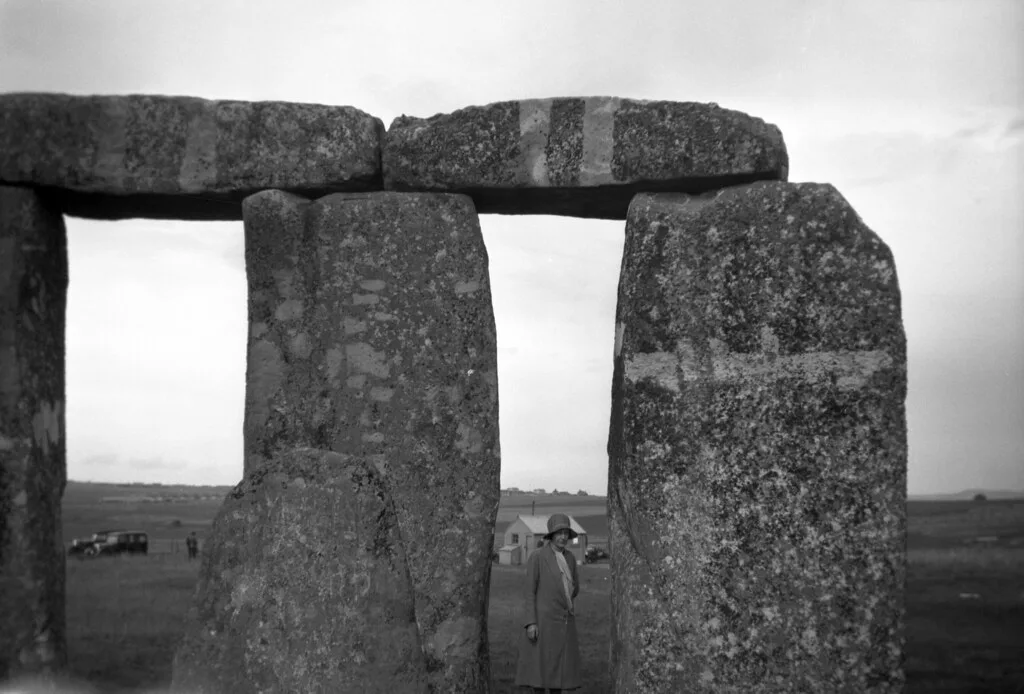
- Joinery: tenons on the uprights fit sockets called mortises in the lintels, and neighbouring lintels lock with tongue-and-groove joints.
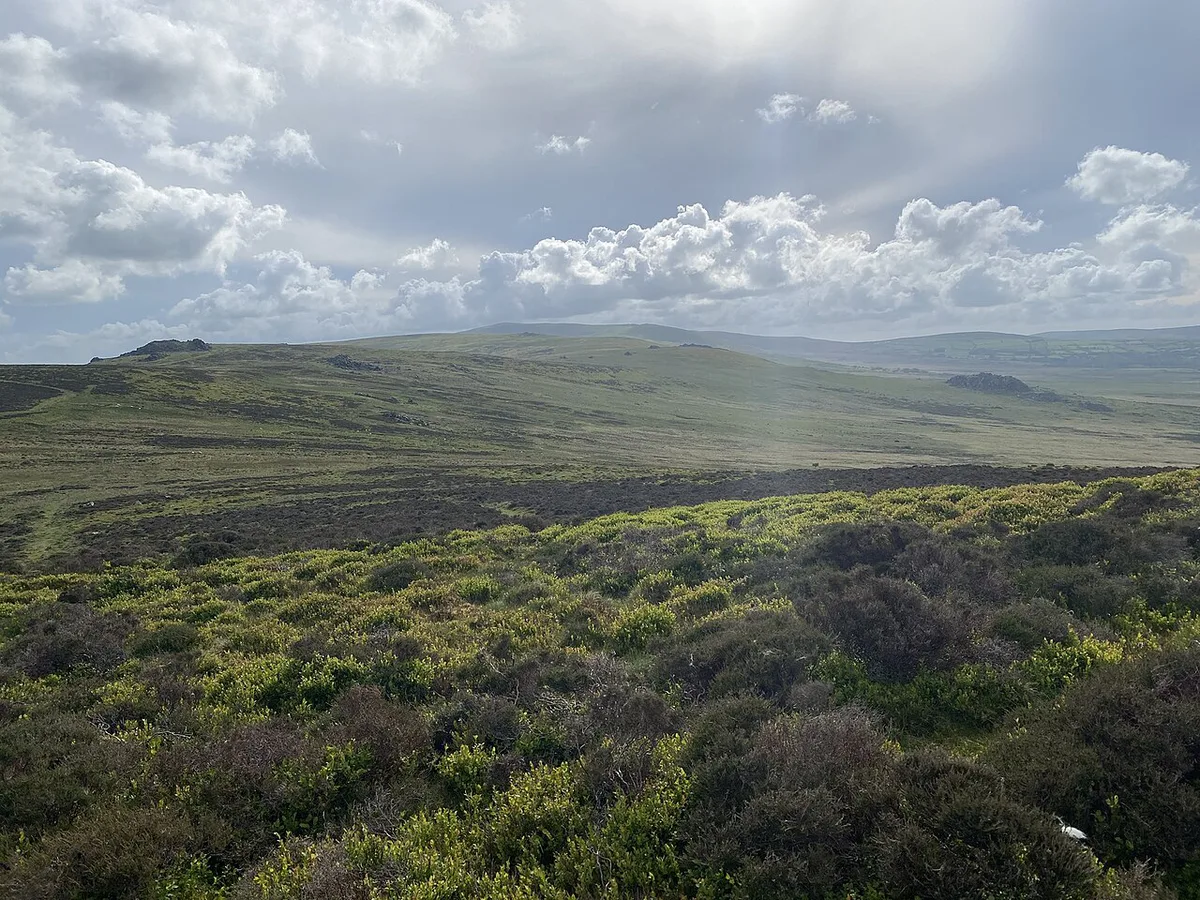
Where did the Stonehenge stones come from?
Stonehenge uses two main stone types, and each journey says something different about the builders. A 2016 University College London experiment moved a 1-ton stone with 10 people at more than one mile per hour on a wooden sledge. That test used flat ground and stones half the size of some at the site. Treat it as a reconstruction, not proof. Estimates for stone weights vary, so no single figure is given here. The Altar Stone's origin is still under active research, so check recent published findings.
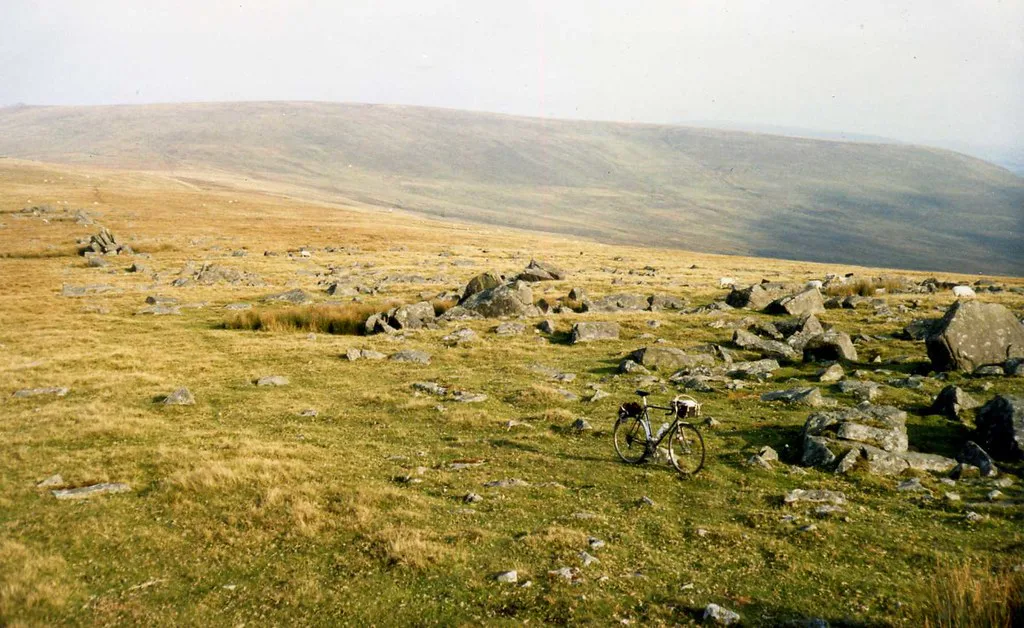
Pair the 2016 test's 10 people at more than one mile per hour with the about 140 miles bluestones travelled, and the flat-ground limits become clear.
| Stone | Origin | Distance | What it implies | How we know |
|---|---|---|---|---|
| Bluestone | Preseli Hills, Pembrokeshire, Wales | About 140 miles | Long-distance transport and links across regions | Geological matching to Welsh outcrops |
| Sarsen | West Woods, near Marlborough | About 15 miles | Heavy hauling by large teams | Geological sourcing studies |
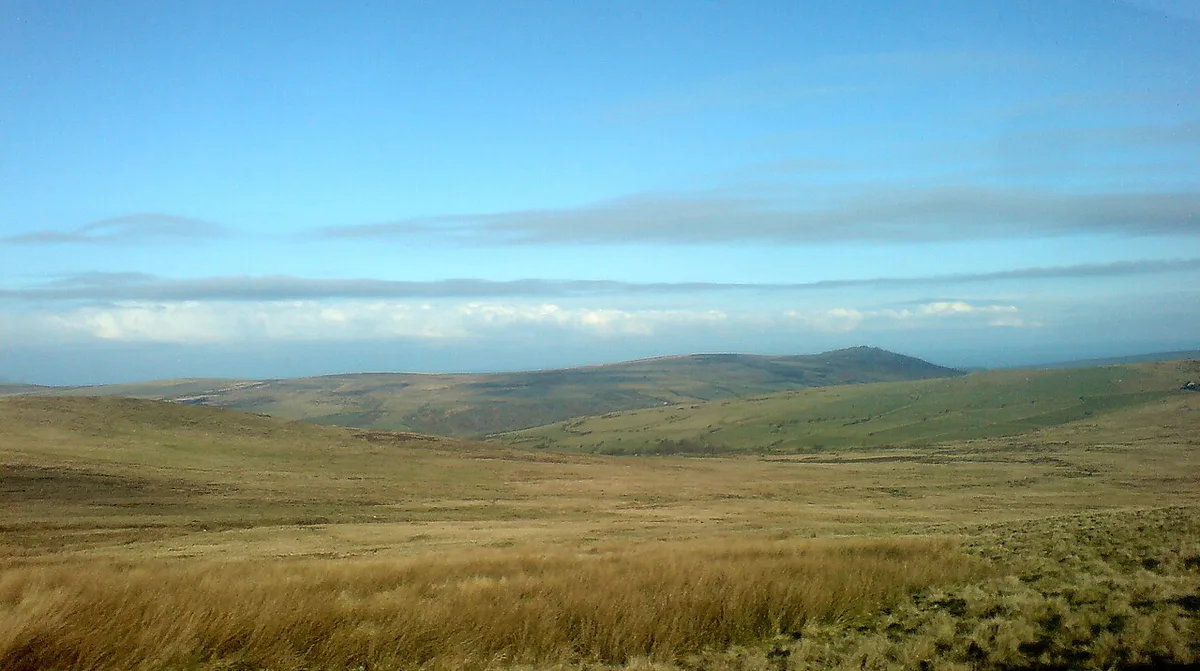
Tools and techniques the builders used
The builders had no metal tools and no wheeled carts for the heavy work. Archaeology points to a toolkit of stone, bone, antler, timber and rope.
- Digging: red deer antler picks loosened the chalk, and ox shoulder blades acted as shovels. Antlers found in the ditch were used to date it.
- Shaping stone: rounded sarsen hammerstones, called mauls, were used to pound and dress the surfaces of the uprights and lintels. The face looking into the circle was worked more smoothly than the outer face.
- Raising the uprights: a stone was likely levered into a pit, then pulled upright with ropes and held in place with packed chalk and stone.
- Lifting the lintels: the most widely suggested method is a timber platform built up in stages, with the lintel slid across and lowered onto the tenons.
These are reconstructions based on evidence and experiments. No one saw it done, so treat each method as the best-supported explanation rather than a certainty.
At the visitor centre, reconstructed Neolithic houses and an exhibition of excavated tools give a physical sense of this toolkit. Check the Stonehenge tickets guide for what entry includes.
Why was Stonehenge built? What we know and don't
Burial and ceremony are the best-supported purposes. Stonehenge was likely a sacred place used for burials. Its main axis also lines up with the summer solstice sunrise and the winter solstice sunset. Read our guides to the summer solstice at Stonehenge and the winter solstice gathering for how those days work now. Evidence shows the alignment exists. It does not show why the builders chose it, so no single purpose can be claimed.
Myths about who built Stonehenge
Several popular answers fail against the archaeology.
- Druids: they did not build it, because the monument is far older than that tradition.
- Romans: the stones were raised thousands of years before Roman Britain.
- Merlin: this is medieval legend, with no archaeological support.
- Aliens: tools, quarries and settlement evidence point to local people, so no outside help is needed.
See the builders' landscape in person
Each site below shows a different part of the story. At Stonehenge, expect to view the circle from managed paths, not to walk among the stones. Our stone circle access guide explains the options. The visitor centre stands apart from the circle, so allow time to reach the stones. For a direct comparison, see Stonehenge versus Avebury.
| Site | What it shows | Access | Best fit |
|---|---|---|---|
| Stonehenge | The finished sarsen and bluestone monument | Managed paid visit; see ticket guide | First-time visitors |
| Durrington Walls and Woodhenge | Where the builders likely lived and feasted | Landscape sites; check current access | Readers curious about daily life |
| Avebury | A large Neolithic stone circle in a village setting | Check National Trust for access rules | Visitors wanting a second circle |
Frequently Asked Questions
Why can't you touch Stonehenge anymore?
Access to the circle is managed, and standard visits view the stones from set paths. Our guide to circle access explains the alternatives.
Did the Romans know about Stonehenge?
Romans did not build it, because the monument was raised thousands of years earlier. Whether they knew of it is not established here.
Related guides

Continue reading
Guides on the same trip