Last updated November 2026. The Standing Stones of Stenness are the surviving stones of a Neolithic circle and henge beside the Loch of Stenness, part of the Heart of Neolithic Orkney World Heritage Site. If you are already driving the Stenness and Brodgar road toward Skara Brae, this is a short, easy stop. This guide covers what you will see, how it compares with the Ring of Brodgar and how to order your day.
Featured image: Ymblanter, CC BY-SA 4.0, via Wikimedia Commons.
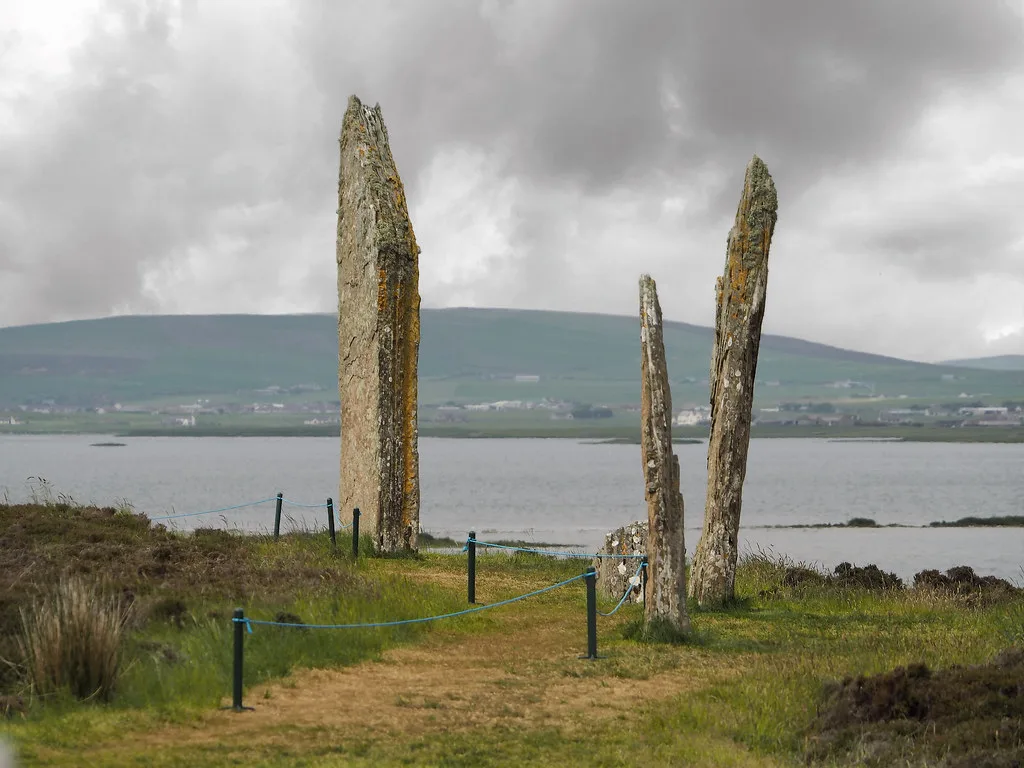
Standing Stones of Stenness at a glance
This is a roadside prehistoric site on Orkney Mainland, so it suits a short stop rather than a half-day visit. Access arrangements, parking and any charges are set by Historic Environment Scotland, so read its current site page before you travel. Prices and hours were last checked in November 2026 against official pages, and none are quoted here because they can change.
| Question | Short answer |
|---|---|
| What is it? | Remains of a Neolithic stone circle and henge beside the Loch of Stenness |
| Part of a World Heritage Site? | Yes, the Heart of Neolithic Orkney |
| Best for | Drivers and tour passengers already on the Brodgar road |
| Time to allow | A short stop; longer if you want photographs and a slow walk |
| Nearest sibling site | Ring of Brodgar |
What you will see at the stones
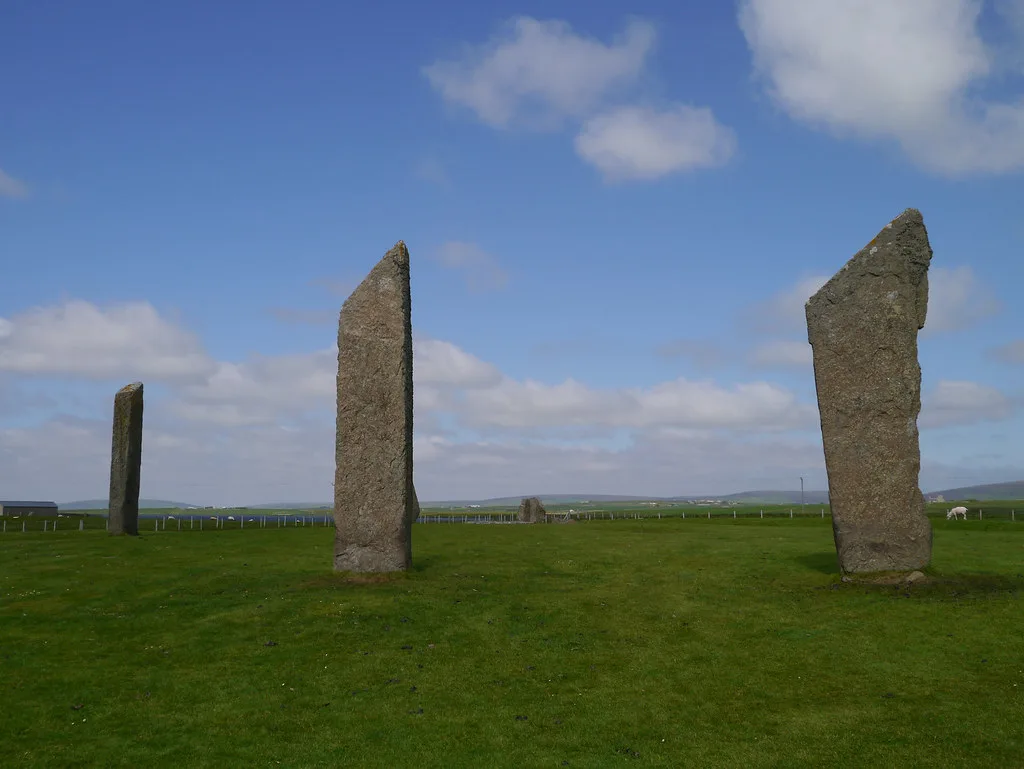
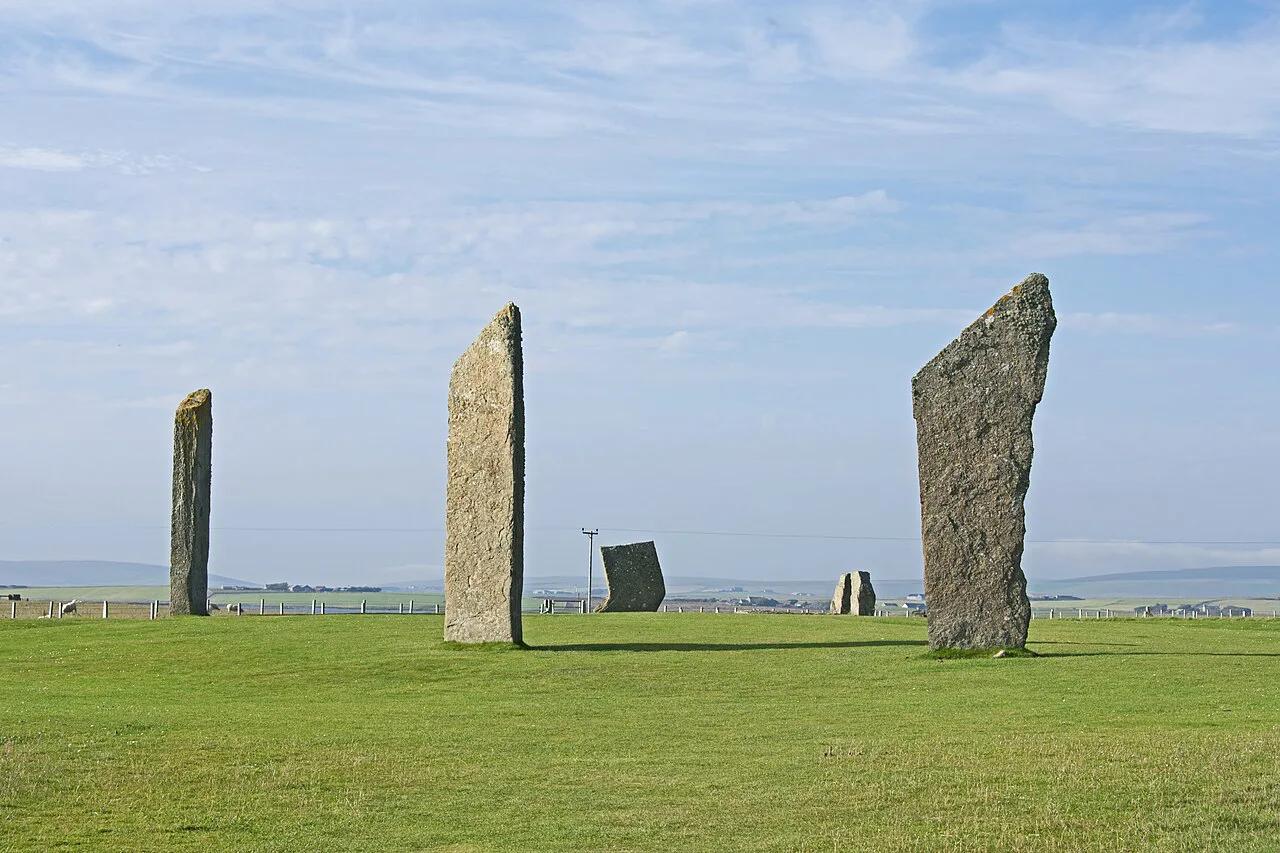
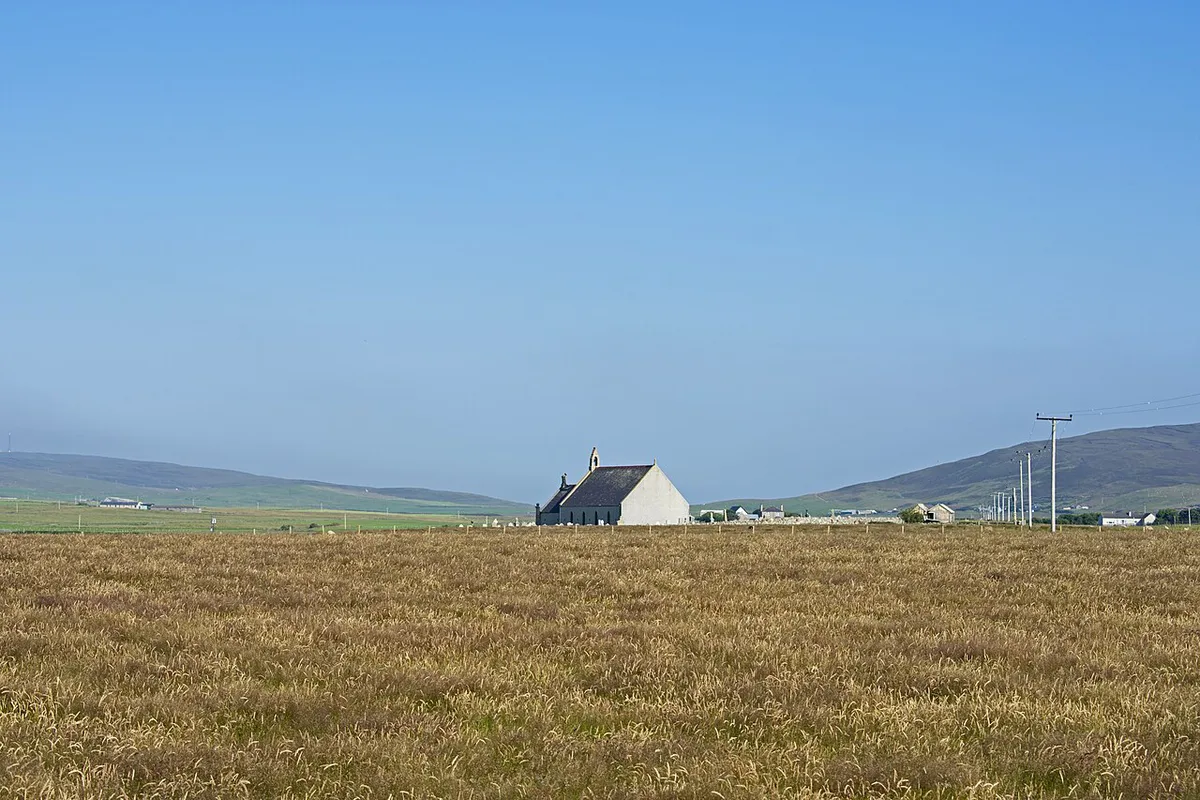
Only part of the original circle survives. Expect a small group of tall, thin, upright slabs set in open grass, with the loch on one side and low hills on the other. Their slender, flat-sided shapes look quite different from the broad ring at Brodgar.
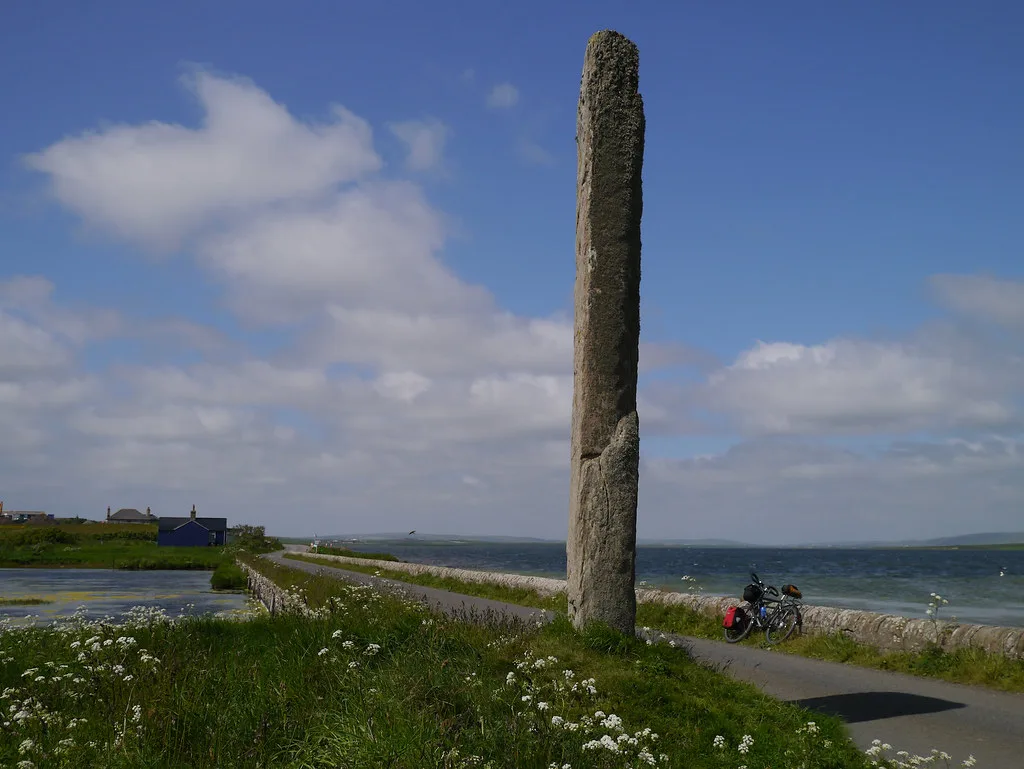
Take time to walk the full perimeter and look back toward the water. The setting explains why the place was chosen as much as the stones do. Look also for the lone Watch Stone near the nearby causeway, which stands apart from the circle. For the wider story of how these monuments relate, read our guide to Neolithic Orkney: Sites, Tickets and How to Plan Your Visit.
History of the Standing Stones of Stenness: dates and discoveries
Knowing a little of the archaeology changes what you notice on the ground. Stenness is generally dated to around 3100 BC, which makes it one of the earliest stone circles and henge monuments in Britain. It is older than the Ring of Brodgar and far older than the main phase of Stonehenge.
- Original layout: the circle is thought to have held about 12 stones. Four remain standing, and the tallest rises to roughly 5 to 6 metres.
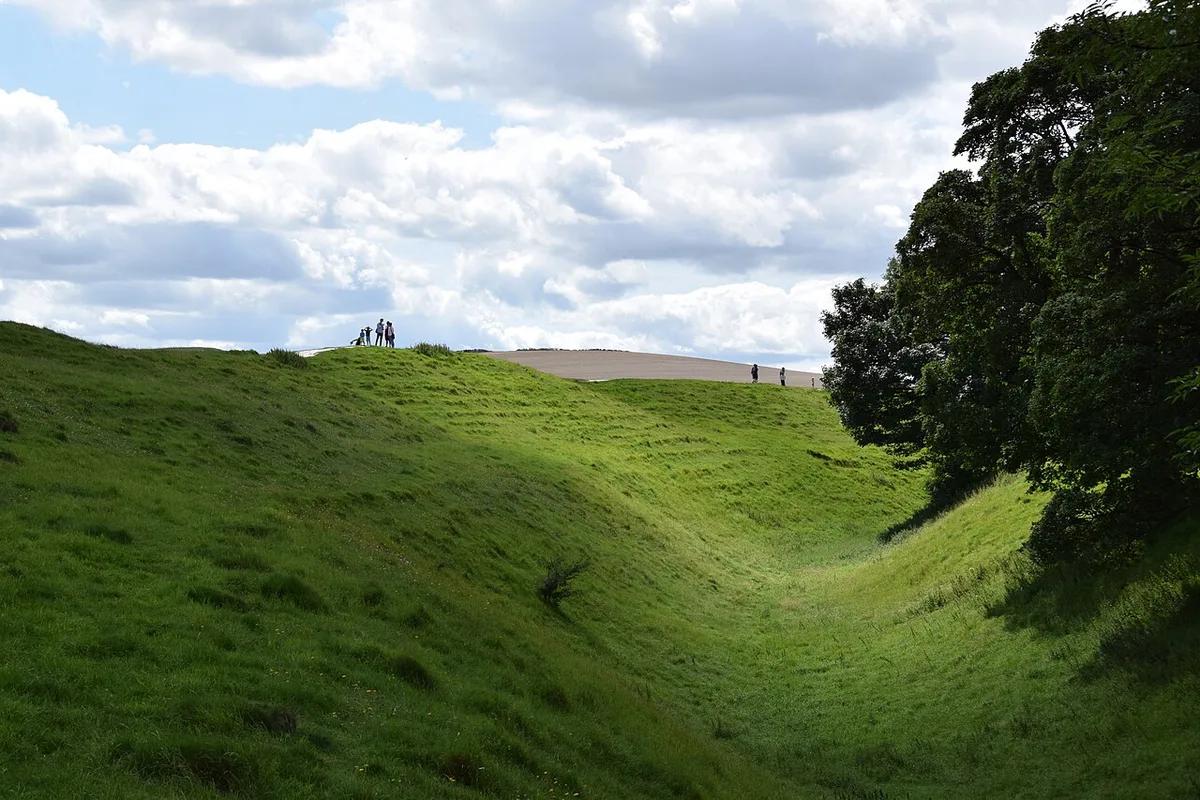
- The henge: a ditch was cut into the bedrock around the circle, with a bank outside it and a single entrance causeway. Parts of the ditch are still visible as a shallow dip in the grass.
- The central hearth: excavations found a large square setting of stones at the centre. Archaeologists read it as a hearth, which points to gatherings and feasting rather than a purely ceremonial ring.
- The Odin Stone: a holed standing stone once stood nearby. Local tradition held that couples clasped hands through the hole to swear oaths. A farmer destroyed it in 1814, which caused lasting anger locally and helped spark early calls to protect Orkney's monuments.
Several stones were restored or re-erected in the past, so the line-up you see is not exactly what was left standing for centuries. Signs on site and the Historic Environment Scotland page give the current interpretation.
To see how Stenness compares with other Scottish circles, read our guide to standing stones in Scotland. The Hebridean Callanish Stones on Lewis are the closest rival in scale and setting.
Stenness or Ring of Brodgar: which to prioritise
If you can stop only once, choose by what you want from the visit. Stenness is smaller and quicker, while Brodgar is a larger ring with a longer walk. Our own Ring of Brodgar guide covers that site in full. Neither is better in absolute terms, so the table below sets out the trade-offs.
| Criterion | Stenness | Ring of Brodgar |
|---|---|---|
| Scale | Fewer, taller stones | Larger circle with a ditch |
| Time needed | Shortest stop | Longer walk |
| Atmosphere | Quiet, lochside | Open and exposed |
| Best for | Quick photo stop and archaeology fans | Visitors wanting a full circuit |
| Official details | Historic Environment Scotland site page | HES Ring of Brodgar page |
How to get there
Driving is the simplest option, because the stones lie beside the road between Stromness and Kirkwall. Parking is close to the stones. Without a car, you have four options.
- Local bus: confirm current services and timetables with Orkney Islands Council before you plan around one.
- Taxi: flexible from Kirkwall or Stromness, but cost rises with the distance.
- Organised tour: usually bundles several Neolithic sites, which saves planning.
- Cruise excursion: see our guide to Orkney Shore Excursions: What You Can Do In One Port Day for what to ask the operator.
Fitting Stenness into an Orkney Neolithic day
Maeshowe is the stop most likely to fix your timetable, because it needs a timed entry booked through a visitor centre. Book that slot first, then arrange the rest around it. Check our Maeshowe visit guide for the access outline and the HES page for current ticket details.
A sensible order is Skara Brae, Ring of Brodgar, the Standing Stones of Stenness, then Maeshowe. That follows the road without doubling back. Treat drive times as approximate and check them on a map. Planning Skara Brae first? Our Skara Brae tickets guide covers entry. Starting from Kirkwall? See getting to Skara Brae from Kirkwall. Nearby, the Ness of Brodgar excavation is worth reading about, though what visitors can see depends on the Ness of Brodgar Trust's current programme. With longer in Orkney, the Tomb of the Eagles, Orkney: Is It Open and How to Visit and Broch of Gurness: Visitor Guide, Access & Worth It? make good extensions.
Best time to visit and what to wear
Orkney weather changes quickly, and the stones sit in open ground by a loch. Wind is the main factor, so bring a windproof layer and waterproof shoes in any season. Paths and grass can be muddy after rain. Daylight varies a lot between midsummer and winter, so check sunset times if you are visiting in the colder months. Low-angle light near sunrise and sunset suits photography. For wider trip timing, see VisitScotland's Orkney pages.
Accessibility, facilities and visitor etiquette
Surface, distance from parking, toilets and café provision should be checked on the HES site page before you go. Do not assume facilities exist on site. Follow the signage at the stones. Look after the monument by keeping to the marked routes and leaving the stones untouched unless signs say otherwise. Check the current rules on drones and dogs before you travel.
Why it matters
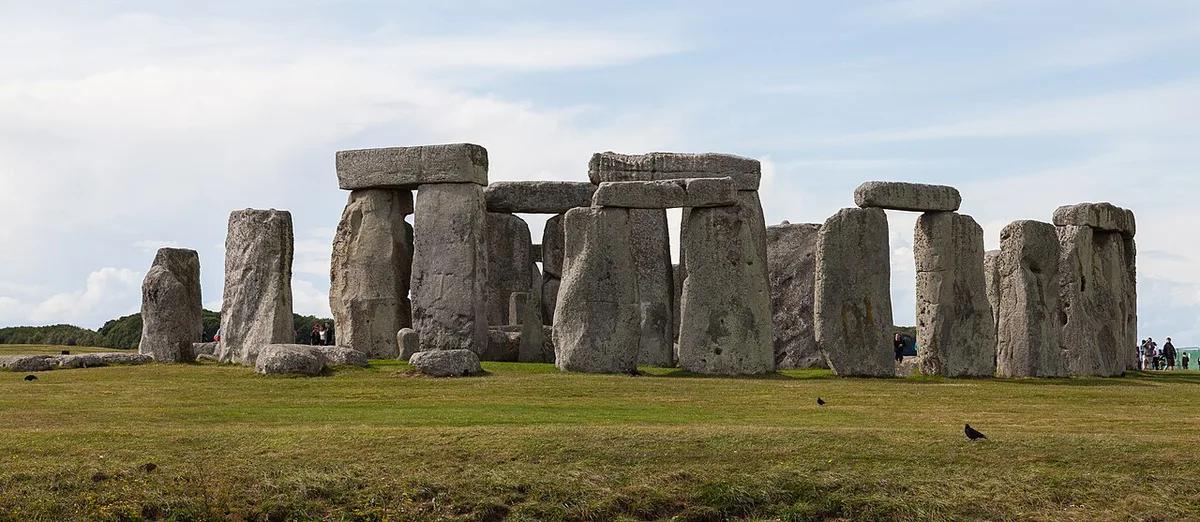
Stenness belongs to a group of linked monuments that includes the stone circles, a chambered tomb and a village. Together they show how closely connected Neolithic Orkney was. If dating is your interest, read the age of Skara Brae. For a comparison with the famous English monument, see Skara Brae versus Stonehenge. The village itself is covered in our Skara Brae guide.
Cruise visitors can budget a 30-minute stop, enough for the circle and photographs, if the coach actually stops at the stones.
Cruise excursions: how to judge whether Stenness fits
Stenness can work well on a cruise-day itinerary, but confirm the exact stop list before booking. Excursions often group several Neolithic sites, and the time at each monument can be limited by the ship’s all-aboard time. Ask whether the coach stops at the stones, rather than only passing them on the Stenness and Brodgar road.
A 30-minute stop is enough to view the surviving circle, walk around it and take photographs. Choose an itinerary with at least a half-day available for the wider Neolithic landscape if you also want Ring of Brodgar or Skara Brae. A 1-day independent plan offers more flexibility, but only if your ship’s timing allows it.
Check the meeting point, return-time guarantee and walking expectations with the ship or operator. Our Orkney shore excursions guide and guide to reaching Skara Brae from Kirkwall can help you compare options.
Related guides
Continue reading
Guides on the same trip