
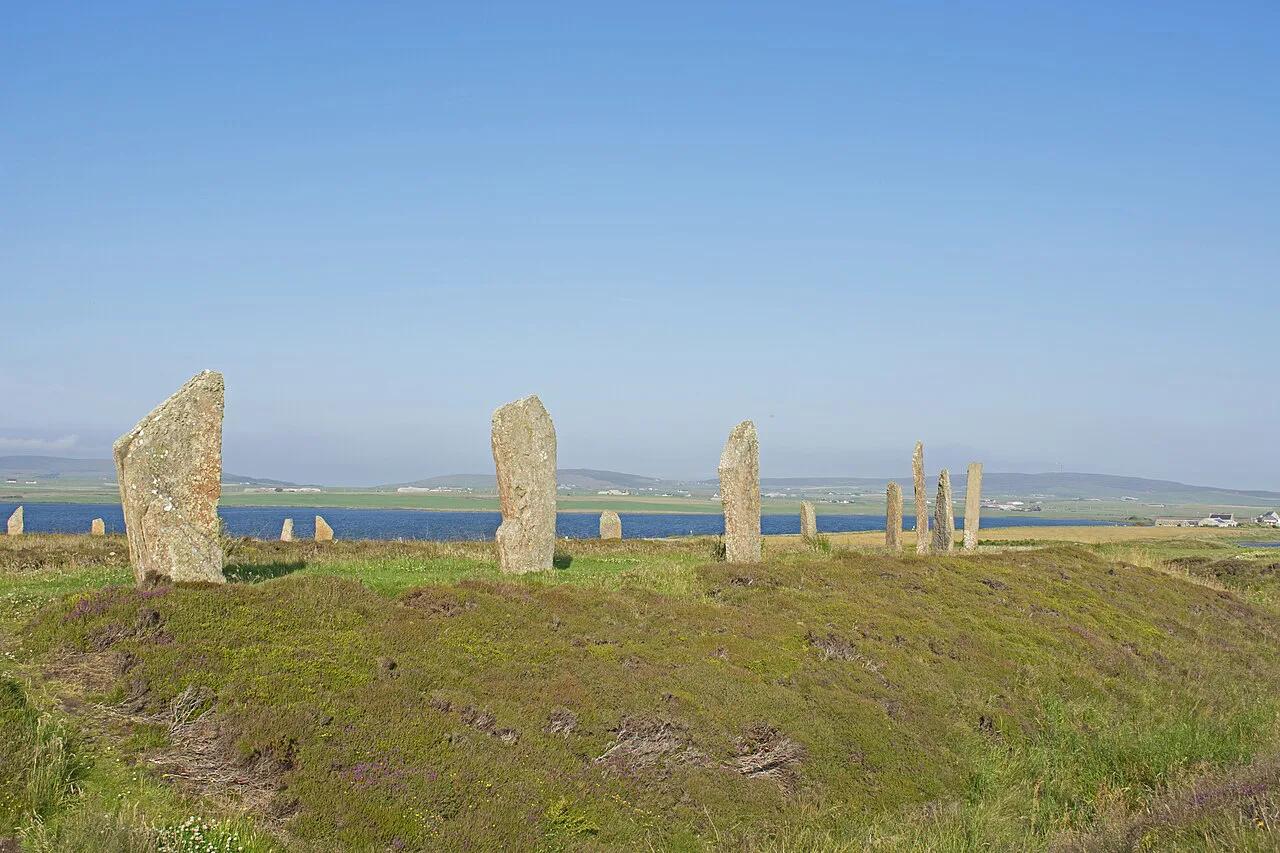
Last updated November 2026. The Ring of Brodgar (also spelled Ring of Brogar) is a Neolithic henge and stone circle on Mainland, Orkney, and part of the Heart of Neolithic Orkney World Heritage Site. This guide covers how long to allow, how access works, how to reach it, and which nearby sites to pair it with.
Featured image: Ymblanter, CC BY-SA 4.0, via Wikimedia Commons.
What the Ring of Brodgar is, and is it worth it
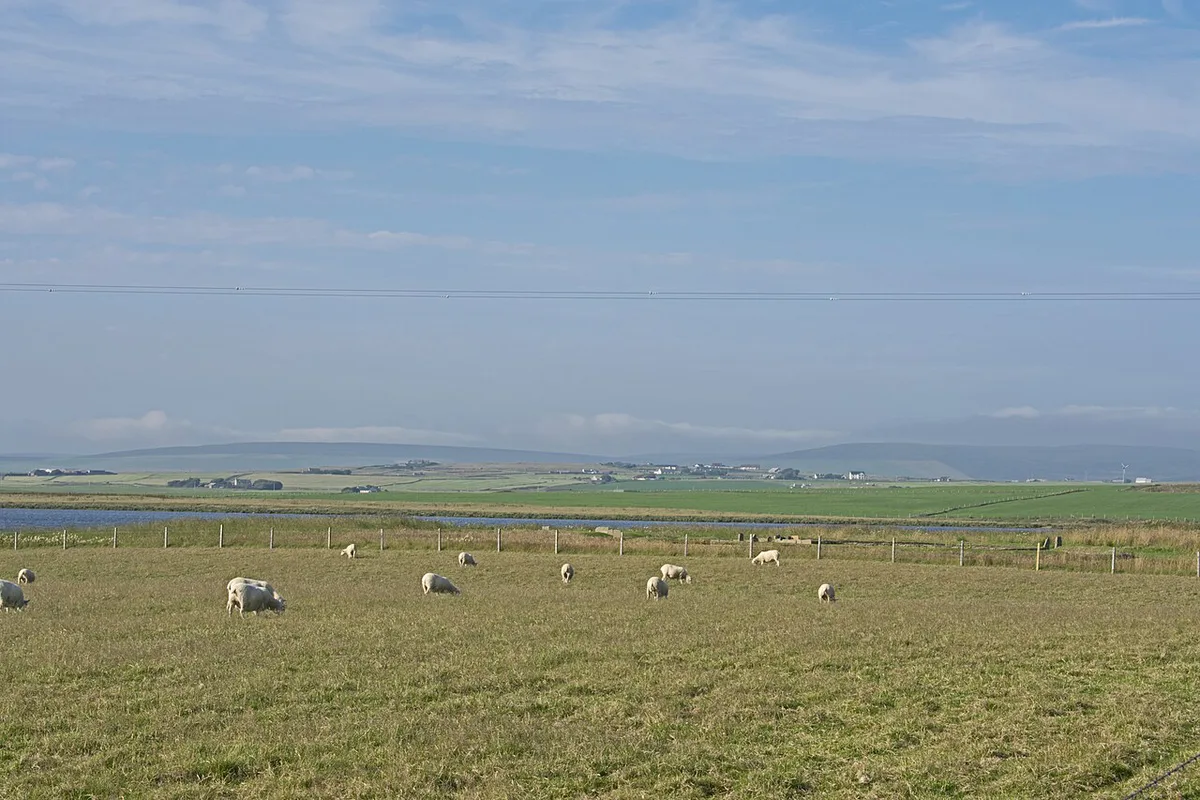
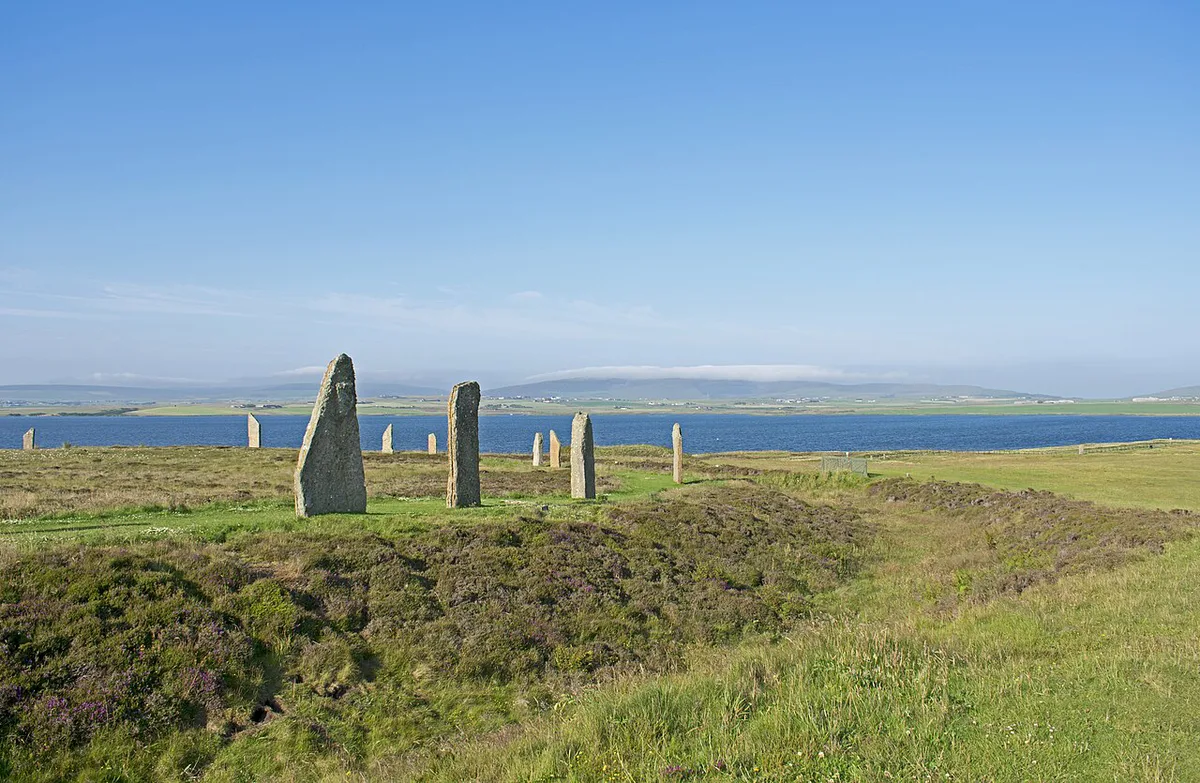
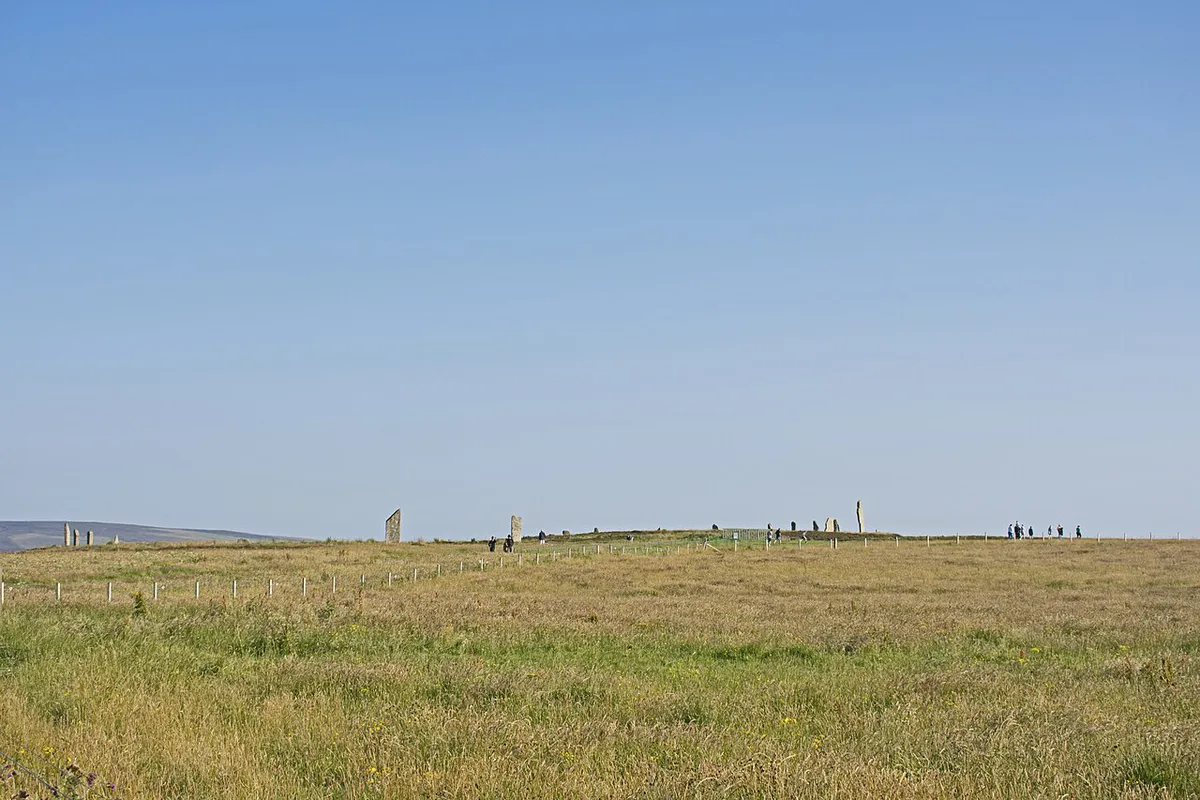
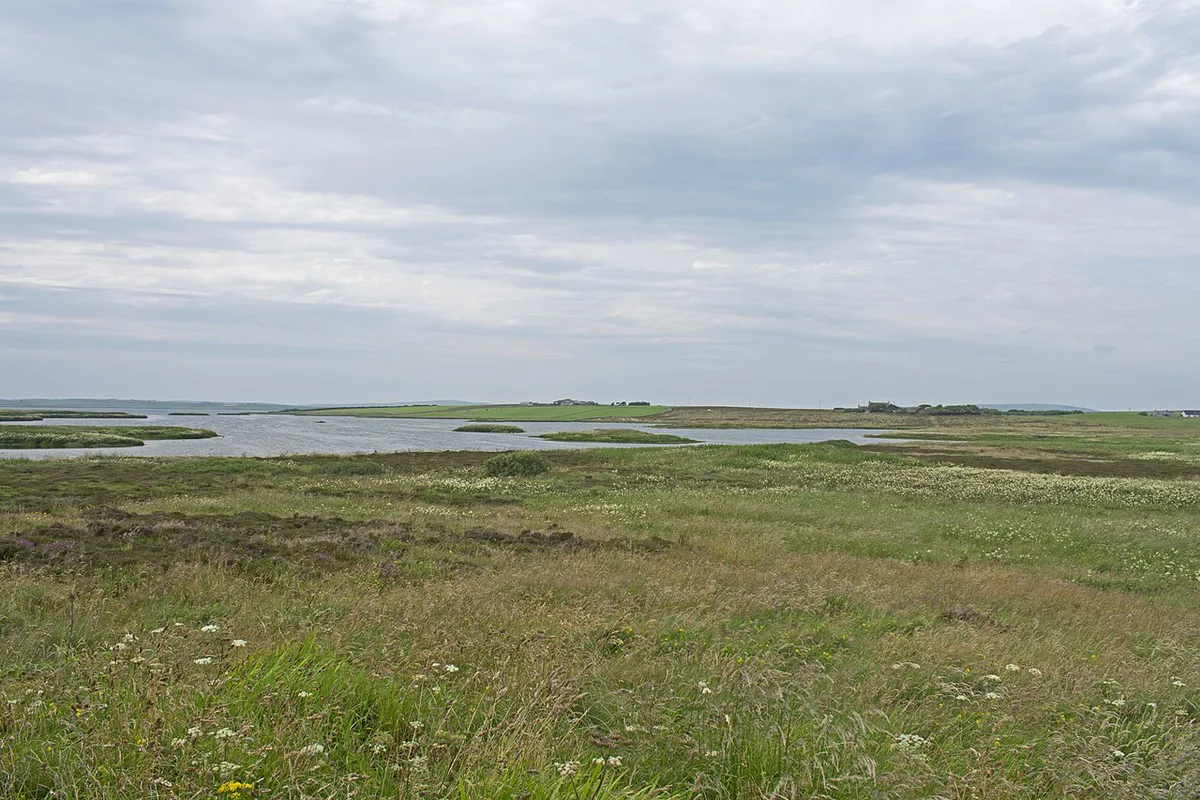
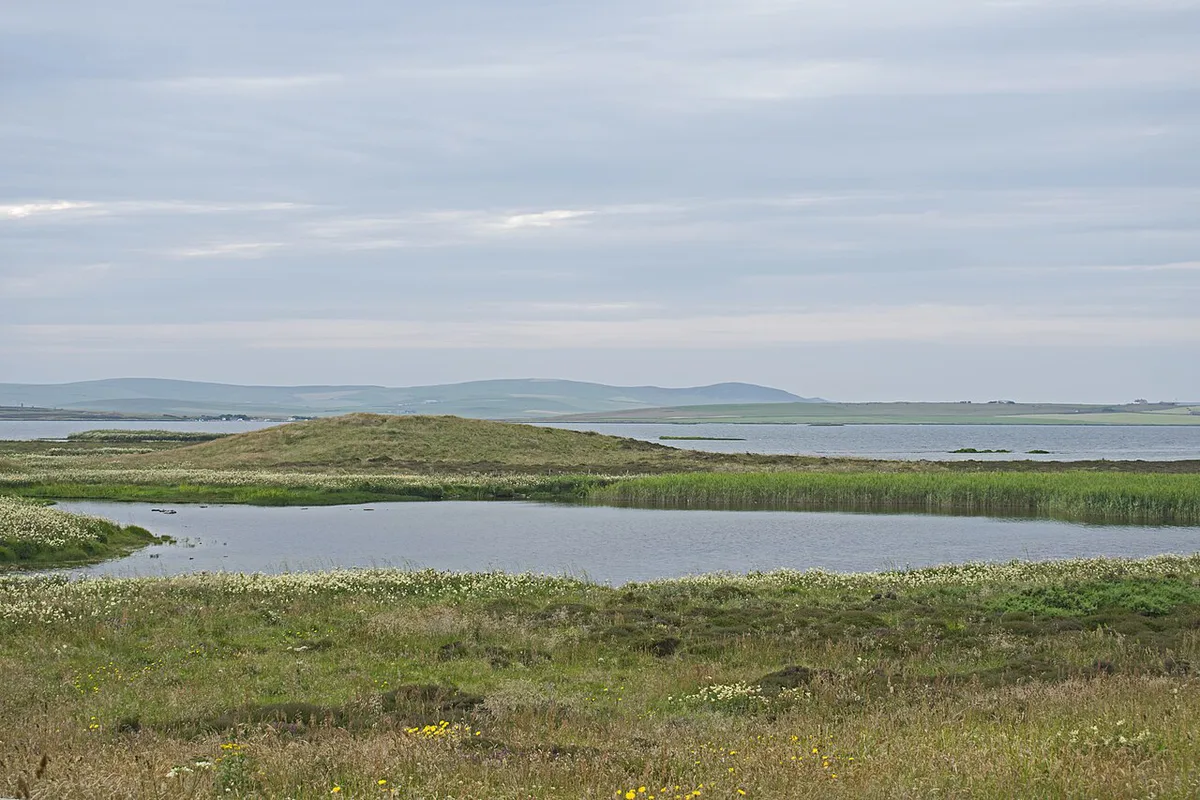
Ring of Brodgar is a stone circle surrounded by a henge, set on the isthmus between the Lochs of Stenness and Harray. It sits in the parish of Stenness and was inscribed with the wider Heart of Neolithic Orkney in 1999. Stones of this age are roughly 4,500 to 5,000 years old, so treat any single date you read as approximate. For wider context, start with our overview of Neolithic Orkney: Sites, Tickets and How to Plan Your Visit. It is worth a stop if you have even one day on the island, because the open setting is the main draw rather than any building or exhibit.
Size, layout and what you can see at the stones
Knowing what to look for makes the walk more rewarding, because the Ring is about scale and setting rather than carvings or signage.
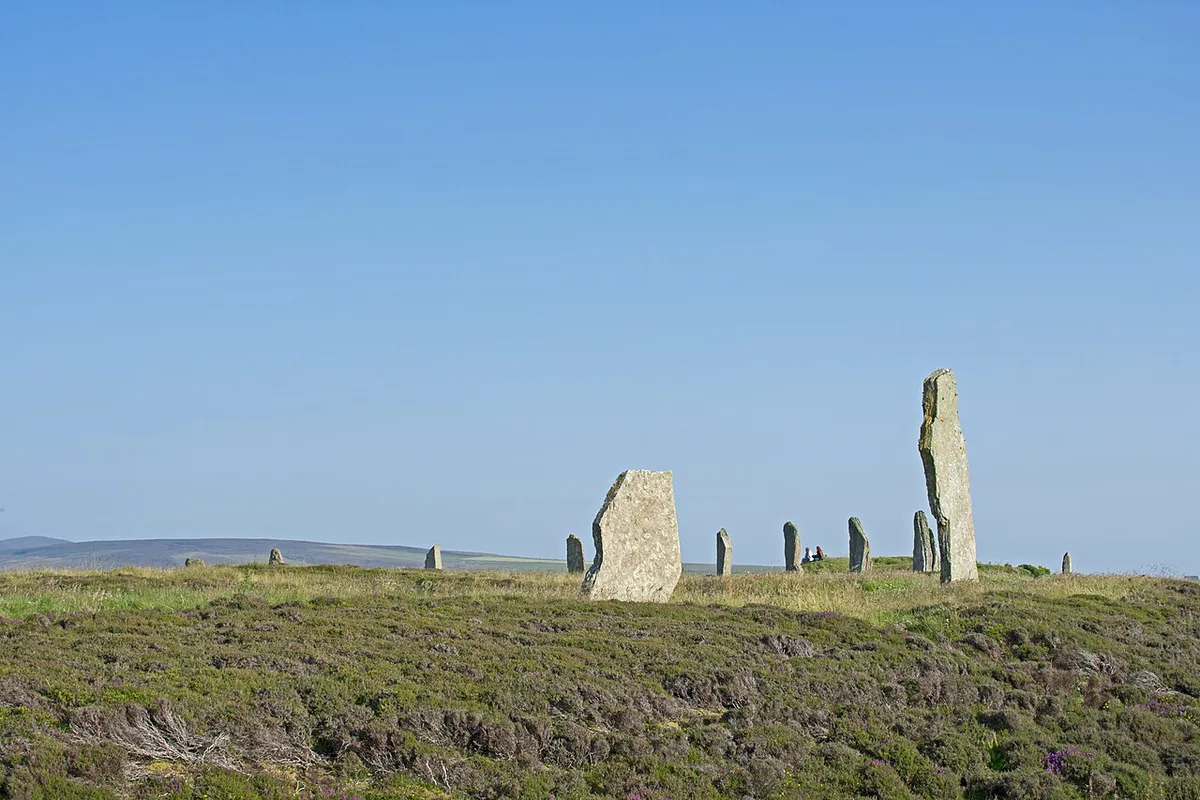
- Diameter: the circle is about 104 metres across, one of the largest stone circles in Britain.
- Stones: it originally held around 60 standing stones. Roughly 27 still stand, and several are broken stumps or later replacements. The tallest are well above head height.
- The henge: a wide ditch was cut into the bedrock around the stones. It is still visible as a hollow ring, and you can see it clearly on the approach from the road.
- The surroundings: low mounds (barrows) dot the surrounding fields. They are easy to miss, but they show the Ring sat within a wider ceremonial landscape.
How to read the walk
Follow the marked path around the circle and notice how the stones differ in height, shape and colour. Their slender, flat-sided form is typical of the local flagstone. From the path, look across to the Stones of Stenness and the two lochs to see why this narrow strip of land was chosen.
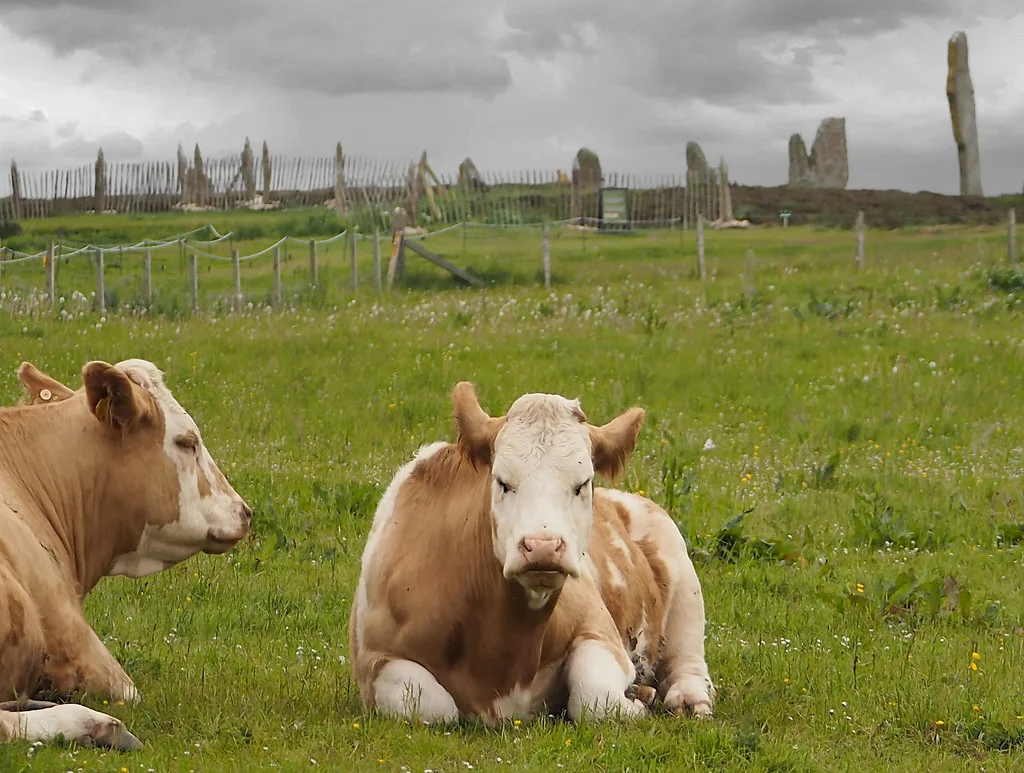
Keep to the path and do not touch or climb the stones. Weathering and visitor wear are real concerns at an open site with no fence between you and the monument.
How long to spend at the Ring of Brodgar
Allow time to walk the full circuit, not just photograph it from the car park. Your pace depends on how you are travelling.
| Visitor type | Realistic plan |
|---|---|
| Cruise passenger | A short stop on a guided excursion; do not expect to add other sites |
| Day-tripper from Kirkwall | A relaxed circuit, then one or two nearby sites |
| Base-in-Orkney visitor | A slow walk, plus a return trip at a different time of day for changing light |
Cost, access and opening details
Historic Environment Scotland looks after the site and keeps current access details on its Ring of Brodgar visitor page. The monument has been scheduled since 18 August 1882 under record SM90042. Check that page for charges, path conditions and accessibility before you set out. Ticketed sites nearby work differently, so see our guide to Skara Brae Tickets: Prices, Booking and Best Options for booking.
Getting there and getting around Orkney
Most visitors arrive by car or on a organised tour, because the site is a drive from both Kirkwall and Stromness. If you are visiting without a car, see our notes on reaching these sites from Kirkwall. Cruise passengers should read the Orkney shore excursion guide before choosing a tour. Bus services and seasonal timetables are listed by Orkney Islands Council.
Pairing it with nearby Neolithic sites
The Ring works best as the anchor of a short Neolithic route. Sequence the open-air stops first, and book anything that needs a timed slot well ahead.
With 1 day on Mainland Orkney, pair the Ring with one open-air stop. Skara Brae is the better pick if you can add only one ticketed site.
| Site | Why add it | Planning note |
|---|---|---|
| Stones of Stenness | Older-looking, smaller circle close by | Easy add-on to the Ring |
| Ness of Brodgar: What to See Now and How to Visit | Excavation site between the two circles | Check the Ness of Brodgar Trust for current status |
| Maeshowe | Chambered tomb | Entry is controlled, so book ahead |
| 6 Things to See at Skara Brae, Orkney: Visiting Guide | Preserved Neolithic village | Further away; the best choice if you can only add one ticketed site |
| Tomb of the Eagles, Orkney: Is It Open and How to Visit | Optional extra for more time | Check the site's own page for opening |
| Broch of Gurness: Visitor Guide, Access & Worth It? | Iron Age extra | Only if you have a spare half day |
Best time to visit and what to bring
The isthmus is exposed, so wind and rain arrive without warning. Bring waterproofs and sturdy footwear, since paths can be wet. Daylight shortens sharply in winter, so plan a late-autumn or winter visit around the light. Quieter hours tend to be early or late in the day.
Photographing the Ring of Brodgar in changing light
The Ring has no roof, no queue and no timed entry, so the light does most of the work. Orkney's weather also changes within minutes, so a short visit can look completely different from a long one.
- Early and late light: low sun picks out the edges of the stones and the ditch. In summer the light lasts far into the evening, so you can return after dinner.
- Winter: the sun stays low all day and sets early. Plan the walk around a short daylight window and carry a torch if you are staying until dusk.
- Overcast and showery days: moody skies and rainbows over the lochs often photograph better than flat blue sky.
- Wide angles: a wide lens, or your phone's wide setting, helps you show the whole circle against the lochs from the path.
- People in the frame: visitors give a useful sense of scale, but the quieter early and late hours let you shoot the stones alone.
Practical tips
Wind can make handheld shots shaky and cold hands struggle with small phone buttons, so bring gloves that work with a touchscreen. Drones are subject to rules at protected monuments, so check Historic Environment Scotland's guidance before flying one. Wipe your lens regularly, as drizzle and spray blur photos quickly.
Common mistakes to avoid
Rushing the circuit is the main one. Others are assuming every Neolithic site is open access, ignoring the weather, and leaving timed bookings until you arrive. If you are comparing sites, our piece on Skara Brae and Stonehenge helps with priorities. For age questions, the age of Skara Brae gives a useful comparison.
Choose the Ring of Brodgar When Time Is Short
If you have 1 day on Mainland Orkney, make the Ring of Brodgar your open-air anchor and choose nearby stops around it. It forms part of the Heart of Neolithic Orkney World Heritage Site, inscribed in 1999. The setting helps explain why the landscape received that recognition.
Choose the Ring if you want a broad introduction to Orkney’s Neolithic monuments without relying on an indoor exhibit. The stones are roughly 4,500 to 5,000 years old, although precise dates remain approximate. Follow with the Stones of Stenness for another open-air stop, or reserve Maeshowe if a timed interior visit matters most.
Do not assume every monument follows the same access rules. The Ring has been a scheduled monument since 18 August 1882, under Historic Environment Scotland record SM90042. Check current access information before leaving, especially when combining it with ticketed or timed sites.
Related guides



Continue reading
Guides on the same trip



