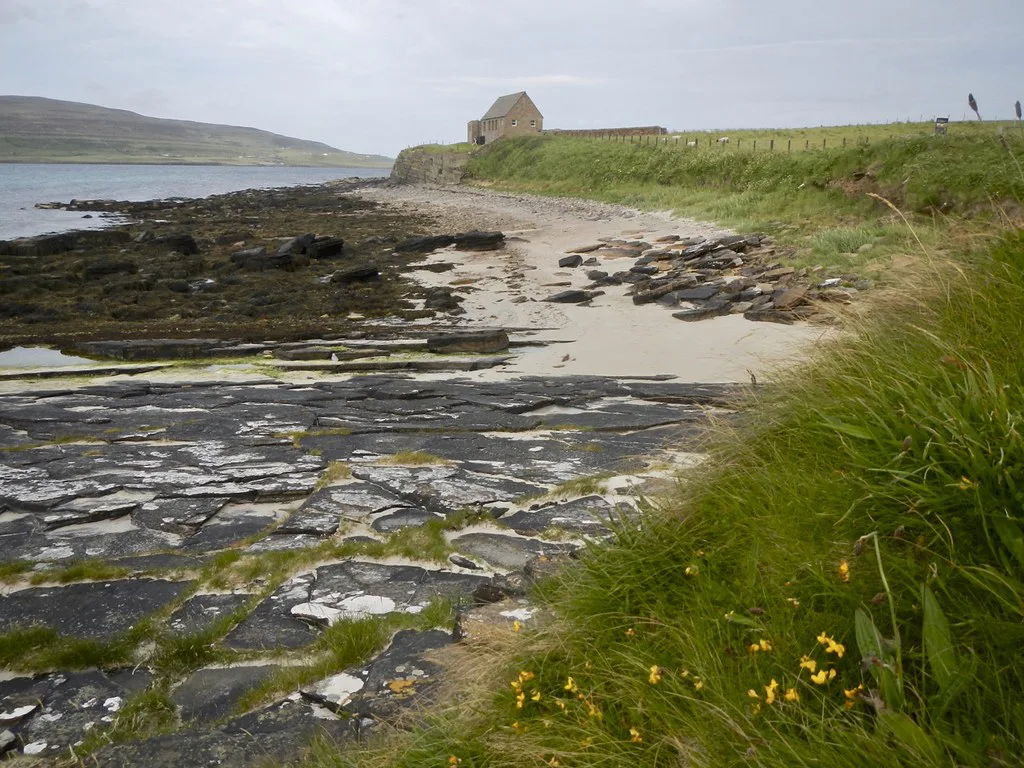
Last updated November 2026. The Broch of Gurness is an Iron Age broch and village on the Aikerness coast of Orkney's North West Mainland. It looks across Eynhallow Sound to Rousay and is cared for by Historic Environment Scotland. Here is what you see, who should make the detour and how to fit it into an Orkney day.
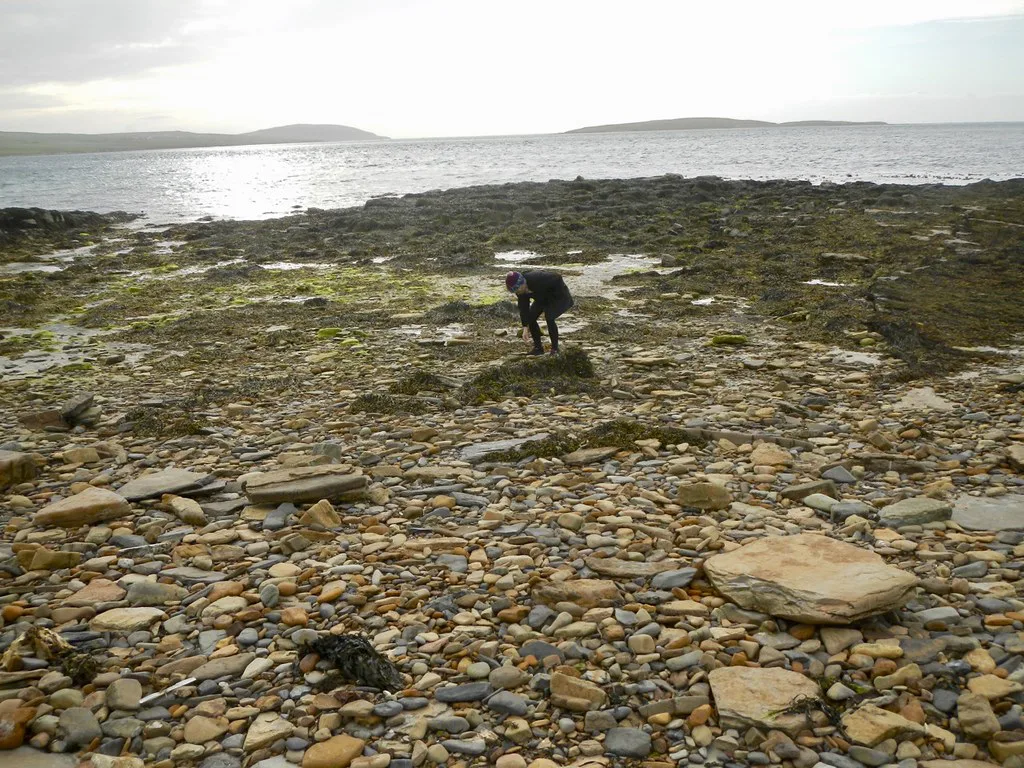
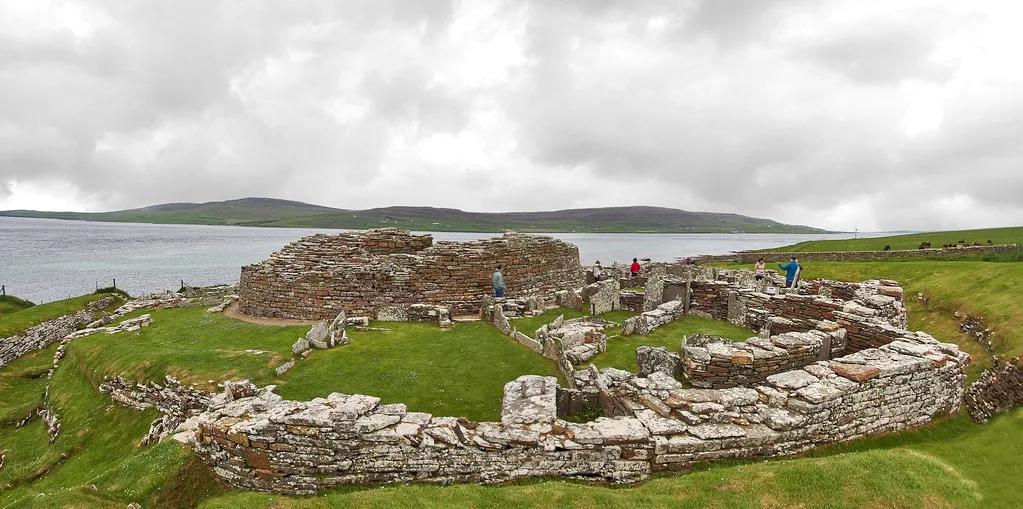
Featured image: joiseyshowaa, CC BY-SA 2.0, via Flickr.
What the Broch of Gurness is
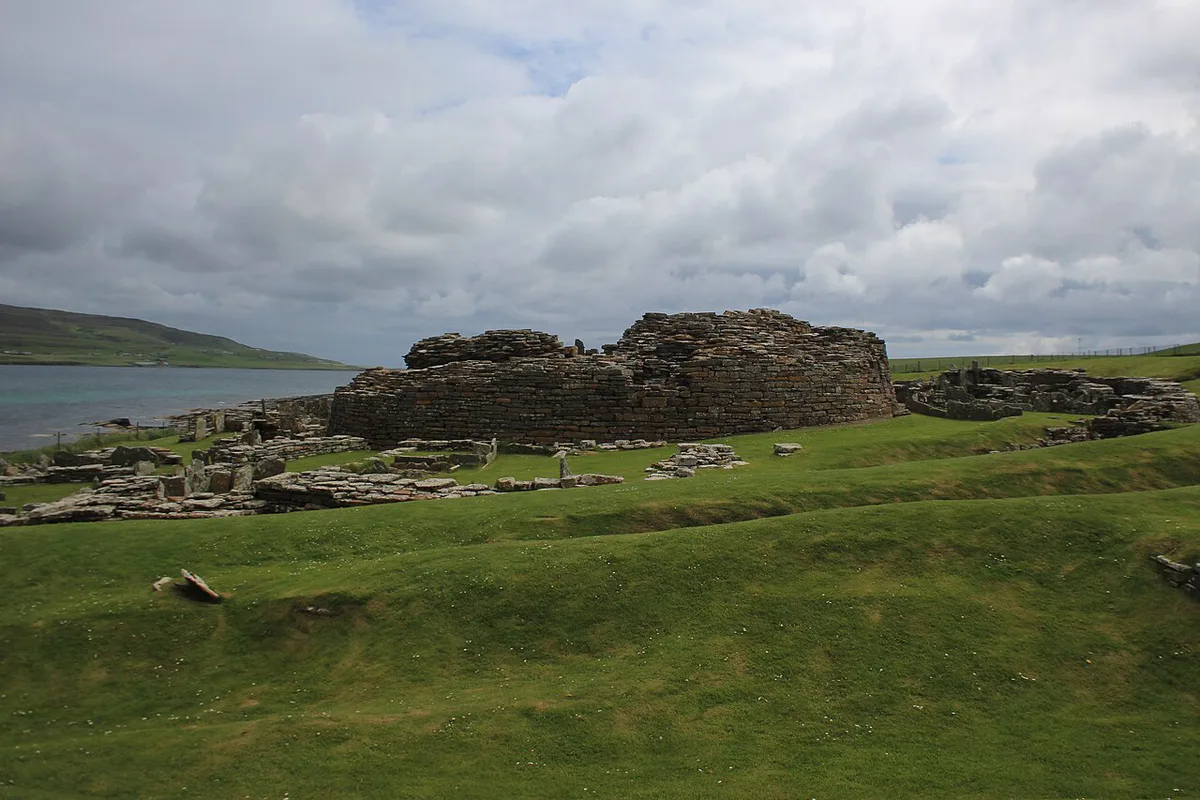
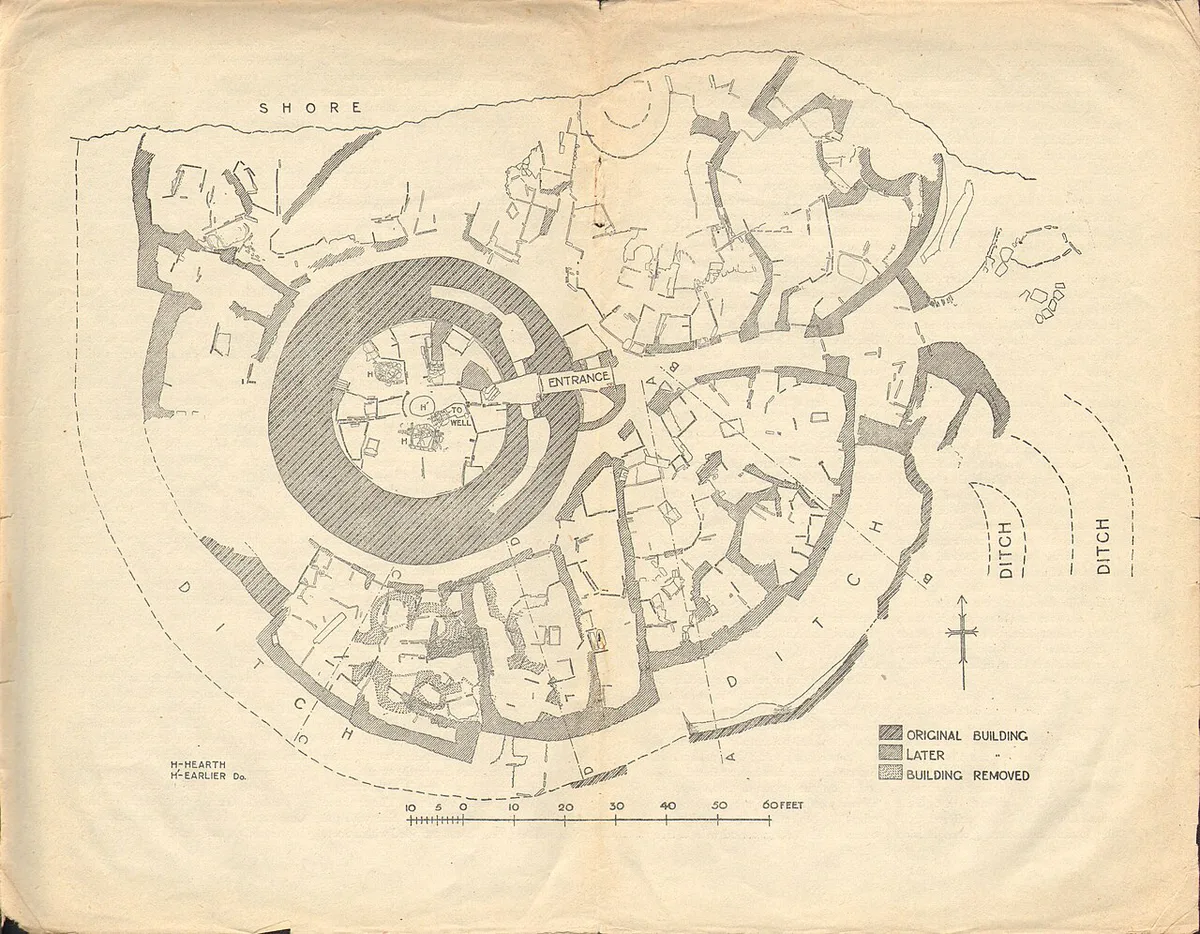
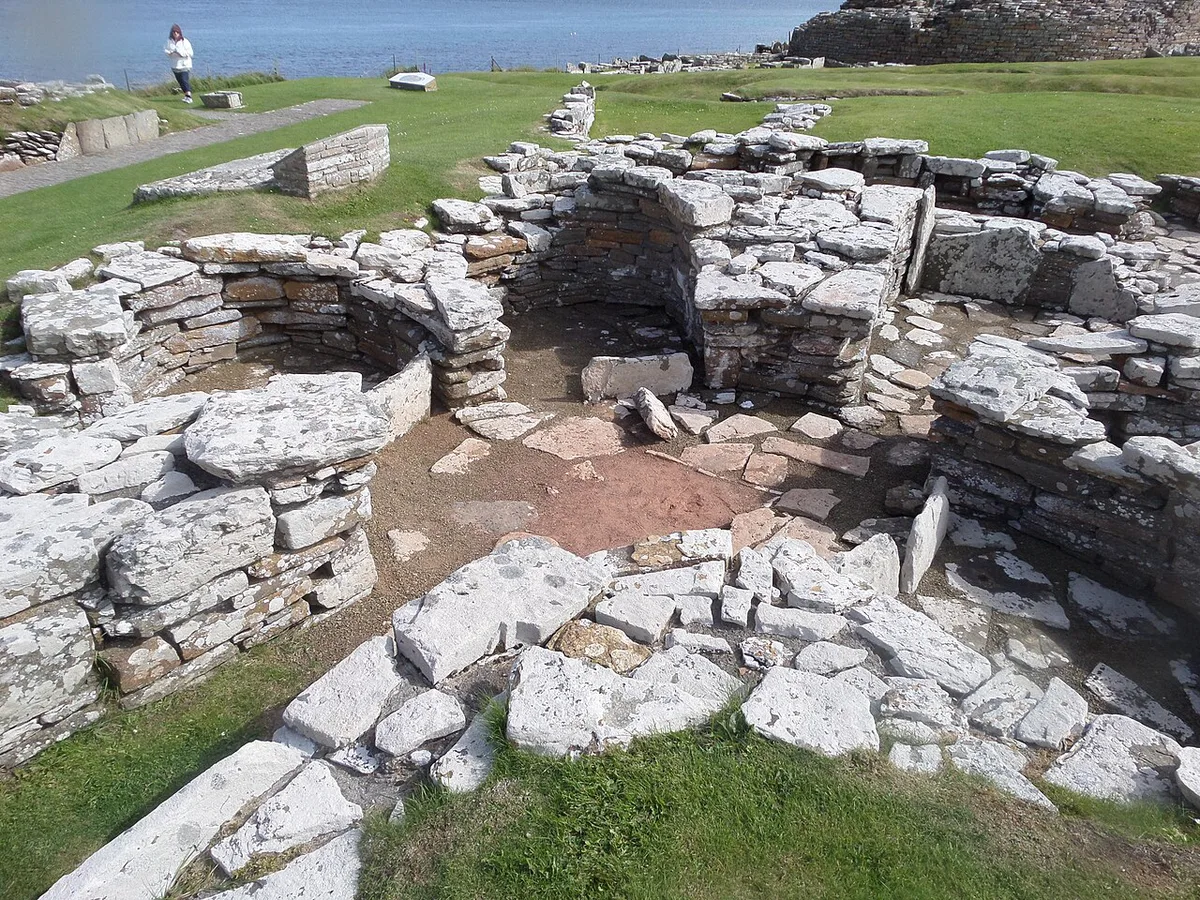
A broch is a tall, drystone tower built in the Iron Age, and this one stands at the centre of a settlement of stone houses. Visitors walk among the remains of the village and look at the broch itself. The setting is the coast of Evie, facing Rousay across the water. Historic Environment Scotland describes the site on its official Broch of Gurness page.
It belongs to a different period from the better-known Orkney sites. Skara Brae's Neolithic village is far older. Our guide to Neolithic Orkney covers that earlier world. Treat the broch as the Iron Age chapter of the same island story.
Is the Broch of Gurness worth visiting?
It suits visitors who already have a car and a full day on Mainland. The site rewards anyone curious about how people lived after the Neolithic, because the village layout around the tower is still readable. The coastal view toward Rousay adds a clear sense of place.
| Visitor | Verdict |
|---|---|
| History and archaeology fans | Yes, as a contrast to the Neolithic sites |
| Short stays | Pick it only if the West Mainland sites are already covered |
| Families | Open ground and a village to explore, though the coast is exposed |
| Anyone interested only in Neolithic monuments | Skip it and spend the time at the Ring of Brodgar stone circle or Maeshowe chambered cairn |
- History and archaeology fans: yes, as a contrast to the Neolithic sites.
- Short stays: pick it only if the West Mainland sites are already covered.
- Families: open ground and a village to explore, though the coast is exposed.
- Anyone interested only in Neolithic monuments: skip it and spend the time at the Ring of Brodgar stone circle or Maeshowe chambered cairn.
How to get there and fit it into an Orkney day
The broch lies on the north-west coast of Mainland, away from the main cluster of Neolithic sites around Stenness. That makes it a separate stop, not an add-on you can walk to from Skara Brae. Public transport options change, so check the Orkney Islands Council transport pages before relying on a bus. A car gives the most flexibility.
If you are starting from Kirkwall, our Kirkwall to Skara Brae route notes show how the day can be structured. Cruise passengers should read the Orkney shore excursion guide before adding a second site, because transfer time is the main constraint.
Nearby sites to combine with the Broch of Gurness
The broch sits between two clusters of Orkney heritage: the Rousay sites across the sound and the Birsay area further west. Both pair well with it, but they need different planning.
Across the water on Rousay
The Rousay ferry leaves from Tingwall on Mainland and takes about 25 minutes. The island holds a string of monuments along its southern road, and the broch's neighbour Midhowe is the strongest match. Midhowe has its own Iron Age broch and a very long Neolithic stalled cairn, which makes it a useful comparison with Gurness. Further along are Taversoe Tuick, a two-storey chambered cairn, plus Knowe of Yarso and Blackhammer. Ferry times and vehicle space vary by season, so check Orkney Ferries before planning a full Rousay day. Most visitors walk or cycle between the sites, or take a taxi or tour from the pier.
Birsay and the west coast
- Earl's Palace, Birsay: the ruined Renaissance palace of the Stewart earls, in Birsay village.
- Brough of Birsay: a tidal island with Pictish and Norse remains, reached by a causeway. Check tide times before you go, because crossing is only possible around low tide.
- Dounby Click Mill: a small horizontal-wheeled watermill, looked after by Historic Environment Scotland and usually open only in the warmer months.
Other island trips
Cubbie Roo's Castle on Wyre and St Magnus Church on Egilsay are medieval sites that need an inter-island ferry. They suit a separate day, not a stop on the way to or from the broch.
| Plan | Good pairing with Gurness |
|---|---|
| Half day by car | Birsay: Earl's Palace and the Brough, if the tide allows |
| Full day, ferry | Rousay: Midhowe, Taversoe Tuick, Knowe of Yarso, Blackhammer |
| Short stop | Dounby Click Mill, if it is open |
Tickets, opening hours and booking
Entry rules, prices and seasonal hours for the broch are set by Historic Environment Scotland, and winter opening can differ from summer. Check the current visitor information before you travel. Do not assume it shares a ticket with Skara Brae. Our Skara Brae ticket guide covers that site only.
Practical tips for the site
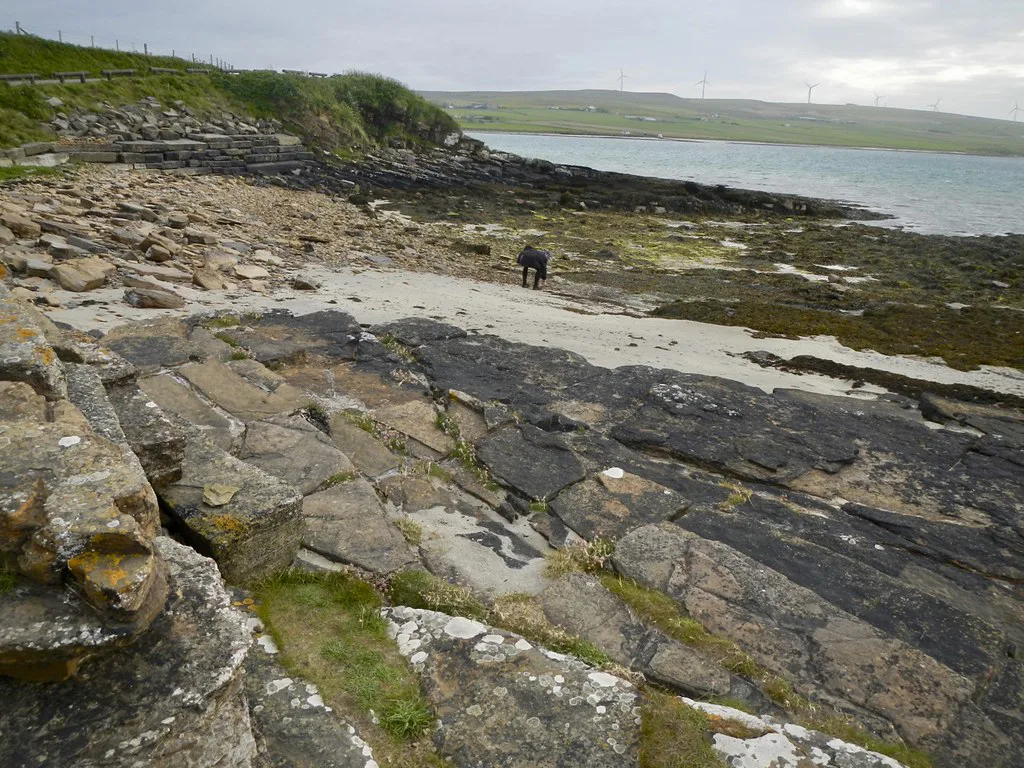
Expect an open, windswept coastal location, so bring waterproofs and sturdy shoes. The ground is uneven among the village remains. Pair the visit with a meal or fuel stop in advance, because facilities near the north-west coast are limited compared with Kirkwall and Stromness. Either town works as a base for the north-west.
Related guides
Continue reading
Guides on the same trip