Tomb of the Eagles, Orkney: Is It Open and How to Visit
Last updated November 2026: the Tomb of the Eagles is a Neolithic chambered cairn on the cliffs of South Ronaldsay, and its community owners said in June 2025 that it would reopen to the public. Opening days and prices change, so read the official Tomb of the Eagles site before you drive out. Below you will find the route, what you see inside and how the tomb compares with Maeshowe and Skara Brae.
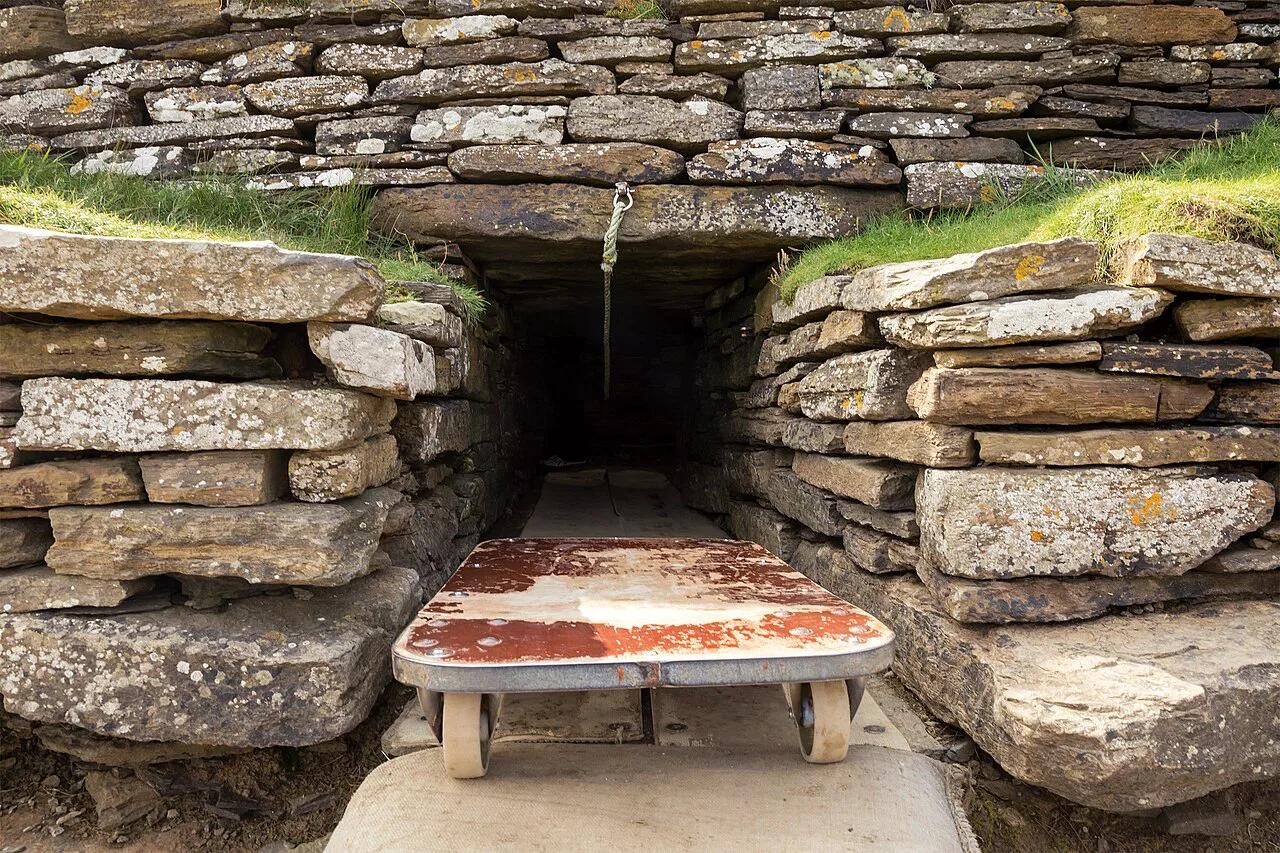
Featured image: Unukorno, CC BY 4.0, via Wikimedia Commons.
Is the Tomb of the Eagles open?
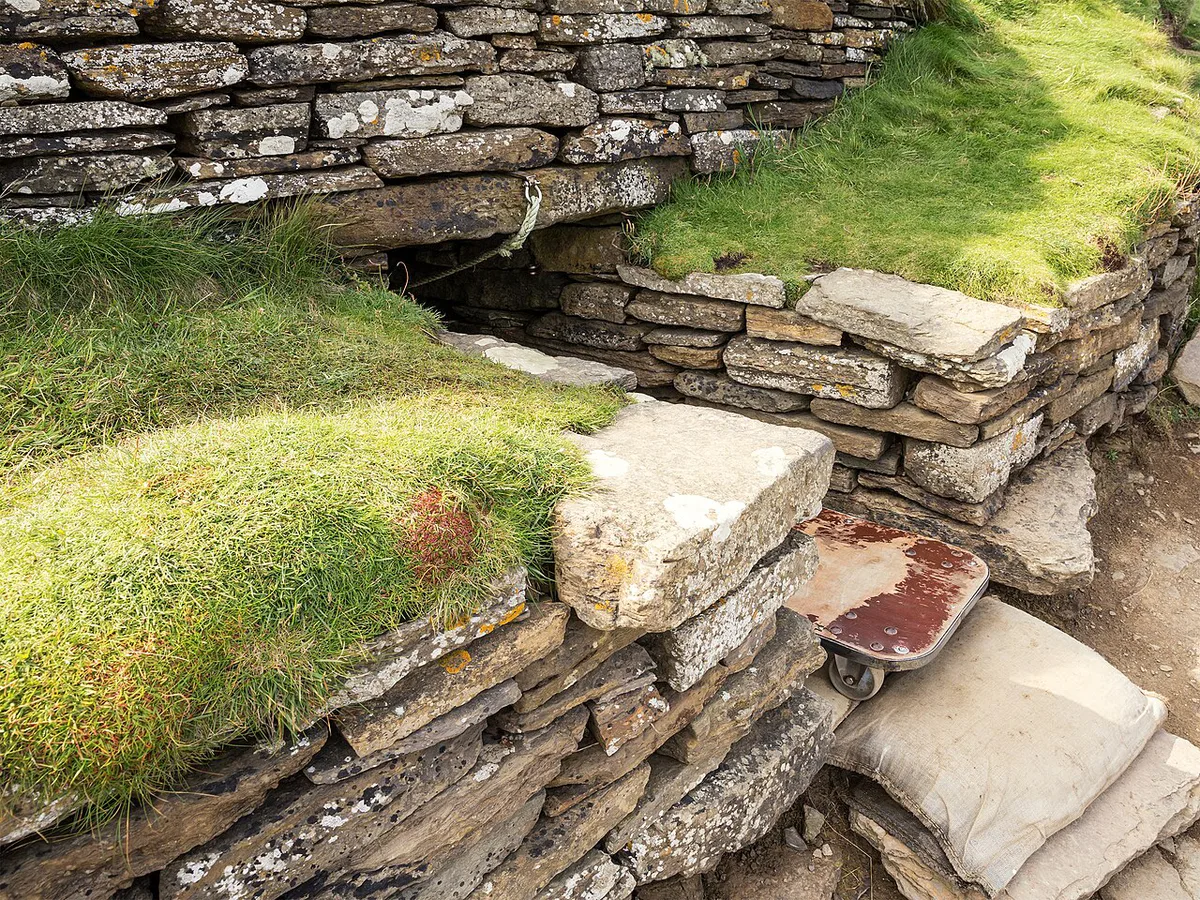
Reopening was confirmed in mid-2025, when the South Ronaldsay and Burray Development Trust secured a National Lottery award of just over £100,000. Its chair said that money would fund staff for a first full season the following year. The cairn had closed during the Covid pandemic. Season dates, opening days and booking rules for 2026 and beyond are not published in the sources used for this guide, so treat the official site as the only authority on them.
- Status: reopening under community ownership was announced in June 2025; check the official site for this season's dates.
- Getting there: South Ronaldsay lies south of the Orkney Mainland, and a car is the practical option.
- Booking and price: not confirmed here; use the official site and do not rely on old blog posts.
What the Tomb of the Eagles is
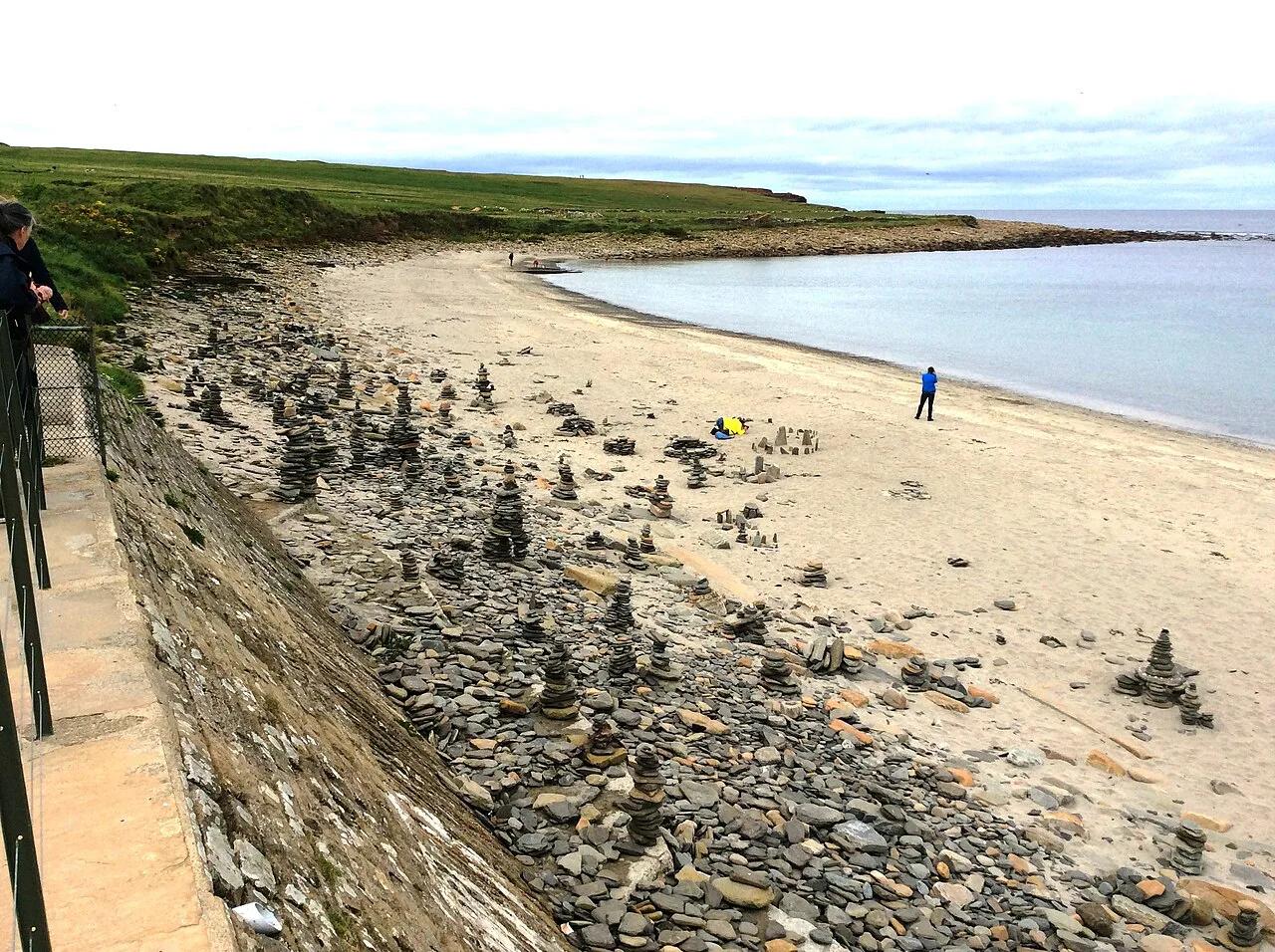
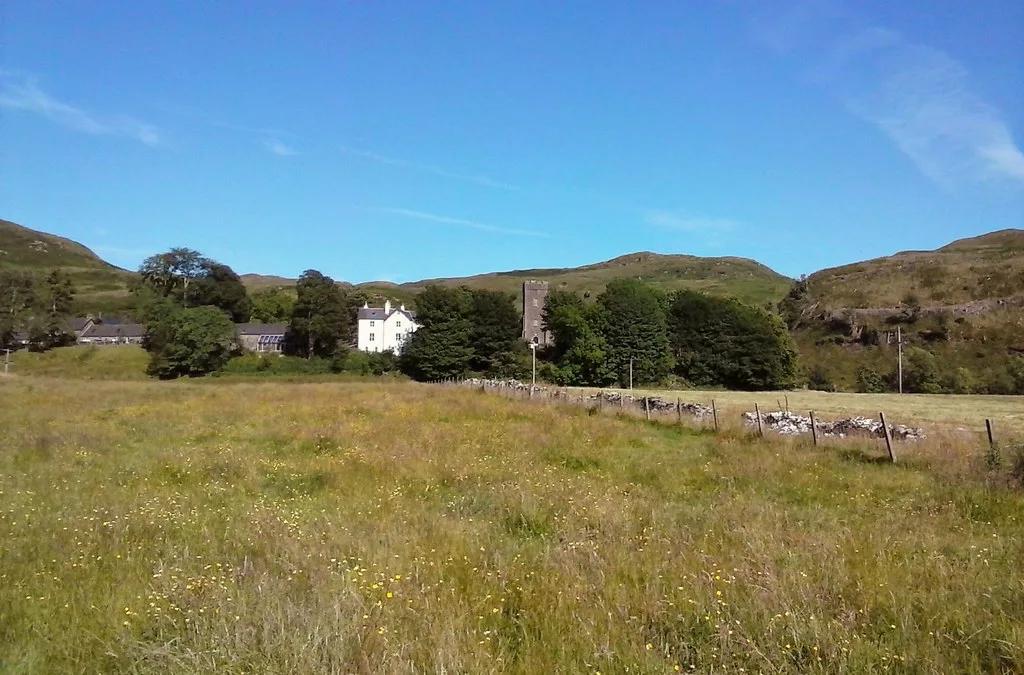
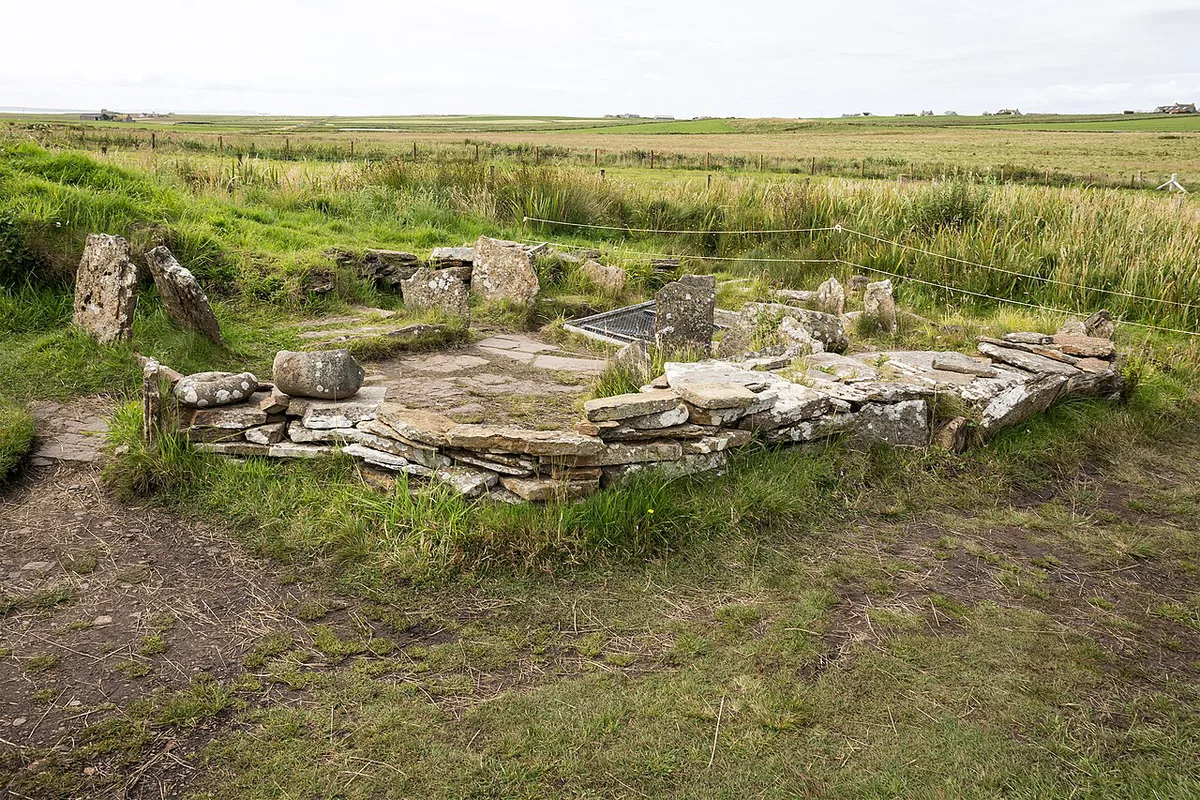
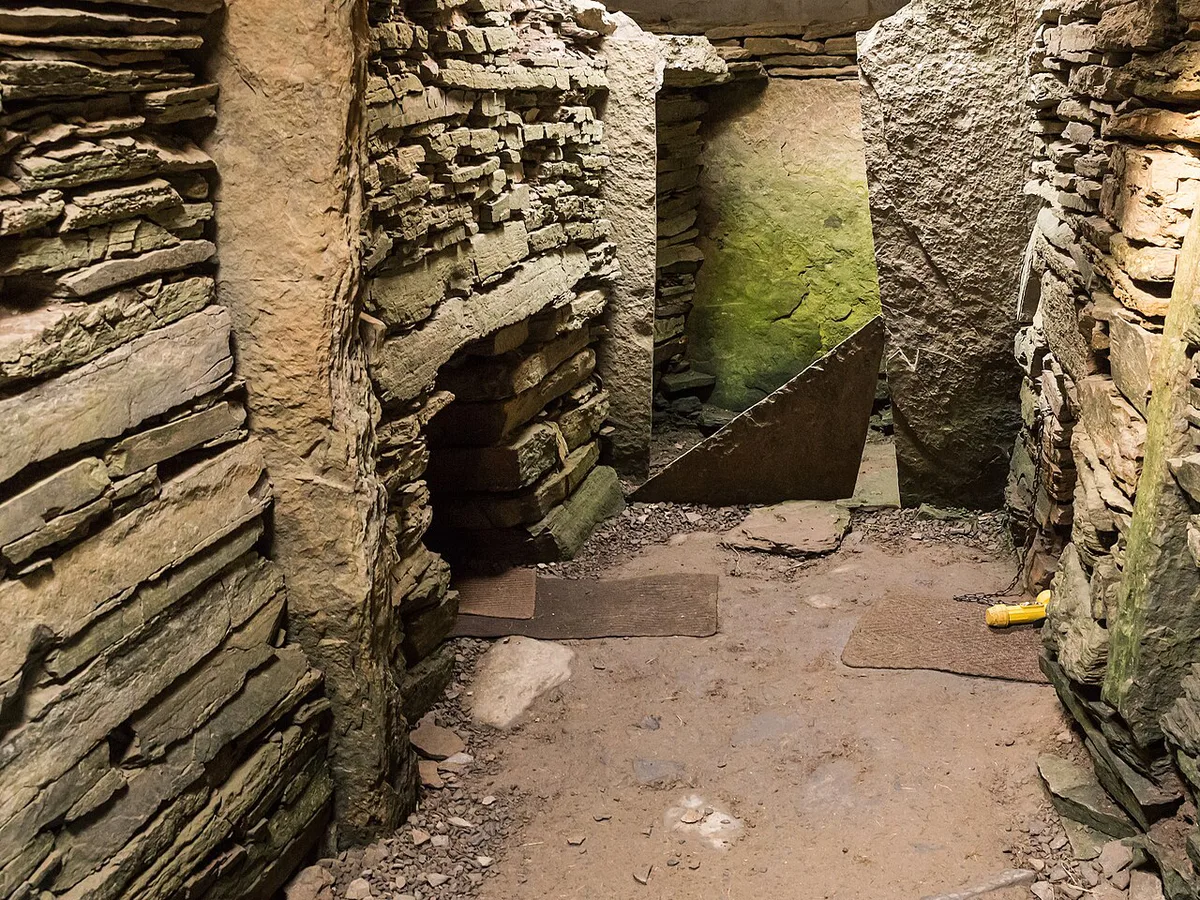
Also called the Isbister Chambered Cairn, this is a burial monument perched on the cliffs of South Ronaldsay. It dates from around 3200BC, with construction spread over about 100 years. Families used it as a burial site for roughly 800 years. A farmer, Ronald Simison, found it in the 1950s, and his family owned the site until the community trust took it on. It belongs to the wider story of Orkney's Neolithic sites, but it is privately run and sits outside the Historic Environment Scotland estate. That means it has its own ticketing and its own opening pattern.
What the bones and finds tell us
Published figures put the human remains at around 16,000 bones from 324 individuals. About 20% of the bones show violent injuries, most likely from wooden clubs or stone axes. The same analysis described people who otherwise lived energetic, healthy lives. Bones and talons from white-tailed eagles give the tomb its name. Later research found the eagle remains were left around 1,000 years after the human burials. That gap suggests the cairn stayed a place of interest for generations. Treat these numbers as headline estimates from press coverage of the reopening.
How to get there from Kirkwall
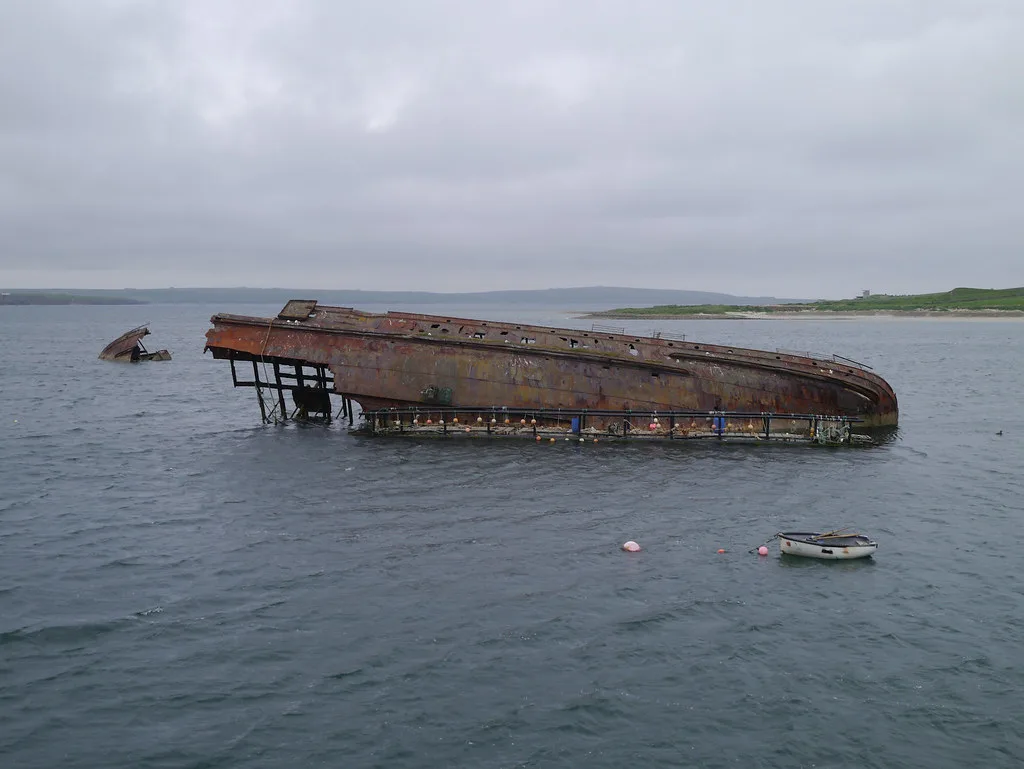
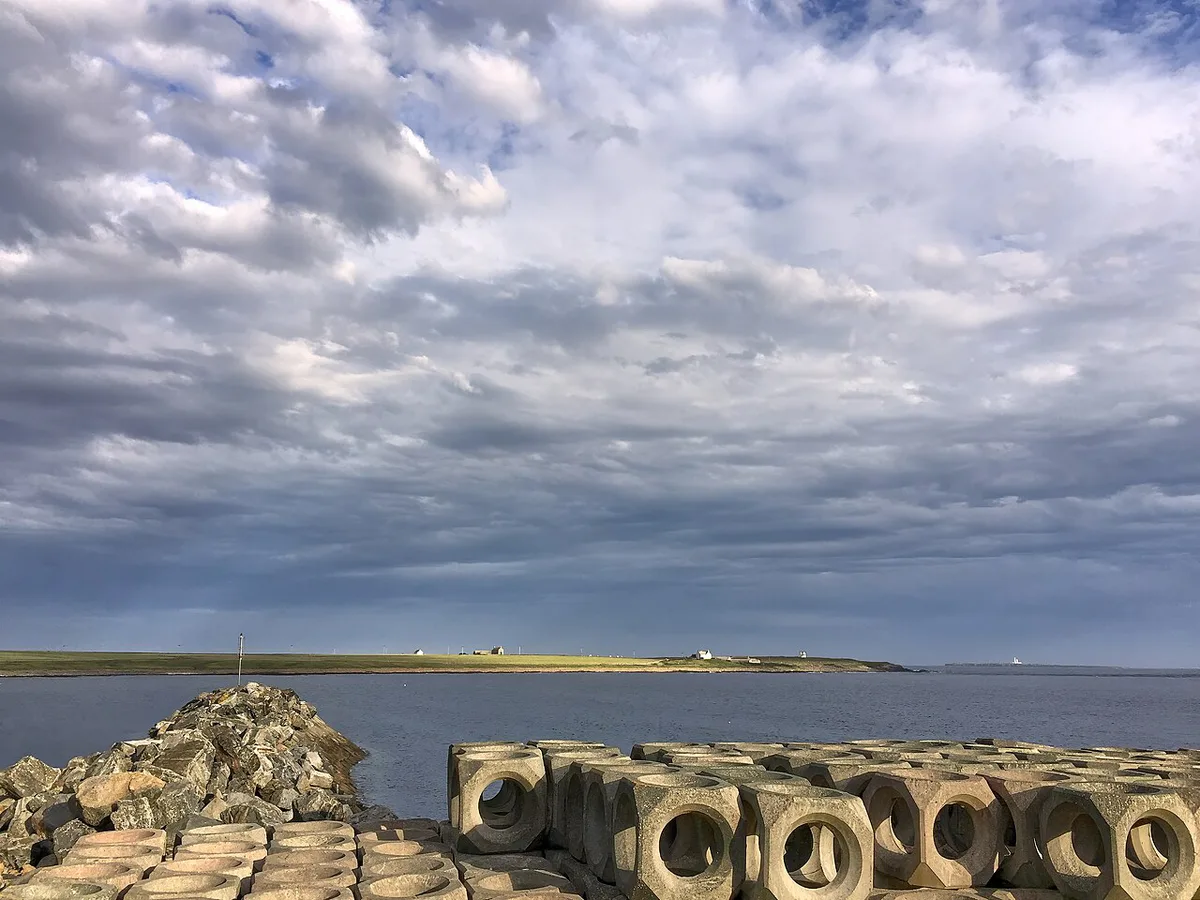
Kirkwall is the usual base, and South Ronaldsay is a separate island reached by road over the Churchill Barriers. Journey time and mileage are not confirmed in our sources, so check a route planner and allow extra time for the barriers and single-track roads. Public transport to South Ronaldsay is limited, and the Orkney Islands Council transport pages list current bus options. A hire car or a guided tour gives you the most control. For comparison, getting from Kirkwall to Skara Brae is a far simpler Mainland run.
Tickets, hours and booking
No current admission price or timetable is confirmed for the reopened site. Check the official website for hours and ticket rules, and see VisitScotland's Orkney page for island-wide planning. Tickets for Mainland sites do not cover the tomb. If you want a sense of how other sites handle entry, read about booking Skara Brae entry, but do not assume the same system applies here.
What to expect on site
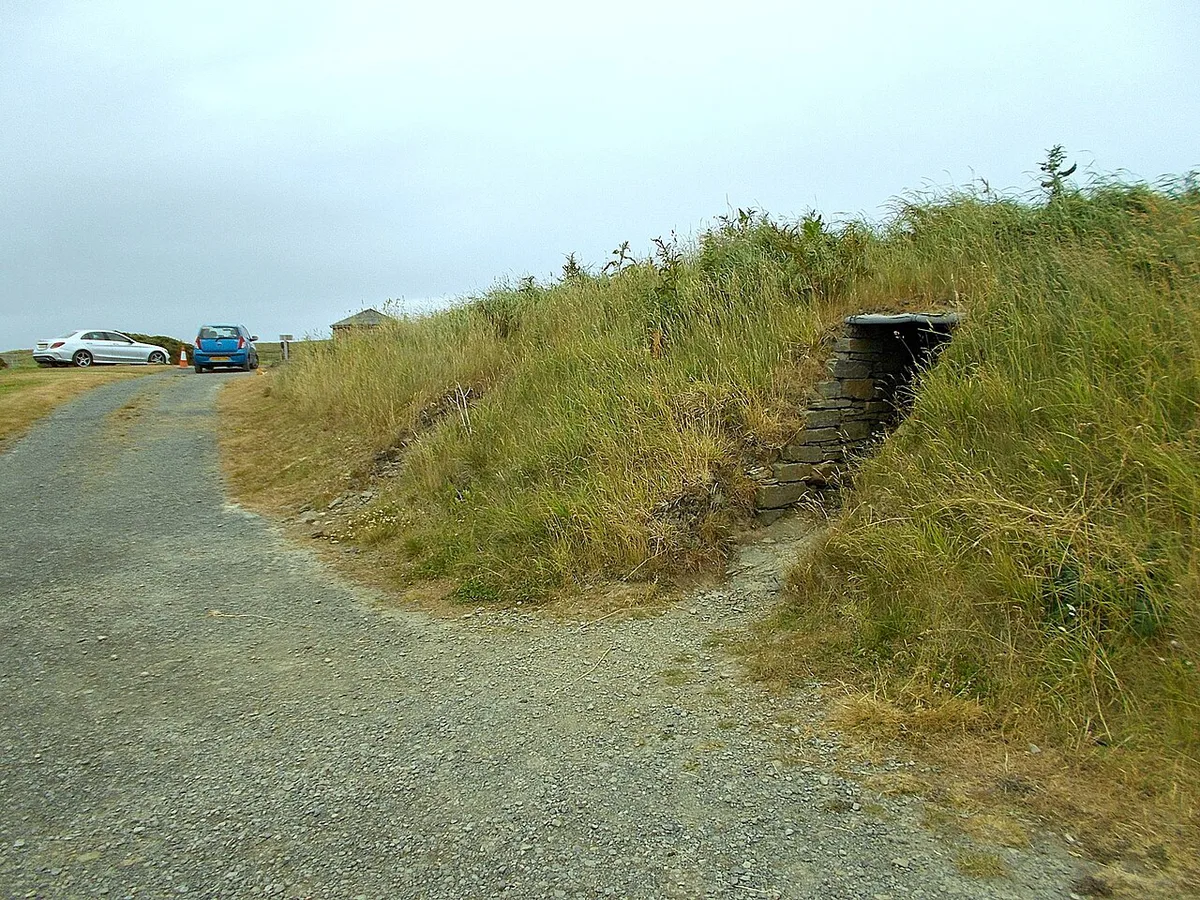
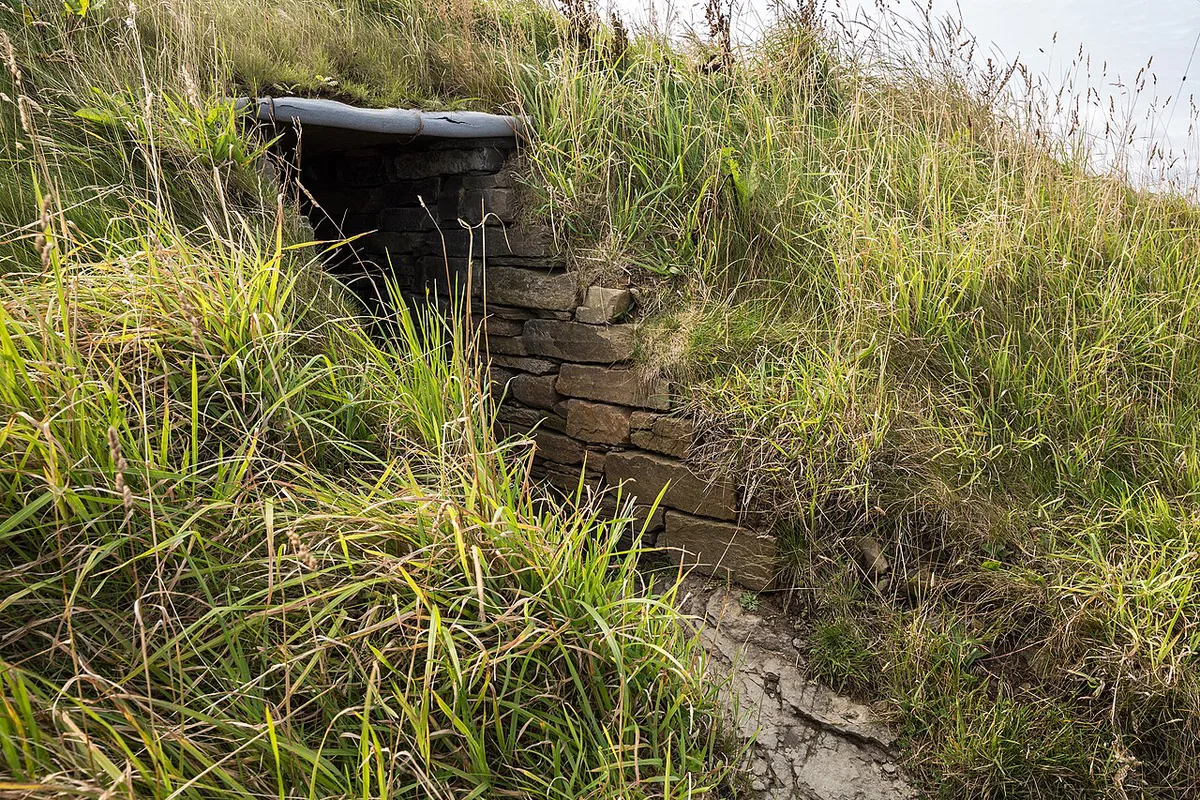
Before closure, visitors entered the chamber through a three-metre tunnel, roughly 10 ft long, which made the visit physically distinctive. Whether that arrangement continues under community management is not confirmed, so check access details before you bring anyone with limited mobility. Expect an exposed cliff-top setting where wind and rain can change the visit quickly. Wear waterproofs and sturdy shoes. Interpretation, finds displays and any nearby Bronze Age remains should be confirmed with the Trust.
Access is the real trade-off: the entry tunnel was roughly 10 ft long, which can rule it out for anyone with limited mobility.
Tomb of the Eagles vs Maeshowe, Skara Brae and Ring of Brodgar
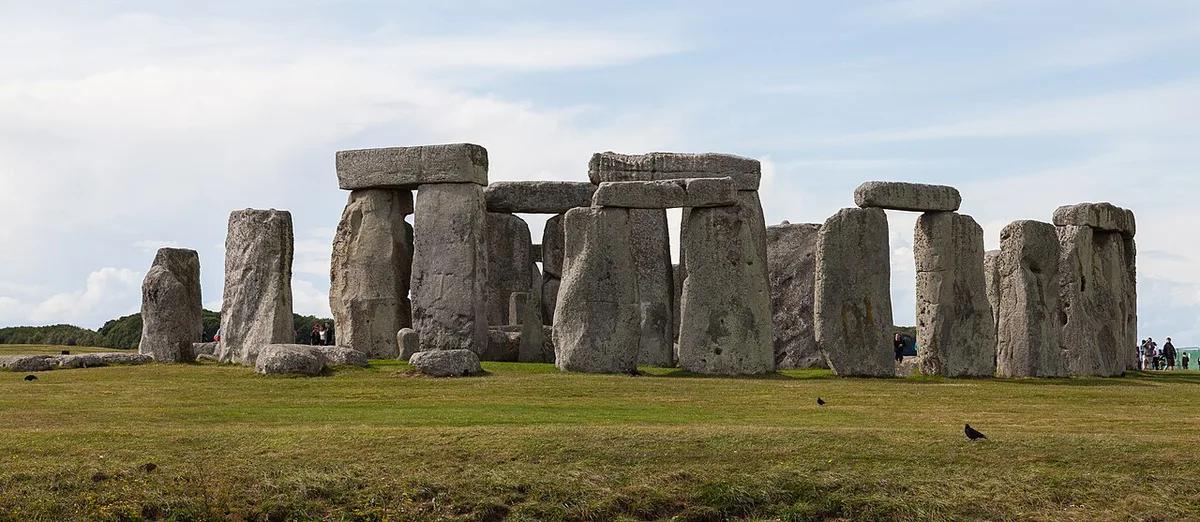
Each site offers a different kind of Neolithic experience. Maeshowe's passage grave is a Mainland chambered tomb, and Skara Brae village shows where people lived. The Ring of Brodgar is a stone circle and henge cared for by Historic Environment Scotland. Nearby you can also see the Stenness standing stones and read about the Ness of Brodgar excavation.
| Site | Location | What you see | Access style | Booking | Best for |
|---|---|---|---|---|---|
| Tomb of the Eagles | South Ronaldsay, cliff top | Chambered cairn and finds | Independent attraction; check official source | Check official source | Burial archaeology and the eagle story |
| Maeshowe | Orkney Mainland | Chambered tomb | Check official source | Check official source | Intact tomb architecture |
| Skara Brae | Orkney Mainland | Neolithic village | Check official source | Check official source | Daily life in stone houses |
| Ring of Brodgar | Orkney Mainland | Stone circle and henge | Check official source | Check official source | Open-air landscape views |
Time, cost and access trade-off
A South Ronaldsay trip costs you time and flexibility, and it pays off if burial archaeology is your main interest. Staying on the Mainland keeps your plans simpler and more weather-proof.
- South Ronaldsay side trip: car or tour needed, allow a half day, and expect exposure to wind and rain.
- Mainland only: shorter drives, with several sites close together, as in Brodgar stone circle and Stenness.
- Cruise day: tight ship times make the island risky, so compare cruise shore-excursion options first.
Who should go and who should skip
Go if you have already seen the Mainland sites and want a quieter, community-run contrast with a distinct story. Prioritise it if you have a car and a spare half day. Skip it if you have a few hours between ship times or no transport, or if you can only manage one chambered tomb, in which case Maeshowe is simpler to fit in. Families and visitors with limited mobility should confirm the entry arrangements first. For age context across the islands, see Skara Brae's age.
Related guides
Continue reading
Guides on the same trip