
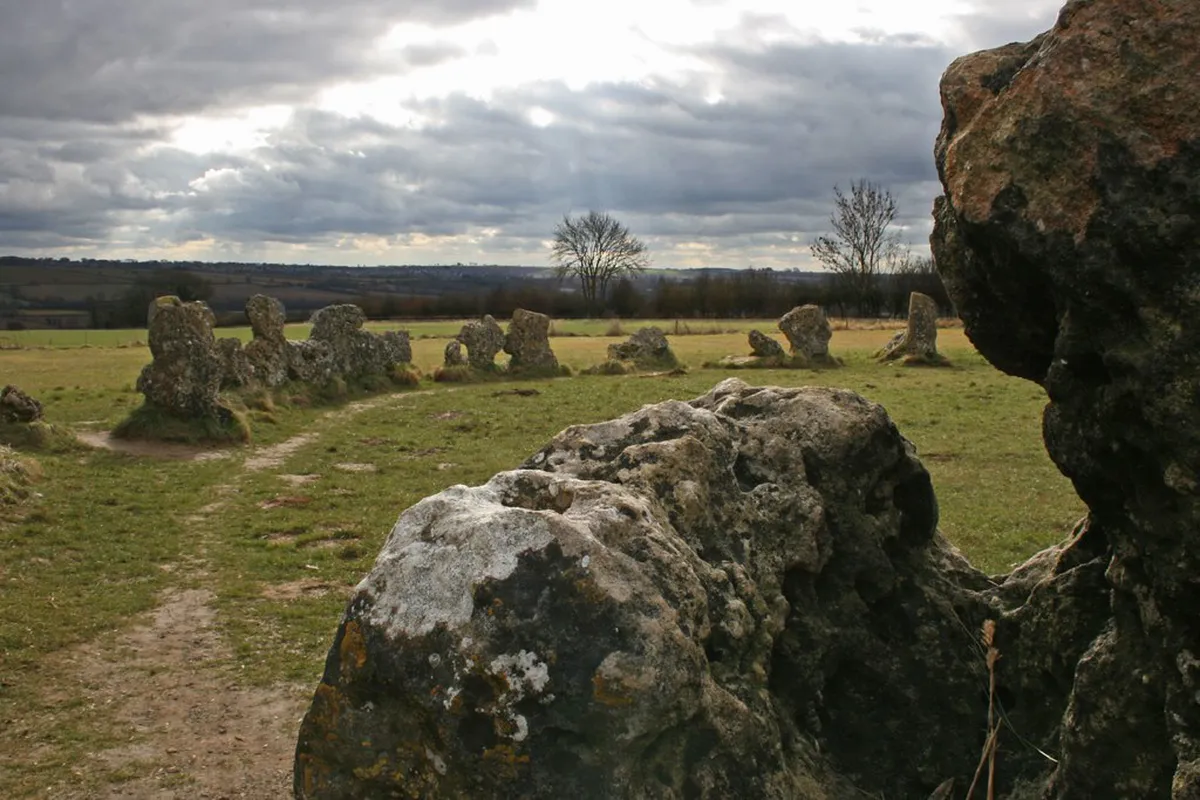
Last updated November 2026. The Rollright Stones are three prehistoric monuments on the Oxfordshire and Warwickshire border, near Long Compton and Chipping Norton. They are the King's Men circle, the King Stone and the Whispering Knights. We'd send megalith fans and Cotswolds drivers here, and we'd steer anyone expecting Stonehenge-scale crowds, a visitor centre or a café elsewhere.
Featured image: Keith@Fibonacci, CC BY 2.0, via Flickr.
What the Rollright Stones are
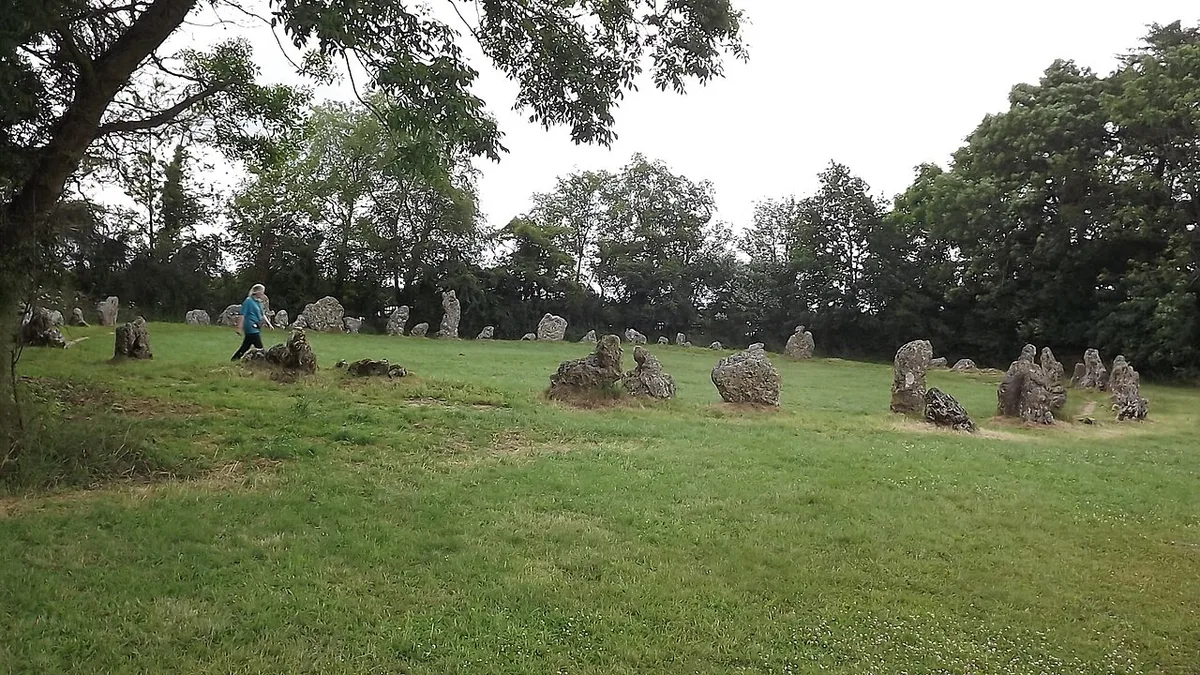
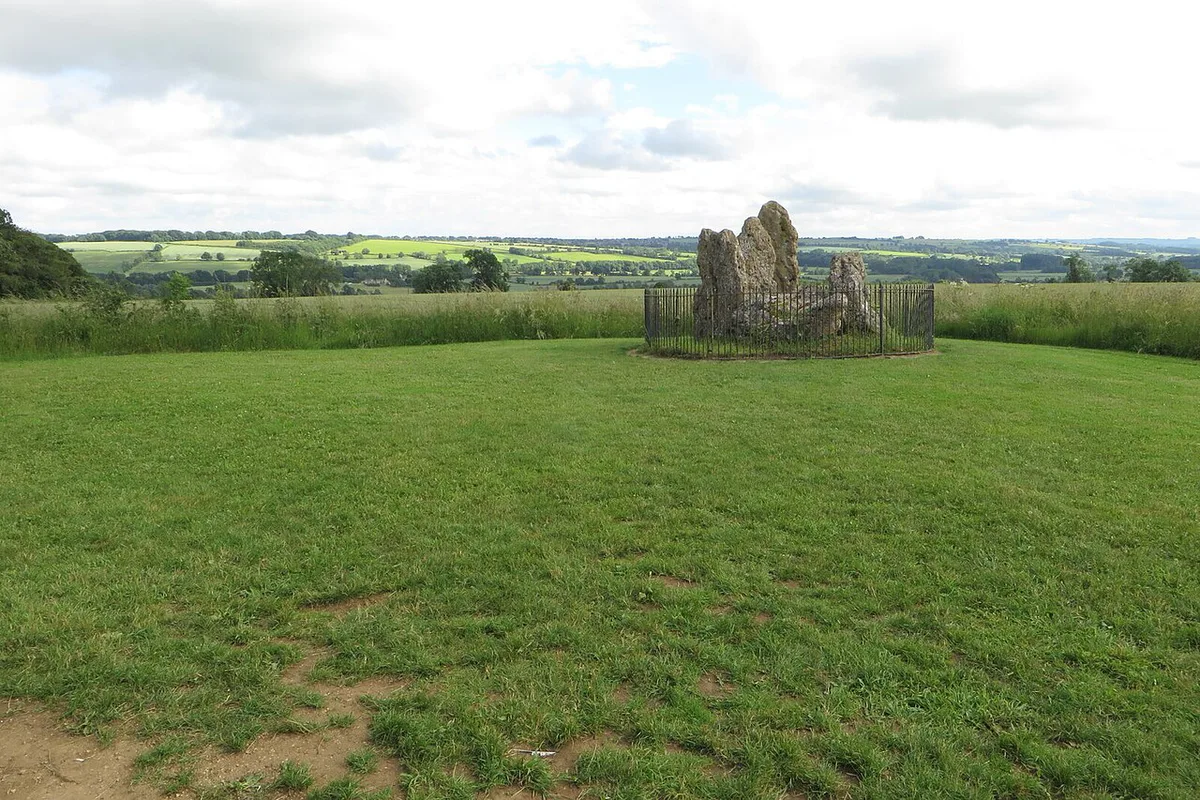
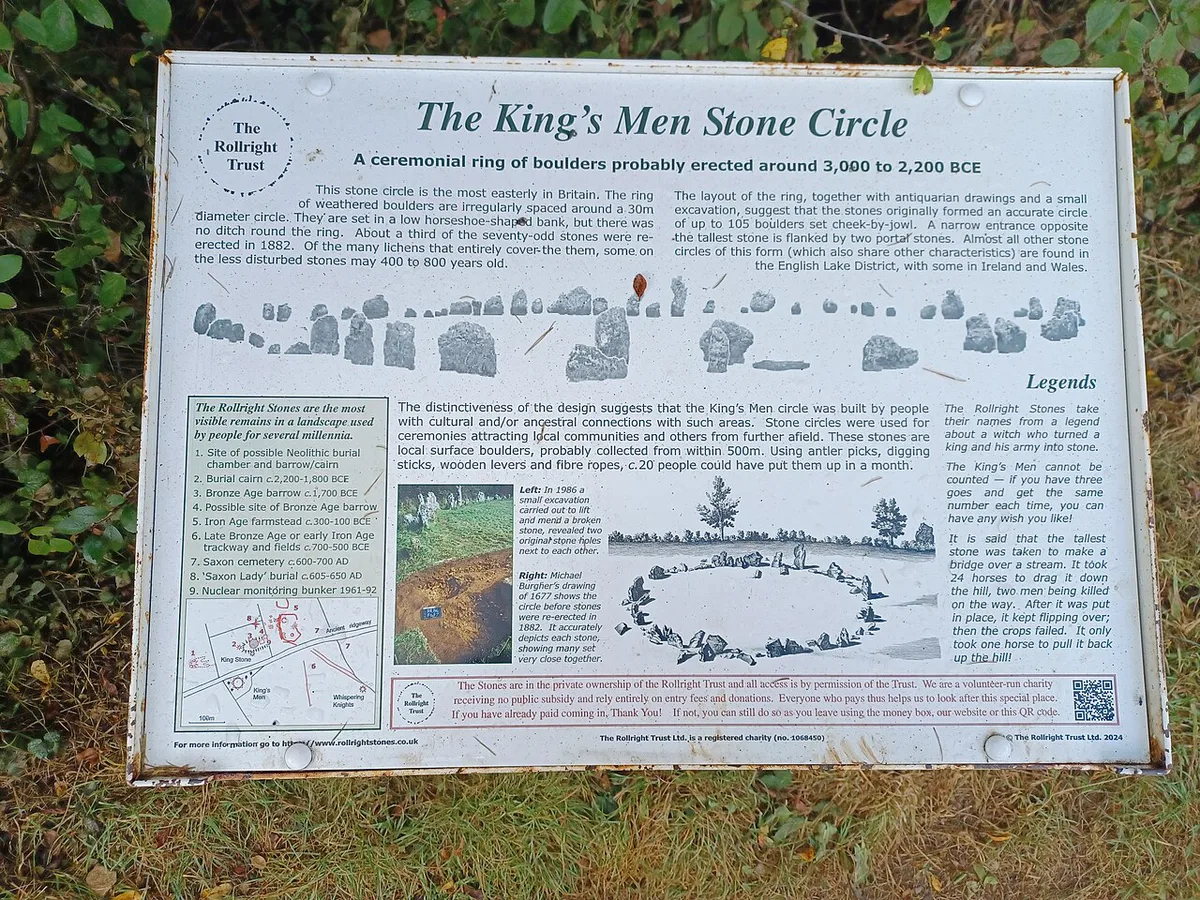
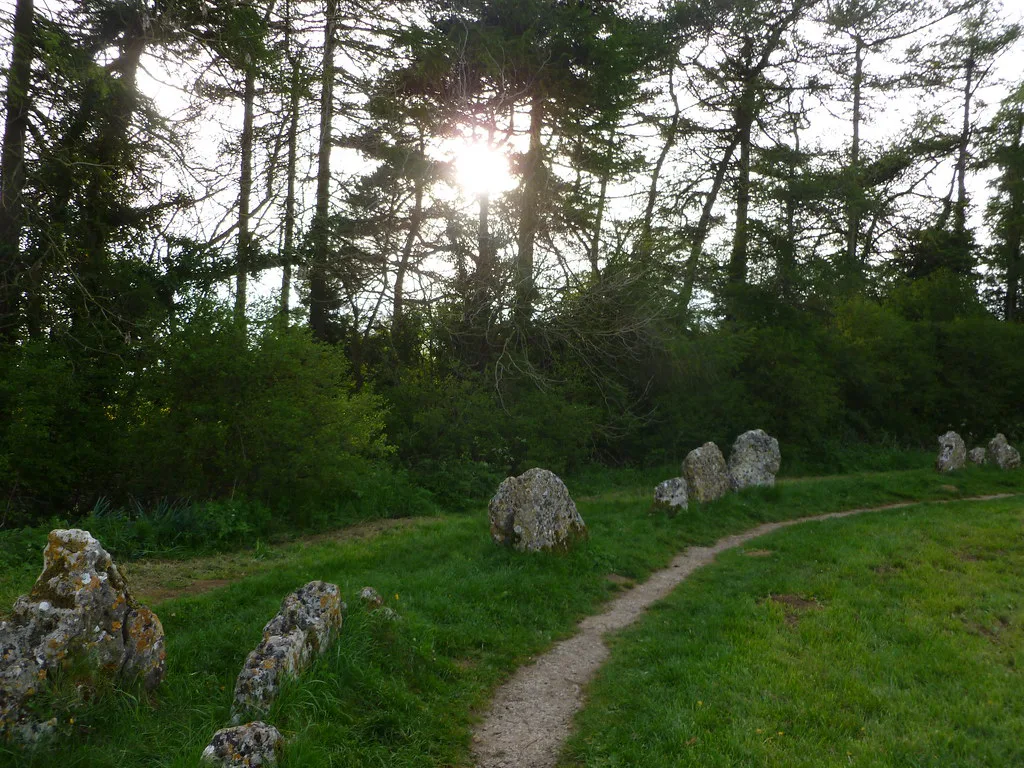
Three separate monuments make up the site. The King's Men is a stone circle of dozens of weathered stones. Close by stands the King Stone, a single standing stone. Nearby are the Whispering Knights, a small group of stones forming a burial chamber known as a dolmen. Our verdict: they are worth a stop if you like quiet, small-scale prehistoric sites. They are not a full day out on their own. Megalithic Mysteries gives the grid reference for the circle as SP296308, which helps if you navigate with an Ordnance Survey map.
The three monuments at a glance
Ages below are cautious. Each monument is thought to date from a different period, so the site covers a long span of prehistory.
| Monument | What it is | Thought to date from | What to look for |
|---|---|---|---|
| King's Men | Stone circle | Late Neolithic or early Bronze Age | Weathered, uneven stones set in a ring |
| King Stone | Single standing stone | Bronze Age | A tall, slender stone on its own |
| Whispering Knights | Dolmen (burial chamber) | Early Neolithic | Leaning stones grouped close together |
How to visit: getting there and parking
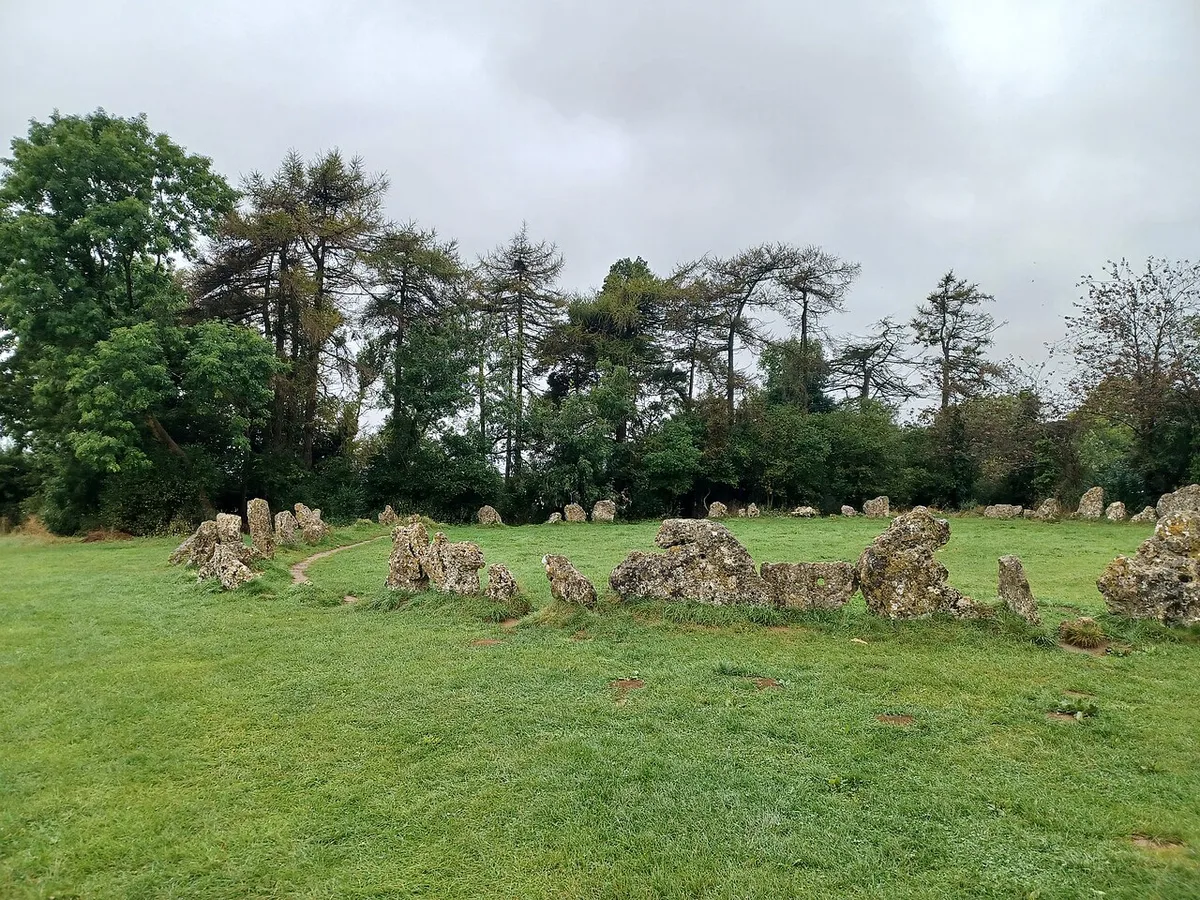
We'd plan this as a drive. Public transport to a rural border site like this is likely to be poor, so don't count on a bus. Long Compton is the nearest village and Chipping Norton the nearest town. Look at the parking and walking details on the official Rollright Stones site before you set off. Pack footwear for wet grass, because these are open fields and not paved paths. Check the official page for the current rules on dogs, buggies and wheelchair access.
Use grid reference SP296308 on your map, since public transport is poor and Long Compton is the nearest village.
Costs, opening times and what to check first
Entry is small-scale, not a ticketed attraction like a major heritage site. Some old web pages quote a token fee that is long out of date, so ignore those. Prices and hours change, so take the current admission or donation amount, opening times and any seasonal changes from the official site only. The King Stone may have different access from the circle, so check that too. Expect no visitor centre or café on site.
How long to spend and the best order
Allow a short stop if you only want photos of the circle. Allow longer if you want to see all three monuments and read the legend as you go. The circle is the main event, so start there. The King Stone and the Whispering Knights are separated from it by a road and fields, so treat them as two short extra walks. Here is how the two visits compare.
- Short stop: the King's Men circle only, with time for a slow lap and photos.
- Fuller visit: the circle, then the King Stone, then the Whispering Knights, with time to read about the folklore.
- Our pick: the fuller visit, because the three monuments are the point of the place.
Best time to visit
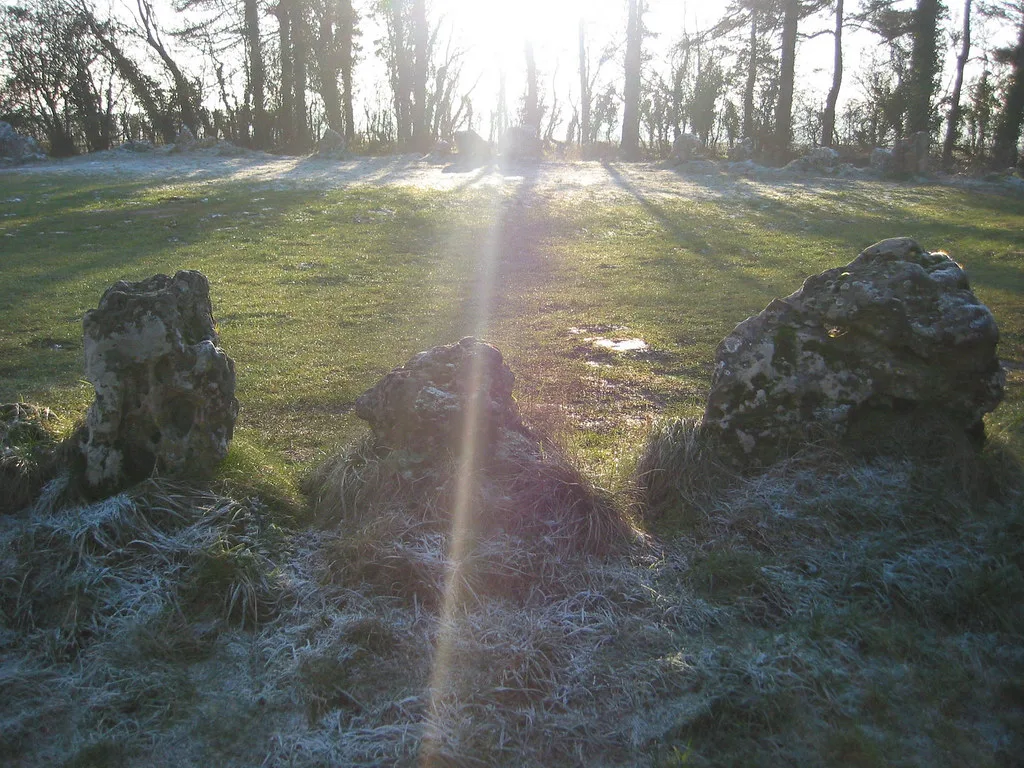
Low sun at the start or end of the day gives the stones the most texture for photographs. Winter and wet spells make the fields muddy, so wear boots then. Weekends and school holidays are more likely to bring families, so a weekday morning is our pick for quiet. Events and ceremonies are worth checking only if the official site lists them.
The legend of the king and the witch
Local tradition says a king and his men were turned to stone by a witch, which is why the circle is called the King's Men. The Whispering Knights are said to be knights plotting against their king. It is folklore, not archaeology. One practical takeaway: the story hinges on the view of Long Compton, so stand at the King Stone and look toward the village to see why the legend fits the landscape.
Counting the stones: the legend that says you can't
Alongside the king and witch story, local tradition holds that the King's Men cannot be counted. The tale says that if you count them three times and get the same number each time, your wish will come true. Folk versions add that a baker once tried to settle it by placing a loaf on each stone.
The legend has a basis in what you see. The ring is made of weathered, uneven stones, and some are worn down to low stumps. Whether a stump counts as a stone is a matter of judgement, so two people can honestly reach different totals. Published totals vary, so treat any single figure as an estimate, not a fact.
If you want to try it, here is a method that works better than walking in circles:
- Agree before you start what counts as a stone, for example anything standing above knee height.
- Pick a clear starting stone and note it, so you know when you have closed the ring.
- Count in one direction only, and have a second person count separately without comparing until you finish.
- Repeat three times, as the legend asks.
It suits families and is a good reason to slow down inside the circle. It also fits our advice to go for the fuller visit, since the folklore is part of what makes this small site memorable. Treat it as a game, not as archaeology.
Who should go, and who should skip it
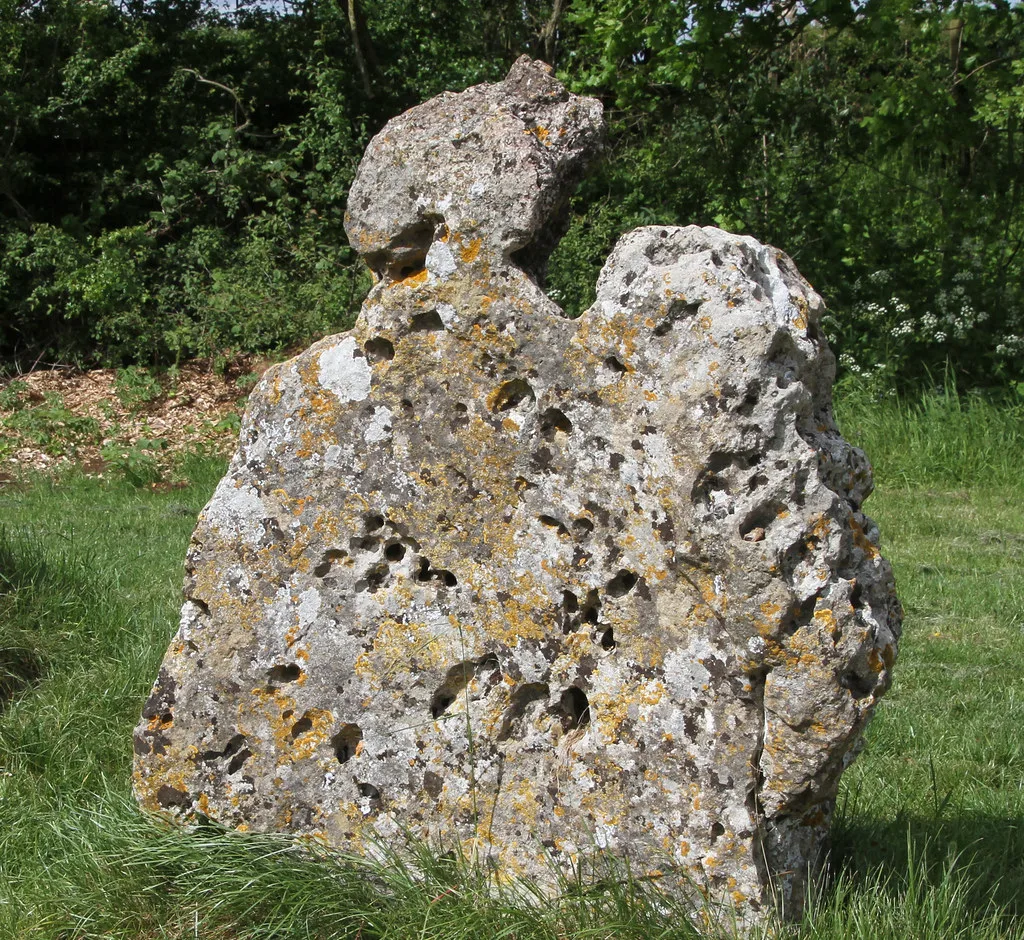
Go if you enjoy small prehistoric sites, photography or a quick stop on a Cotswolds drive. Skip it if you want Stonehenge or Avebury scale, guided displays or facilities. For scale, Avebury's far larger circle is a separate and much longer drive away.
- Mistake to avoid: wearing smart shoes on wet grass.
- Mistake to avoid: assuming the site is staffed or has a visitor centre.
- Mistake to avoid: relying on public transport to reach it.
- Mistake to avoid: leaving without checking the current access rules.
Combining it with other sites
For more circles, our guide to other English stone circles sets the Rollrights in context. Megalith fans can plan a separate trip to prehistoric sites in Wiltshire. Other circles with their own folklore include Long Meg's circle in Cumbria. Another is Stanton Drew in Somerset. Both are long drives away, so make them separate trips. In southern Oxfordshire, the chalk horse at Uffington and Wayland's Smithy burial mound suit a prehistoric Oxfordshire route. Check the driving distance on a map before you plan them as a combined day.
How the Rollrights compare with other stone circles
Readers often ask whether the Rollright Stones are worth choosing over better-known circles. The honest answer is that they are a different kind of visit: small, free of crowds, and easy to reach by car from the Cotswolds, but modest in scale.
| Site | Setting | What sets it apart |
|---|---|---|
| Rollright Stones | Oxfordshire and Warwickshire border, open fields | Three separate monuments of different ages within a short walk |
| Callanish, Isle of Lewis | Remote Hebridean island | Cross-shaped layout with a long avenue and a central monolith |
| Stones of Stenness, Orkney | Orkney Mainland | Tall thin slabs, part of a wider Neolithic landscape |
| Carnac, Brittany | Coastal France | Thousands of stones in long alignments |
Our guides to the Callanish Stones and the Standing Stones of Stenness cover the Scottish sites in detail. They need a ferry or a long journey north, so they are trips in their own right, not alternatives you can swap in on a Cotswolds weekend. For the largest alignments in Europe, see our Carnac stones visit guide.
Our view: the Rollrights win on convenience and quiet, and lose on scale and setting. If you are already driving through the Cotswolds, they are an easy stop. If you want a dramatic landscape, the Scottish circles are the stronger choice.
Related guides



Continue reading
Guides on the same trip


