Visiting the Carnac Stones: Access, Tickets and Routes
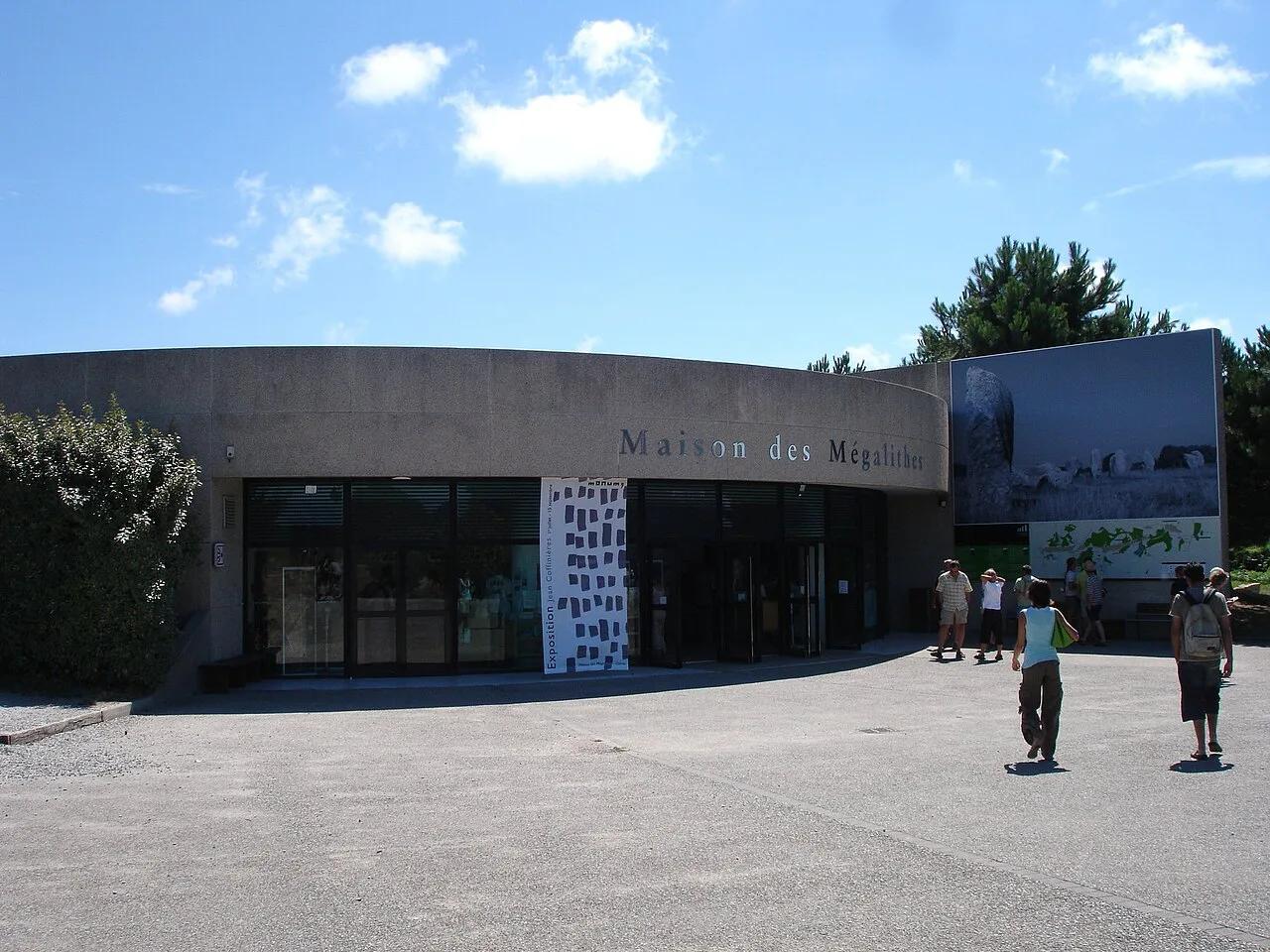
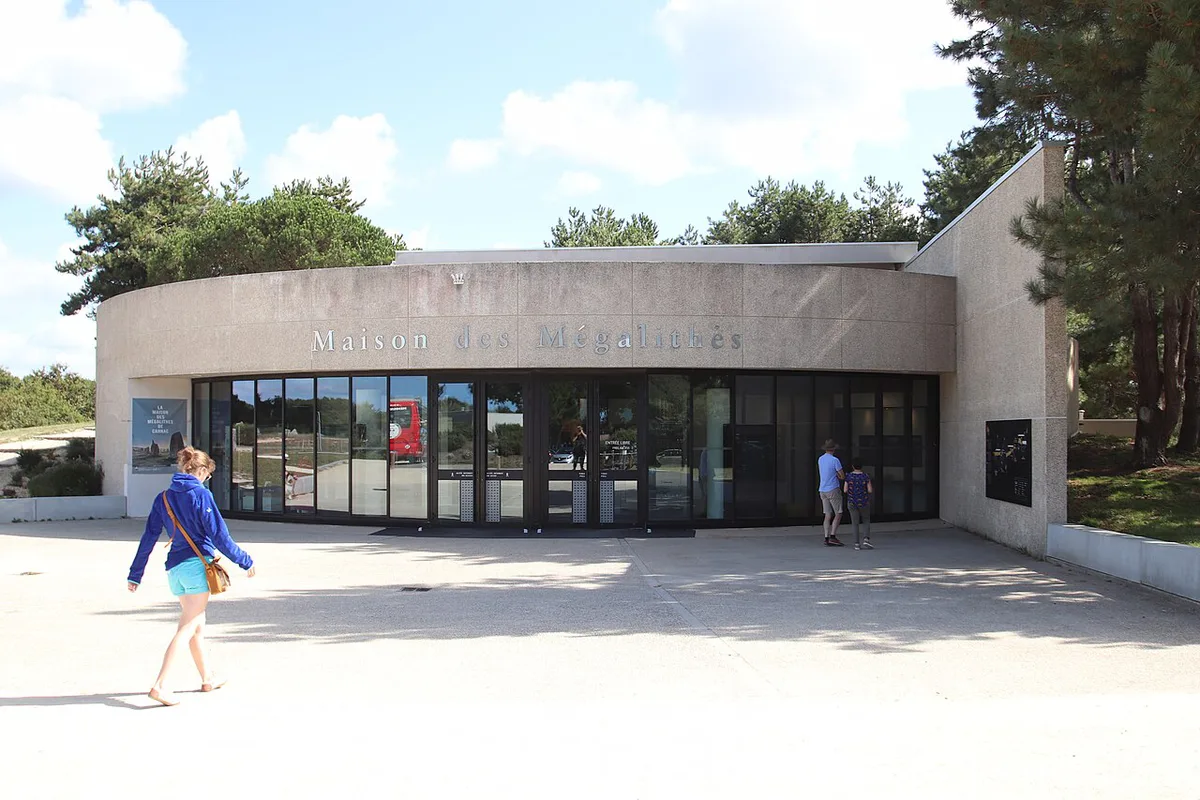
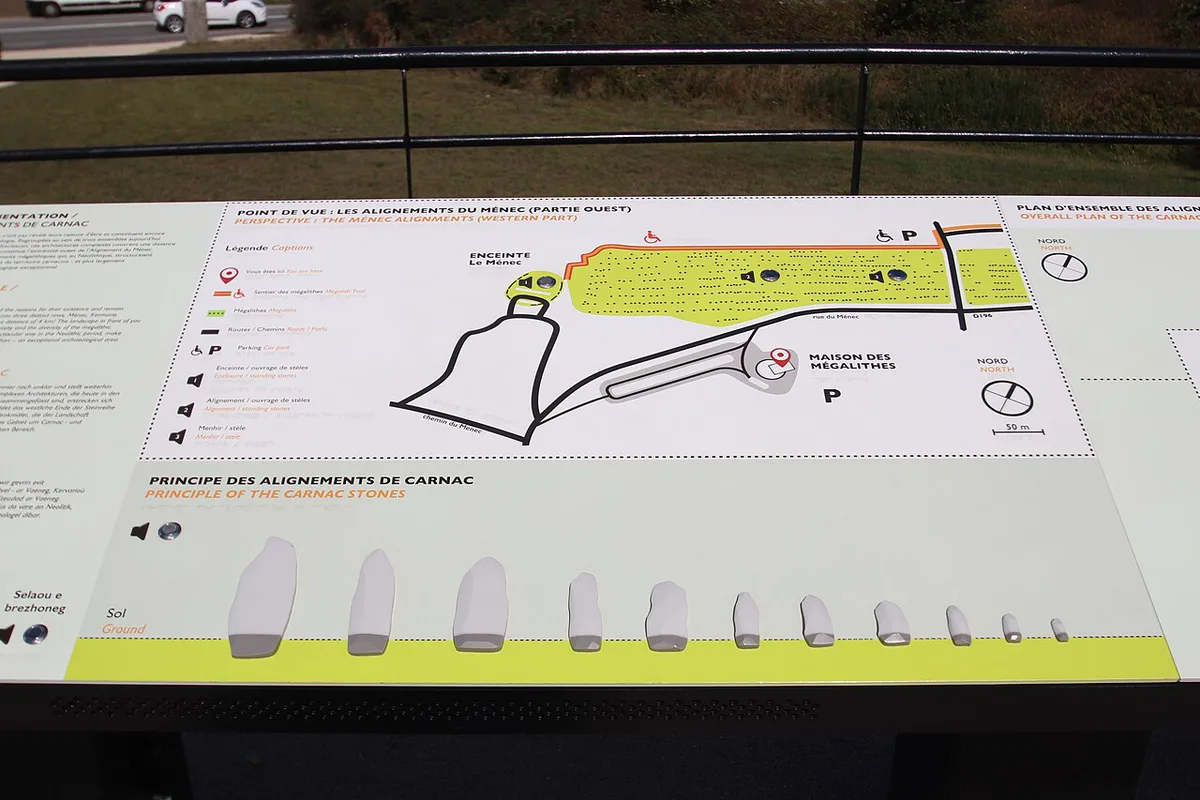
Last updated November 2026: a Carnac stones visit means several separate alignment fields near Carnac village, each with its own access rules. Plan 90 minutes for a quick look, or a half day if you add the interpretation centre and a second site. Start at the Maison des Mégalithes on the D196, and read our Carnac stones overview for the history.
Featured image: --Pinpin 17:02, 1 August 2006 (UTC), CC BY-SA 3.0, via Wikimedia Commons.
Plan a Carnac stones visit by time budget
Pick your route by the time you have. Most visitors do best with one alignment field done properly rather than three done in a rush. Ninety minutes is enough for the Maison des Mégalithes and one field. Anything under two hours leaves no slack for parking and walking between fields.
| Time | Route | Trade-off |
|---|---|---|
| 90 minutes | Maison des Mégalithes, then the nearest alignment field | Good orientation, little room for photos or a second field |
| Half day | Maison des Mégalithes, two or three alignment fields, lunch in Carnac-Ville | Best balance for most travellers |
| Full day | Carnac fields in the morning, then Locmariaquer or a Gavrinis boat trip | Rewarding for archaeology fans, tiring with children |
Which alignments to see and in what order
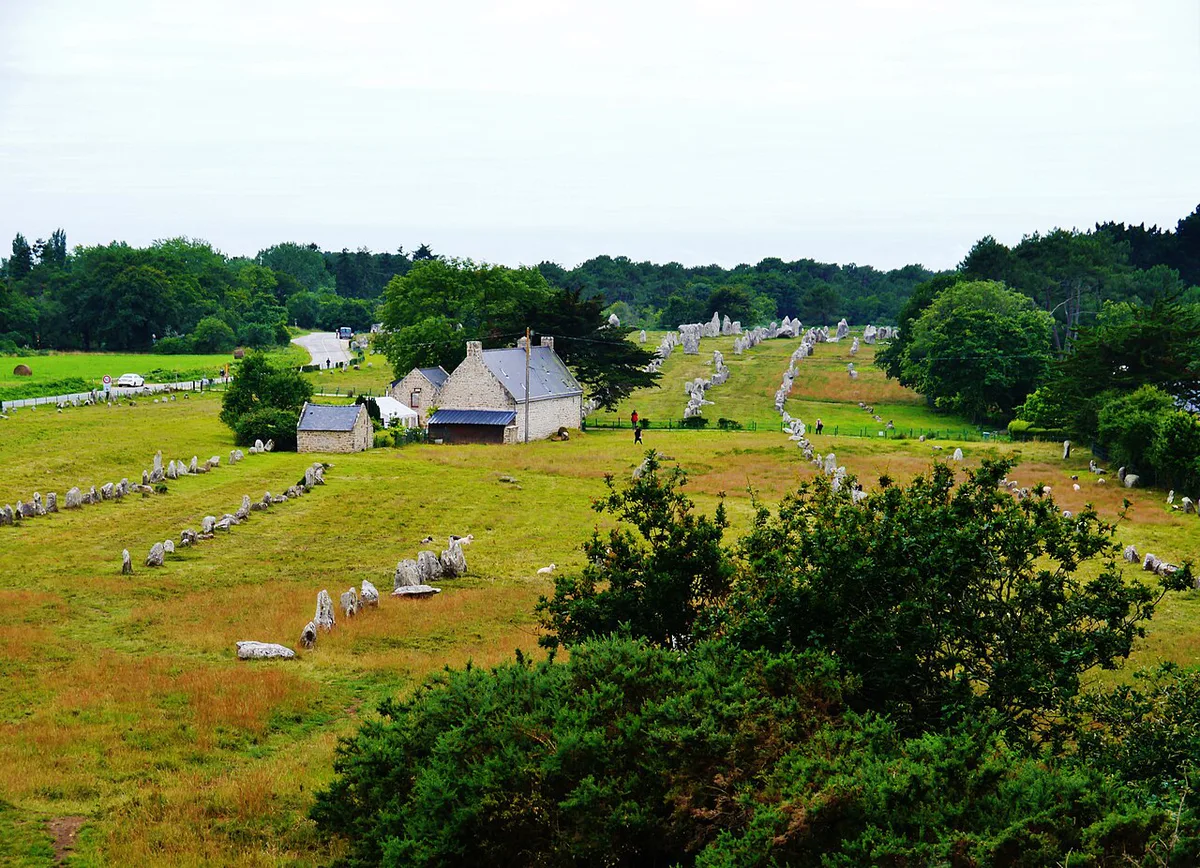
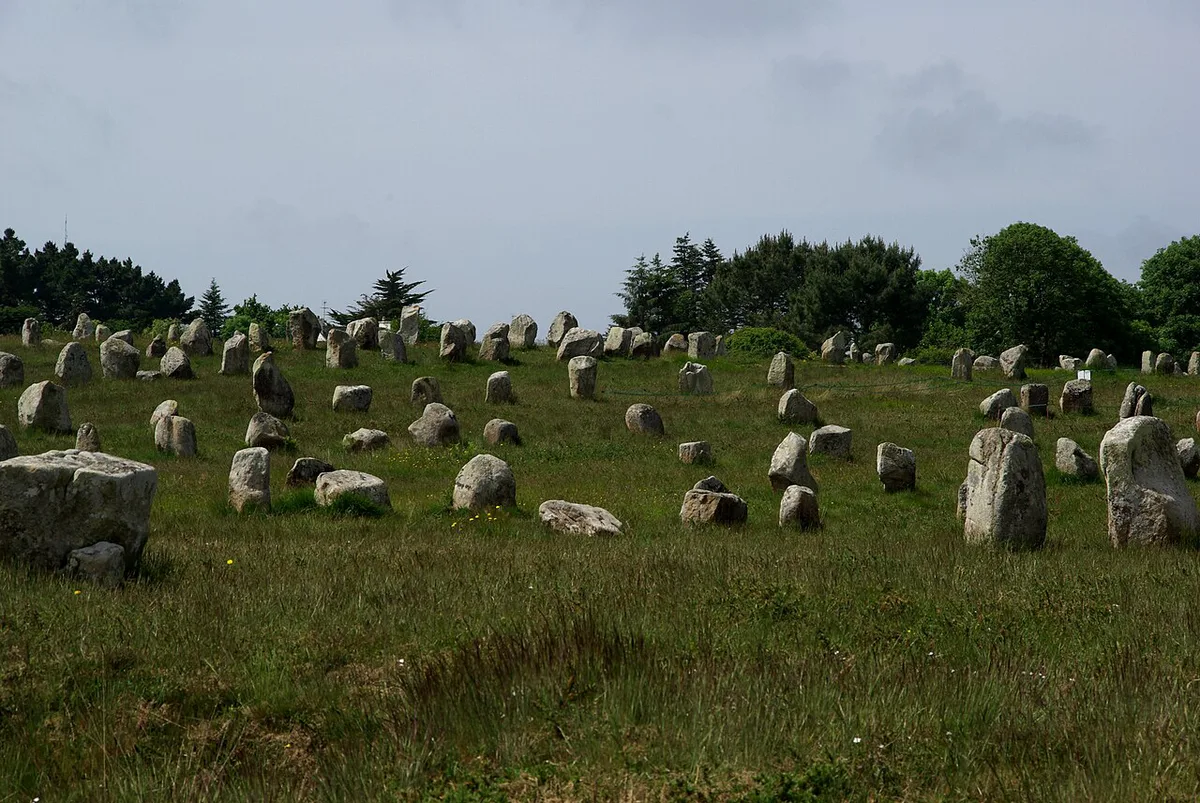
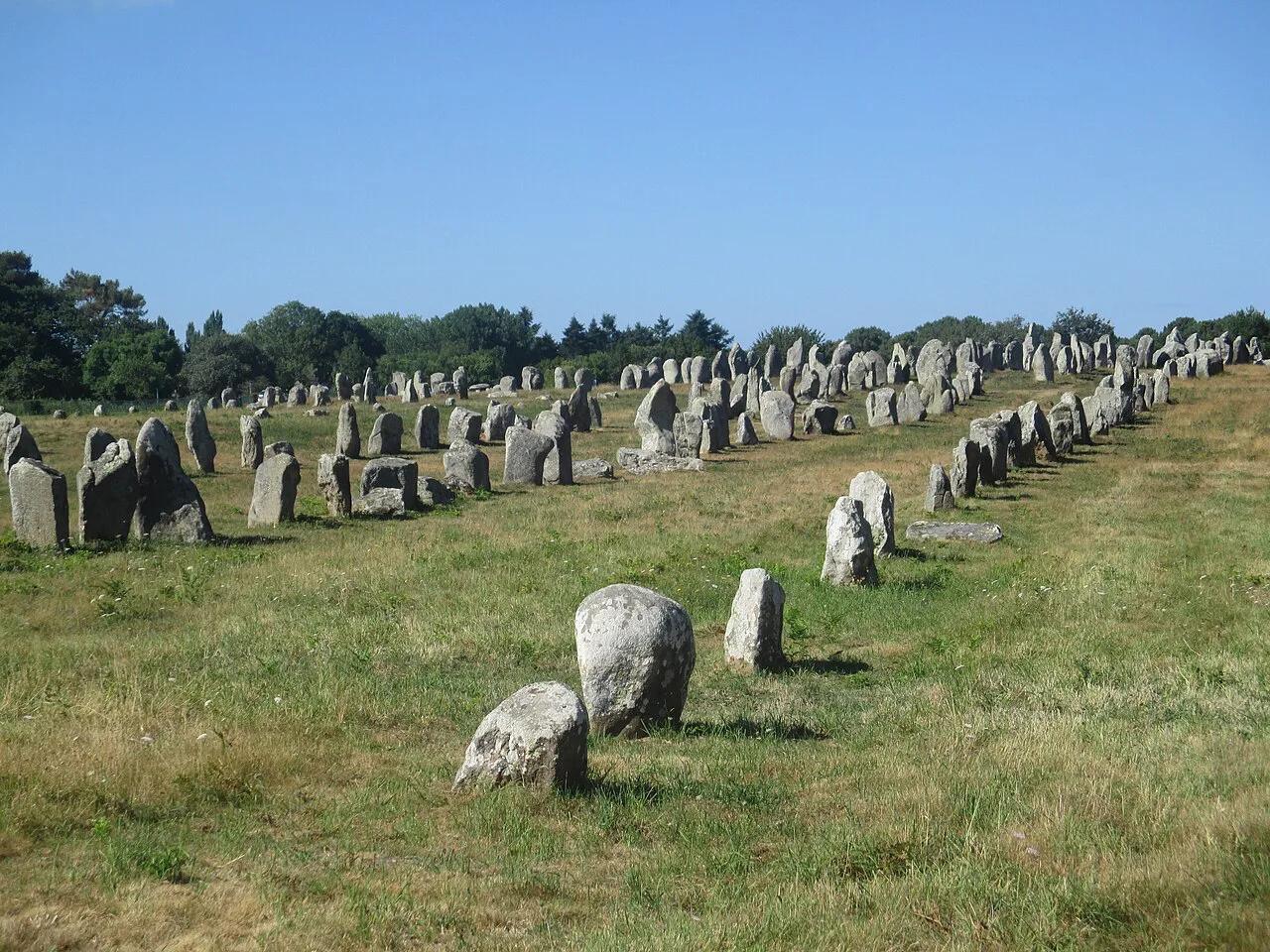
More than 3,000 prehistoric stones stand around Carnac. Most lie within the commune, with some to the east in La Trinité-sur-Mer. Begin with the Ménec, Kermario and Kerlescan fields, which run in sequence north-east of Carnac village. Each field has its own character, so one visit rarely feels repetitive. If you only have 90 minutes, choose Kermario or Ménec and skip the rest. Keep Kerzerho for a second day or a longer stay, since it sits apart from the main cluster.
Those 3,000 prehistoric stones sit across several fields, so one or two fields suits a short visit better than all of them.
- Ménec: the longest rows and the easiest first impression.
- Kermario: tall stones, a good pick for photographs.
- Kerlescan: a smaller field that tends to feel quieter.
- Kerzerho: a separate group for those with spare time.
Access rules, walking among the stones and guided visits
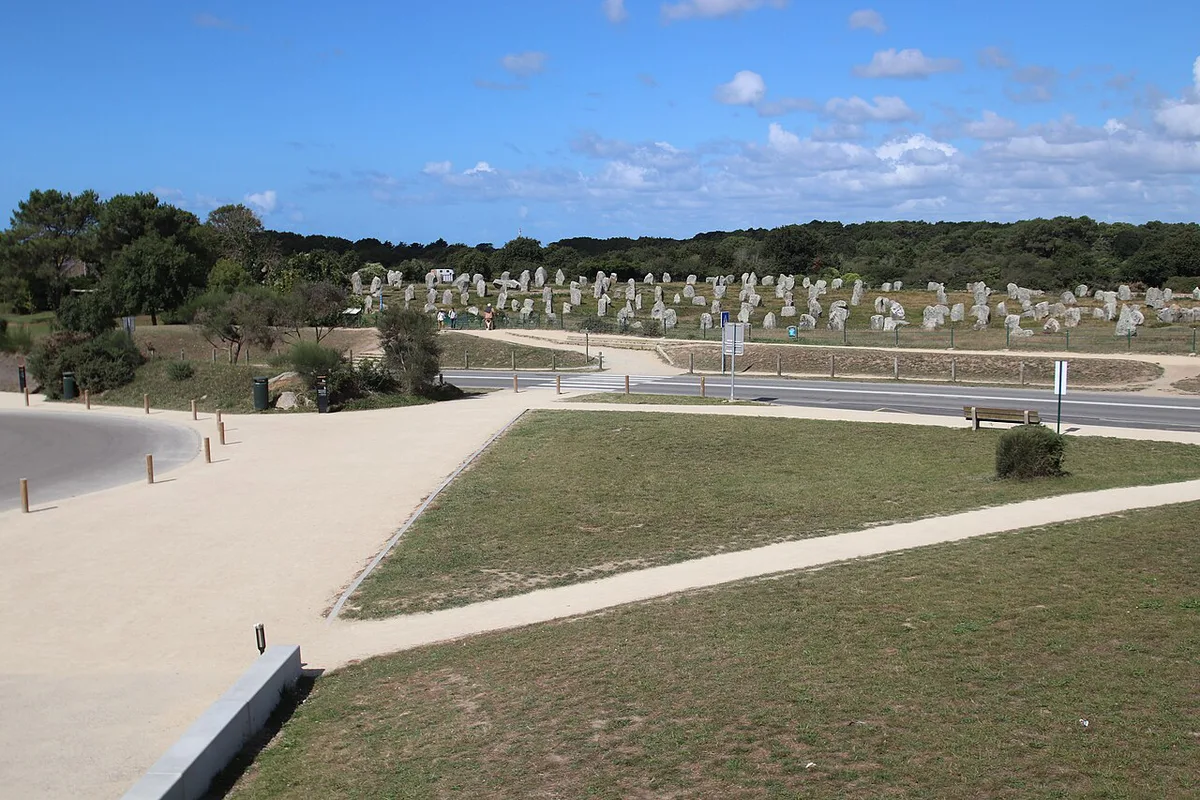
Do not assume you can walk among the stones all year. Sources commonly describe fenced fields in the busy months, with freer access in the quieter season. Check the current rules for each field with the Morbihan tourism pages before you set out. Fenced fields can still be viewed well from the edge. A guided visit is the usual way to get closer and to understand what you are looking at. Ask at the Maison des Mégalithes about guided options and languages.
Within 90 minutes you can still view fenced fields well from the edge when walking inside is off limits.
Costs, tickets and opening hours
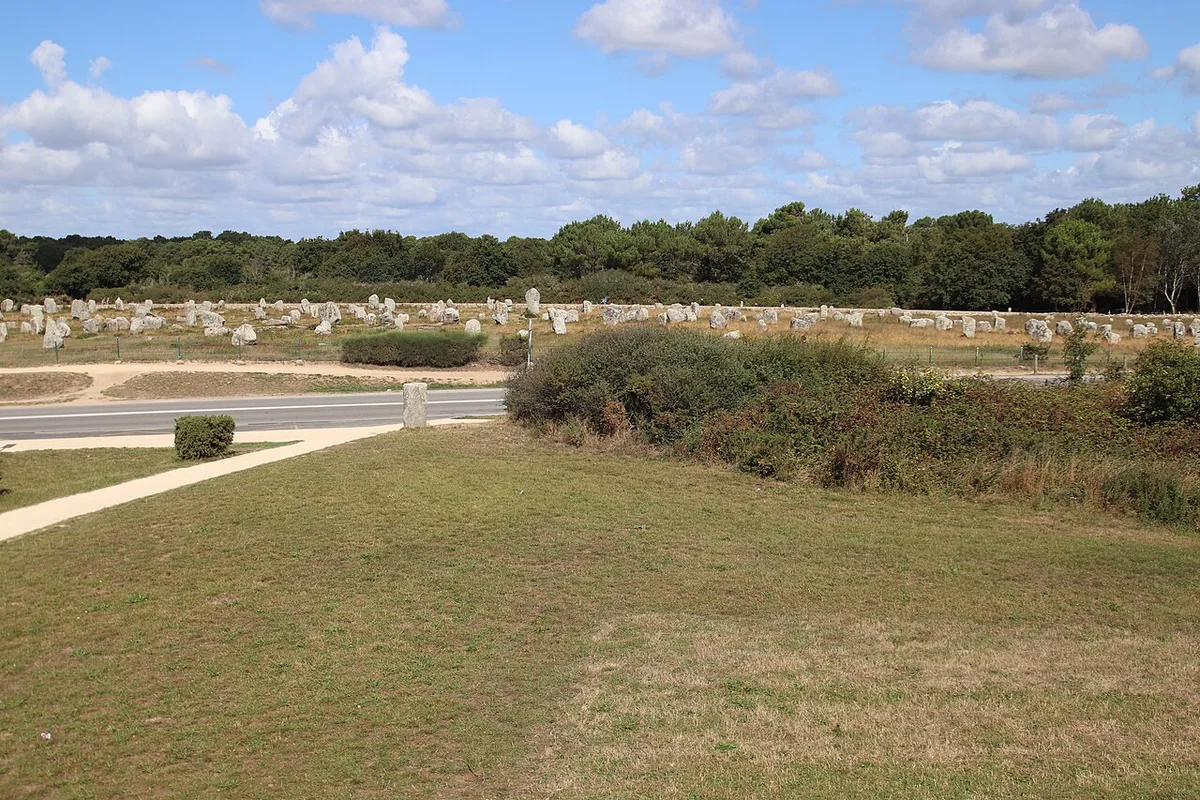
Viewing the alignments from the roadside and fence lines is free. Paid options are the interpretation centre and guided visits, and prices and hours change by season. Prices and hours checked November 2026 against official pages show no fixed figures worth quoting here. Check the Maison des Mégalithes and the Morbihan tourism pages for current hours. Locmariaquer is run by the national monuments body, so use Centre des monuments nationaux for its tickets.
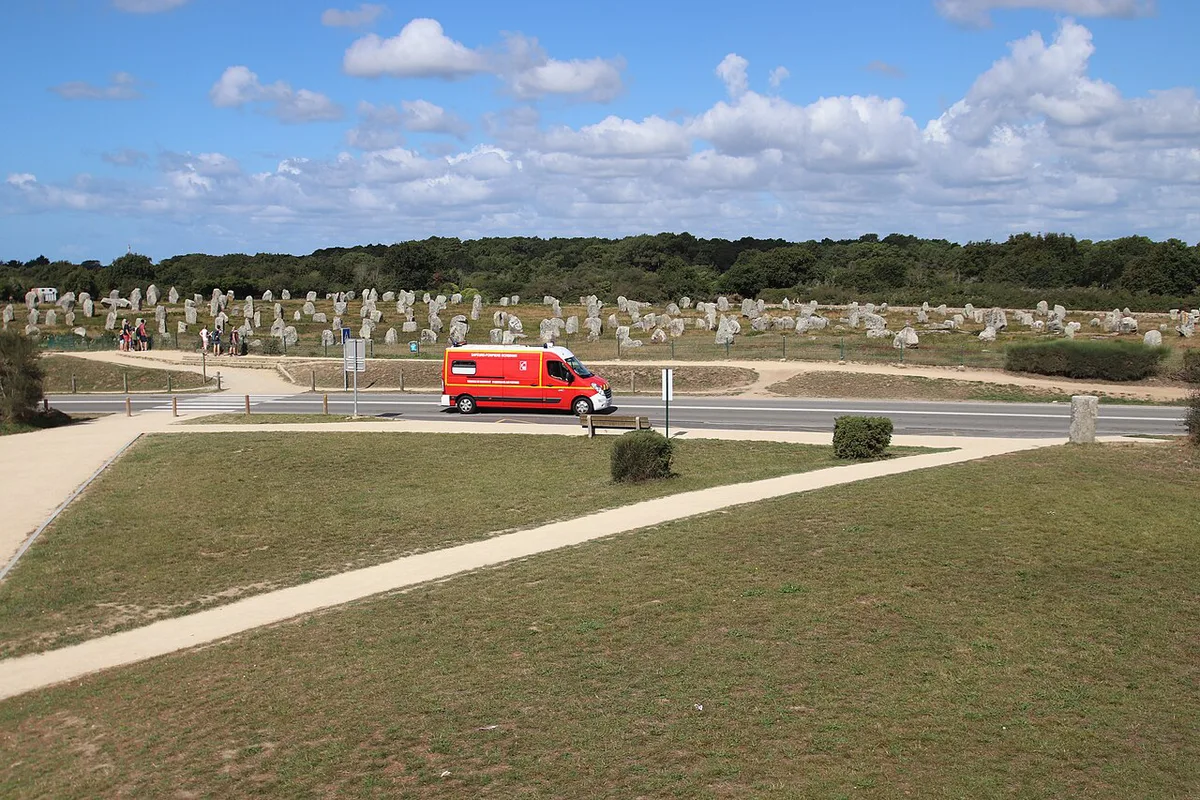
- Free: viewing the alignments from the roadside and fences.
- Paid: the interpretation centre and guided visits.
- Separate ticket: Locmariaquer, through the national monuments body.
Getting there and parking
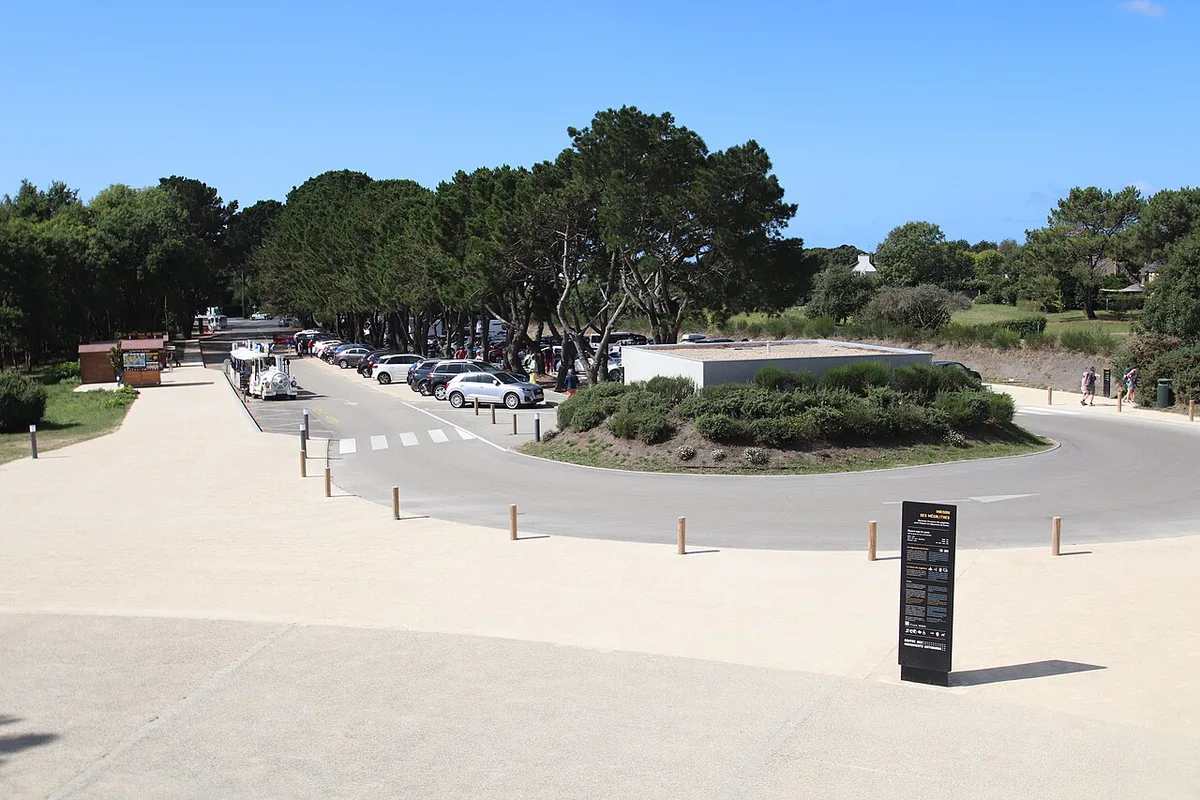
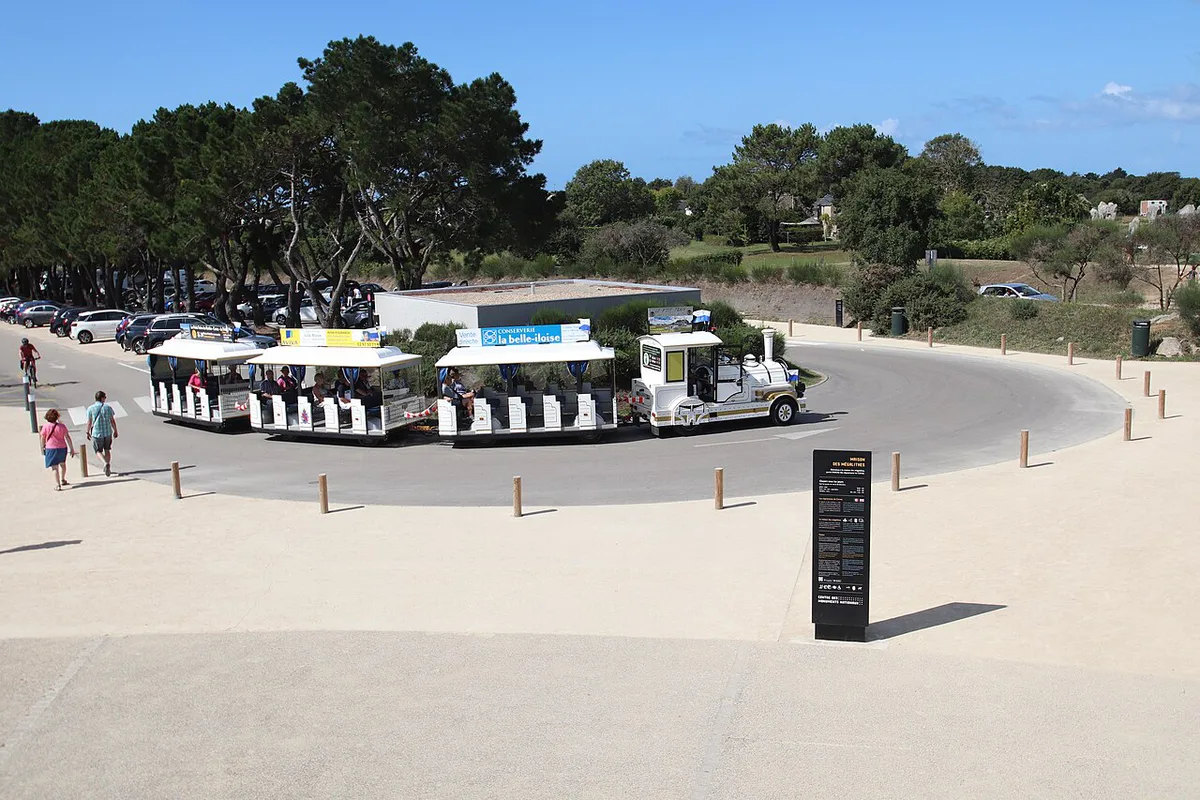
A car gives the most flexibility, because the fields are spread along the road out of Carnac village. Without a car, the realistic bases are Vannes, Auray and the Quiberon peninsula. Our route from Vannes covers the options in detail. Check current train, bus and seasonal shuttle services with the regional operators before you commit to a car-free day.
| Option | Effort | Flexibility | Caveat |
|---|---|---|---|
| Car | Low | High | Parking fills in peak summer; arrive early |
| Train or bus | Medium | Low | Services are limited and seasonal; check current timetables |
| Bike | Medium to high | High | Distances between fields add up; good for fit riders |
| Guided tour | Low | Low | Fixed schedule; useful for context |
Combining Carnac with nearby megaliths
Choose one or two extras rather than all of them. Pick Locmariaquer if you want a second site that is easy by road. Pick Gavrinis if you want a boat trip and a carved passage tomb. The Tumulus Saint-Michel sits close to Carnac and suits a short stop. Barnenez is further away, so give it a separate day.
Best time to visit, where to stay and a rainy-day fallback
Shoulder and off-season visits usually mean freer access and fewer crowds, though opening hours are shorter. Midday in summer is the busiest slot, so aim for early morning or late afternoon. Carnac-Ville puts you closest to the fields. Carnac-Plage suits a beach stay, while Auray and Vannes offer more transport and dining choice. In rain, make the Maison des Mégalithes your main stop and save the fields for a dry spell.
Mistakes to avoid and who should skip it
Skip the stones if you expect to touch them or have under two hours for the whole region. Crowd-averse travellers should avoid peak summer middays.
- Assuming you can walk among the stones year-round.
- Arriving at midday in peak season.
- Skipping the interpretation centre, which gives the context.
- Trying to fit every nearby site into one day.
Go deeper on Brittany's megaliths
For context on the monuments themselves, read our guide to Menhirs vs Dolmens: What They Are and Where to See Them in France. Our Brittany megaliths guide widens the map across the region. For other regions, see Dolmens in France: Where to See the Best Ones.
Frequently Asked Questions
Who made the Carnac Stones?
Neolithic people of Brittany raised them, probably around 3300 BC, though some may date to as early as 4500 BC. Our Carnac stones guide covers the dating debate.
Are there any standing stones in Brittany, France?
Yes, many. Locmariaquer and Barnenez are two of the best-known sites beyond Carnac, and both have their own guides on this site.
Related guides
Continue reading
Guides on the same trip