
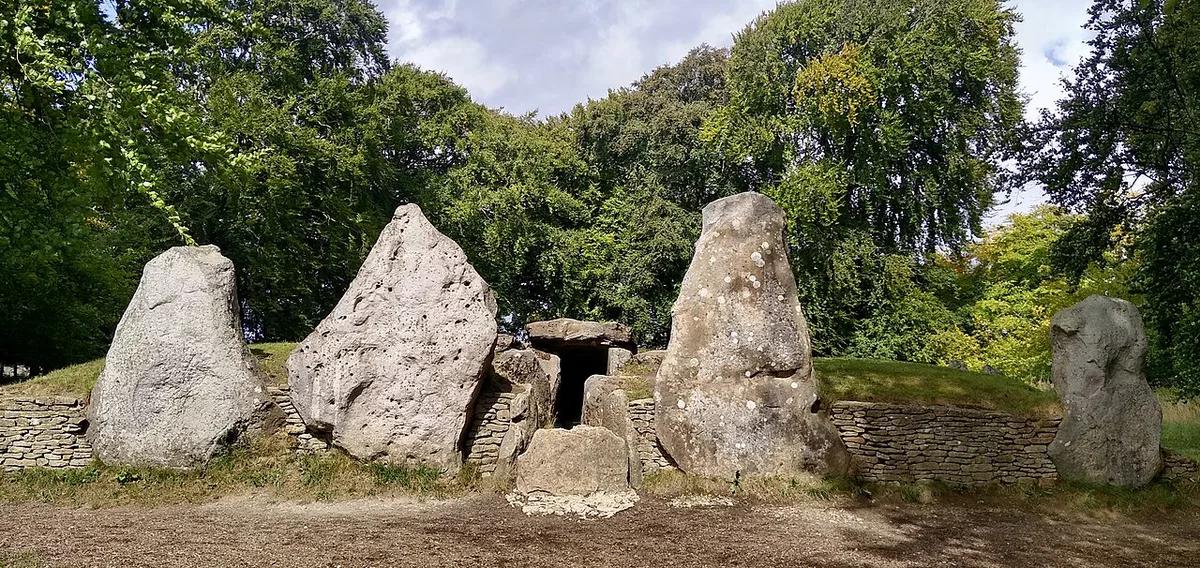
Last updated November 2026. Wayland's Smithy is a Neolithic chambered long barrow beside the Ridgeway in Oxfordshire, reached on foot along a chalk track. It is an open-air monument in English Heritage care, with no ticket office or gate. This guide covers the legend, the walk, what you can see and where to go next.
Featured image: Mertbiol, CC0, via Wikimedia Commons.
Wayland's Smithy at a glance
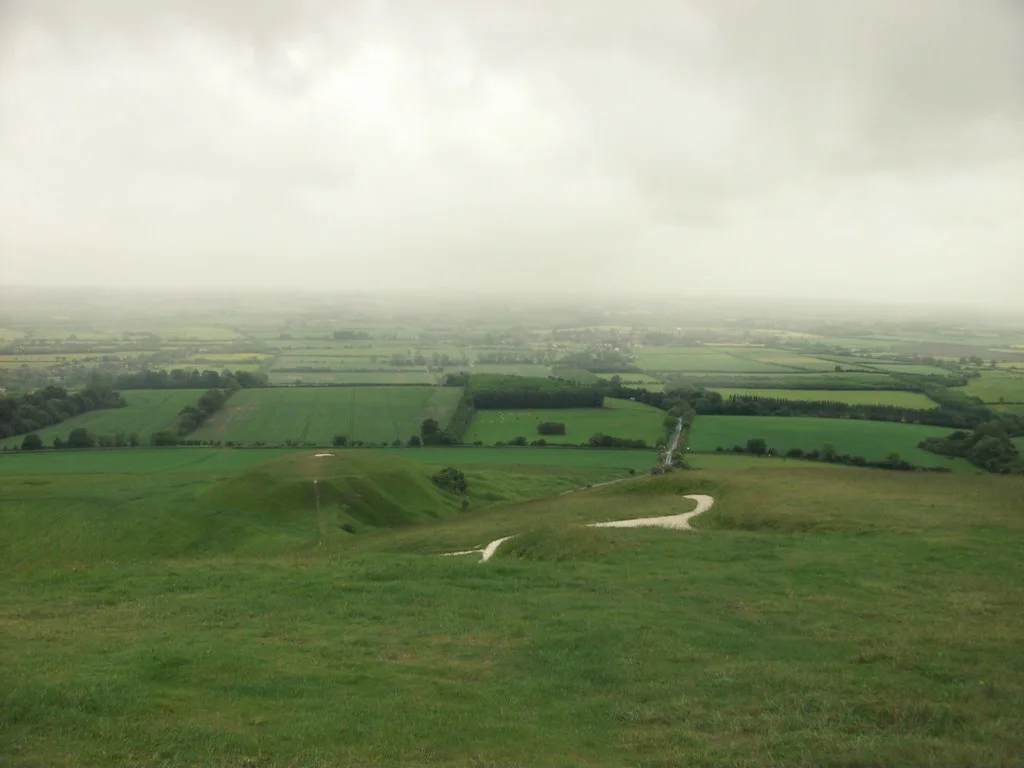
Wayland's Smithy sits on the Ridgeway National Trail in Oxfordshire. English Heritage looks after the monument, and it is an outdoor site you can walk up to at any time of day. Entry has traditionally been free, so check the English Heritage page for Wayland's Smithy before you travel. Expect a walk of roughly one mile from the nearest access point along the Ridgeway.
- Type of site: Neolithic chambered long barrow
- Location: on the Ridgeway, Oxfordshire
- Managed by: English Heritage
- Access: open-air, walk in along the Ridgeway
- Facilities: none on site, so bring water and layers
The legend and the history
Local tradition says a horse left unshod at the barrow overnight, with a coin as payment, would be shod by morning. The smith was Wayland, a figure from Norse-derived myth, and the Saxon-era name stuck to a monument far older than the story. The archaeology is a separate matter. The barrow is Neolithic, and it was built and then enlarged in more than one phase. For a second long barrow with a very different setting, see West Kennet Long Barrow: Visiting Guide, Access & History in Wiltshire.
Two barrows in one: the building phases explained
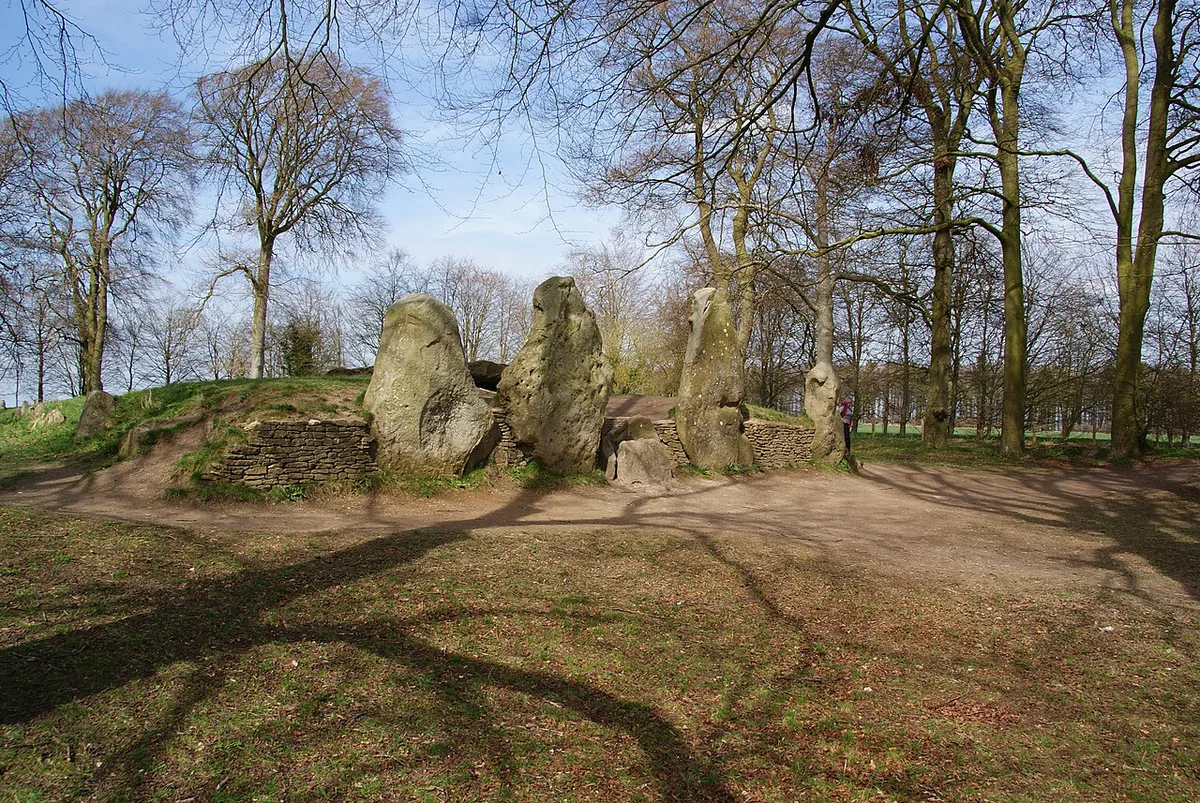
What you see today is the second of two monuments on the same spot. Excavations led by Richard Atkinson and Stuart Piggott in 1962-63 found an earlier barrow buried inside the mound, and later radiocarbon dating placed the two phases only a few generations apart, around 3600 BC.
- First phase: a small timber-lined burial chamber covered by a low oval mound of chalk and earth. The excavators recovered the remains of several people from it, which points to a short-lived burial place for one community.
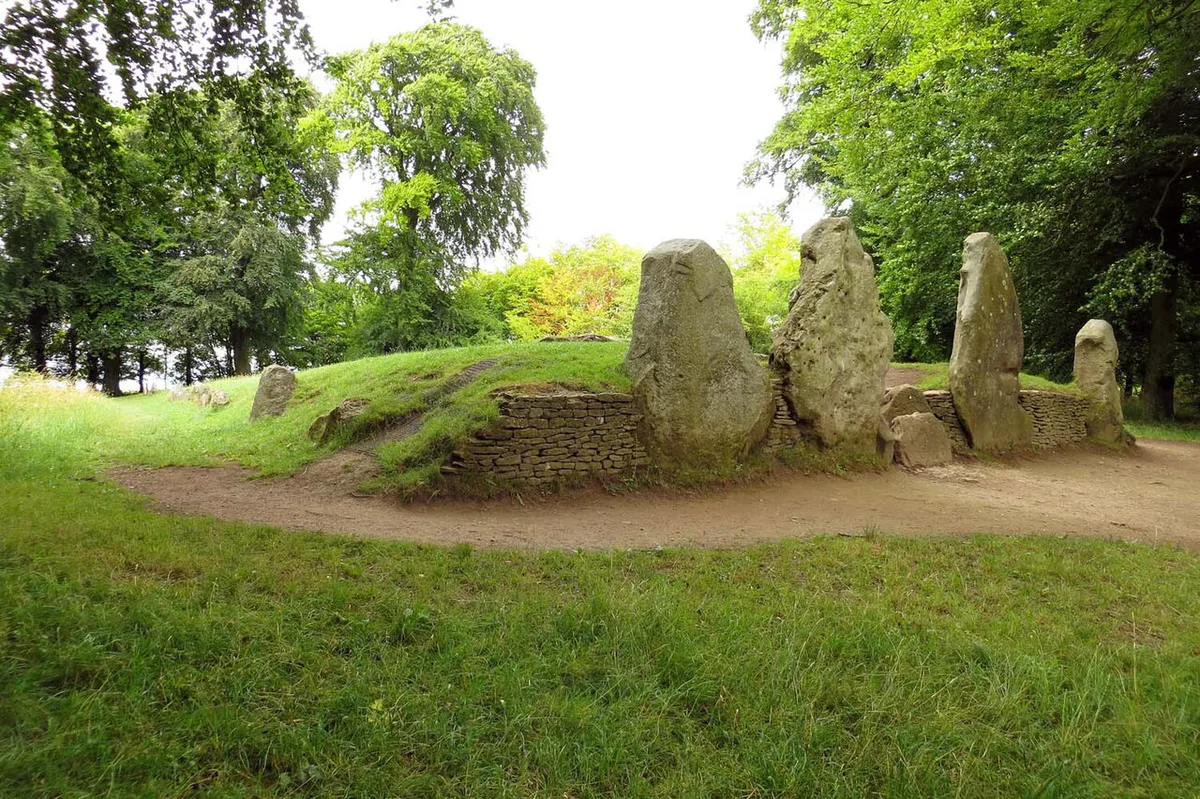
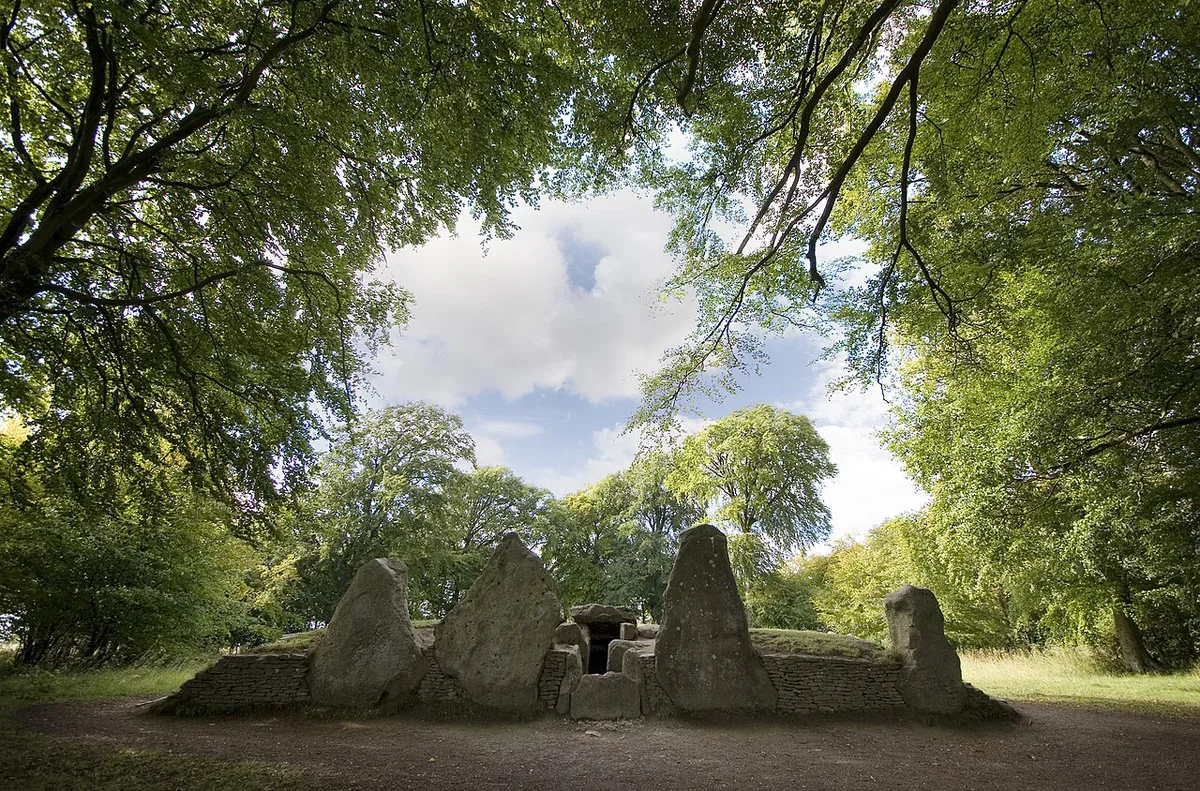
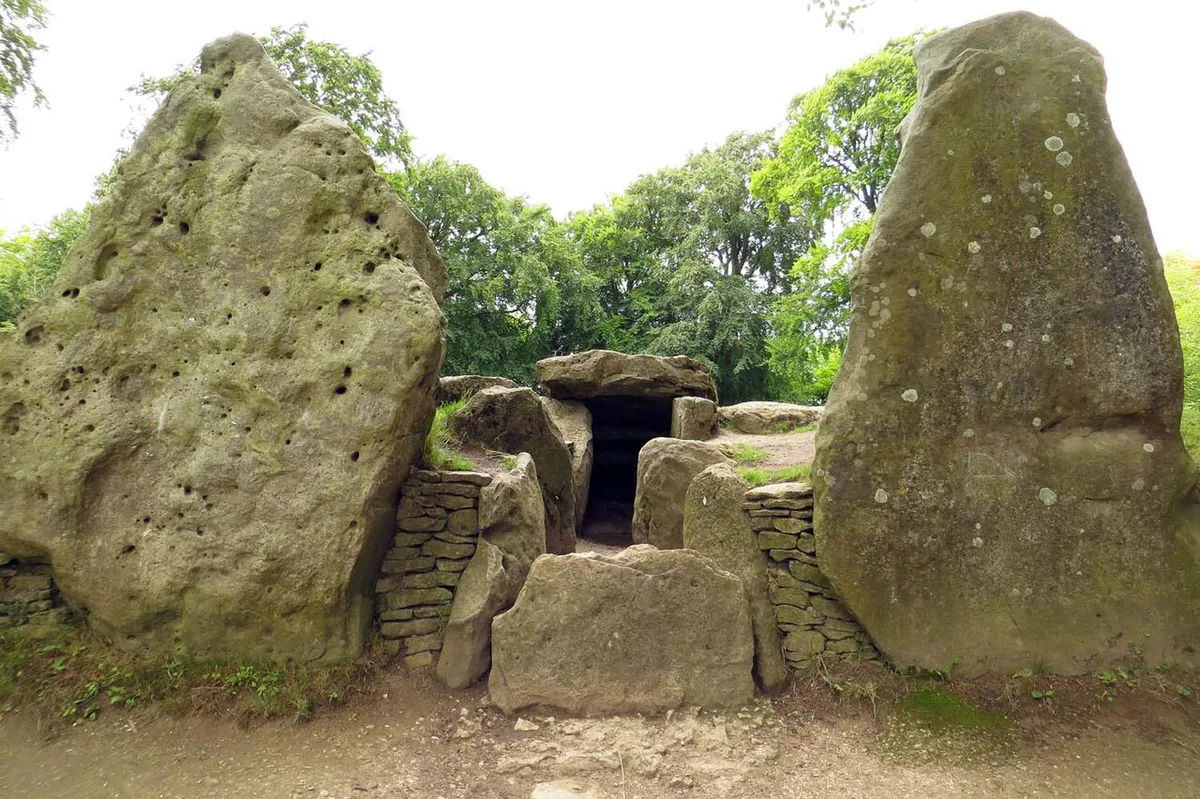
- Second phase: the older mound was buried under a much larger, wedge-shaped barrow edged with kerb stones. A stone-built chamber and a sarsen-framed entrance were added at the southern end. This is the monument visitors walk up to now.
The sarsen stones were brought from the surrounding downland rather than quarried far away. The enlarged mound would have been bright white chalk when new, visible from a long way along the ridge.
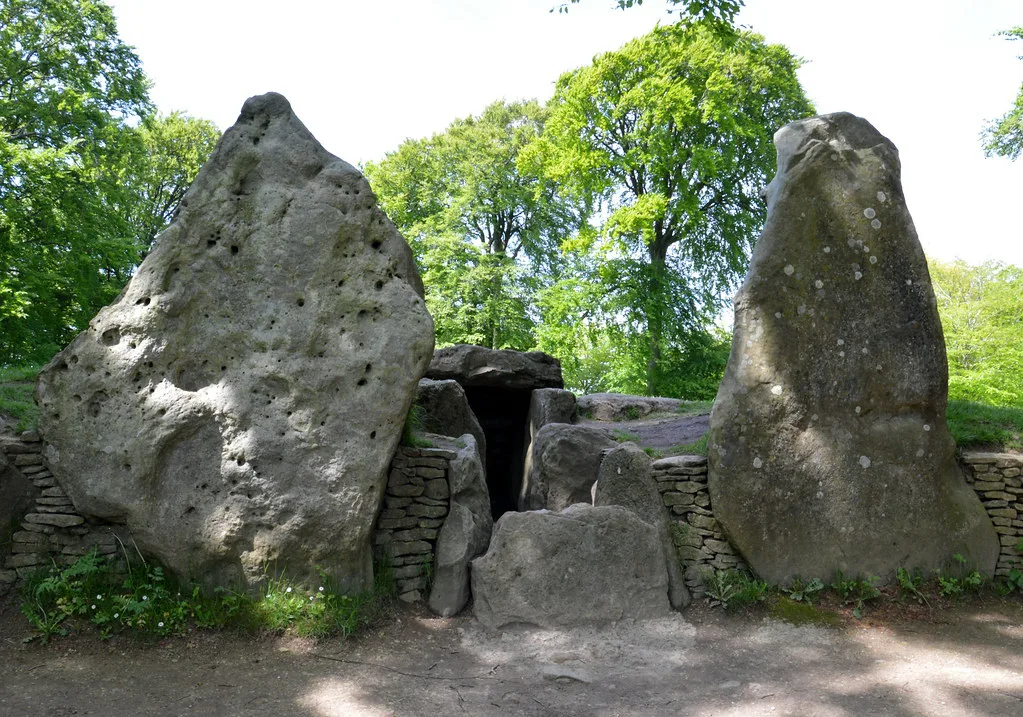
The first-phase chamber lies beneath the mound and cannot be seen. The visible chamber and entrance belong to the later rebuild, so there is little more to find inside than you can see from the doorway.
How to get there
Most visitors drive to the nearest Ridgeway access point and walk the final stretch of about one mile on a chalk and grass track. Others walk a longer section of the Ridgeway National Trail, which suits hikers more than casual visitors. No public transport route has been confirmed for this stop, so plan on a car or a walking itinerary. Check the English Heritage page and the local council for current parking details.
| Approach | Effort | Surface | Suits |
|---|---|---|---|
| Drive and walk in | Low to moderate | Chalk and grass track | Most visitors, families |
| Longer Ridgeway walk | Moderate to high | Chalk track, can be muddy in winter | Hikers with proper footwear |
| Public transport | Not confirmed | Not applicable | Check current services first |
What to see on site
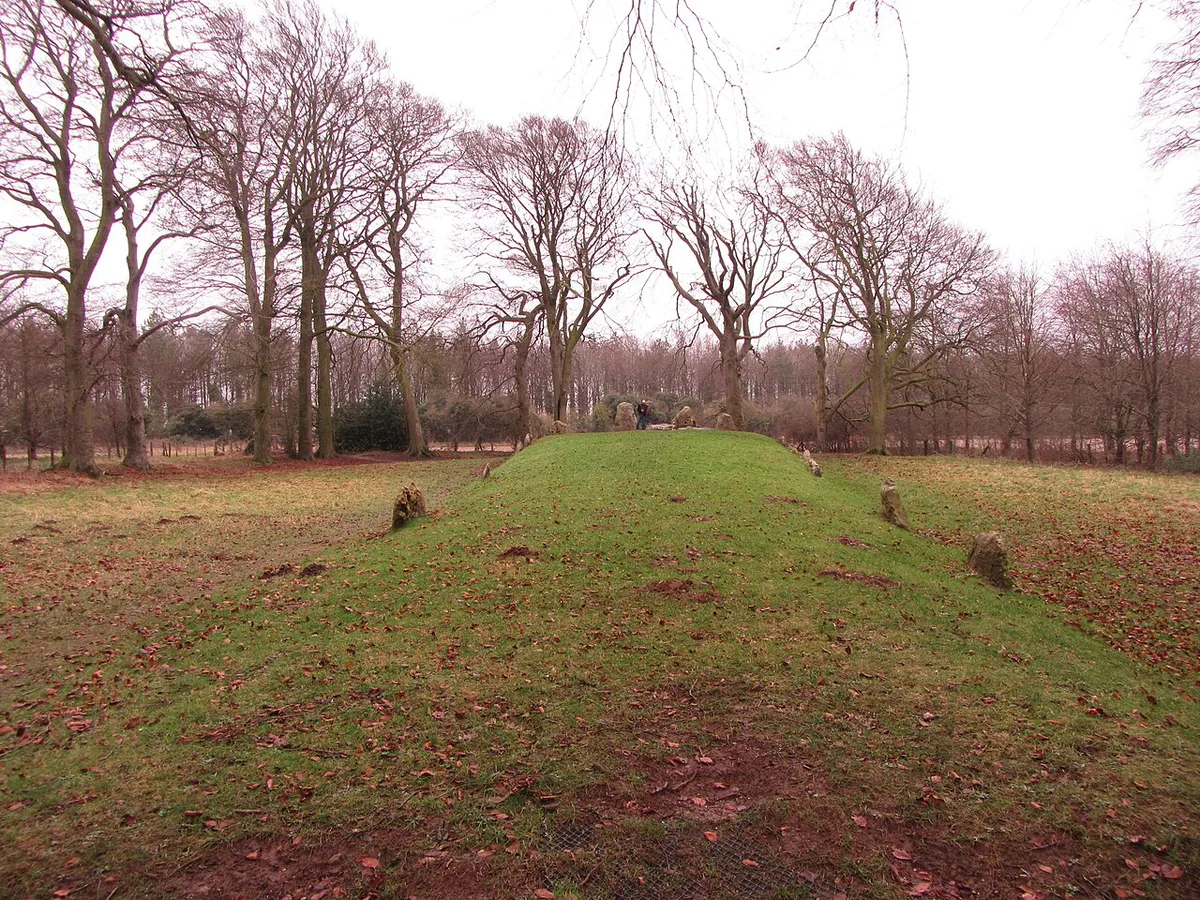
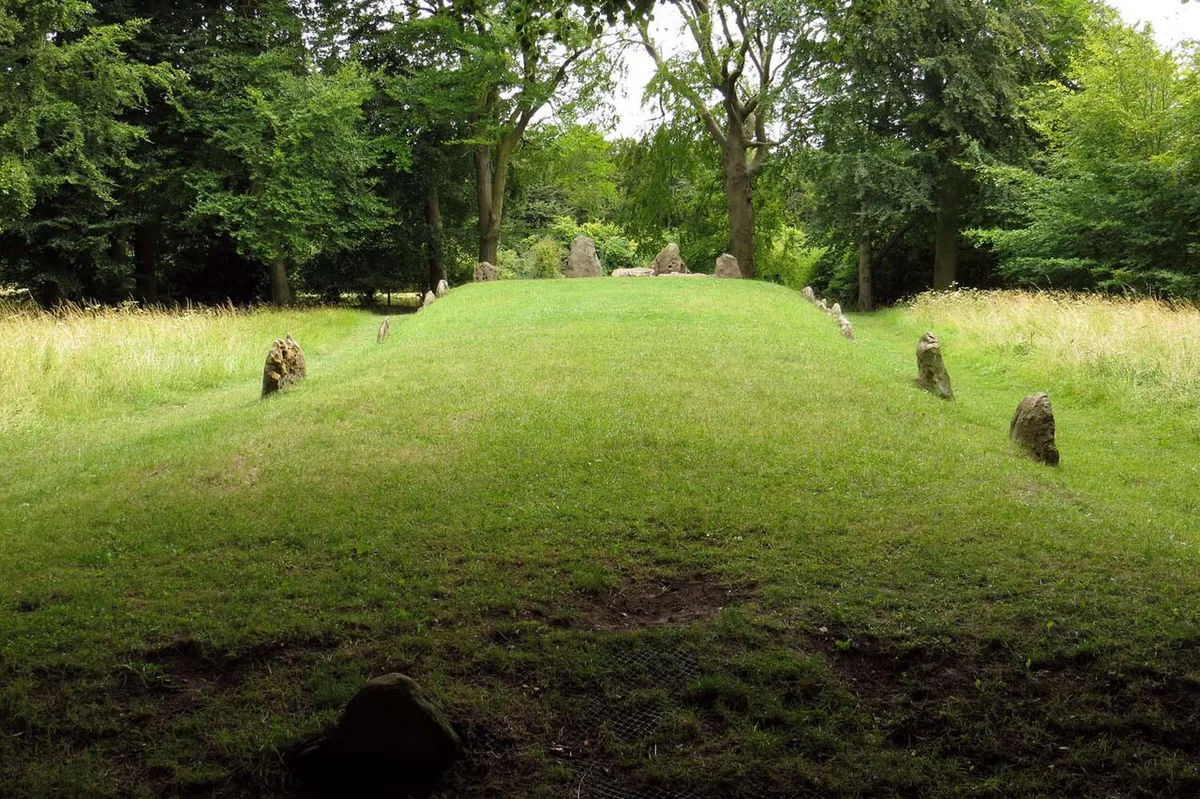
The barrow is a long grassy mound with a stone-fronted entrance at its southern end. Large sarsen stones frame the doorway, and you can look into the chamber from the entrance. Trees ring the mound and give it a sheltered feel against the open Ridgeway. Stay off the mound itself, and leave no offerings, so the stonework stays intact for the next visitor.
How long to allow and what to combine
A short stop is about the walk in, a look at the chamber and the walk back. Plan a longer half-day if you want to add the Uffington White Horse: Visiting Guide, History & Access, the nearest paired site on the Ridgeway. Confirm the route and distance between the two before you set off, and wear boots in wet weather.
Best time to visit and what to bring
The walk is the same all year, but the conditions are not. The Ridgeway here is an unsurfaced chalk track, so the season decides how pleasant it is.
| Season | What to expect | Tip |
|---|---|---|
| Spring and early summer | Dry, firm track and long daylight | Best for an unhurried visit |
| Autumn | Leaf cover around the mound, some mud | Wear boots, not trainers |
| Winter | Slippery chalk after rain, short days | Allow time to return before dusk |
- Light: early morning or late afternoon gives low sun on the sarsens and fewer people at the entrance.
- Footwear: chalk turns greasy when wet, so choose boots with a grip.
- Dogs and livestock: the track is used by walkers, cyclists and sometimes farm animals, so keep dogs under control.
- Phone signal: coverage on the ridge can be patchy, so download your route before you leave the car.
The chamber is small, and the sheltered trees make it a quiet place to stop, so pack water and a layer for the exposed walk back.
Is it worth it? Who should skip
This is a good-value stop because it costs little and rewards a quiet walk. It is a poor fit in some cases.
- Skip if you need a paved, step-free path to the monument.
- Skip if you want a visitor centre, café or toilets on site.
- Skip in heavy rain if you are not wearing waterproof footwear.
- Choose it if you want an uncrowded Neolithic monument with a real walk attached.
Nearby prehistoric sites and next steps
For a themed route, start with Prehistoric Sites in Wiltshire: Avebury, Stonehenge & More. Our guide to Stone Circles in England: Where to Go and How to Choose adds more sites to plan around. In Oxfordshire, the Rollright Stones: Visitor Guide, Access & Legends make a different kind of day. Further afield, Avebury and Silbury Hill: Access Rules and How to Visit anchor a longer ancient Wessex trip. Avebury is not next door, so treat it as a separate outing.
Related guides



Continue reading
Guides on the same trip


