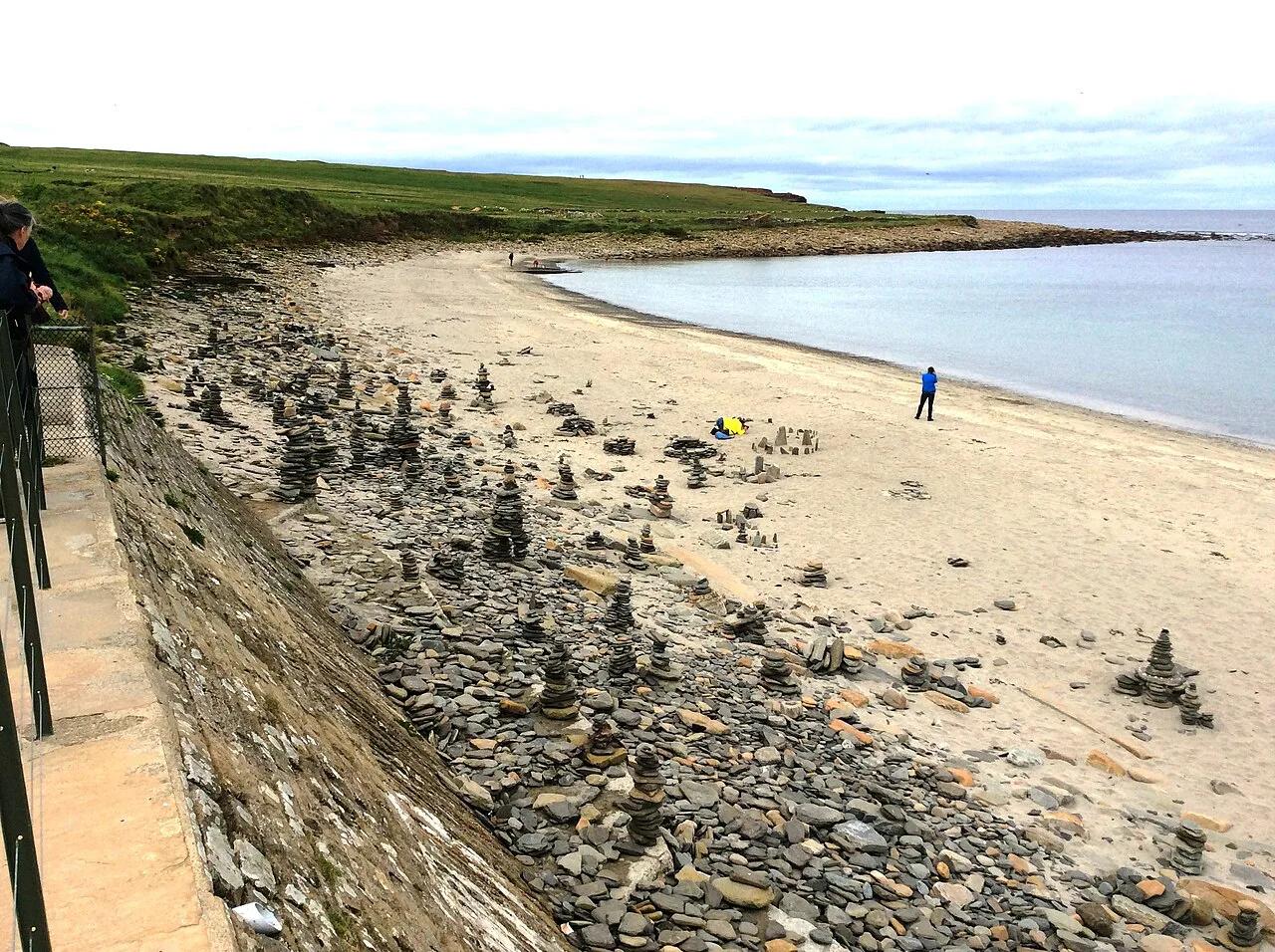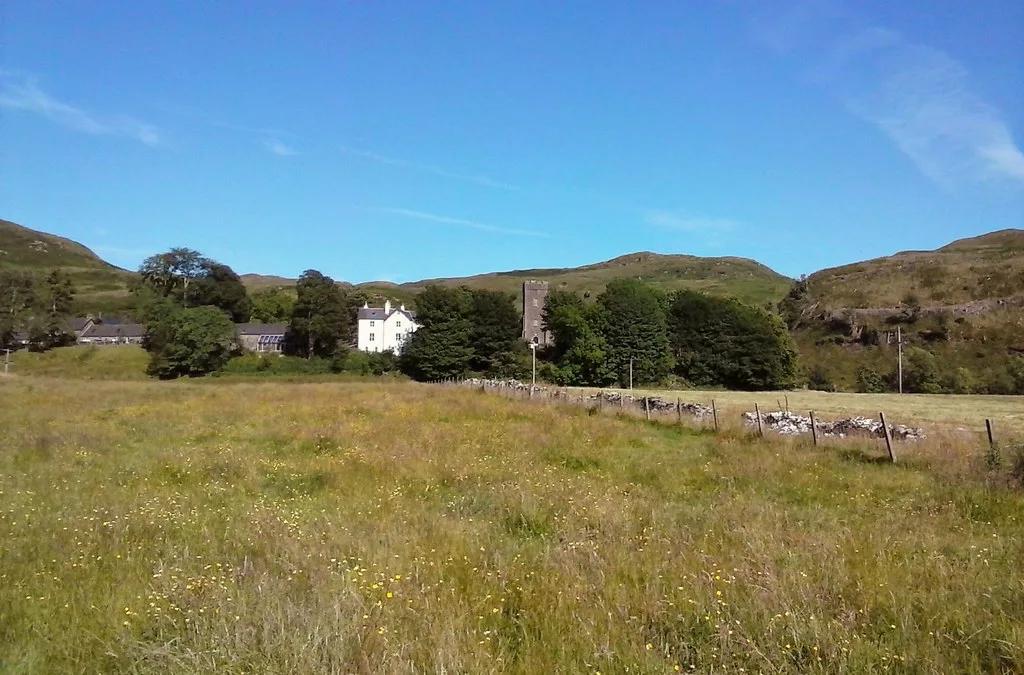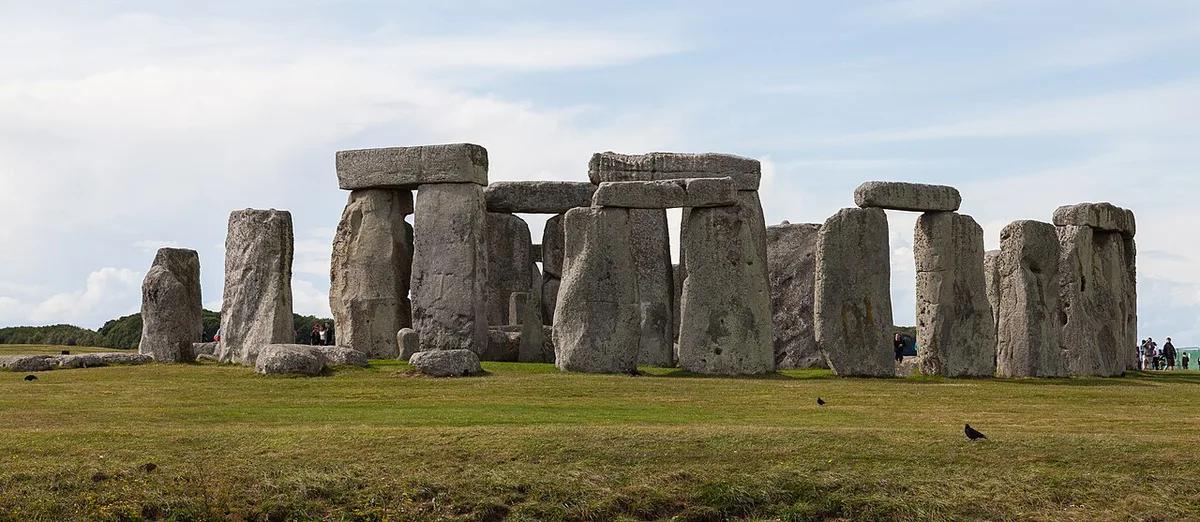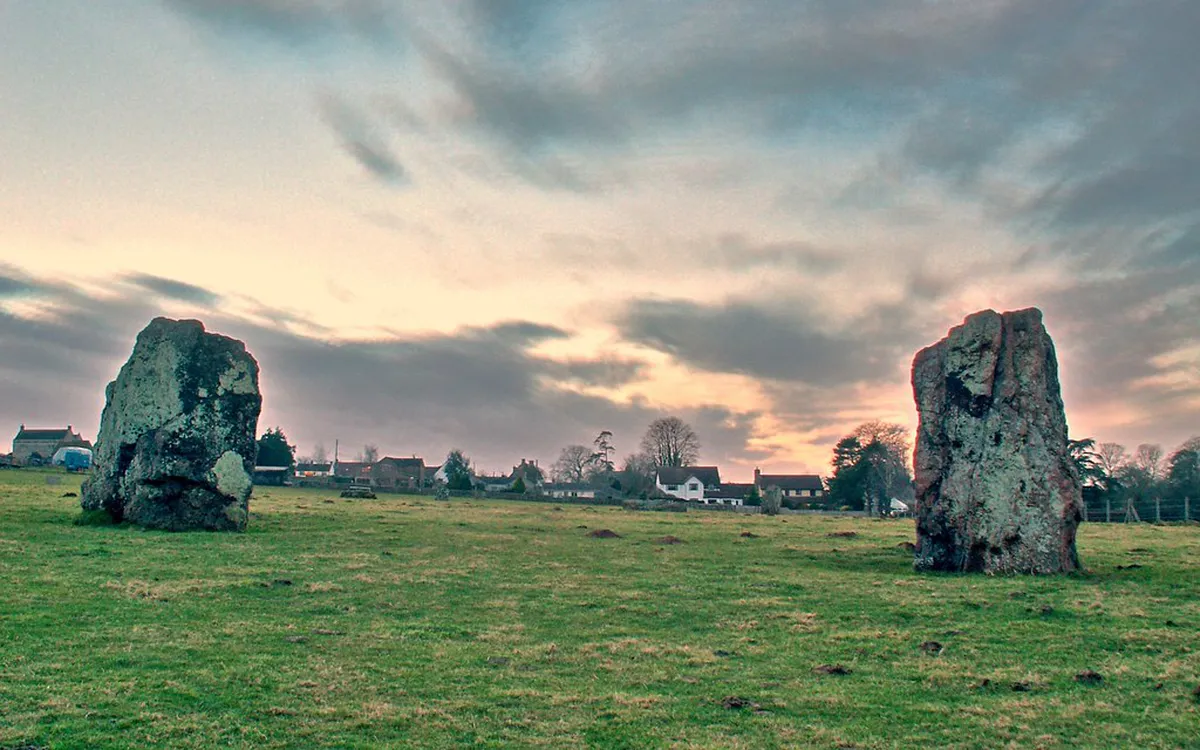
Last updated November 2026: the Stanton Drew stone circles in Somerset are three circles and a cove south of Bristol, and English Heritage counts them among the largest Neolithic circle groups in Britain. Expect low stones scattered across farmland, not tall monoliths. This guide covers what survives, how to plan access and how the site compares with Avebury.
Featured image: Hardo, CC BY-SA 2.0, via Flickr.
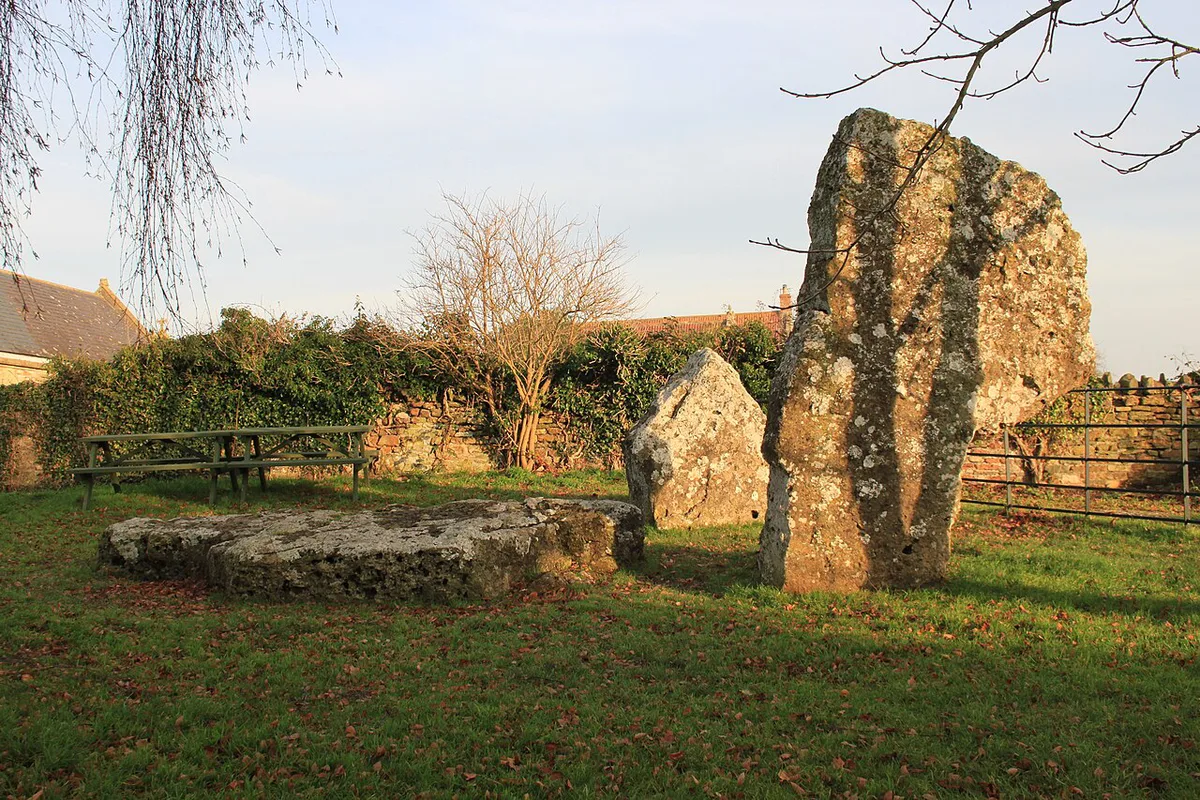
What Is Stanton Drew?
Stanton Drew is a complex of three stone circles and a cove in Somerset, just outside the village of the same name. The village lies north of the Mendip Hills, about 8 miles south of Bristol. The Great Circle is the largest, with a diameter of 113 m. Published dating places the monument between 3000 and 2000 BCE, from the late Neolithic into the early Bronze Age. It has been a scheduled monument since 1982. Among other stone circles in England, it stands out for its spread rather than the height of its stones.
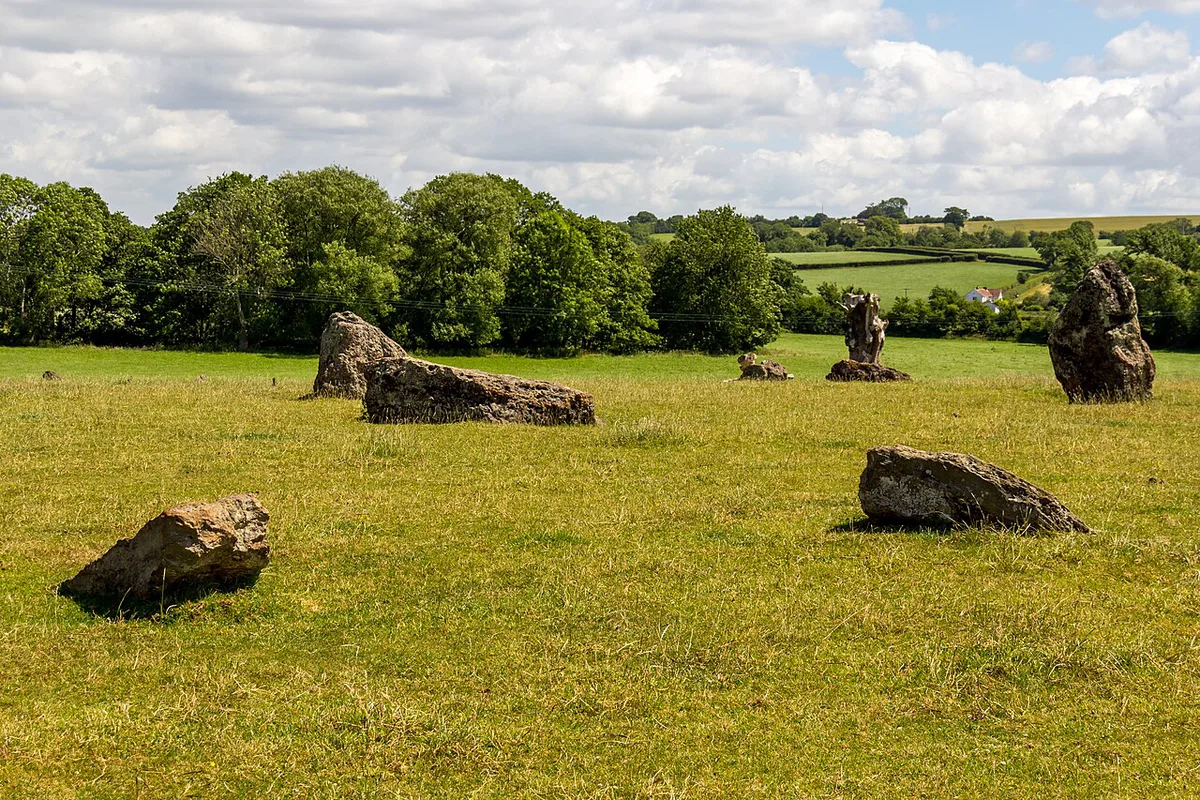
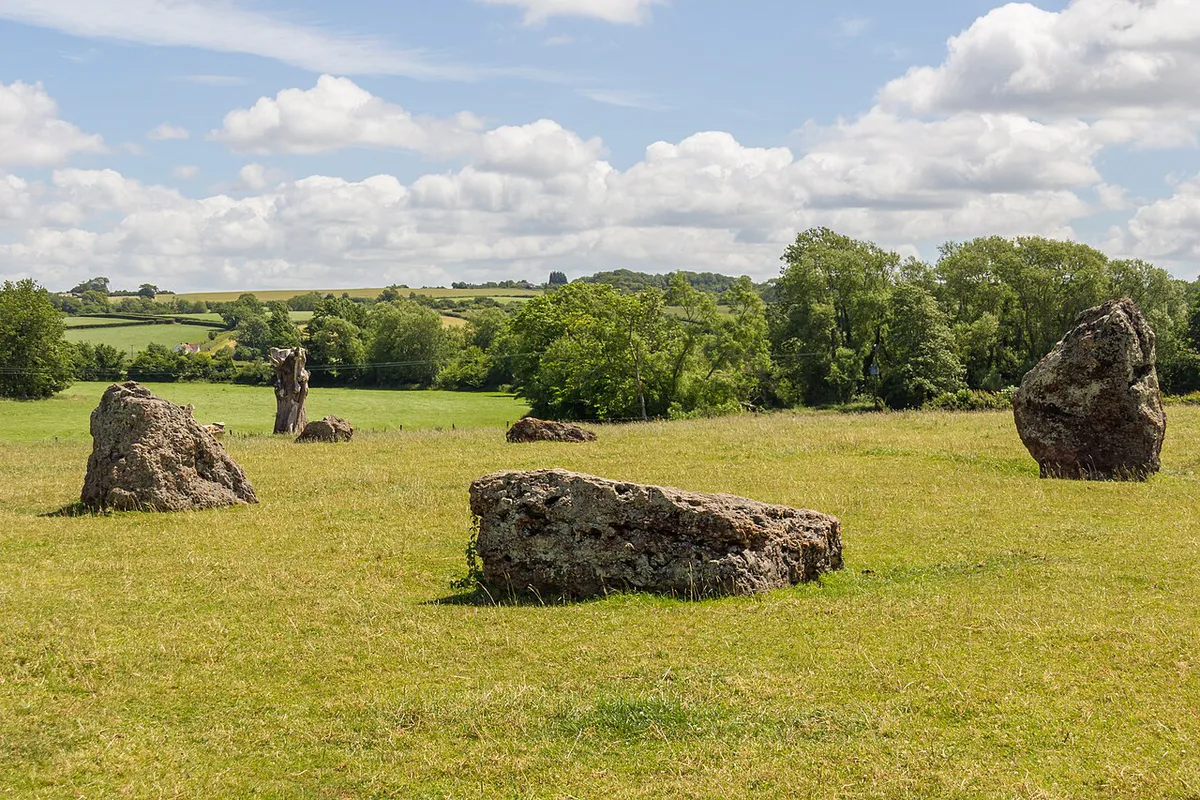
What You Will See: Great Circle, Smaller Circles and the Cove
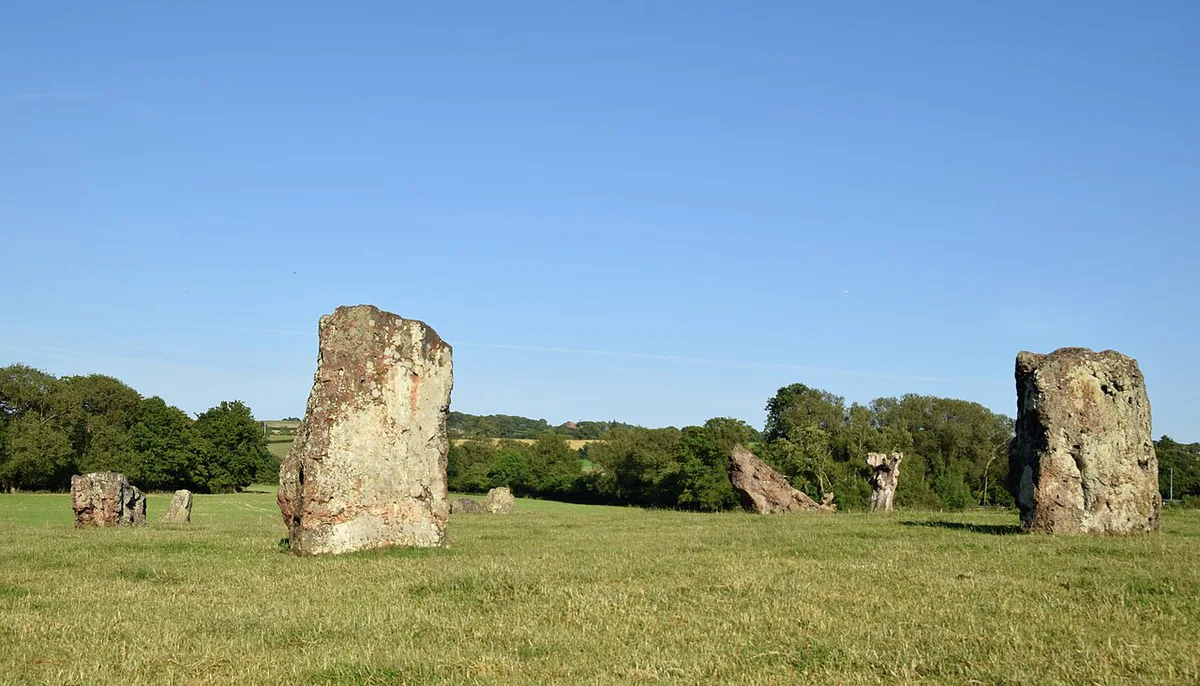
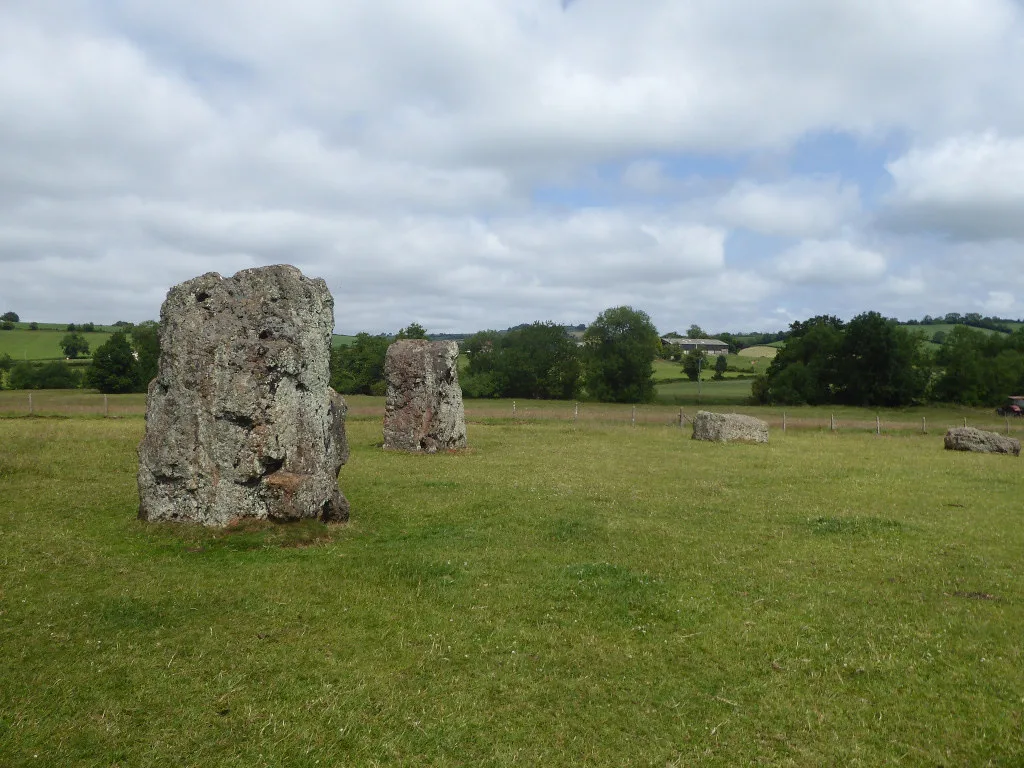
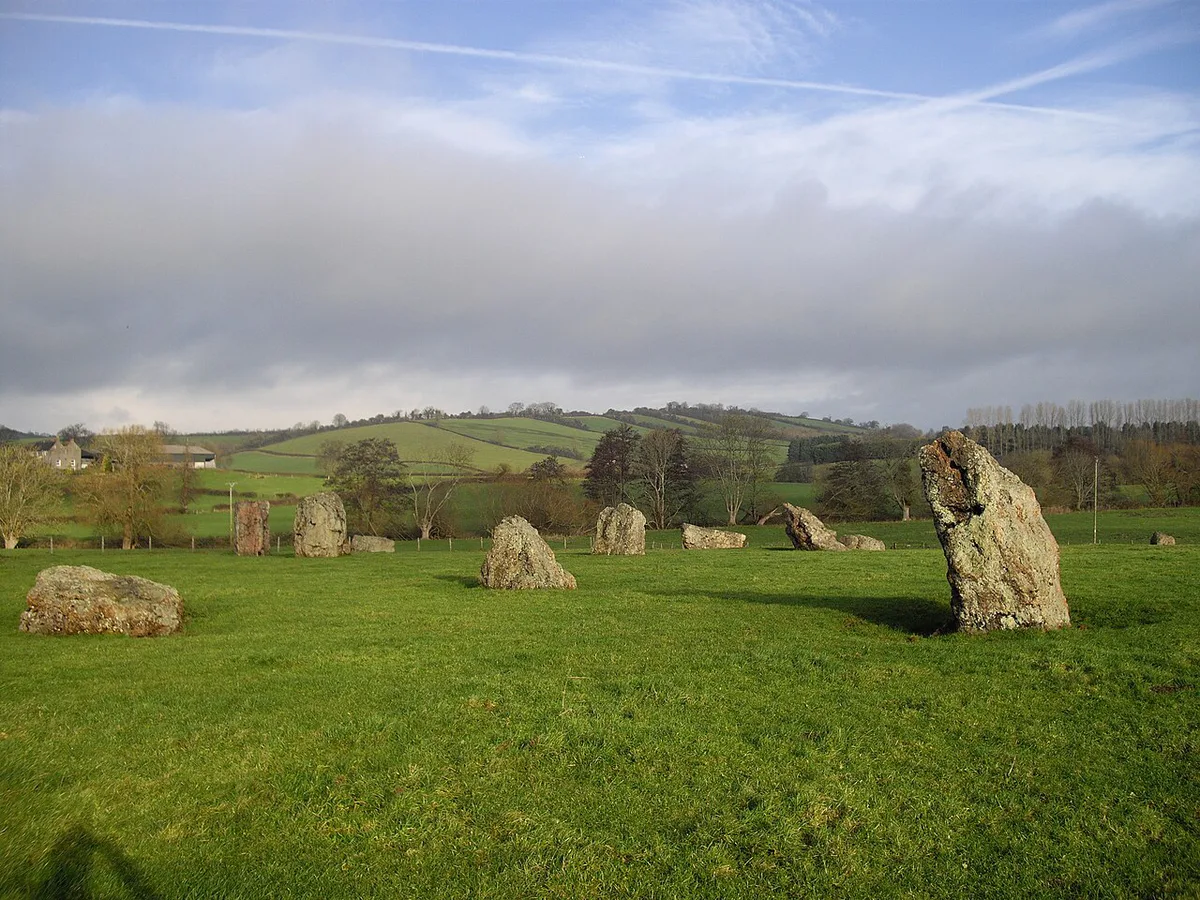
Stanton Drew is a group of monuments, not one ring. Plan on seeing the Great Circle, two smaller circles and the Cove, which sits beside the Druid's Arms pub. Avenues of stones are also recorded in the wider layout. Most stones are low and weathered. Several lie close to the ground, and the fields hide how large the whole arrangement is. Geophysical surveys in 1997 and 2020 are said to have found buried timber circles and a wider ritual landscape beneath the grass. Those features cannot be seen on the ground, so the visit rewards patience more than spectacle.
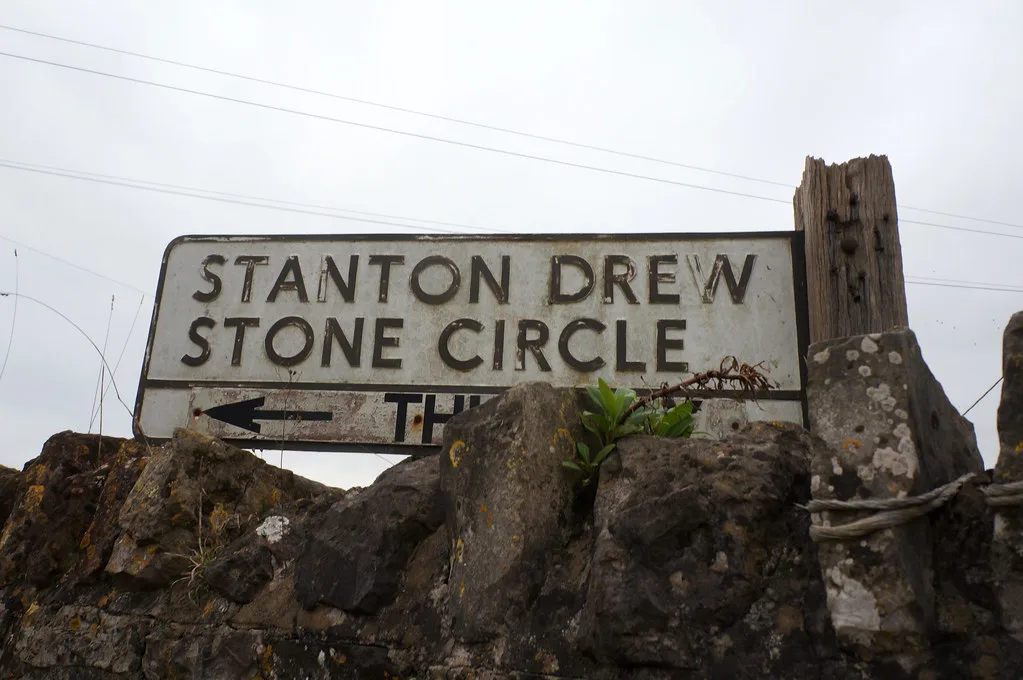
- Great Circle: the largest ring, and the main reason to come.
- Two smaller circles: lower-key, but they show how big the group is.
- The Cove: a cluster of larger stones beside the Druid's Arms pub.
- Buried features: known from survey, invisible from the footpath.
Folklore: The Wedding Party Legend
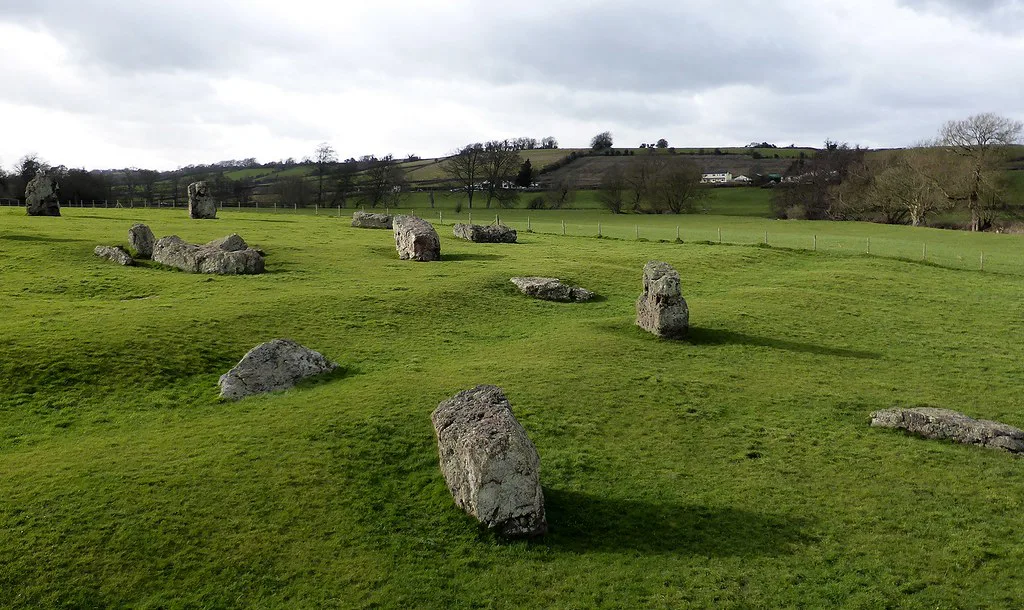
Local legend says the stones are a wedding party turned to stone by the Devil for dancing on the wrong day. This is folklore, not history. A second tradition holds that anyone who tries to count the stones will meet confusion, or worse. Treat both as stories to enjoy while you walk the fields.
How to Visit: Access, Cost, Parking and Hours
The circles sit on farmland, so access terms can change. No fee, opening hours or parking arrangement has been confirmed for this guide. Check the current terms on the English Heritage site before you travel.
Getting There from Bristol, Bath and Beyond
Driving from Bristol is the simplest option, since the village is about 8 miles south of the city. Bath is a similar day-trip distance by car. Bus services may reach the area, but the walk from the stop and the frequency need checking with the local authority. There is no practical rail route to the village that we can recommend. Without a car, this site is harder than most to reach.
Don't let the numbers fool you: the site sits about 8 miles south of the city, but it's a longer drive than that suggests.
How Long to Allow and What to Combine It With
In our editorial estimate, allow about one to two hours. That covers the Great Circle, the smaller circles and the Cove, plus time to read the layout of the fields. Add time if you stop at the pub. For a longer prehistoric trip, prehistoric sites in Wiltshire make a natural next leg. Be honest about the distance: it is a longer drive, not a short hop. If you continue, Avebury From London: Train, Car or Tour shows how a multi-site day can be built.
Stanton Drew vs Avebury and Other English Circles
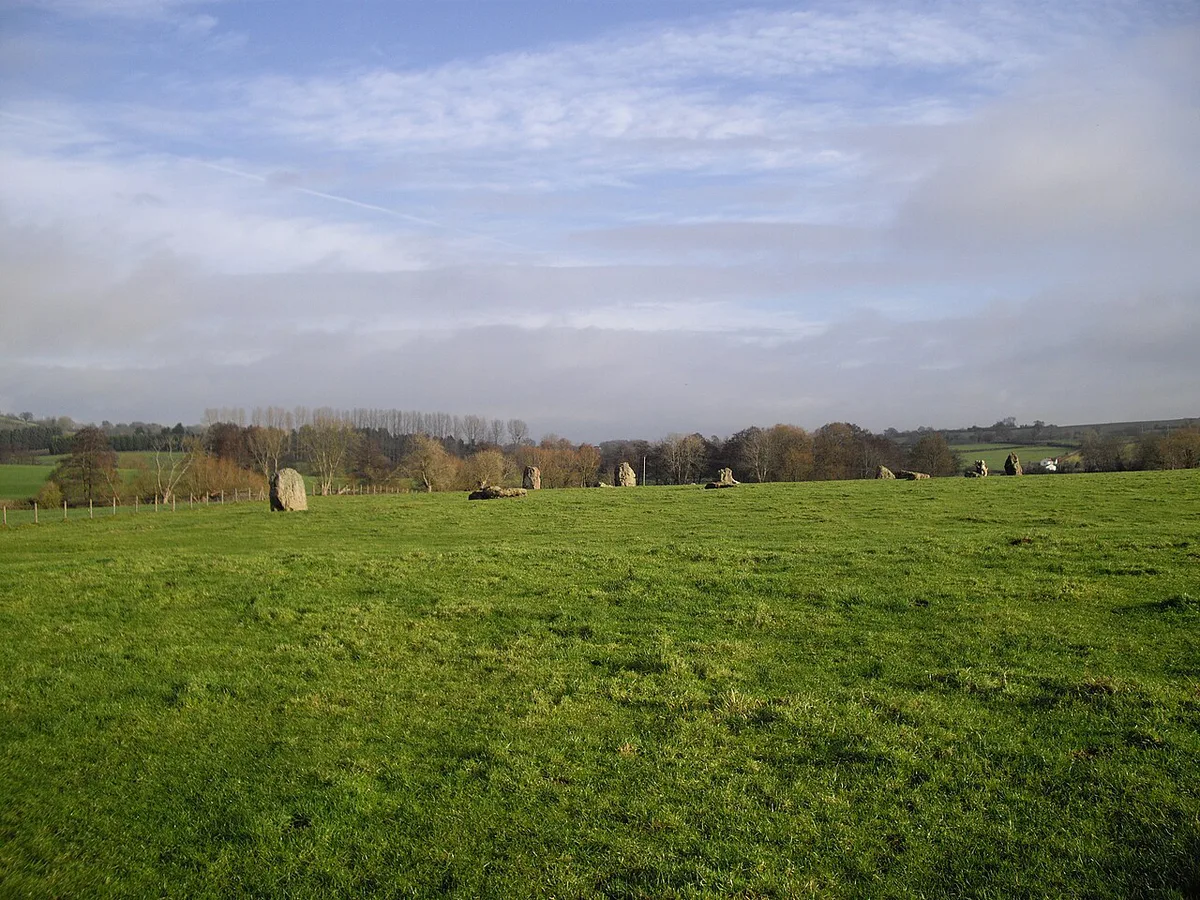
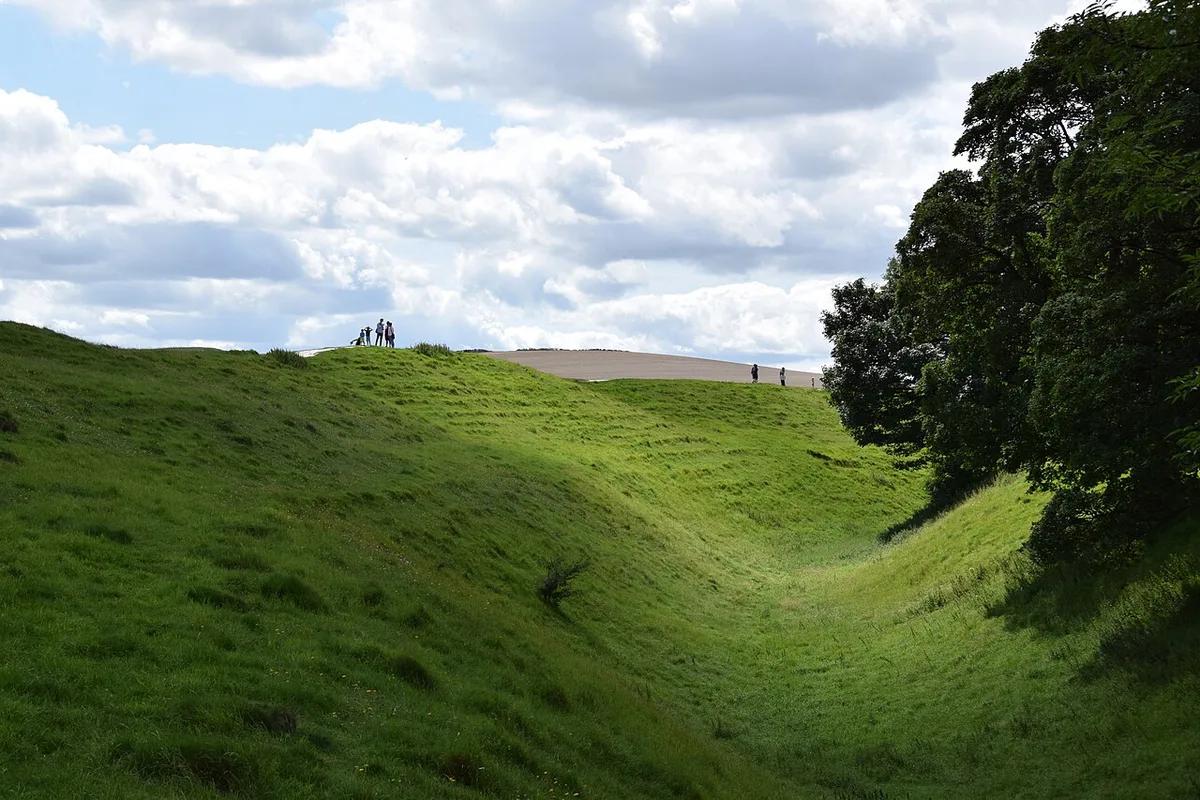
Avebury is the usual comparison, and Stanton Drew is quieter and lower-key. Rollright Stones is run as a small site with its own official visitor information. In the north, Long Meg and Her Daughters: Visitor Guide to Cumbria's Stone Circle offers larger stones in a similar field setting. The table keeps to what can be said safely.
| Site | Setting | Stone visibility | Best for |
|---|---|---|---|
| Stanton Drew | Farmland, Somerset | Low stones spread across fields | Visitors who value scale and survey history |
| Avebury | Village and henge, Wiltshire | Larger stones, easy to read on foot | First-time stone circle visitors |
| Rollright Stones | Small managed site, Oxfordshire | Compact ring, easy to take in | Short, simple stops |
| Long Meg and Her Daughters | Open ground, Cumbria | Large stones, strong sense of scale | Photographers and long-drive trips |
Tips, Etiquette and Seasonal Conditions
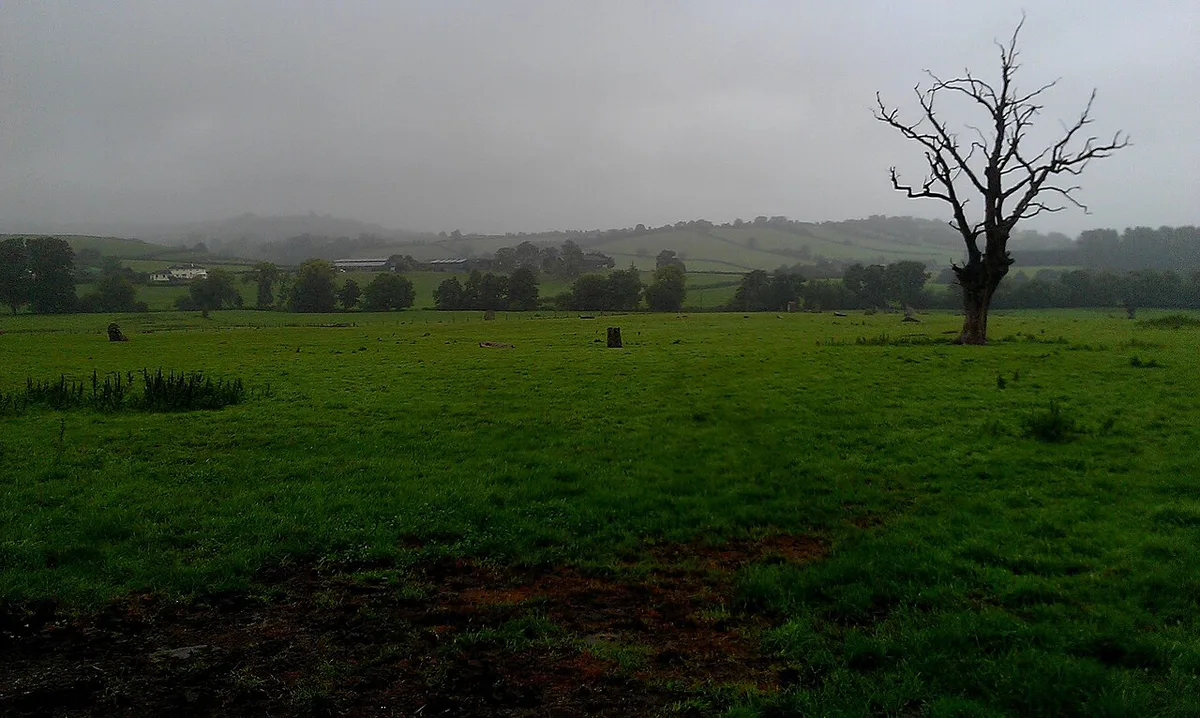
Wear waterproof footwear, because the fields turn muddy after rain. In summer, tall grass or crops can hide the lower stones. Low winter light gives the best shadows on the stones, but the days are short. Keep to the access route and close gates behind you. Drone rules have not been confirmed, so do not fly one without checking.
At 113 m across, the Great Circle can still vanish in summer when tall grass or crops hide the lower stones.
- Worth it if you like layered history, quiet sites and survey stories.
- Skip it if you want tall stones like Avebury or Stonehenge.
- Skip it if you have limited mobility and the ground is wet.
- Mistake to avoid: arriving without checking access arrangements.
- Mistake to avoid: wearing trainers on soaked grass.
Related guides
Continue reading
Guides on the same trip