
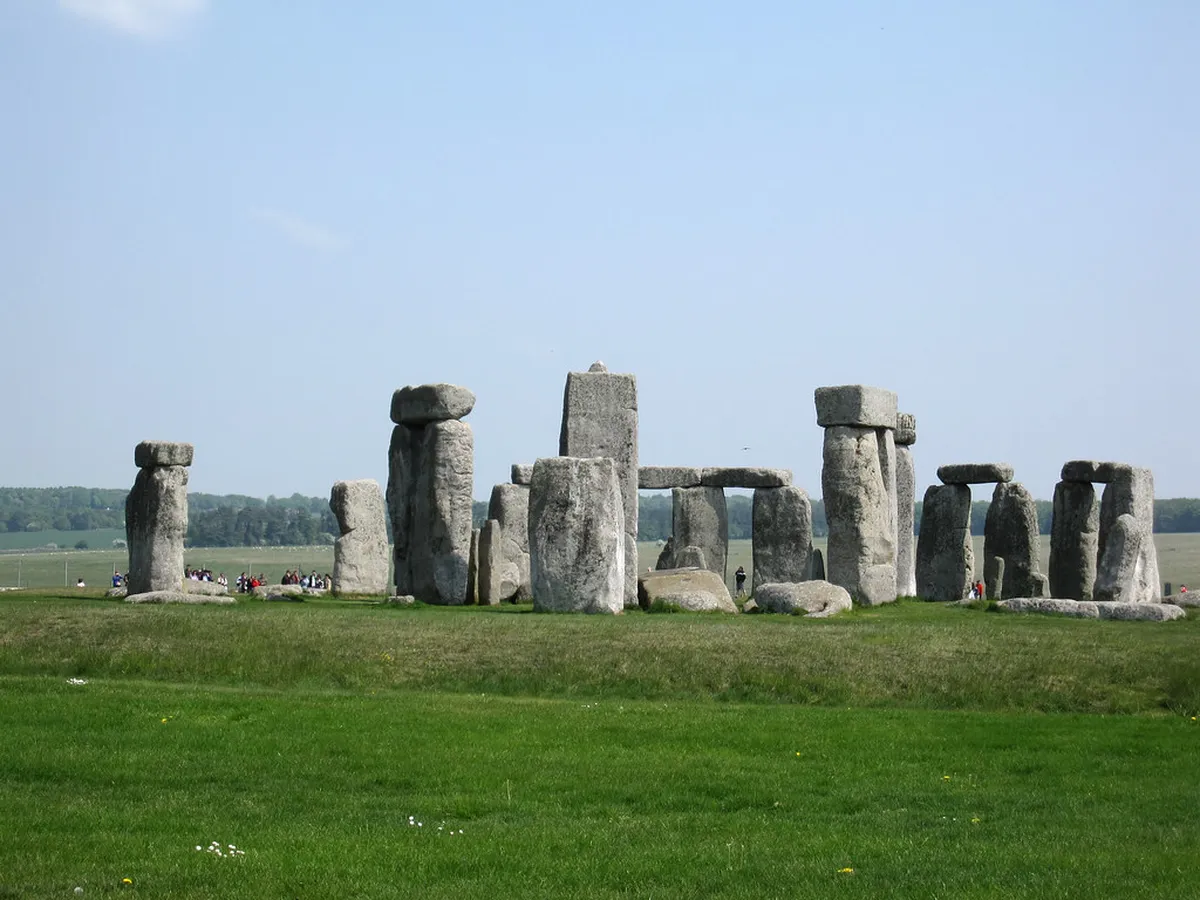
Prehistoric Sites in Wiltshire: Avebury, Stonehenge & More
Last updated November 2026: the best prehistoric sites in Wiltshire start with Avebury, its henge, Silbury Hill and West Kennet Long Barrow. Add the Stonehenge landscape next, then Old Sarum and other hillforts as optional extras. Main trade-off: the Avebury fields are open to walk, while Stonehenge itself is a ticketed visit.
Featured image: nyaa_birdies_perch, CC BY 2.0, via Flickr.
Quick Picks by Visitor Type
Your time, legs and transport decide the order. Use this table to pick a starting point, then read the sections below for the detail.
| Visitor | Start with | Why |
|---|---|---|
| First-timer | Avebury henge | Walk among the stones, then add Silbury Hill |
| Short on time | Avebury plus Silbury Hill | Both sit close together and need little planning |
| Walker | West Kennet Long Barrow and the Sanctuary | Open hillside and Ridgeway views |
| Family with young children | Avebury henge and Stonehenge visitor area | Flat, simple routes |
| Car-free | Avebury via London day trip | Fewest transfers |
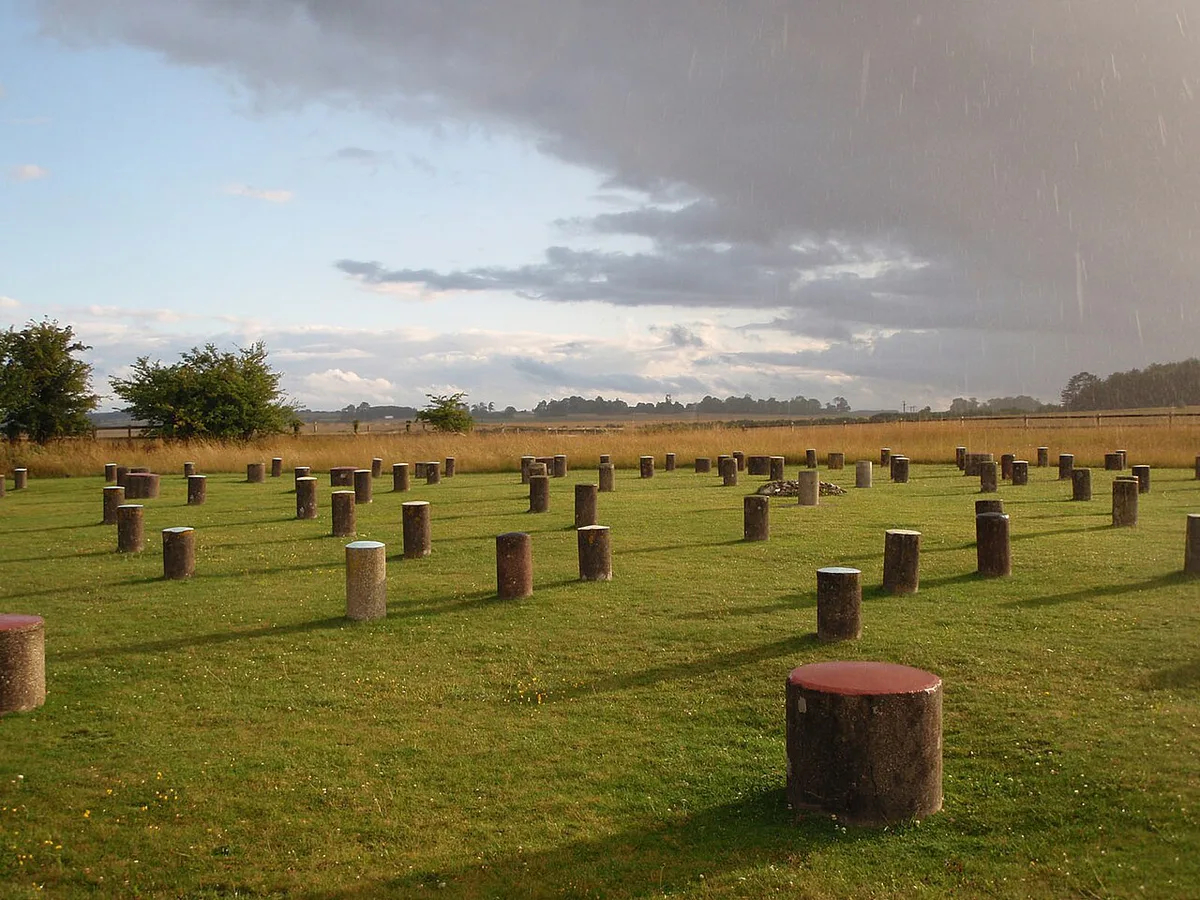
| History nerd | Woodhenge and Durrington Walls | Lesser-visited Stonehenge neighbours |
Avebury Landscape: Henge, Silbury Hill and West Kennet
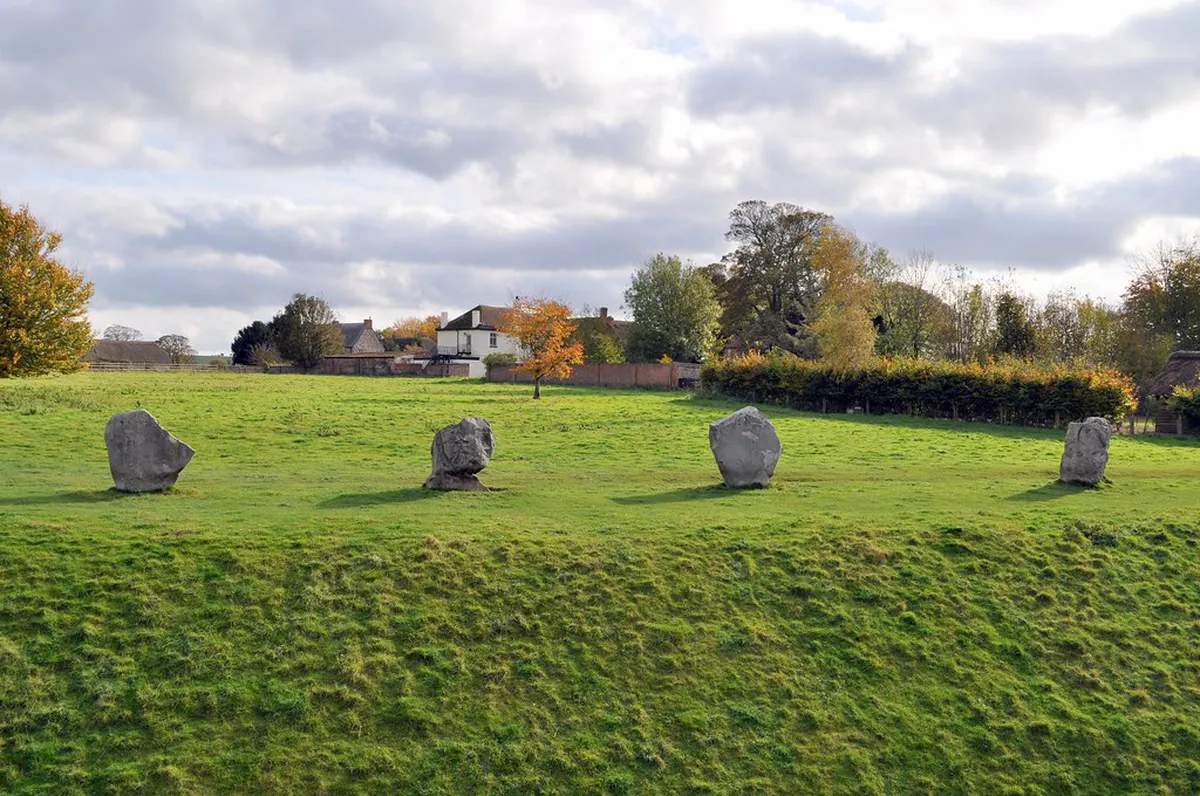
Begin at Avebury henge and stone circle. Its outer circle is roughly a quarter mile across and encloses about 30 acres. Parts of the village, including the pub, sit inside the circle, and roads divide the henge into four sections. You can wander among the stones, and the National Trust Avebury pages list parking and walking routes. Next, visit Silbury Hill: Access Rules and How to Visit, often described as Europe's tallest prehistoric human-made mound. Check current rules on climbing and use the official viewing point. From there, West Kennet Long Barrow: Visiting Guide, Access & History is within walking range, so link the two on foot. At Overton Hill, the Sanctuary dates to about 2500 BCE, and concrete markers show its post-hole layout. Do not expect atmosphere there, but it is where the 85-mile Ridgeway begins. Non-prehistoric add-on: Avebury Manor Visit Guide: Access, Timing & Tips suits a wet afternoon.
- Order: Avebury henge, Silbury Hill, West Kennet Long Barrow, then the Sanctuary if you have energy.
- Free: the stones and fields are open to walk; check each site for parking charges.
- Skip first: Windmill Hill, unless you want a Neolithic enclosure with few visible remains.
Stonehenge and the Wider World Heritage Landscape
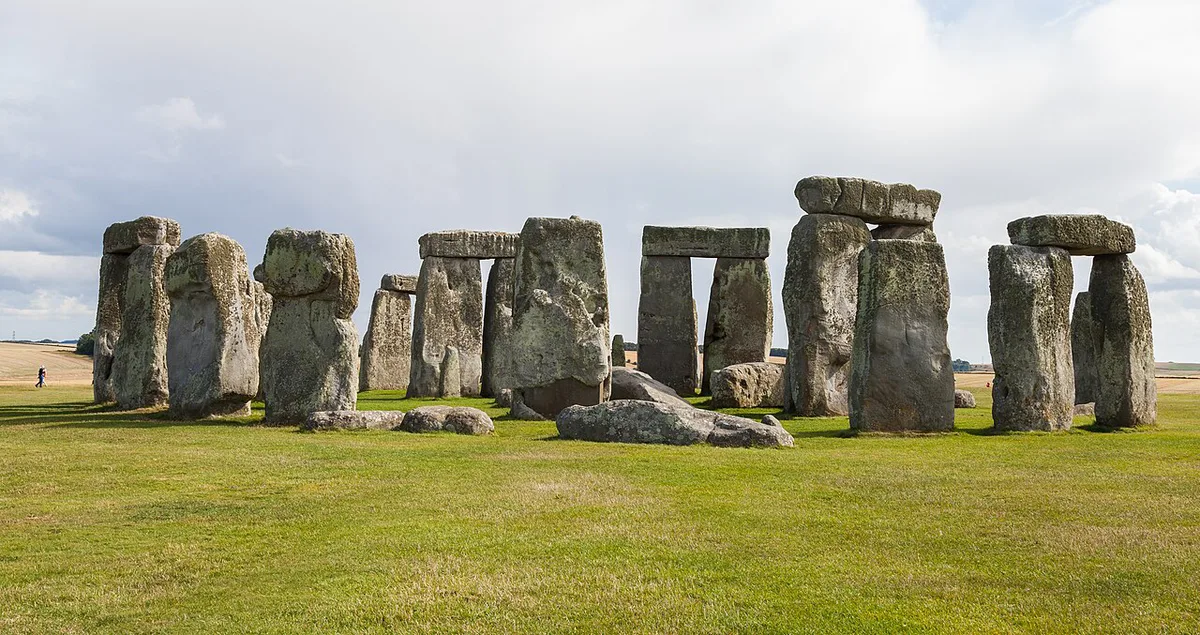
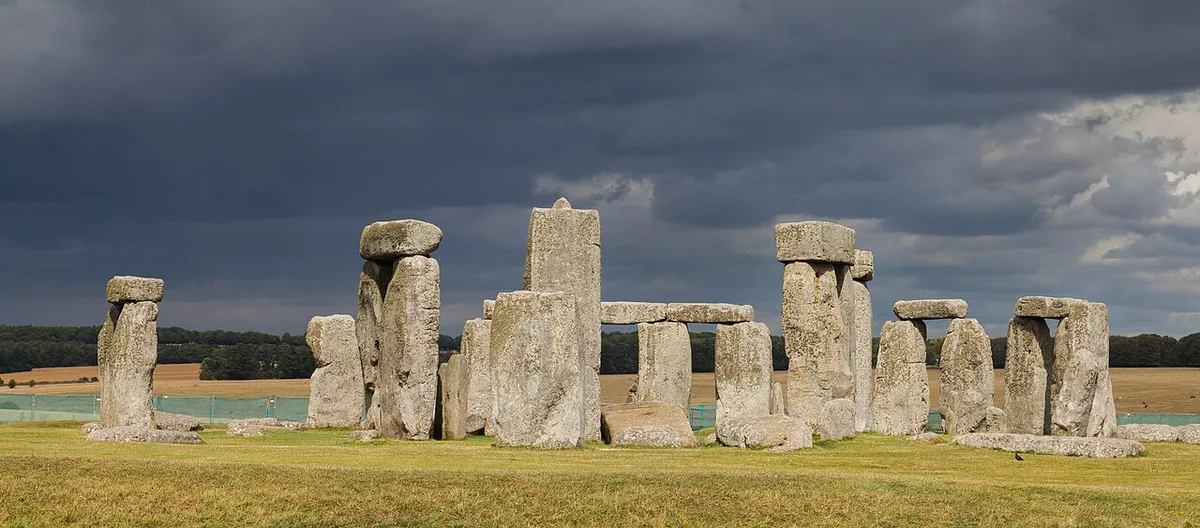
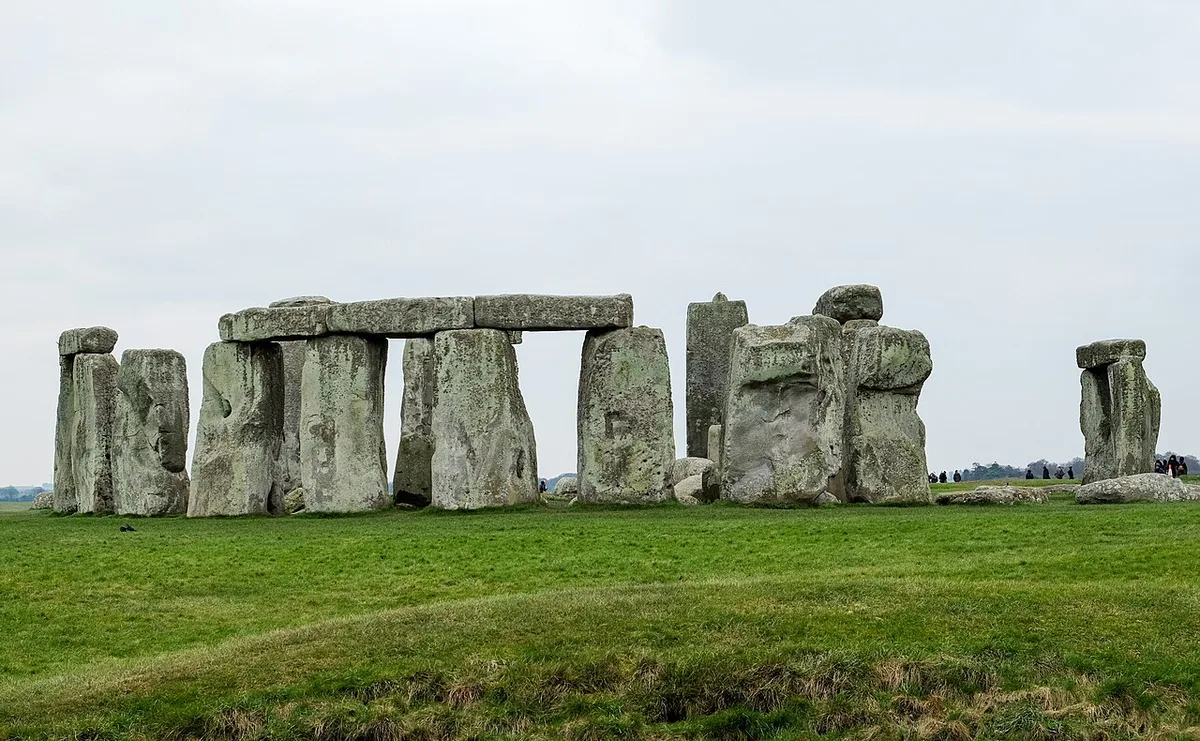
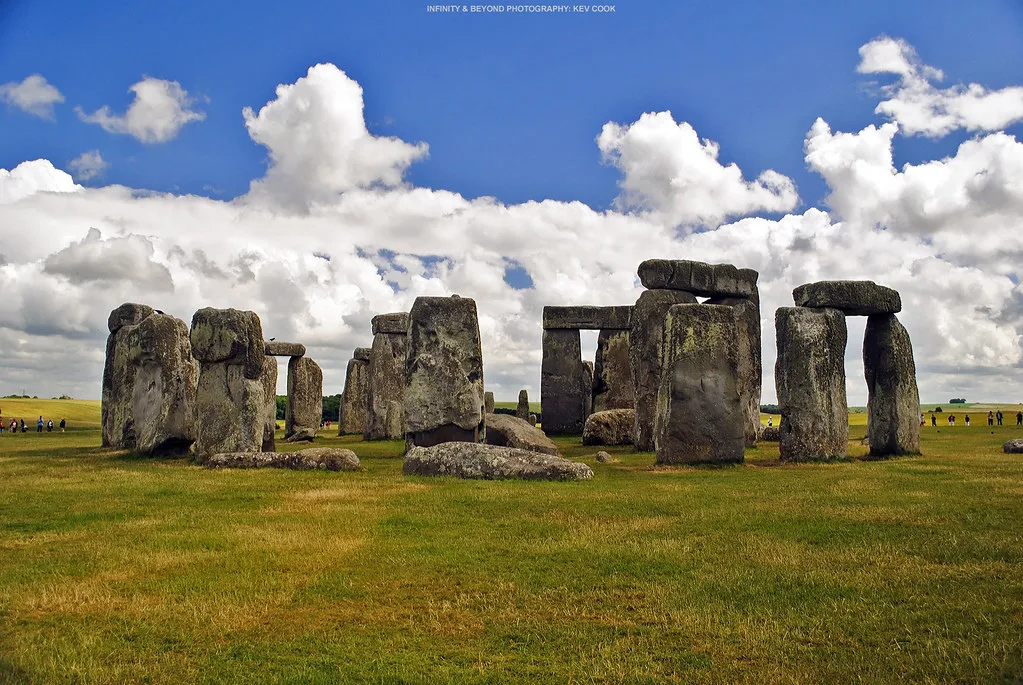
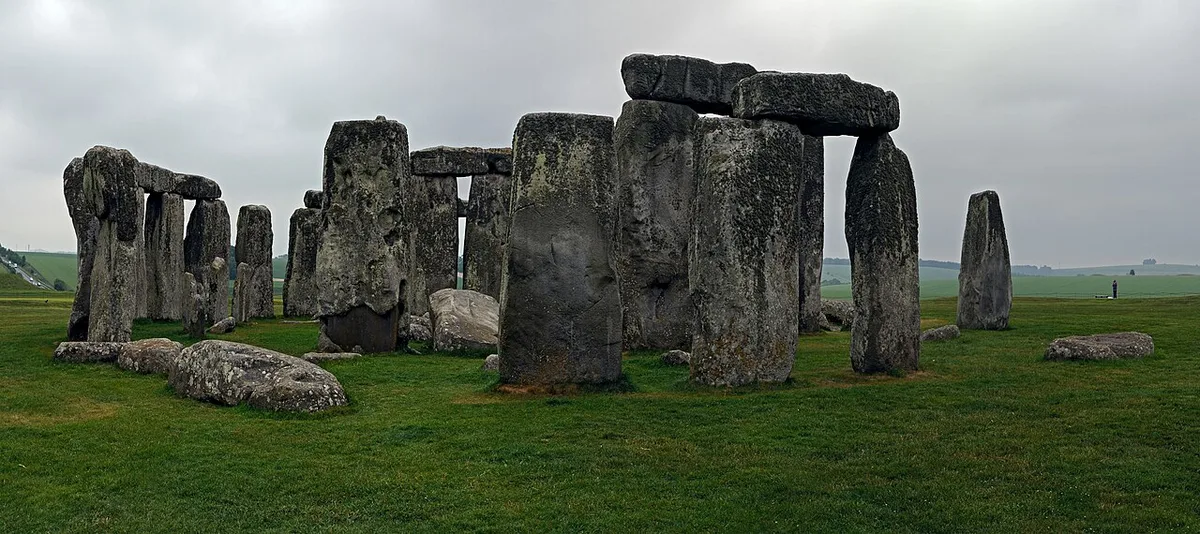
Stonehenge is part of the Stonehenge, Avebury and Associated Sites World Heritage Site. It is ticketed, so book through English Heritage's official Stonehenge page before you travel. Nearby, Woodhenge and Durrington Walls show how the ceremonial landscape extended beyond the main circle. The Normanton Down barrows add Bronze Age burial mounds along the walking routes. Check access rules at each of these on the official pages. For national context, see our guide to stone circles across England.
Hillforts and Chalk Figures
Treat hillforts as optional extras with earthworks and wide views. Old Sarum Visitor Guide: Is It Worth It and How to Get There is the easiest, an Iron Age hillfort just outside Salisbury. Oldbury Castle covers 22 acres on Cherhill Down, on National Trust land, directly above the Cherhill White Horse. Figsbury Ring combines a Neolithic henge inside an Iron Age hillfort and is a Site of Special Scientific Interest. Cley Hill adds a summit climb and a Bronze Age bowl barrow. Chalk figures are viewing-only. The Alton Priors White Horse was carved in 1812, so it is not prehistoric. Beyond Wiltshire, the Uffington White Horse: Visiting Guide, History & Access is the prehistoric exception.
Oldbury Castle covers 22 acres, a smaller footprint than the about 30 acres inside Avebury's henge.
- Old Sarum: easy walking, strongest history payoff.
- Oldbury Castle: moderate climb, good views and the horse below.
- Figsbury Ring: short walk, best for spring flowers and the henge shape.
- Cley Hill: steeper climb, mostly views.
Costs, Parking and Opening Times
Prices change each year, so check the National Trust and English Heritage sites for 2026 fees. Use the table as a planning guide only.
| Site | Type | Access | Effort |
|---|---|---|---|
| Avebury henge | Henge | Open fields; check parking | Easy |
| Silbury Hill | Mound | Viewing point; check access | Easy |
| West Kennet Long Barrow | Long barrow | Open hillside | Moderate walk |
| Stonehenge | Stone circle | Ticketed; book ahead | Easy |
| Old Sarum | Hillfort | Check English Heritage | Easy to moderate |
| Oldbury Castle | Hillfort | National Trust land | Moderate climb |
Sample Itineraries and Getting Around
Wiltshire is about 2 hours from London and has no airports, so most visitors drive or take trains. See our Avebury day trip from London for a car-free option. Rural bus links between Avebury and Stonehenge are thin, so check Wiltshire timetables on Visit Wiltshire before relying on them.
Wiltshire is about 2 hours from London, and Stonehenge needs a booked ticket, so fix that slot before setting off.
- Half-day: Avebury henge, Silbury Hill and West Kennet Long Barrow.
- Full day: Avebury in the morning, then Stonehenge with a booked slot in the afternoon.
- Two days: add Old Sarum and Woodhenge, then Oldbury Castle and the Cherhill White Horse.
Mistakes to Avoid and Who Should Skip What
Mistake to avoid: visiting Avebury on a quick stop-off and missing Silbury Hill and West Kennet, which are within walking range of each other. Families with young children can skip the hillforts and long barrow climb. Mobility-limited visitors should check surfaces and parking at each site, since fields and hillsides can be muddy in winter. On wet days, choose the Avebury Manor rooms or Stonehenge's visitor area. Early or late light is best for photographs, and English Heritage manages access on the summer solstice, so check its notices for current dates.
Understanding Wiltshire’s Prehistoric Periods
Wiltshire’s sites make more sense when grouped by age. The Avebury landscape is mainly Neolithic: the Sanctuary dates to about 2500 BCE, while Avebury, Silbury Hill and West Kennet Long Barrow belong to the same broad ceremonial landscape. Expect stones, a mound, a chambered tomb and open chalk downland rather than reconstructed buildings.
The Normanton Down barrows represent Bronze Age burial traditions. They are low earthworks, so their appeal is strongest when combined with a walk through the Stonehenge landscape. Iron Age hillforts are later again. Oldbury Castle covers 22 acres, while Old Sarum, Figsbury Ring and Cley Hill reward visitors with defensive banks, ditches and long views. The Alton Priors White Horse dates from 1812, so it is a historic landmark rather than a prehistoric monument.
Related guides



Continue reading
Guides on the same trip


