
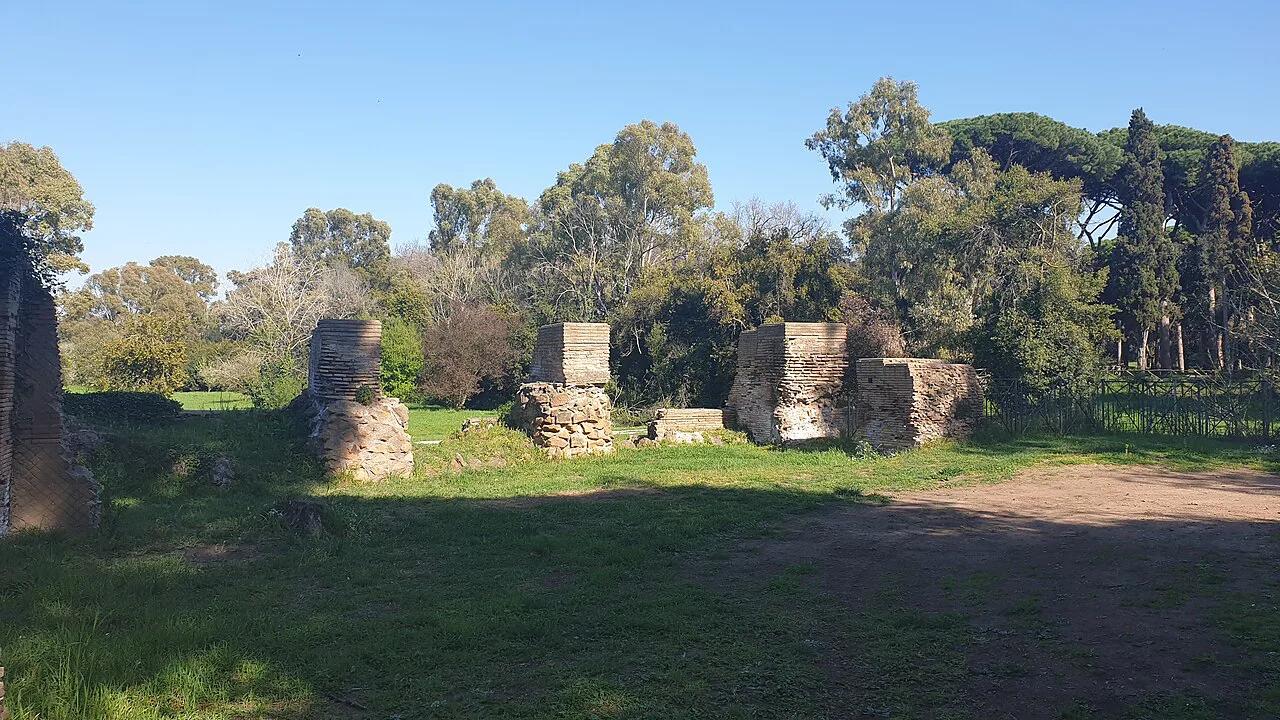
Portus Rome: Ancient Harbour, Isola Sacra and How to Visit
Last updated November 2026: Portus Rome is the imperial harbour of ancient Rome, on the Tiber delta near Fiumicino. It is a separate archaeological area from Ostia's excavated city, close to it and not far from Fiumicino airport. The Isola Sacra necropolis completes the trio, and the Parco Archeologico di Ostia Antica manages these sites.
Featured image: MumblerJamie, CC BY-SA 2.0, via Wikimedia Commons.
Portus Rome: What It Was and Where It Is
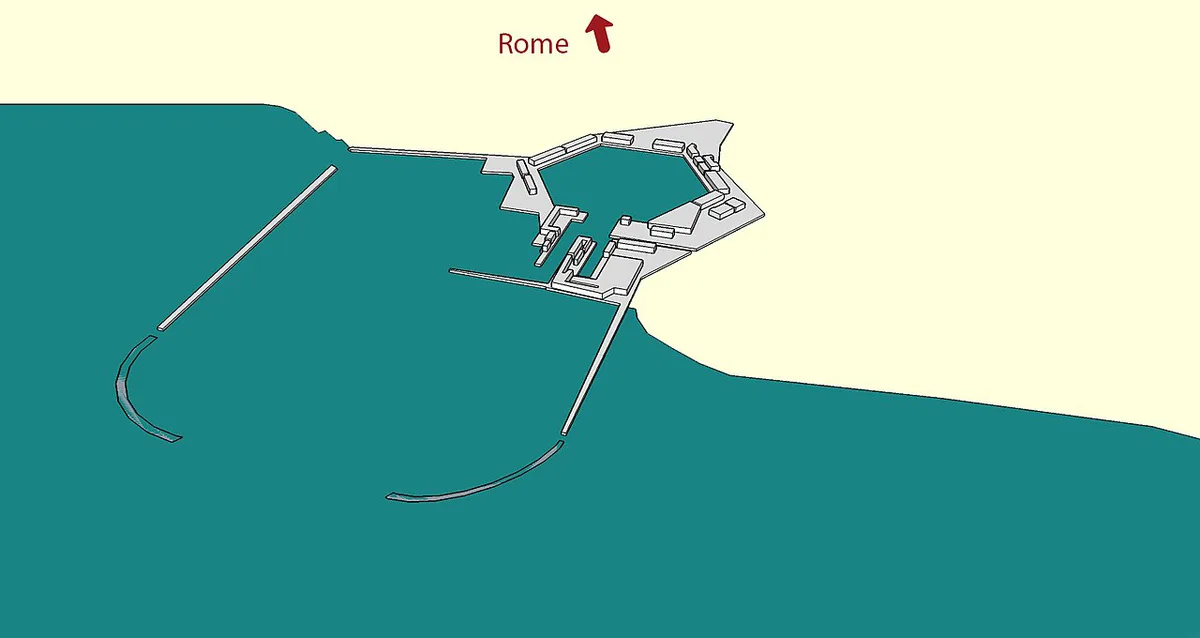
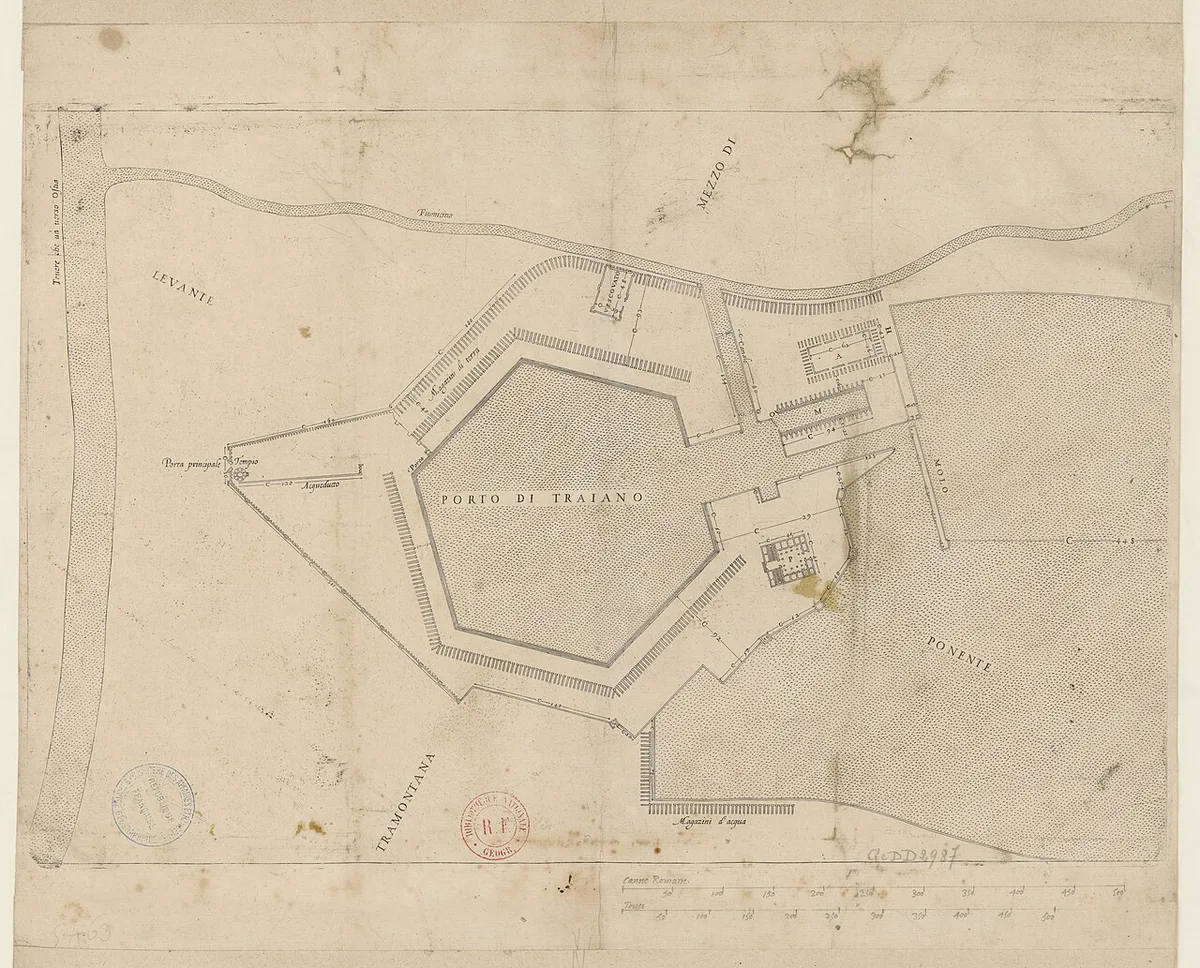
Portus was the imperial port of Rome. Emperor Claudius built it during his reign, 41 to 54 CE, and Trajan expanded it between 98 and 117 CE. It lay on the northern bank of the Tiber estuary and complemented Ostia. Historical summaries give the harbour 69 ha (about 170 acres), with two long piers and an artificial island carrying a lighthouse. In 103 CE Trajan added a hexagonal basin of 39 ha (about 96 acres). Channels linked it to the Claudian harbour. A 24 km (about 15 miles) road, the Via Portuensis, probably ran from Rome to the port under Claudius.
Portus vs Ostia Antica vs Isola Sacra
Many searchers expect one "Portus" attraction. In practice the area is split into parts with different access. Use this table to tell them apart.
| Site | What it is | What you see | Best for |
|---|---|---|---|
| Ostia Antica | Excavated port town | Streets, shops, a theatre and mosaics | First-time visitors wanting a walkable ancient city |
| Portus and Trajan's basin | Imperial harbour on the Tiber delta | Basin outline, harbour remains, scattered imperial buildings | History and archaeology fans |
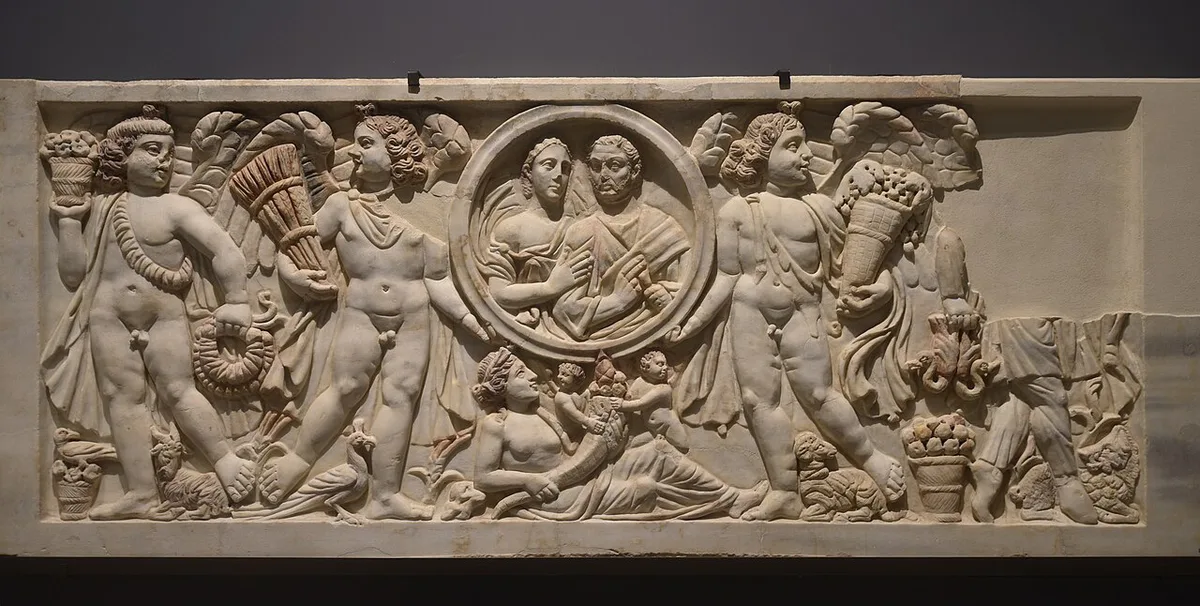
| Isola Sacra necropolis | Burial ground serving the port communities | Tombs; check the park for current access | Visitors who want daily-life evidence beyond the town |
What You Can See Today
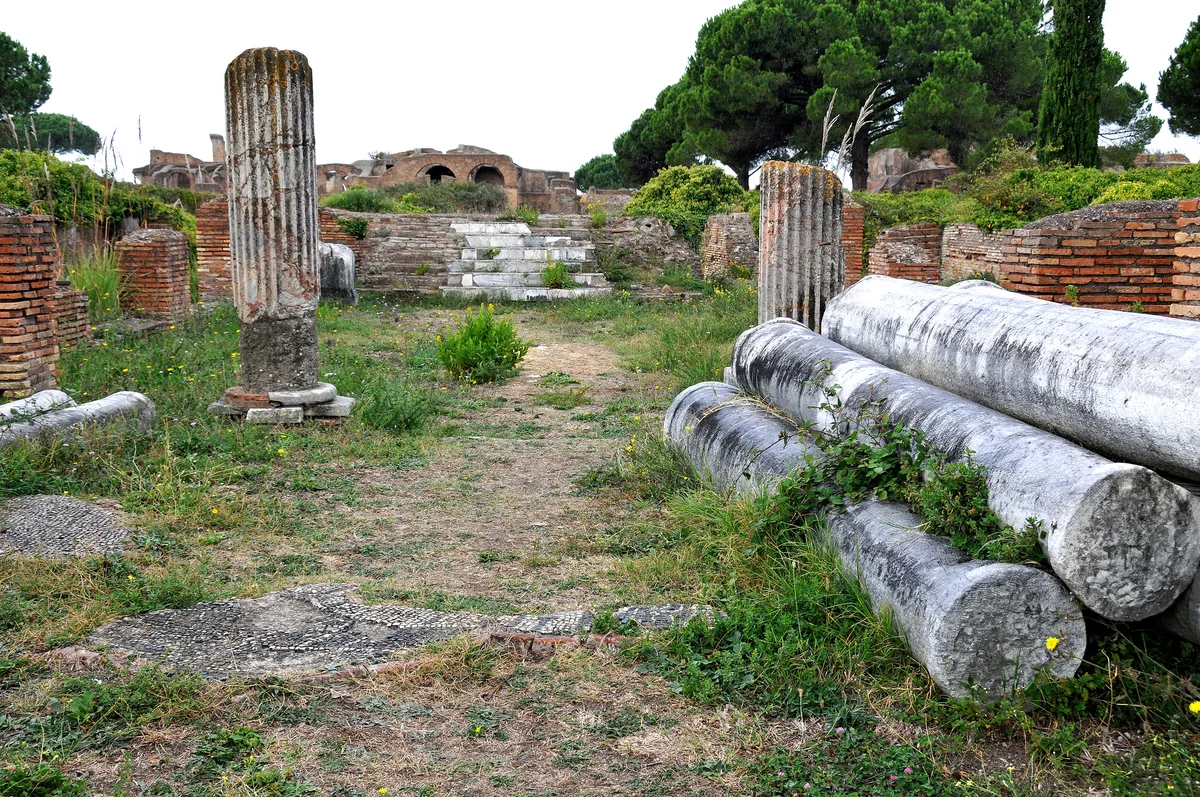
Portus is less a walk through a city than a site read through excavation. Excavators working in 2011 defined the south-eastern facade of the Palazzo Imperiale. This administrative complex stood on the isthmus between the Claudian and Trajanic basins. Archaeologist Simon Keay reported a possible navalia, or military shipshed, about 160 m (525 ft) long and 58 m (190 ft) wide. That finding dates from 2012 and describes research, not a feature you can tour. His report also noted heavy vegetation across the area.
In 103 CE Trajan added a hexagonal basin of 39 ha (about 96 acres). Pair that date with the outline on the ground, since the navalia is research only.
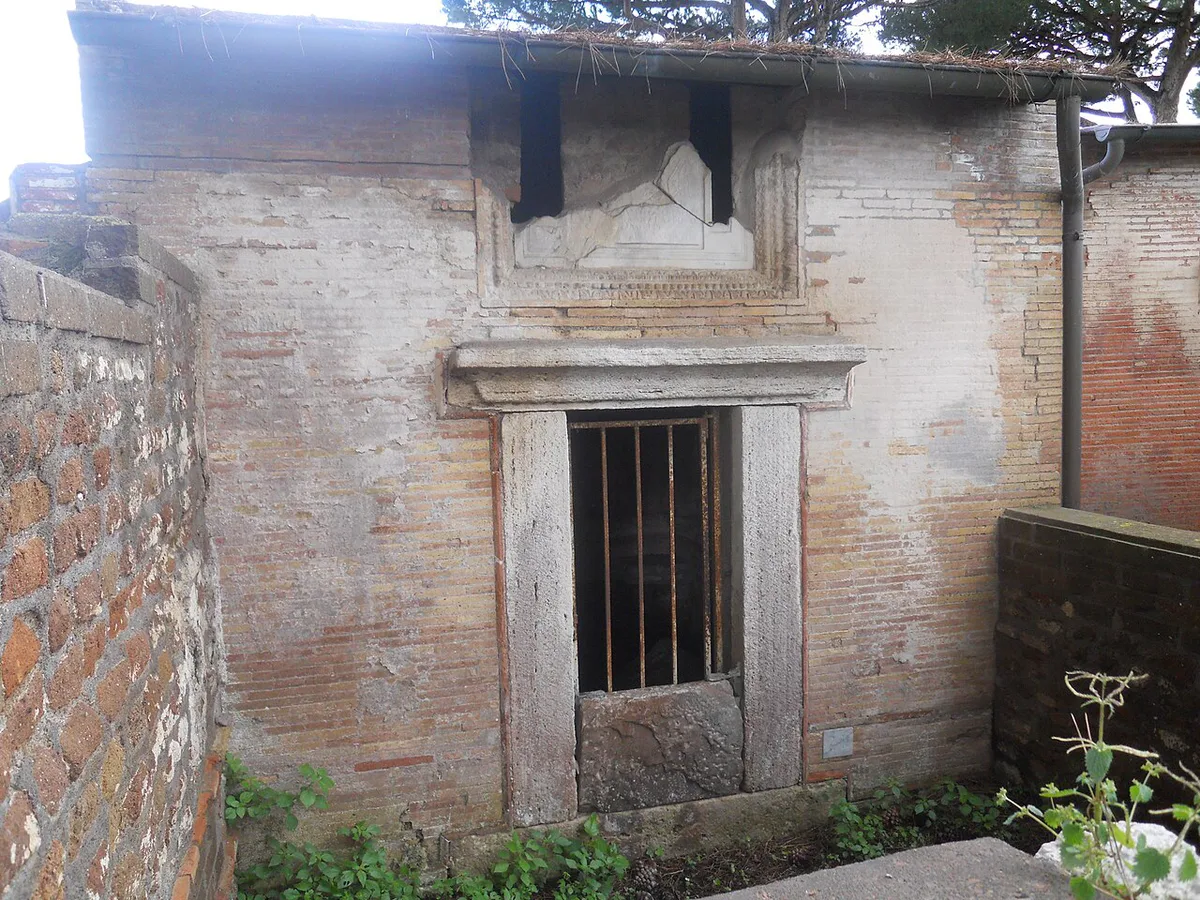
- Trajan's hexagonal basin: its outline is the clearest link to the 103 CE harbour extension.
- Palazzo Imperiale area: understood mainly through excavation, so expect remains rather than rooms.
- Isola Sacra tombs: the park's site pages list what is open and how to enter.
How to Get There from Rome
Start from Rome and head for the Ostia area, then continue to Portus or Isola Sacra by local transport, taxi or on foot. Our guide to getting from Rome to Ostia covers the main route. For city-side connections, Roma Mobilità lists current public transport information. Fiumicino airport sits nearby, so a layover visit is possible with luggage storage arranged in advance. Allow extra time for transfers between the three sites, because they do not share one entrance.
Tickets, Hours and Booking
Prices and hours change by season, so use the official pages. The park's official site lists current hours, fees and which areas are open. The Italian Ministry of Culture publishes national museum and site information. Do not assume Portus and Ostia Antica share a ticket. Our page on ticket options explains the Ostia side.
Sample Plans
These pairings are an editorial suggestion, not a published itinerary. Sourced visit durations are scarce, so see how much time to allow at Ostia first.
- Half day: spend the visit at Ostia and use the site map to pick priorities. Add Isola Sacra only if the park confirms it is open.
- Full day: start at Portus, then move to Isola Sacra, then finish at Ostia's theatre and mosaics.
- Guided option: a guided visit can help with context at sites that rely on interpretation.
Is It Worth It? Who Should Skip
Portus rewards archaeology readers and anyone curious about how Rome fed itself. Skip it if you have half a day in Rome and want intact streets. Ostia suits that goal better, and Ostia versus Pompeii compares the two. If you are unsure about Ostia itself, read whether Ostia is worth the trip. Layover travelers should confirm access at the park before leaving the airport.
Frequently Asked Questions
What was the port city of ancient Rome?
Ostia served as an early port for Rome. Portus was built later under Claudius, from 41 to 54 CE, and Trajan expanded it from 98 CE to complement Ostia.
What is portus meaning?
Portus is the Latin word for harbour or port. In Rome's context it names the imperial harbour on the Tiber delta near Fiumicino.
Related guides



Continue reading
Guides on the same trip



