Ostia Antica from Rome: Train Route, Options and Day Plan
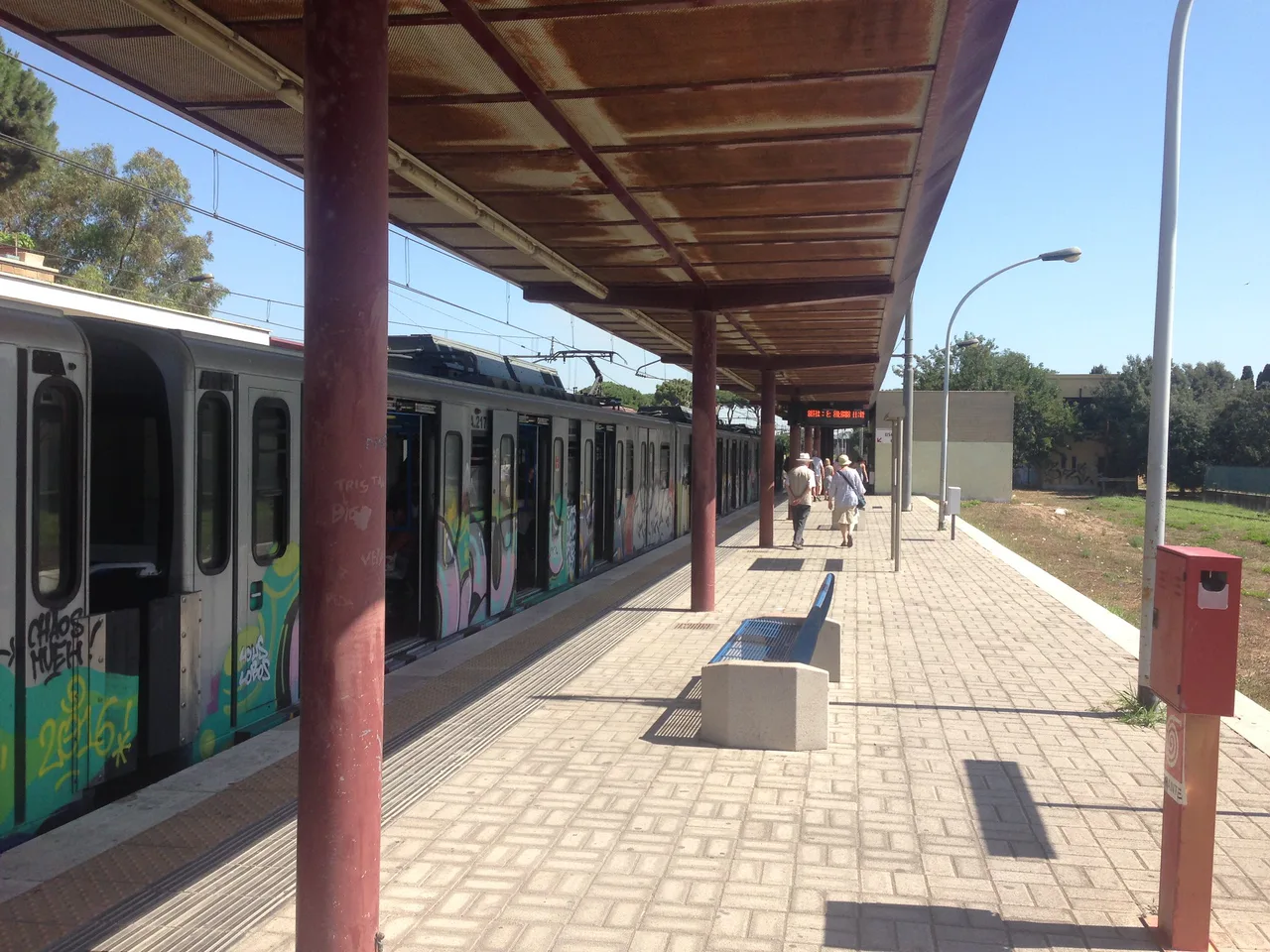
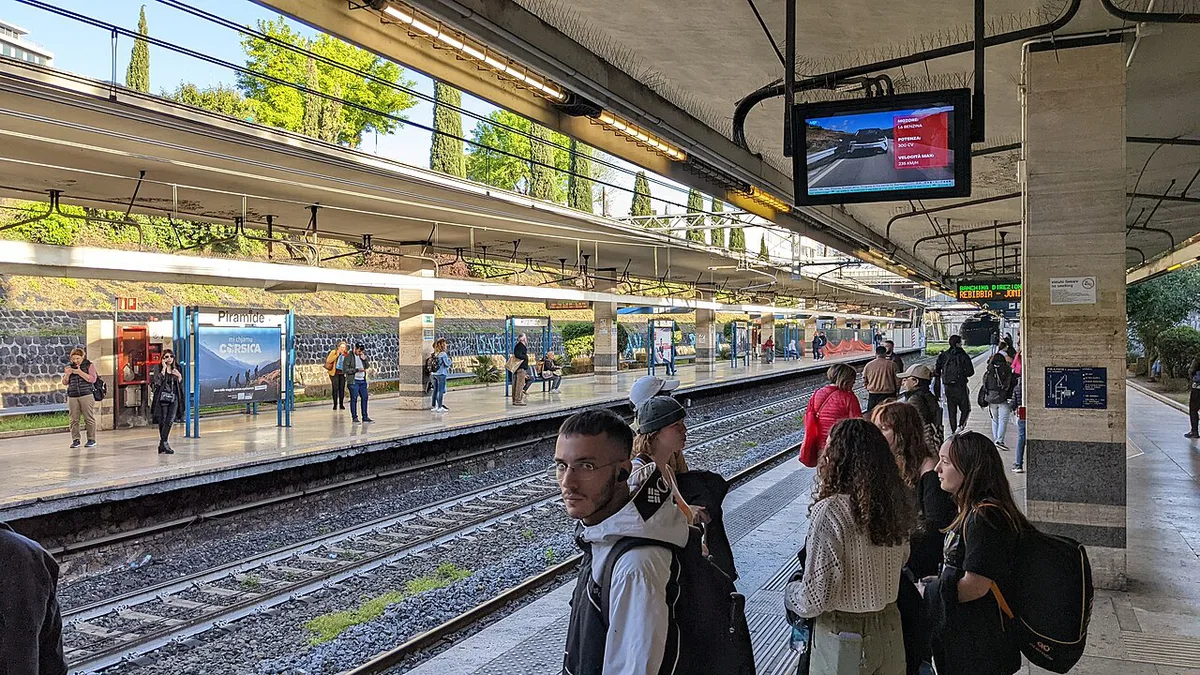
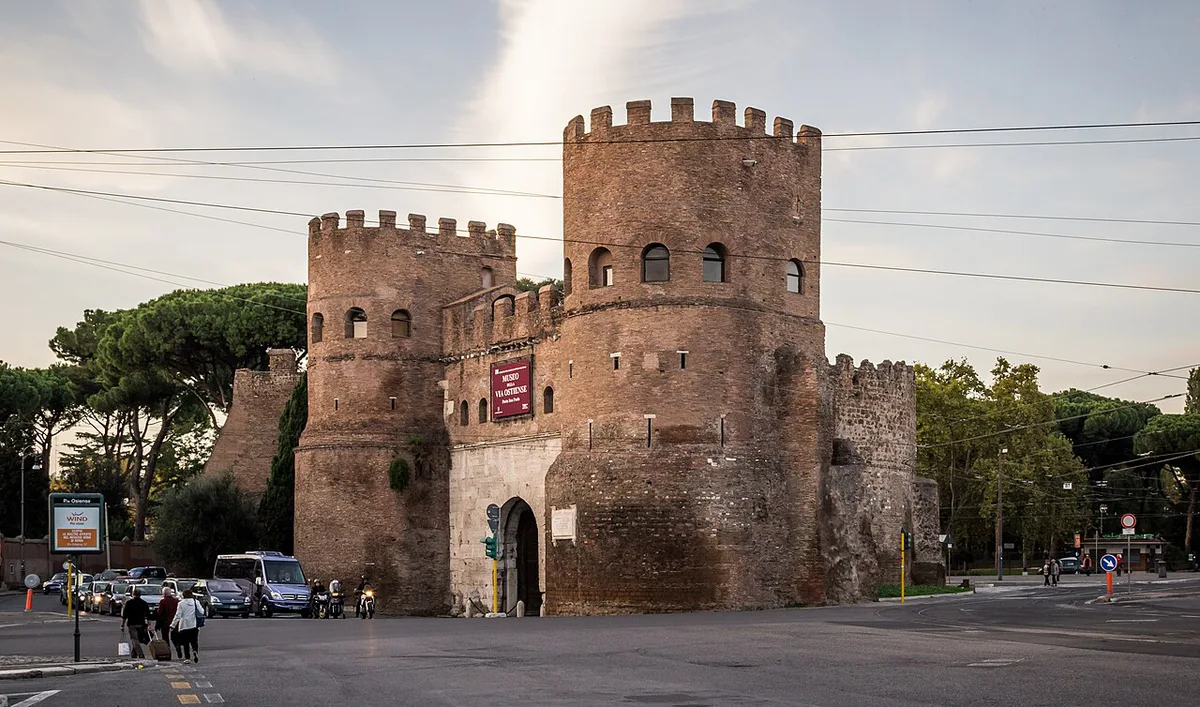
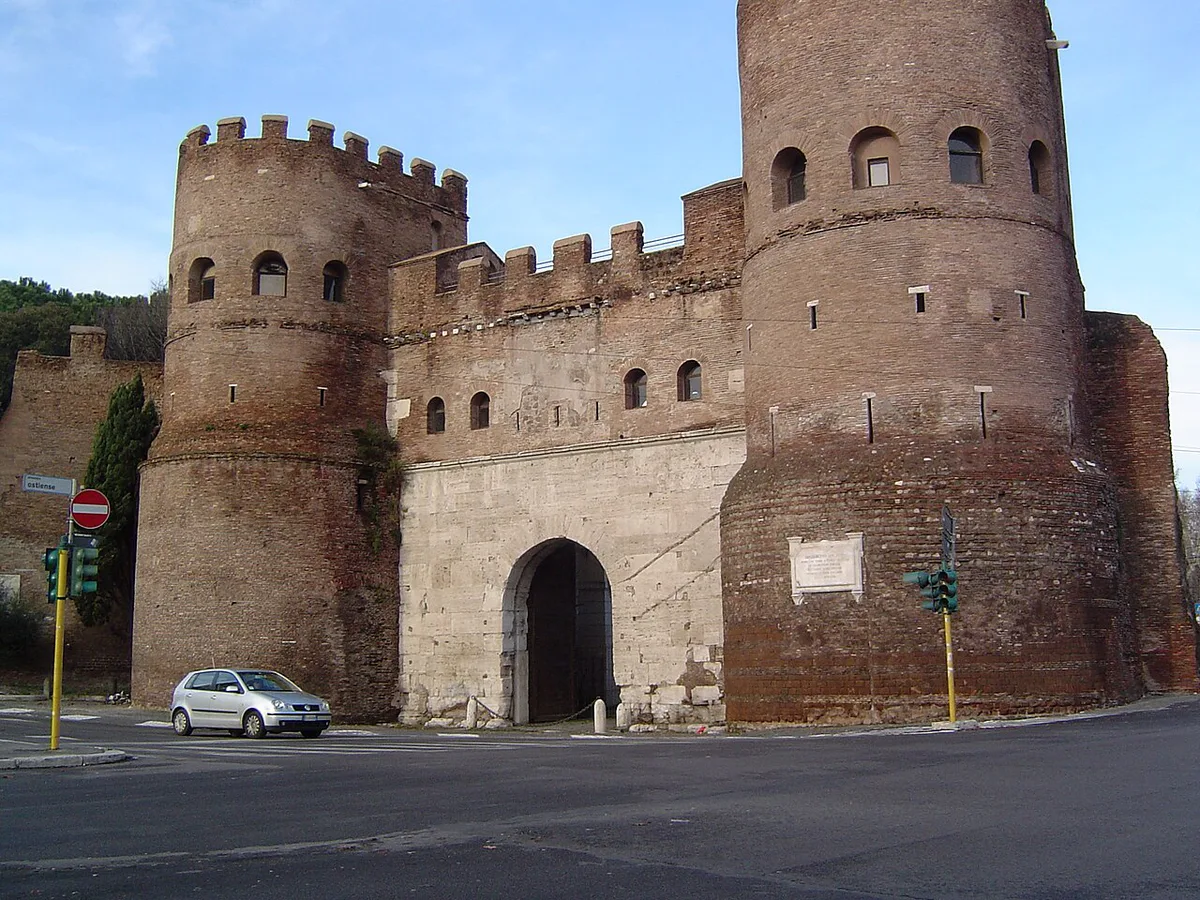
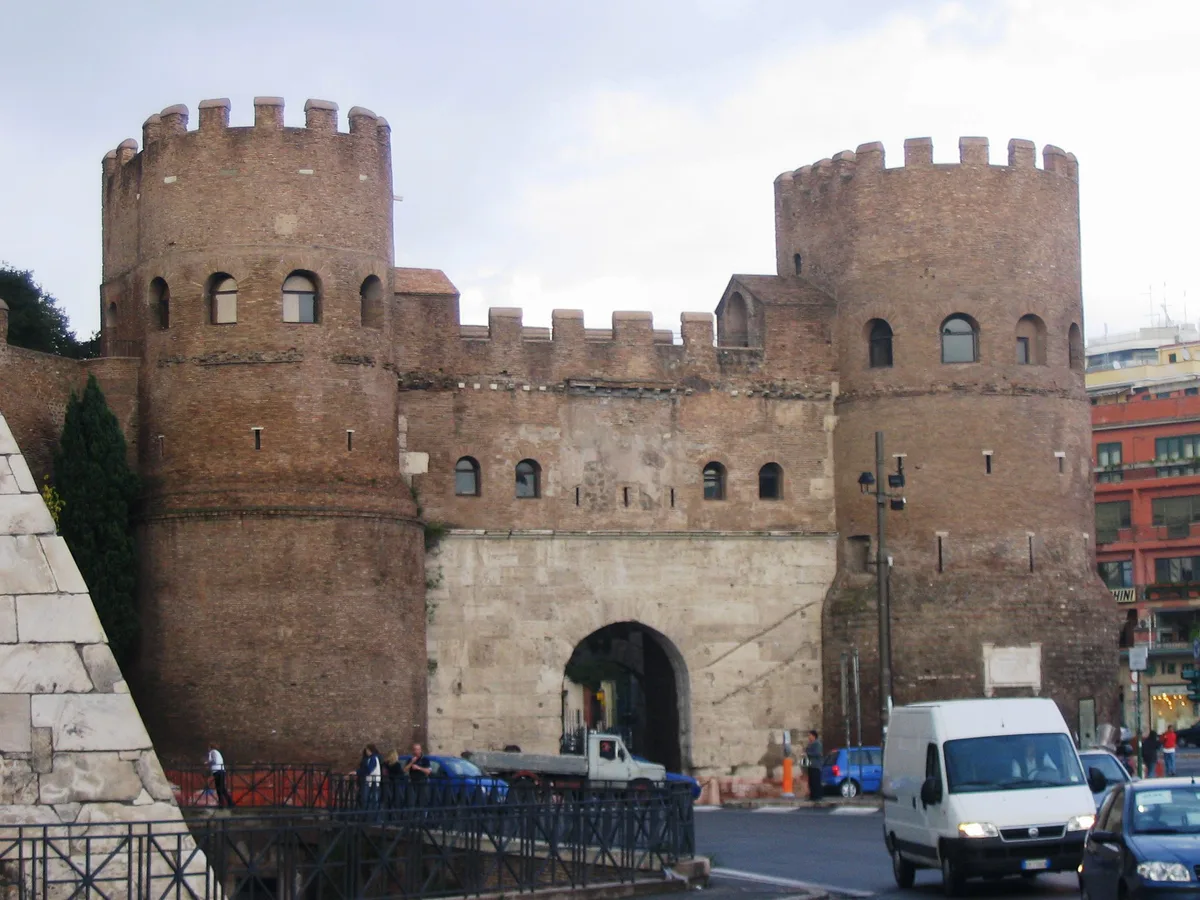
Last updated November 2026: Ostia Antica from Rome is an easy local-train trip that starts at Porta San Paolo, beside Piramide metro station on Line B. You ride the Roma-Lido regional line to Ostia Antica station, then cross a footbridge toward Via dei Romagnoli. Our Ostia Antica overview covers what you will see once you are inside.
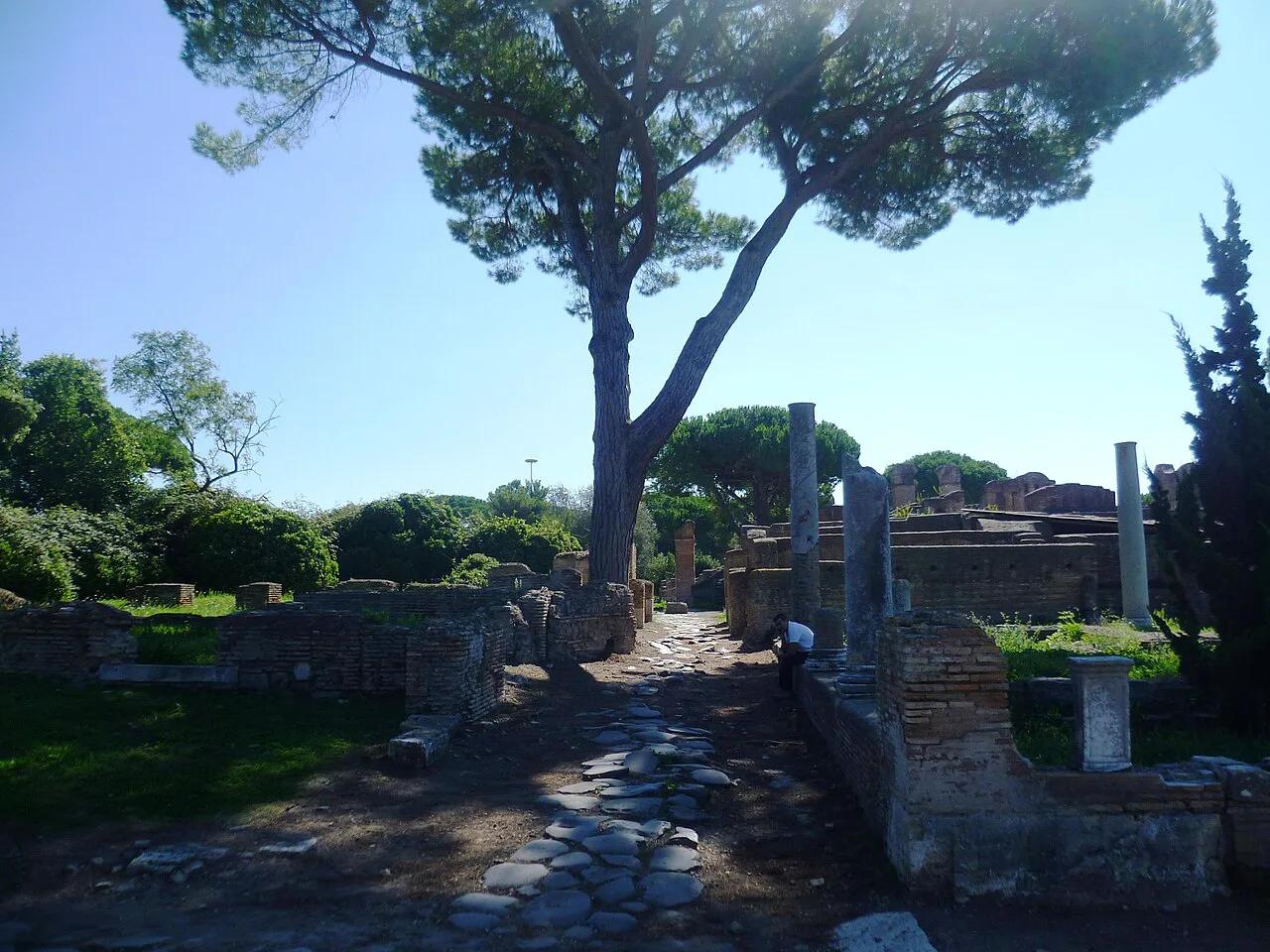
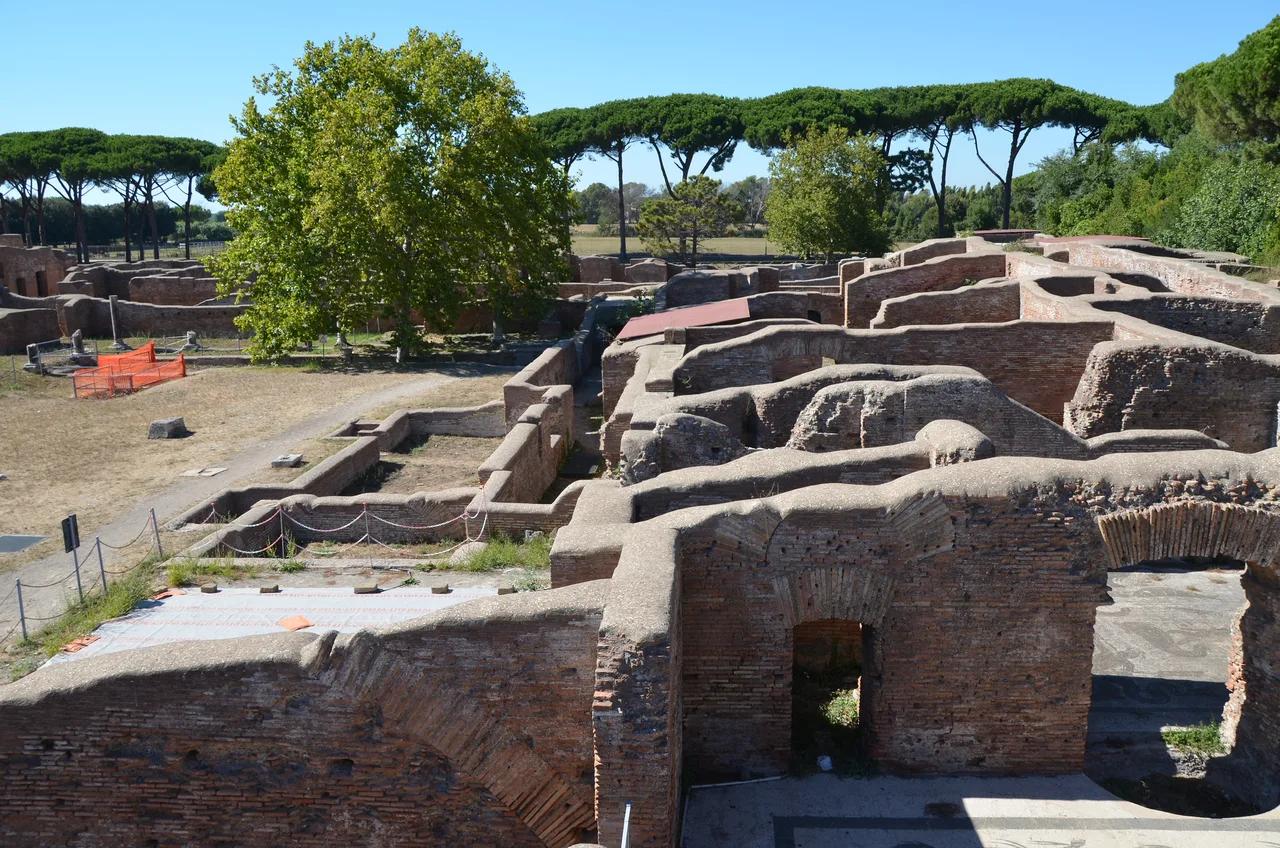
Featured image: philip.mallis, CC BY-SA 2.0, via Flickr.
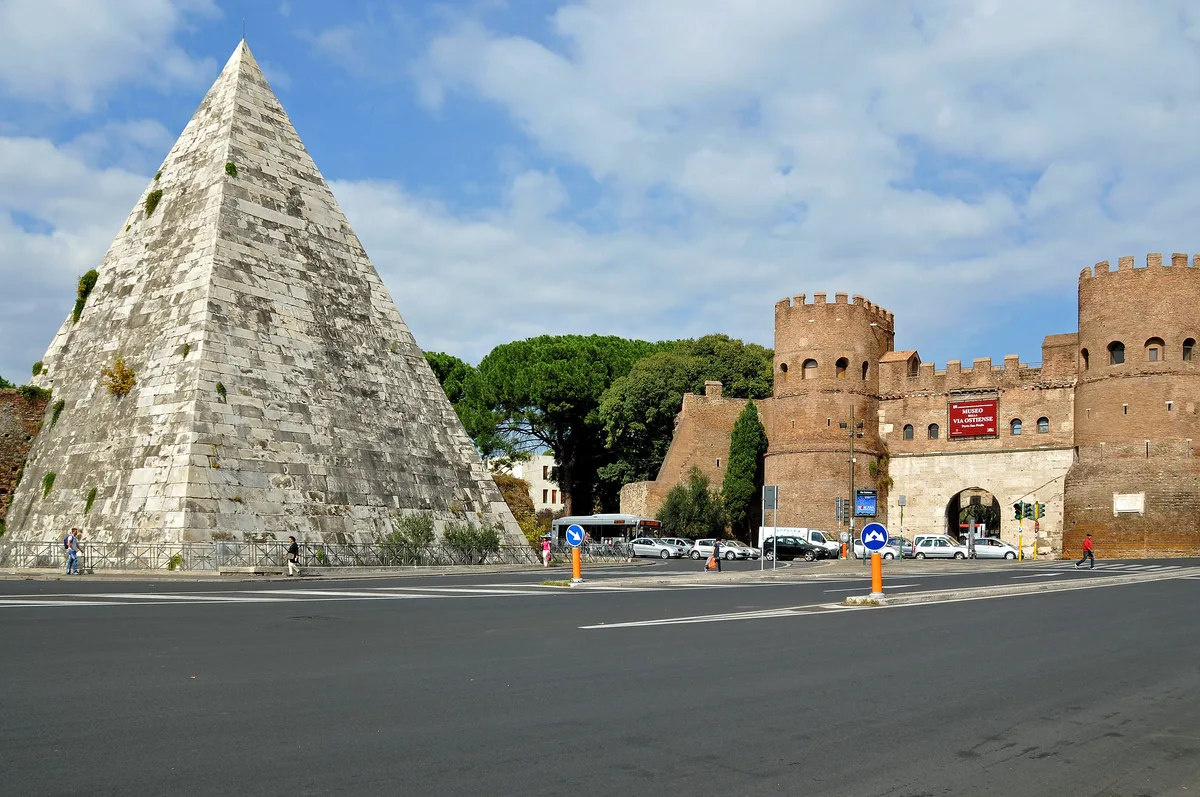
How to get to Ostia Antica from Rome: options compared
Three routes work from central Rome. Public transport is the cheapest and most flexible, a guided tour removes the planning, and a taxi or car suits groups or anyone short on energy. Fares and tour prices change, so use the official sources linked below for current figures.
| Option | Best for | Effort | Flexibility |
|---|---|---|---|
| Roma-Lido train | Independent visitors on a budget | Metro to Piramide, then one regional train | High: you set your own hours |
| Guided tour | First-timers who want context and a fixed plan | Low: meeting point and transfers handled | Low: fixed schedule |
| Taxi or car | Families, groups, limited mobility | Low, but parking and traffic need thought | High, with cost and parking trade-offs |
Step by step: the train from central Rome
Start at Porta San Paolo, the Roma-Lido terminus next to Piramide station on Metro Line B. Roma Mobilità publishes current Rome public transport information, including ticket rules and service notices.
- Take Metro Line B to Piramide, or walk there if you are staying nearby.
- Follow the signs for the Roma-Lido line at Porta San Paolo, which sits beside the metro station.
- Validate your ticket if it needs validating before you board.
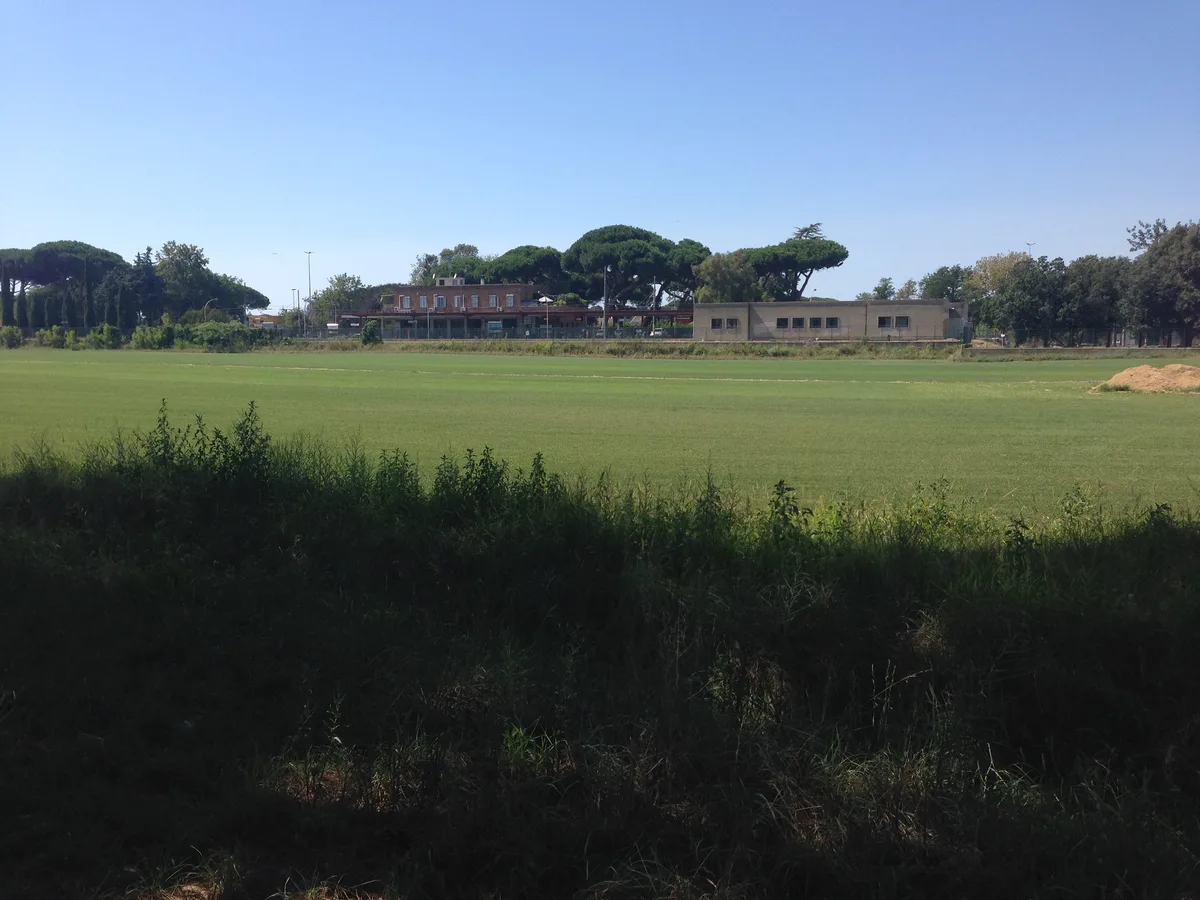
- Ride toward the coast and get off at Ostia Antica station.
- Cross the footbridge from the station and continue on foot to Via dei Romagnoli and the park entrance.
Tickets: transit plus site entry
You make two separate purchases: one for the train and one for entry to the archaeological park. Our Ostia Antica ticket guide covers entry options and booking. Opening days, last entry and current prices are listed on the official park website. If you prefer a guide, browse the guided Ostia Antica tours instead of arranging the transport yourself.

Fitting Ostia Antica into your Rome itinerary
Most visitors treat this as a half-day trip, leaving after breakfast and returning for a late lunch in Rome. A full day suits you if you want to walk the whole site slowly or add a second stop. Our guide on time needed at Ostia Antica helps you decide. For a second stop, the Portus and Isola Sacra necropolis pairs best with a full day. Skip the combination if you are on a tight half-day.
What to see once you arrive
Keep a short shortlist so the day does not dissolve into wandering. Download or screenshot the Ostia Antica site map before you leave Rome.
- The Roman theatre at Ostia Antica is an easy landmark to navigate by.
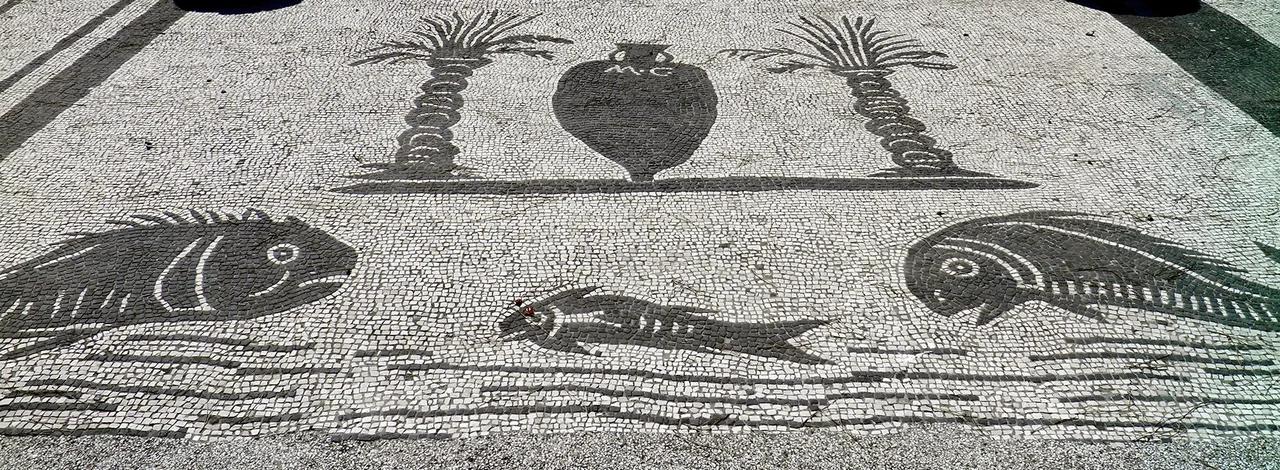
- Floor designs in the Ostia Antica Mosaics: Where to Find Them and What They Mean reward a slow look.
- Our main Ostia Antica guide covers the rest of the site.
Is the trip worth it?
If you already know the Forum and Colosseum and want a quieter ancient city, yes. Read whether Ostia Antica is worth visiting for the full case. If you are weighing a longer excursion, Ostia Antica versus Pompeii compares the two. The Pompeii archaeological park publishes its own visitor details.
Practical tips and what can go wrong
Wear sturdy shoes, because paths are uneven and much of the site is open to the sun. Bring water and a hat, and expect limited shade. Do not assume luggage storage exists, so travel light. Strikes and engineering works can disrupt regional trains, so check Roma Mobilità on the morning you go. Note the last practical return train and the park's closing time before you start exploring, and leave the site early enough to make both.
Ostia Antica for visitors with limited mobility
Choose between 3 realistic transport options before committing to the train. The independent route requires a Metro Line B journey to Piramide, a transfer at Porta San Paolo, a footbridge at Ostia Antica station, and a walk toward Via dei Romagnoli. That sequence may be tiring if stairs, transfers, or long walks are difficult.
A taxi or car can reduce the number of transfers, but traffic and parking still need planning. A guided tour may also simplify the day, although you should confirm its meeting point, walking pace, and return arrangements before booking.
The train option also involves 2 separate purchases: public transport and archaeological-park entry. Inside the park, expect uneven paths and long exposed stretches. Wear stable shoes, carry water, and use sun protection. Check current lift access, transport disruption notices, and the park’s accessibility information before setting out.
Related guides

Continue reading
Guides on the same trip