How Long to Spend at Ostia Antica: Half-Day to Full-Day Plans
Last updated November 2026: how long to spend at Ostia Antica depends on your route, the heat and your last train back. Plan for roughly 2 hours for highlights, 3 to 4 hours for a standard visit, and a full day for the whole site. Add just over an hour each way from central Rome, and use our Ostia Antica guide for the wider picture.
Featured image: Radosław Botev, CC BY 3.0 pl, via Wikimedia Commons.
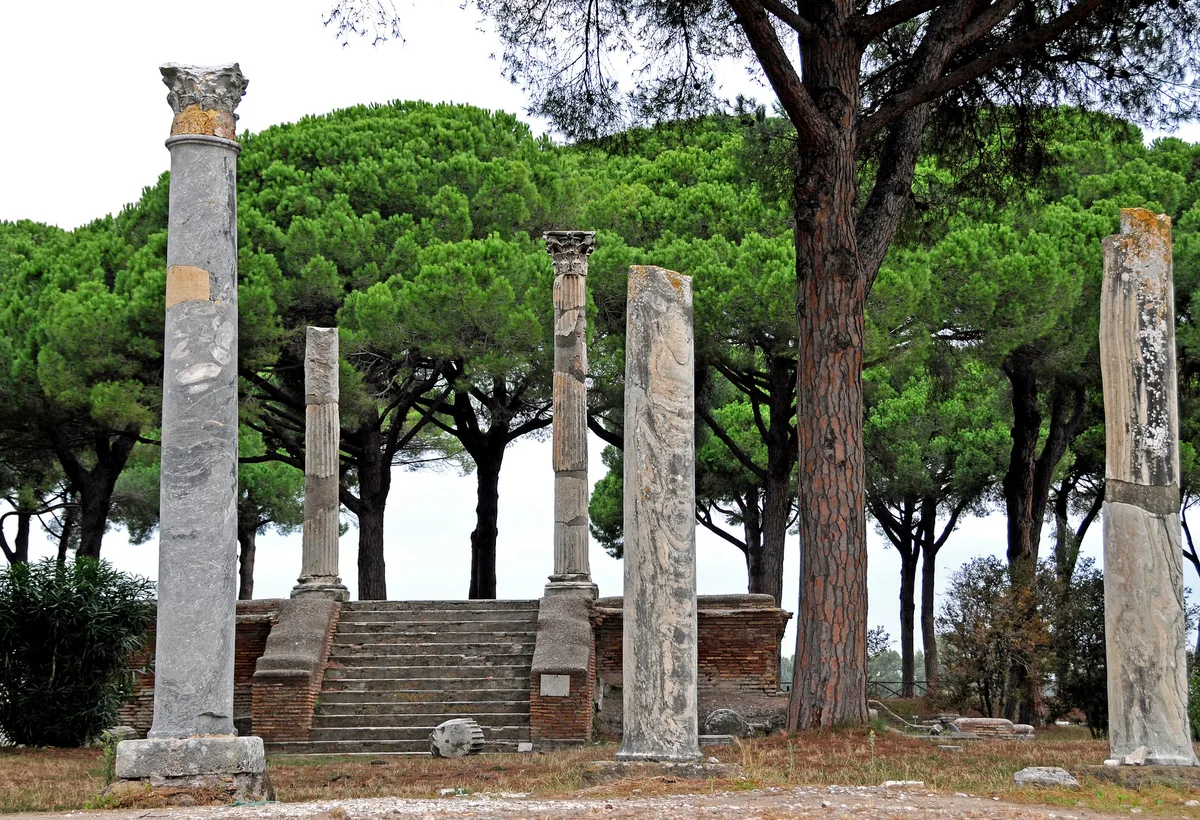
How long to spend at Ostia Antica: the short answer
Most visitors do best with a half day, meaning 3 to 4 hours on site. That is enough to walk the Decumanus Maximus, climb the Baths of Neptune, sit in the Theatre and reach the Forum. Shorter and longer plans work too. These hours are editorial planning estimates, not measured times, so adjust them for your pace and the weather.
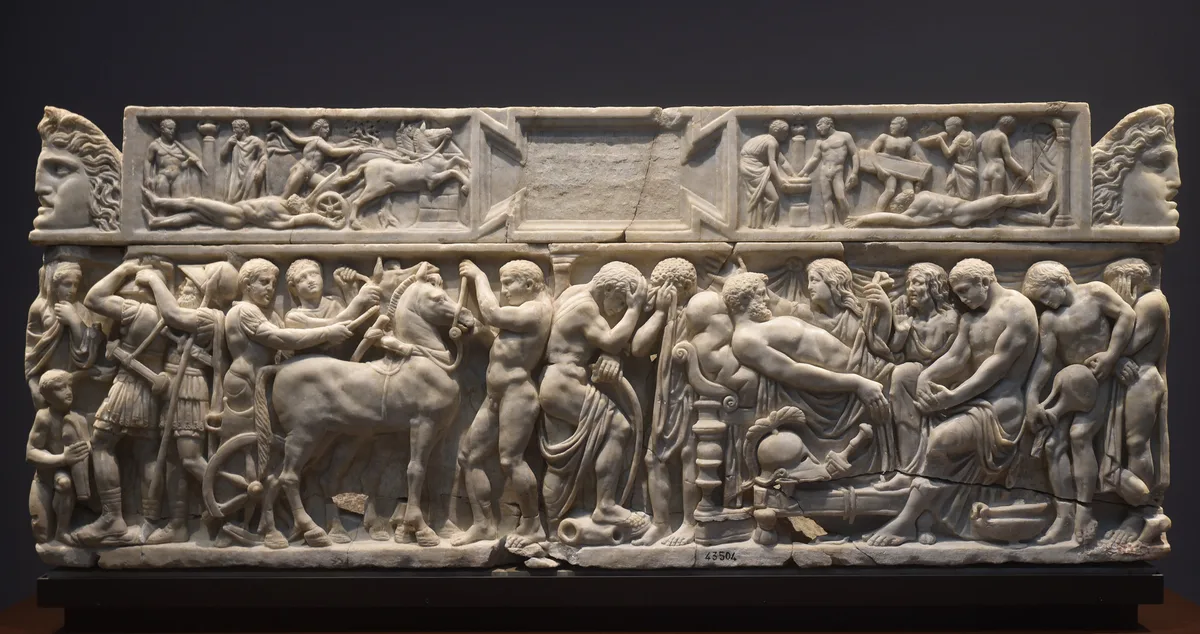
| Visit | On-site time | Best for | What you skip |
|---|---|---|---|
| Highlights loop | About 2 hours | Tight Rome schedules | Outer districts, museum, necropolis |
| Standard half day | 3 to 4 hours | First-time visitors | Far corners of the site |
| Full day | 5 hours or more | Archaeology fans, photographers | Little; add Portus or Isola Sacra |
The 2-hour highlights visit
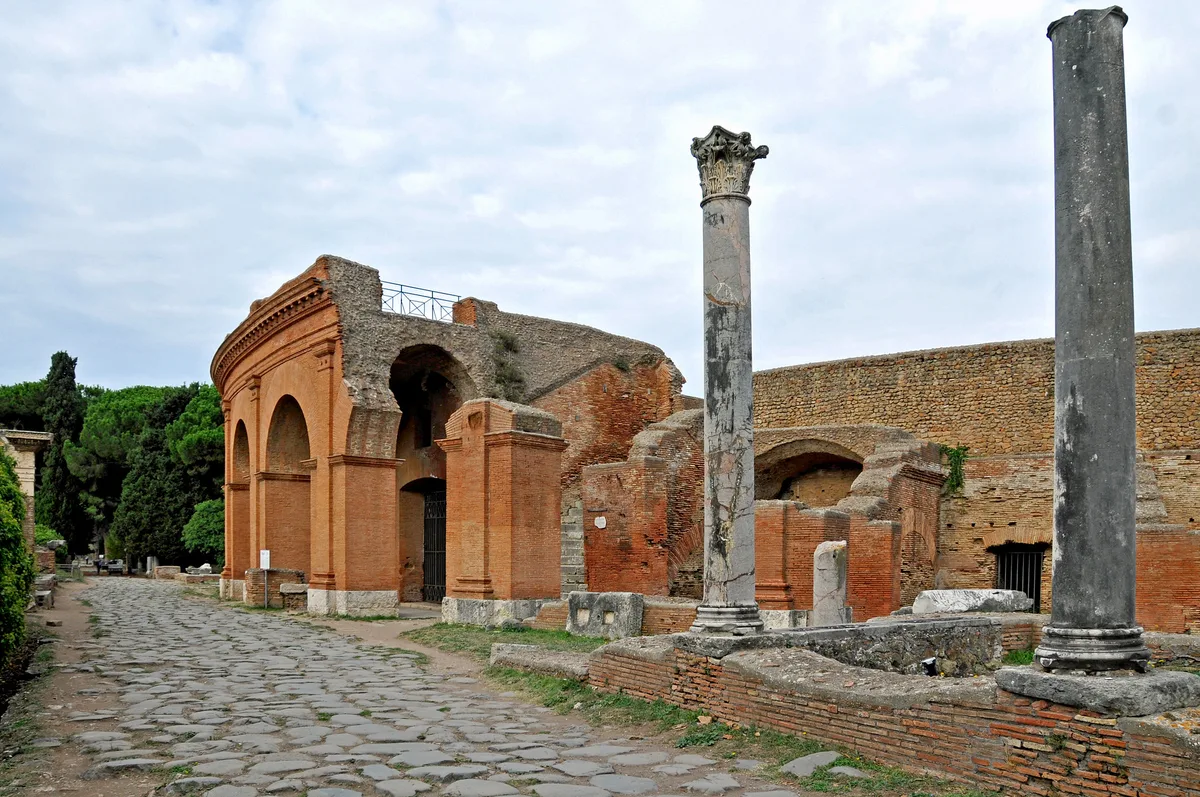
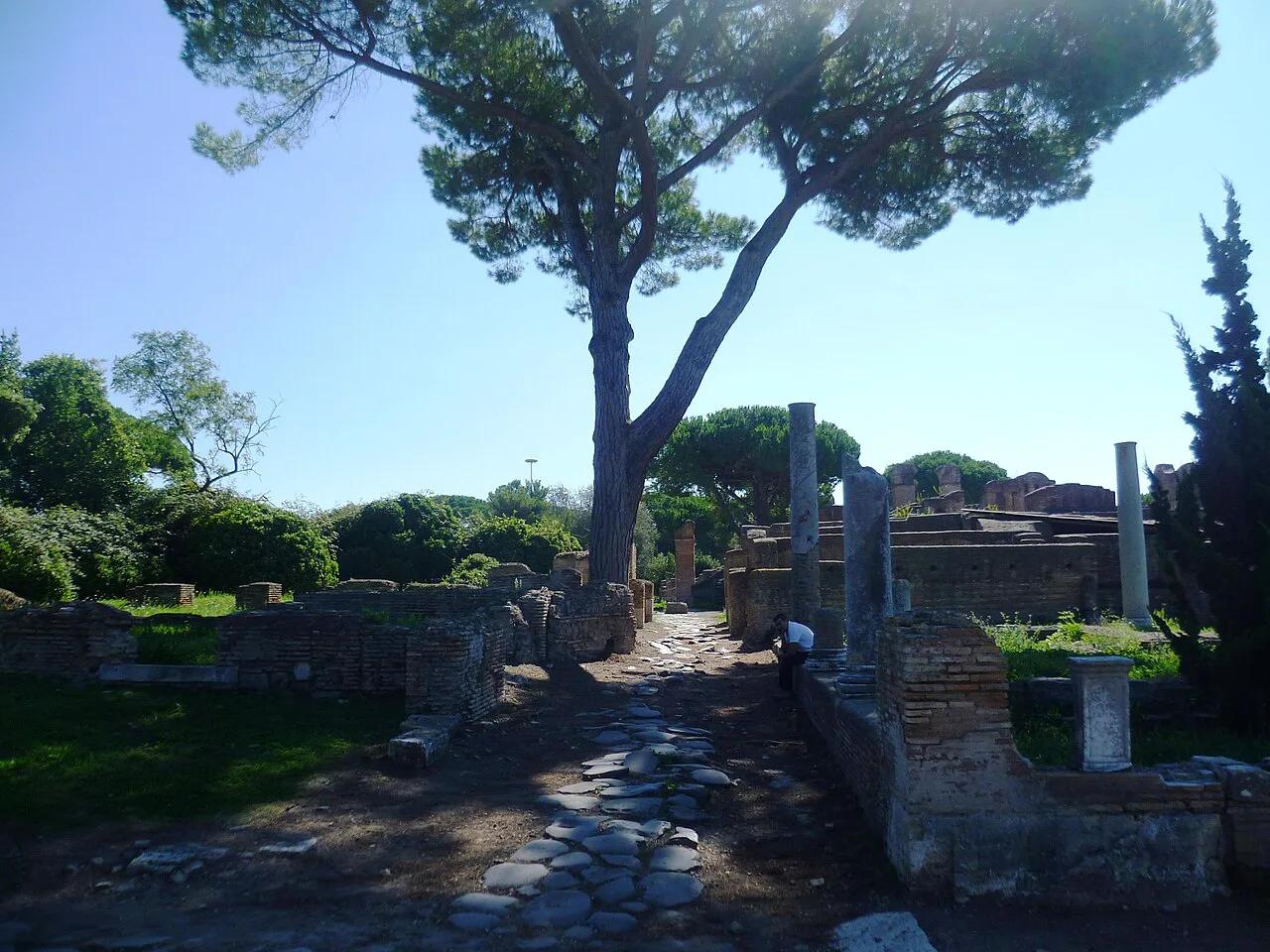
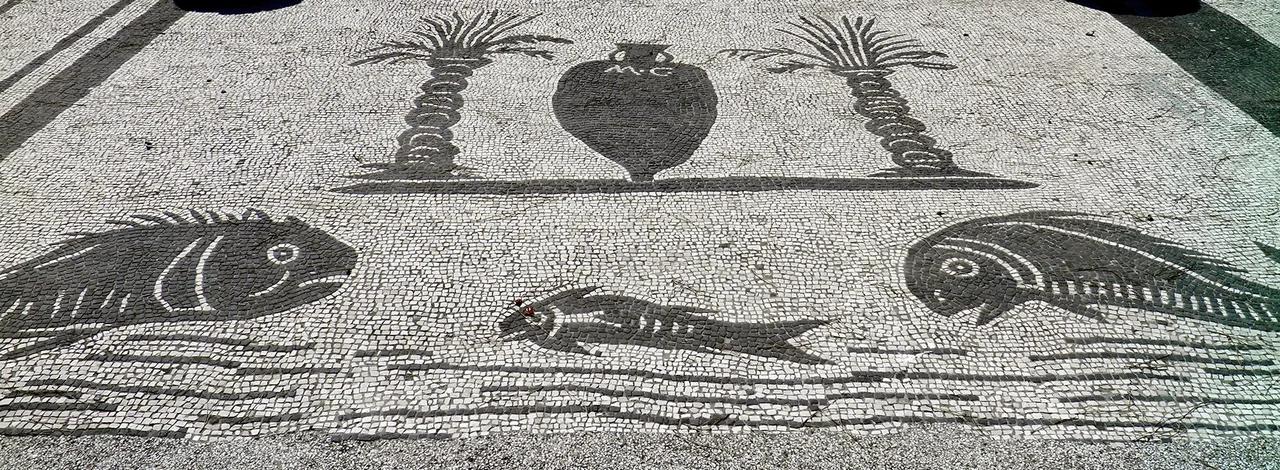
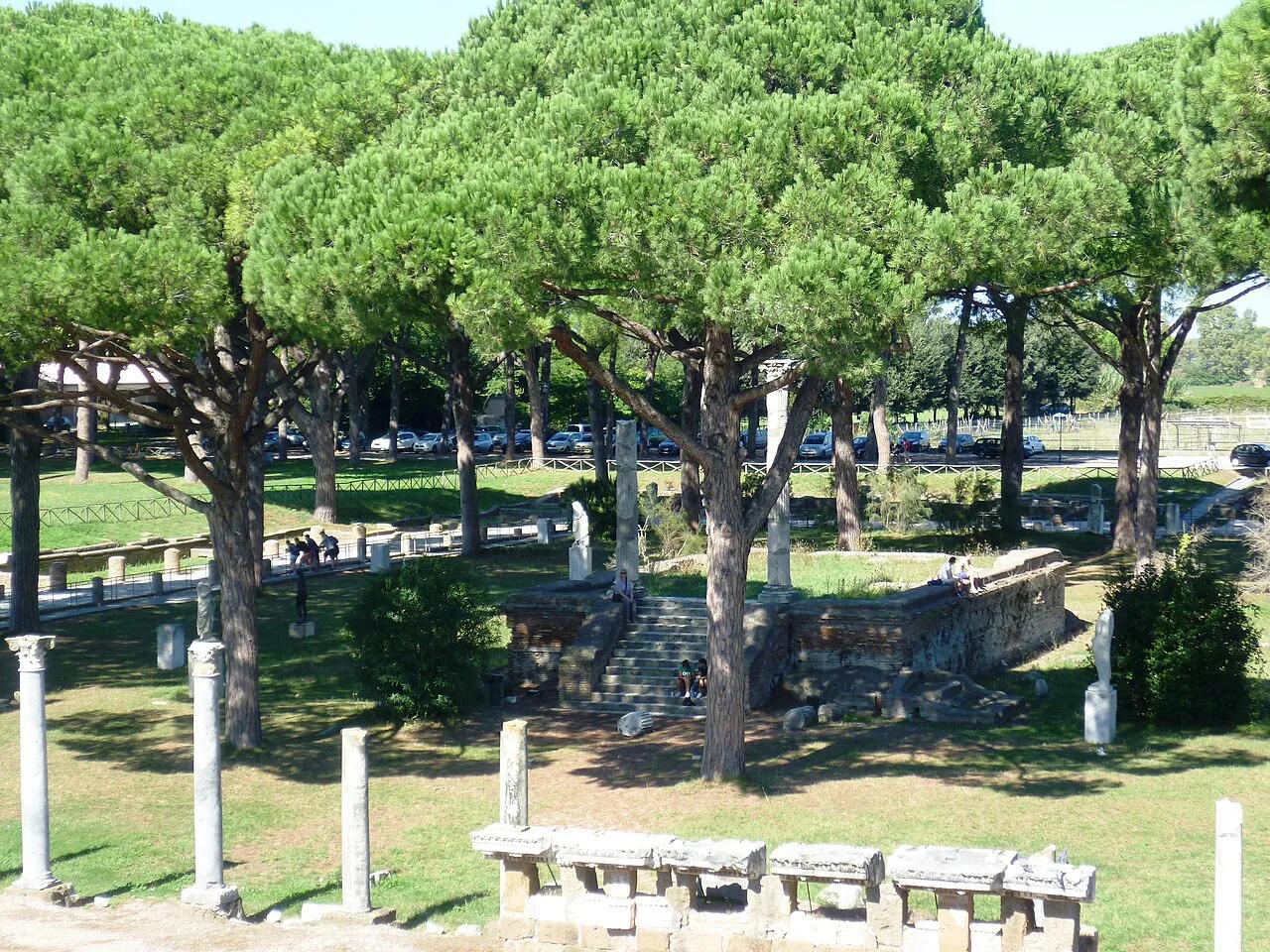
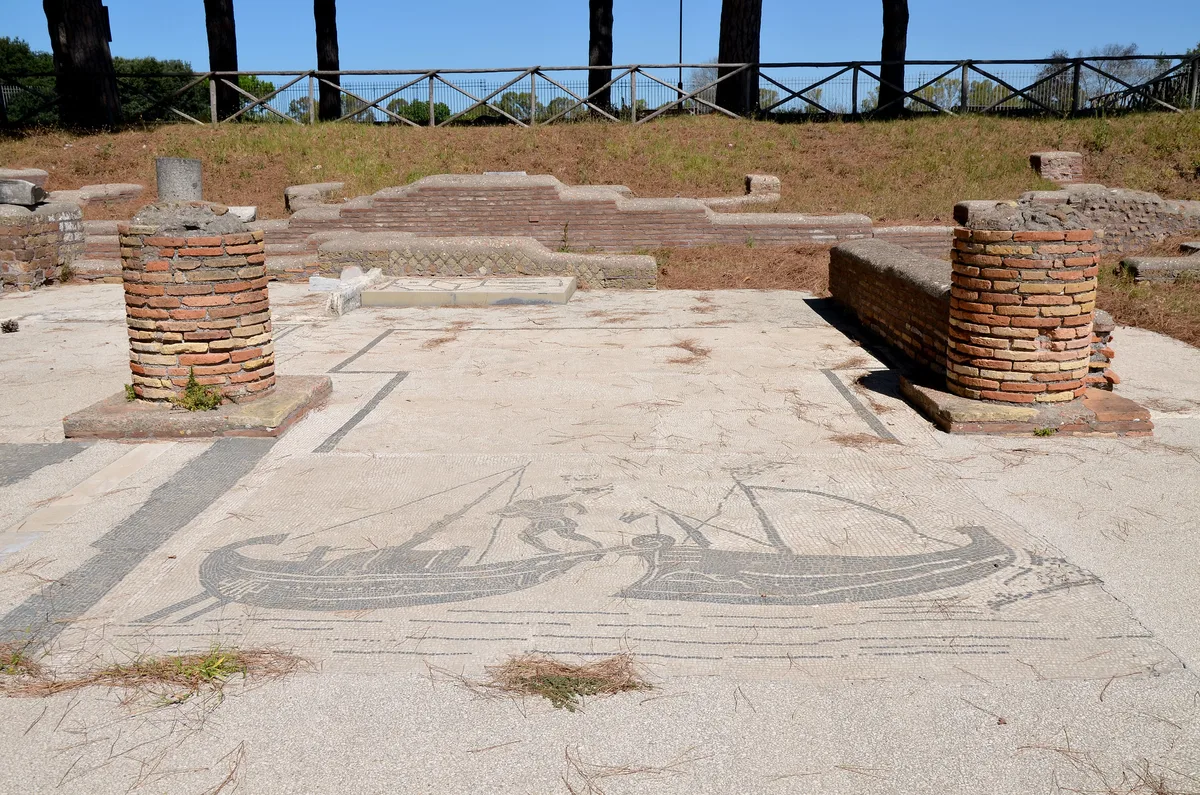
Two hours works if you stay disciplined and follow one line. Enter, join the Decumanus Maximus, and head for the Terme di Nettuno, where the black-and-white Neptune mosaic is the first big payoff. Continue to the Teatro, which could seat up to 4,000 spectators, then finish at the Piazzale delle Corporazioni with its floor mosaics. Walk straight back without detours. You will see the core of the city but miss the quieter streets and the necropolis. For a closer look at one stop, read our guide to the Theatre of Ostia.
The half-day visit (3 to 4 hours): the sensible default
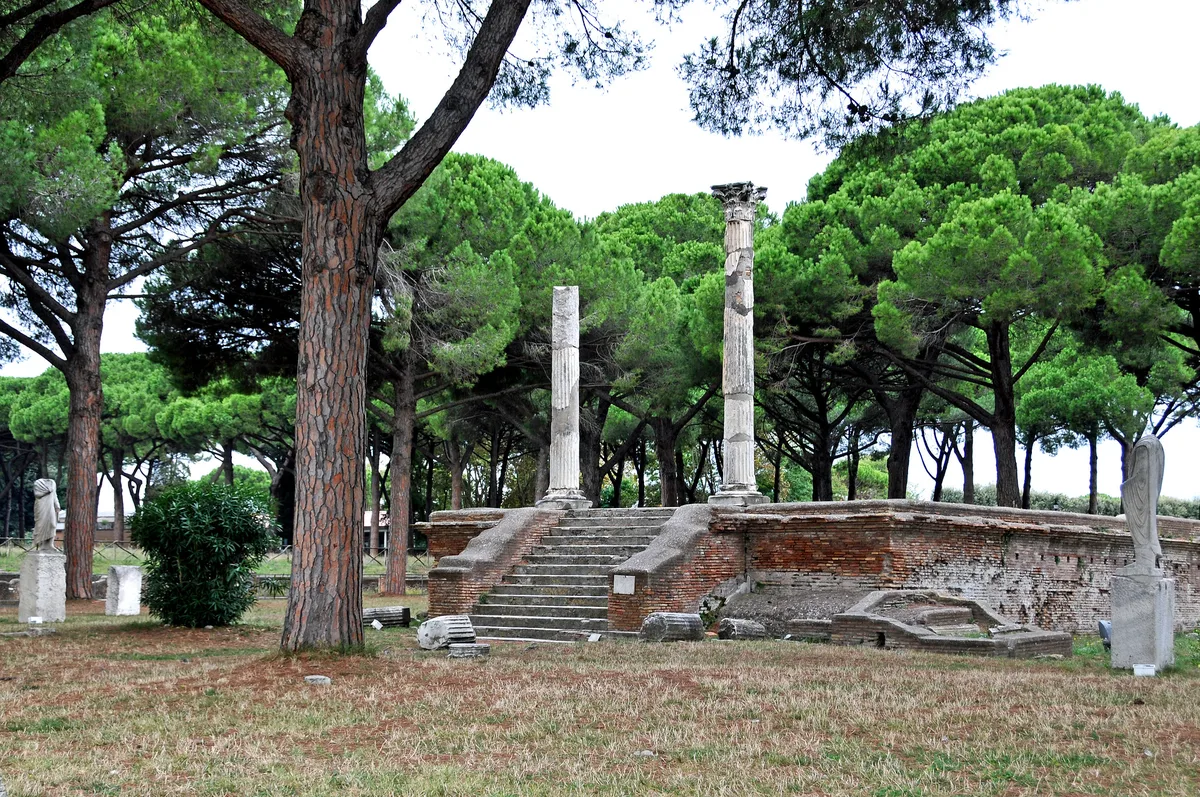
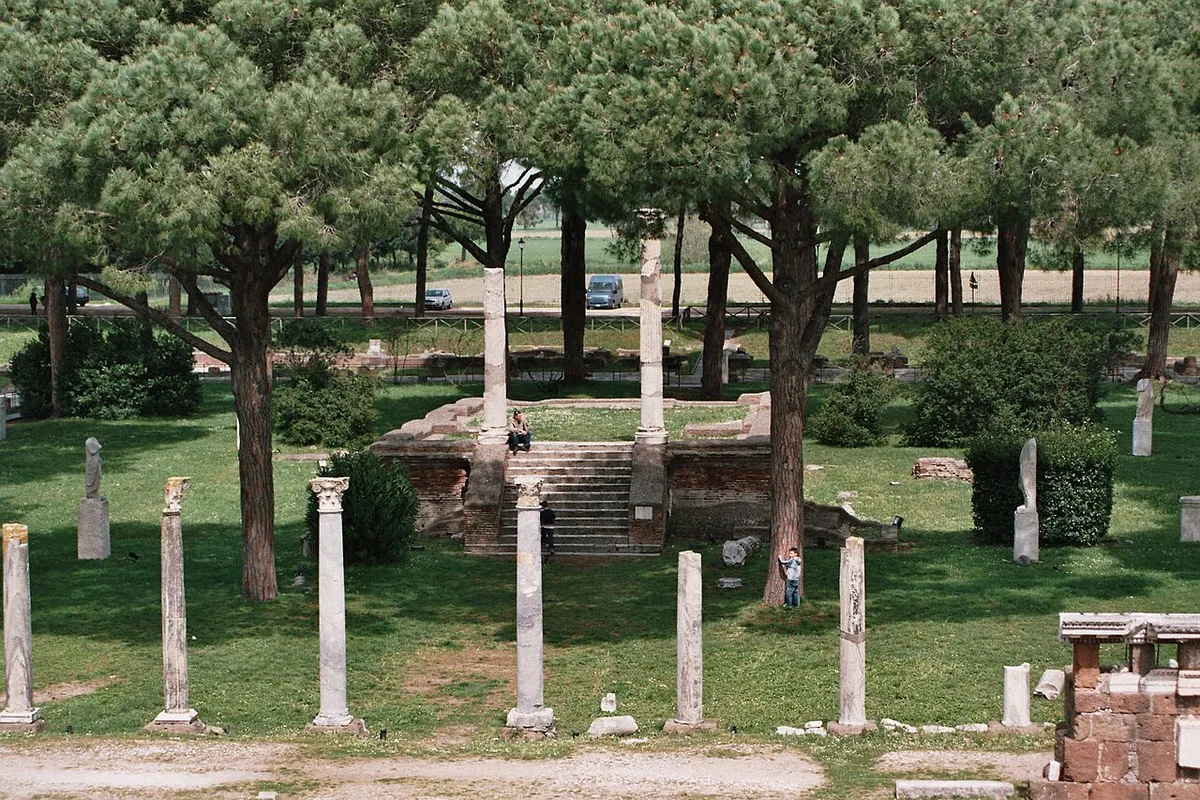
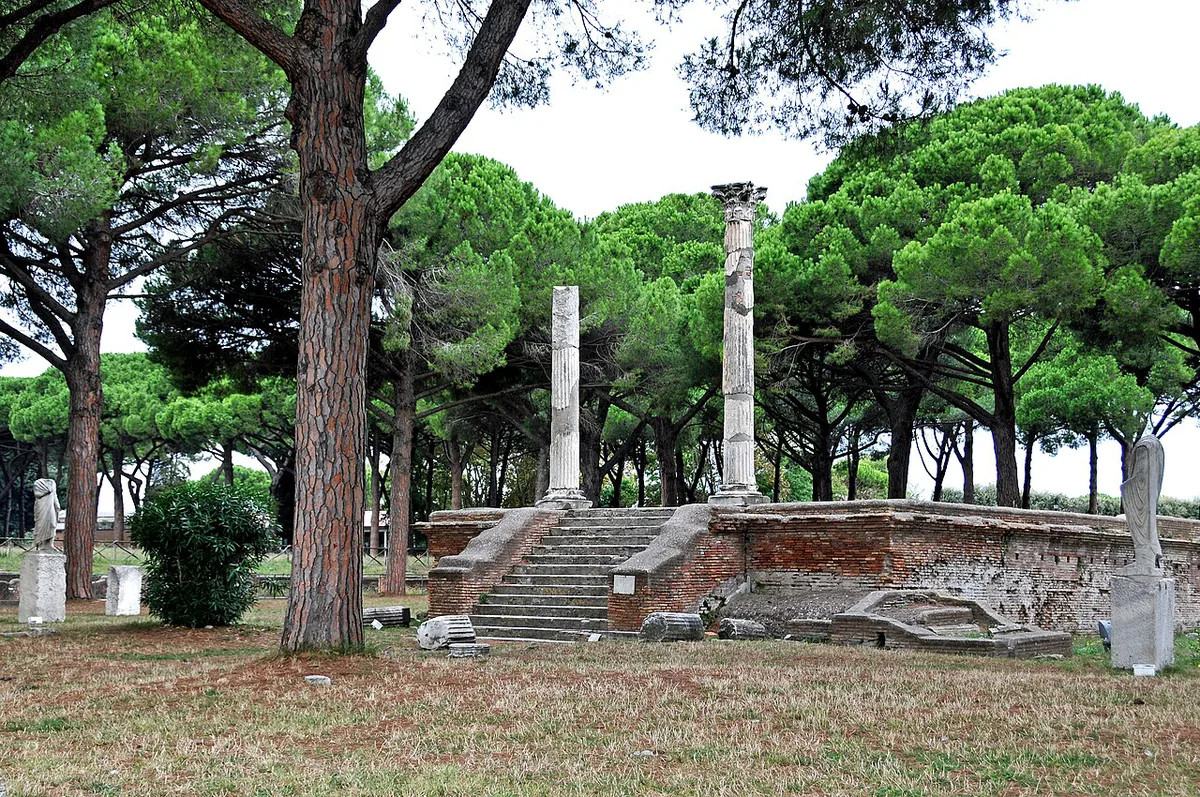
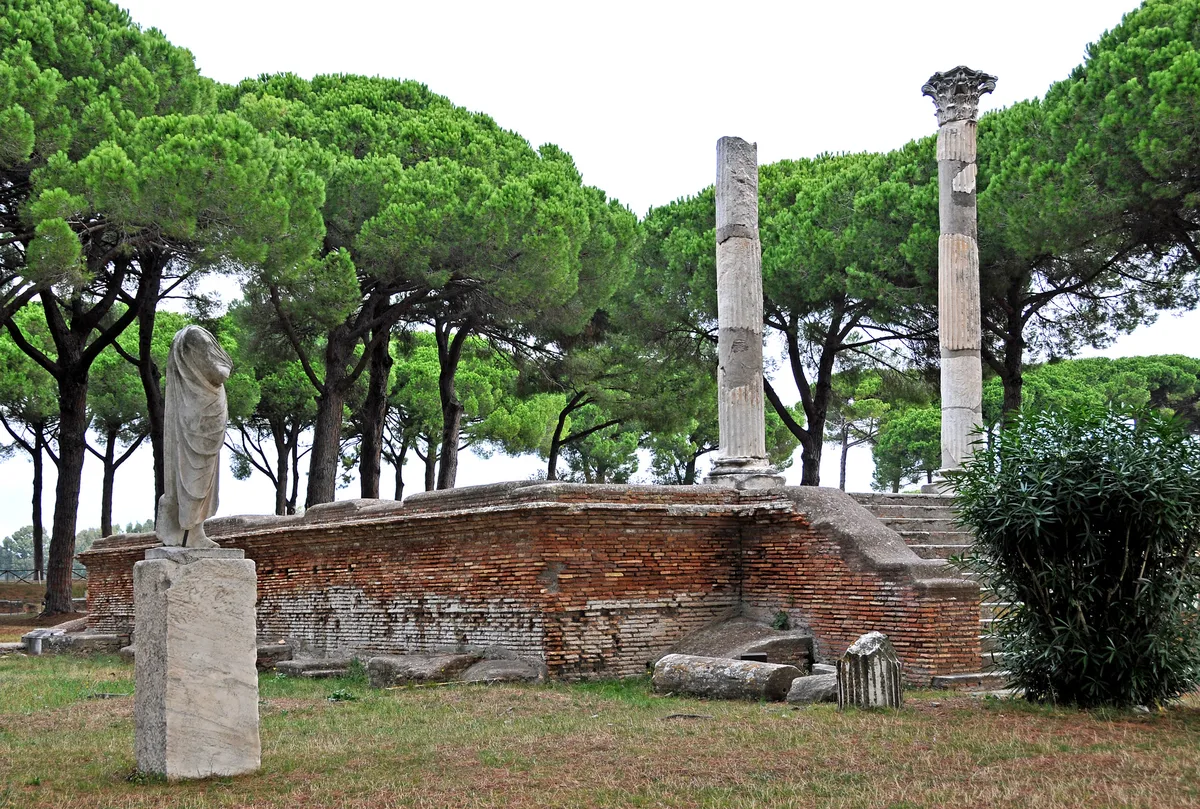
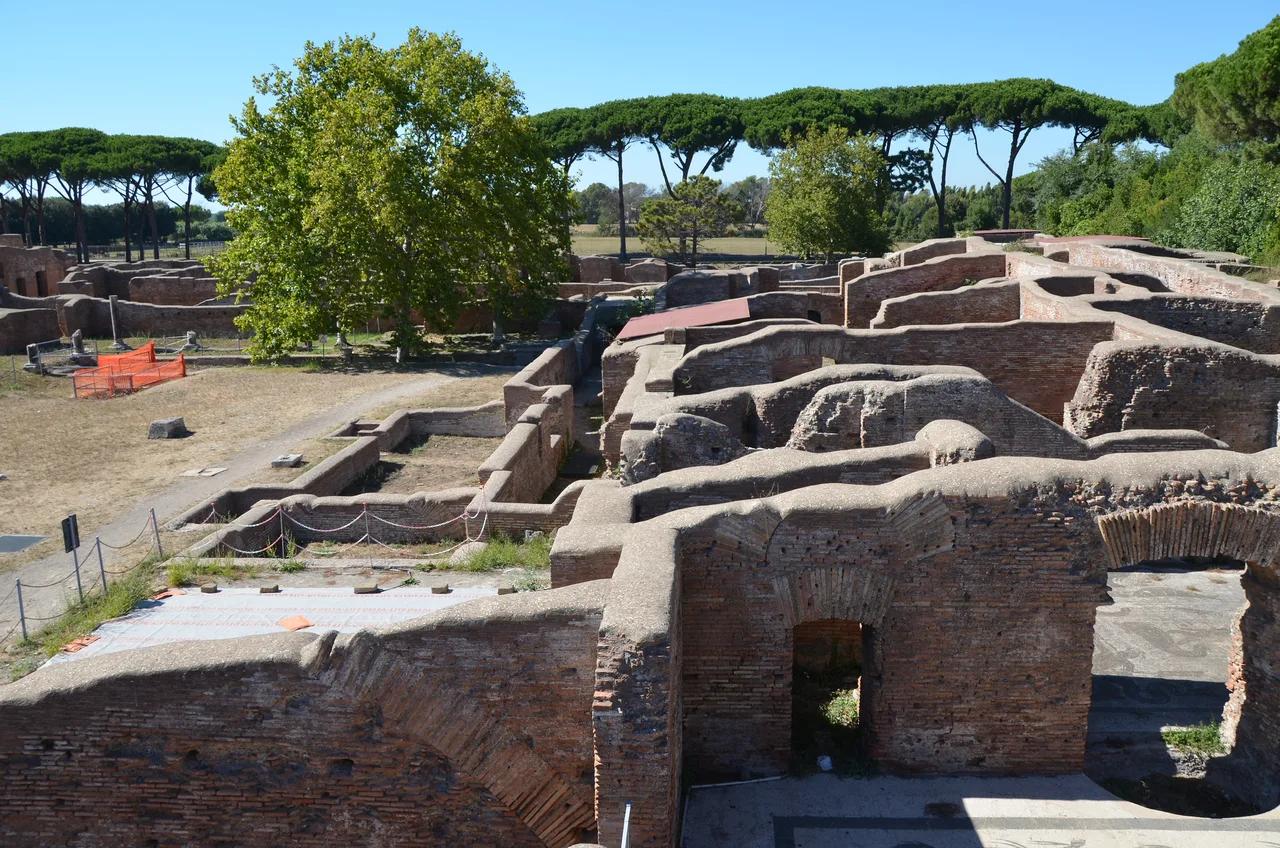
Half a day lets you add the Forum, the Capitolium and the Baths of the Forum, where a public latrine with 20 marble seats still stands. Walk the Decumanus Maximus east to west, then loop back along side streets. Time disappears at the mosaics, at the stepped viewpoints and at junctions where structures are unmarked. A copy of our Ostia Antica Map: Site Layout & Walking Routes keeps you from backtracking. Add the Museo Ostiense and a short pause for water, and you land near 4 hours. Mosaic fans can slow down at the best mosaics, while architecture fans may prefer less museum time and more street walking.
A full day: when it pays off
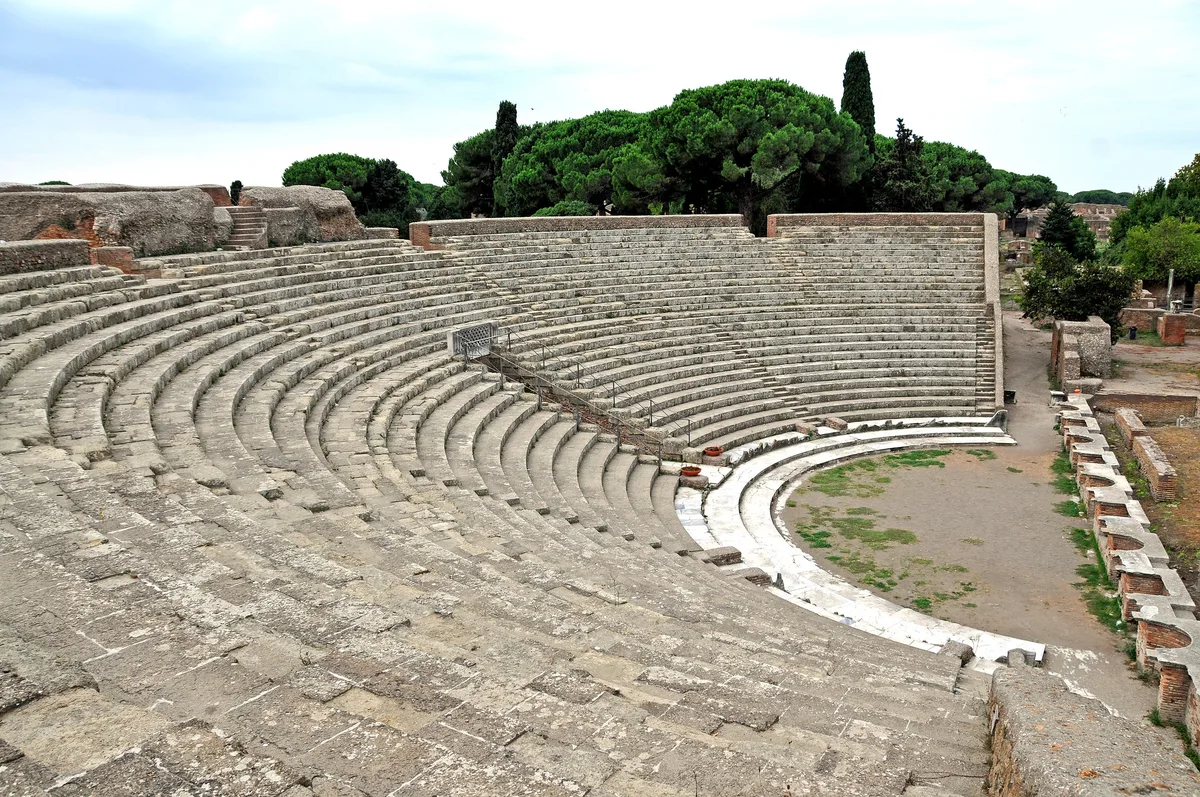
A full day pays off for photographers, archaeology fans and anyone who wants the less-visited areas. Spend the morning on the main street and the Forum. Take a long lunch break outside the archaeological area, then use the afternoon for the Porta Romana Necropolis and the horrea, the old grain warehouses. Some visitors prefer a guided pace for context, and a guided Ostia Antica tour can compress the highlights into fewer hours. If energy remains on another day, the Portus and Isola Sacra sites make a natural add-on rather than a same-day rush.
Factor in travel time: your real total
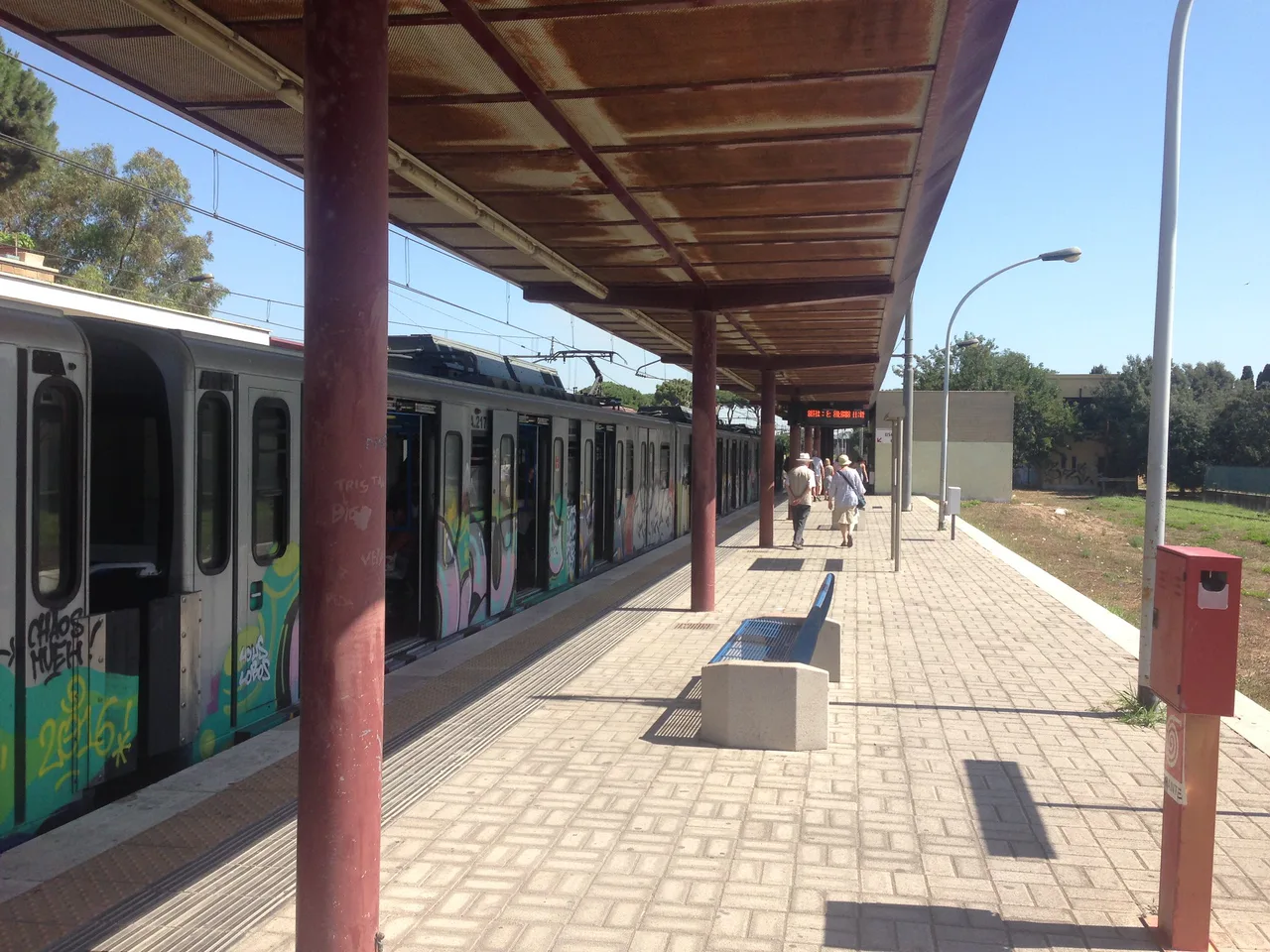
From central Rome, take Metro line B to Piramide, then walk one minute to Roma Porta San Paolo for the Metromare line toward Ostia Antica. A standard metro ticket covers the whole journey, which takes just over an hour from the city centre. Your starting point changes that figure, and Roma Mobilità publishes current timetables. After you leave the station, cross the footbridge over the motorway to reach the entrance. Our guide to reaching Ostia Antica from Rome covers the route in detail. A 3-hour visit therefore means roughly 6 hours door to door.
| Step | Rough time |
|---|---|
| Rome to site | Just over 1 hour |
| Entrance and ticket queue | 15 to 30 minutes |
| On site, standard visit | 3 to 4 hours |
| Lunch | 30 to 45 minutes |
| Return to Rome | Just over 1 hour |
Timing the visit: season, heat and closing time
Ostia Antica is open Tuesday to Sunday, so Monday is not a day to plan around. Shade is limited and the ground is uneven. In summer, arrive early and aim to finish before the hottest part of the afternoon. In winter, daylight is the limit, so start by late morning to avoid rushing the last streets. Opening and last-entry times change by season, so check them on the official Ostia Antica site before you set your return train.
Tickets and booking
As of 2026, an adult ticket costs €18, and EU citizens aged 18 to 25 pay €2. Online purchase is available, though walk-up tickets are usually workable outside peak days. Our Ostia Antica tickets guide explains the options.
Check your age first: EU citizens aged 18 to 25 pay €2, against €18 for adults.
Choose your length
Match the visit to your situation with these rules.
- Fixed Rome schedule: choose the 2-hour highlights loop and leave a buffer for the train back.
- Children or limited mobility: stay near 2 hours, as the ground is uneven and shade is scarce.
- Hot weather: start early and finish before the afternoon, even if that shortens the plan.
- Second site the same day: keep Ostia Antica to a half day at most.
- Expecting Pompeii-scale preservation: read Ostia Antica versus Pompeii first, then see if Ostia Antica is worth visiting for your trip.
Mistakes that cost you time
Small planning gaps eat the most time on site.
Entrance and ticket queues take 15 to 30 minutes, so buying online matters most on peak days.
- Arriving at midday in summer with no water, then retreating early.
- Going without a map or audio guide, when many structures are unmarked.
- Bringing luggage, since the site has no storage facility.
- Leaving no buffer for the last return trip to Rome.
- Relying on the on-site restaurant instead of a packed lunch, which you can eat outside the archaeological area.
Related guides

Continue reading
Guides on the same trip