
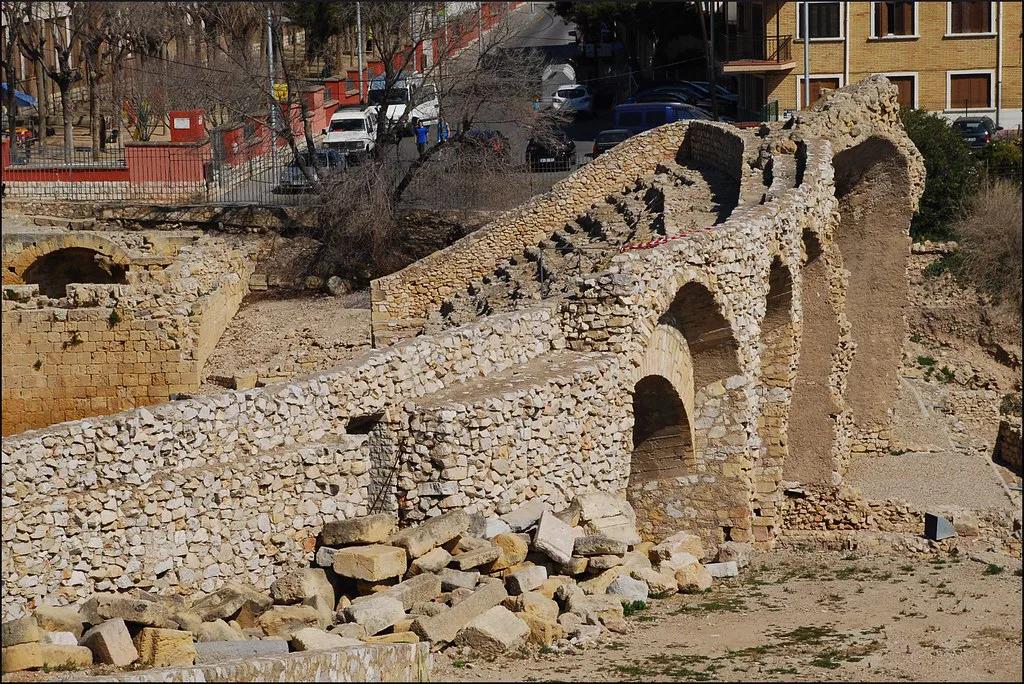
Last updated November 2026. The strongest Roman ruins in Europe sit in Italy (Ostia Antica, Verona), France (Pont du Gard, Nîmes, Arles), Spain (Mérida) and Britain (Hadrian's Wall, Fishbourne). Pick by access first and fame second, because several quiet sites need a car while others work as a half-day from a big city. This guide sorts the options and links to deeper pages on ancient ruins across Europe.
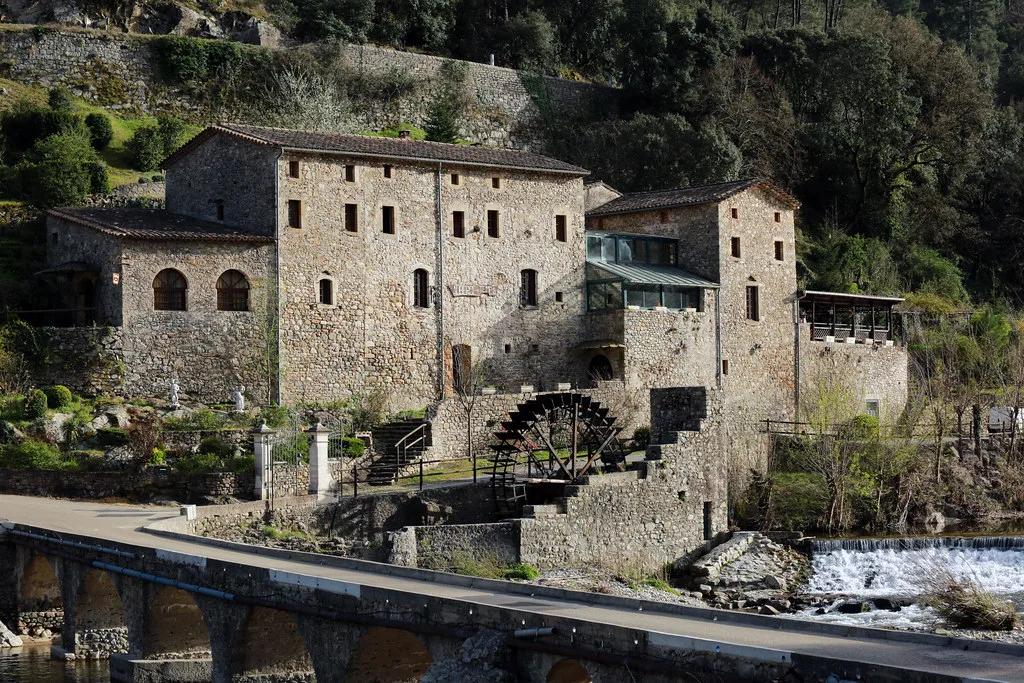
Featured image: Juanje Orío, CC BY-SA 2.0, via Flickr.
Roman ruins in Europe: where to start
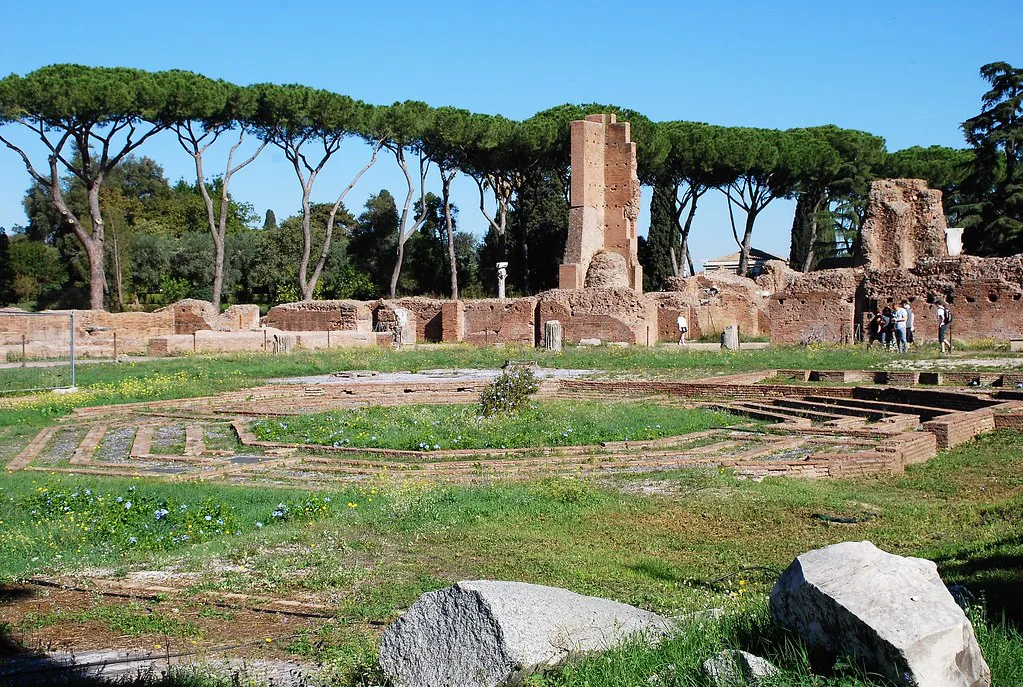
Italy gives the densest choice, from Ostia Antica near Rome to the walkable Roman core of Verona. France adds Pont du Gard, Nîmes and Arles. Spain's Mérida and Croatia's Pula round out the Mediterranean list. Britain offers Hadrian's Wall for hikers. Start with one region per trip, since Roman sites are spread thin and long transfers eat the day.
How to choose: famous anchors or quieter sites
Crowd-heavy anchors such as the Colosseum, Roman Forum and Pompeii suit first-timers who want scale. Quieter sites suit travelers who prefer to wander rooms without a queue. Four questions decide most trips: how much walking, whether you have a car, what survives, and which season you travel in. Summer heat on exposed ruins is real, so shoulder months are easier. Weighing Roman against Greek? Read Roman versus Greek ruins first.
- Car-free: Fiesole by local bus from Florence, Anfiteatro Campano by regional train from Naples Centrale, Grotte di Catullo on foot from Sirmione.
- Car-needed: Villa Romana del Casale in Sicily, Aquileia in Friuli, Aosta for the Alpine drive.
- Walking effort: Villa Jovis on Capri is a roughly 45-minute uphill walk from the piazzetta.
Comparison table: sites by trip style
Use this table to match a site to your trip. Travel times and opening rules change, so confirm them on each site's official page.
| Site | Country | What survives | Access | Best fit |
|---|---|---|---|---|
| Ostia Antica | Italy | Port town streets and buildings | Check official site | First-timers wanting a Roman town |
| Villa dei Quintili | Italy | Bath halls and villa rooms | Check official site | Rome visitors escaping crowds |
| Villa Romana del Casale | Italy (Sicily) | Mosaic floors | Rental car | Mosaic fans; plan about 2 hours |
| Fiesole | Italy | Theatre and baths | Local bus from Florence | Half-day trips |
| Anfiteatro Campano | Italy | Amphitheatre and underground galleries | Regional train from Naples Centrale | Amphitheatre fans |
| Aquileia | Italy | Forum, river port, basilica mosaic | Rental car | Quiet-site seekers |
| Pont du Gard | France | Aqueduct bridge | Check official site | Engineering fans |
| Mérida | Spain | Roman town remains | Check official site | Walkable town visits |
Quiet alternatives to Rome's big three, by region
Italy rewards a regional approach. Pick one cluster and skip the rest.
- Rome area: Villa dei Quintili on the Appian Way and the Palazzo Valentini tour, which uses limited, timed groups. Book ahead.
- Naples area: Baia's sunken ruins need a boat or dive excursion, and our guide to Underwater Ruins in Europe: Where You Can Actually Visit covers the option. Anfiteatro Campano is the one to see for Roman Amphitheatres in Europe: Best Sites to Visit and How to Choose.
- Capri: Villa Jovis rewards the 45-minute climb with Gulf of Naples views.
- Tuscany: Fiesole's theatre, one of several covered in Roman Theatres in Europe: Best Preserved Sites and How to Visit, can host summer concerts.
- North: Grotte di Catullo at Sirmione, Aquileia's mosaic floor and Aosta's theatre, arch and city gate. Compare them with the best-preserved Roman towns.
Beyond Italy: Roman ruins elsewhere in Europe
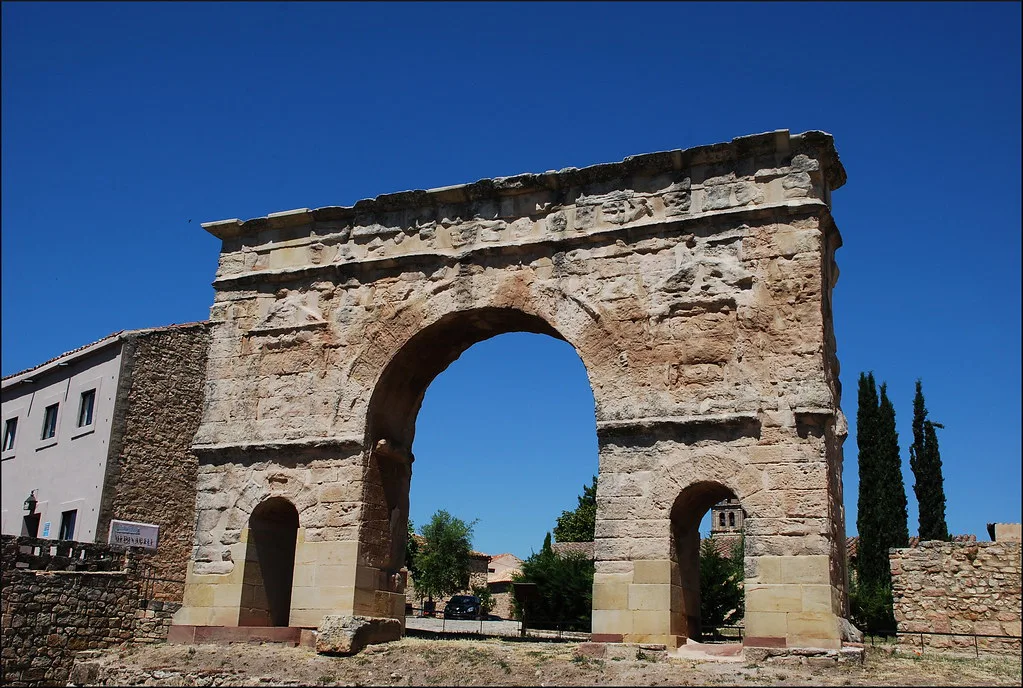
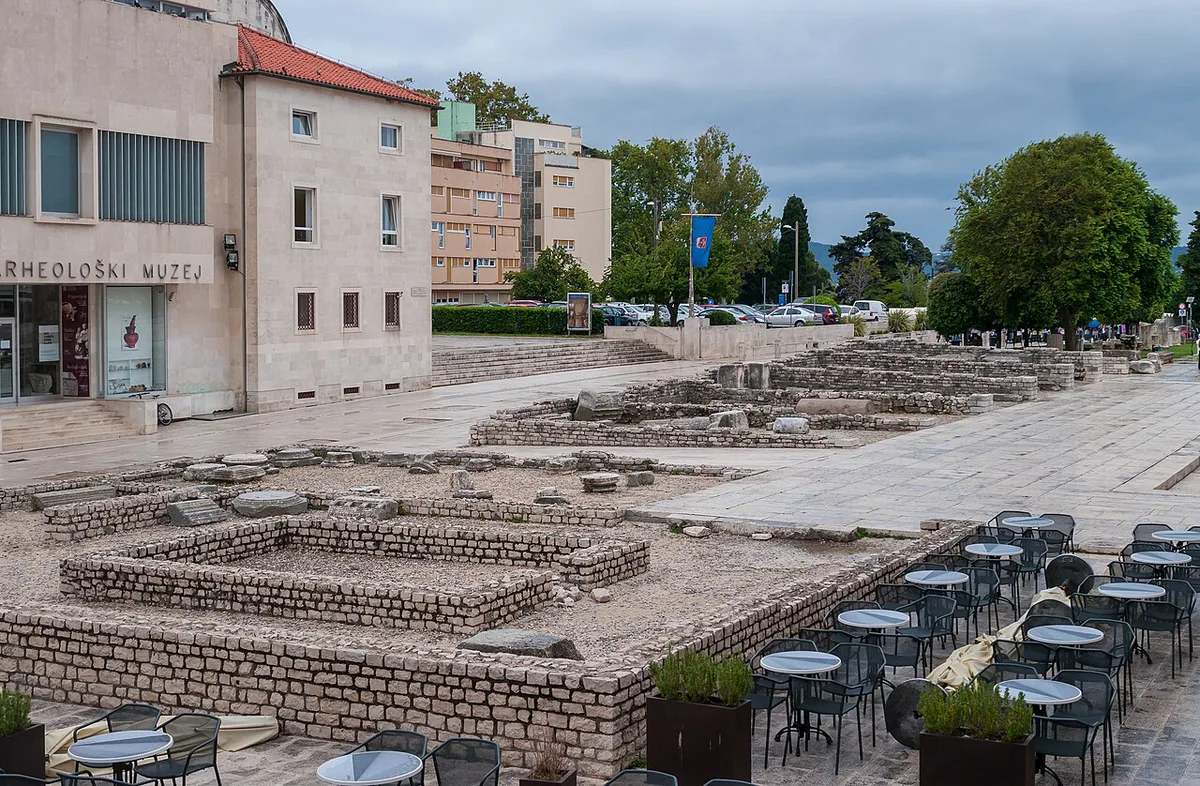
France's Pont du Gard is the headline aqueduct, and Nîmes and Arles add more Roman buildings within the same region. Mérida in Spain keeps a dense set of Roman remains in a walkable town. Pula in Croatia is listed by the Croatian National Tourist Board as a coastal base for Roman sights. In Britain, Hadrian's Wall suits hikers, and Fishbourne suits a villa-and-mosaics stop. Each country has its own booking rules, so check them before you build a route.
Planning logistics: tickets and timing
Ticket prices and hours change by season and site. For Ostia Antica, use the official park site for current opening rules.
Villa Romana del Casale needs about 2 hours and a rental car, so schedule it as the anchor of a Sicily driving day.
Mistakes to avoid
Most problems come from overpacking the day or skipping the booking step.
Leave time for the roughly 45-minute uphill walk from the piazzetta to Villa Jovis, and sort your Capri ferry times before you start climbing.
- Skipping advance booking for timed tours such as Palazzo Valentini.
- Wearing smooth-soled shoes on uneven stone and mosaic walkways.
- Visiting exposed sites at midday in summer.
- Leaving Capri ferries to the last minute in peak season.
- Packing three distant sites into one day.
Where to go next
Infrastructure fans should read about Roman Aqueducts in Europe: Best Ones to Visit and How They Worked. Prefer Greek sites? Try Greek Ruins Outside Greece: Best Sites in Europe & Beyond. For older stone monuments, see Megalithic Sites in Europe: Where to See Dolmens, Menhirs and Stone Circles.
Plan a realistic Roman-ruins day
Give each ruin the time its setting demands. Villa Romana del Casale needs about 2 hours for its mosaic floors, so it works best as the main stop on a Sicily driving day. Fiesole is a half-day trip from Florence, leaving time to return to the city rather than forcing another distant site.
Capri needs a different rhythm. Villa Jovis involves a roughly 45-minute uphill walk from the piazzetta before you explore the villa. Allow time for the return walk as well, especially in warm weather.
These examples show why three far-apart ruins rarely fit comfortably into one day. Pair nearby sights only when their transport is simple. Use one substantial site as the anchor, then add a short stop if your route and energy allow it. Check current opening rules before setting your order.
Related guides
Continue reading
Guides on the same trip