
Roman Aqueducts in Europe: Best Ones to Visit and How They Worked
Last updated November 2026: Roman aqueducts were gravity-fed water channels that ran from distant springs to towns, mostly underground, with arches only where valleys intervened. Pont du Gard in France and the Aqueduct of Segovia in Spain are the best-known survivors. Mérida, Tarragona and Istanbul add three more, and the table below compares all five.
Featured image: Juanje Orío, CC BY-SA 4.0, via Flickr.
Best Roman aqueducts to visit in Europe
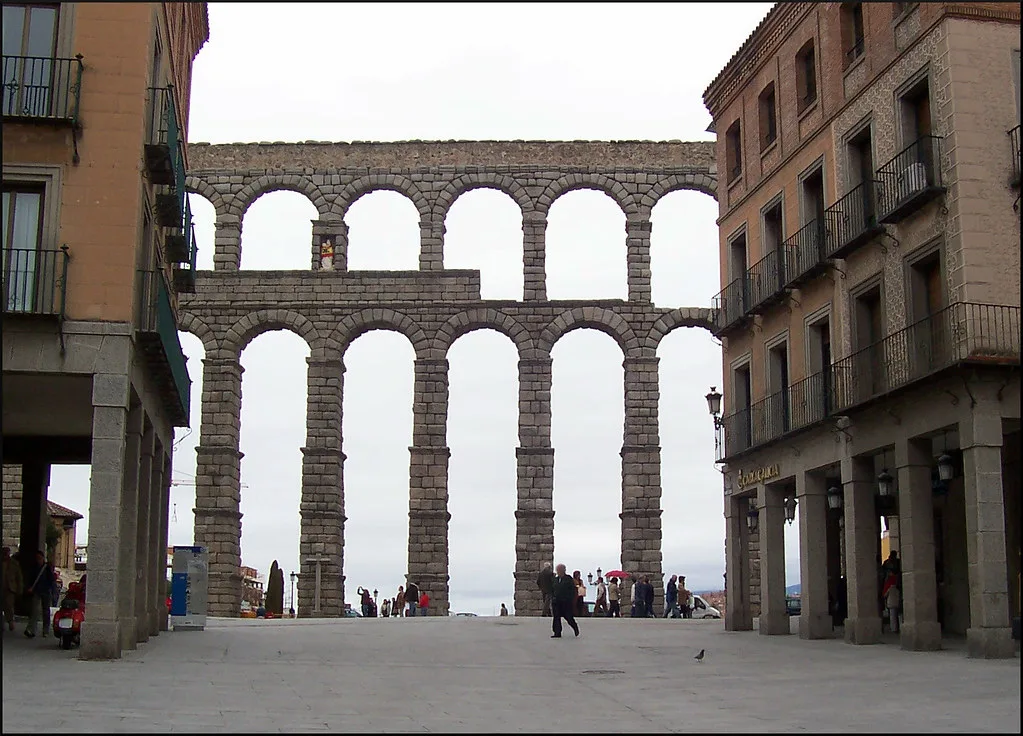
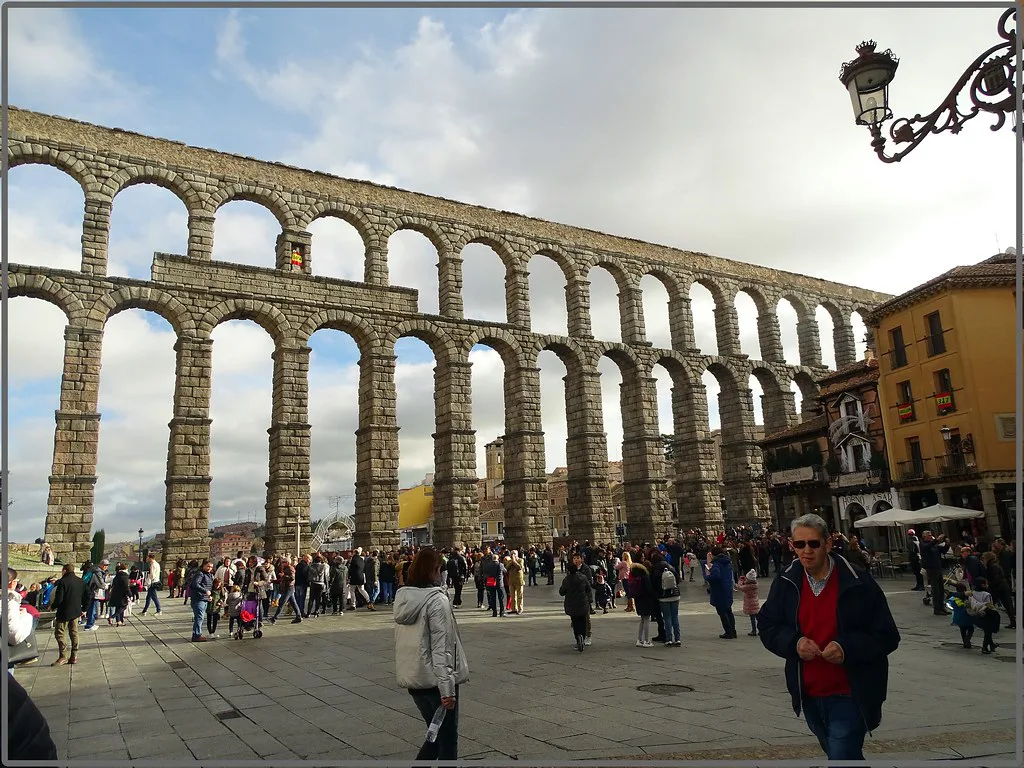
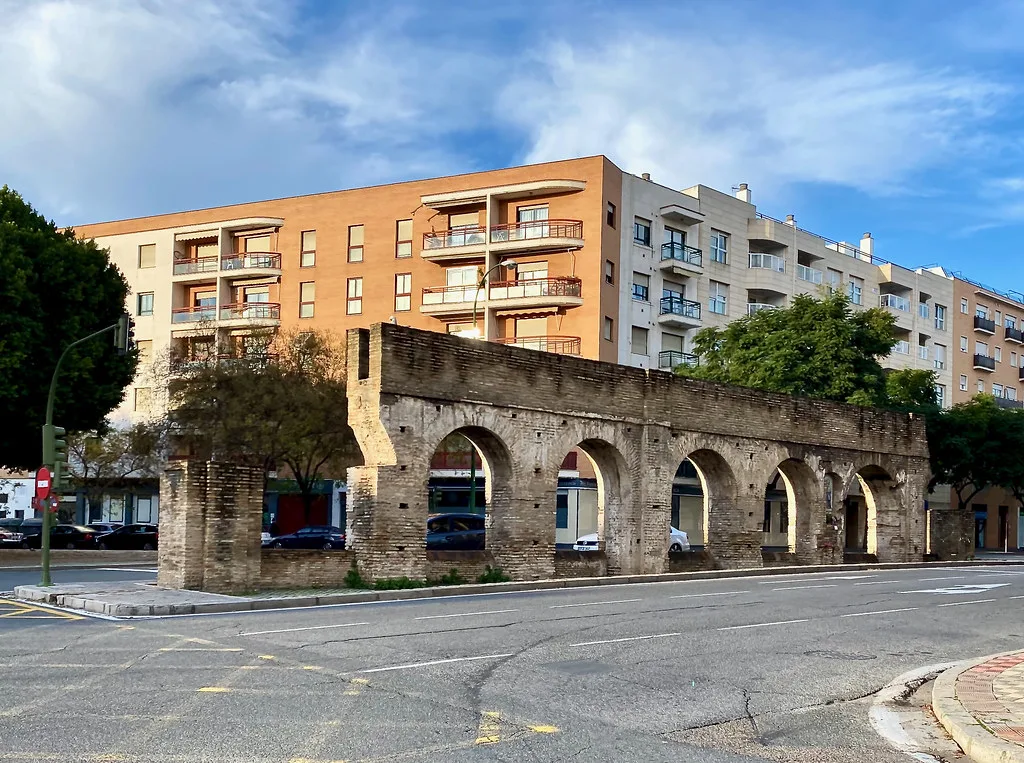
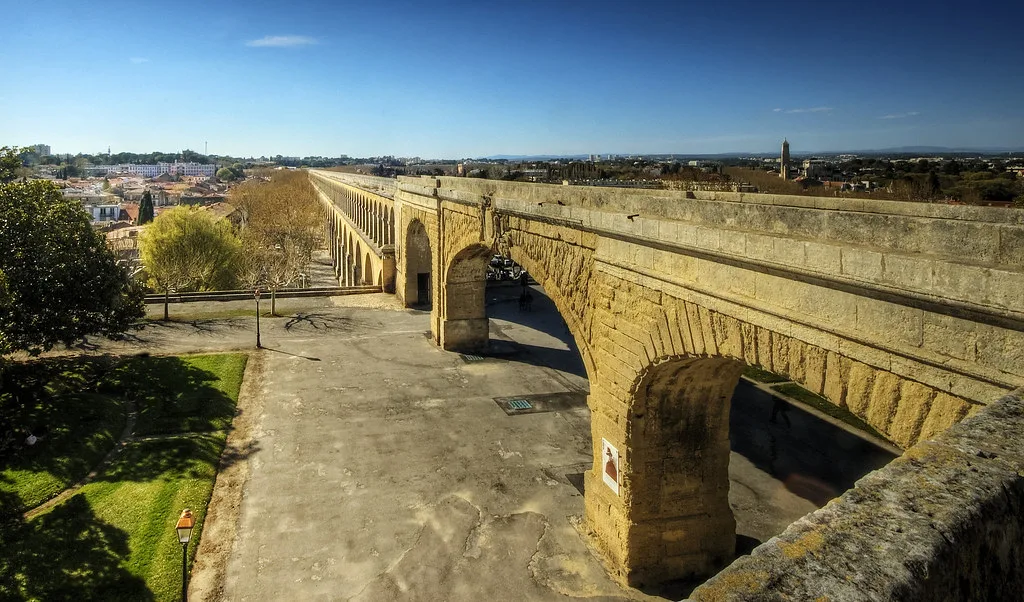
Pont du Gard crosses the Gardon River near Remoulins in southern France. It belonged to the Nîmes aqueduct, which ran about 50 km (roughly 31 miles) from a spring at Uzès to Nemausus, today's Nîmes. You reach it through a managed site, and the official Pont du Gard site explains parking and facilities. Segovia's aqueduct stands in the city itself, so you can see it on foot without a day trip. Near Tarragona, Pont de les Ferreres, also called Devil's Bridge, is 249 m (about 817 ft) long and supplied ancient Tárraco. In Mérida, the Acueducto de los Milagros is a ruined aqueduct bridge that served the Roman colony of Emerita Augusta. Istanbul's Valens Aqueduct is attributed to Emperor Valens in the late 4th century AD. Istanbul straddles Europe and Asia, so treat it as an extra stop rather than a core Europe route.
Uzès to Nîmes spans about 50 km (roughly 31 miles) of aqueduct, a useful gauge when planning a drive that takes in both towns.
| Site | Location | What you see | Access | Best for |
|---|---|---|---|---|
| Pont du Gard | Near Remoulins, France (EU) | Three-tiered bridge over the Gardon River | Managed countryside site with parking | Road trips, photography, families |
| Aqueduct of Segovia | Segovia, Spain (EU) | Long arcade running through the city | City centre, on foot | City breaks, short stops |
| Pont de les Ferreres | Near Tarragona, Spain (EU) | Single-level arched bridge, 249 m long | Short trip from Tarragona | Quiet ruins, Roman-sites fans |
| Acueducto de los Milagros | Mérida, Spain (EU) | Ruined arches of an aqueduct bridge | Pair with Mérida's other Roman sights | History-focused travellers |
| Valens Aqueduct | Istanbul, Turkey (Europe/Asia) | Surviving arched section in the city | City stop in Istanbul | Travellers already in Istanbul |
How Roman aqueducts worked
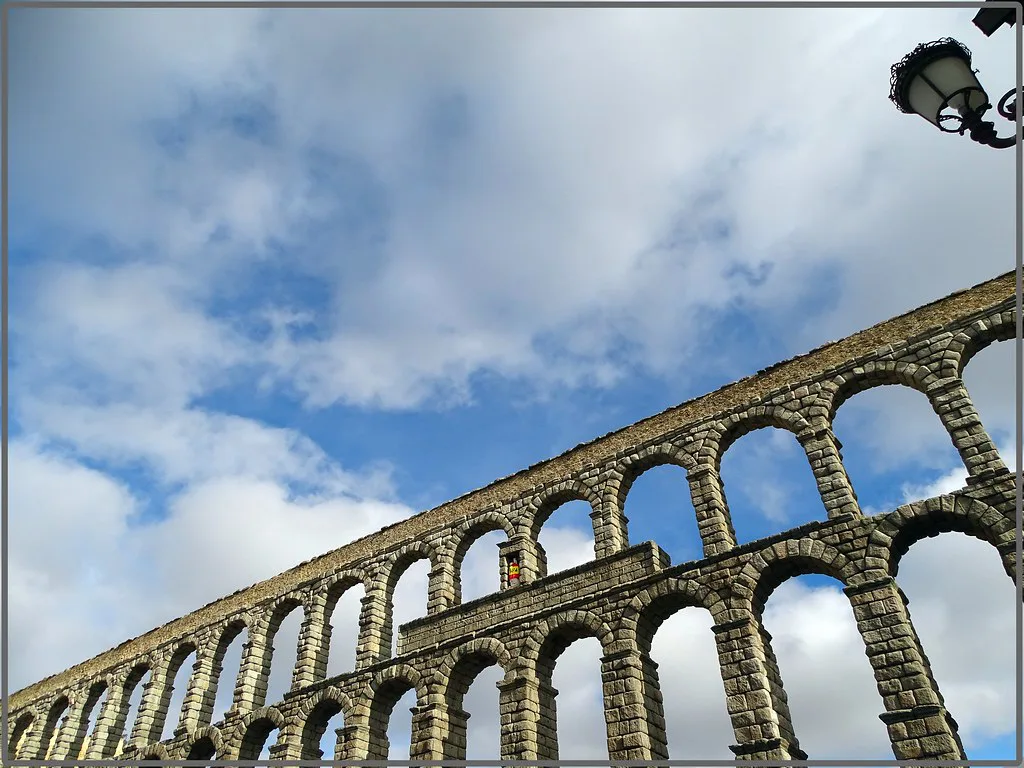
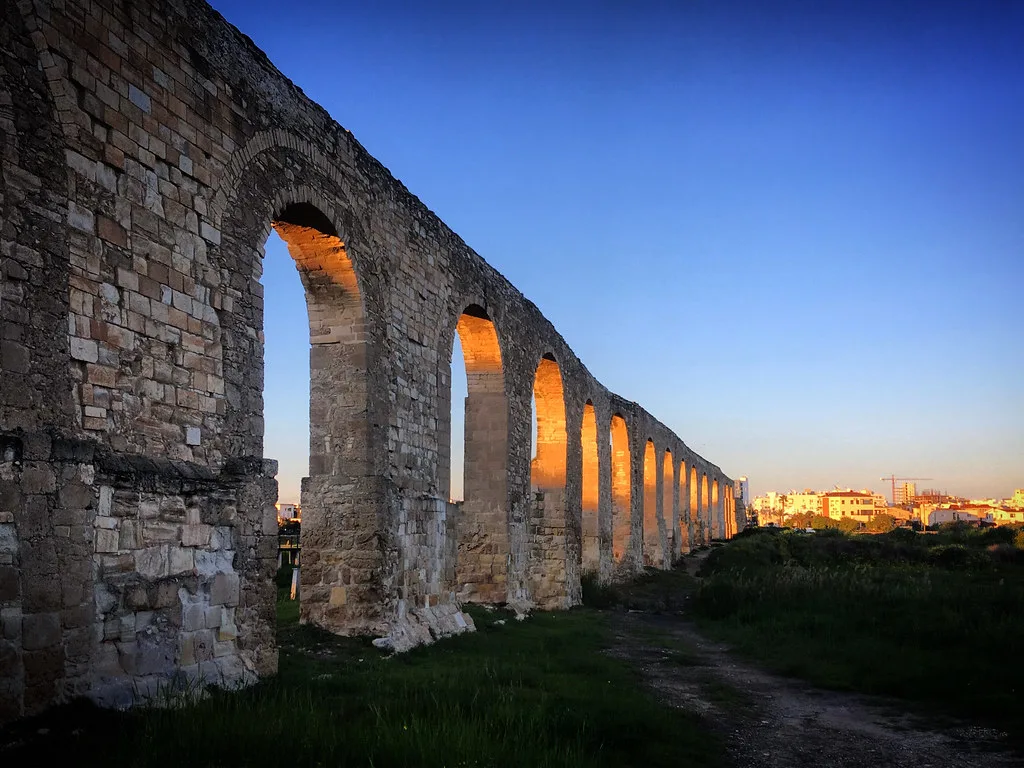
Engineers set a gentle, continuous downhill gradient so gravity did all the work, with no pumps. Water ran in a channel often coated with water-resistant mortar called opus signinum. Tunnels carried the line through hills, and arched bridges crossed valleys. Where a dip was too deep for a bridge, pipes could push water through as a siphon. Holding the gradient meant most of the route ran underground or at ground level, and arches were the exception. Tradition attributes the first Roman aqueduct, the Aqua Appia, to 312 BC, and it ran mostly underground. For a contrast with Greek building methods, see Roman and Greek ruins compared.
Tradition dates the Aqua Appia to 312 BC, a reminder that most early lines were buried rather than raised on arches.
What Roman aqueduct water was used for and why the lines failed
Aqueduct water mostly fed public fountains, which supplied households without private connections. Some also went to bathhouses, latrines, workshops, gardens and, for wealthy customers who paid for the right, private homes. Large lines could also feed mills and industrial sites. For a sense of where the water ended up, see our guide to the Roman baths.
Several things ended service on the original lines:
- Neglect. Without crews to clear mineral build-up and repair leaks, channels clogged and sections collapsed once central authority and funding weakened.
- Sieges. Cutting a city's water was a standard tactic. The Goths broke the aqueducts supplying Rome during their siege in AD 537.
- Changing cities. As populations shrank, towns relied on wells and local springs rather than distant channels.
Some structures lasted far longer by being reused. Pont du Gard carried road traffic across the Gardon in later centuries, and Segovia's aqueduct delivered water well into the modern era. Istanbul's Valens Aqueduct was repaired and used for centuries after Roman rule. That reuse is a large part of why these particular arches survive when most of the buried channels do not.
How Roman engineers surveyed and maintained aqueducts
Building a line of tens of kilometres with a barely perceptible slope took careful surveying. Surveyors used a groma to set straight lines, a chorobates (a long levelling table with water channels and plumb lines, described by the architect Vitruvius) to check the fall, and sometimes a dioptra for sighting angles. Vitruvius recommended a fall of at least about 1 in 200 for channels. Long, flat routes were often far gentler: the Nîmes aqueduct dropped only about 17 m over its roughly 50 km, which is why Pont du Gard sits at such a precise height above the Gardon.
Once a line was running, it needed constant upkeep:
- Inspection shafts along the buried channel let crews reach the water and clear debris.
- Settling tanks (piscinae) slowed the flow so silt dropped out before the water reached town.
- Mineral crusts built up inside the channel over time and had to be chipped away. You can still see this limescale in some surviving sections.
- Official oversight: in Rome, a water commissioner (curator aquarum) ran the system. Sextus Julius Frontinus held the post around AD 97 and wrote a surviving report on the city's supply.
On a visit, look for the thin line of the channel on top of an arcade and for small access openings, which show how a structure that looks purely monumental was a working utility.
Which Roman aqueduct fits your trip
Match the site to your time and transport rather than to fame. Our guide to other Roman sites helps you build a wider route around any of these.
- City break: Segovia puts the aqueduct beside the old town, so no separate excursion is needed.
- Road trip: Pont du Gard fits a drive that also takes in Nîmes and Uzès.
- History focus: Mérida rewards a longer stay, with Roman sights beyond the aqueduct.
- Photography: Pont du Gard suits the river setting, and Pont de les Ferreres is quieter.
- Short on time: Segovia and Istanbul's Valens Aqueduct work as city stops.
- Families: Pont du Gard is a managed site with facilities and room to move.
Planning a visit: access, tickets and timing
Ticket prices and opening hours change, so none are quoted here. Pont du Gard is a countryside site, so look for parking fees, site passes, seasonal hours and the walk to the bridge on its official page. Segovia Tourism is the place to start for the city. Plan about an hour for a city stop and a half-day for a countryside site. Summer midday heat is strong and shade is limited, so go early or late. Tarragona pairs the Les Ferreres bridge with its Roman amphitheatre sites. Mérida adds Roman theatre sites to the same visit. Both suit a trip built around Roman towns that survive well. For a bigger route, the wider ruins of ancient Europe offer more stops.
Common mistakes to avoid
Most disappointments come from expectations, not from the monuments.
- Expecting water in the channel: these structures are dry today.
- Assuming every arch is intact: Mérida's Los Milagros is partly ruined.
- Visiting at midday in summer: shade is scarce at open sites.
- Mixing up sites: Pont du Gard in France is not the Segovia aqueduct in Spain.
- Expecting a full aqueduct line: much of each system was underground, so you often see only an arch run or a section.
Related guides
Continue reading
Guides on the same trip