
Underwater Ruins in Europe: Where You Can Actually Visit
Last updated November 2026: Europe's best accessible underwater ruins are the Baiae Underwater Archaeological Park near Naples, with other submerged sites in Greece and the Adriatic. Most submerged sites are protected, deep or closed to visitors, so access type matters more than fame. Below, each site is sorted by how you can see it: diving, snorkelling, a boat, or a museum.
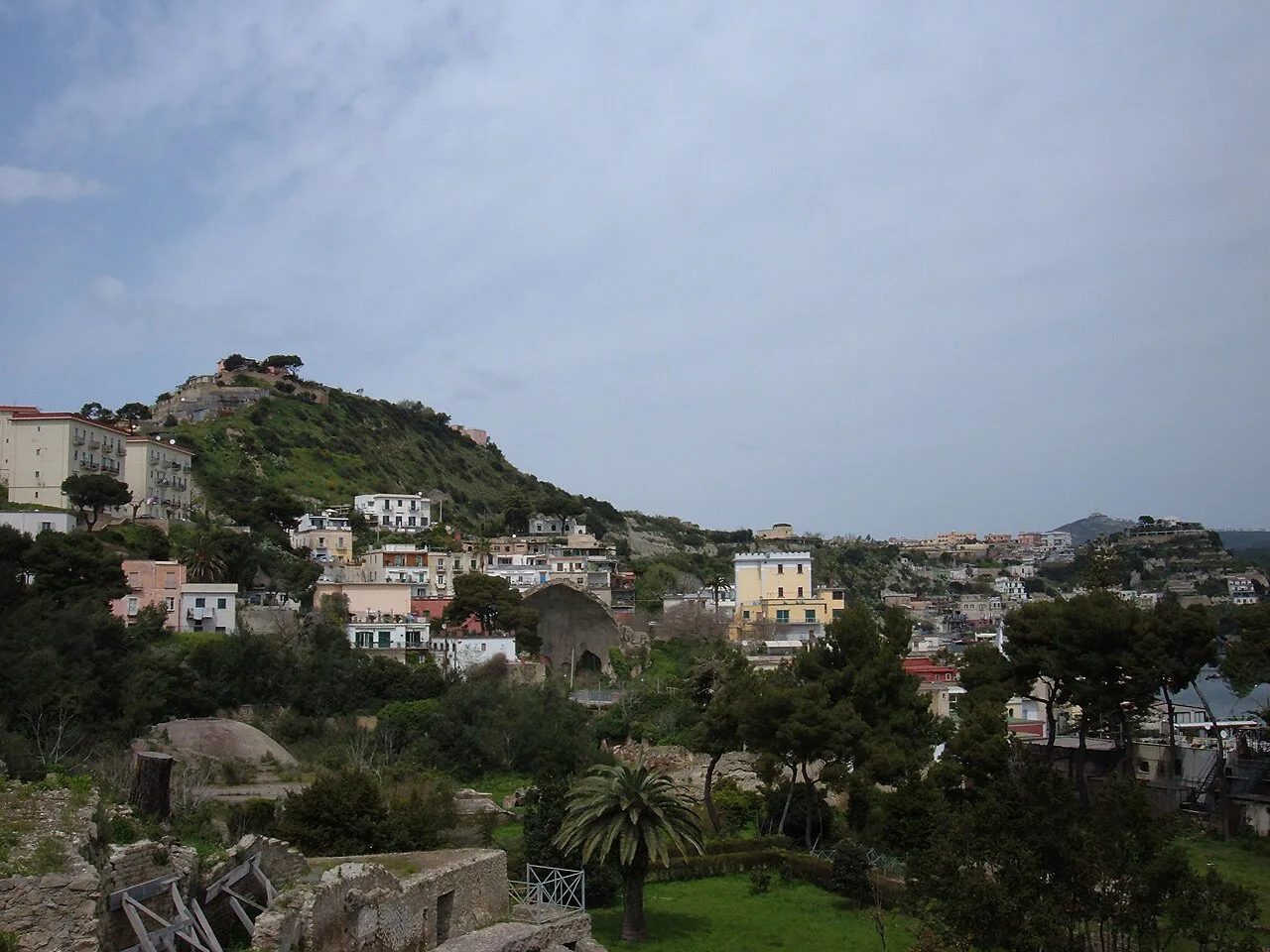
Featured image: Kleuske, CC BY-SA 3.0, via Wikimedia Commons.
What counts as underwater ruins in Europe
Four kinds of site turn up in Europe's waters. Sunken ancient harbours, drowned villas and towns, submerged prehistoric settlements and shipwrecks all qualify as underwater archaeology. Only a small share of them has any visitor access. Documented sites are excavated, dated and published by an official body. Speculative claims about lost civilisations or underwater pyramids are not covered here.
How to choose: access type at a glance
Access rules decide your trip more than the age of the ruins do. Use this table to match a site to your skills, then confirm the current rules with the managing authority.
| Site and country | What it is | Access type | Skill needed | Who should skip it |
|---|---|---|---|---|
| Baiae, Italy | Drowned Roman resort in the Campi Flegrei area | Guided or regulated visit, diving or boat | Certified diver for diving; none for boat options | Anyone who wants to swim in on their own |
| Pavlopetri, Greece | Submerged Bronze Age town | Shallow water; rules set by the managing authority | Snorkelling-level swimming; check permits | Visitors expecting signage or facilities |
| Adriatic coast wrecks and harbours | Sunken harbour works and ship finds | Mostly certified scuba or museum finds | Certified diver | Non-divers, who should head to a museum |
Sites you can dive or snorkel
Baiae is the clearest answer for most travellers. Roman elites once built seaside villas here, and the ground later sank into the bay. The Campi Flegrei archaeological park authority manages the protected underwater zone near Naples. Visits run through regulated routes, so book a licensed operator rather than entering the water alone. Our guide to Roman Ruins in Europe: Beyond the Big Three covers the drowned villas in wider context.
- Baiae, Italy: Roman villas, mosaics and statues below the bay. Ask the park authority about dive and boat routes.
- Pavlopetri, Greece: a submerged Bronze Age town. Check the Greek culture ministry's archaeological sites portal for access and permits.
- Other protected underwater parks: include them only after an official source confirms the access rule.
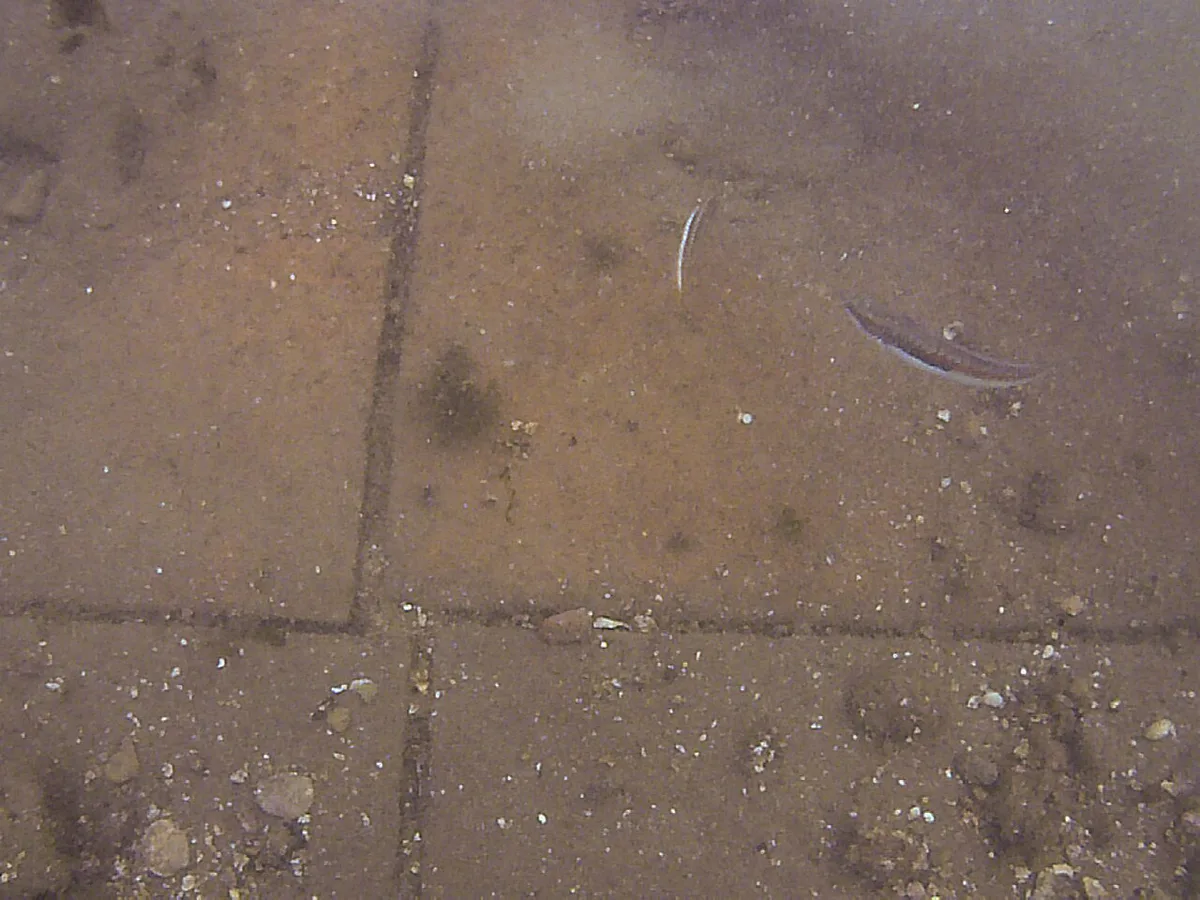
What you actually see at Baiae underwater
Baiae is a drowned resort, not a single monument, so the dive or boat route you book decides what you see. The protected area, the Parco Sommerso di Baia, covers several separate zones. Operators usually pick from the following.
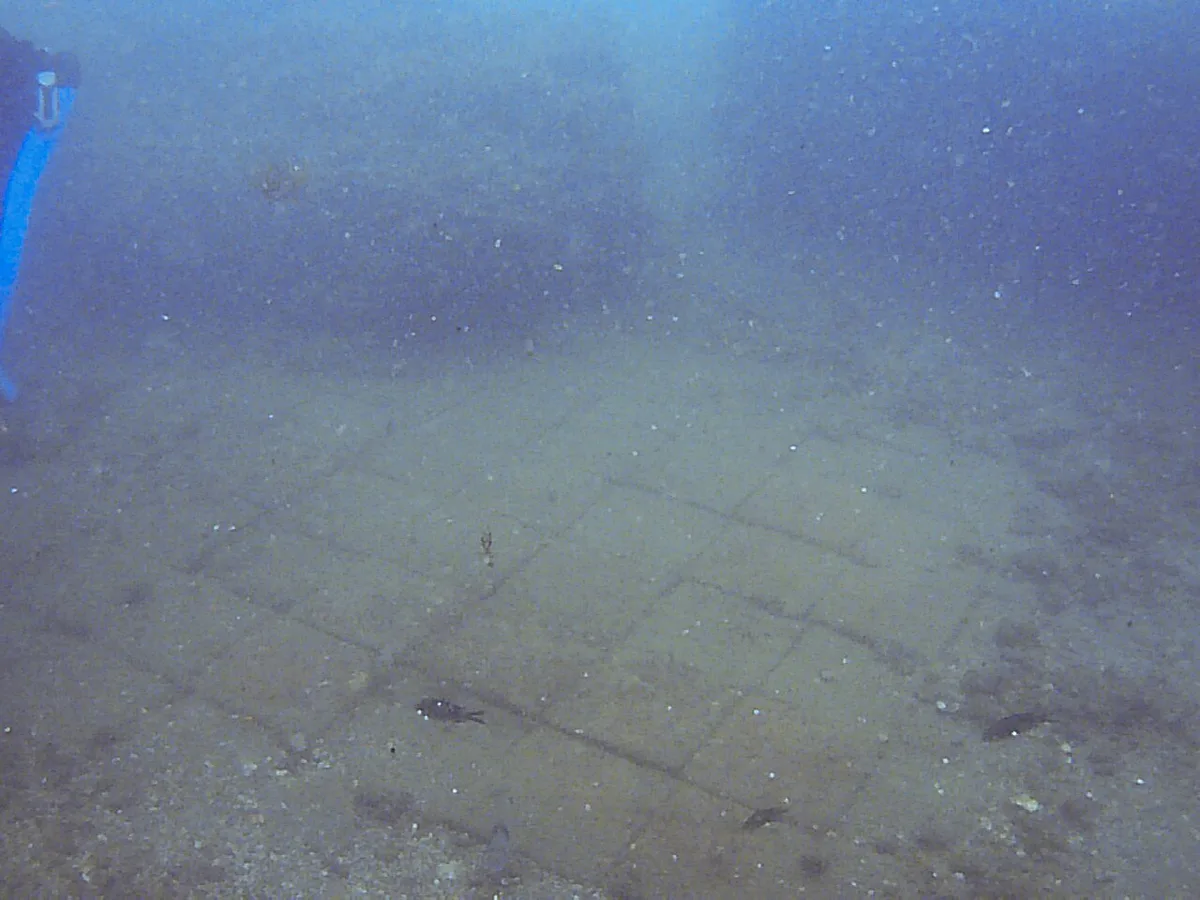
- Villa con ingresso a protiro: a villa with a columned entrance, mosaic floors and wall remains. This is a common choice for first-time visitors.
- Portus Julius: the Roman naval harbour, with quays and the outlines of warehouses and walkways.
- Nymphaeum of Punta Epitaffio: a dining pavilion decorated with statues. The pieces on the seabed are copies. The originals were raised and are displayed in the Museo Archeologico dei Campi Flegrei in the Castle of Baia.
- Villa dei Pisoni: a large villa complex with terraces and mosaic floors, reached on regulated routes.
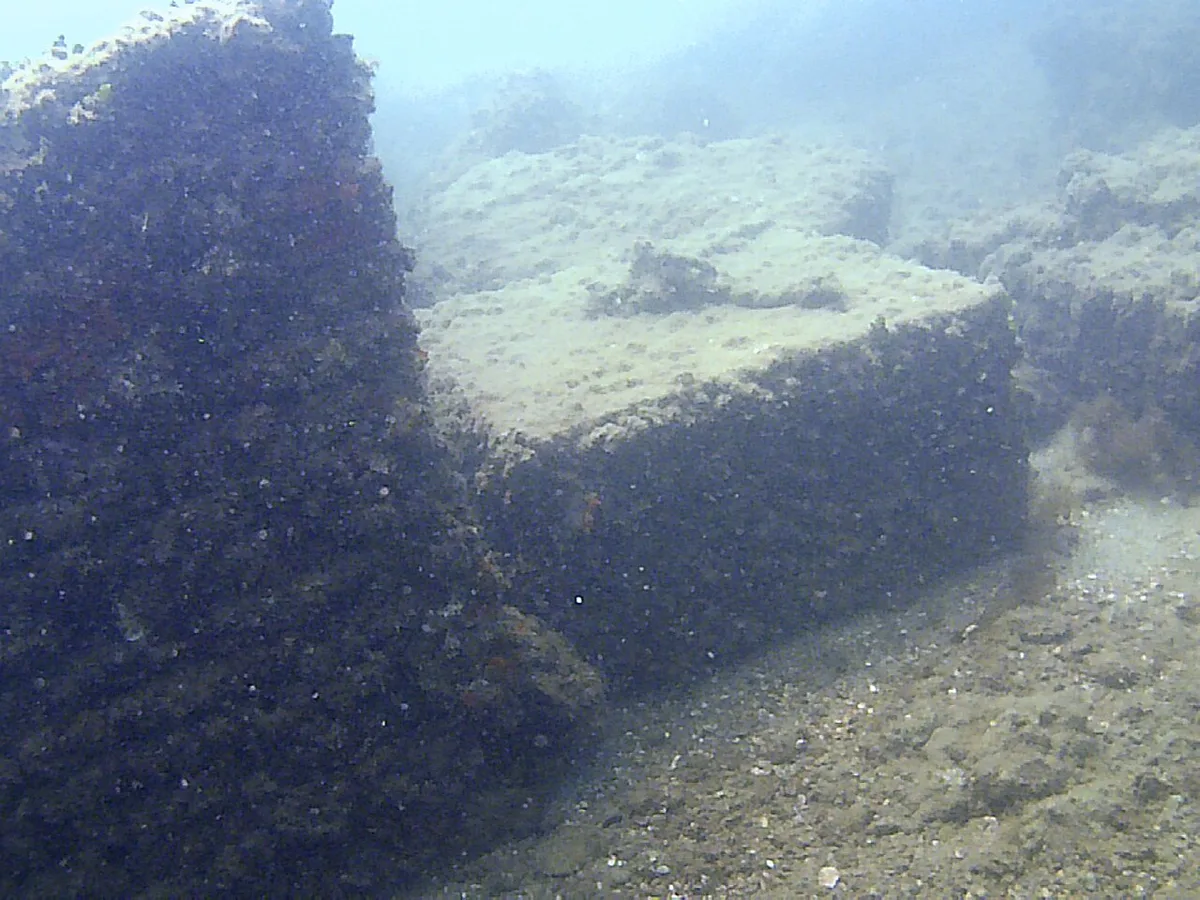
Depths in the park are generally shallow, so many sites suit newer divers. Rules on the number of divers, guide requirements and zone access still apply. Ask which zones your operator is licensed for before you pay a deposit.
Pairing the water with the museum
The most useful combination is a boat or dive in the morning and the Castle of Baia museum afterwards. You can match what you saw on the seabed with the original statues and architectural fragments. This also works as the plan for non-divers who take a glass-bottom boat. Check opening days with the museum before you travel, as they change by season.
Visibility
Visibility in the bay varies with swell and recent weather. Ask the operator about conditions on the day, and keep a flexible date in case the sea is rough.
Why Baiae sank: bradyseism in the Campi Flegrei
Baiae is underwater because the ground itself moves. The Campi Flegrei is a volcanic caldera, and the land here rises and falls slowly over centuries in a process called bradyseism. Combined with changes in sea level since antiquity, this lowered the Roman resort below the waterline, so these are villas that sank in place, not ruins that were thrown into the sea.
You can see the same process on land in nearby Pozzuoli. The columns of the so-called Temple of Serapis, a Roman market building, are bored by marine molluscs well above today's ground level. That shows the site once sat under the sea and was later raised again. It is a free stop that makes the seabed at Baiae easier to understand.
- Practical effect: the ground is still active, so the park authority and the local authorities can change access to zones. Routes depend on your operator.
- Dry-land pairing: Pozzuoli and the Castle of Baia museum fit into the same day as a boat or dive. For other sites in the area, see our guide to ancient ruins near Naples.
Bradyseism is also why you should not treat any depth or visibility figure you read online as fixed. Ask the operator what the zones look like this season.
Seeing submerged sites without getting wet
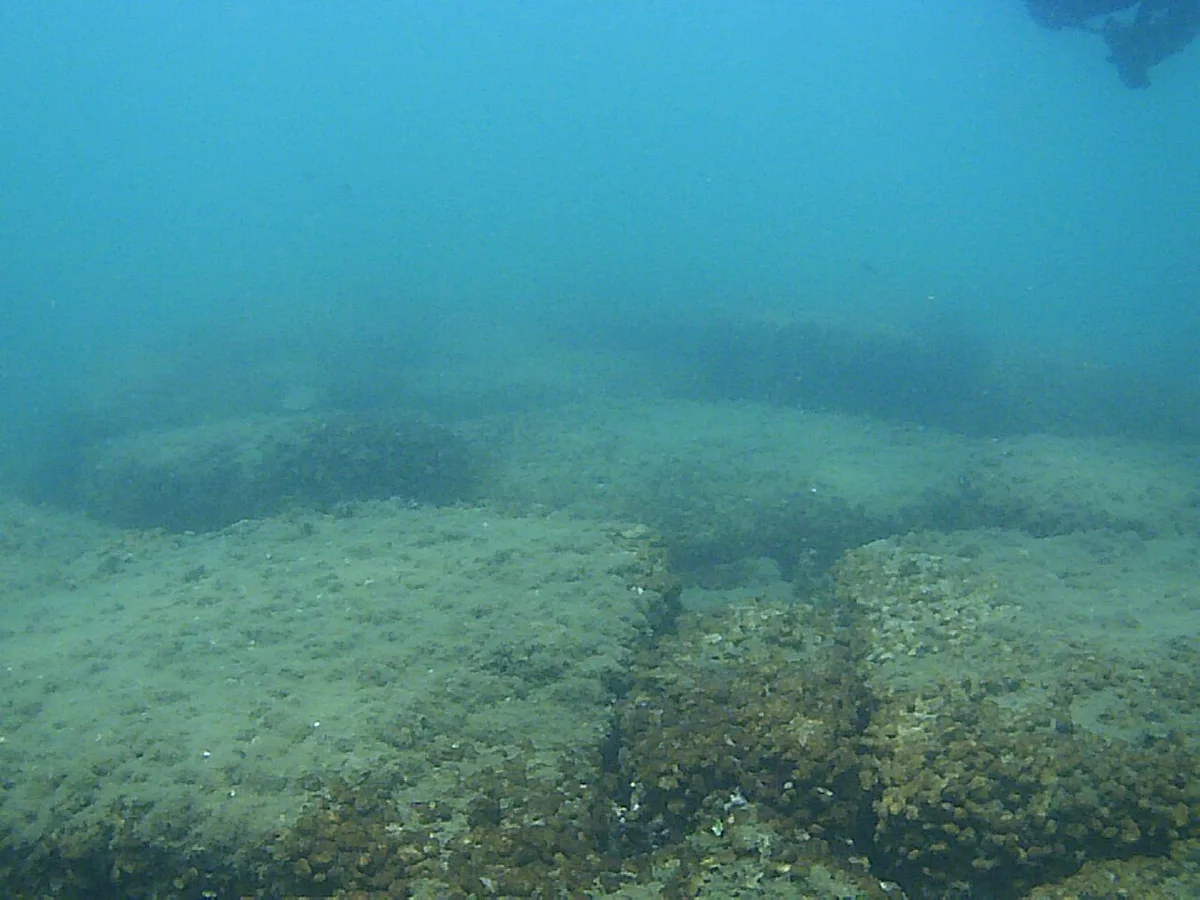
Non-divers still have good options. Glass-bottom boats and semi-submersible tours run at some protected zones, and Baiae is the main place to ask. Museums hold the recovered finds, including statues and architectural pieces raised from sunken sites. Each museum's collection page lists what is on display. If you would rather see Roman towns dry, start with the best-preserved Roman towns.
Raised shipwrecks you can visit in museums
Some of Europe's best underwater finds are no longer underwater. Three wrecks were raised and are now displayed in dedicated museums, which makes them the easiest way to see maritime archaeology if you do not dive.
- Vasa Museum, Stockholm, Sweden: the Swedish warship Vasa sank on its maiden voyage in 1628 and was raised in 1961. It is one of the best-preserved 17th-century ships in the world.
- Mary Rose Museum, Portsmouth, England: Henry VIII's warship sank in the Solent in 1545 and was raised in 1982. The hull and thousands of recovered objects are displayed together.
- Viking Ship Museum, Roskilde, Denmark: five Viking-age ships were deliberately sunk in the Roskilde Fjord around the 11th century to block a channel. They were recovered in the 1960s.
These are shipwrecks rather than drowned towns, so they answer a different question from Baiae. They suit travellers who want to see timber, rigging and everyday objects up close. Check each museum's official site for opening hours and ticket prices before you go, as both change by season.
If your trip is about ruins rather than ships, the drowned Roman world at Baiae is still the main attraction. For dry examples of the same era, our guide to Roman theatres in Europe is a useful next step.
Sites that are restricted or closed
Many sites are closed on purpose. Conservation, depth and looting risk all limit access, so do not build a trip around a famous wreck or harbour until an authority confirms visits. Greek and Adriatic sites in particular may require a state permit even for experienced divers.
Planning logistics
Fly or take the train to Naples for Baiae, and base yourself in the Campi Flegrei area. Dive operators, season and visibility figures change, so use the park authority and your operator for current details.
Mistakes to avoid
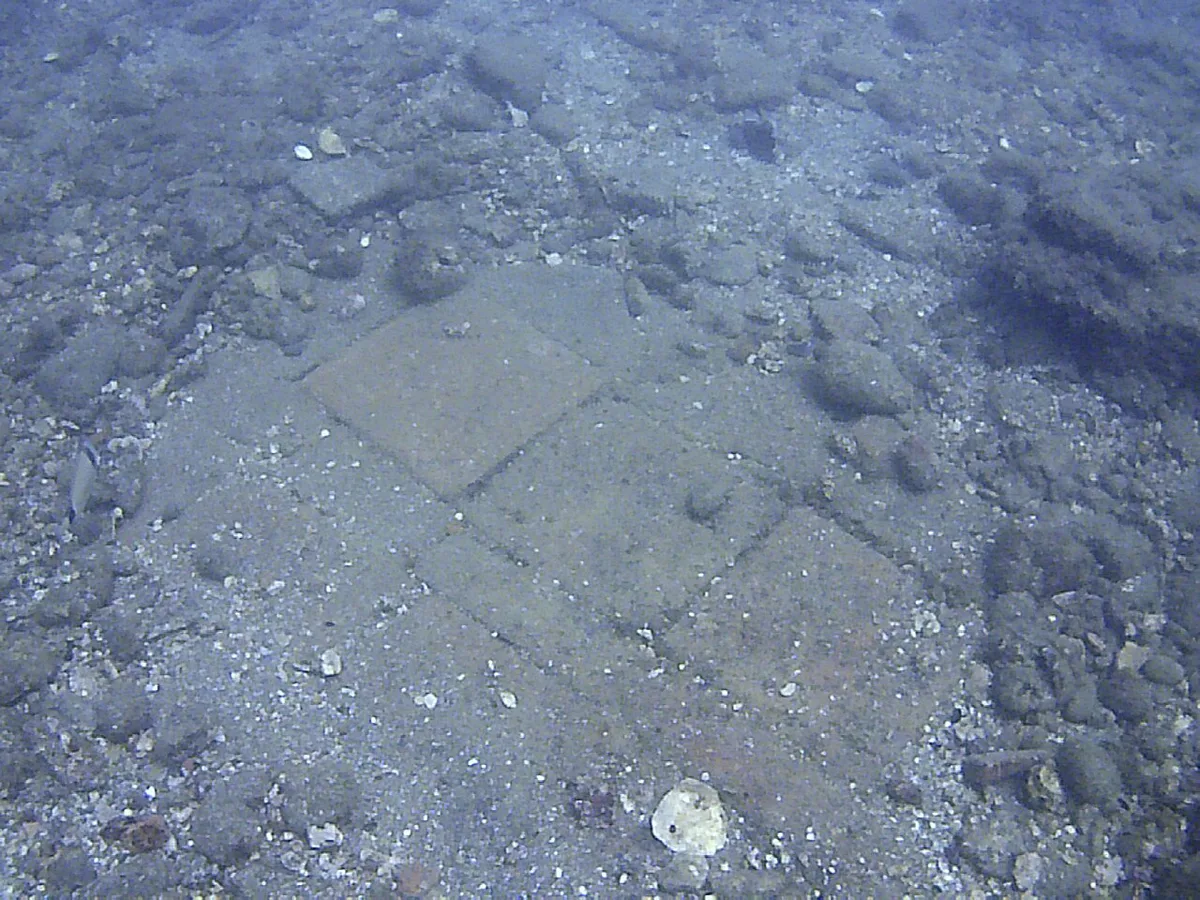
A few errors cause most failed plans.
- Assuming a famous site is open to divers.
- Booking an operator that is not licensed for the protected zone.
- Taking artefacts, which is illegal and harms the record.
- Expecting clear water after storms or in crowded peak season.
- Skipping a museum visit when diving is not possible.
Law and ethics
Underwater heritage is protected. Removing artefacts breaks national law, and the UNESCO 2001 Convention on the Protection of the Underwater Cultural Heritage sets the international framing. Look up its current status for each country before citing it. Look, photograph and leave everything where it lies.
Is it worth it? Short-itinerary verdict
Certified divers should book a regulated Baiae dive. Non-divers should choose a glass-bottom boat or semi-submersible tour. Anyone short on time should visit a museum that holds recovered finds. For broader context, compare Roman and Greek ruins, then return to our 8 Best Ancient Ruins in Europe: Sites by Era and Region overview.
Related guides

Continue reading
Guides on the same trip