
Sibari, Calabria: Guide to the Town and Ancient Sybaris Ruins
Last updated November 2026: Sibari is a modern frazione of Cassano allo Ionio in the province of Cosenza, Calabria, close to the Gulf of Taranto. The ancient Greek ruins of Sybaris and Thurii lie a few kilometers to the southeast, so the town works as a base rather than a sight in itself. Looking for a footballer or a yacht? This guide covers the Calabrian town and its archaeology.
Featured image: philstephenrichards, CC BY-SA 4.0, via Flickr.
What Sibari Is (and What It Isn't)
Sibari is a settlement of about 5,000 people, sitting 4 m above sea level on the Ionian plain. Founded in the 1960s after a land-reclamation program, it grew as a farming and rail town. Beach tourism followed in the 1980s and 1990s, and local agriculture still centers on citrus, olives and rice. You will not find a historic center here. Streets are modern, and the old city is not under the town square. Sybaris is the ancient Greek city, and Thurii is the later city founded in the same area. Visitors often assume the town and the ruins are one place. They are separate stops a few kilometers apart.
Ancient Sybaris, Thurii and the Roman Layer: What You Can See
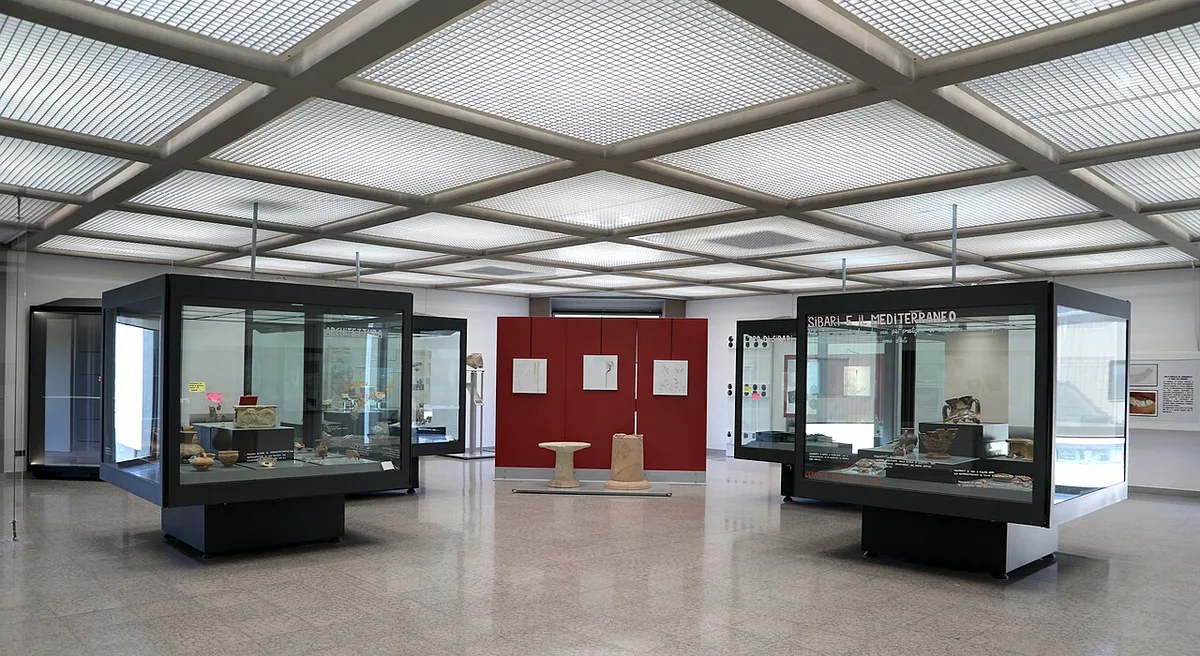
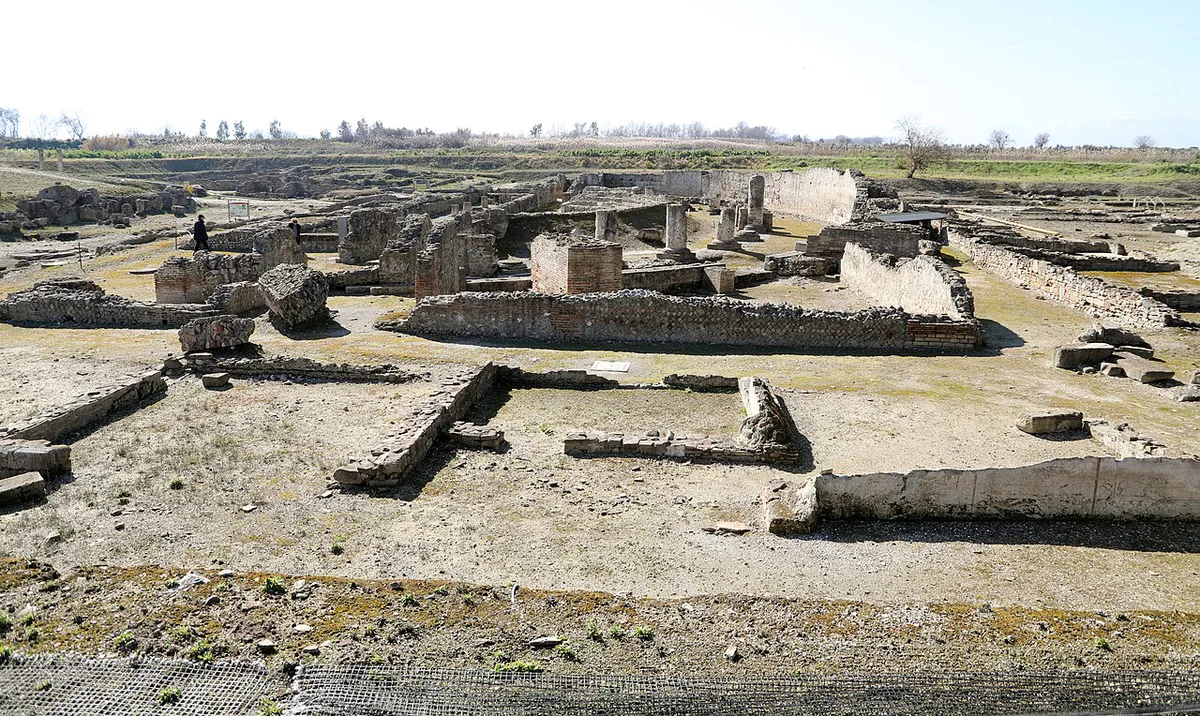
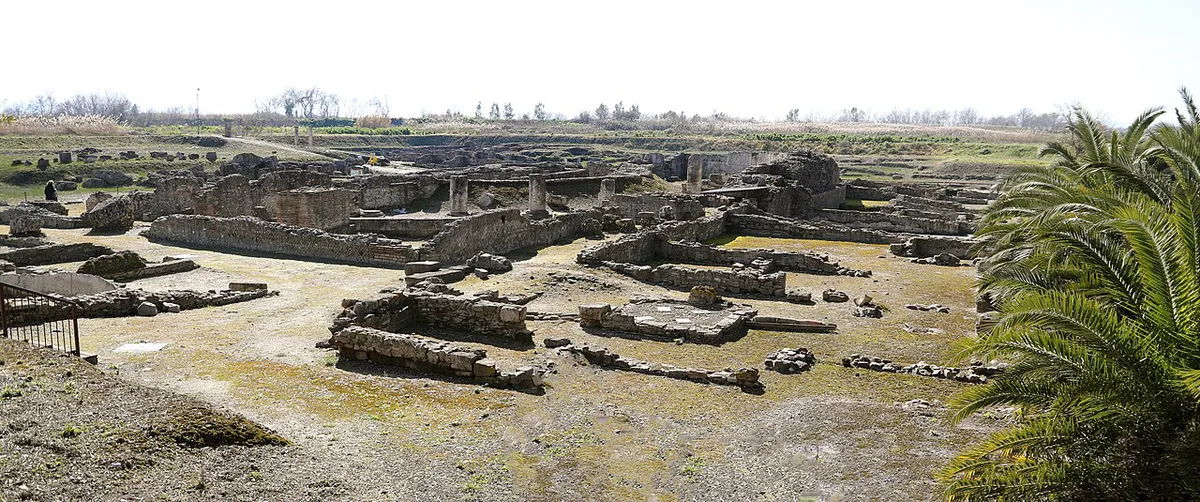
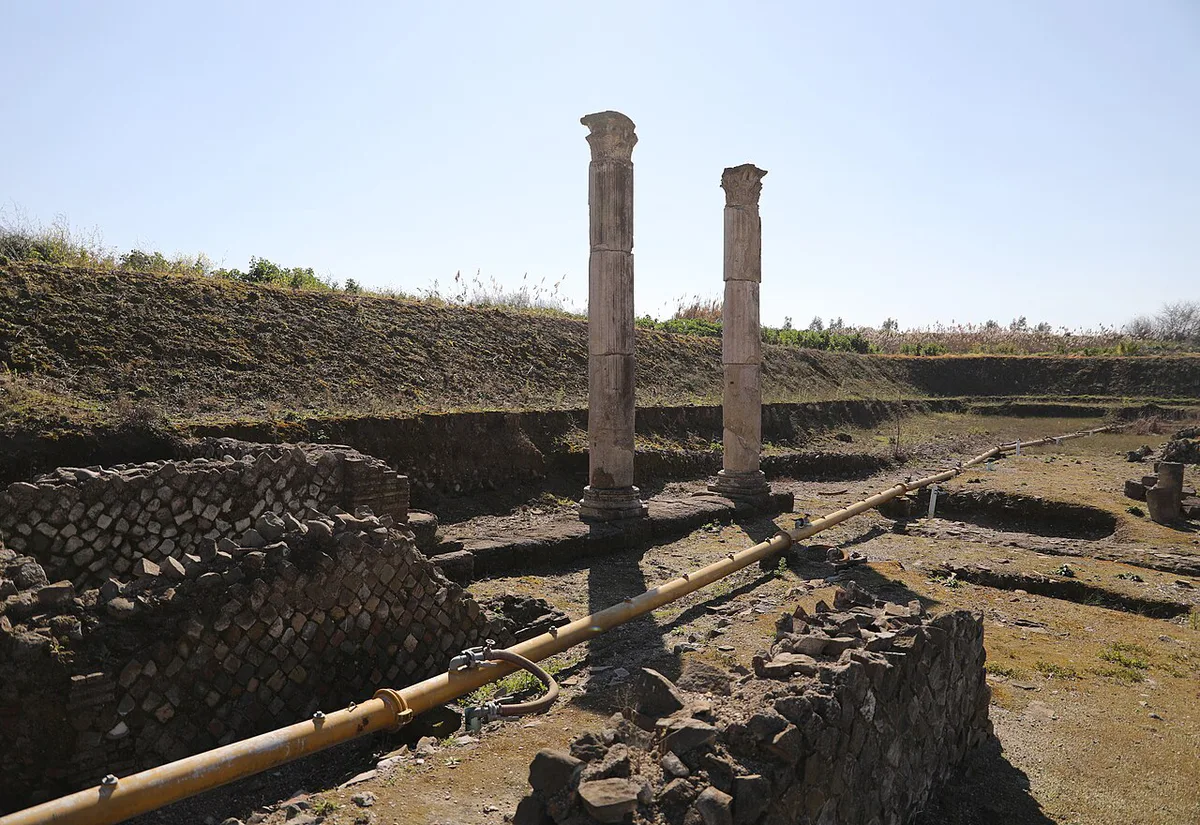
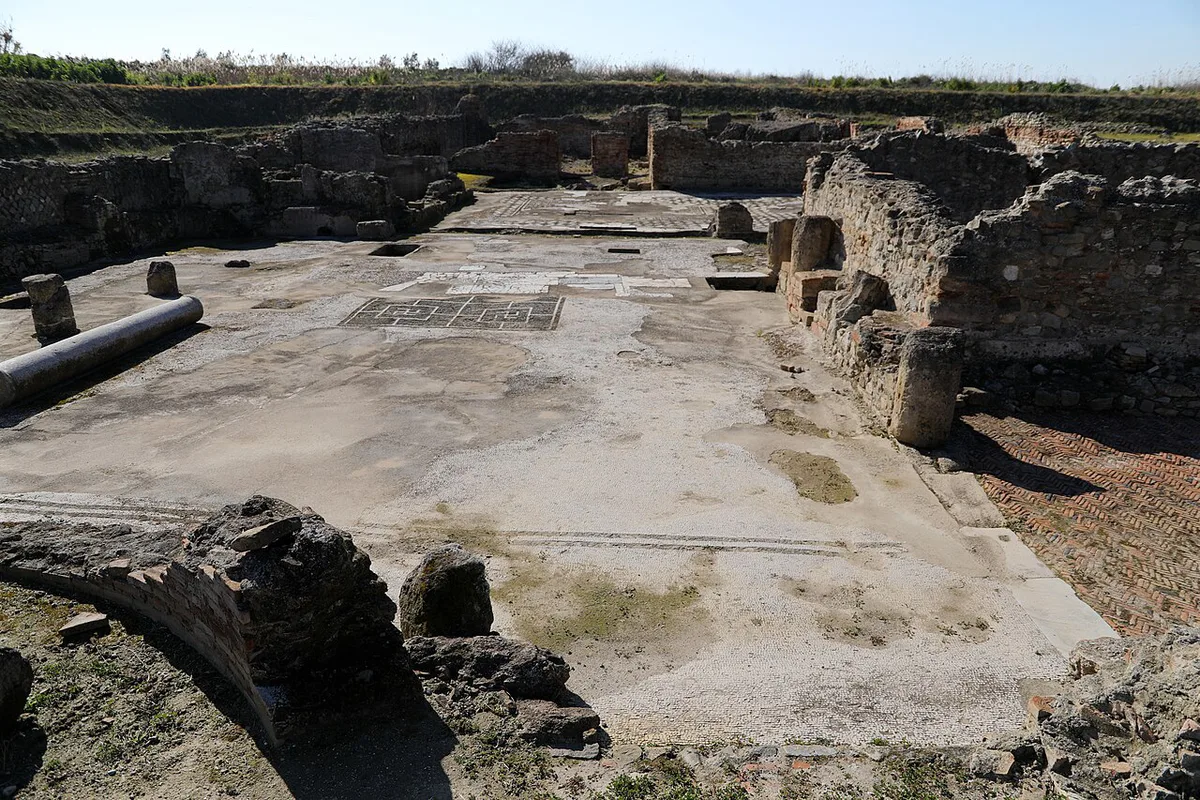
The archaeological park near Sibari is stratified. Greek Sybaris, Thurii and later Roman remains were built over one another on a flat coastal plain. Excavated areas such as Parco del Cavallo and Casa Bianca give you the clearest look at these layers. A Museo Archeologico holds finds from the area, and it helps to see it alongside the excavations. Frame your expectations honestly. The headline story here is Greek and pre-Roman, not an imperial-era town like those in the north. Roman-period remains do exist in the layering, but what is open and labeled changes between seasons. The regional Musei Calabria network is the place to confirm which areas and galleries are open. For a classic Roman site, see our guide to 8 Roman Ruins in Italy Beyond Rome and Pompeii.
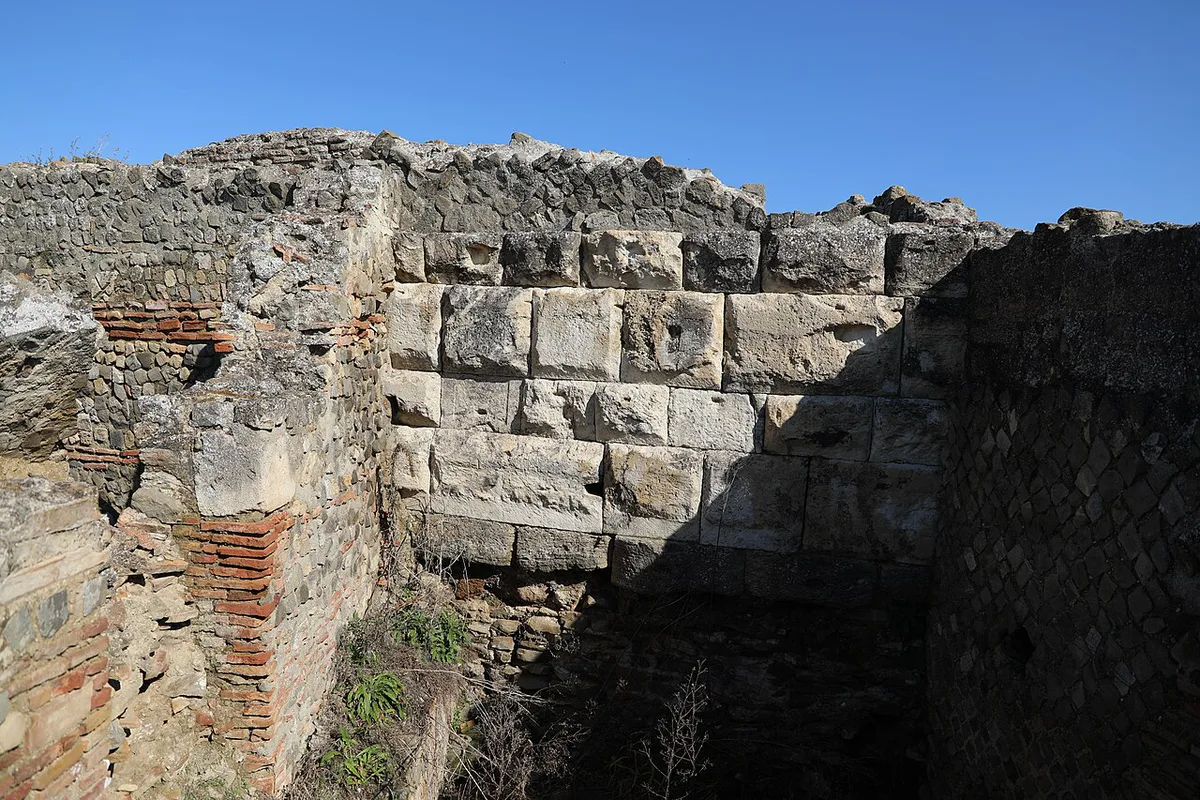
- Greek Sybaris: the earliest city, in the lowest layers.
- Thurii: the later city built on and near the same ground.
- Roman phase: the topmost layer, so confirm what is on show before you plan around it.
How to Get to Sibari and the Ruins
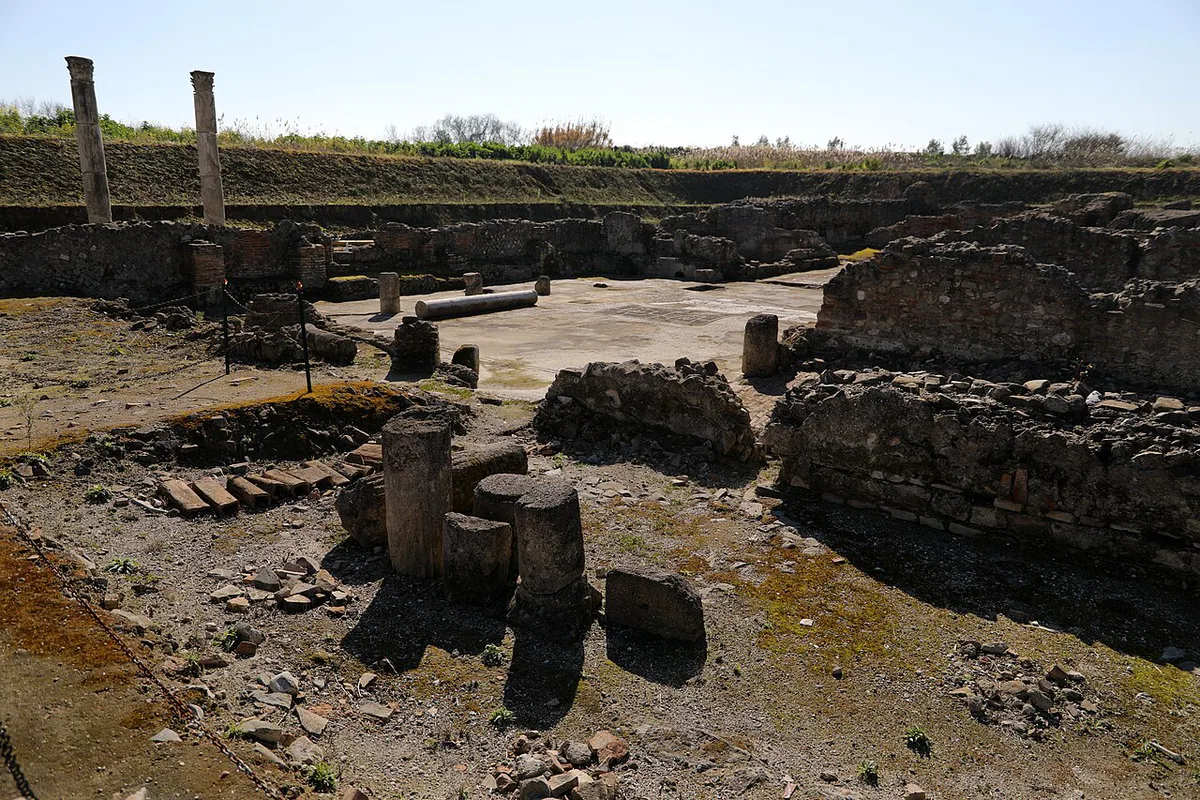
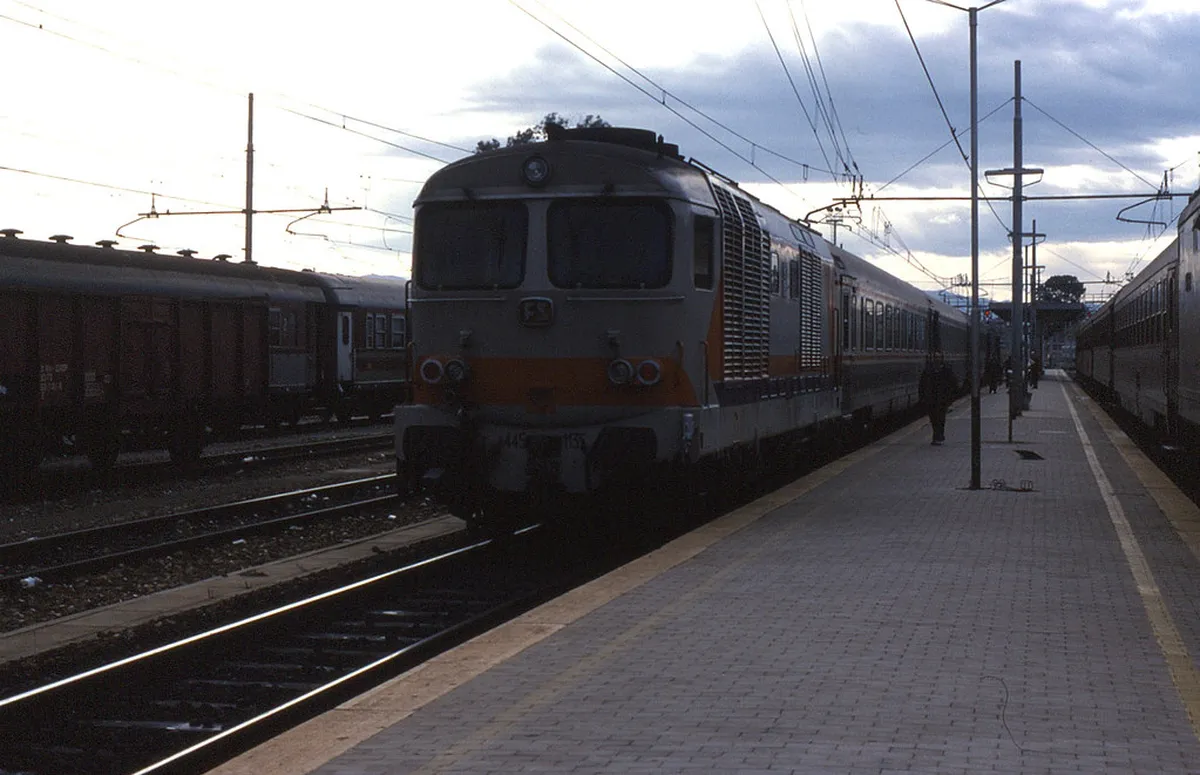
Sibari has its own train station, which makes rail the simplest way to reach the town. From there, the ruins lie a few kilometers to the southeast, which is too far to treat as a casual stroll in summer heat. Drivers have the easiest time, since the park and museum are spread across open farmland. Without a car, plan on a taxi from town. Check current rail timetables with the operator before you commit to a day trip. Regional context for the wider coast is on the Calabria tourism site.
- Mistake: searching for Sibari and landing on the wrong subject entirely.
- Mistake: expecting the ruins in the town center.
- Mistake: arriving without checking seasonal opening days.
Costs, Tickets and Opening Hours
Ticket prices, opening hours and weekly closure days for the park and museum are set by the Italian state. Check the current figures on the official Calabria museums page or the Ministry of Culture site before you travel. Entry costs are modest compared with a hotel night, so the main spend is transport and a meal.
How Much Time to Plan for Sibari
Half a day covers the museum and one excavated area. A full day lets you see the park at an unhurried pace, with a long midday break. Summer on the Ionian coast is hot, and the ruins offer little shade. Start early, or visit in spring or autumn. Beach time fits well into an overnight stay, since swimming season runs through summer.
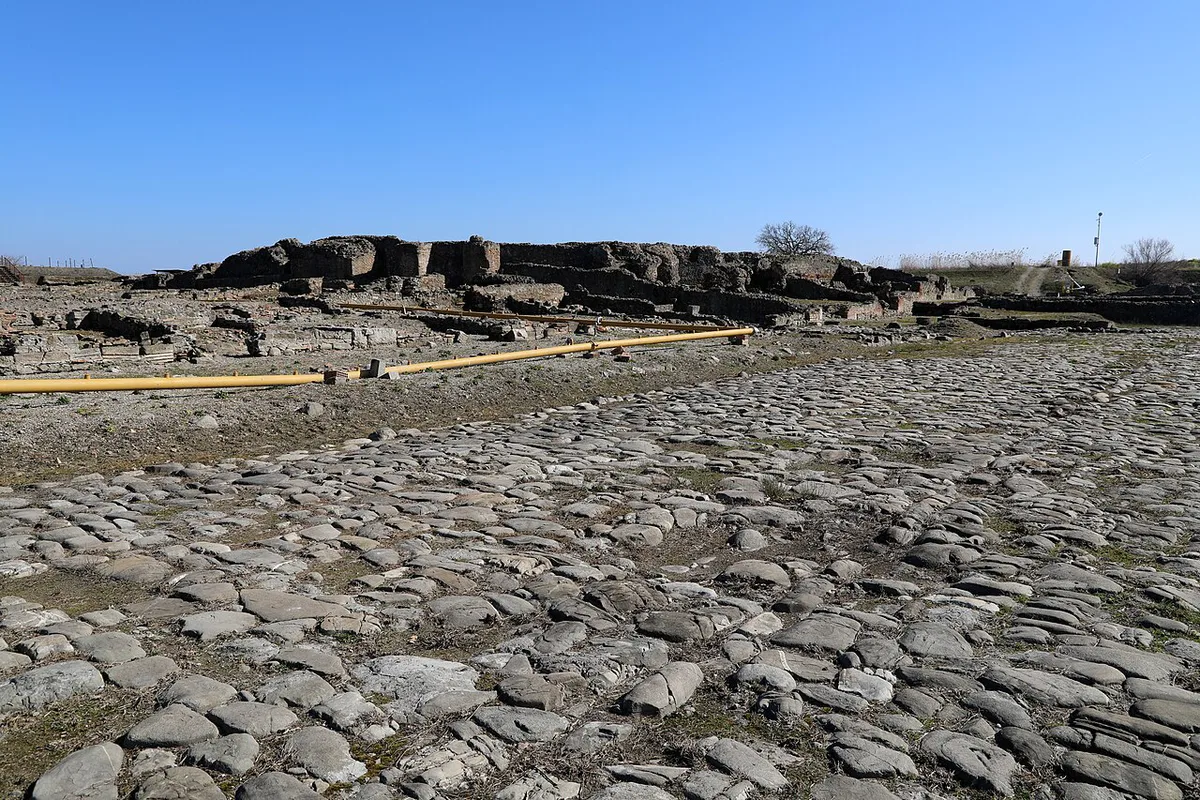
Only 4 m above sea level on a flat plain, the ruins offer little shade, so summer visits need an early start.
- Archaeology-focused: the museum plus the excavated areas, ideally with a full day.
- Beach and archaeology: ruins in the morning, shoreline in the afternoon.
- Rail-only: a day trip works only if the station-to-park leg is solved, so plan a taxi.
- Drivers: combine the park with other southern stops on the same trip.
Where to Stay and Eat: Sibari, Cassano allo Ionio or Elsewhere
Sibari suits beach-and-ruins trips and rail arrivals, but it is a modern settlement with seasonal services. Outside summer, expect fewer open restaurants and quieter streets. Cassano allo Ionio, the comune that includes Sibari, offers a more traditional town setting. Corigliano-Rossano and larger hubs give more choice for dining and winter stays. Citrus, olives and rice come from the surrounding plain, so ask about local produce on menus. The town's saint day falls on 19 March, which is a good moment to see local life.
Plan around 19 March if you want local life, but expect fewer open restaurants outside summer.
Combining Sibari With Other Magna Graecia and Roman Stops
Sibari pairs naturally with other Greek colonial sites in the south. Our guide to Metaponto covers one such stop. Another is Locri, also a Magna Graecia city. For a Roman comparison in the south, try Grumentum. Use the table to choose.
| Stop | Era emphasis | Base-town character |
|---|---|---|
| Sibari | Greek Sybaris and Thurii, with a Roman layer | Modern beach settlement, seasonal |
| Metaponto | Magna Graecia | See our Metaponto guide |
| Locri | Magna Graecia | See our Locri guide |
Related guides



Continue reading
Guides on the same trip


