
Locri, Calabria: Ancient Greek Ruins, Museum and Visiting Tips
Last updated November 2026. Locri is a town on Calabria's Ionian coast in the province of Reggio Calabria, and travelers come for the ruins of the ancient Greek colony nearby. It suits archaeology fans and Magna Graecia road-trippers. Beach-only visitors can skip it.
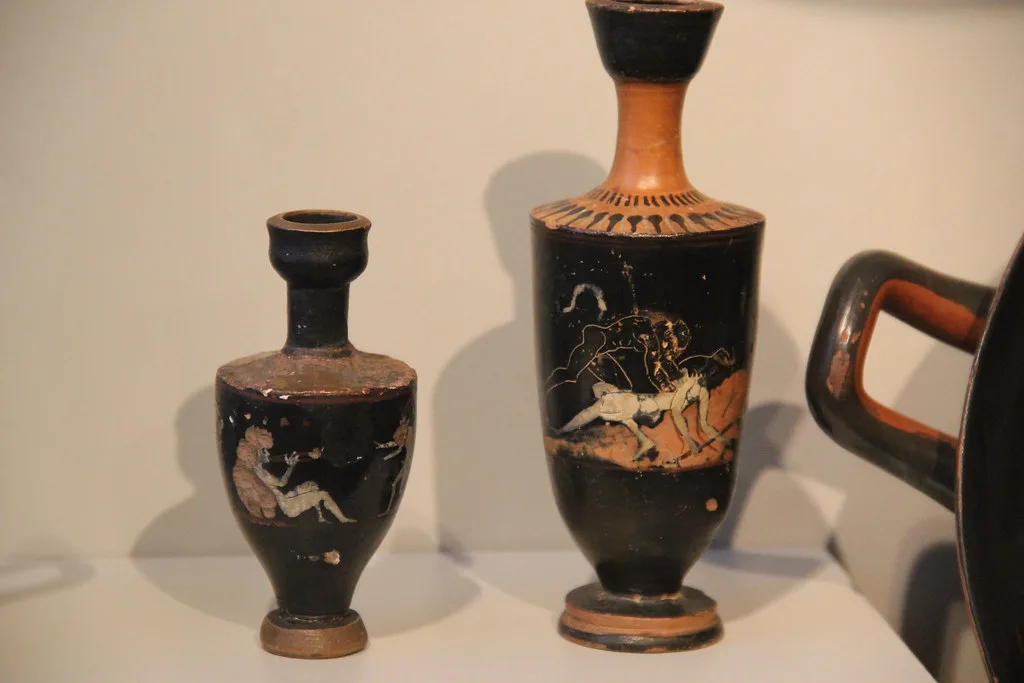
Featured image: Following Hadrian, CC BY-SA 2.0, via Flickr.
Locri at a glance
Modern Locri sits in Reggio Calabria province, on the Ionian side of Calabria. Italians say it Lò-cri. The name comes from Latin Locri, which in turn comes from the Ancient Greek Λοκροί (Lokroí). The ancient Greek city is known as Locri Epizefiri, and its ruins lie near the modern town and Marina di Gioiosa Ionica. Do not confuse it with Locris, the regions of mainland Greece that share the root name. Latin writers placed this Locri on the east coast of Bruttium, the old name for the toe of Italy. For a wider look at Italian ancient sites, start with our guide to Roman ruins in Italy.
History of Locri Epizefiri: from Greek colony to Roman town
Locri Epizefiri was founded by Greek settlers from Locris in the late 7th century BC, traditionally dated to around 680-673 BC. The name Epizefiri refers to the nearby Cape Zephyrium. It became one of the main Greek cities of Magna Graecia, the Greek-settled coast of southern Italy.
- Zaleucus, c. 7th century BC: the lawgiver of Locri is traditionally credited with one of the earliest written law codes in the Greek world.
- Battle of the Sagra, 6th century BC: Locri is said to have beaten its neighbour Croton in this battle. Ancient sources tell the story with legendary detail, so treat the particulars cautiously.
- 5th-4th centuries BC: the city was at its peak, and most of the monumental remains you see belong to this period.
- Roman era: Locri came under Roman control and declined gradually. In the Middle Ages the population moved inland to the hill town of Gerace, which is why the modern coastal town is a much later foundation.
This timeline explains what you see on site. There is no Roman forum to find, and the visible remains are Greek in origin with later adaptations. Read it before you walk the ruins, or after the museum if you prefer to start with the objects.
Best things to do in Locri
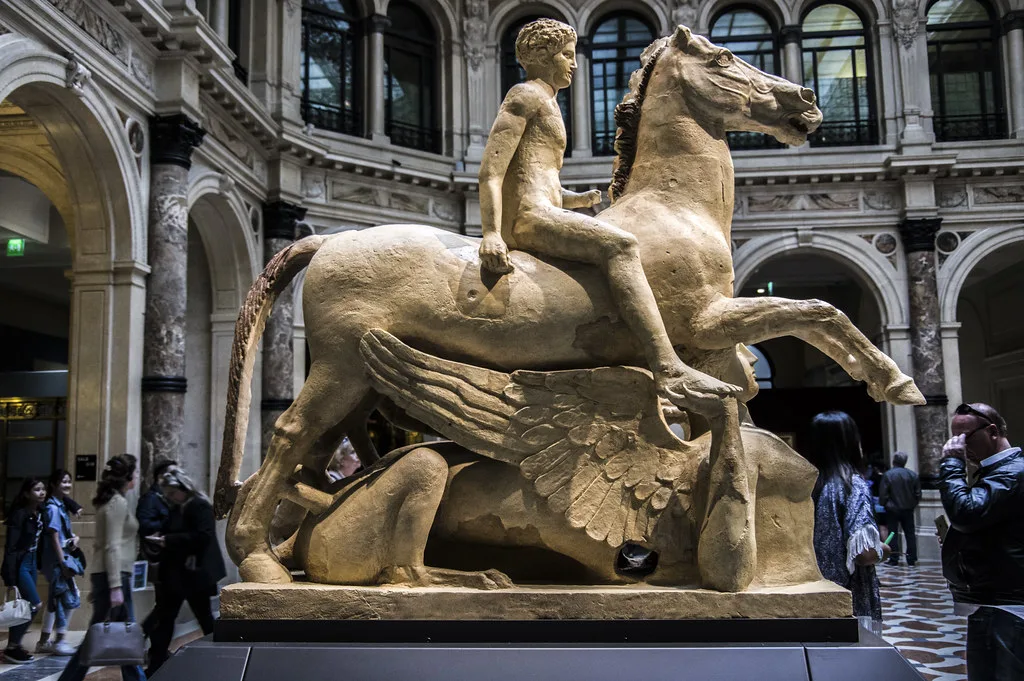
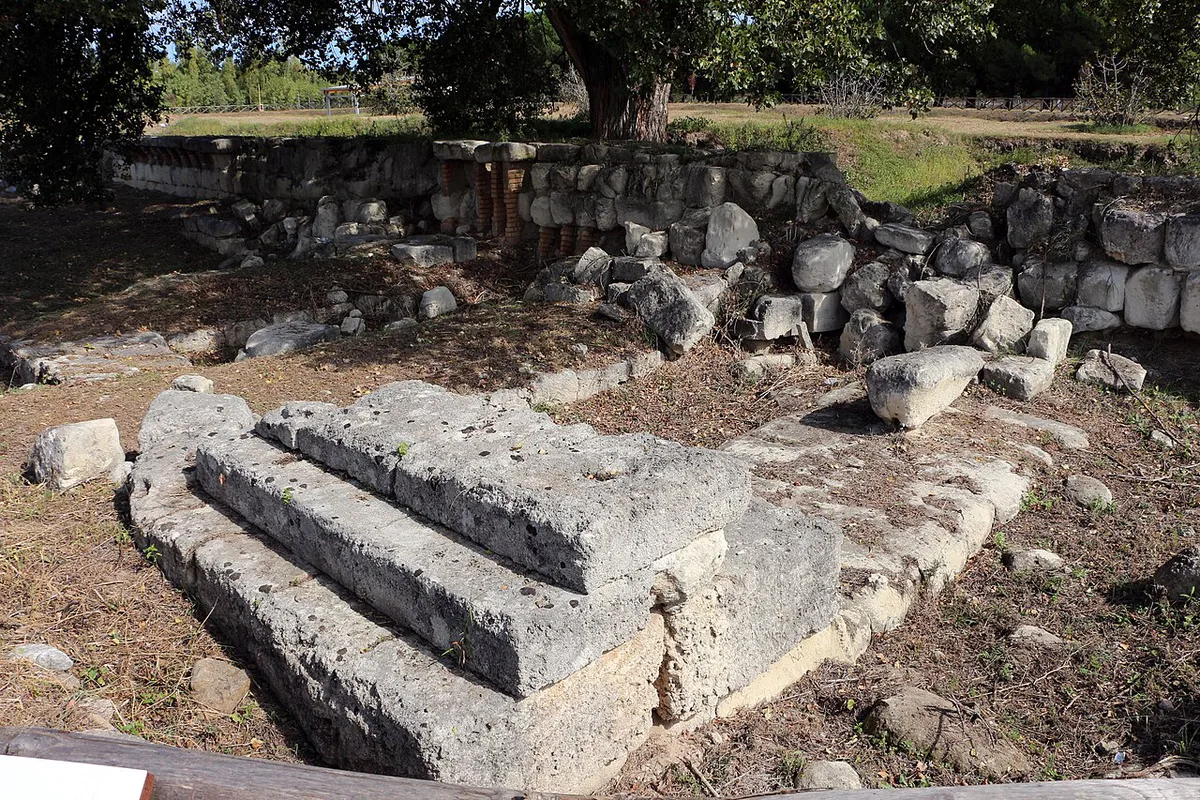
Start with the archaeological area of Locri Epizefiri. This is a Greek colony site, so expect Greek-era remains rather than a Roman forum.
- Centocamere: the area of the ancient city where the excavated remains are concentrated.
- Temple of Marasà: the temple ruins that anchor the site's Greek sacred landscape.
- Ancient theatre: the open-air theatre of the colony.
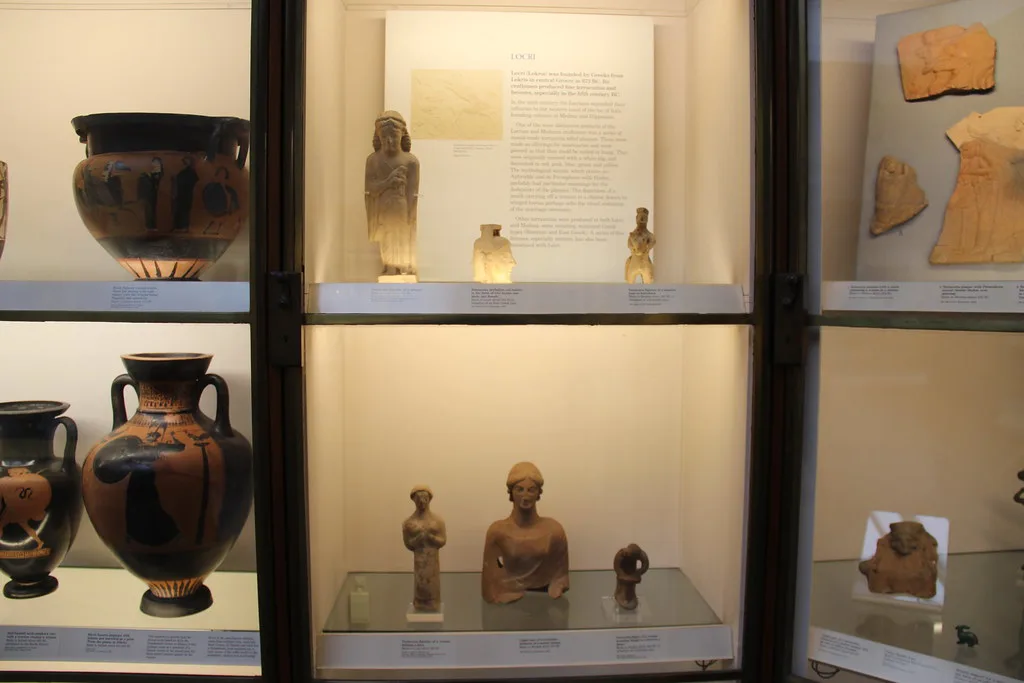
- Museo Nazionale di Locri: the national museum that holds finds from the site and gives the ruins context.
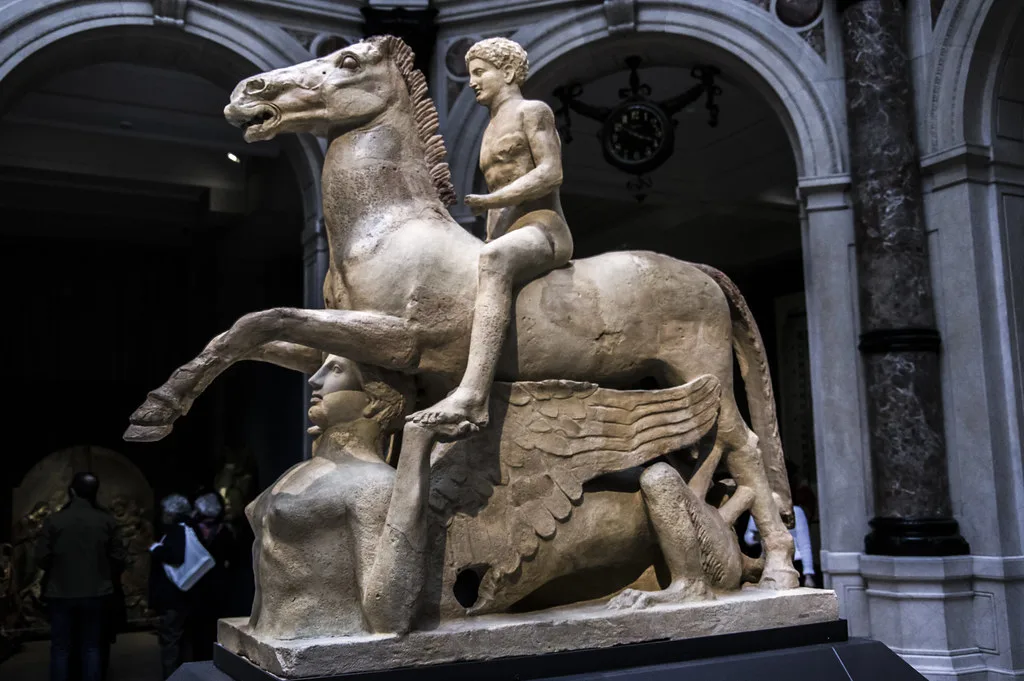
Pinakes and the Ludovisi Throne: Locri's best-known finds
The finds explain why Locri matters to archaeologists, and they are the reason to go to the museum rather than only walk the ruins.
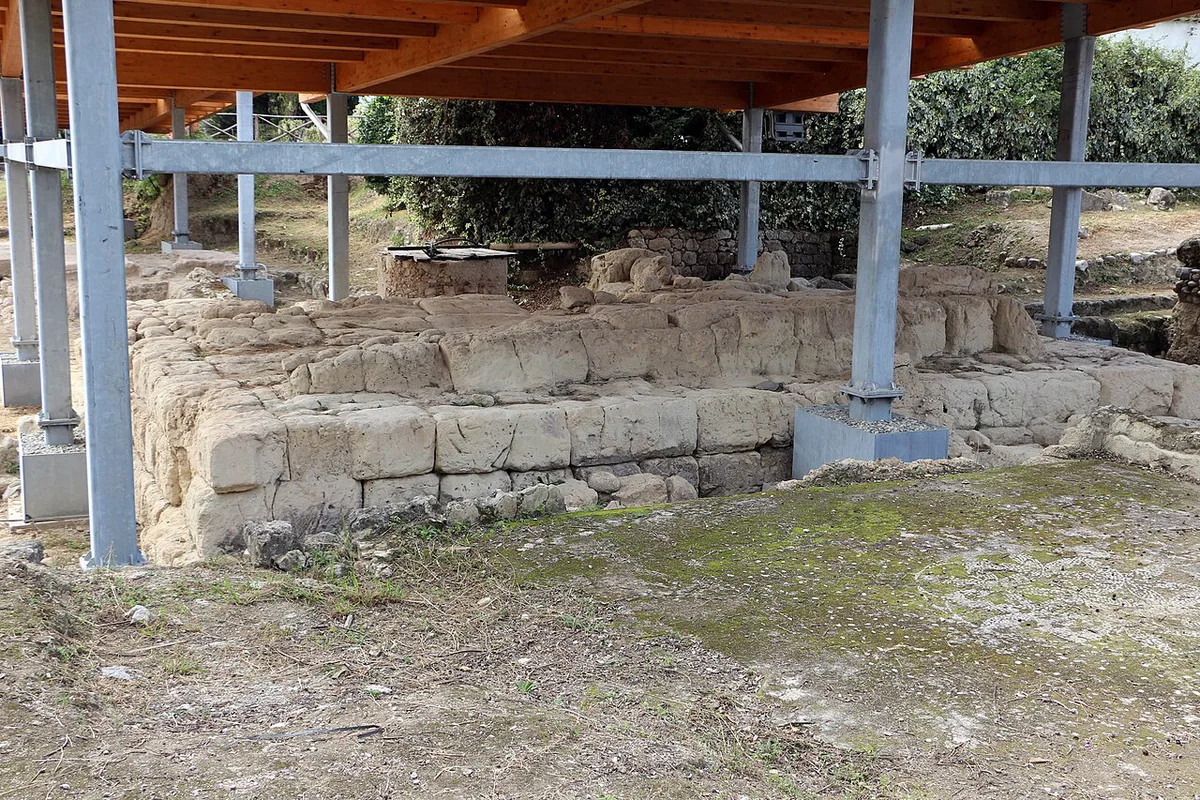
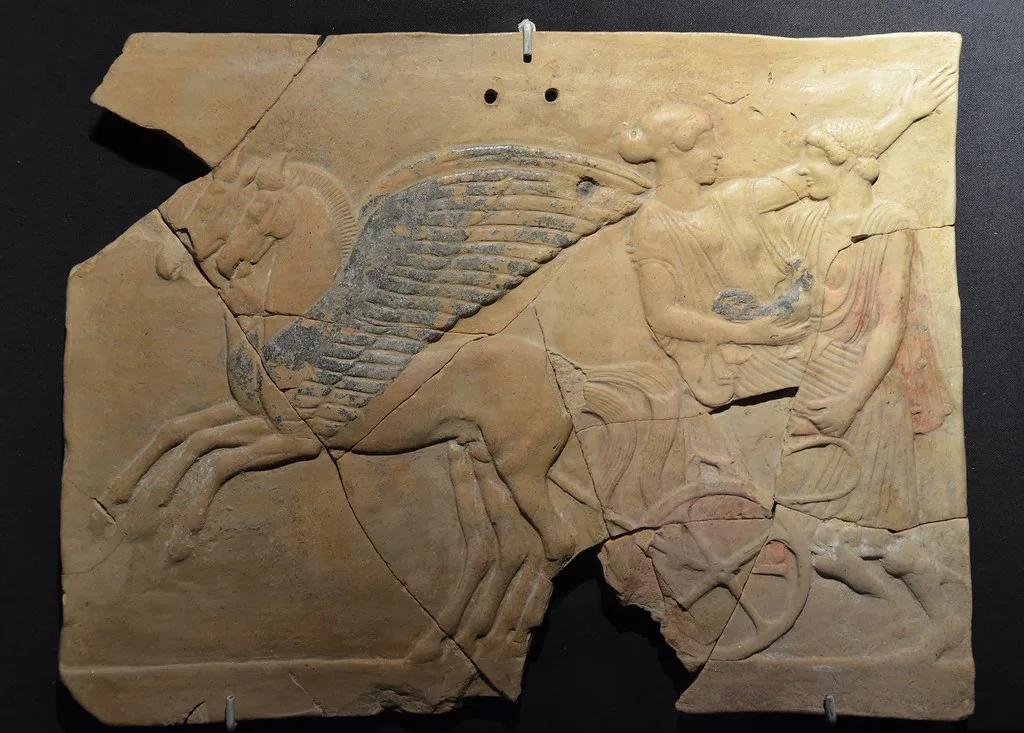
The Locrian pinakes
Pinakes are small clay plaques that worshippers left as offerings at a sanctuary of Persephone on the edge of the ancient city. Their reliefs show scenes of myth, ritual, marriage and everyday life, and few other Greek sites offer a comparable record of women's cult practice. Ask at the museum which pinakes are on display on the day you visit, because galleries are sometimes rearranged.
The Ludovisi Throne
This marble relief of the birth of Aphrodite is often linked to Locri, and many scholars see it as a product of its 5th-century BC workshops. Its find spot and origin are debated, and it is not at Locri. It is displayed at the Palazzo Altemps in Rome, part of the Museo Nazionale Romano. Do not expect to see it in Calabria, though the connection gives context to the temple area at Marasà.
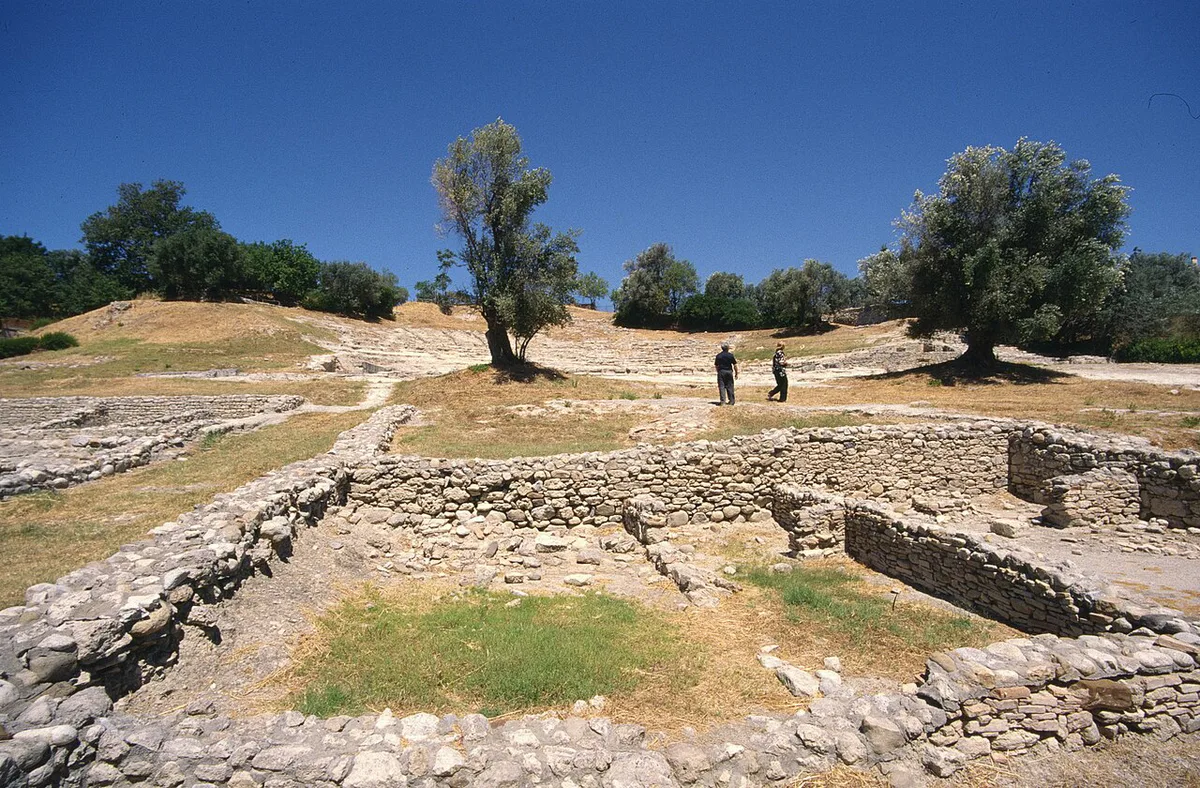
Plan around what is physically there: ruins, the theatre and the museum's local finds. If the Ludovisi Throne matters to you, add a Rome stop to your trip separately.
How to plan your time in Locri
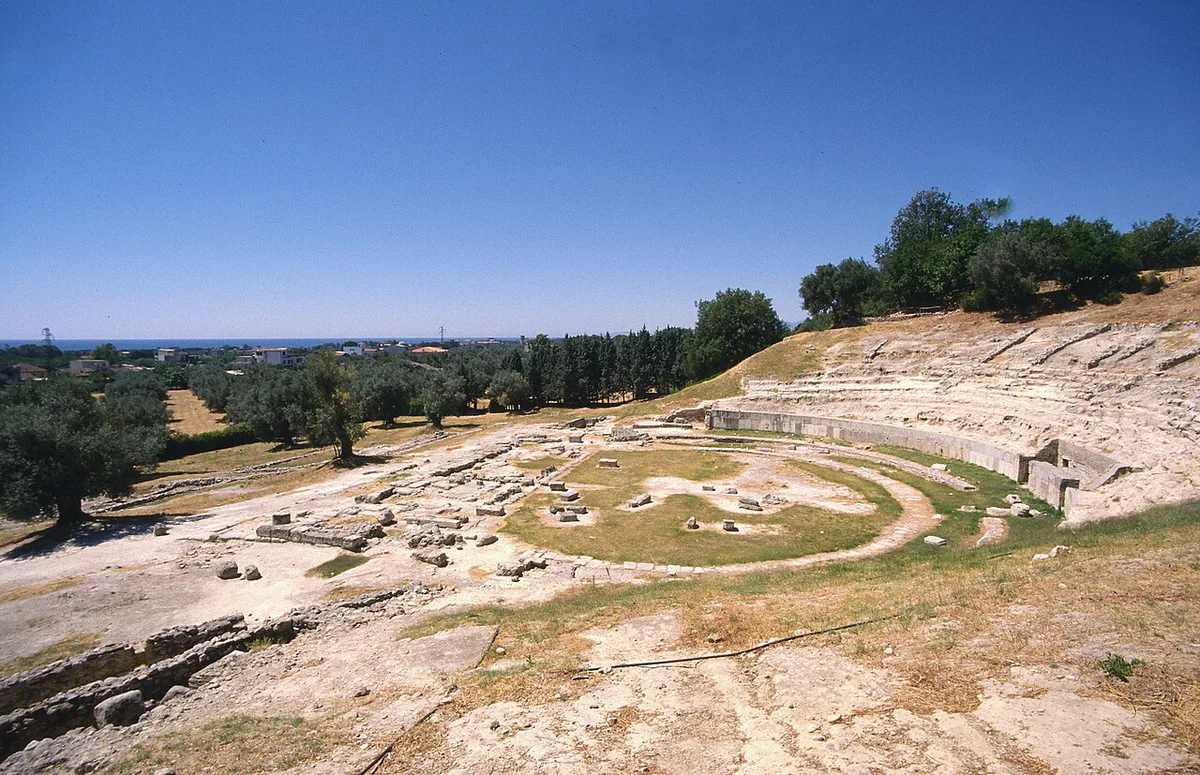
Treat the ruins and the museum as one visit, and go to the museum first if you want context before walking the site. A half-day covers both for most visitors. Add time if you want the seafront and the town. The ruins are open-air, so summer midday means full sun and little shade. Spring and autumn are easier for walking the site. Plan Locri as one stop on an Ionian-coast drive rather than a standalone trip.
Costs, tickets and opening hours in Locri
Ticket prices, opening days and closure days change, and we have no current figures to quote. Check the Calabria museums network for the museum and park before you travel.
Where to stay and how to get around Locri
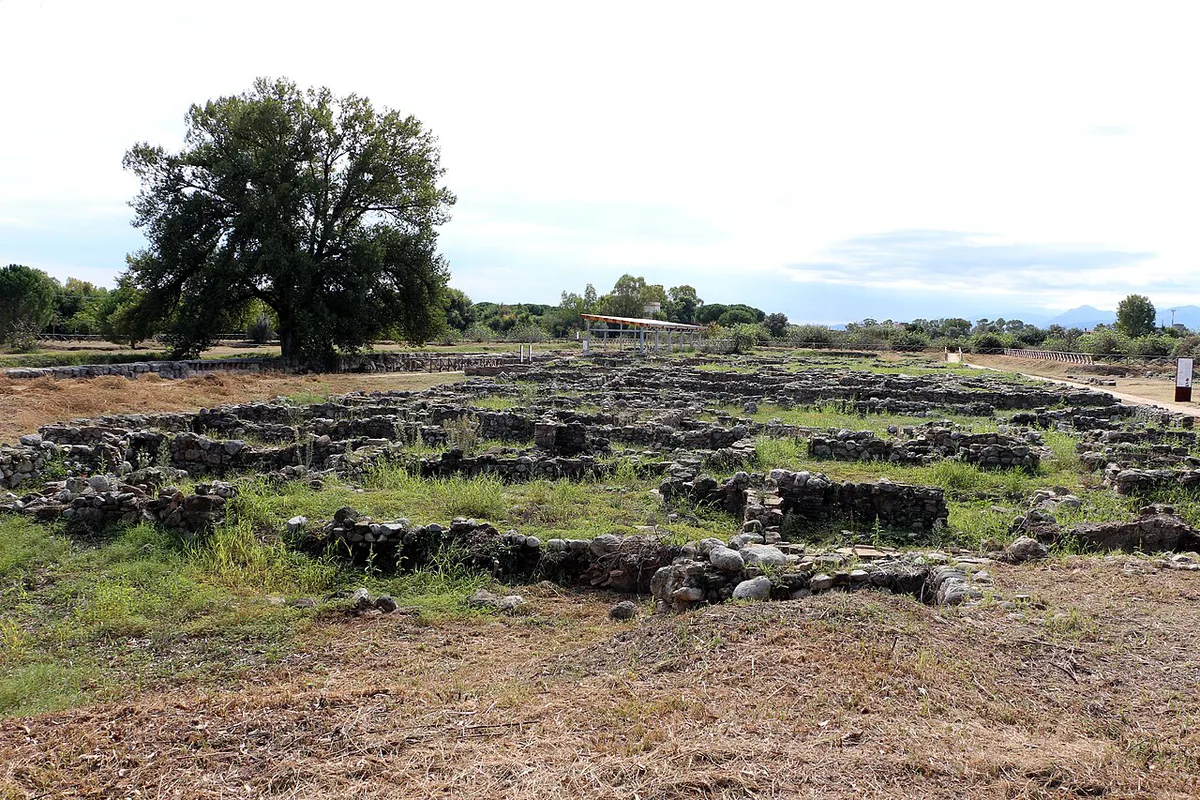
Locri works as a base for the Ionian coast, and Reggio Calabria is the larger alternative for a day trip. A car gives the most freedom between the town, the ruins and the museum. Train timetables on the Ionian line and local parking are best checked with the operator. For lodging and regional ideas, see Calabria's official tourism site.
Pairing Locri with other southern Italy sites
Locri fits a Magna Graecia theme alongside Metaponto's Greek remains and the ruins at Sibari. Add the Roman town of Grumentum for a change of period. If you continue toward Campania, our Ruins Near Naples: Pompeii, Herculaneum & Other Day Trips guide is the next step. Check distances on a map before you commit to a single day.
Related guides



Continue reading
Guides on the same trip


