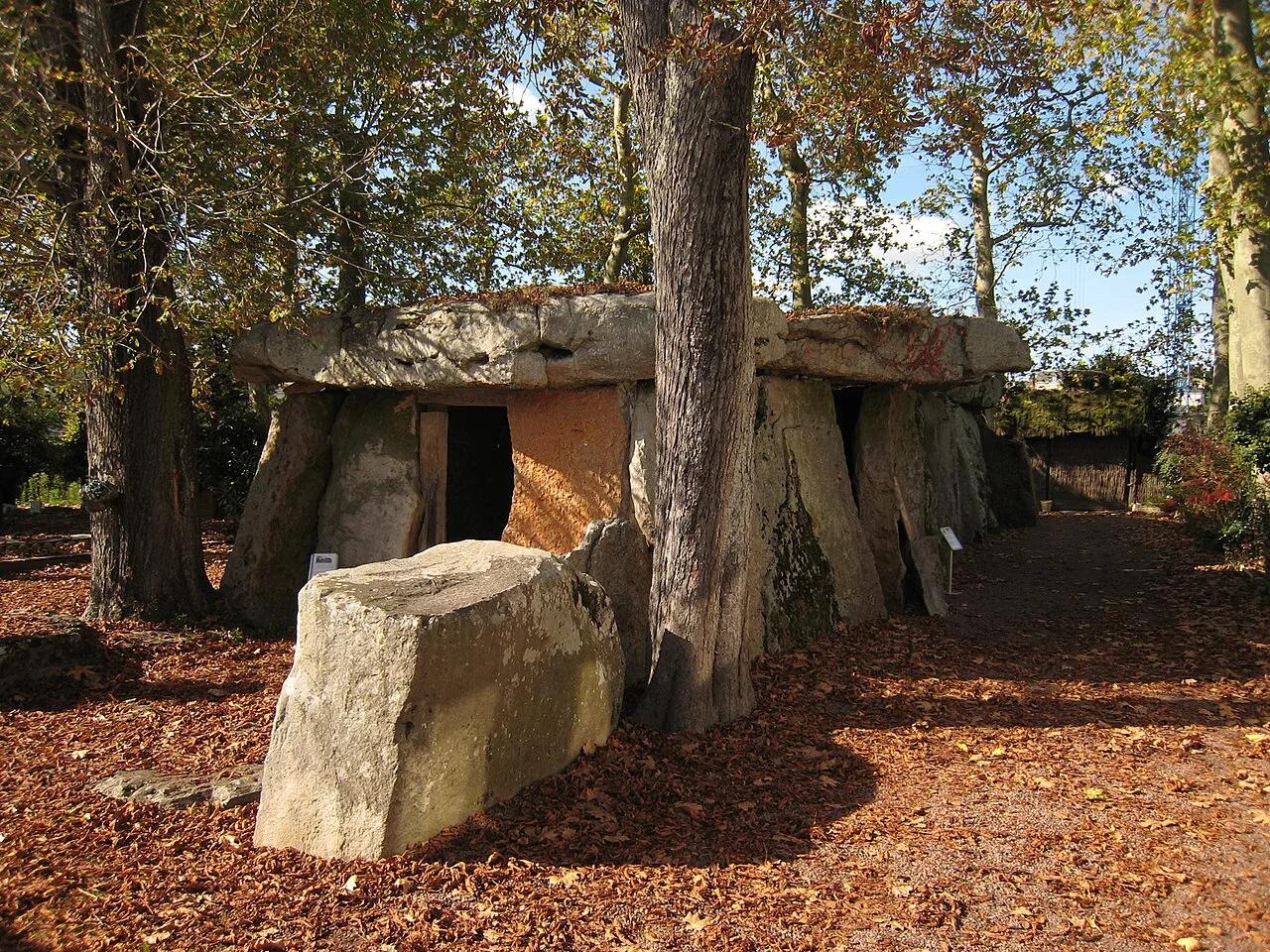
Last updated November 2026: dolmens in France are Neolithic megalithic tombs, and the densest, best-known cluster sits in Brittany's Morbihan department. Further sites stand on the Loire-Atlantique coast at Saint-Nazaire and in the garrigue around Uzès. Use this guide to choose sites by access type, time and transport.
Featured image: Manfred Heyde, CC BY-SA 3.0, via Wikimedia Commons.
What is a dolmen, and how does it differ from a menhir?
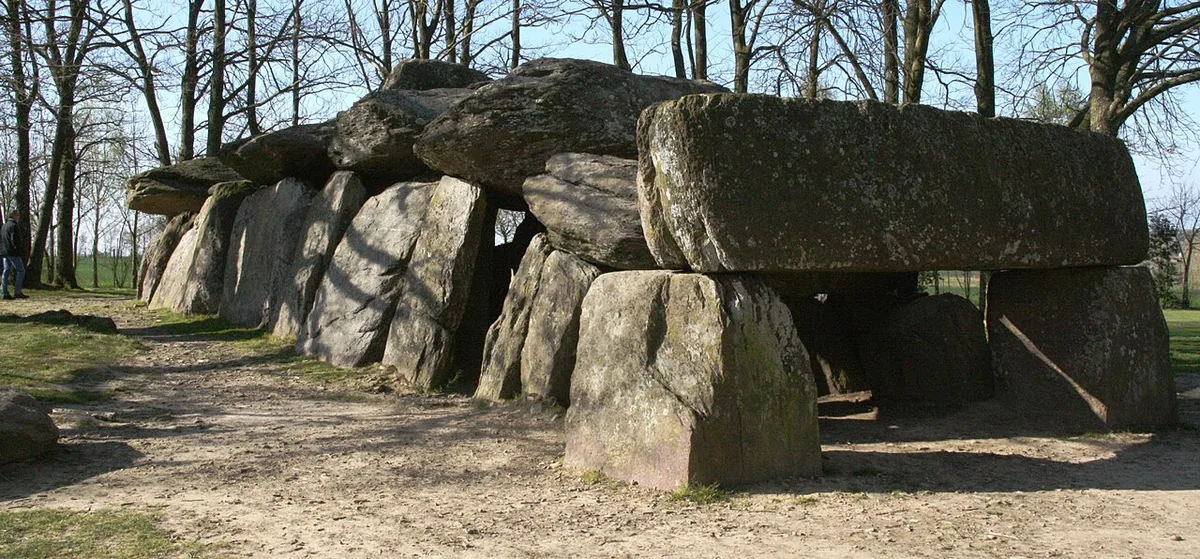
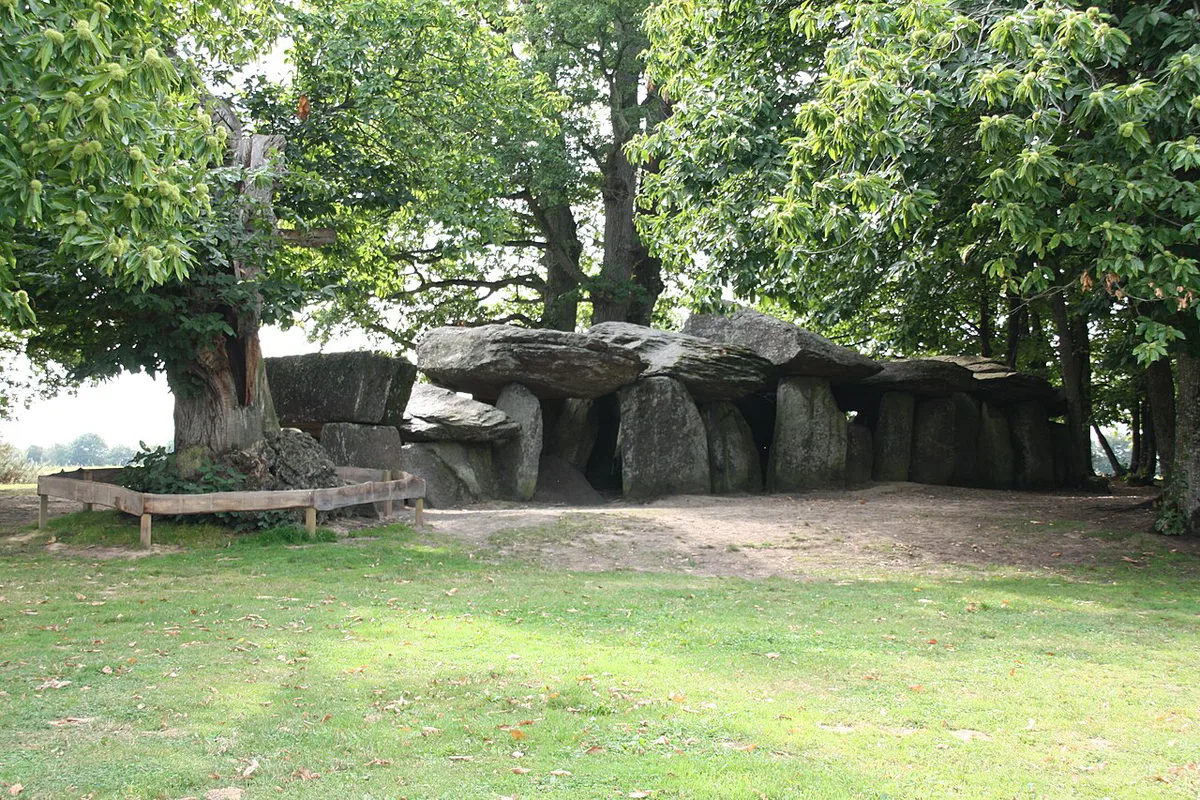
A dolmen is a stone burial chamber, built from upright slabs that carry a large flat capstone. Menhirs are single standing stones, and alignments are long rows of them. A tumulus is a mound of earth or stone that covers a chamber. A passage grave adds a corridor leading into that chamber. Our terminology guide to standing stones sets out the differences in more detail.
Where to see dolmens in France: regions at a glance
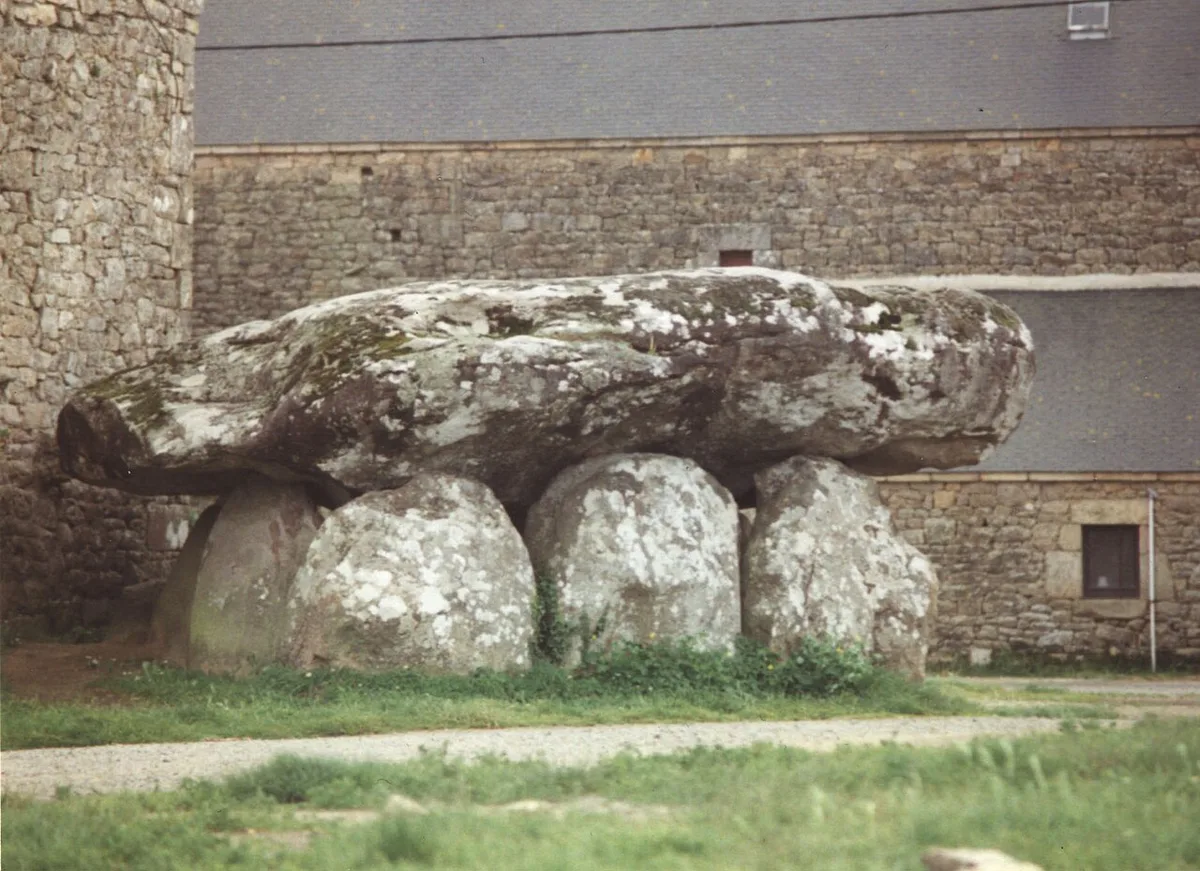
Brittany is the core of any dolmen trip, with the Morbihan coast around Carnac and Locmariaquer holding the most visitable sites. Two other regions are worth a detour if you are already nearby. Corsica adds a megalithic site that is not a dolmen but fits the same theme.
- Brittany (Morbihan): passage graves, a tumulus and a boat-access island cairn, all within reach of Carnac.
- Loire-Atlantique: a free dolmen in Saint-Nazaire, close to the town centre.
- Southern garrigue near Uzès: scattered dolmens, some on private or unsigned land.
- Corsica: the megalithic site of Filitosa, known for its carved standing stones rather than dolmens.
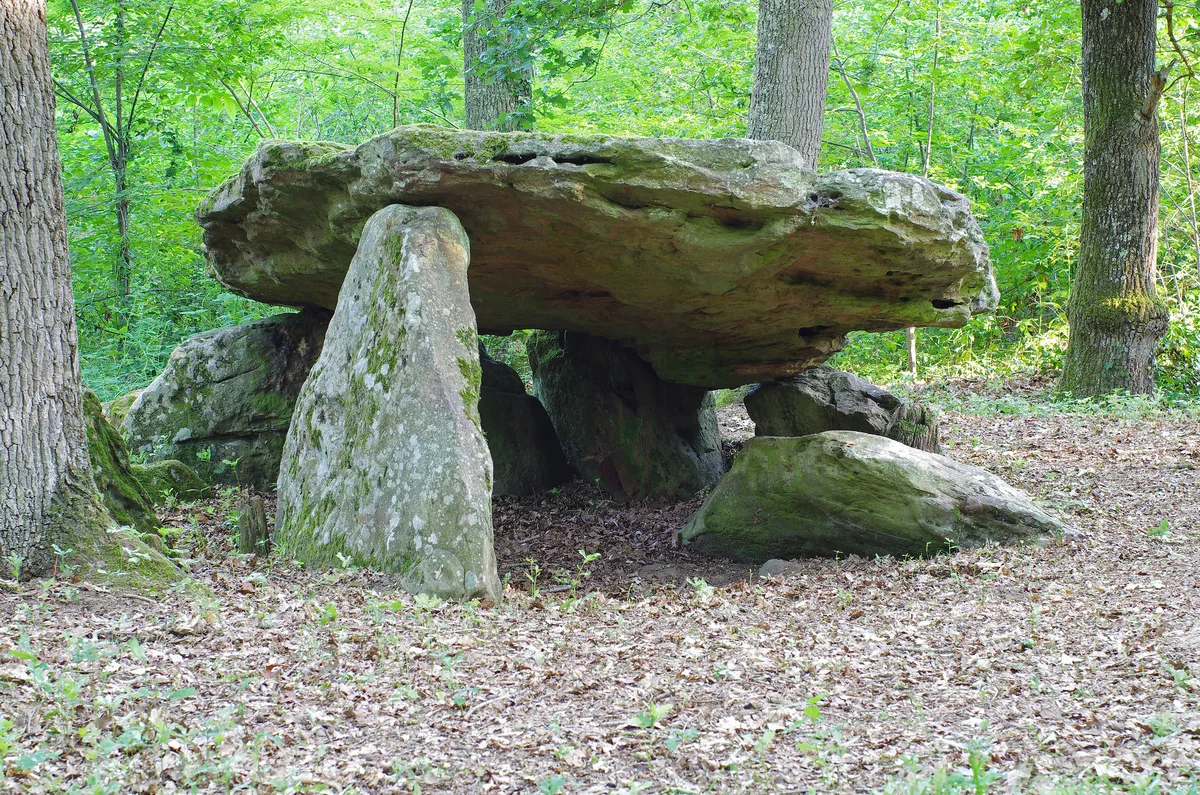
Best dolmens and megalithic sites in Brittany
Start with the Morbihan coast, where one regional hub ties the sites together. Our Brittany megaliths overview maps the wider area. Rondossec, near Carnac, is a passage grave with a low corridor, so expect to stoop. The Dolmen de Crucuno stands at Plouharnel and is worth a stop if you are driving between Carnac and Quiberon. Check opening and access for each site on the Morbihan tourism site before you set out.
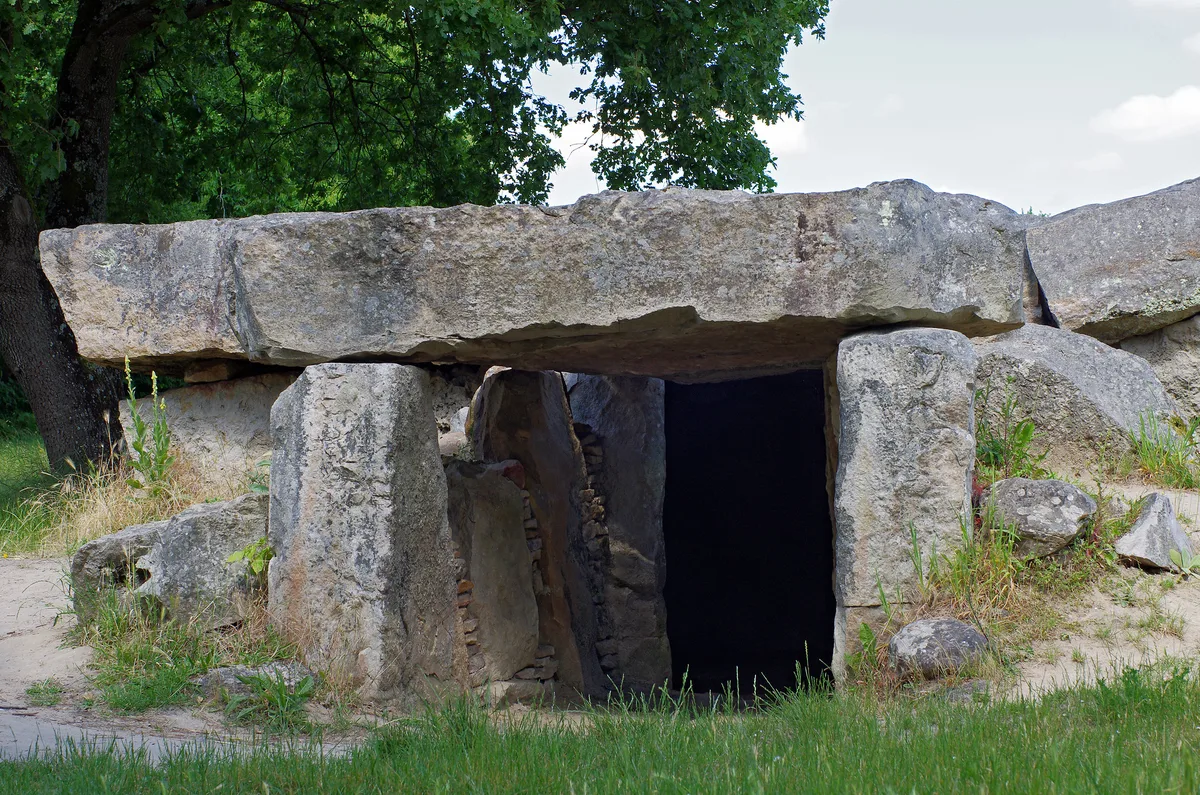
- Locmariaquer: best for a compact cluster of monuments in one visit. See our Locmariaquer megalith guide.
- Gavrinis: best for carved stone inside a passage grave, reached by boat. See our Gavrinis island guide.
- Barnenez: best for a large cairn with several chambers. See our Barnenez cairn guide.
- Tumulus Saint-Michel: best for a quick stop beside the Carnac alignments. See our Saint-Michel tumulus guide.
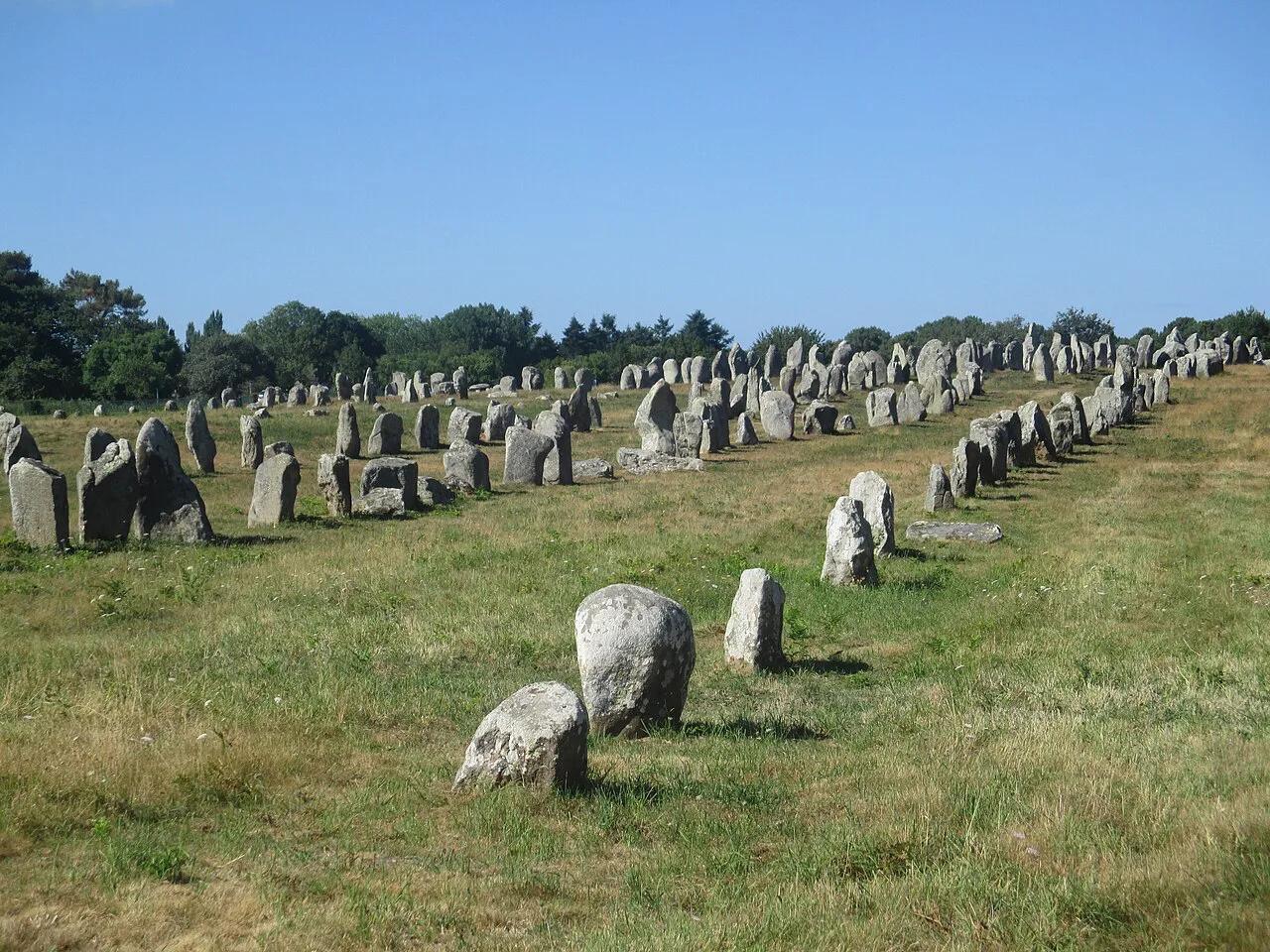
- Carnac alignments: best for the rows of standing stones, which are menhirs, not dolmens. See our Carnac stones overview.
Comparison table: access, type and time needed
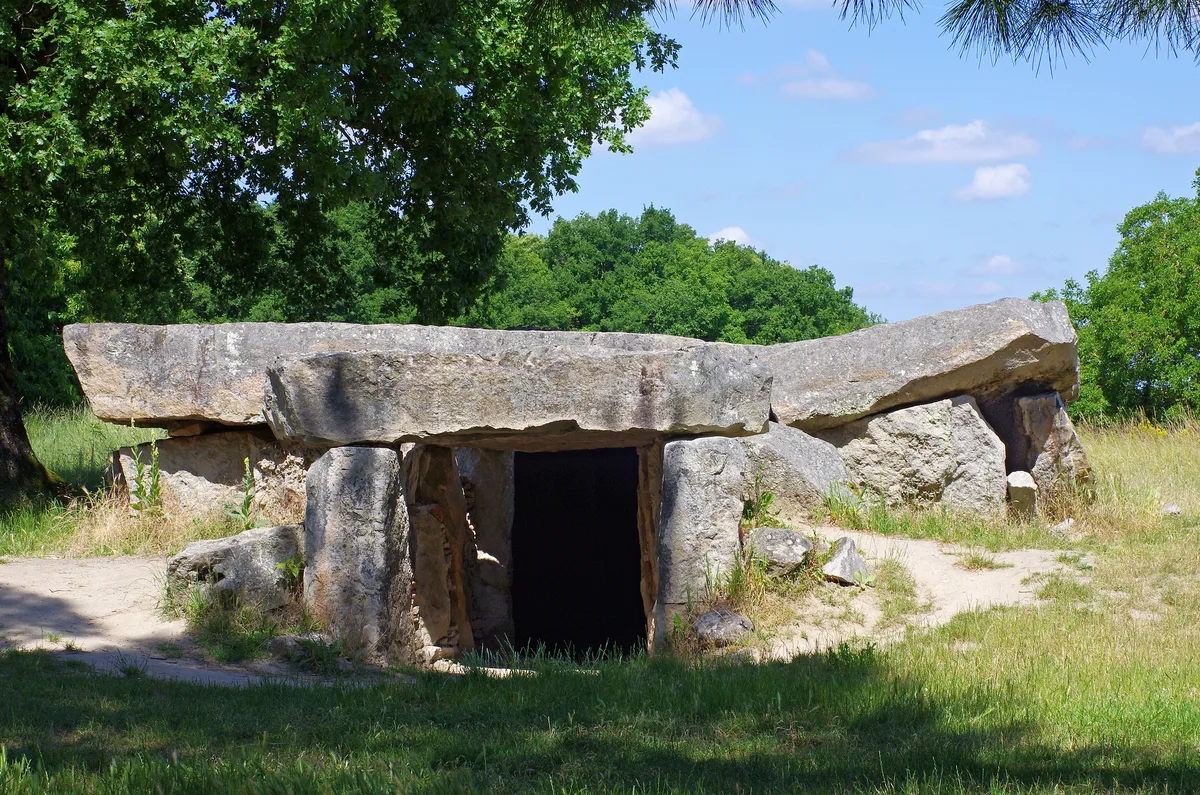
Use this table to match a site to your schedule. Cells marked "check official site" depend on seasonal rules that change.
| Site | Type | Access | Best for | Time needed |
|---|---|---|---|---|
| Locmariaquer | Passage grave and menhir site | Check official site | Several monuments in one stop | Check official site |
| Gavrinis | Passage grave on an island | Boat and booking; check operator | Carved chamber walls | Check operator |
| Barnenez | Cairn with chambers | Check official site | Scale of the monument | Check official site |
| Tumulus Saint-Michel | Tumulus | Check official site | Easy stop at Carnac | Check official site |
| Rondossec and Crucuno | Dolmens | Roadside or signed; check locally | Free-form dolmen hunting | Short stop |
| Saint-Nazaire dolmen | Dolmen with menhir | Free access | City stopover | Short stop |
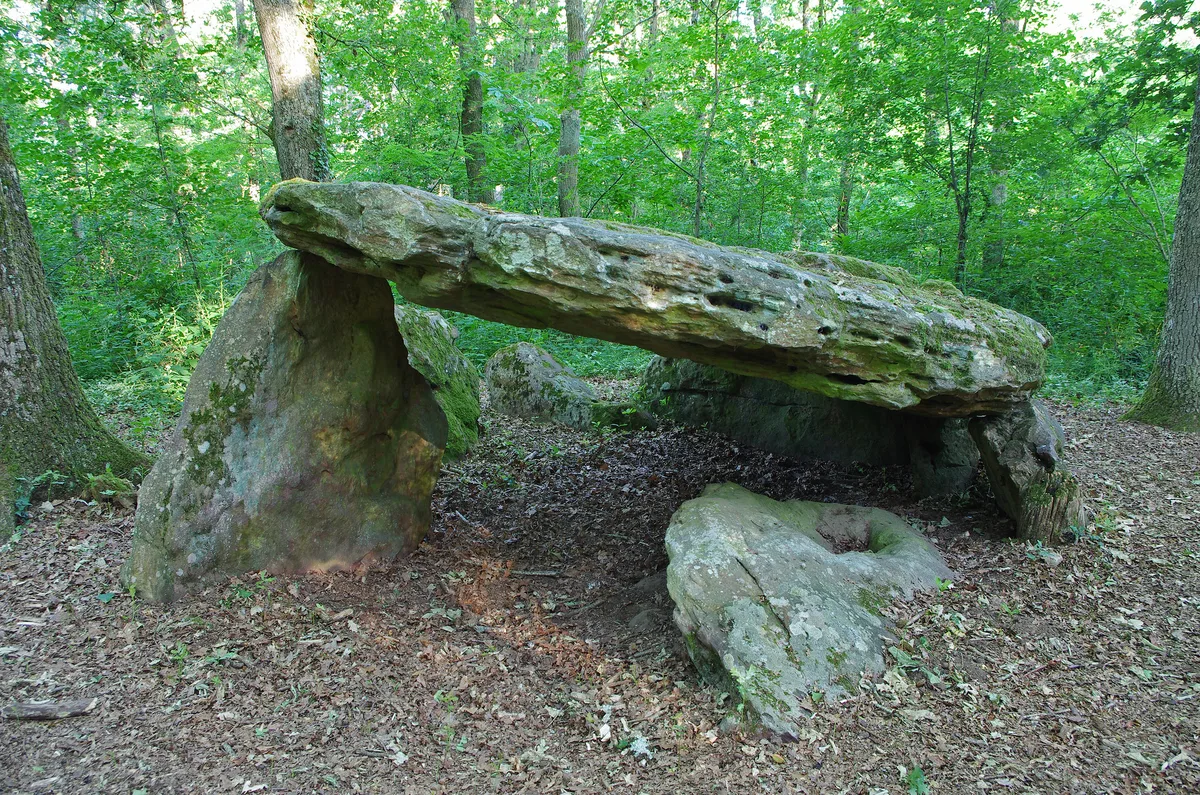
How to plan your time: half-day, one day, long weekend
A half-day suits Carnac only: walk the alignments and add the nearby tumulus. Our Carnac visiting guide covers the practical side. One day lets you add Locmariaquer and a roadside dolmen such as Crucuno. A long weekend adds Gavrinis, which needs a booked boat crossing, and Barnenez. If you are based in Vannes, read our Vannes to Carnac route guide before you commit to a day trip.
- Half-day: Carnac alignments and Tumulus Saint-Michel.
- One day: Carnac, Locmariaquer and one roadside dolmen.
- Long weekend: add Gavrinis by boat, then Barnenez on a separate day.
Costs, tickets, opening hours and booking
Roadside dolmens are generally free, while managed sites and boat crossings charge. Current fees and hours are listed by the Centre des monuments nationaux, and Gavrinis crossings are booked through the operator.
Getting around and where to base yourself
A car makes dolmen hunting far easier, because the roadside sites sit between villages. Carnac is the most convenient base for the alignments and tumulus, as set out in our Carnac stones guide. Vannes and Auray work as larger bases with more lodging. For a day trip from Vannes, see our route notes from Vannes. Check current train and bus links with the regional operators before you rely on public transport.
Without a car, Saint-Nazaire still makes a practical stop. Its nearest public transport stop sits 0.21 km away.
Dolmens beyond Brittany: Loire coast and the south
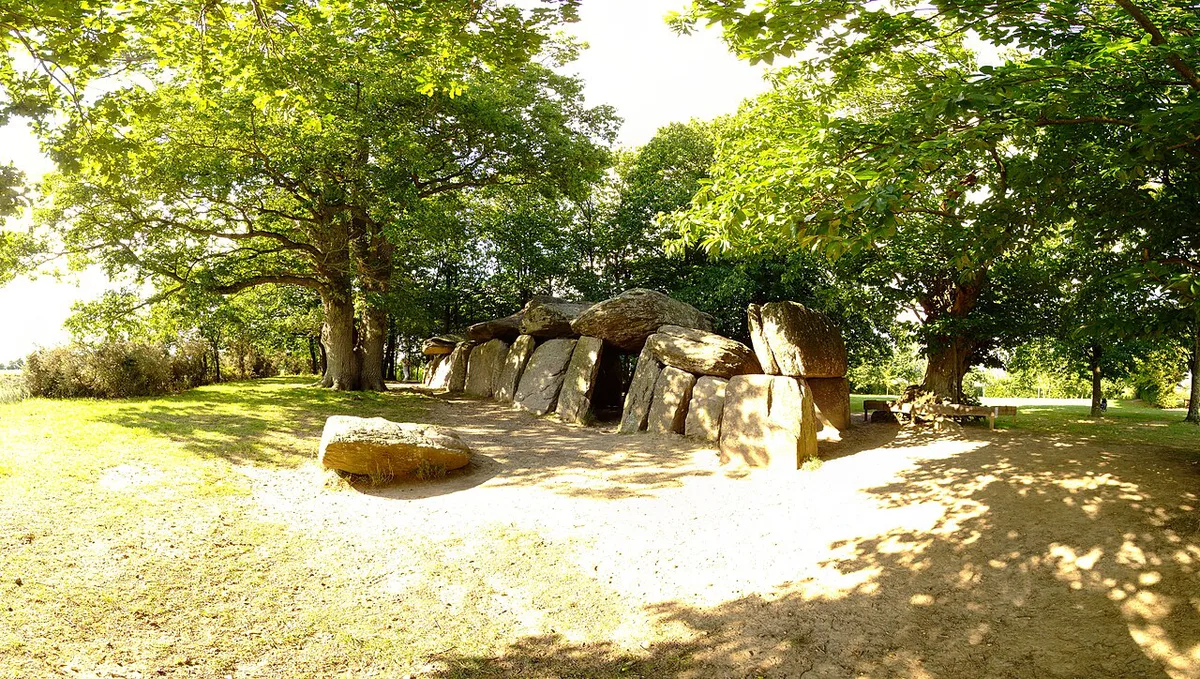
Saint-Nazaire has a dolmen at Square du Dolmen, 44600, a stone's throw from the town centre. Local tourism material dates it to about 6,000 years ago. Its pillars stand 2 m (about 6.5 ft) high and carry a cover stone of 7 tonnes. A 4 m (about 13 ft) menhir rises beside it. Access is free, and the nearest public transport stop is 0.21 km away. Around Uzès, dolmens sit in the garrigue, and some stand on private land without signs. Do not trespass, and ask the local tourist office before you head out. In Corsica, Filitosa is a megalithic site known for carved standing stones, not a dolmen. The Corsica tourism site lists visiting details.
Mistakes to avoid and visiting etiquette
Do not assume the Carnac alignments are dolmens; they are rows of menhirs. Book Gavrinis ahead, since the crossing depends on the boat and the weather. Stay on marked paths, and never climb on capstones or lean on slabs. Some sites are fenced, so respect closures. Rain and wind can make coastal sites slippery, so plan a flexible day.
At Saint-Nazaire, a cover stone of 7 tonnes sits on the pillars, so treat every capstone at every site as off limits.
Frequently Asked Questions
Why were dolmens built?
Dolmens were funerary monuments built by Neolithic communities. The dead were placed in a chamber beneath a large capstone, and some were reused over time.
Related guides

Continue reading
Guides on the same trip