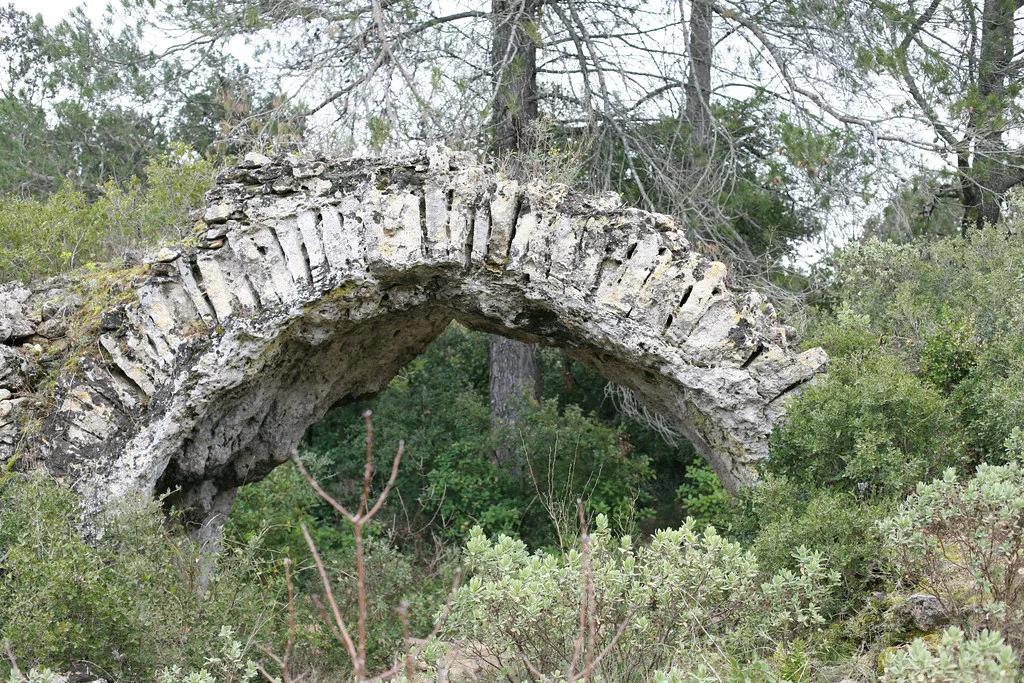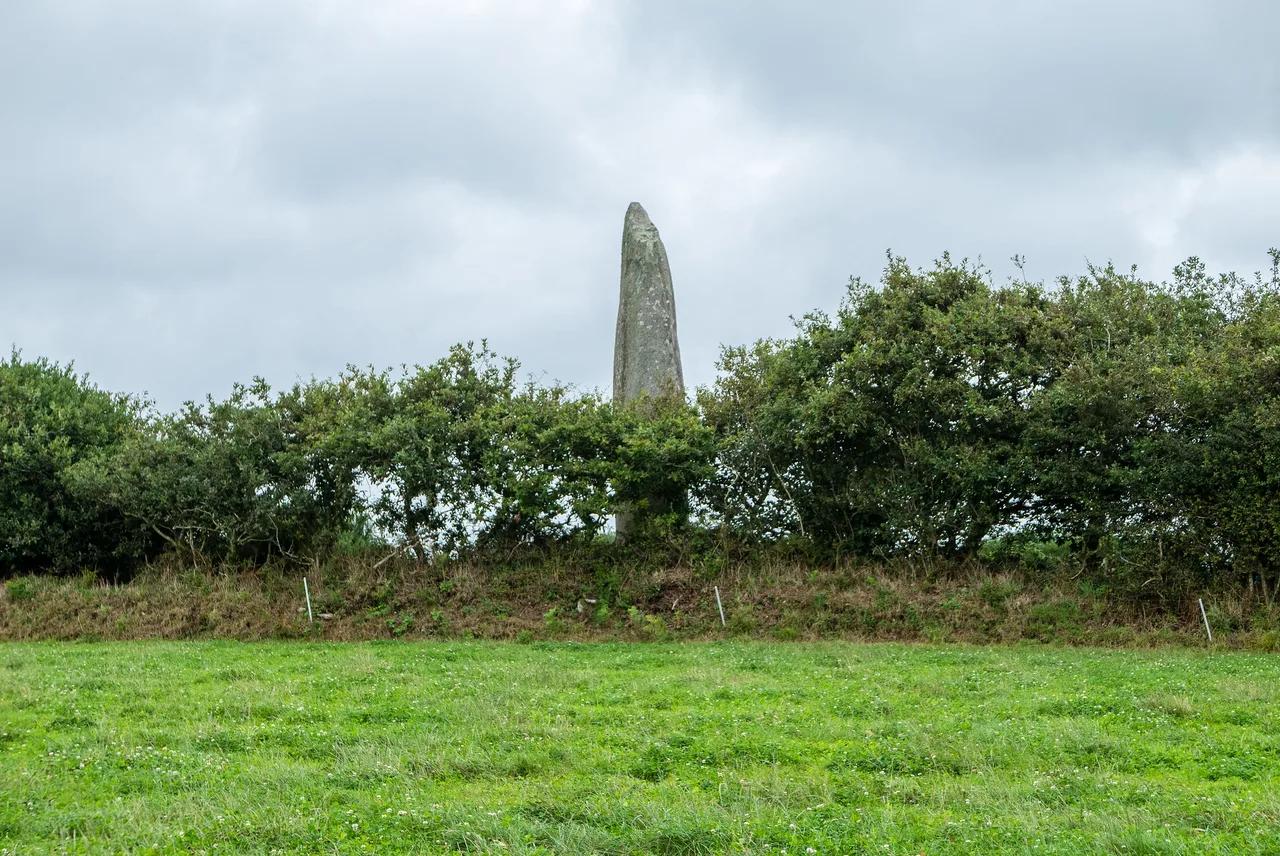
Last updated November 2026. The main Brittany megaliths cluster in Morbihan, on the south coast around Carnac, Locmariaquer and the Gulf of Morbihan. Four stops carry most trips: the Carnac alignments, Locmariaquer, the island tomb of Gavrinis and the Tumulus Saint-Michel. Northern Finistère adds Barnenez, but it is a separate leg.
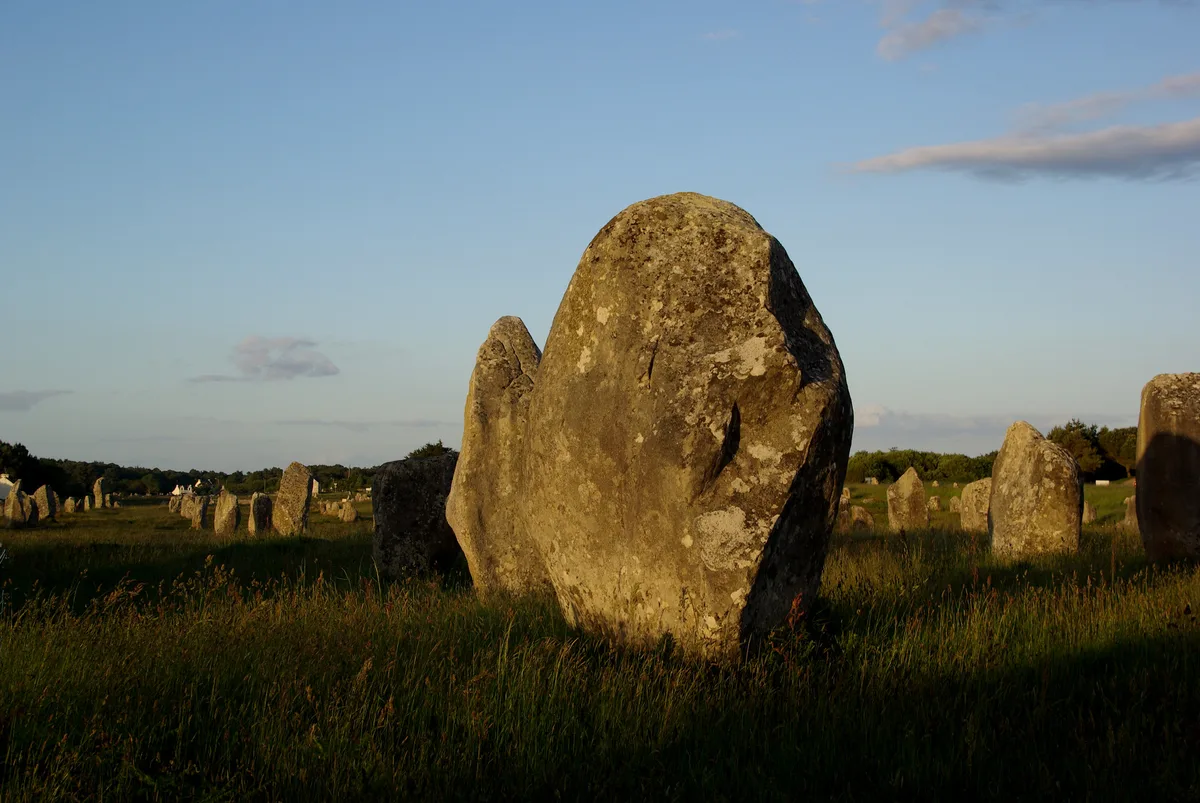
Featured image: Shadowgate, CC BY 2.0, via Flickr.
Brittany Megaliths at a Glance
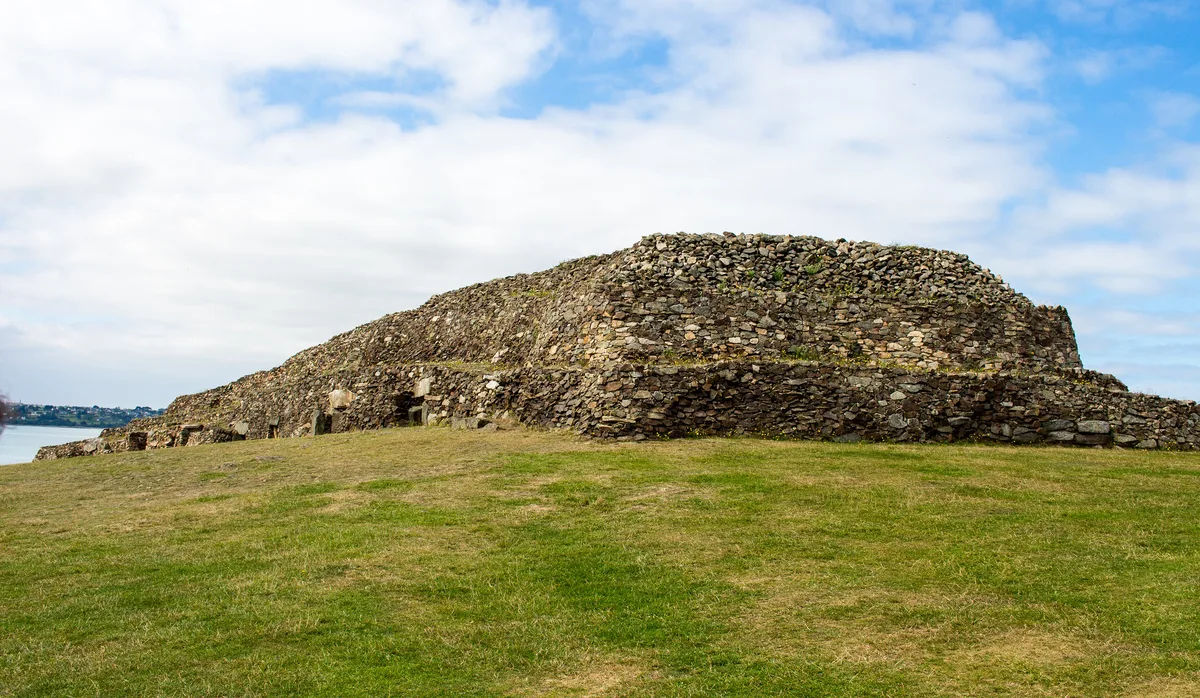
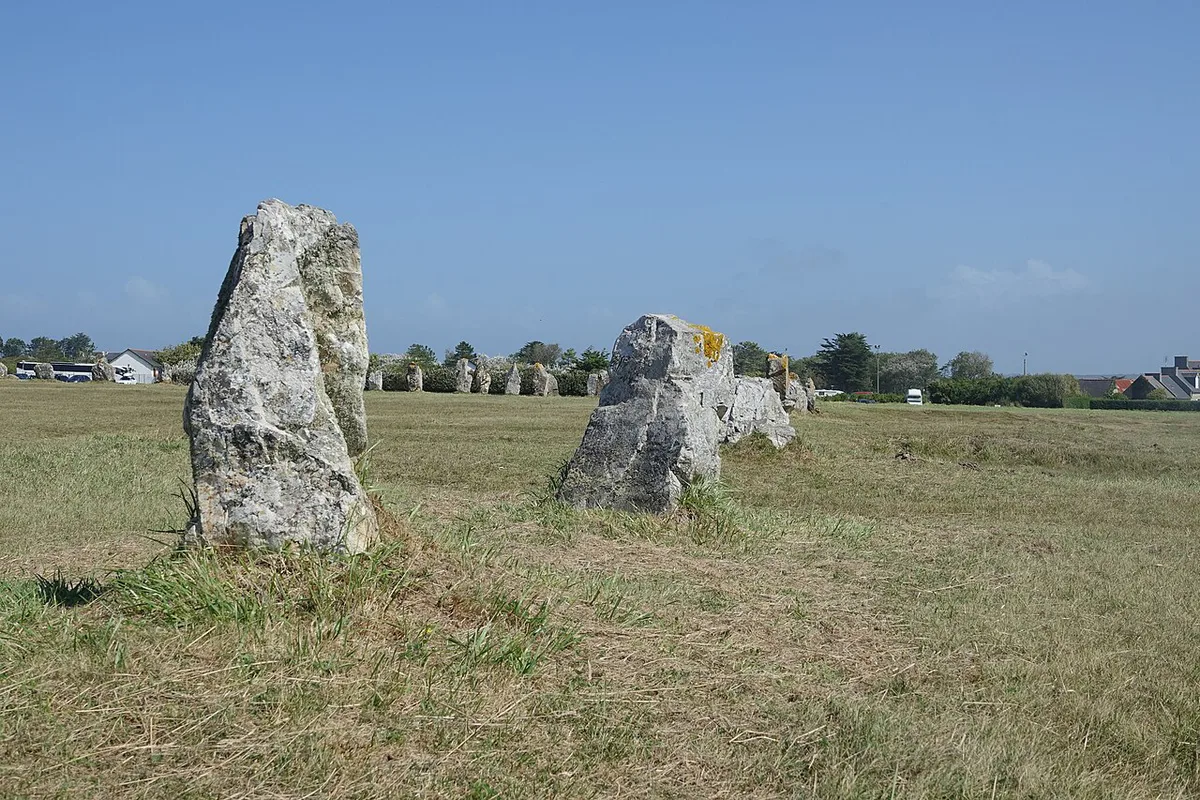
Morbihan holds the densest group of standing stones in the region. Carnac sits at the center, with Locmariaquer to the southeast and Erdeven to the northwest. Researchers report that key alignments here date to 4600–4300 BCE, which makes them more than 6,000 years old. Allow one full day for Carnac and Locmariaquer together. Add a second day if you want Gavrinis by boat and a slower pace. Official visitor information is on the Morbihan tourism site.
Which Brittany Megalith Sites to Prioritize
Each site offers something different, so match the stop to your interest. Access rules and fees change, so cells marked "check official site" should be confirmed with the operator. Skip a site when its format does not suit your group.
| Site | What you see | Access | Time needed | Who can skip |
|---|---|---|---|---|
| Carnac alignments | Long rows of stones at Ménec, Kermario and Kerlescan | Partly fenced; check official site | Half a day | Visitors who dislike fenced viewing |
| Locmariaquer | Grand Menhir Brisé, Table des Marchands, Mané Lud | Check official site | 2 to 3 hours | Anyone short on time who only wants rows |
| Gavrinis | Carved passage tomb on an island | Boat crossing; check operator | Half a day | Visitors who cannot book ahead |
| Tumulus Saint-Michel | Large burial mound near Carnac | Check official site | About 1 hour | Those wanting standing stones only |
| Barnenez | Long cairn in northern Finistère | Check official site | Half a day plus travel | Visitors based in Morbihan with one day |
Carnac Alignments: Know Before You Go
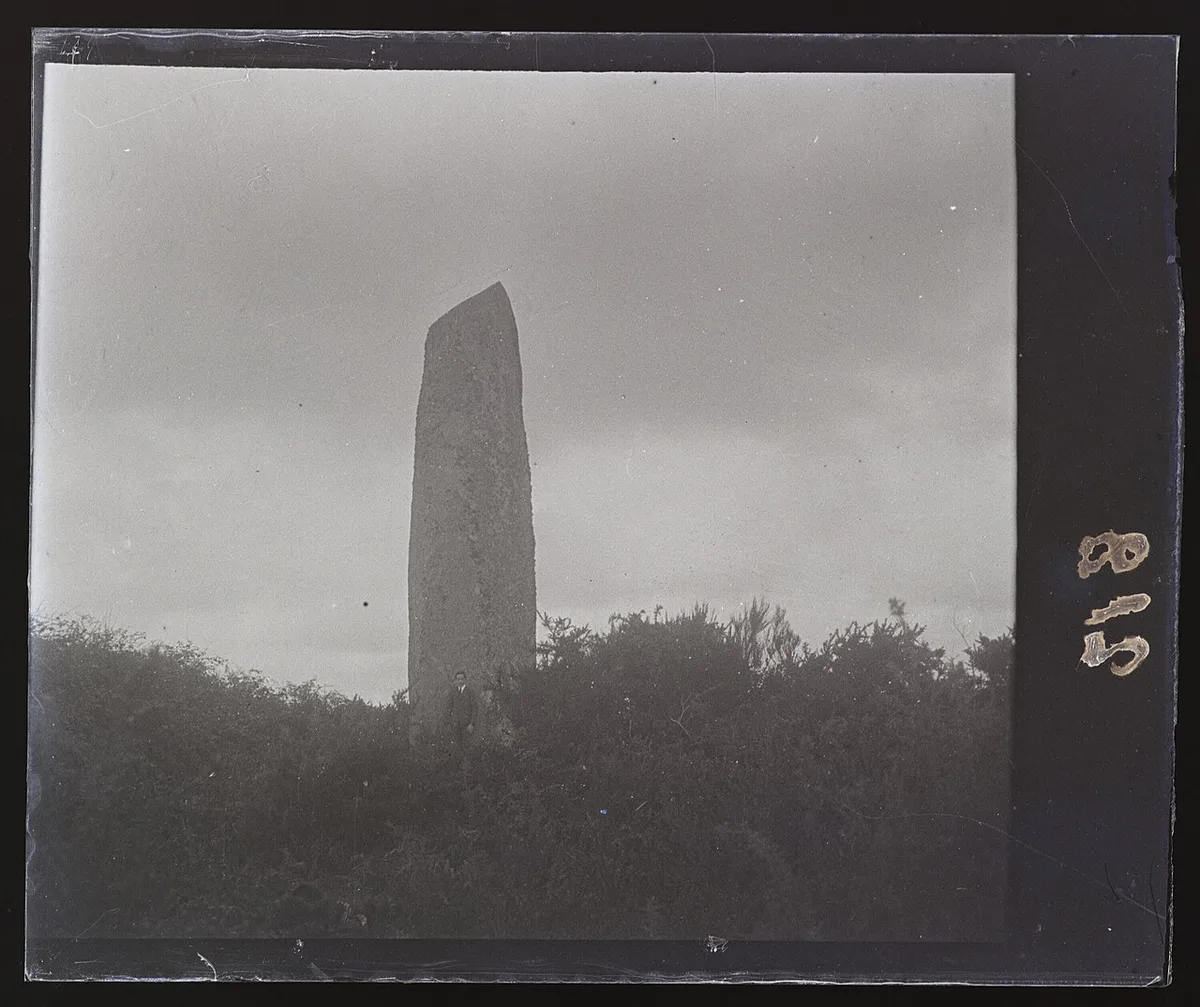
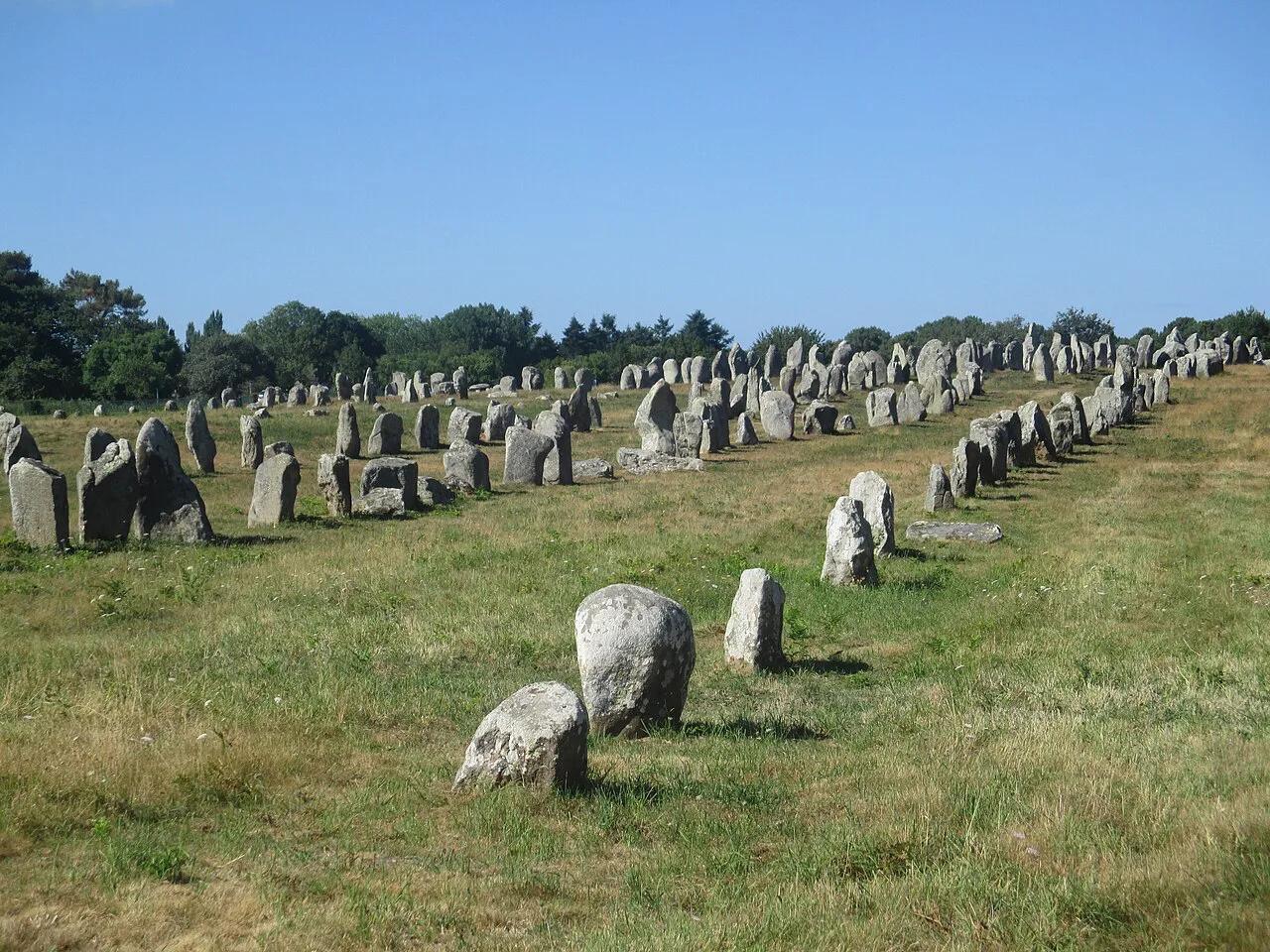
Researchers describe more than 3,000 stones once stretching across 10 kilometers (about 6 miles). Three main groups are open to visitors: Ménec, Kermario and Kerlescan. Some rows are fenced, and access rules change by season. The Centre des monuments nationaux publishes the current access rules for the Carnac sites. Disappointment usually comes from assuming every row is walkable, from sparse signage and from midday crowds. Visit early or late in the day to avoid the worst of the crowds. Our Carnac stones guide gives the background. Practical logistics are in the Carnac visit planner.
- Do not assume every row can be walked.
- Go early or late in peak season.
- Read the posted access notice at each group.
Beyond Carnac: Locmariaquer, Gavrinis and the Gulf
Locmariaquer shows a different side of the region. Its Grand Menhir Brisé is a single giant stone that now lies broken. Nearby, the Table des Marchands and Mané Lud are passage tombs. Our Locmariaquer megalith guide covers the details. Gavrinis lies on an island in the Gulf of Morbihan and needs a boat crossing. Crossings depend on the operator, so book ahead and check the schedule. Skipping the booking is a common mistake. Read the Gavrinis island tomb guide before you plan the crossing.
Dolmens, Menhirs and Burial Mounds
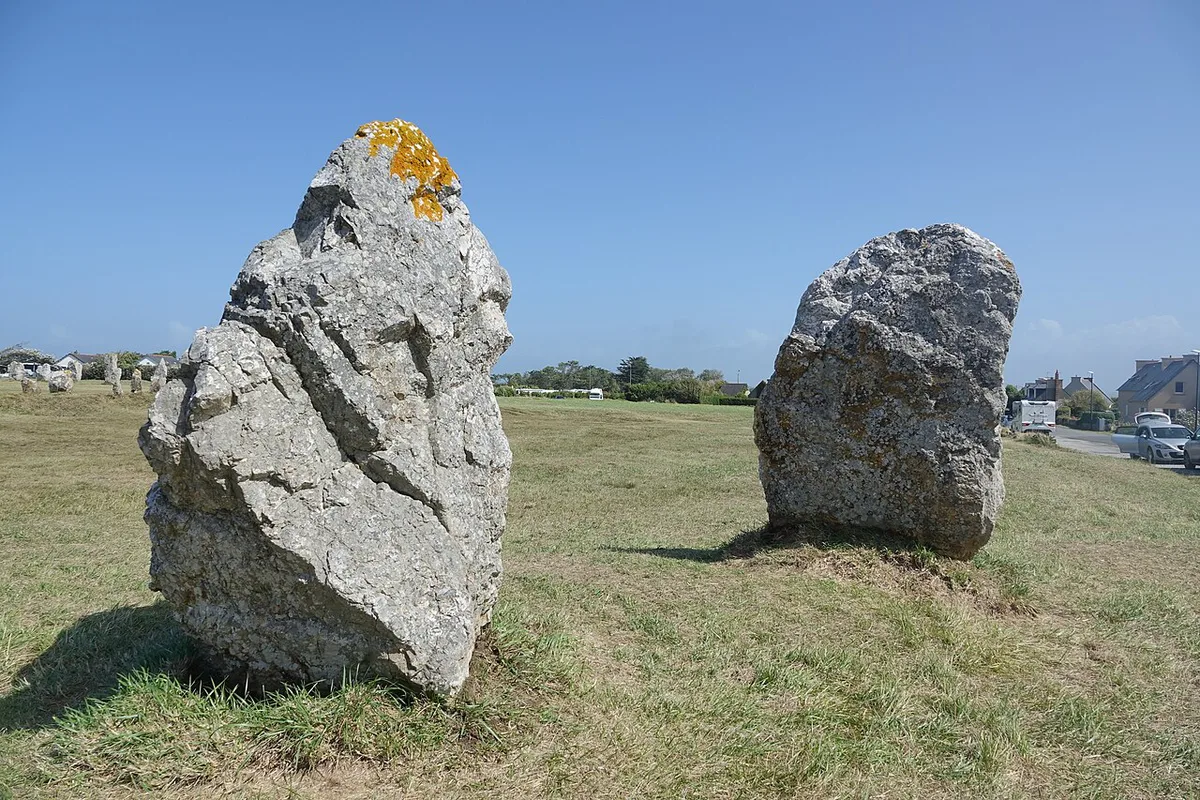
Three terms cover most of what you will see. A menhir is a single standing stone. A dolmen is a chambered tomb of upright stones under a capstone. A tumulus is an earth or stone mound over a burial. Our menhirs and dolmens explainer sorts them in more detail. The Tumulus Saint-Michel is the best-known mound near Carnac. For sites outside Brittany, see our Dolmens in France: Where to See the Best Ones overview.
How Old Are the Brittany Megaliths?
Researchers report that Le Plasker, in Plouharnel, yielded nearly 50 radiocarbon dates. The team placed key alignments between 4600 and 4300 BCE. The findings appear in a 2025 paper in the journal Antiquity by Blanchard, Guyodo, Schulz Paulsson and Montassier. Other sources give wider date ranges, because monument types differ in age. Why the alignments were built is still debated. Proposed uses include territorial markers, ceremonial paths, astronomy and feasting. No single theory is settled.
Le Plasker's nearly 50 radiocarbon dates back the 4600–4300 BCE window, though other sources give wider ranges.
Getting Around and Planning Your Time
A car gives the most flexibility, because the sites sit in different corners of the area. Without a car, choose one base and plan around its transport. Carnac suits a stone-focused stay. Auray and Vannes offer more services. Check TER and local bus operators for current timetables. Our Carnac from Vannes guide covers that route. A sensible one-day plan pairs Carnac with Locmariaquer. A two-day plan adds Gavrinis and the Tumulus Saint-Michel. Wind and rain make the open fields exposed, so bring a waterproof layer. The off-season suits visitors who want quieter rows.
Locmariaquer alone takes 2 to 3 hours, on top of the half day Carnac needs. Plan both stops before adding Gavrinis to a single day.
Barnenez and Other Brittany Options
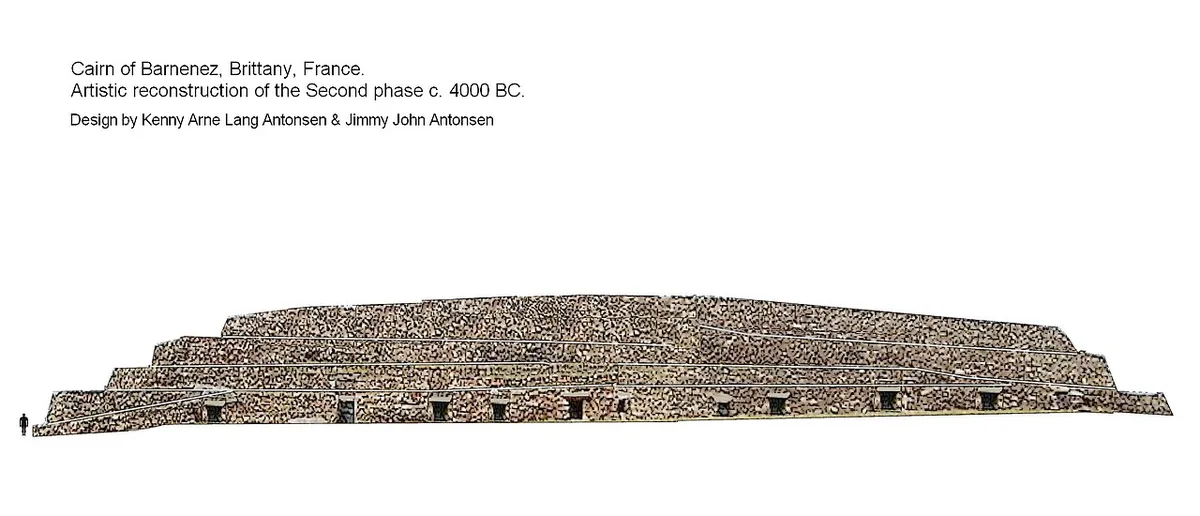
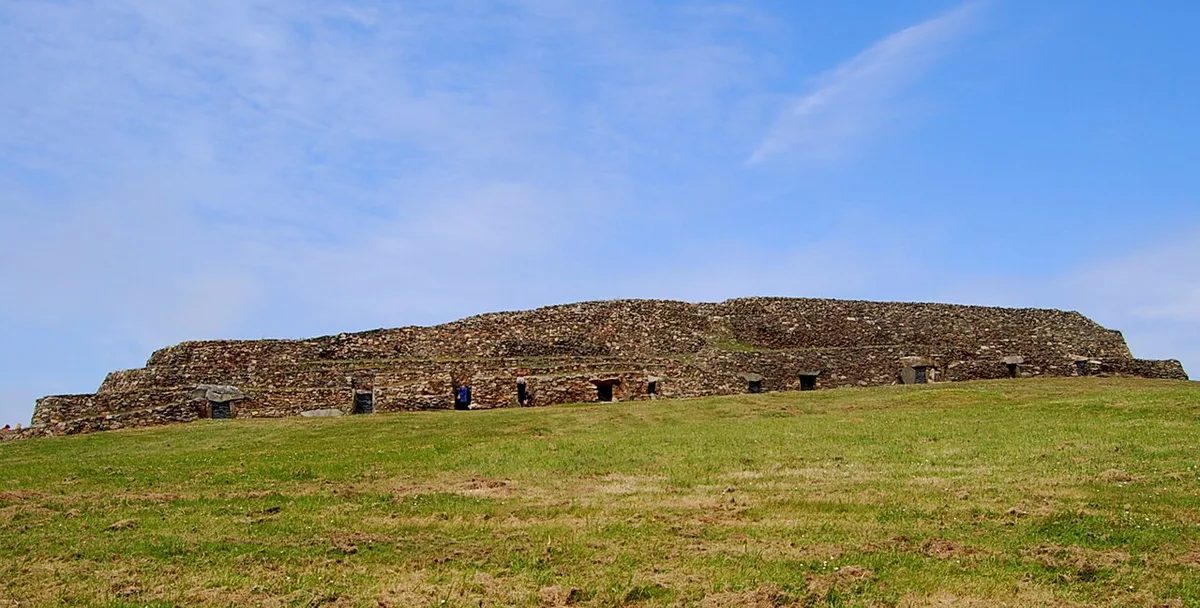
Barnenez lies in northern Finistère, far from the Carnac area. Treat it as a separate leg rather than a day trip from Morbihan. Our Barnenez cairn guide explains what to expect. For a comparison outside Brittany, Filitosa in Corsica shows a very different stone landscape.
Frequently Asked Questions
Where are the main megaliths in Brittany?
Most are in Morbihan, around Carnac, Locmariaquer and the Gulf of Morbihan. Barnenez is the main northern site, in Finistère.
What was the purpose of the megaliths?
Nobody knows for certain. Proposed uses include territorial markers, ceremonial paths, astronomical observation and feasting grounds.
Related guides
Continue reading
Guides on the same trip