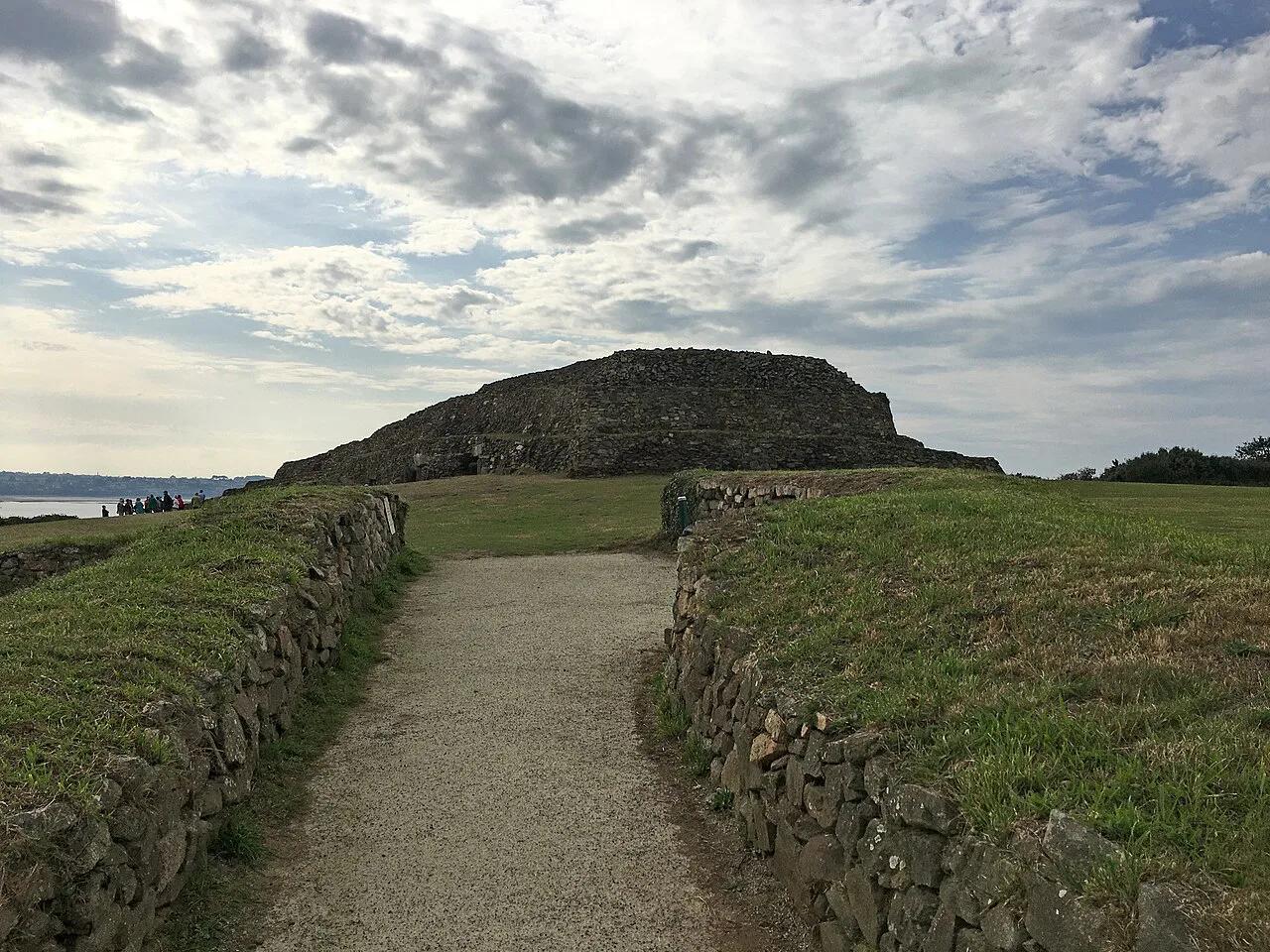
Last updated November 2026: Barnenez is a Neolithic chambered cairn near Plouézoc'h, on the Kernéléhen peninsula in northern Finistère, Brittany. It dates to about 4800 BC, which places it among the earliest megalithic monuments in Europe. This guide explains what you see, who should make the detour, and how it fits into a wider Brittany megalith trip.
Featured image: Quoique, CC BY-SA 4.0, via Wikimedia Commons.
What Barnenez is, in brief
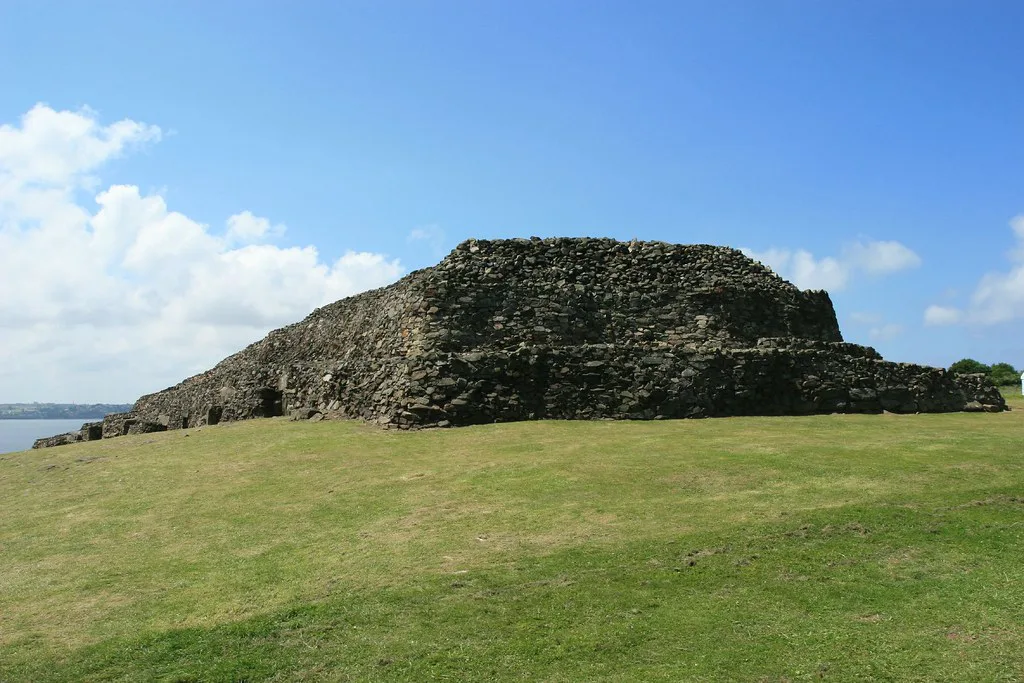
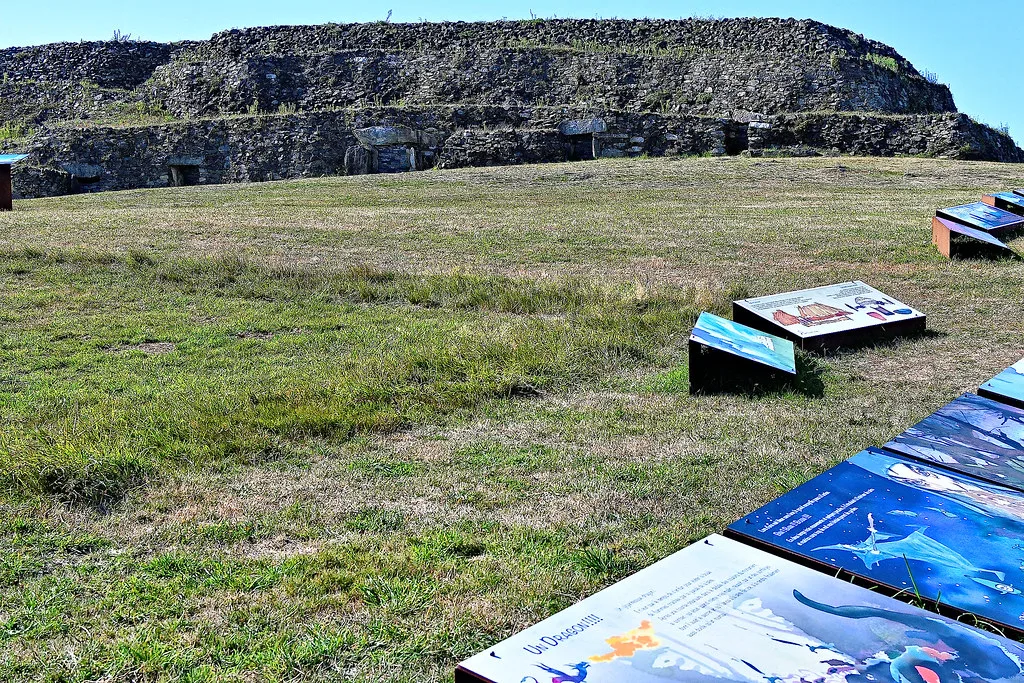
Barnenez is known in French as the Cairn de Barnenez or Tumulus de Barnenez, and in Breton as Karn Barnenez. It is a long mound of stone with burial chambers inside, not a field of upright stones. Megalithic art is also recorded here, which sets it apart from many plainer mounds. Archaeologists group it with the Tumulus of Bougon and the Locmariaquer megaliths as some of the oldest monuments of their kind in Europe. If the vocabulary is new, this primer on standing stones and burial chambers shows how a cairn differs from a single menhir. The Centre des monuments nationaux manages the site.
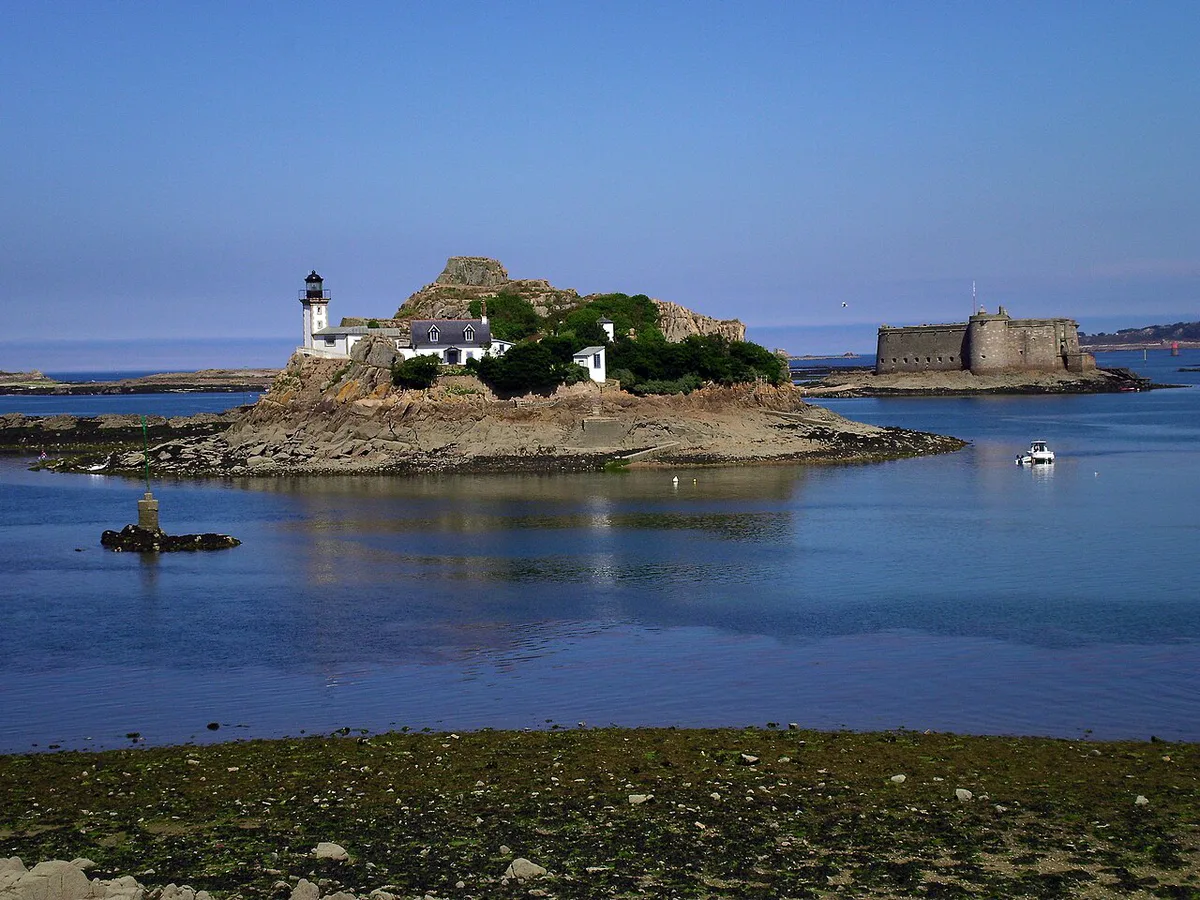
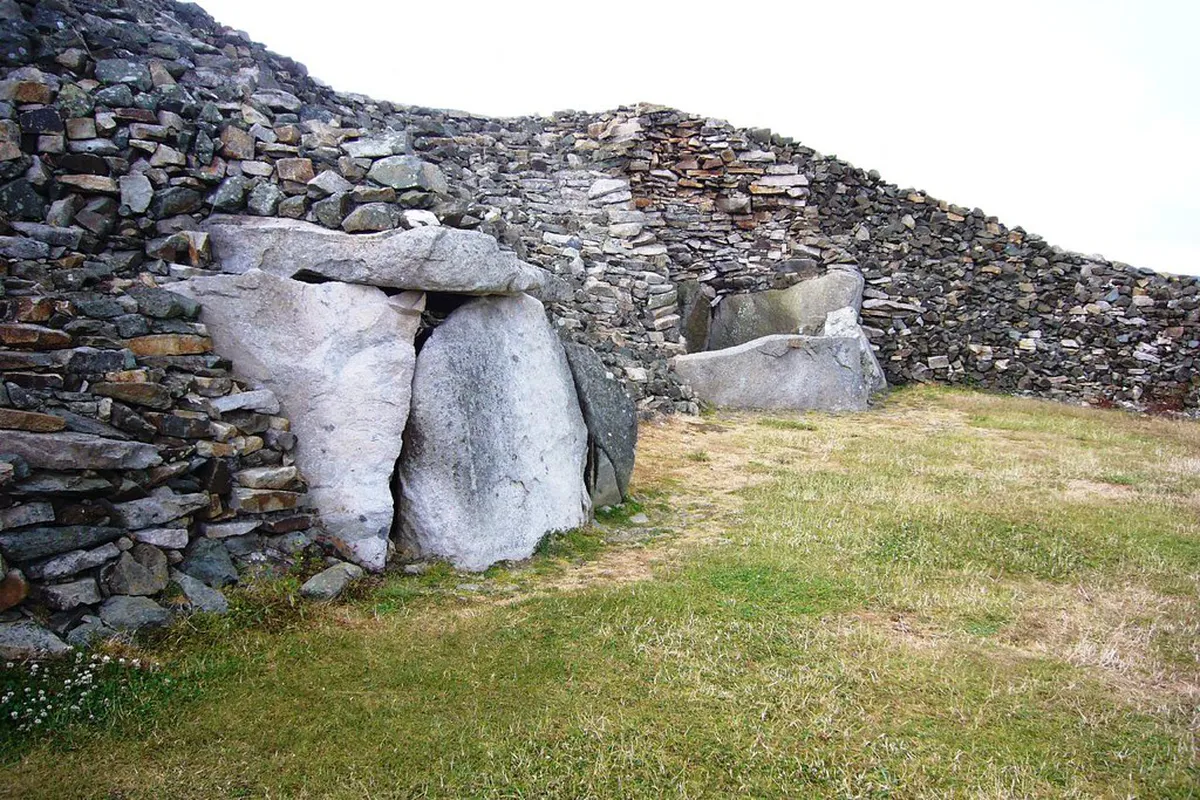
- Location: Kernéléhen peninsula, near Plouézoc'h, northern Finistère, Brittany.
- Date: early Neolithic, about 4800 BC.
- Type: chambered cairn, also called a tumulus or mound.
- Operator: Centre des monuments nationaux.
- Season and opening days: set by the operator.
Is Barnenez worth the detour?
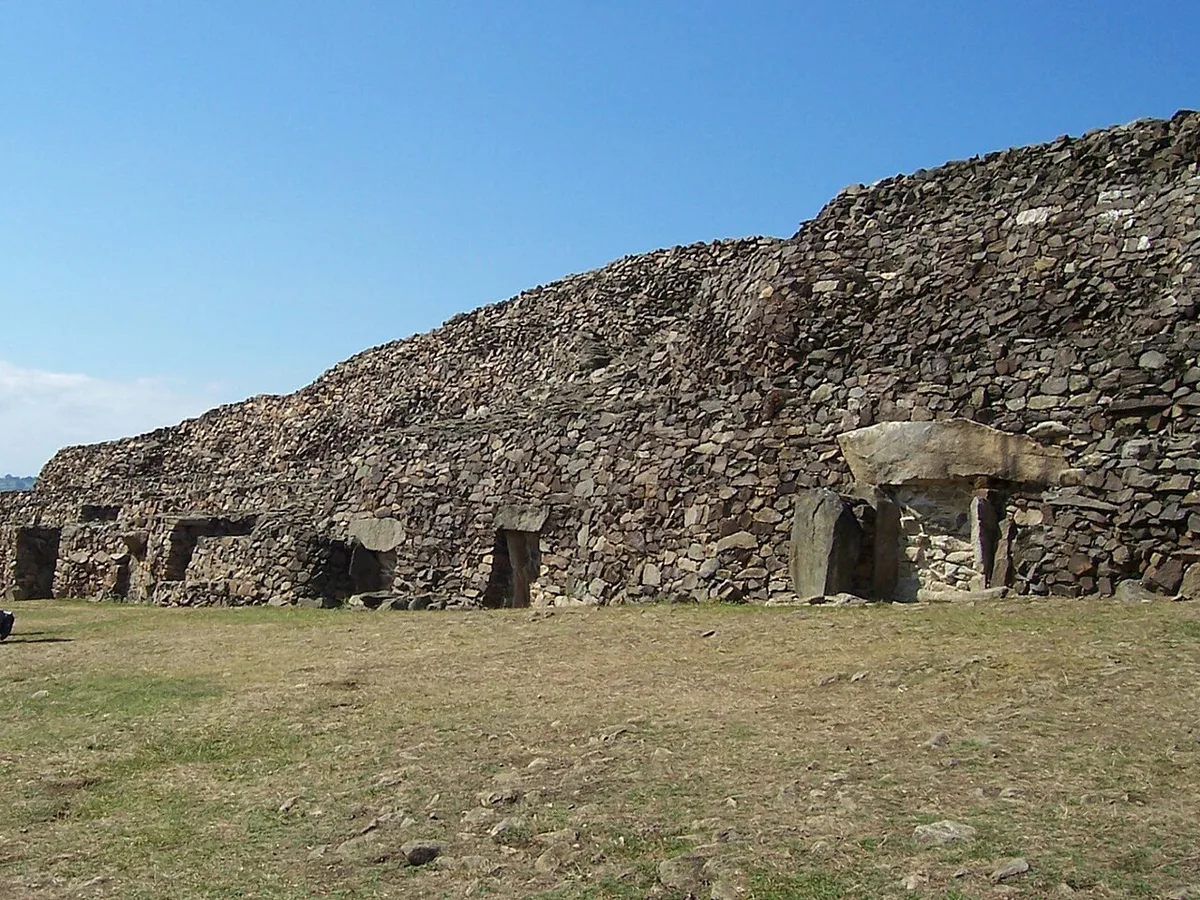
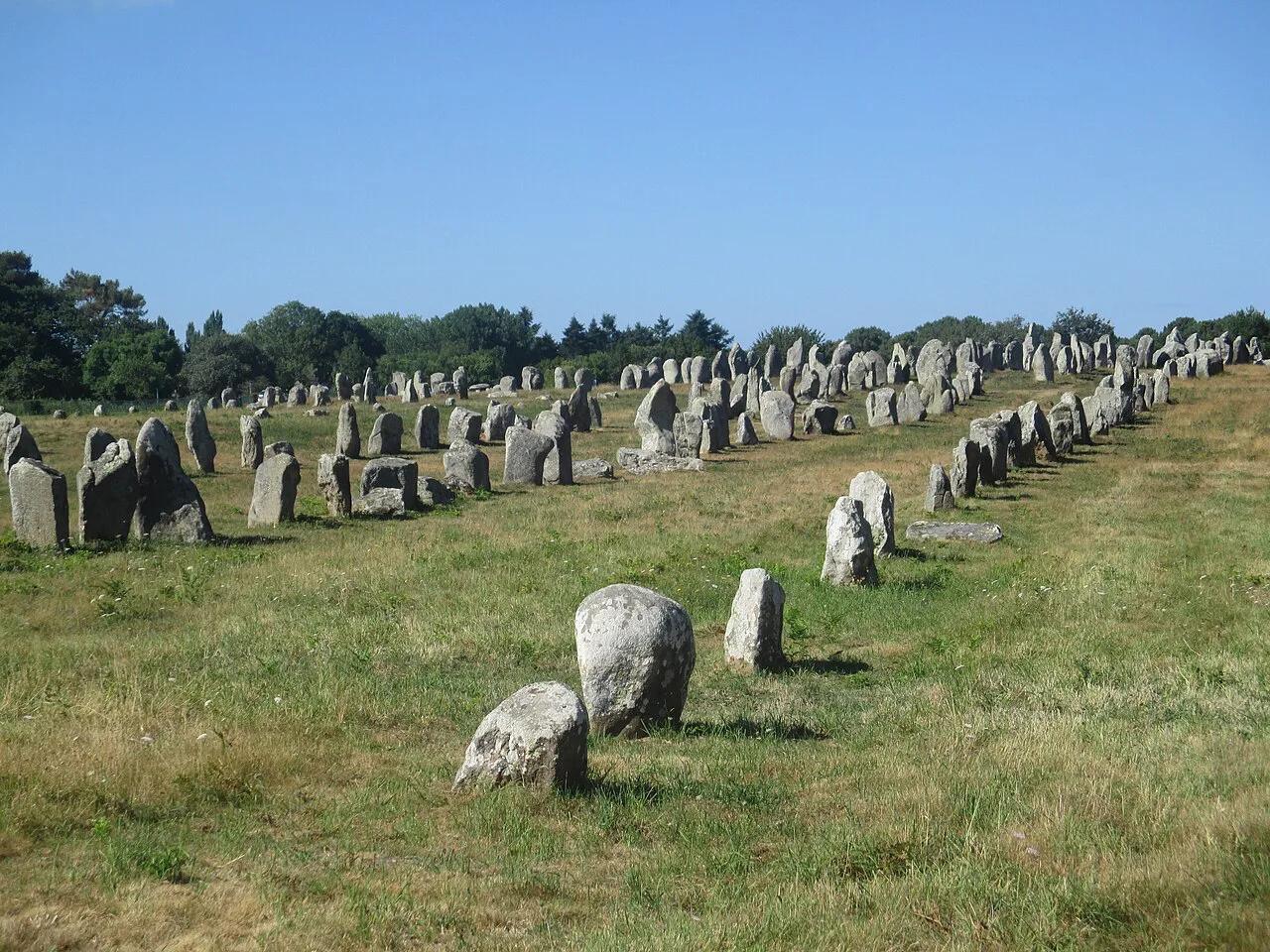
Barnenez rewards people who care about prehistory or early architecture. You come for one large, deliberately built mound beside the water, and the visit is focused rather than sprawling. It also suits anyone already driving the north coast of Finistère between Roscoff, Morlaix and Carantec. Skip it if you want rows of standing stones to walk among. For that experience, head south to the Carnac alignments, where the landscape is the attraction. Skip it too if you expect a long, self-directed ramble through open chambers. Access inside a monument of this age is usually controlled, so set your expectations around the exterior and a guided or supervised approach.
Barnenez vs Carnac, Locmariaquer and Gavrinis
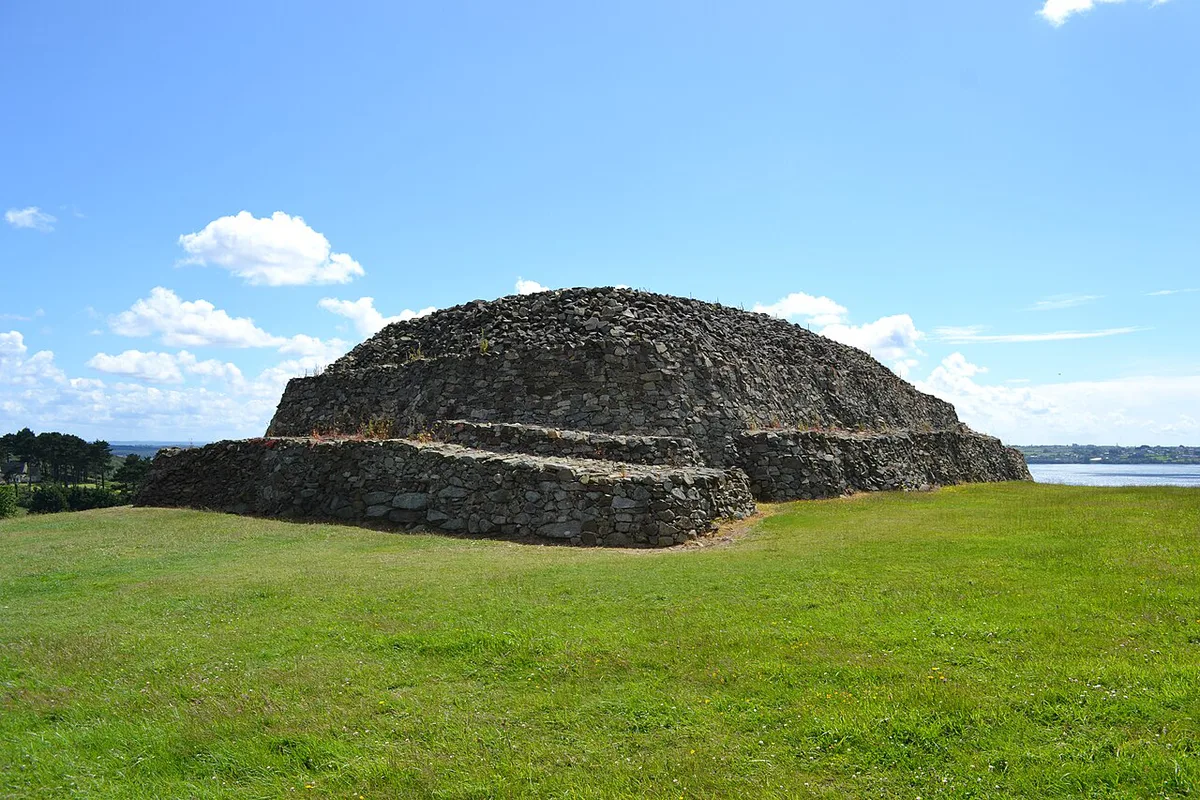
Barnenez sits in northern Finistère. Carnac, Locmariaquer and Gavrinis are all in the Morbihan area to the south. The trade-off is simple: Barnenez is one bold monument with a short visit, while Morbihan gives you several stops in a single trip. Use the table to match the site to your interests. For the southern group, our Carnac visit guide covers practical planning.
| Site | What you see | Region | Best for | Access friction |
|---|---|---|---|---|
| Barnenez | One large chambered cairn on a peninsula | Northern Finistère | Prehistory fans, north-coast road trips | Single stop; season and visit format vary |
| Carnac | Fields of standing stones | Morbihan | First-time megalith visitors | Several areas to visit; plan by site |
| Locmariaquer | Early megalithic monuments | Morbihan | Travelers who want more than one site nearby | Check each monument's entry rules |
| Gavrinis | A chambered monument | Morbihan | Visitors who plan ahead | Check how access is organized |
Tickets, hours and how the visit works
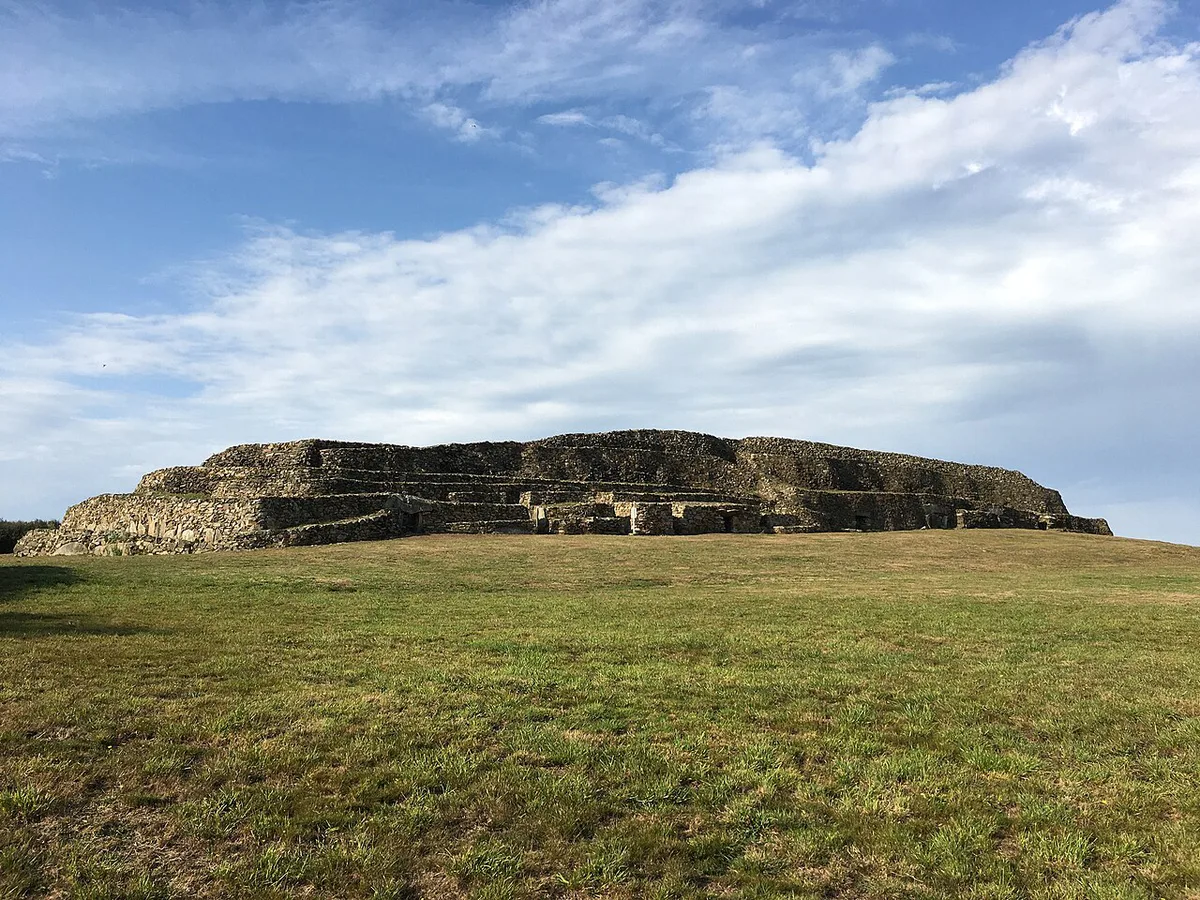
Ticket prices, opening days and the guided or self-guided format change by season, and no current figure is published here. Check the official monument page for today's details before you set off.
Getting there and parking
Barnenez stands near Plouézoc'h on the Kernéléhen peninsula, so plan the stop as part of a north-coast drive. Parking, public transport and journey times from Morlaix, Roscoff, Brest and Quimper are not confirmed here. Check them on the official page and in a mapping app before you commit to a schedule. Treat the peninsula as a place where a car is the safest assumption.
- Mistake: arriving without checking the season or the closing day. Look at the official calendar first.
- Mistake: assuming a bus will drop you at the cairn. Do not count on public transport reaching it.
- Mistake: relying on a phone signal on the peninsula. Download your map and your tickets in advance.
How long to allow and what to combine
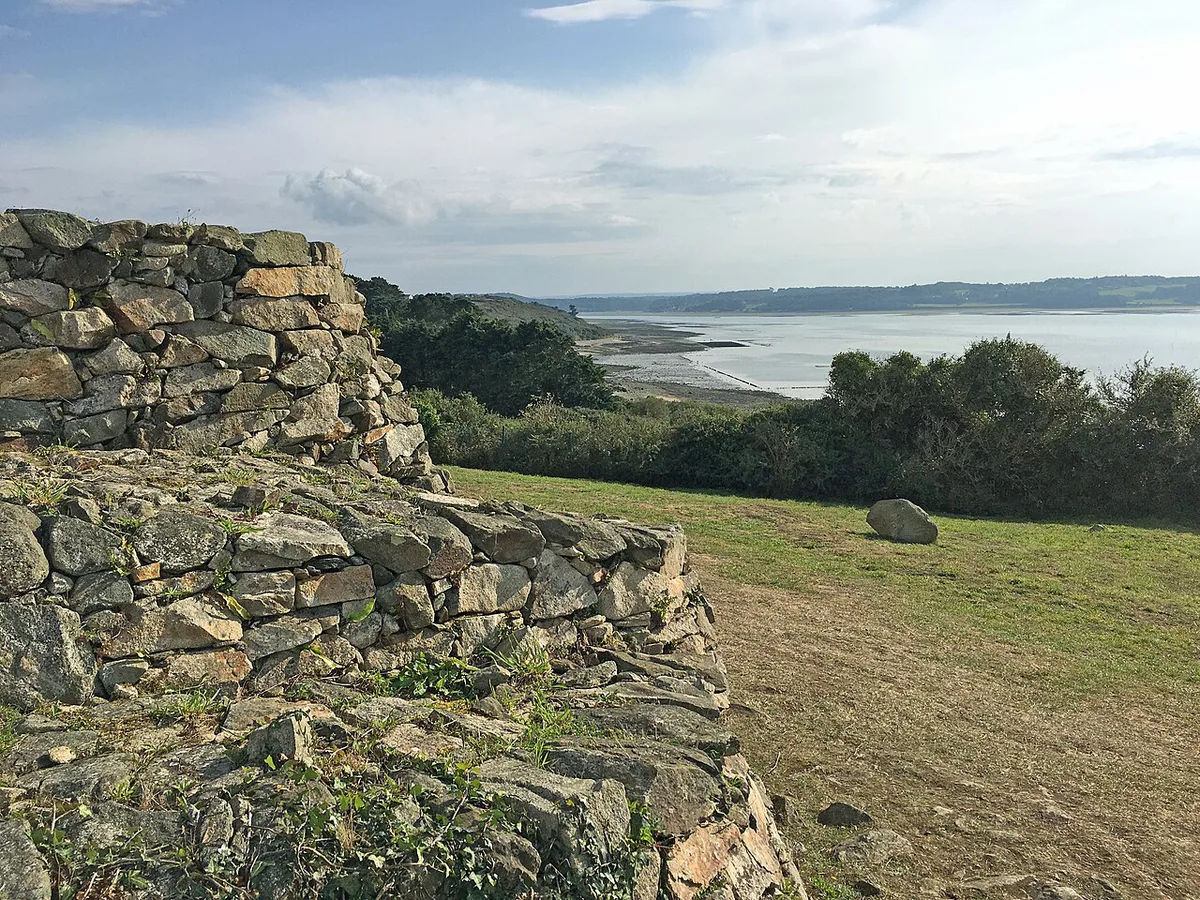
Allow a short stop for the cairn itself, since it is a single monument. Visit times are not published here, so treat any estimate as a planning guess. Many visitors add the Pointe de Barnénez shore walk. Photographers have recorded a small beach with views and Carantec seen across the water. A fuller day can pair Barnenez with Morlaix or Roscoff, which sit along the same stretch of coast. Keep the plan loose, because the walk and the cairn visit depend on the weather and the tide.
Planning a Brittany megalith trip
Treat Barnenez as the northern anchor and Morbihan as the southern cluster. A sensible order is to see Barnenez first while you are on the north coast, then drive south for the larger group of sites. Allow a full travel day between the two areas, and check the drive time in a mapping app. In the south, start with the Locmariaquer megaliths and the Gavrinis cairn. Add the Tumulus Saint-Michel if you want another mound near Carnac. If you are based in the south, a day trip from Vannes keeps the logistics simple. The Morbihan tourist board lists local sites and practical information for that side of the trip. For wider context, see these dolmens elsewhere in France.
Plan Barnenez as the northern anchor, and note that it dates to about 4800 BC before you drive south to the Morbihan group.
Related guides
Continue reading
Guides on the same trip