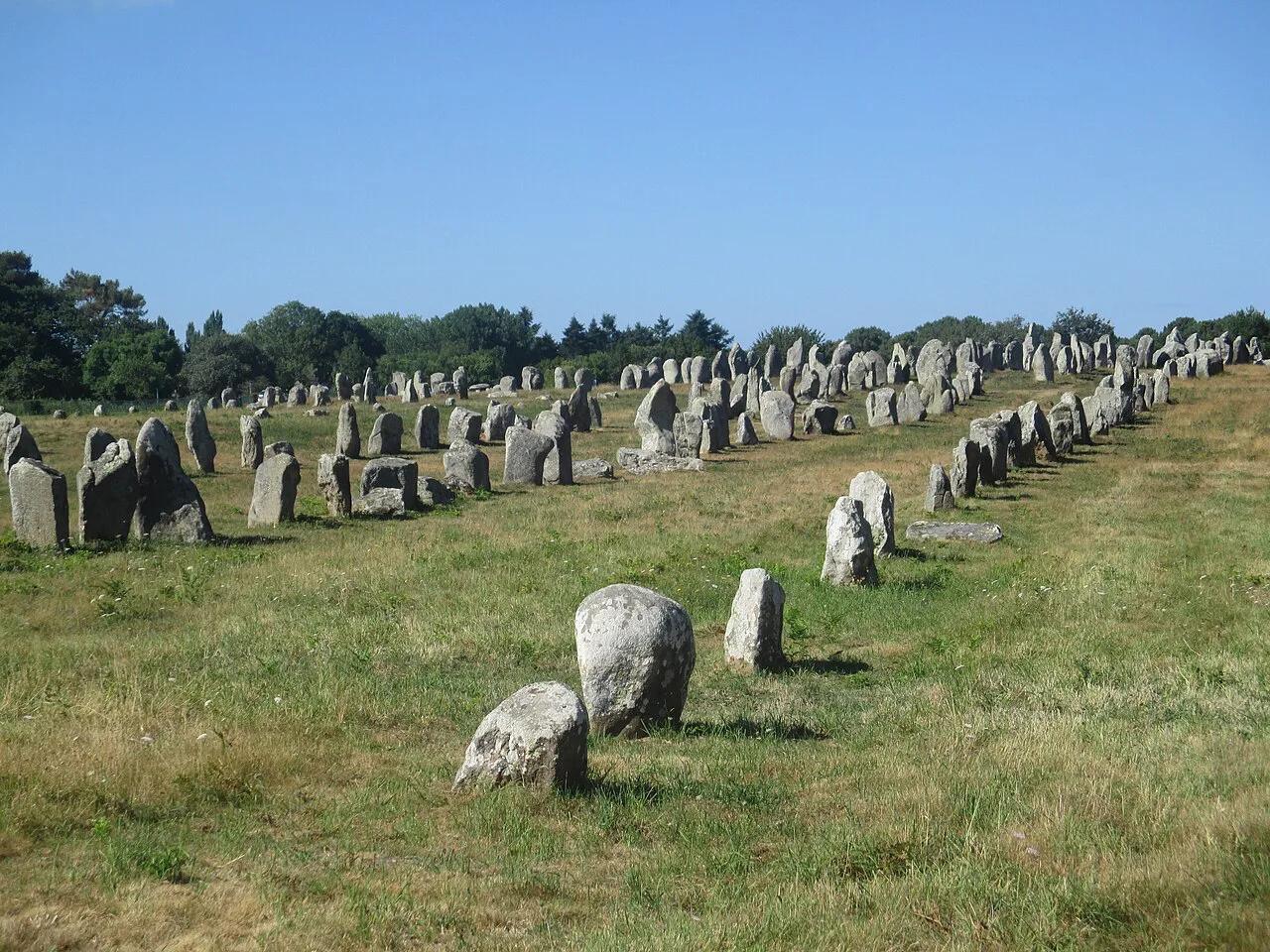
Last updated November 2026: the Carnac stones are thousands of standing stones set in long parallel rows on Brittany's south coast, in Morbihan. Why prehistoric communities raised them is still debated, but the fields can be visited. Start with our Carnac stones visit guide for logistics, then use this hub to pick the sites that fit your time.
Featured image: KenSwe72, CC BY-SA 3.0, via Wikimedia Commons.
What Are the Carnac Stones?
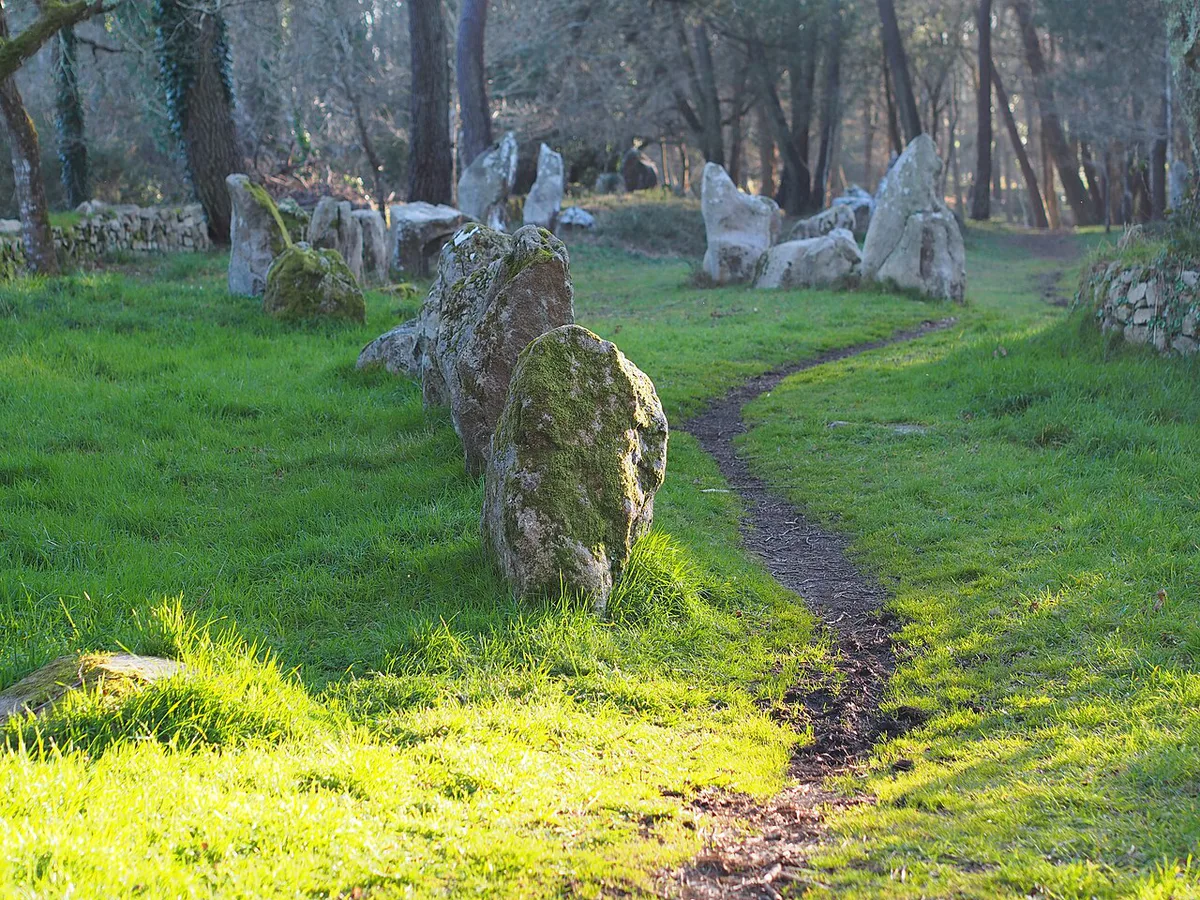
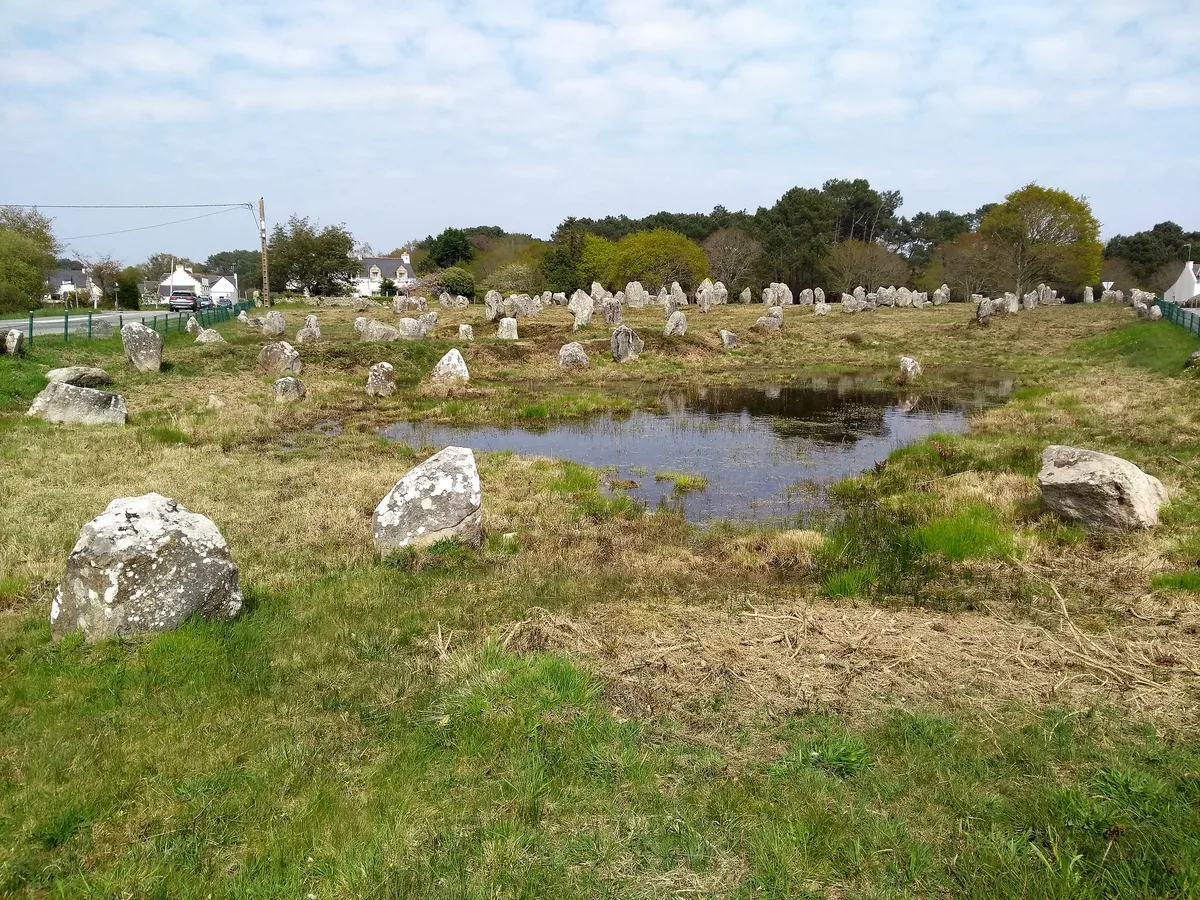
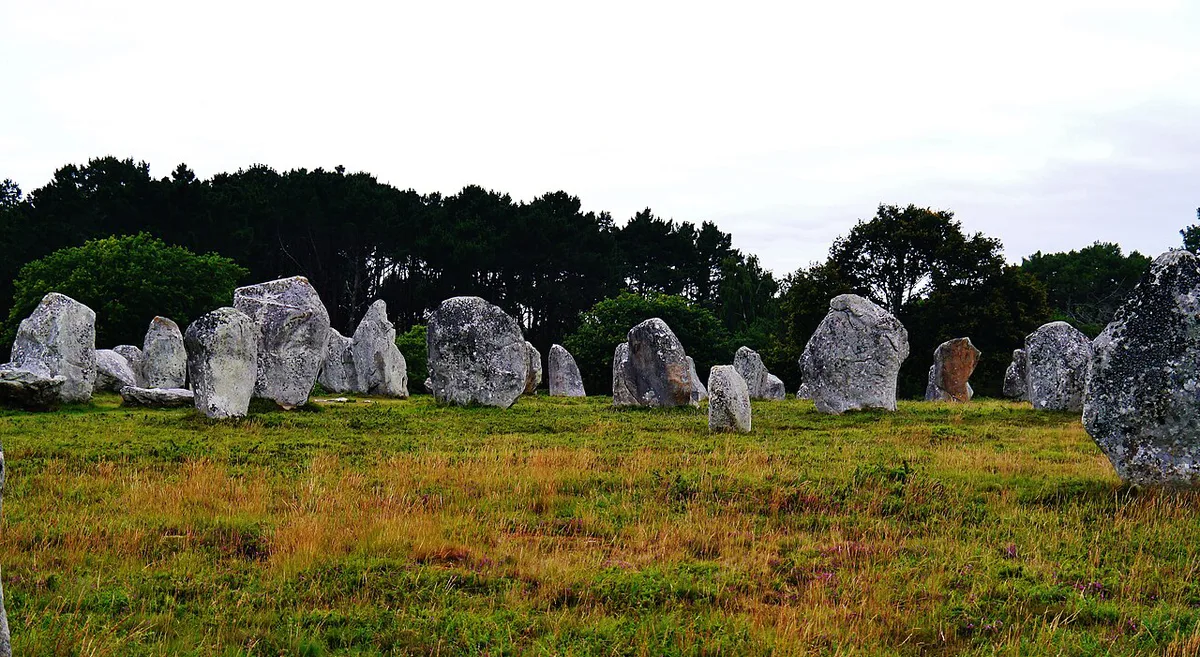
The Carnac alignments are rows of upright granite stones near Carnac village in Morbihan. They are grouped into three main fields, Le Ménec, Kermario and Kerlescan, plus the smaller Le Petit Ménec. Around them sit single menhirs, burial mounds and chambered tombs, which is why the area is read as a landscape and not one monument. UNESCO is reported to have listed the group in July 2025 as the Megaliths of Carnac and of the shores of Morbihan, and France's megalithic heritage pages are the place to confirm the scope. For the wider region, see our overview of Brittany Megaliths: Where to Go and What to See.
| Question | What is known | What is debated |
|---|---|---|
| What are they? | Thousands of standing stones in parallel rows on Brittany's south coast | Exact stone counts differ between sources |
| Who surveyed them? | Alexander Thom and Archibald Thom surveyed the rows in detail | Whether the rows worked as a lunar observatory |
| Why were they raised? | They sit among tombs and mounds in a wider megalith landscape | The purpose of the rows is still unknown |
Why Were the Carnac Stones Built?
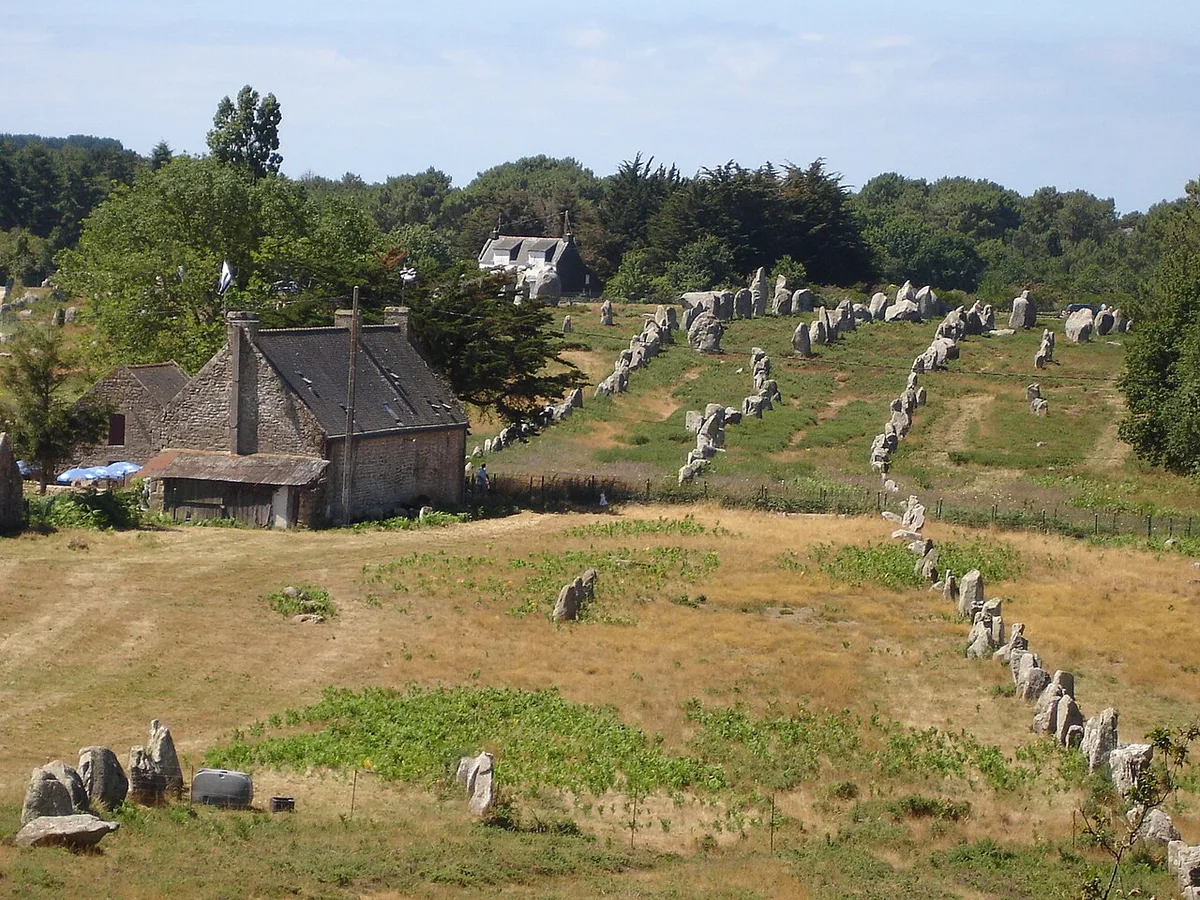
Nobody can say for certain. The best-known idea comes from Alexander Thom and Archibald Thom, whose surveys led to the claim that the rows served as an astronomical observatory. Fact-checkers label that reading disputed, because it was challenged in the field. Site managers and recent excavators say the purpose of the rows is still unknown. Funerary and ceremonial readings fit the tombs and mounds nearby, but they are interpretations, not proof. Treat any single confident answer, including the astronomy one, with caution.
6 Best Carnac Stones Sites and Experiences
Prices and hours checked November 2026. Outdoor viewing is generally free, while museums, guided visits and boat trips are paid. Cost levels below are relative, and each operator publishes the current rate.
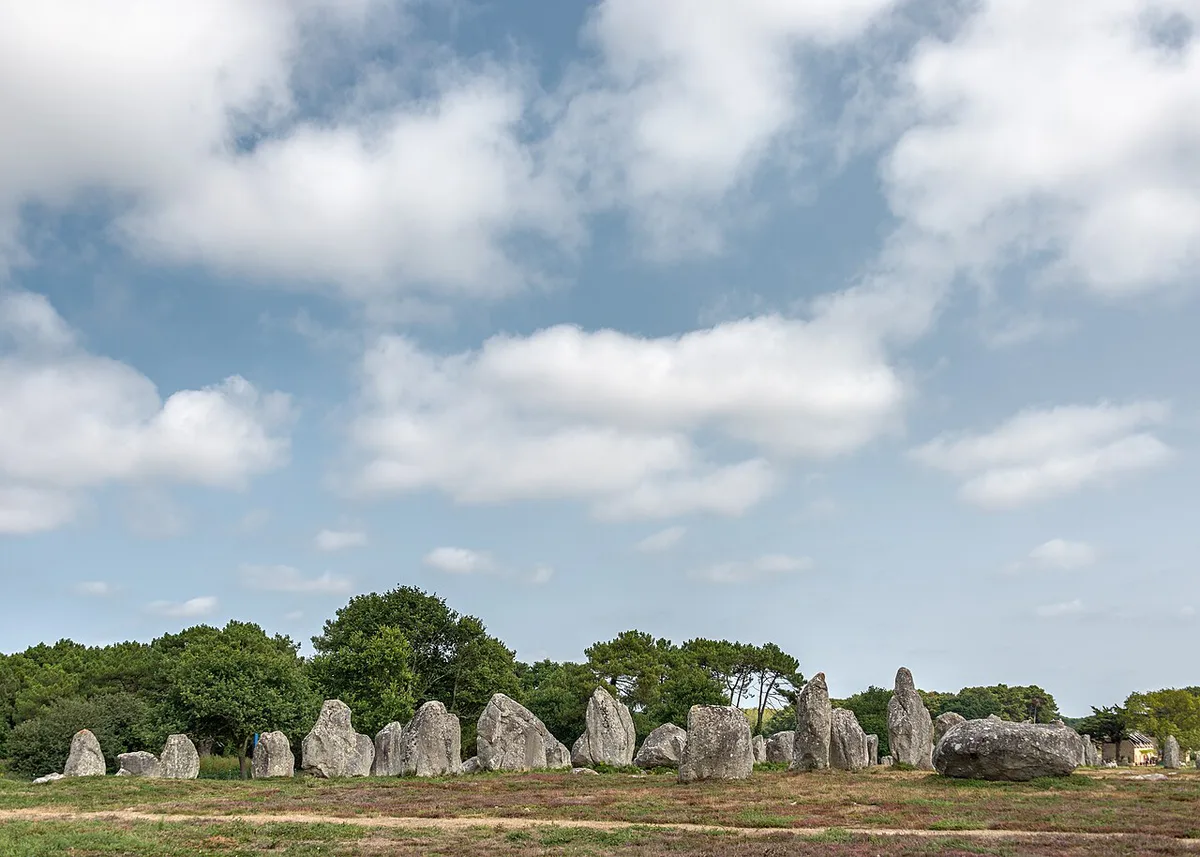
1. The main alignment fields: Le Ménec, Kermario and Kerlescan
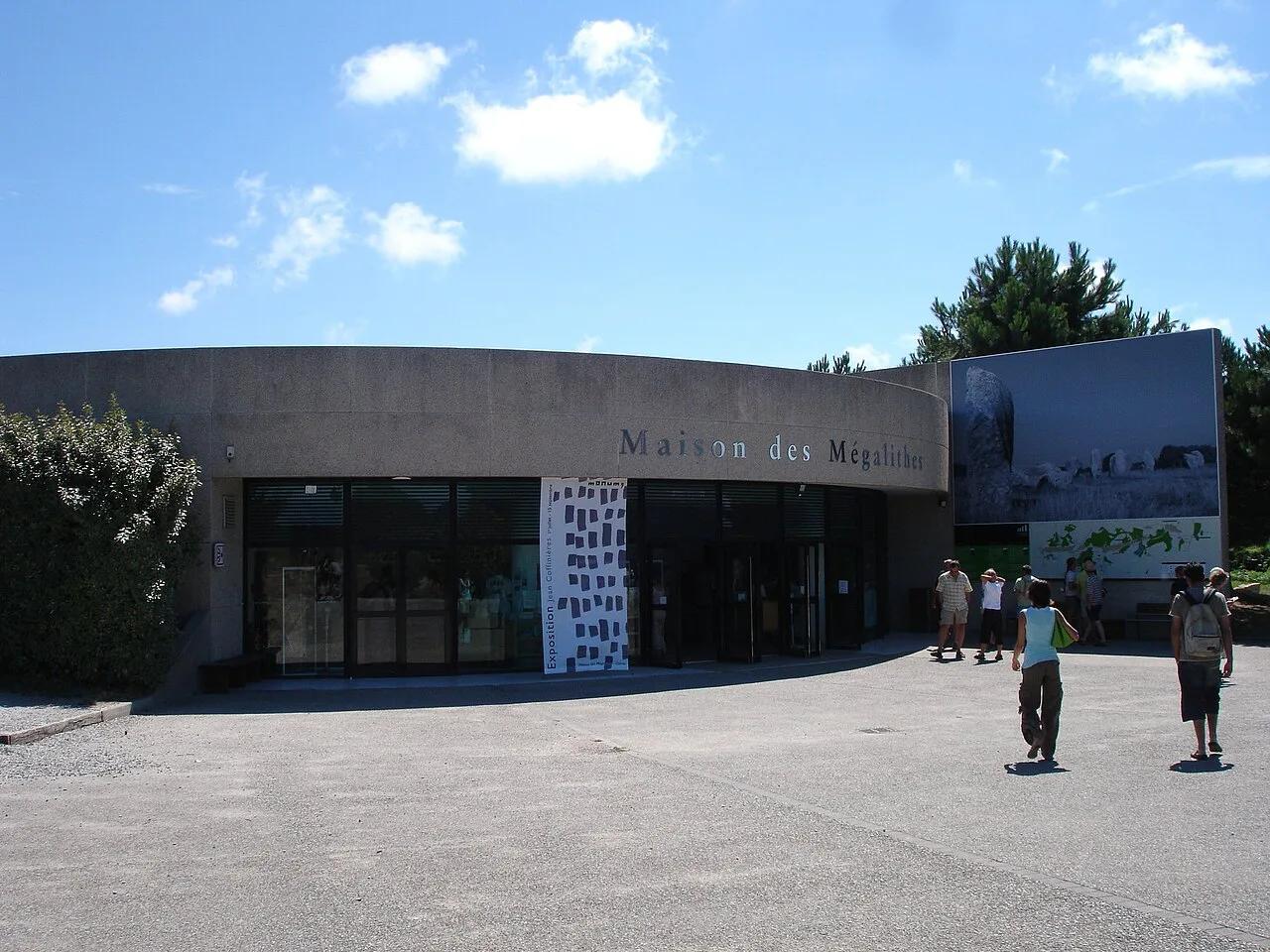
These are the core of the Carnac stones, and each field is a separate set of rows. Le Petit Ménec adds a smaller group that suits a short extra stop. Walk the length of one field to see how the stones change in height along the rows. The Maison des Mégalithes visitor centre gives context before you go out.
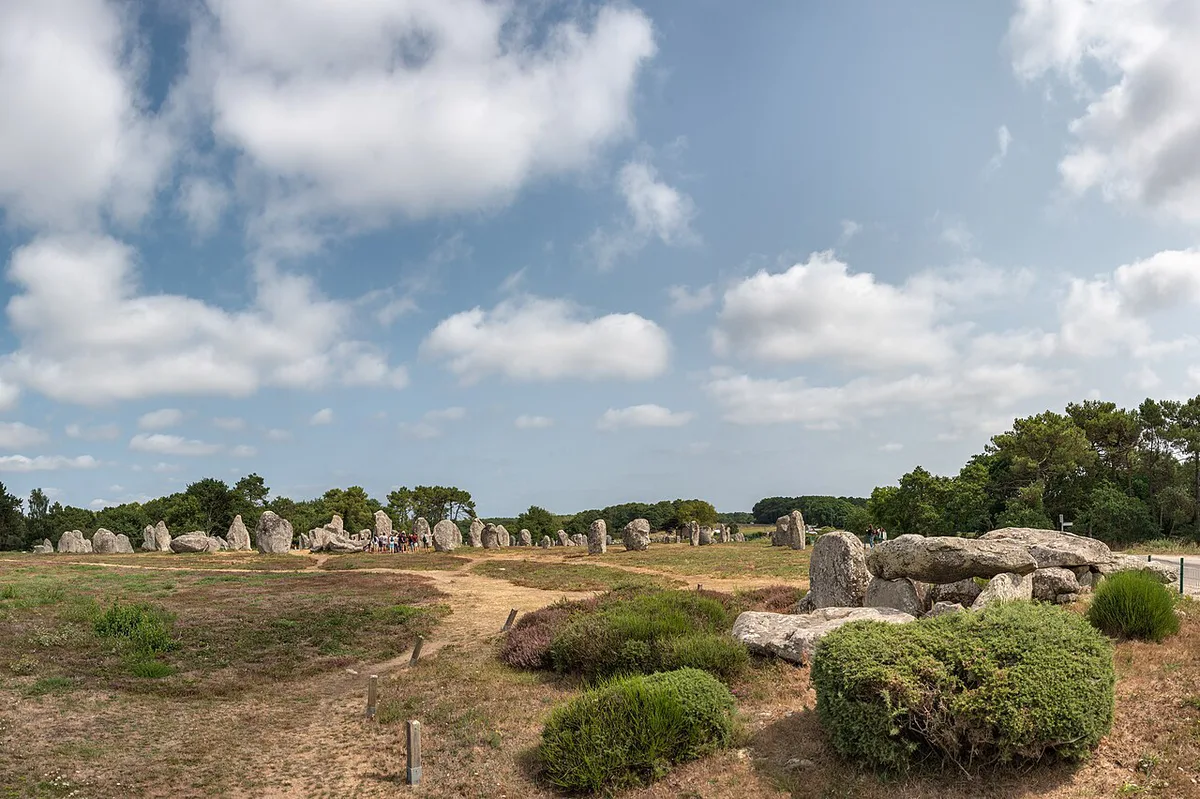
Allow a half day to see more than one field, and use our guide to visiting the alignments for routes. Viewing from the paths is free. Skip the idea of strolling among the stones at will. Access has varied by season, so read the current rules from the Centre des monuments nationaux.
2. Locmariaquer megaliths
Locmariaquer is a separate megalith site on the Morbihan shore, and it widens the picture beyond the rows. It suits readers who want tombs and single standing stones as well as alignments. Our Locmariaquer megaliths guide covers what to see. Plan roughly a half day if you pair it with another stop.
Expect a low to moderate ticket cost, with the operator setting the rate. Skip it if you only want the long stone rows, because nothing here replicates them.
3. Gavrinis island cairn
Gavrinis is a passage grave on an island in the Gulf of Morbihan. It earns a place for its interior, which most open-air stops cannot offer. Reaching it means a paid boat trip, so build the crossing into your day. Our Gavrinis island guide explains the visit.
Cost level is moderate, since you pay for the boat as well as the site. Skip it if you have only a few hours or dislike small boats. Allow a half day.
4. Tumulus Saint-Michel
Tumulus Saint-Michel is a large burial mound in the Carnac area. It shows the funerary side of the landscape, which the stone rows alone do not. Climb it for a view over the surrounding fields. Our Tumulus Saint-Michel guide has the details.
It makes a short stop of an hour or so alongside the alignments. Skip it if you want chambers to walk into. Pair it with a tomb site instead.
5. Dolmens and menhirs around Carnac
A menhir is a single standing stone, and a dolmen is a chambered tomb. Both appear across Morbihan beyond the main rows. Our menhirs and dolmens guide sorts out which are worth a detour. Most are quick roadside or short-walk stops and cost nothing to view.
Choose these if you have a car and like to build your own route. Skip them if you rely on buses, because the scattered sites are hard to link without wheels.
6. A Carnac day trip from Vannes
Vannes is a practical base for the Carnac stones when you want a single day. The day trip covers the fields, the visitor centre and one extra site. Our Carnac day trip from Vannes sets out the sequence. Plan a full day if you add Gavrinis.
Cost level is low without boats or guided visits. Skip it if you want slow, early or late light on the stones, since a day trip rarely allows it.
How to Plan Your Visit: Time, Season and Access
Match your plan to your time. A quick stop gets you one field from the paths. A half day adds the visitor centre and a second field. A full day adds a tomb site. Summer draws the heaviest crowds, so shoulder seasons and early mornings are calmer. Wear sturdy shoes for uneven ground, and read the seasonal rules from the Morbihan tourism site before you set out.
Under 2 hours gets you one field from the paths, while the Vannes day trip rarely leaves room for early or late light on the stones.
| Option | Time | Cost level | Effort | Best for |
|---|---|---|---|---|
| Quick stop | Under 2 hours | Free | Low | One field from the paths |
| Half day | About 4 hours | Free to low | Moderate | Two fields and the visitor centre |
| Full day | 8 hours or more | Low to moderate | Higher | Fields plus Locmariaquer or a tomb |
Getting There and Getting Around
Vannes and Auray are the usual gateways. A car makes the scattered sites easy to link. Without one, combine bus or train with a bike or on-foot stretches, and check current timetables with the operator. Tours remove the planning but add cost. For a ready-made route, follow our Vannes to Carnac route.
Costs, Tickets and Opening Hours
Walking the paths is free, while the museum, guided visits and boat trips are paid. Current hours and fees come from the official operators, including the Centre des monuments nationaux.
Where to Stay
Carnac village keeps you within walking distance of the fields and suits visitors without a car. Carnac-Plage puts you by the coast, which helps in summer. Auray or Vannes costs less effort to reach by train and gives more options for dining, but you will need transport to the stones.
Mistakes to Avoid
Do not arrive without checking seasonal access rules. Do not touch or climb on the stones. Do not treat the fields as a 30-minute stop, because the rows are long and the context matters. Skip the visitor centre and you lose the explanation of what you are seeing. If you want more megaliths afterward, Barnenez is another option in Brittany, and our Dolmens in France: Where to See the Best Ones guide ranges wider. Filitosa is in Corsica and is a separate trip, covered in our Filitosa guide.
Explore More Guides
Keep planning your trip with these guides.
Guides
- Visiting the Carnac Stones
- Locmariaquer Megaliths: Great Broken Menhir Visit Guide
- Gavrinis Island Guide
- Menhirs vs Dolmens
- Brittany Megaliths: Where to Go and What to See
- Tumulus Saint-Michel, Carnac
- Barnenez Cairn
- Dolmens in France: Where to See the Best Ones
- Carnac from Vannes: Train, Bus, Car and Bike Options
- Filitosa Corsica
Related guides
Continue reading
Guides on the same trip