Last updated November 2026. Filitosa is a prehistoric site in the Taravo valley of Corse-du-Sud, near Sollacaro, and it is best known for carved statue-menhirs. It sits roughly 20 km (about 12 miles) from Propriano, so plan a car-based detour. This guide covers what you will see, how to get there, how long to allow and how Filitosa differs from Breton stone sites.
Featured image: Jean-Pol GRANDMONT, CC BY-SA 3.0, via Wikimedia Commons.
What Filitosa Is and Who Should Go
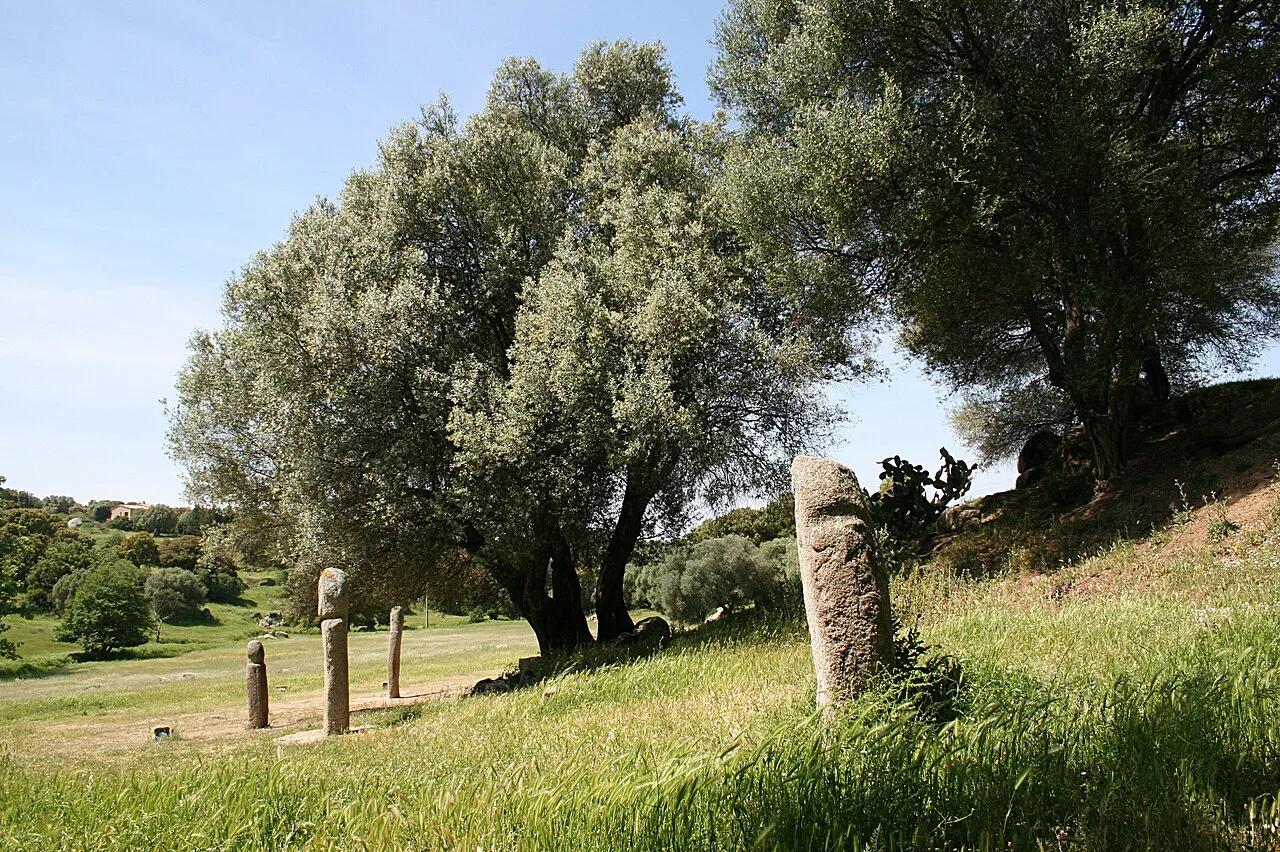
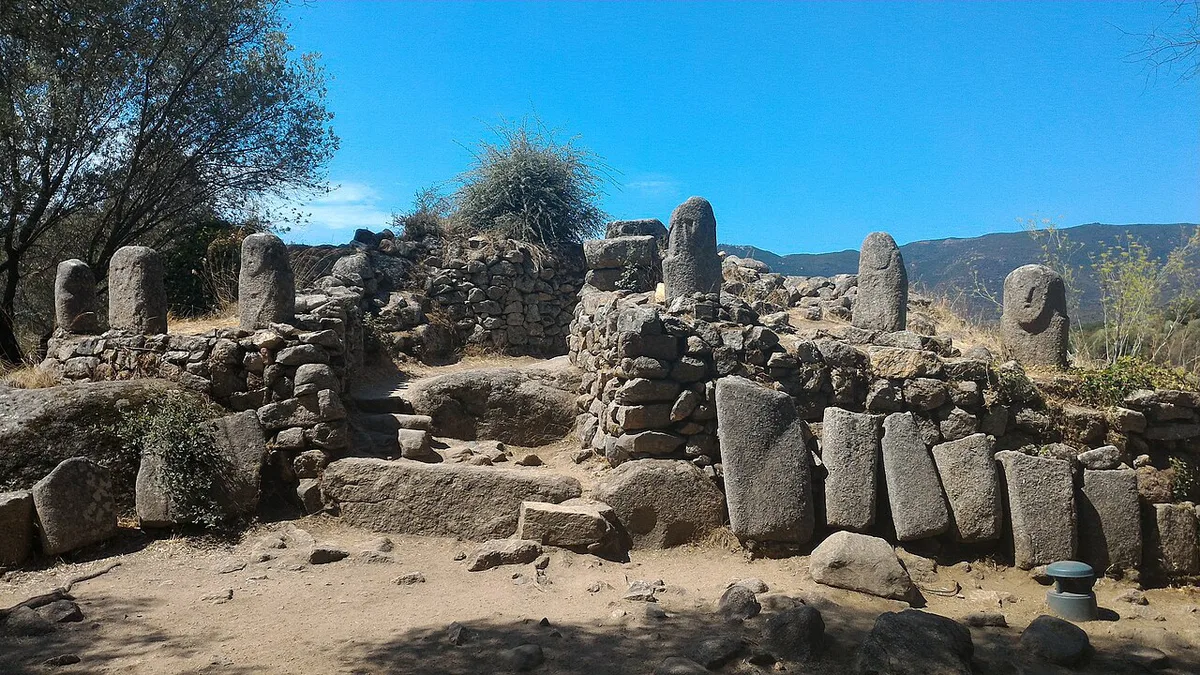
Filitosa is an open-air archaeological site in the Taravo valley of southern Corsica. Its main draw is a group of statue-menhirs: standing stones carved with faces, and in some cases weapons. French sources call them statues-menhirs. The site also holds the remains of later fortified buildings.
It suits travellers who like archaeology, families with curious children, and anyone who wants a half-day away from the beach. It suits a pure beach trip less well. Walking is on uneven paths among olive trees, so wear sturdy shoes.
- Region: Taravo valley, Corse-du-Sud
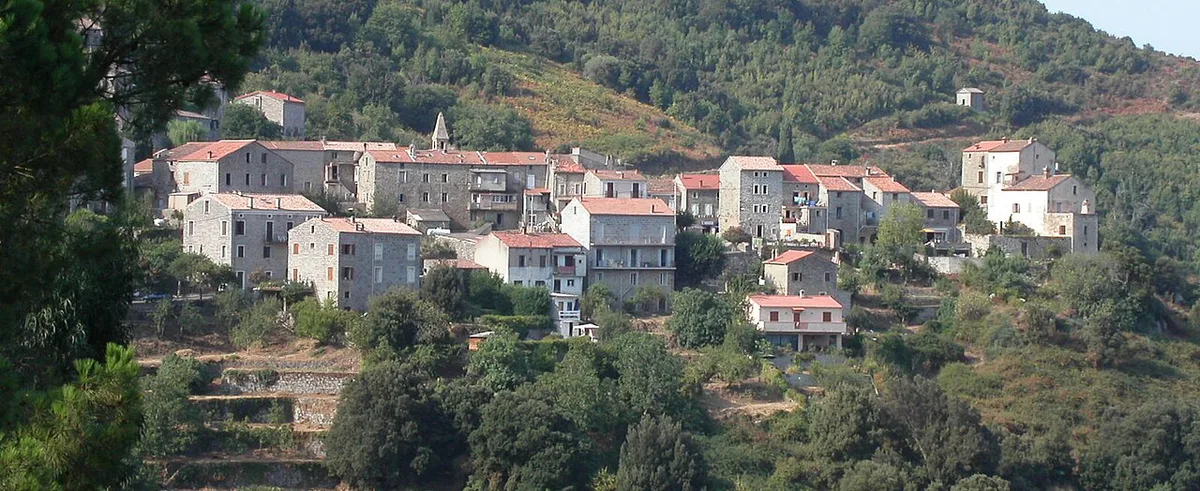
- Nearest village: Sollacaro, postcode 20140
- Distance: about 20 km (12 miles) from Propriano
- Best for: archaeology, families, photographers
What You'll See at Filitosa
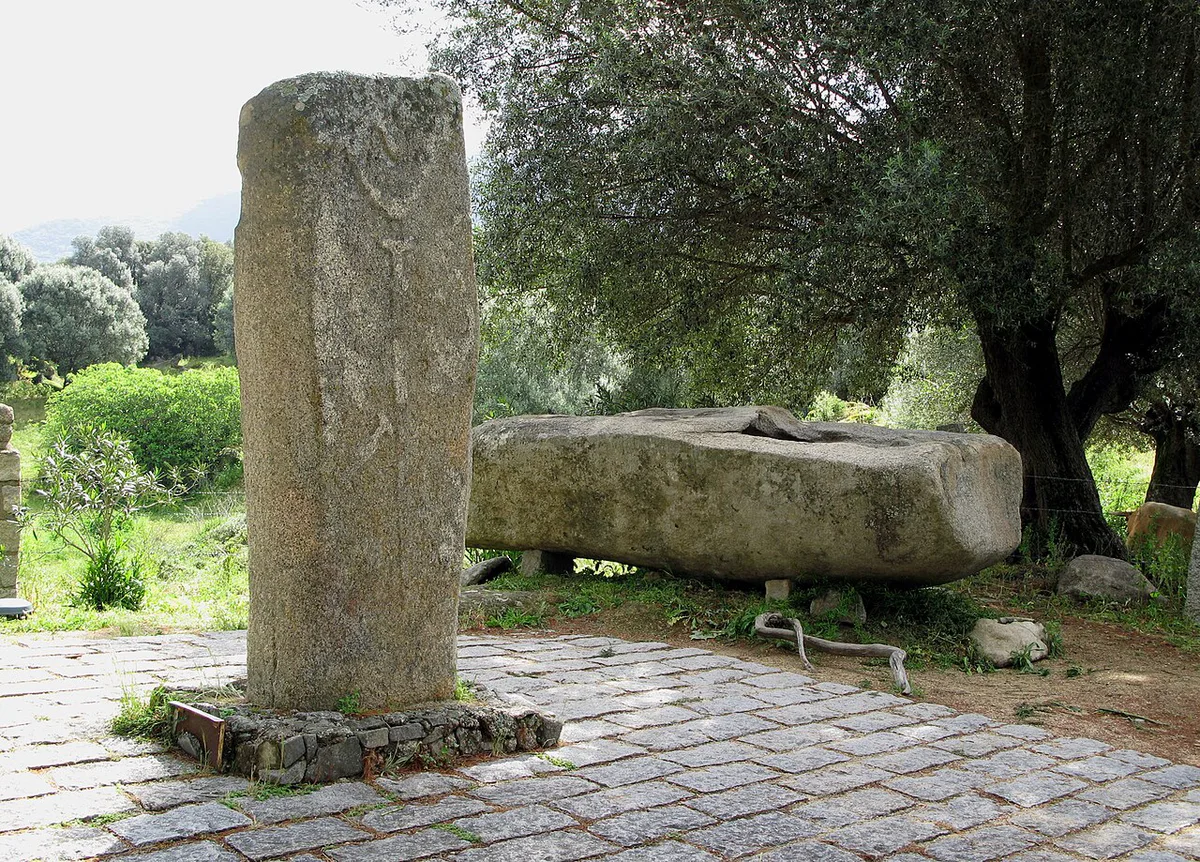
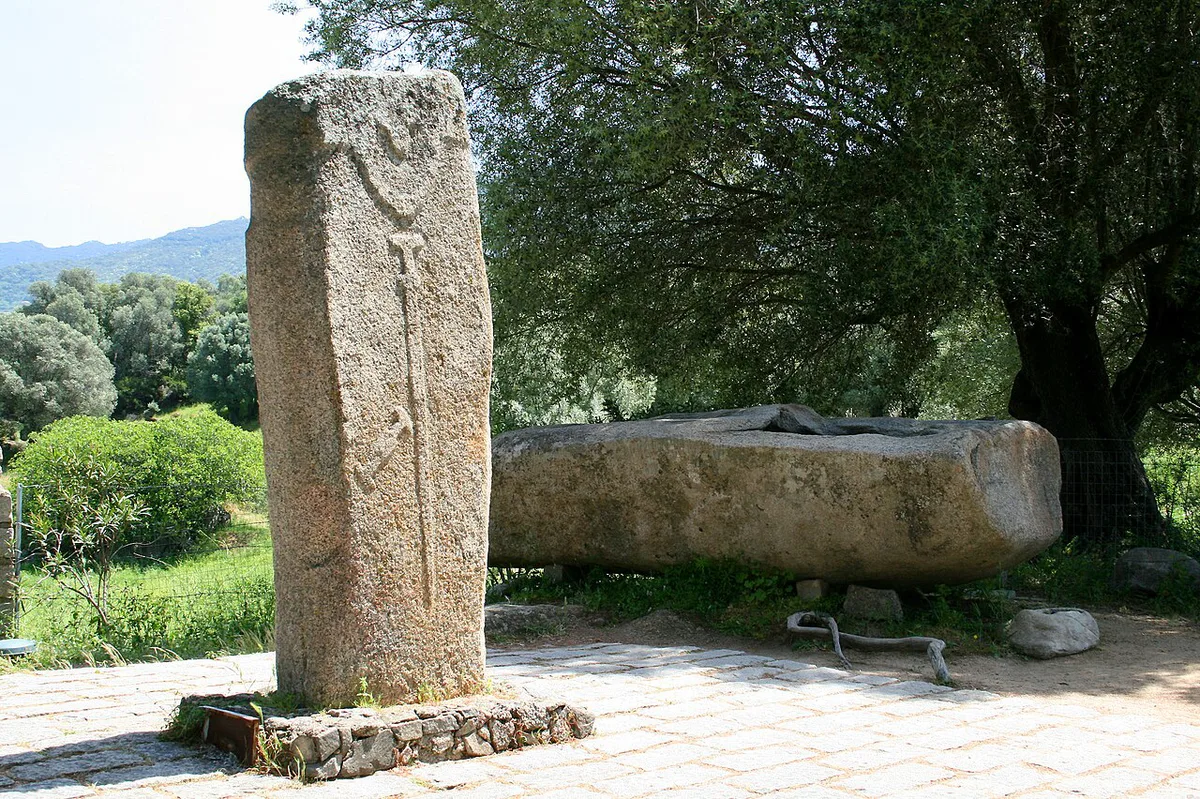
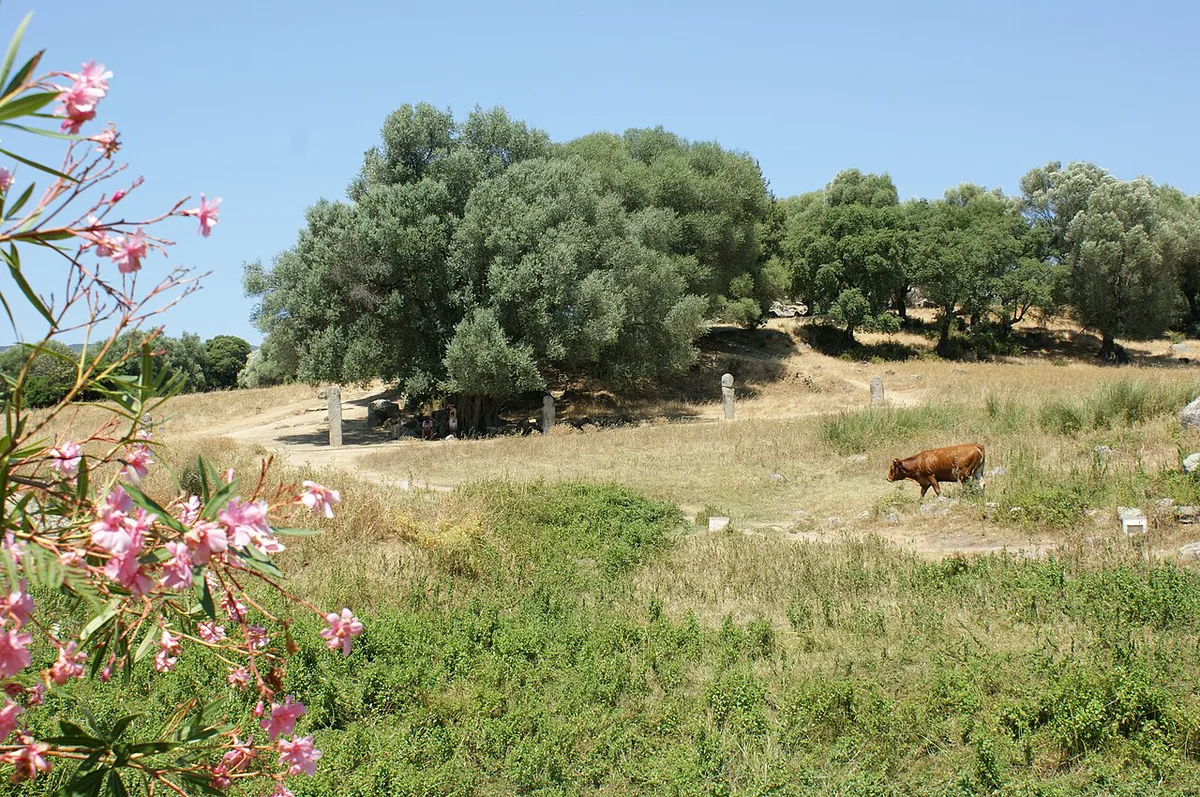
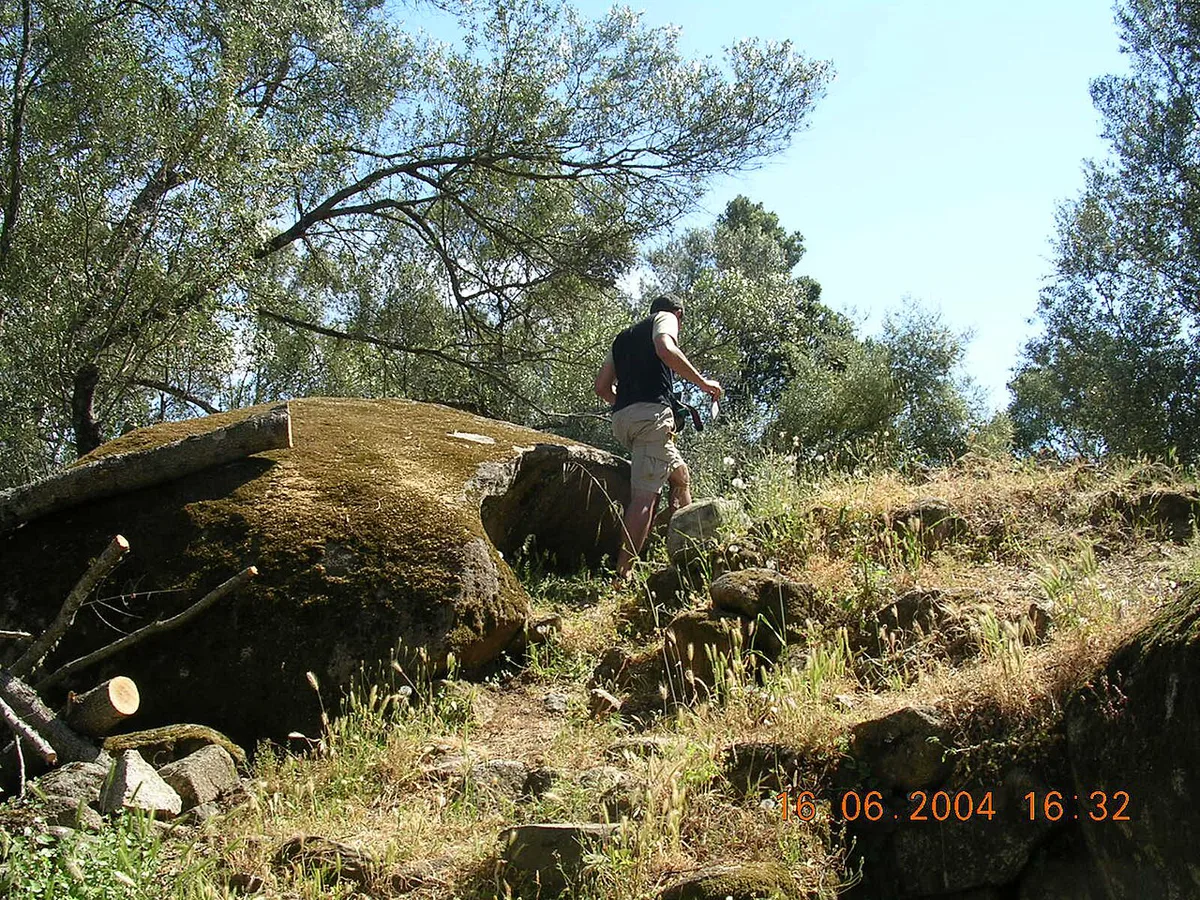
You approach through an olive grove, and the statue-menhirs appear along a marked path. Filitosa V is described as the largest statue-menhir, with a visible face and a sword. Stones are carved to show faces, weapons and belts.
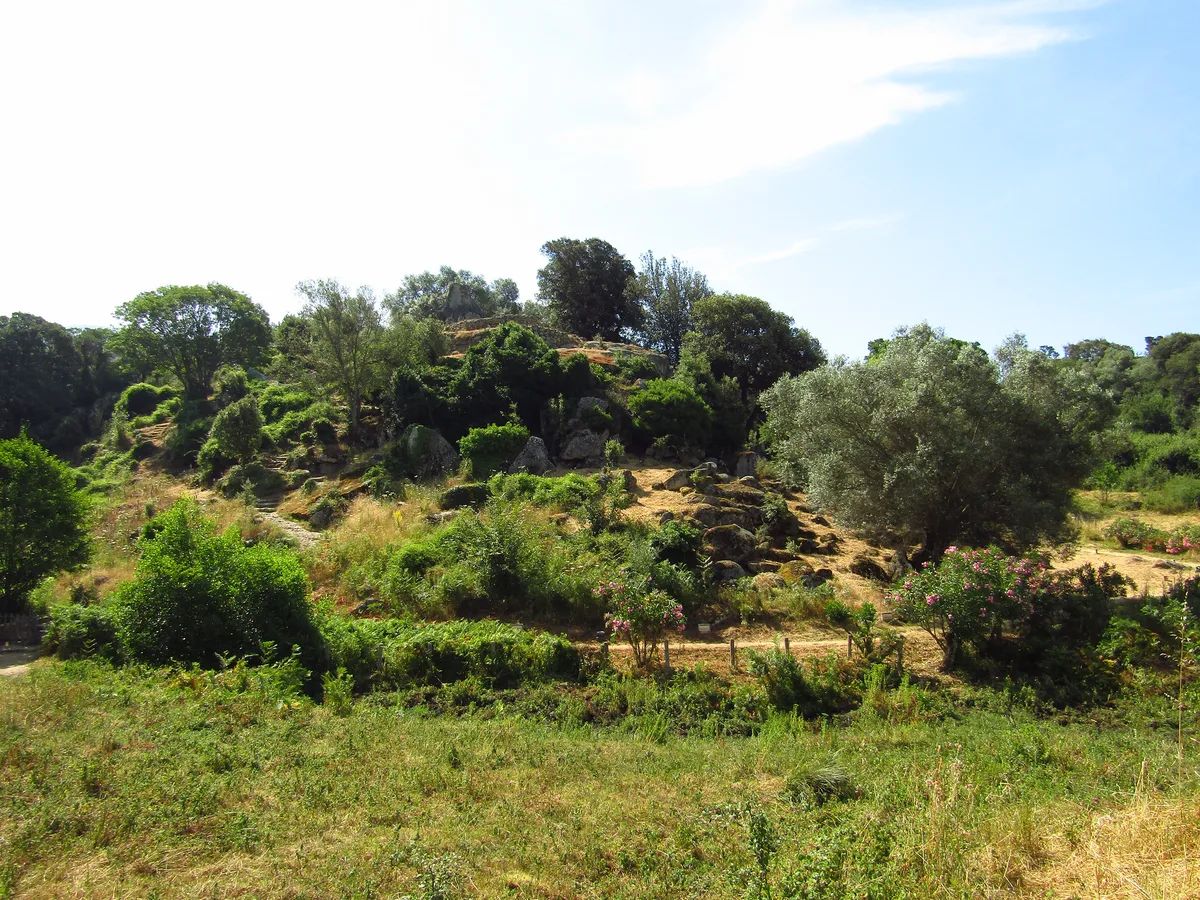
The Central Monument gathers menhirs on a circular mound. At the Eastern Monument you can see the remains of a torri, a circular stone structure. A small museum on site explains daily life and techniques of the people who lived here. Displays change, so treat the museum as a bonus rather than the reason to come.
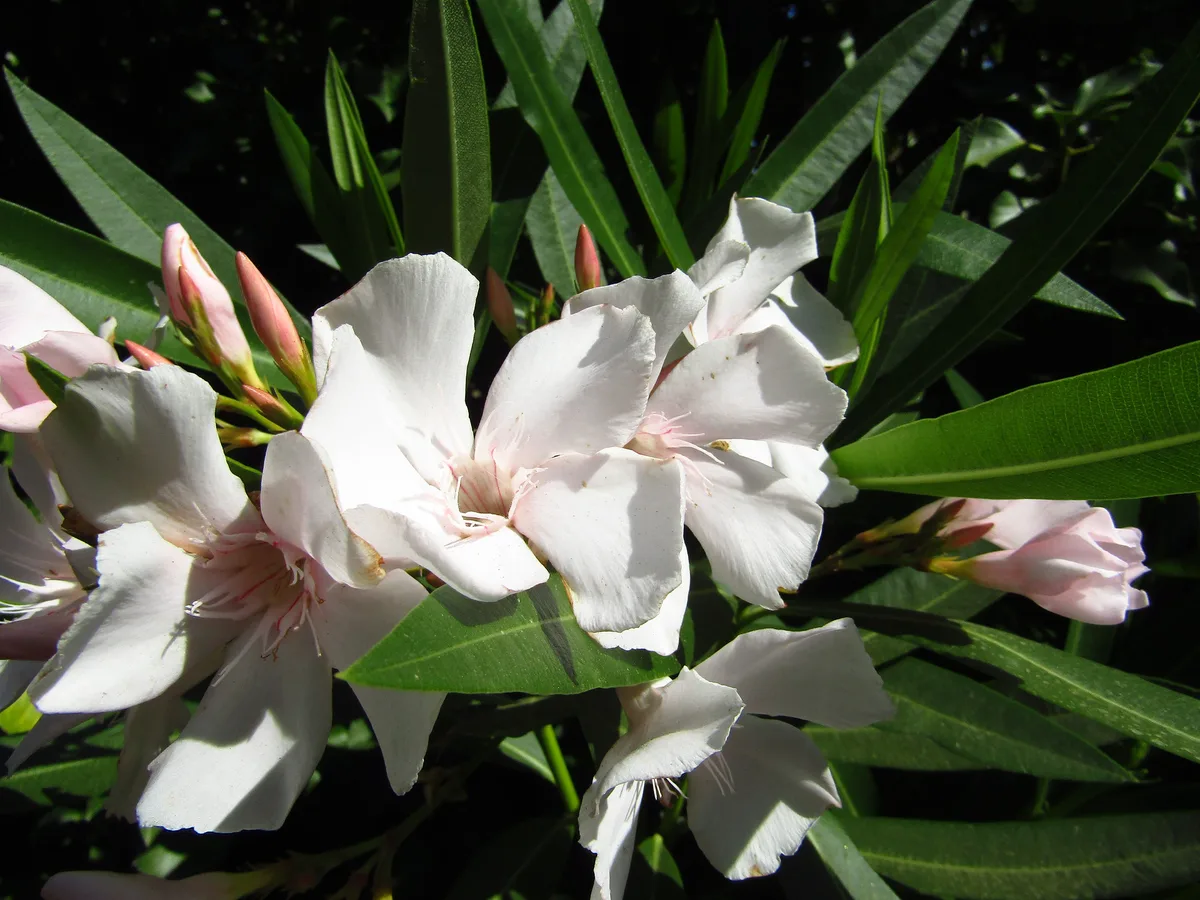
- Filitosa V: the largest statue-menhir, with face and sword
- Central Monument: menhirs arranged on a circular mound
- Eastern Monument: remains of a torri
- On-site museum: context on daily life and techniques
Filitosa Chronology: Three Layers, Not One
Visitors often mix up three different things. The first is the long occupation of the hill, which runs from about the 6th millennium BC into the Roman era. The second is the carving of the statue-menhirs, which belongs to a much later phase than the first settlers. The third is the Torre-period fortified architecture, tied to the Bronze Age.
Ignore any claim that the statues themselves are 8,000 years old. That figure confuses the start of occupation with the carving. The site was found in 1946, and archaeologist Roger Grosjean excavated it. For dating details, consult the heritage pages of the French Ministry of Culture.
How to Get to Filitosa
A car is the practical option. Filitosa lies on the D57 near Sollacaro, about 20 km (12 miles) from Propriano. From Ajaccio, take the N196 toward Bonifacio, then turn onto the D57 toward Sollacaro. From Propriano, take the N196 toward Ajaccio and turn onto the D57. Some local sources instead describe approaching from Sartène via the D69, so follow road signs and your GPS.
The road is narrow in places, and a small free car park serves the entrance. Without a car, the Ajaccio–Porto-Vecchio bus is said to stop at a junction about 7 km (4 miles) from the site. A taxi from there is said to cost €15–20, and bus fares €8–13. Treat those figures as estimates and confirm the stop and fares with the operator before you rely on this route.
Opening Hours, Tickets and Best Time to Visit
Hours listed on the site's Google Business Profile are 9 am to 7 pm daily. Seasonal hours and last entry may differ, and prices and hours checked November 2026 did not turn up an official ticket price. Check the site's own page and the Corsican tourism board for the current fee.
Listed hours of 9 am to 7 pm daily leave room for a 3–4 hour half-day started in the morning.
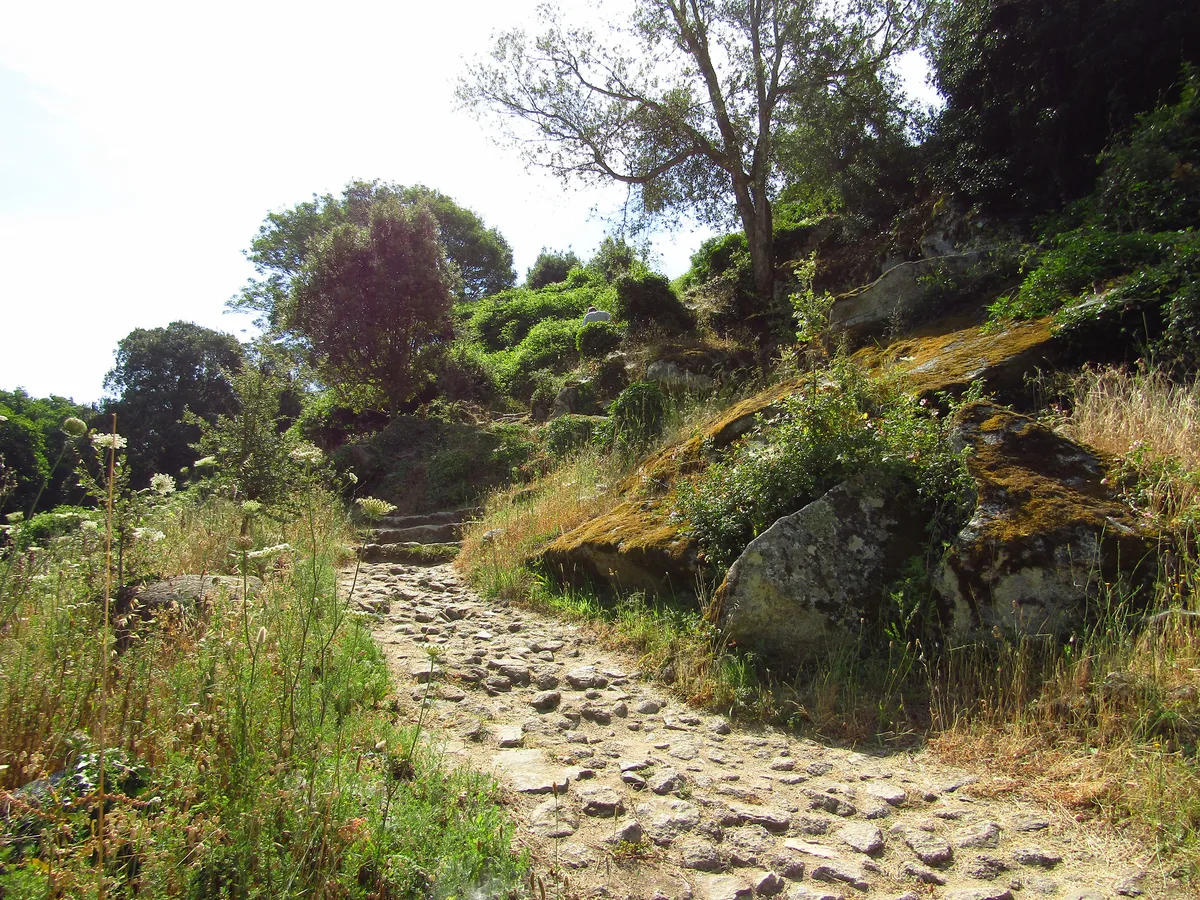
As editorial advice, April to June and September to October bring mild weather and thinner crowds. In July and August, arrive early in the morning or late in the afternoon. Shade under the olive trees helps, but midday heat can still be tiring. Low afternoon light also suits photographs of the carved faces.
How Long to Plan and What to Combine It With
A marked route takes about one hour, according to local guidance. Add time for the museum and photographs. Cauria, Sartène and the Alta Rocca are the natural add-ons, though you should check distances and opening details for each before you commit. The durations below are estimates.
| Plan | Estimated time | What it covers |
|---|---|---|
| Quick visit | About 1 hour | Marked route and statue-menhirs |
| Half-day | 3–4 hours | Filitosa plus museum and a stop at Cauria or Sartène |
| Full day | 6–8 hours | Filitosa plus the Alta Rocca by car |
Filitosa vs the Carnac Stones: How They Differ
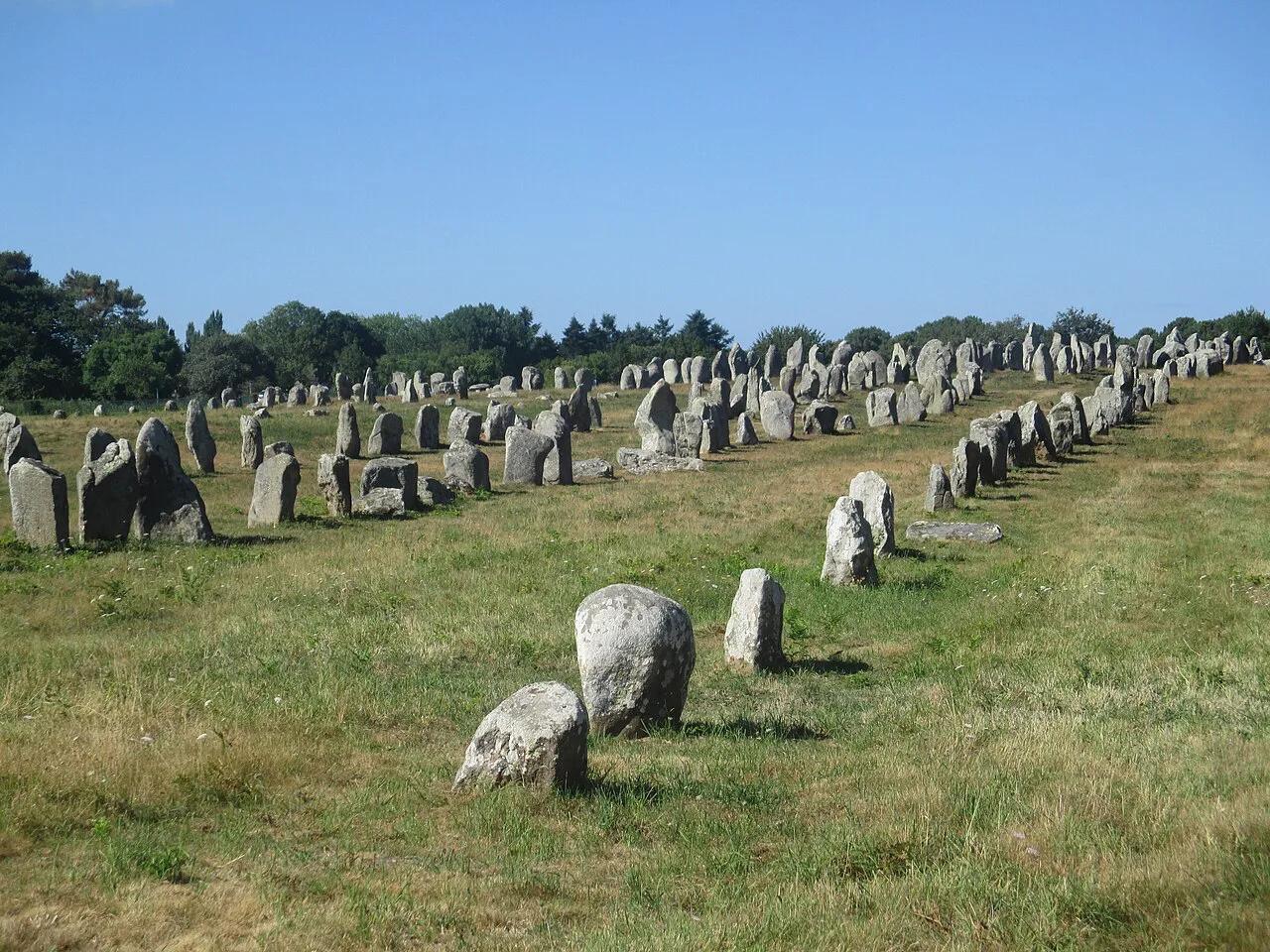
Filitosa and Brittany are far apart, and they show different traditions. Corsica's carved statue-menhirs depict figures. Breton sites are known for alignments, dolmens and cairns. To see the alignment side, read our Carnac stones guide.
For a broader overview of the types, see menhirs and dolmens explained. You can also browse dolmens across France. For the Breton regional hub, try Brittany megalith sites.
| Feature | Filitosa (Corsica) | Carnac-style alignment (Brittany) |
|---|---|---|
| Form | Carved statue-menhirs with faces | Rows of standing stones |
| Setting | Olive grove on a hillside | Open fields and heathland |
| Access | Car almost essential | Check the Carnac visitor guide |
| Ideal visitor | Archaeology and figurative art | Scale and landscape |
Mistakes to Avoid at Filitosa
Most problems come from planning, not from the site itself. Avoid these.
Occupation of the hill dates from about the 6th millennium BC, long before the statues were carved, so an 8,000-year figure mixes two phases.
- Arriving at midday in July or August, when heat peaks.
- Relying on buses without checking the stop, timetable and taxi plan.
- Expecting a museum-only visit when the outdoor route is the main event.
- Mixing up Corsican statue-menhirs with Breton alignments.
- Repeating the "8,000-year-old statues" claim, which confuses occupation with carving.
Related guides
Continue reading
Guides on the same trip