
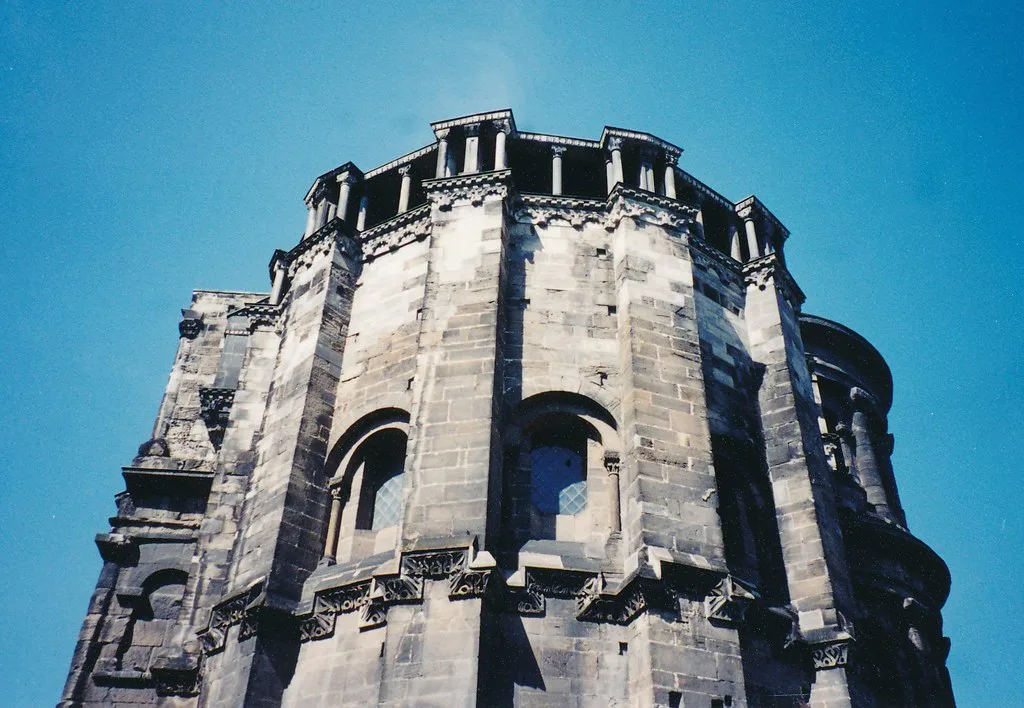
Last updated November 2026. Roman ruins in Germany cluster in three areas: the Limes frontier near Bad Homburg and Aalen, the Rhine and Mosel cities of Xanten and Trier, and Bavaria's Raetian south. This guide picks 8 visitable sites and labels each one honestly as ruin, reconstruction or museum, so you can choose by what you want to see.
Featured image: Stabbur's Master, CC BY-SA 2.0, via Flickr.
Quick answer: the best Roman sites in Germany
Start with Saalburg for a rebuilt frontier fort and Xanten for a Roman town on the Rhine. Add Trier's Porta Nigra if you want a standing Roman gate. Villa fans should head for Perl-Nennig or Hechingen-Stein. The table below sums up what each stop gives you.
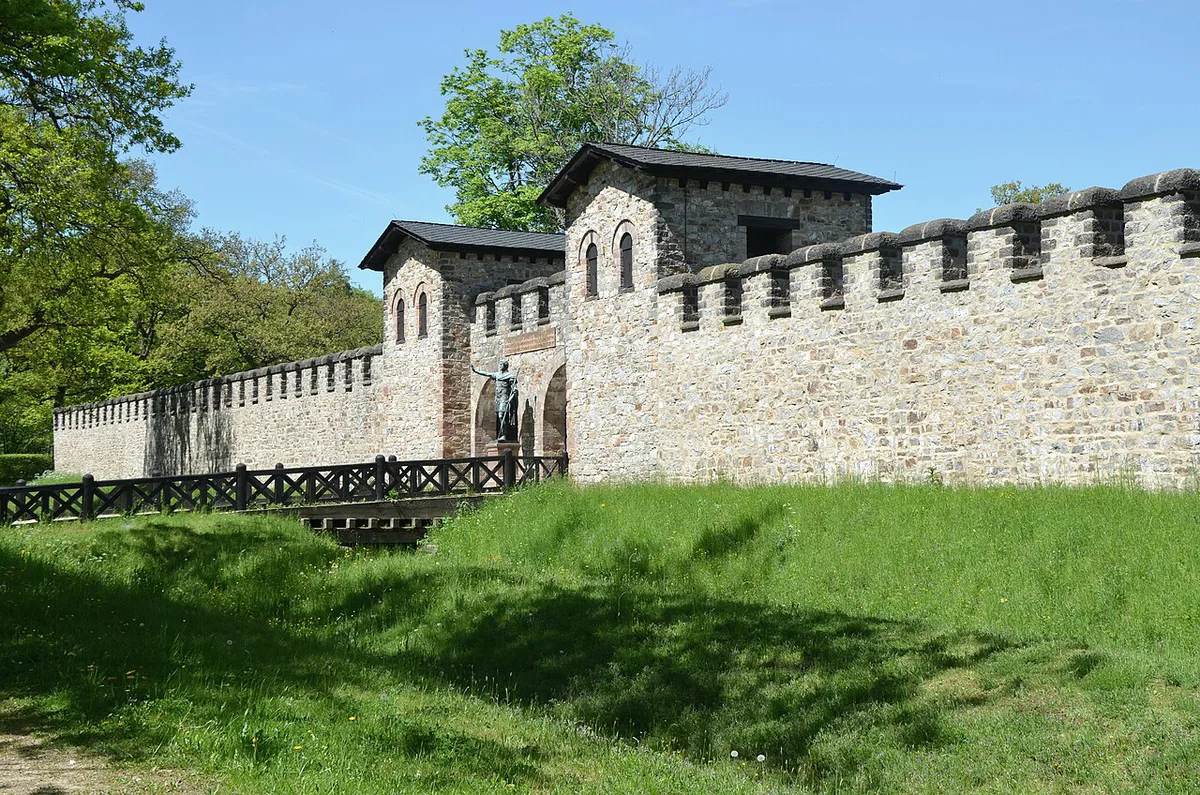
| Site | Region | What you see | Best for |
|---|---|---|---|
| Saalburg | Near Bad Homburg | Reconstructed fort and museum | Understanding the Limes |
| Xanten archaeological park | Lower Rhine | Reconstructed buildings and excavations | Families and full-day visits |
| Porta Nigra, Trier | Mosel | Standing Roman city gate | Original masonry |
| Aalen Limes museum | Limes, southwest | Museum on a cavalry fort site | Rainy days and finds |
| Perl-Nennig villa | Saar and Mosel border area | Villa remains with mosaic | Villa life |
| Hechingen-Stein villa | Swabia | Excavated villa estate | Quiet, rural visits |
| Cambodunum, Kempten | Bavaria | Excavated Roman town remains | Raetia in the Allgäu |
| Heuneburg | Upper Danube | Celtic hillfort, pre-Roman | Context before Rome |
How to choose: ruins, reconstructions or museums
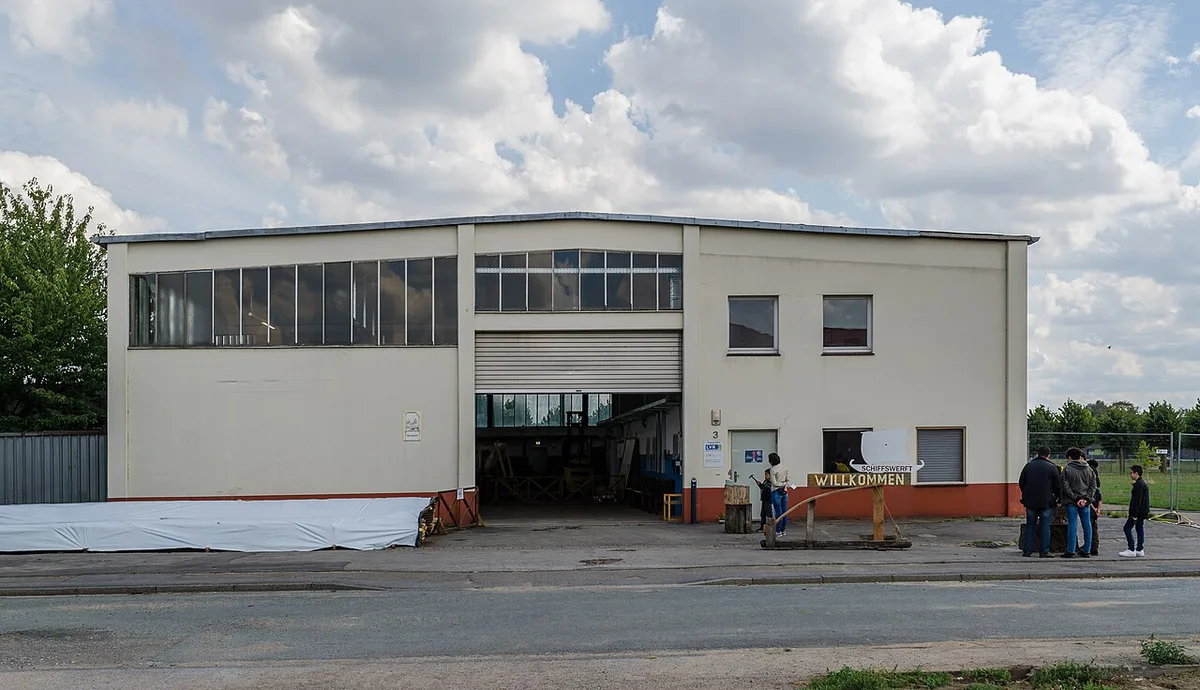
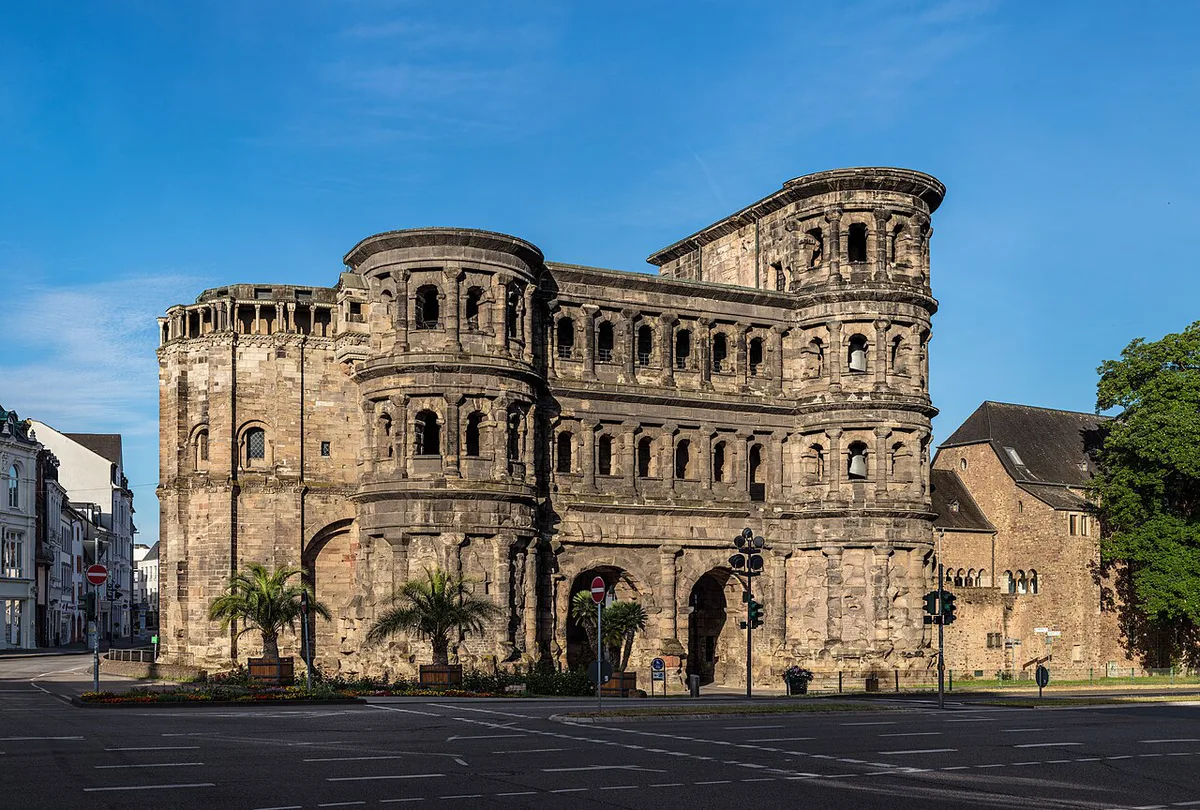
Germany has few standing Roman walls. Most Limes forts survive as foundations, banks and ditches. Reconstructions such as Saalburg and Xanten fill that gap by showing what the buildings looked like. Museums such as Aalen add the finds that explain daily life. Match the site type to your expectations before you plan the route. Trier is the main exception, because its Roman gate still stands as a monument in the city.
8 Roman ruins in Germany worth a trip
Our ranking criteria are visible remains, access and how well a site rewards a short visit. Prices and hours checked November 2026 against official pages; ticket details change by season, so confirm them on each site before you travel.
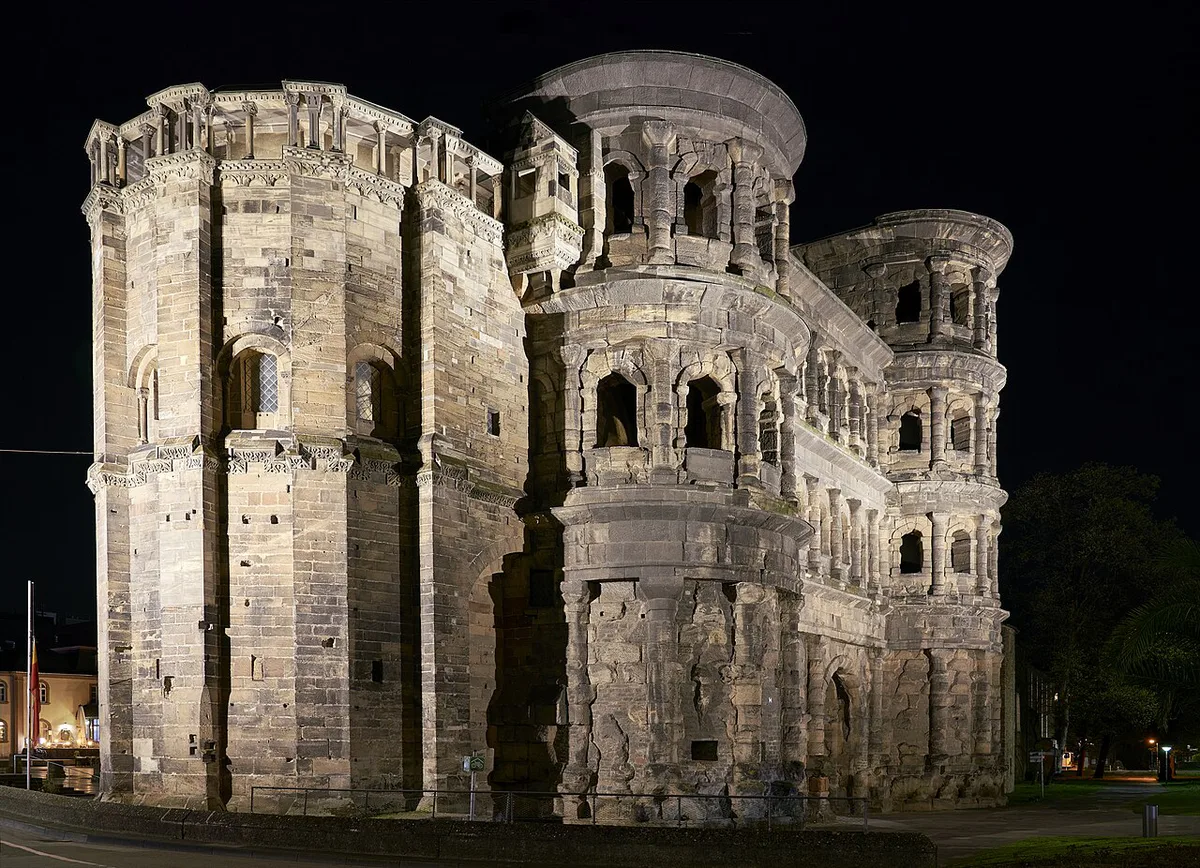
1. Saalburg Roman Fort, near Bad Homburg
Saalburg is the clearest place to see what a Limes fort looked like. Here a reconstructed Roman fort rises on the frontier line, with a museum on site. Walk the gate, walls and courtyard to grasp the scale of a garrison post.
Most of what you see is rebuilt, so this is a reconstruction and not an original ruin. Plan a half day and read opening days on the official Saalburg site. Skip it if you only want original standing masonry.
2. LVR Archaeological Park, Xanten
Xanten is the biggest hands-on Roman site on the Lower Rhine. The Xanten Archaeological Park: Visit Guide & Planning Tips combines reconstructed buildings with excavated areas on the site of a Roman town. Follow the marked paths between rebuilt structures and open ground to see how the town was laid out.
Parts are reconstruction, so treat it as an outdoor museum rather than untouched ruins. Leave a full day, and check hours on the park's English site. Anyone short on time or hostile to long walks should pick a smaller site.
3. Porta Nigra, Trier
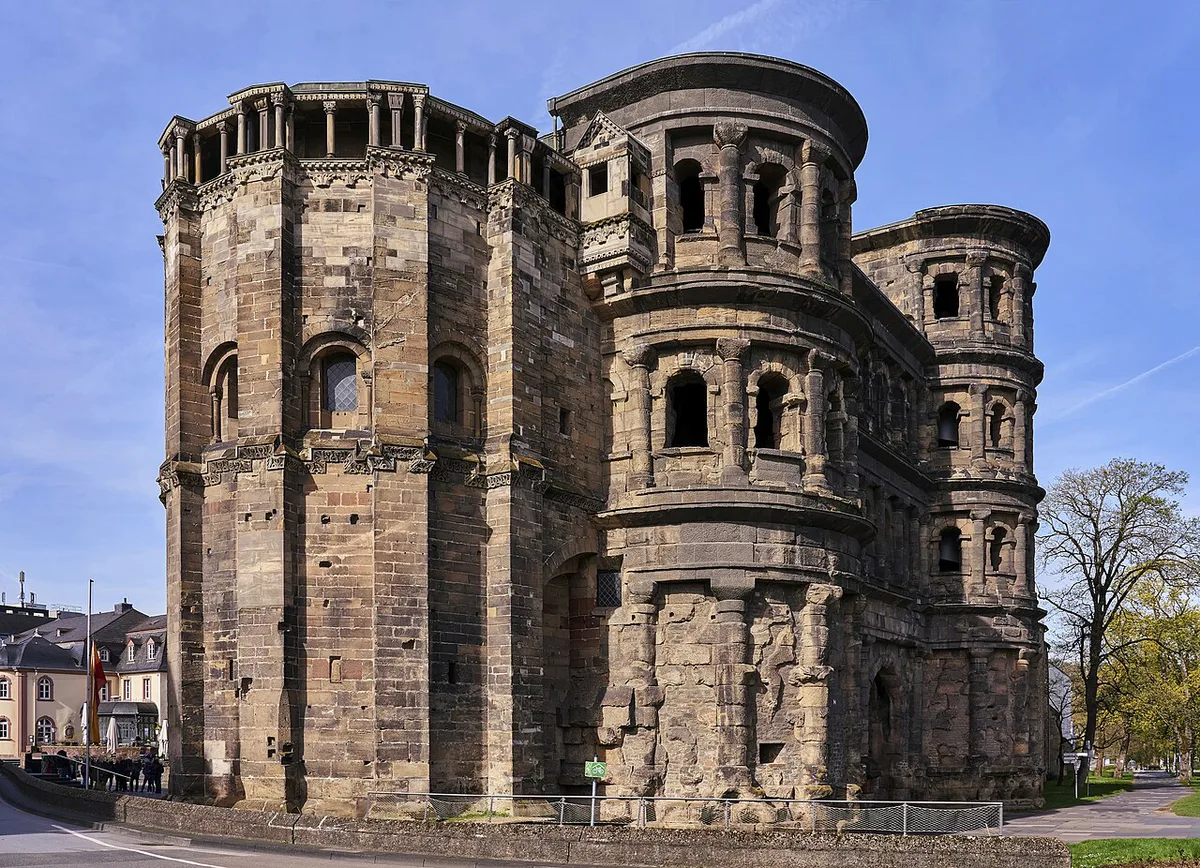
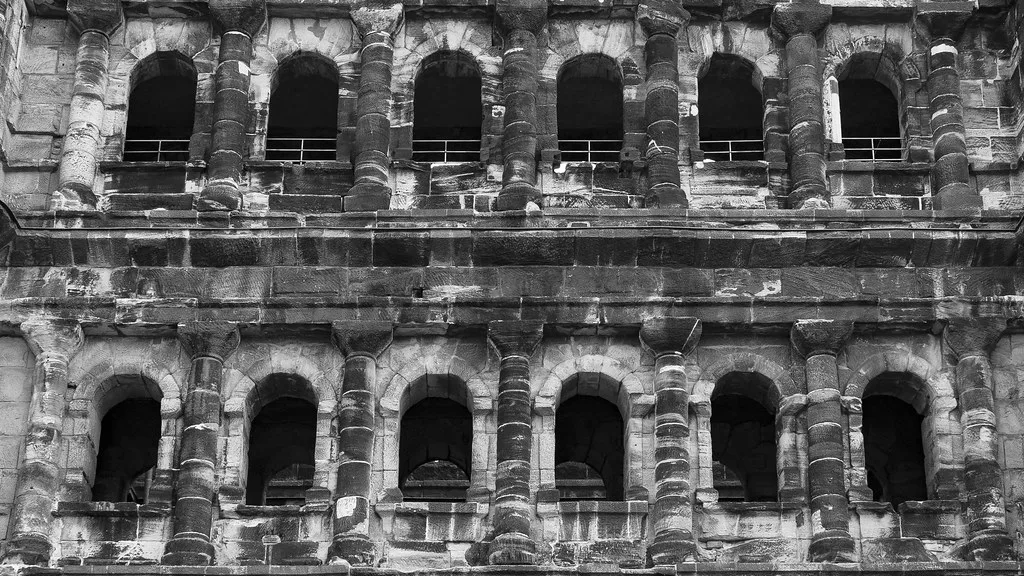
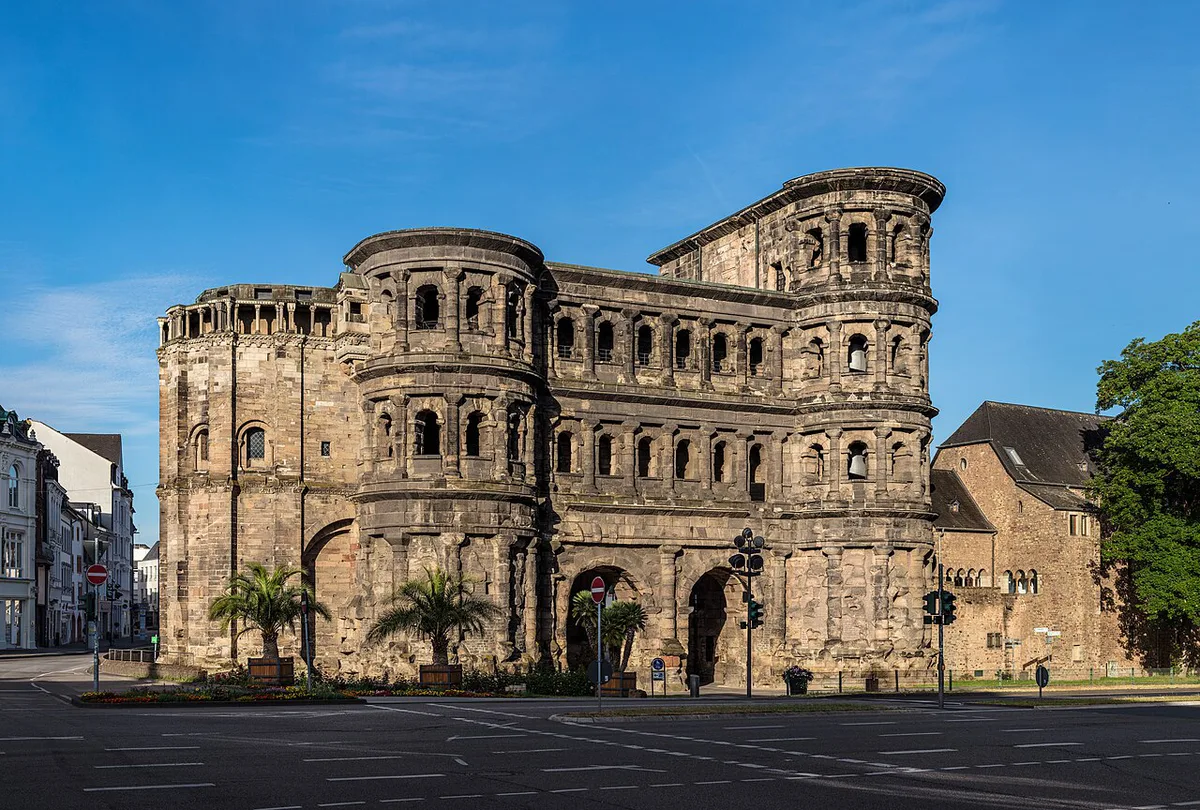
Porta Nigra is the Roman gate that anchors any Roman Trier visit. It is a standing monument, which makes it the best choice for original Roman stonework in this list. Trier has further Roman monuments within the city, so pair the gate with a walk through the centre.
No internal guide covers Trier yet, so use the city's official tourism and museum pages for hours and tickets. Reach it by rail on the Mosel line and walk from the station. Visitors who want a rural, quiet setting will find the gate busy and urban.
4. Aalen Limes Museum
Aalen shows the Limes through finds rather than walls. The Limes museum at Aalen stands at the site of a Roman cavalry fort on the frontier. Come here to see weapons, tools and everyday objects that explain how soldiers lived.
Expect exhibits first and outdoor remains second. It suits a wet day or a first introduction before you walk the line itself. Ruin hunters wanting open-air foundations should go to Saalburg instead.
5. Perl-Nennig Roman Villa
Perl-Nennig covers Roman country life near the Mosel and Saar. The Perl-Nennig Roman villa gives you villa remains rather than a fort. Look for the mosaic floor, which shows how wealthy Roman households decorated their homes.
Allow a short stop, since the site is compact. It combines well with a Trier visit on a Mosel itinerary. Travelers who want large open sites may find it too small.
6. Hechingen-Stein Roman Villa
Hechingen-Stein is a rural villa estate that rewards a slower visit. The Hechingen-Stein villa shows excavated walls and the layout of a farm estate. Walk the grounds to read the plan of the main house and outbuildings.
Reconstruction is limited, so use your imagination or the information boards. A car makes this stop far easier than public transport. Anyone expecting a polished park with cafés should look at Xanten instead.
7. Cambodunum, Kempten
Kempten brings you to Raetia, the Roman province south of the Danube frontier. Cambodunum in Kempten preserves excavated remains of a Roman town in the Allgäu. Come for foundations and layout, with the town's later history layered on top.
It fits a Bavaria trip with other Allgäu stops. Check local museum and site opening days before you go. If you want standing monuments, Trier is a better pick.
8. Heuneburg, Upper Danube
Heuneburg is Celtic, not Roman, and earns its place as pre-Roman context. The Heuneburg hillfort shows what the region looked like before Roman expansion. Visit it to compare an Iron Age settlement with the planned Roman forts and towns elsewhere.
Expect earthworks and reconstructed elements instead of Roman masonry. It makes sense for the Swabian and Danube leg of a longer trip. Give it a miss if your only goal is Roman remains.
The Limes and the Danube frontier
The Limes was the Roman frontier running through Germania Superior and Raetia, marked by forts, watchtowers and a boundary line. Our guide to the Upper Germanic-Raetian Limes explains the route in detail. Further east, the Danube Limes frontier follows the river. Expect low banks, ditches and foundations on most stretches, because the original timber and stone were reused or decayed. Saalburg and Aalen are the easiest places to make sense of them.
Planning your trip: time, cost, transport and seasons
Pick one region per trip. Ticket prices and opening days differ by site and season, so check each official page before you book. Large parks such as Xanten and open-air sites such as Saalburg are best in dry weather. Museums such as Aalen work in any season.
- One day
- Do Saalburg and a walk along the Limes near Bad Homburg.
- This is the simplest day trip for readers based near the Rhine-Main area.
- One weekend
- Spend one day at Xanten and one in Trier at Porta Nigra.
- This route pairs a reconstructed town with a standing Roman gate.
- One week
- Link Saalburg, Aalen, Hechingen-Stein, Heuneburg and Kempten as a Limes-to-Raetia arc.
- Rent a car, because several of these sites are poorly served by public transport.
Beyond Germany: Roman sites in Switzerland and Austria
Near the border, our Roman Ruins in Switzerland: Augusta Raurica, Aventicum and More guide covers the next options. Augusta Raurica is a major site, described in our Augusta Raurica guide. For Roman Avenches, see Aventicum. Austria's picks are in Roman Ruins in Austria: Carnuntum, Vienna & More, and Carnuntum's official site covers its archaeological park.
The Danube frontier continued downstream into the Balkans; our guide to Roman sites in the Balkans covers Viminacium and the other Danube sites.
Common mistakes and what to skip
Do not expect standing ruins at every stop, because most Limes sites are foundations. Check museum closing days before you drive, since many close on set weekdays. Leave enough time for large parks like Xanten. Skip curiosity objects in favor of the major sites unless you are already nearby. Use Germany Travel for broader trip planning.
Several of the 8 visitable sites are poorly served by public transport, so a rental car matters for the Limes-to-Raetia route.
Frequently Asked Questions
Was Germany around during the Roman Empire?
Germany as a country did not exist then. Rome held provinces such as Germania Superior along the Rhine and Raetia to the south, and the Limes marked the frontier between them and the lands beyond.
Where are all the Roman ruins in Germany?
Most sit along the Rhine and Mosel, on the Limes frontier and in Bavaria. Xanten, Trier, Saalburg and Kempten are the main starting points.
Explore More Guides
Keep planning your trip with these guides.
Guides
- Saalburg Roman Fort
- Xanten Archaeological Park: Visit Guide & Planning Tips
- Augusta Raurica Visitor Guide
- Avenches (Aventicum)
- Roman Ruins in Switzerland: Augusta Raurica, Aventicum and More
- Roman Ruins in Austria: Carnuntum, Vienna & More
- Upper Germanic-Raetian Limes
- Limesmuseum Aalen
- Cambodunum (Kempten)
- Roman Villa Borg, Saarland
- Roman Villa Hechingen-Stein
- Roman Frontier Sites in Bavaria
- Heuneburg