
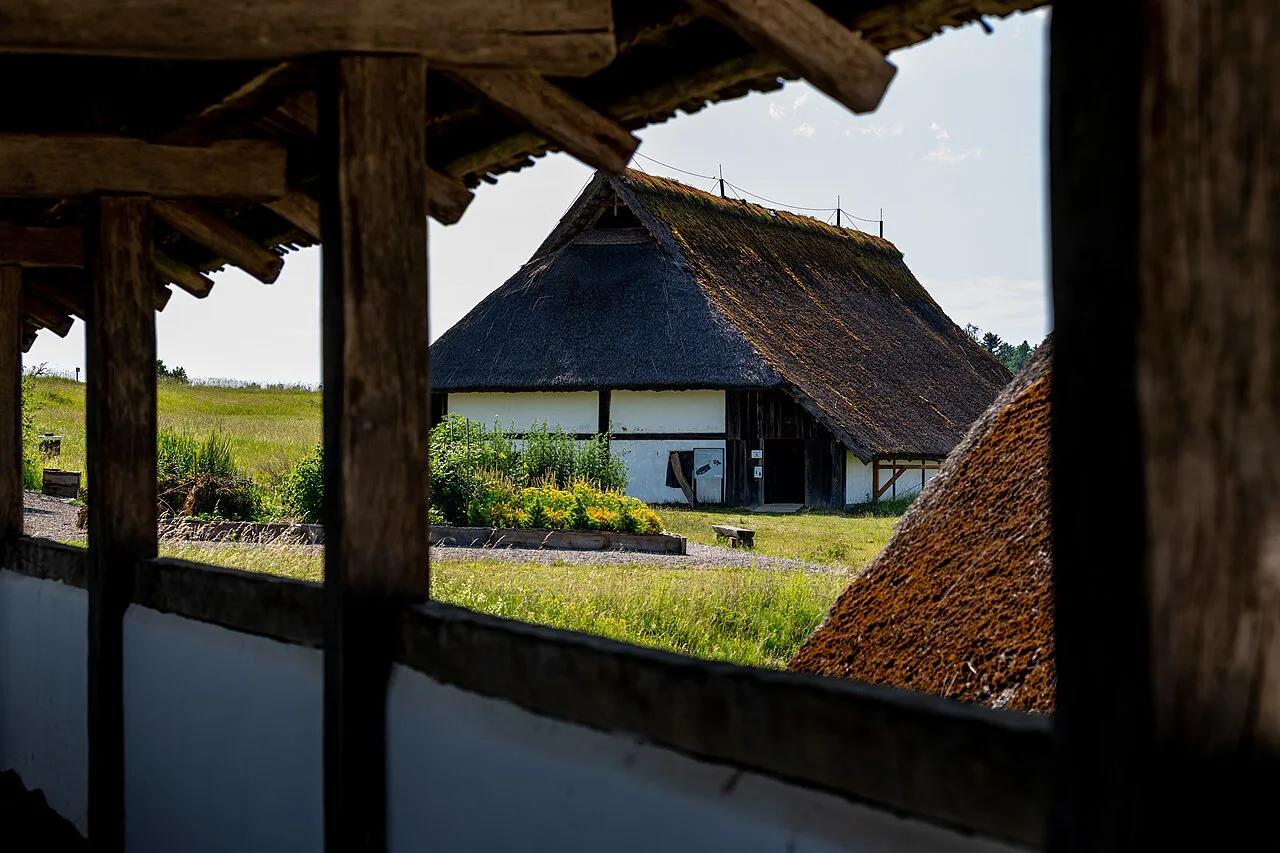
Last updated November 2026. Heuneburg is an Early Iron Age Celtic hill fort near Herbertingen in Baden-Württemberg, and it is not a Roman site. Its Celtic phase dates to the 7th century BC, making it one of the oldest settlements north of the Alps. Travelers searching for Roman Germany often land here, so this guide explains what you will actually find and who should make the trip.
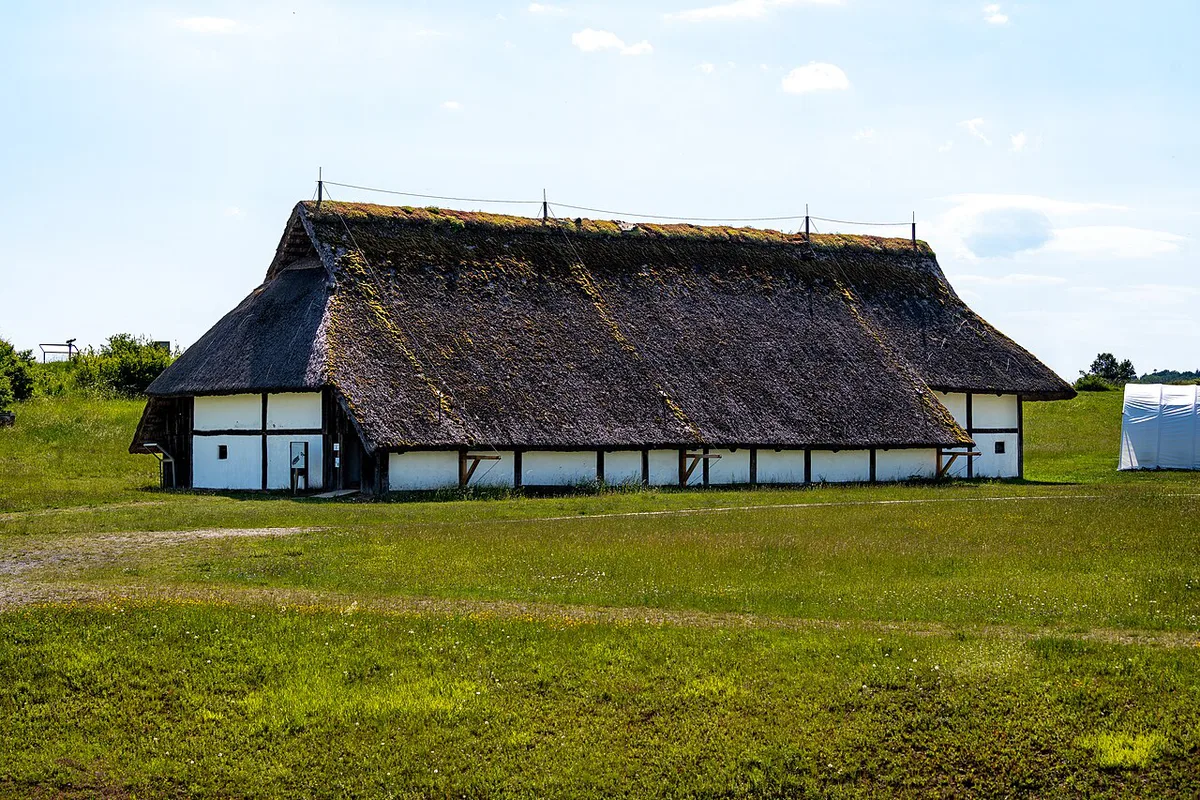
Featured image: Dionysos1970, CC BY-SA 4.0, via Wikimedia Commons.
What Heuneburg is and why it is worth visiting
Heuneburg is a hill fort that served as a Celtic power centre centuries before Roman legions reached the region. It is a major source of information about Iron Age Celtic culture, from a period when wealth and population were rising fast in a few centres. Its best-known feature is a wall built of mud brick on a limestone foundation. That is an unusual choice for a Celtic fortification, and it is the main reason archaeologists still study the site. The official Heuneburg site is the starting point for current visitor information.
What you will actually see: original remains, reconstruction, and museum
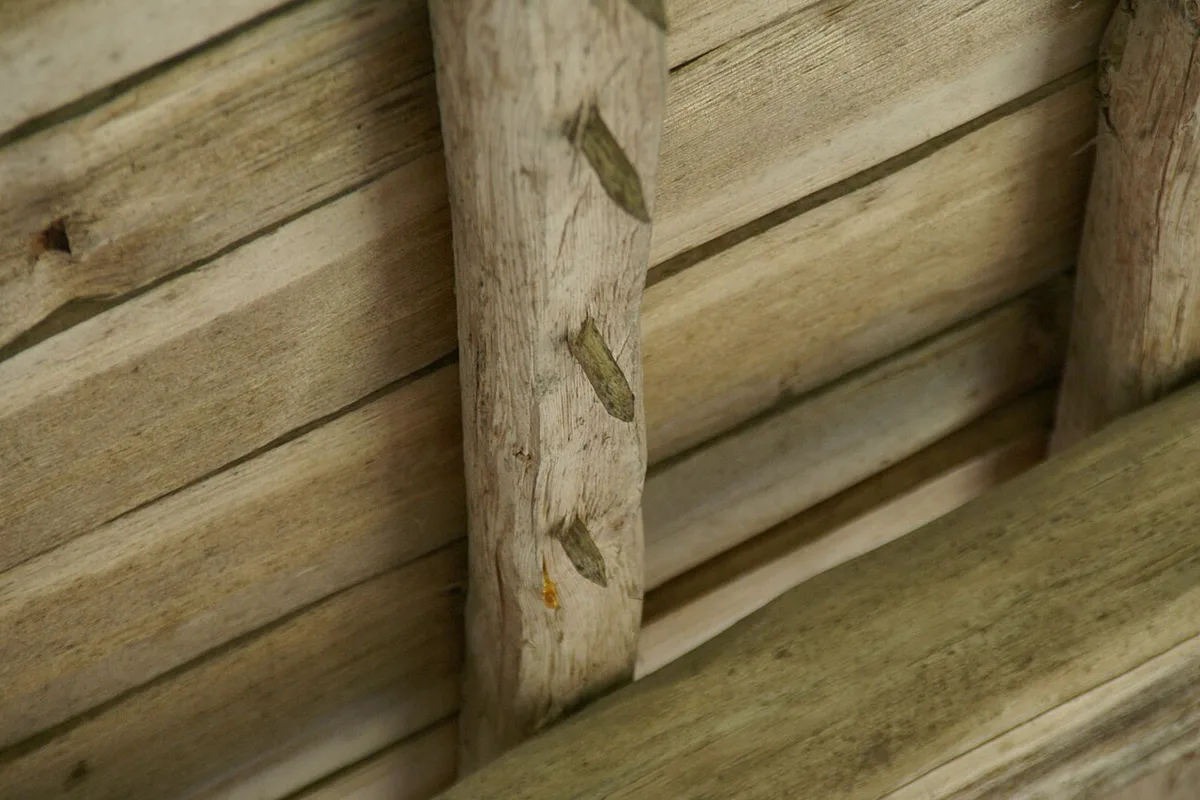
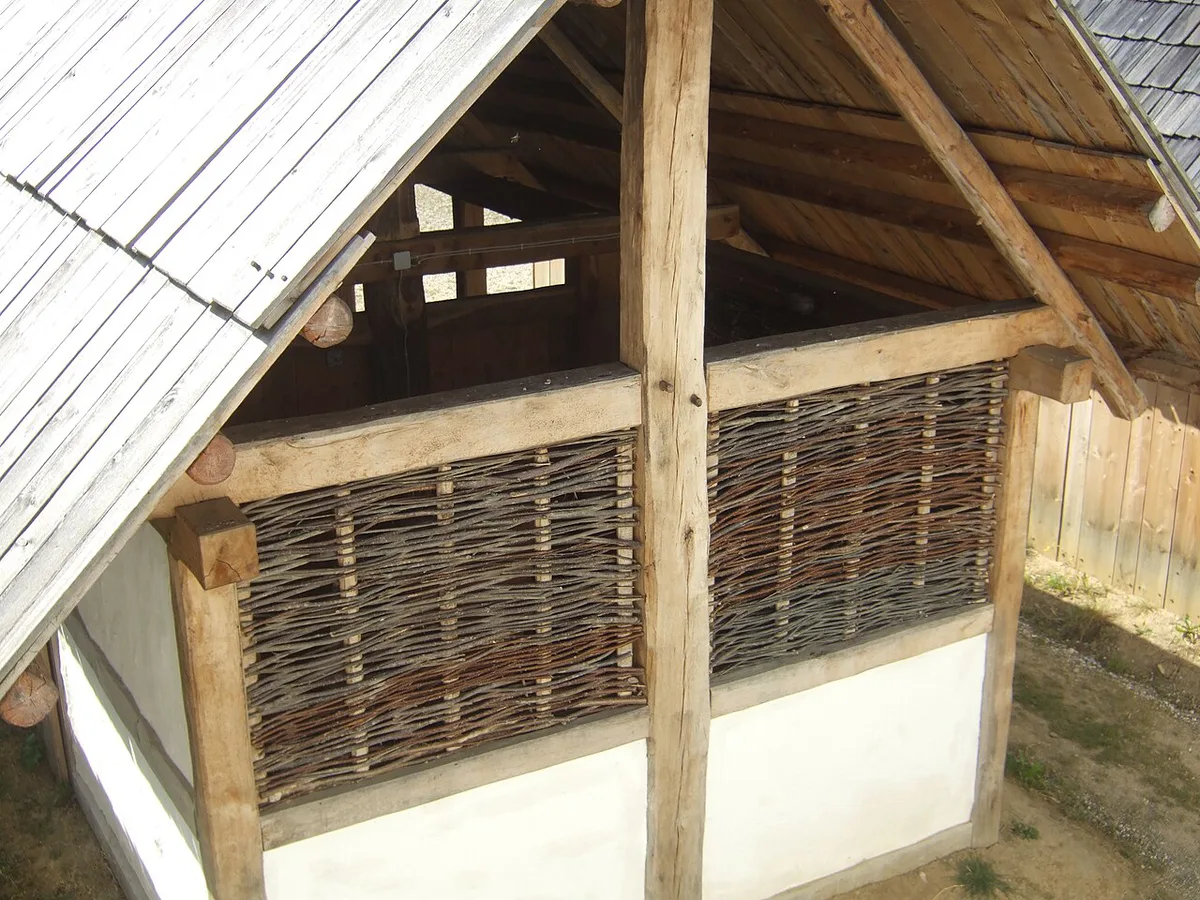
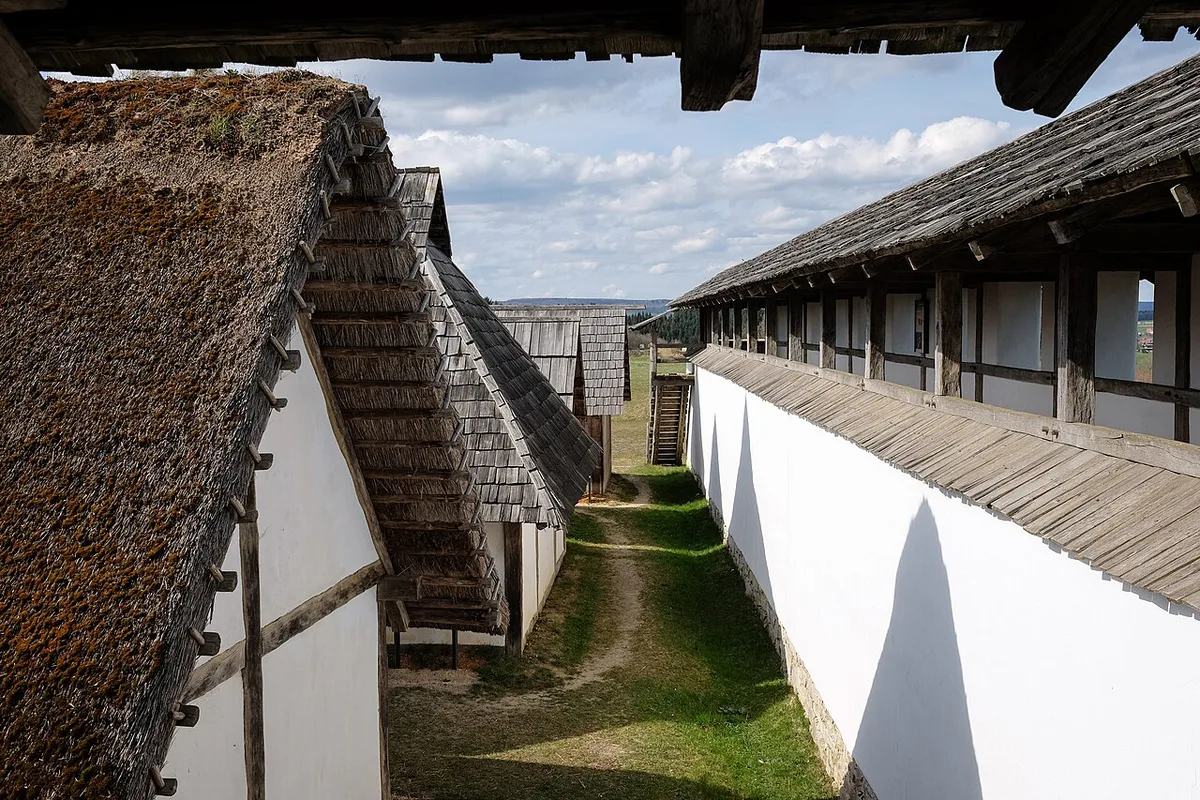
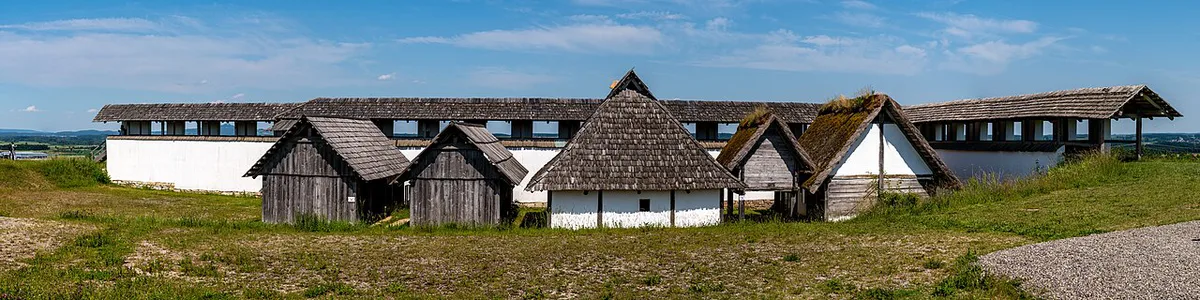
Expect earthworks, reconstructed buildings and museum displays rather than standing stone ruins. Photographs of the site show a reconstructed Celtic settlement beside the original hill fort ground. Visitors who arrive expecting a Roman fort or amphitheater are often disappointed. Layouts and exhibits change over time, so use the official site to see what is open during your visit.
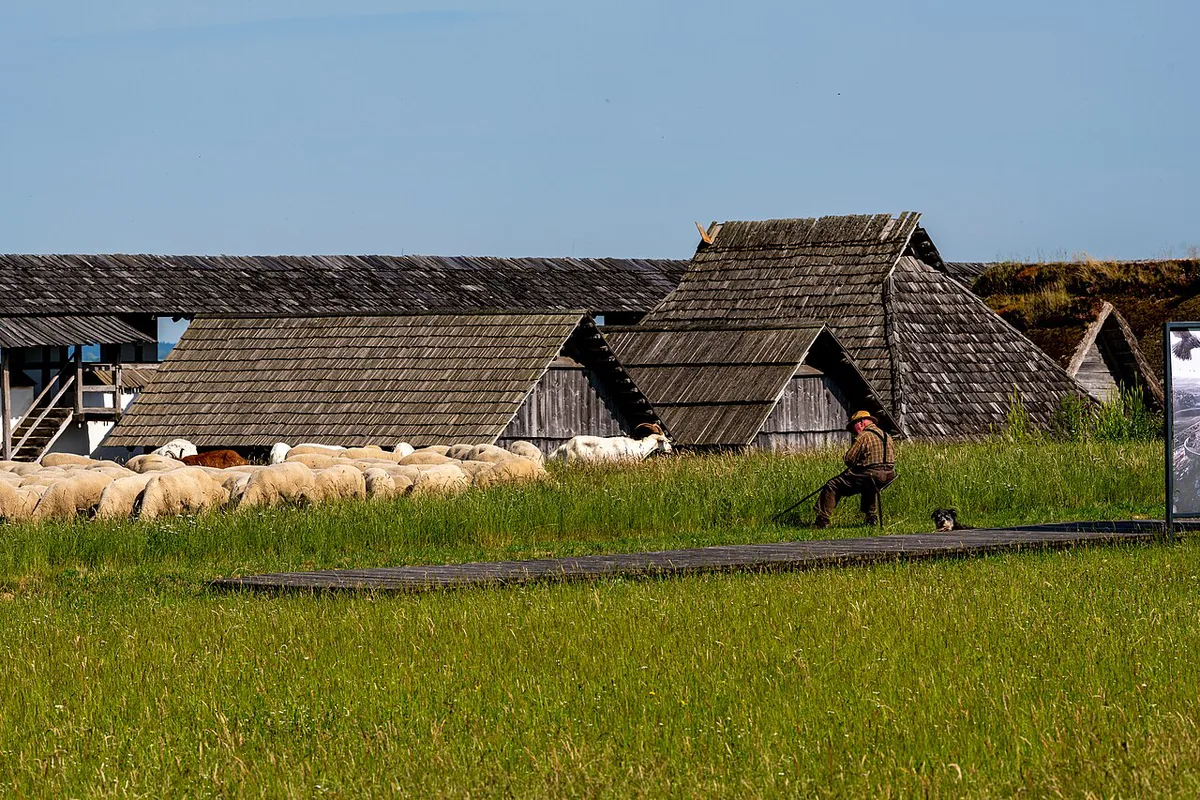
Earthworks mark where the wall once stood, and it was nearly 20 ft high, so judge its scale from the reconstruction and museum.
- Original: the hill fort ground itself, where the walls and settlement once stood.
- Reconstruction: rebuilt Celtic structures that show how the settlement may have looked.
- Museum: finds and interpretation that explain the dig results, including jewellery from the burial.
A short history: from timber-and-earth wall to mud-brick fortification
Around 700 BC, the Celtic citadel was first enclosed with a wall of wood and earth, a standard Celtic building technique. By about 600 BC, the builders had replaced it with a mud-brick wall on a limestone foundation. That wall stood nearly 20 ft high and was finished with limestone plaster. A burial chamber of about 13 by 16 ft was reported in 2011 with gold and amber jewellery inside. Archaeologists linked it to a noblewoman of the fort's early Celtic phase in the 7th century BC. Treat that 2011 press account as a lead, and check the museum's own interpretation for the current dating.
How to plan your time at Heuneburg
Plan a half-day visit if you are combining the hill fort with a museum stop. A full day suits Iron Age enthusiasts and families who want to linger over the reconstruction. Reconstructions and events often depend on the season, so check the official event and opening pages before you set a date. Skip Heuneburg if you only have a few hours in the region or want dramatic stone ruins.
Tickets, opening hours, and accessibility
No ticket prices or hours were verified for this guide, so check them before you go. The official Heuneburg page is the source for current fees, seasonal closures and accessibility notes. State museum listings are collected at Baden-Württemberg's museum portal. Hill fort terrain can be uneven, so ask the site about step-free routes if you have limited mobility.
Getting there and getting around
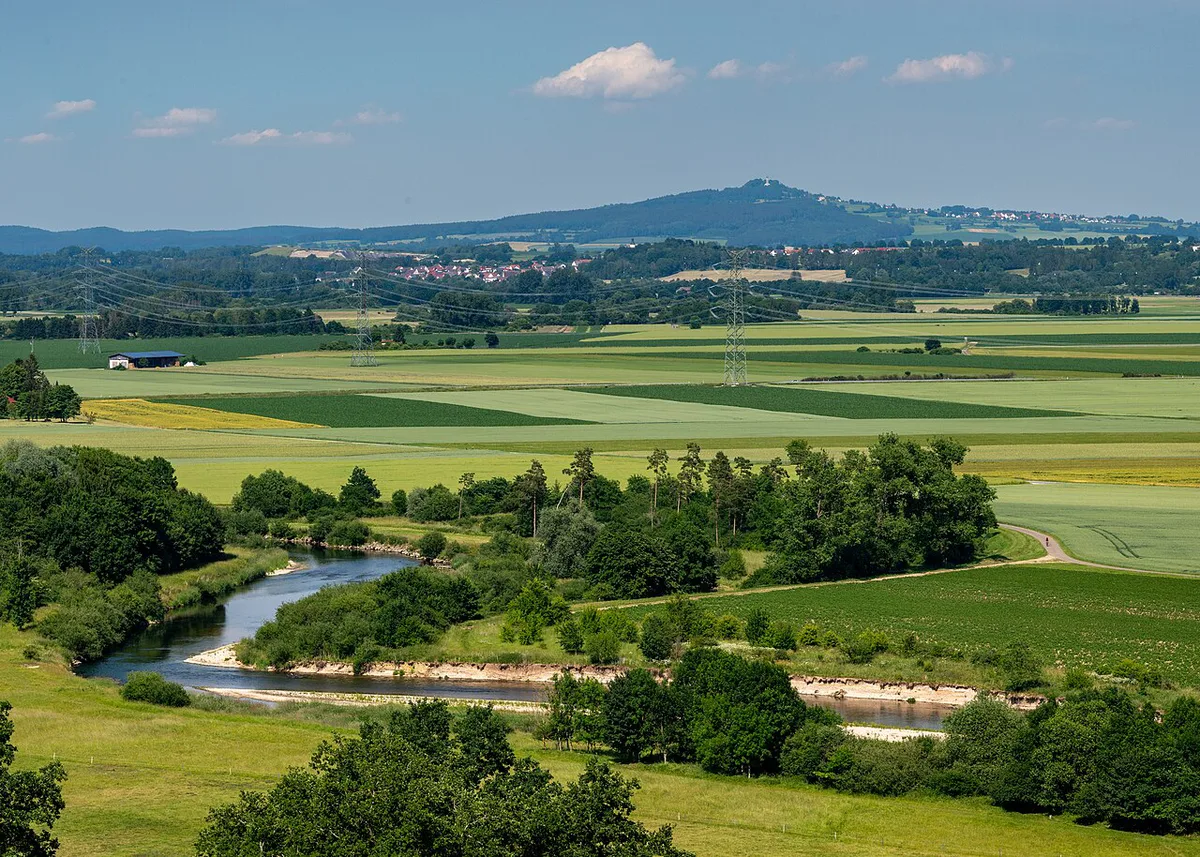
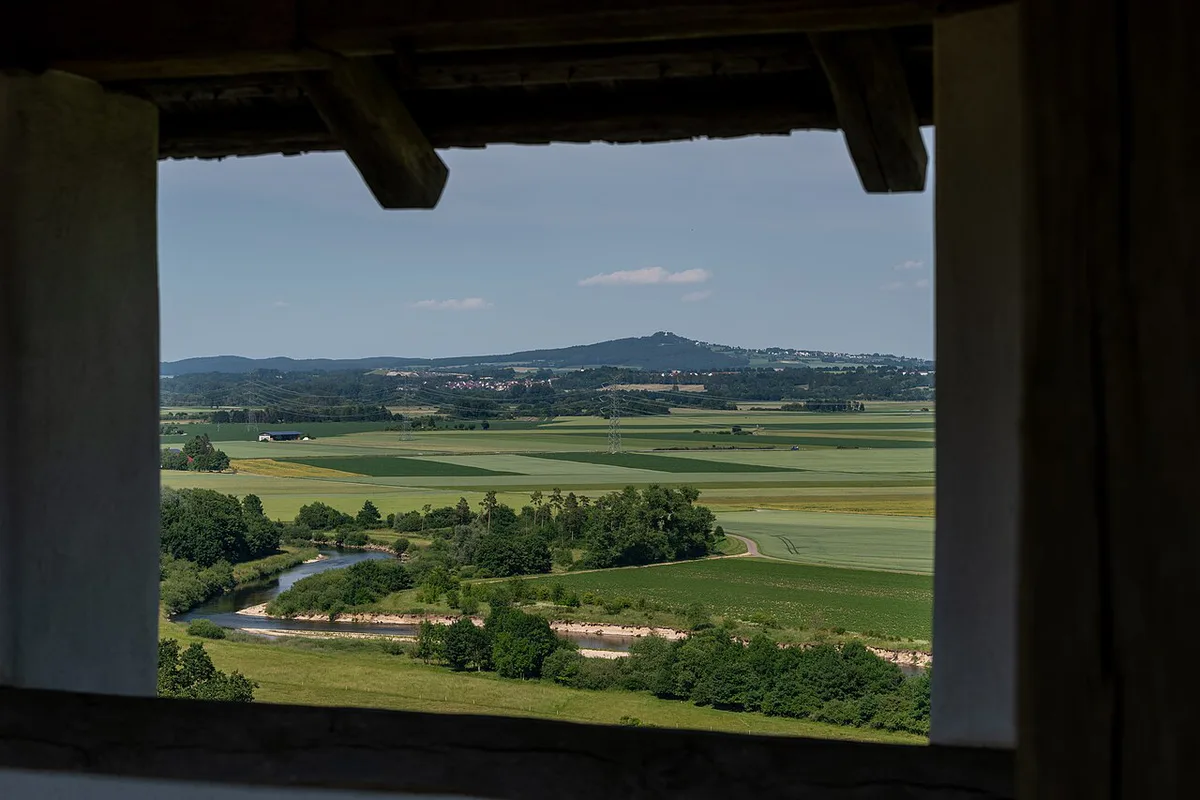
Heuneburg lies near Herbertingen in Baden-Württemberg. A car is the simplest way to reach a rural hill fort, while public transport takes more planning. Look up current rail and bus connections to Herbertingen on Deutsche Bahn and the regional operator before you commit. Parking and shuttle arrangements are listed on the official site.
Where to stay and what to pair it with
Base yourself in a town near Herbertingen and confirm distances on a map before you plan a route. Heuneburg works best as a pre-Roman counterpoint to the Roman sites in our guide to Roman ruins in Germany. For frontier context, read about the Upper Germanic-Raetian Limes. Readers who want real Roman remains can choose the reconstructed fort at Saalburg. Another option is the Xanten Archaeological Park: Visit Guide & Planning Tips.

| Heuneburg (Celtic) | Roman sites in Germany | |
|---|---|---|
| Period | Early Iron Age, 7th century BC | Roman era, centuries later |
| Wall material | Mud brick on limestone, nearly 20 ft high | Typically stone |
| What survives | Earthworks and finds; reconstruction on site | Foundations, walls and rebuilt forts |
| Visitor experience | Archaeology and interpretation | Standing masonry, museums and forts |
- Mistake: expecting Roman ruins. Heuneburg is Celtic.
- Mistake: ignoring seasonal closures. Reconstructions and events may run only part of the year.
- Mistake: arriving without checking the opening schedule on the official site.
Related guides

Continue reading
Guides on the same trip