
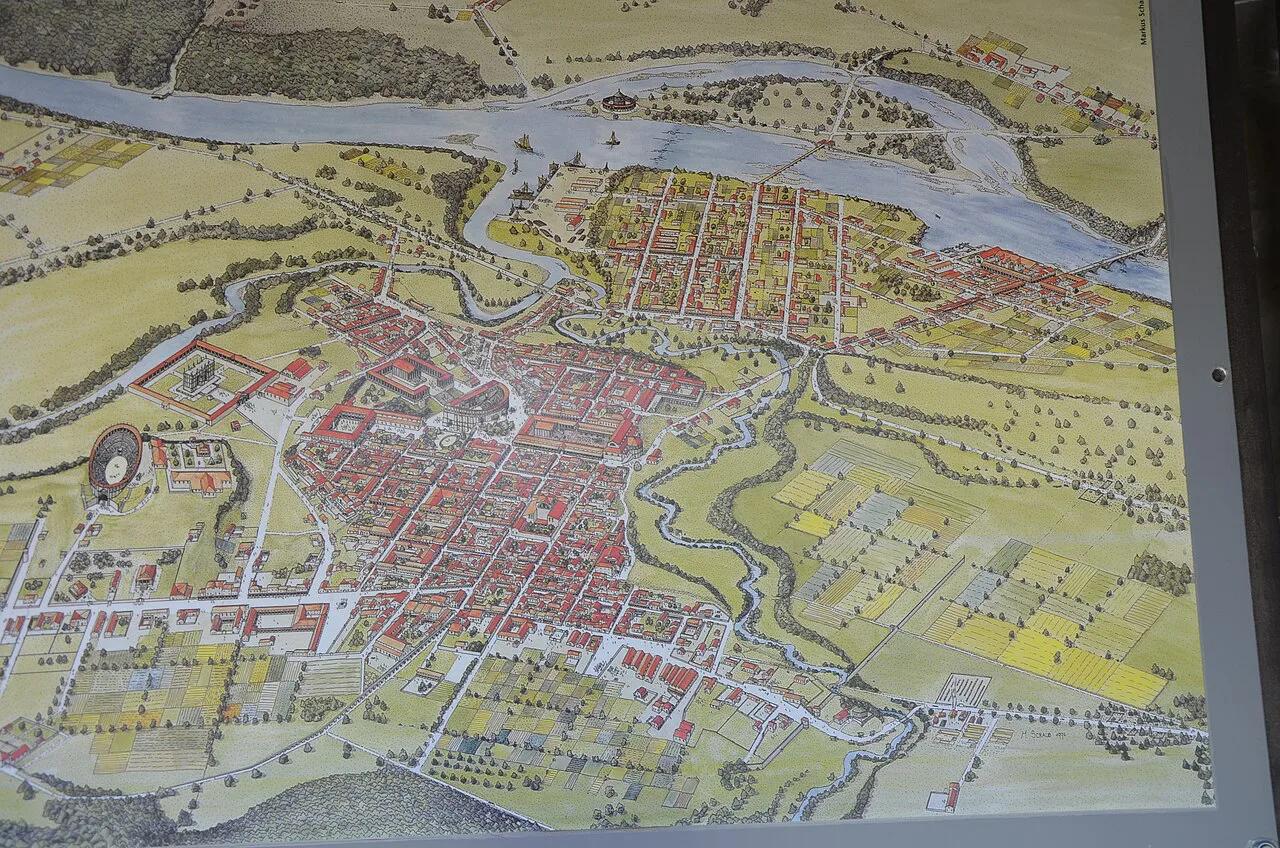
Last updated November 2026: augusta raurica is a Roman archaeological site and open-air museum in Augst, Switzerland, about 20 km east of Basel. It is a Swiss site, not a German one, which makes it a useful cross-border addition to a tour of Roman sites across Germany. Basel is where Switzerland, France and Germany meet, so a day trip from the Upper Rhine is realistic.
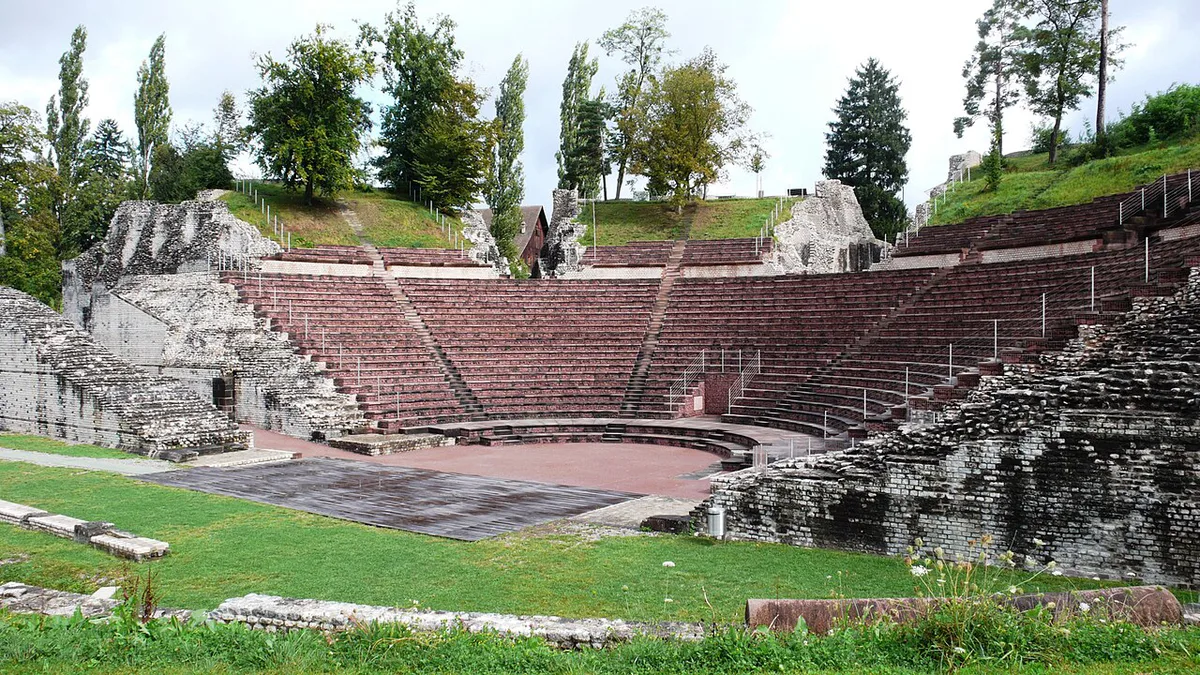
Featured image: Carole Raddato from FRANKFURT, Germany, CC BY-SA 2.0, via Wikimedia Commons.
What Augusta Raurica Is (and Where)
Augusta Raurica sits in Augst, in the canton of Basel-Landschaft, at Basilikaweg 1, 4302 Augst. It lies on the south bank of the Rhine, roughly 20 km east of Basel. Founding is dated to about 44 BC, under Lucius Munatius Plancus, near the Gallic tribe of the Rauraci. Popular descriptions call it the oldest known Roman colony on the Rhine. Treat that as a headline claim rather than a settled ranking, since wording differs between sources. Some guides put the Roman town at around 20,000 people across about 135 hectares. Those are round estimates, so use them for scale and not as hard counts. The reason to go is simple. You can see a Roman town plan, a museum of finds and a rebuilt Roman house in one place, a short trip from a major rail hub.
What to See: Highlights and What's Actually Visible
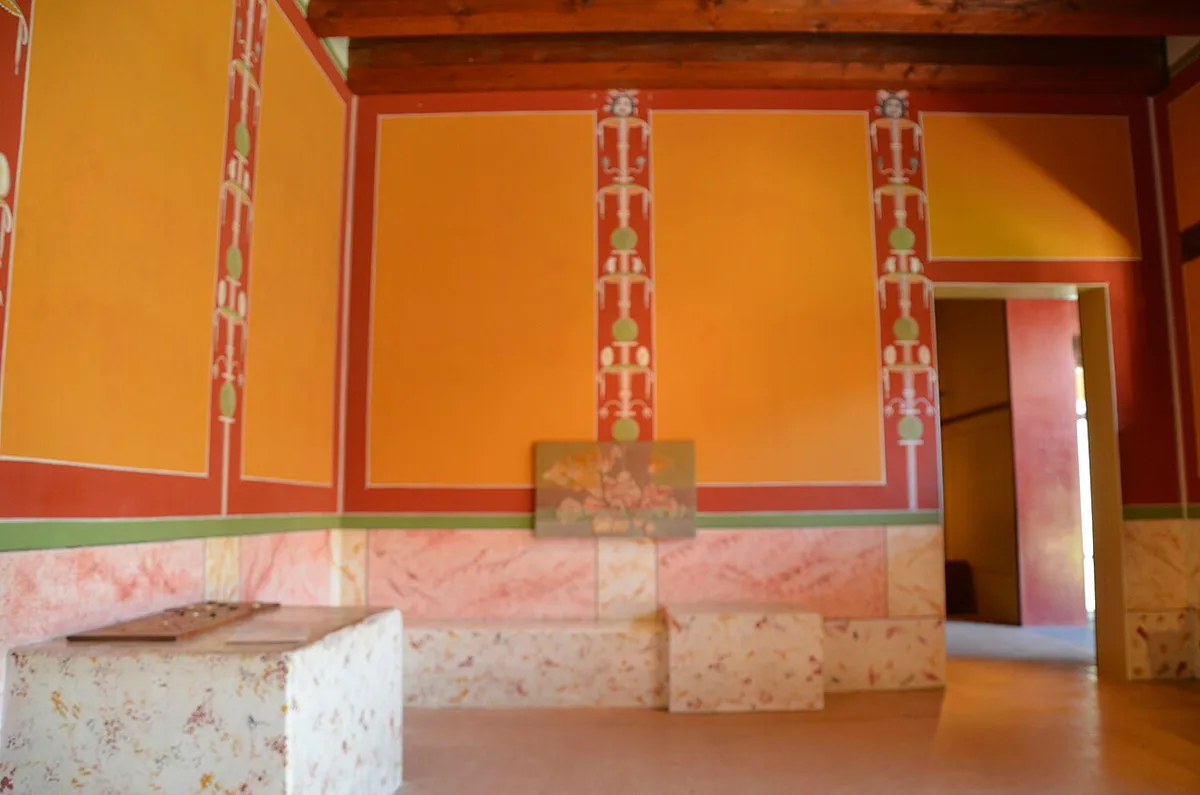
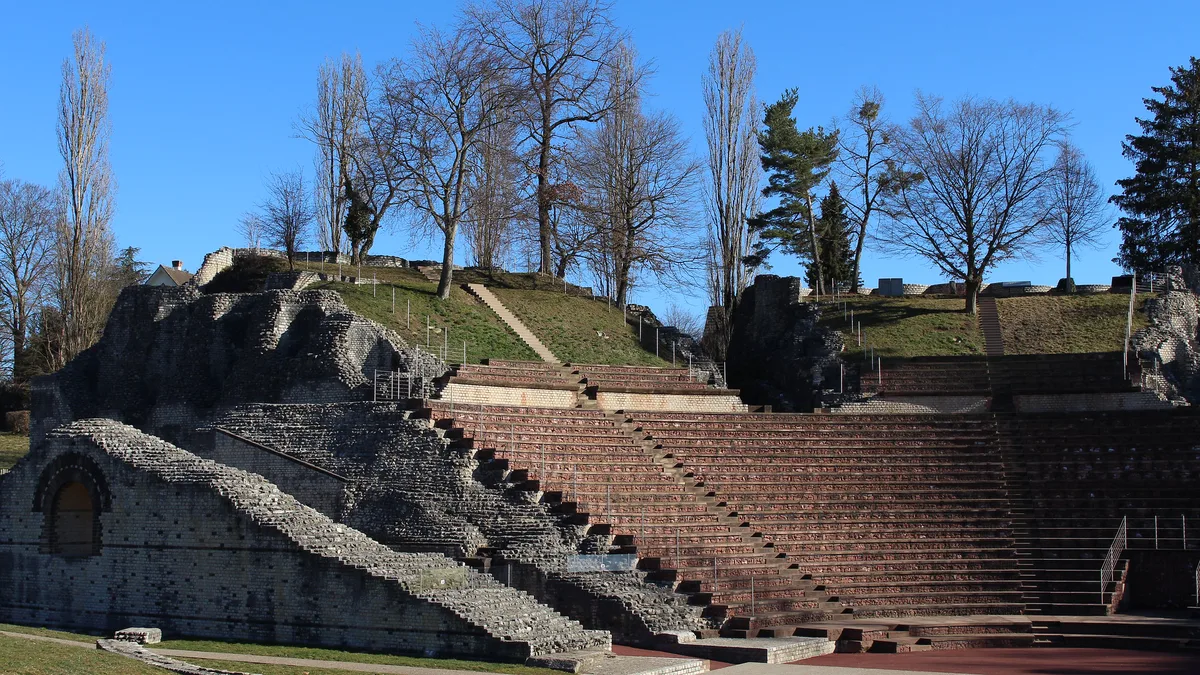
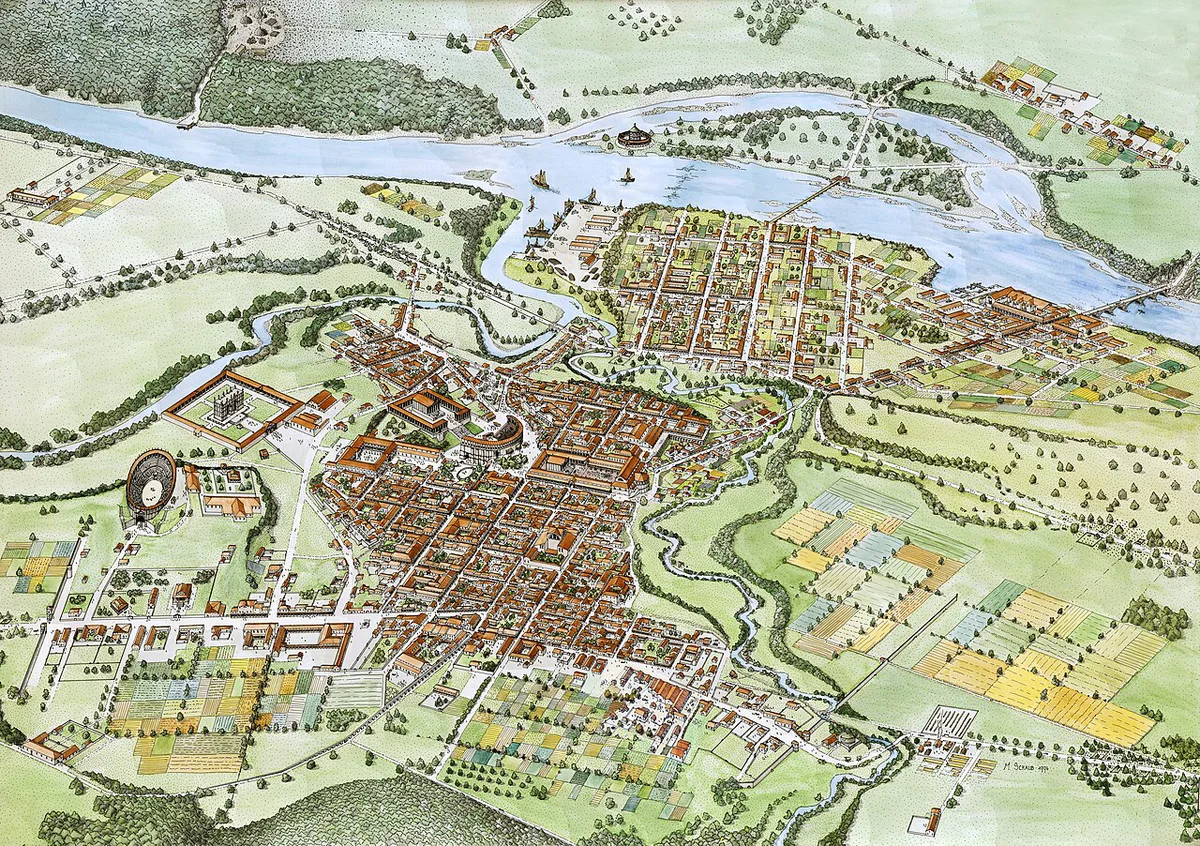
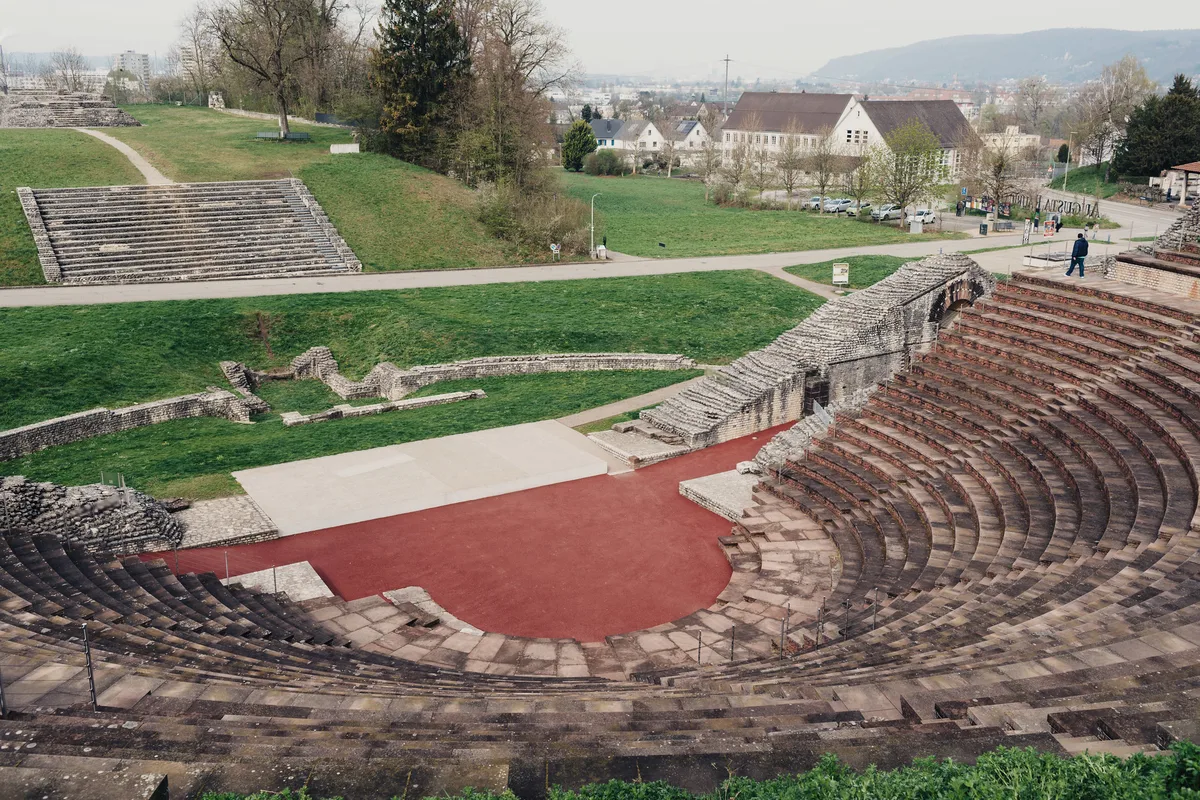
Four stops anchor a visit: the Roman theatre, the temple area, the museum and the reconstructed Roman house. Each shows Rome differently. Theatre and temple areas are excavated Roman remains. The house is a modern reconstruction that shows how rooms were arranged and used. The museum holds the finds that make the rest of the site readable. Published site descriptions say parallel streets ran at 55 m intervals, so the city reads as a grid even where only footprints survive. Older travel pages also list baths, an amphitheatre, mosaics and a harbour. Do not plan around any of them until the official Augusta Raurica site confirms what visitors can enter today.

- Roman history fans: start with the museum, then walk the theatre and temple areas to connect objects to places.
- Families with children: prioritise the reconstructed Roman house and the open-air elements, and keep the museum short.
- Casual visitors from Basel: the theatre and the house give the clearest picture in the least time.
- Skip if you want complete standing buildings: much of the site is foundations and partial walls, with only selected parts rebuilt.
How Long to Spend and a Sample Plan
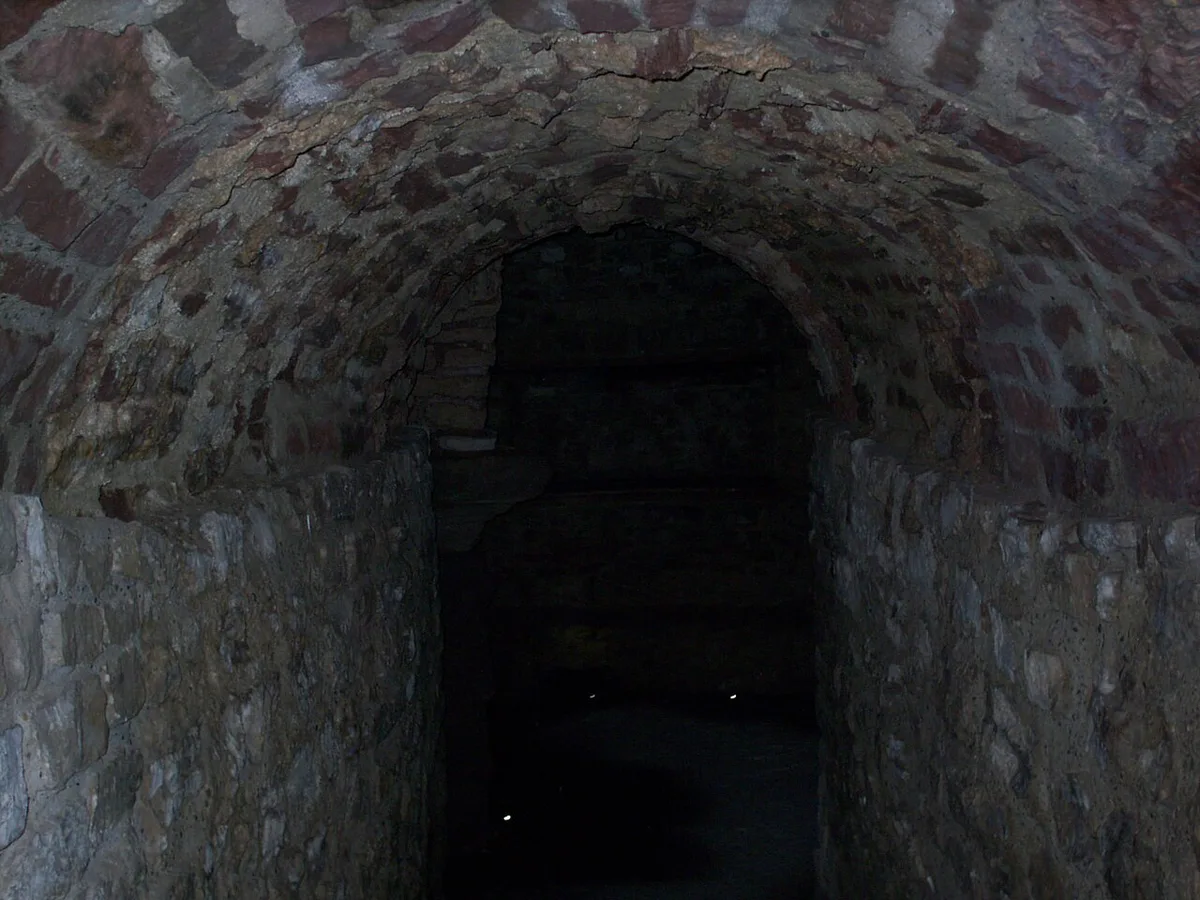
Plan on a half day as a baseline and a full day if you read every display. The site is spread out and mostly outdoors, so walking time adds up between stops. A good order is museum first for context, then the reconstructed house, then the theatre and temple area while energy lasts. Use the table below to match your time to your interest.
| Visitor type | Suggested time | Route focus |
|---|---|---|
| First-timer | Half day | Museum, reconstructed house, theatre |
| History-heavy visitor | Full day | Museum in depth, temple area, street grid, theatre |
| Family with children | Half day | Reconstructed house and open-air stops, short museum visit |
| Combined Basel day | Short stop | Theatre and house, then back to Basel by afternoon |
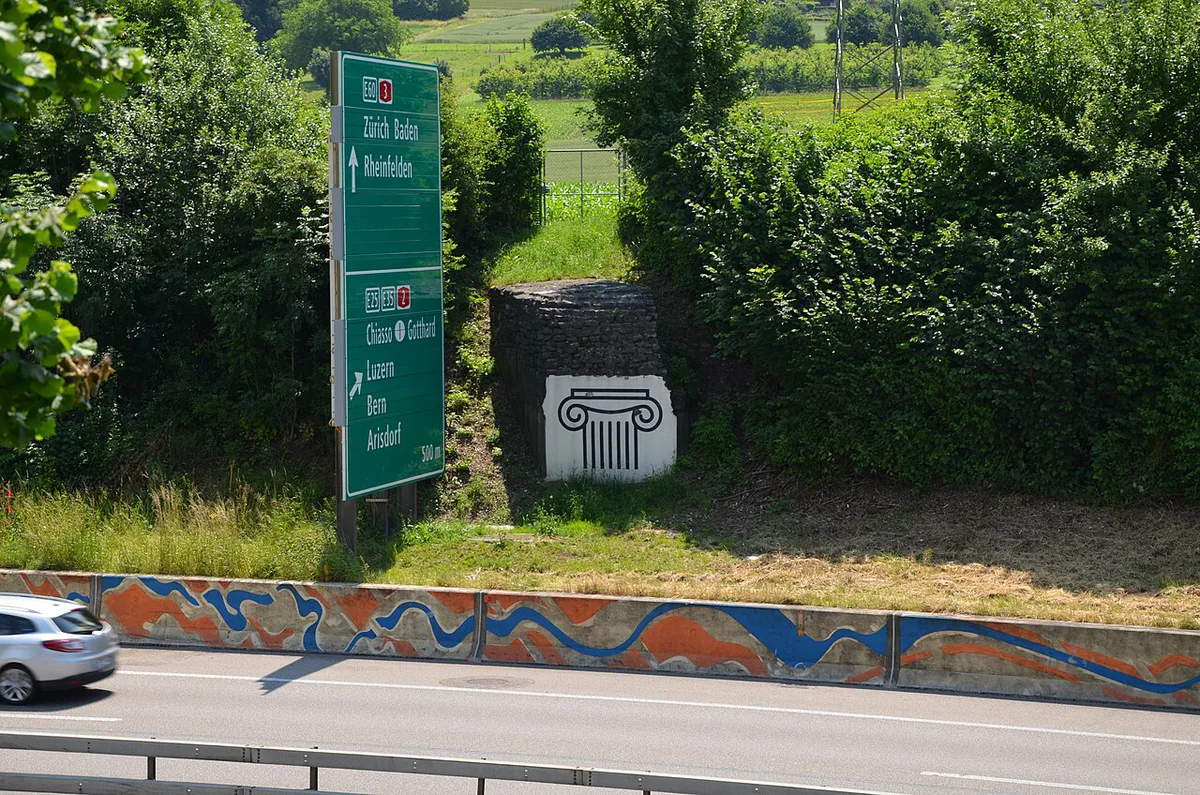
Tickets, Opening Hours and Access
Ticket prices, seasonal opening hours and guided-tour options are published on the official Augusta Raurica site, and that is the only place to rely on for them. Check it before you travel, especially outside summer, because parts of an outdoor site can close seasonally.
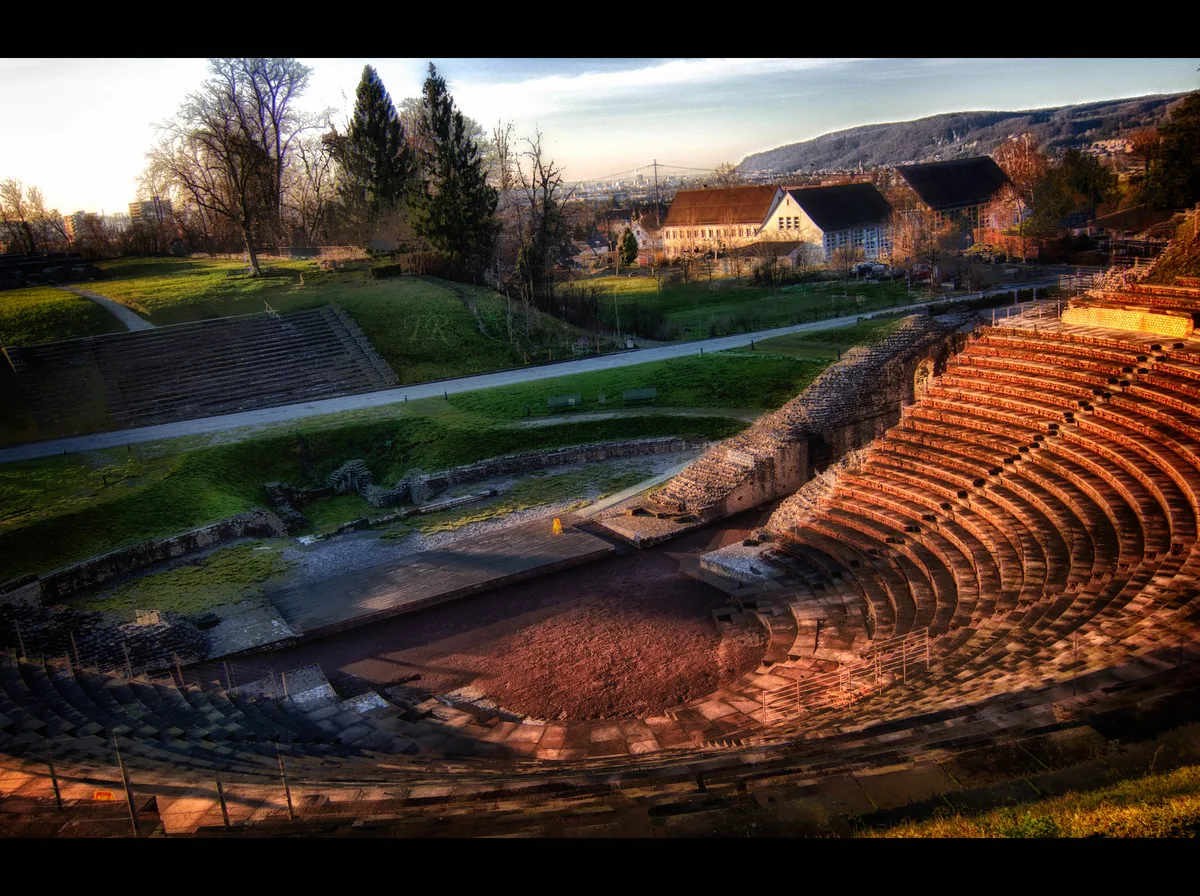
- Terrain: expect uneven ground and slopes at outdoor ruins, so wear sturdy shoes.
- Weather: most stops are outside, so rain and winter cold change the visit.
- Step-free access: ask the site before you go if you use a wheelchair or pushchair, since reconstructed areas and ruins differ.
Getting There from Basel and the Region
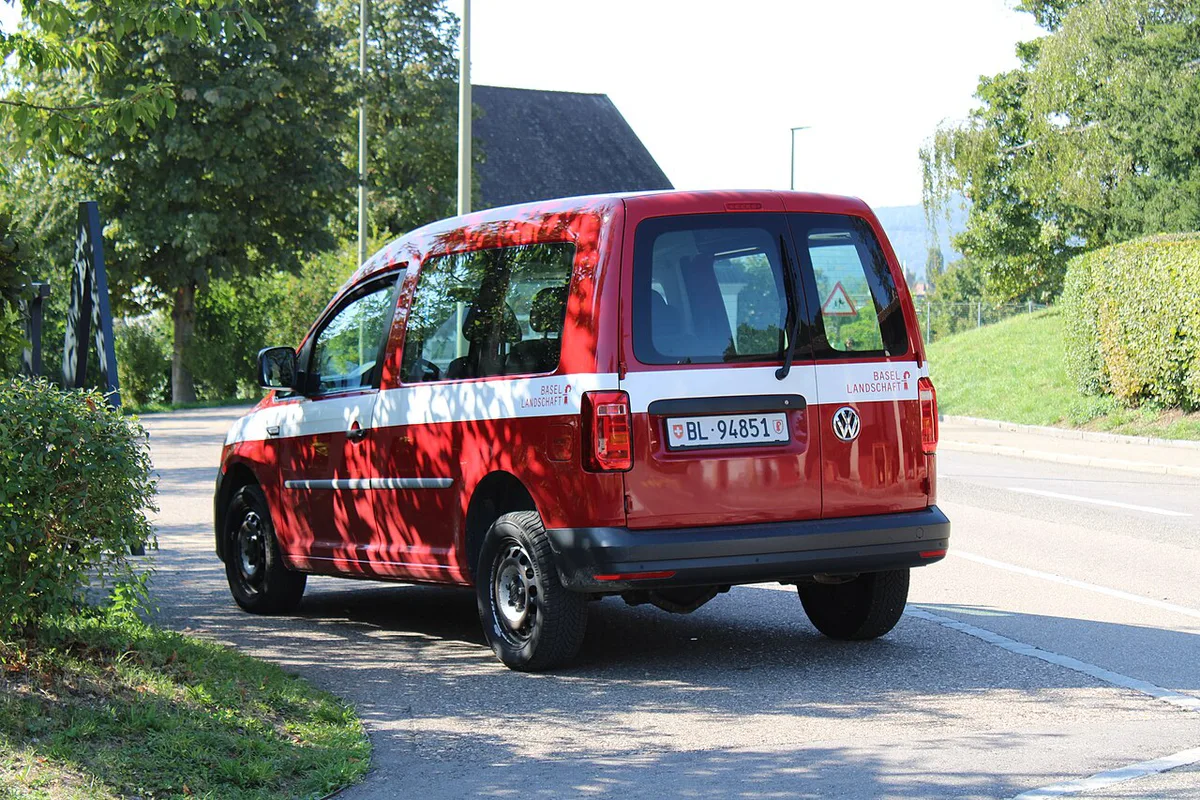
Most visitors start in Basel, about 20 km west of Augst. Use the SBB timetable and Basel's regional transport operator to find the current train and bus connection to Augst. Enter Basilikaweg 1, 4302 Augst, as your destination. Driving is possible, but check the official site for parking details before you set off. Readers coming from Germany can reach Basel first, then continue into Switzerland. Carry a passport or ID for the border crossing, and allow extra time on weekday mornings and evenings when commuter traffic is heavy.
Where to Stay and Combine It With Other Stops
Basel is the practical base. It has the rail connections, the widest choice of hotels and plenty to see in the evening. A smaller town near Augst suits you only if you want an early start at the ruins, and options there are limited. For a second Roman stop in Switzerland, consider Aventicum at Avenches. Check the distance and train times before you commit, because the two sites are not neighbours. Pairings with German sites need even more caution. Do not try to combine them into one day.
Basel sits about 20 km west of Augst, so a day trip is short, but staying in Augst only pays off for an early start.
How Augusta Raurica Compares With Other Roman Sites
Augusta Raurica works best as a Roman town visit with a museum. Fort and frontier sites give a different picture. Our guide to Roman sites in Switzerland covers the wider Swiss choice. For Germany, the Saalburg fort and the Xanten Archaeological Park: Visit Guide & Planning Tips are two well-known stops. Context for the frontier story is in the Upper Germanic-Raetian frontier guide. Augusta Raurica is not confirmed as part of that frontier, so read it as neighbouring context rather than a limes site.
| Site | Country | Best for |
|---|---|---|
| Augusta Raurica | Switzerland | Roman town plan, museum, reconstructed house |
| Aventicum (Avenches) | Switzerland | A second Swiss Roman city site |
| Saalburg | Germany | Roman fort visit |
| Xanten archaeological park | Germany | Large Roman archaeological park on the Lower Rhine |
Common Mistakes and Practical Tips
Most problems come from expecting a single compact ruin. Plan around these points.
Streets at 55 m intervals spread the grid across a wide area, so pick your stops from the map instead of expecting one compact ruin.
- Assuming it is all ruins in one spot: the site covers a wide area, so check the map and pick your stops.
- Underestimating the walking: allow time and energy between the museum, house and theatre.
- Visiting without checking seasonal opening: confirm hours on the official site.
- Expecting everything indoors: most of the visit is outside, so dress for the weather.
- Treating older travel pages as current: baths, harbour and amphitheatre details need official confirmation.
Frequently Asked Questions
Does Switzerland have Roman ruins?
Yes. Augusta Raurica in Augst is the clearest example, with a theatre, temple area, museum and reconstructed Roman house. For another Swiss option, see Aventicum at Avenches.
Did the Roman Empire reach Switzerland?
Yes. Augusta Raurica was founded around 44 BC on the Rhine, in what is now Switzerland. For the wider frontier story, read about the Danube frontier.
Related guides

Continue reading
Guides on the same trip