
Xanten Archaeological Park: Visit Guide & Planning Tips
Last updated November 2026. Xanten is a town on the Lower Rhine in Germany, and its main draw is the LVR Archaeological Park on the site of Colonia Ulpia Traiana. Go if you want to see Roman buildings rebuilt on their original ground. This guide covers what you will see, how to plan the day, and where Xanten fits among Germany's other Roman sites in Germany.
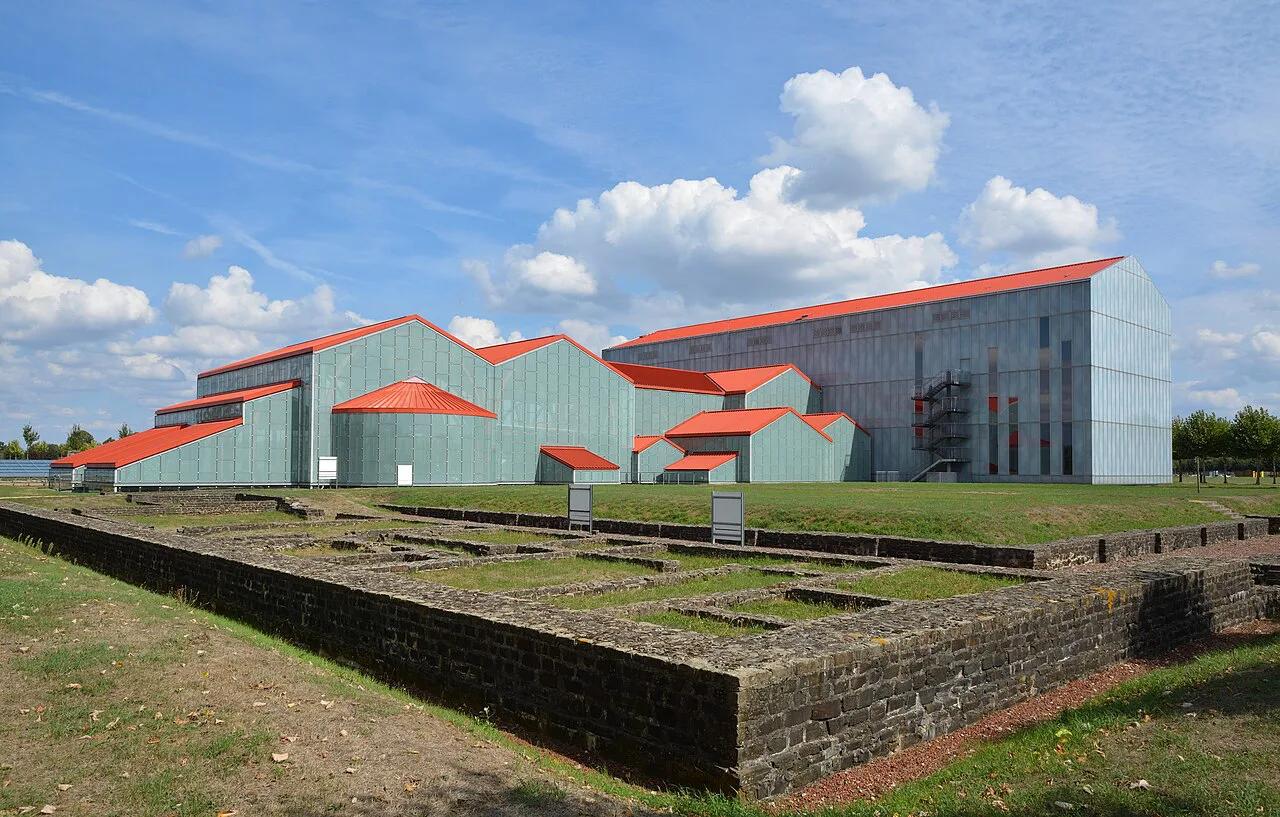
Featured image: Nightflyer, CC BY-SA 4.0, via Wikimedia Commons.
Xanten at a glance: who the Roman site suits
Xanten works best for readers who want a Roman city rather than a frontier fort. The LVR Archaeological Park Xanten sits where Colonia Ulpia Traiana once stood. It combines an open-air site with the RömerMuseum, so you get both rebuilt structures and finds. The old town and cathedral complete the day.
- Go if you like walking outdoors among large reconstructions, and want museum context alongside them.
- Go if you are building a Roman route through Germany and want a city example.
- Skip it if you only want untouched ruins, because much of what you see is rebuilt.
What you see at the Archaeological Park
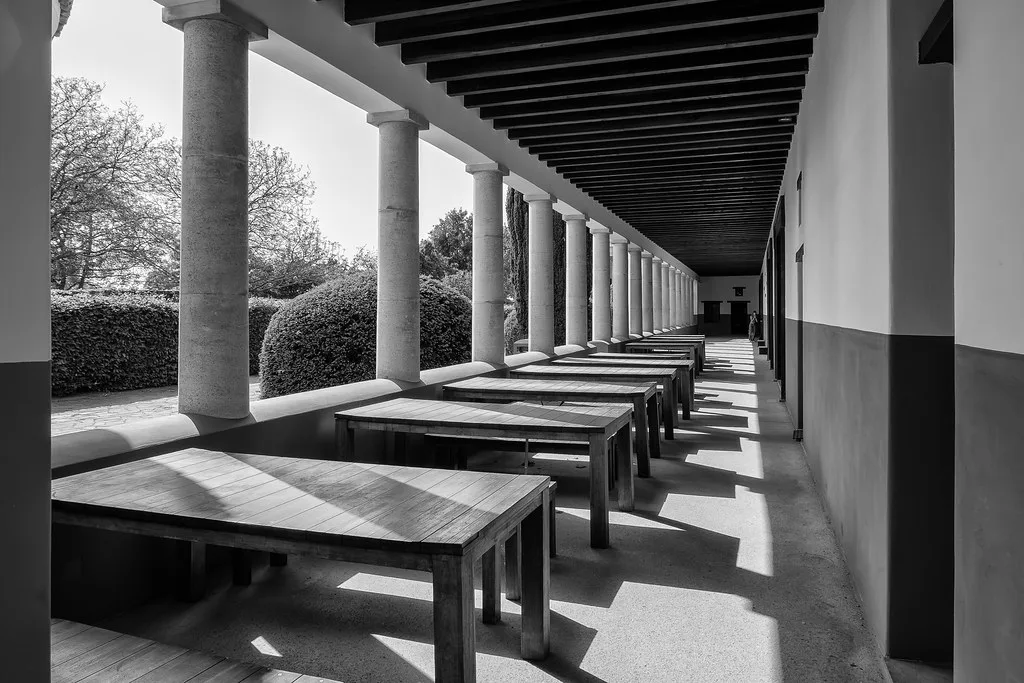
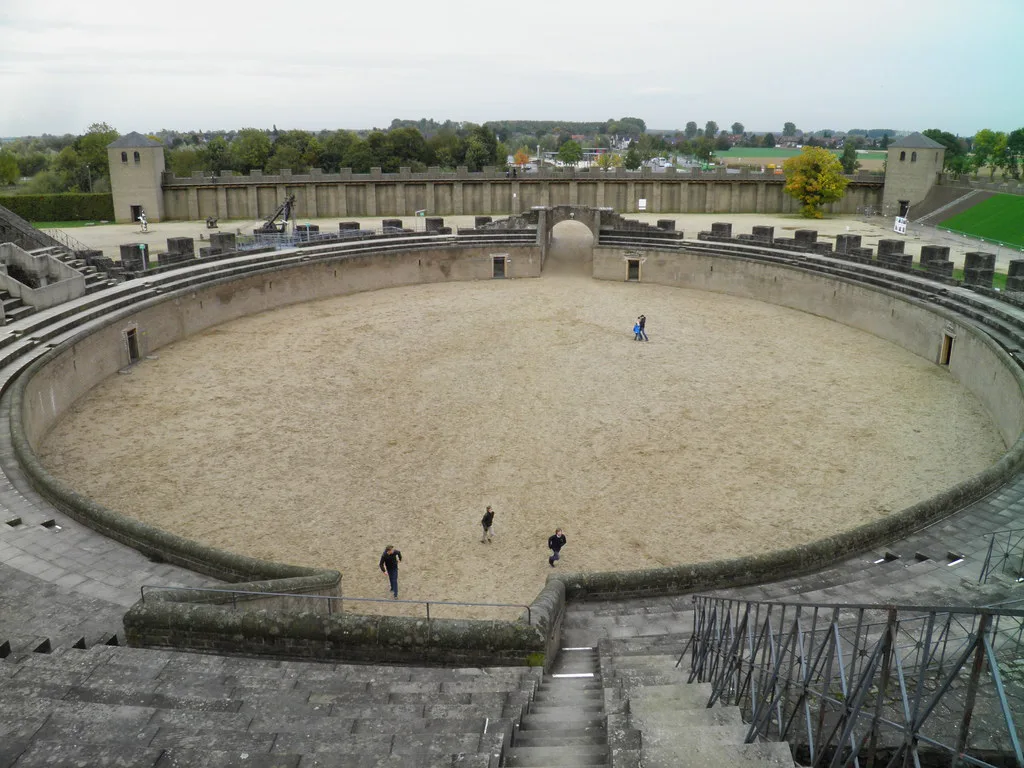
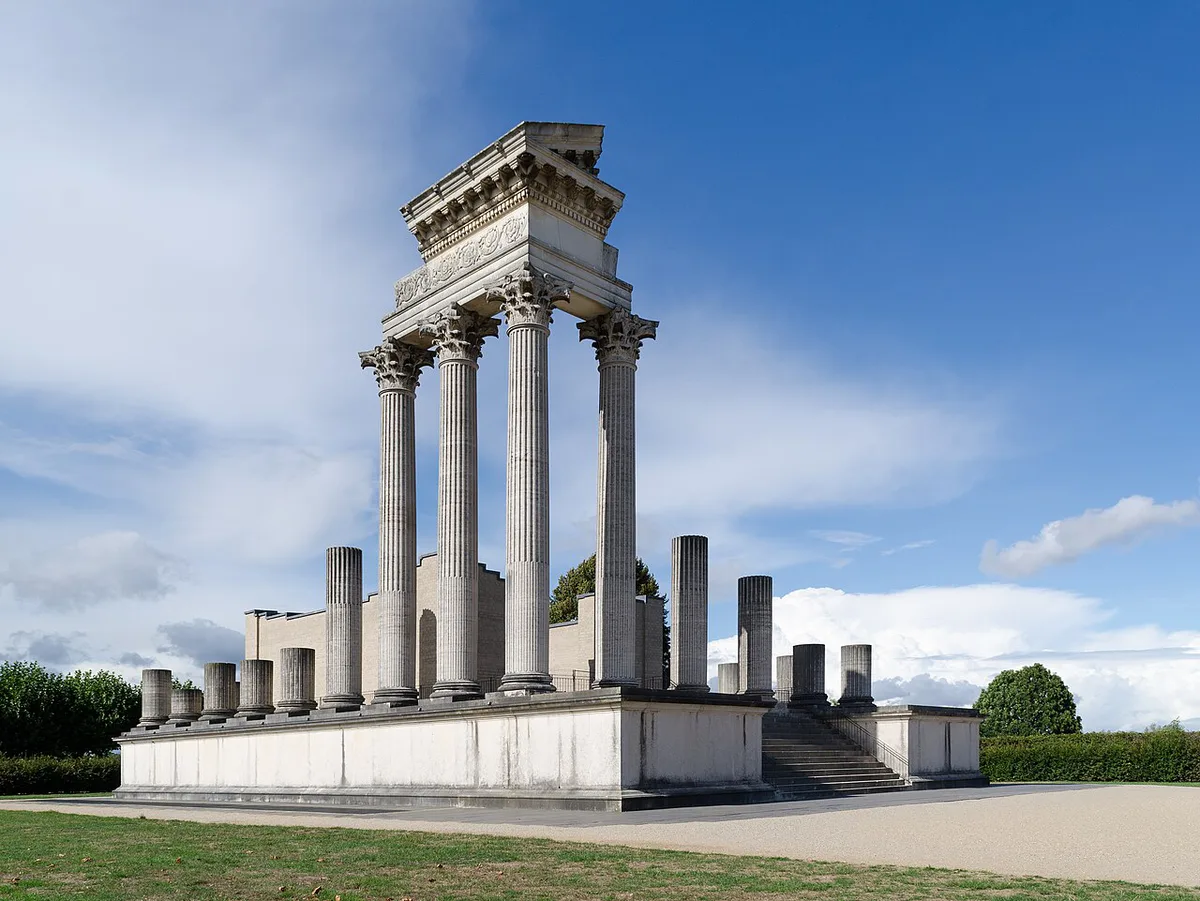
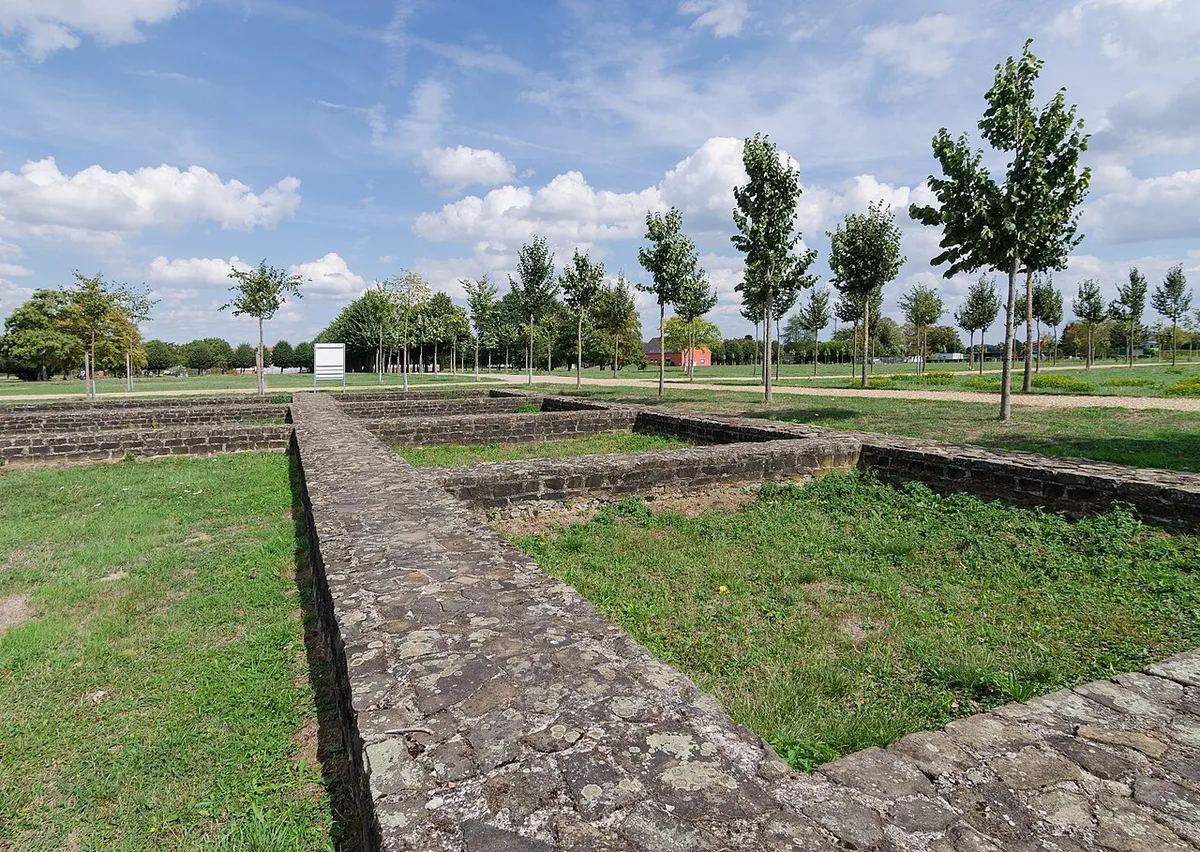
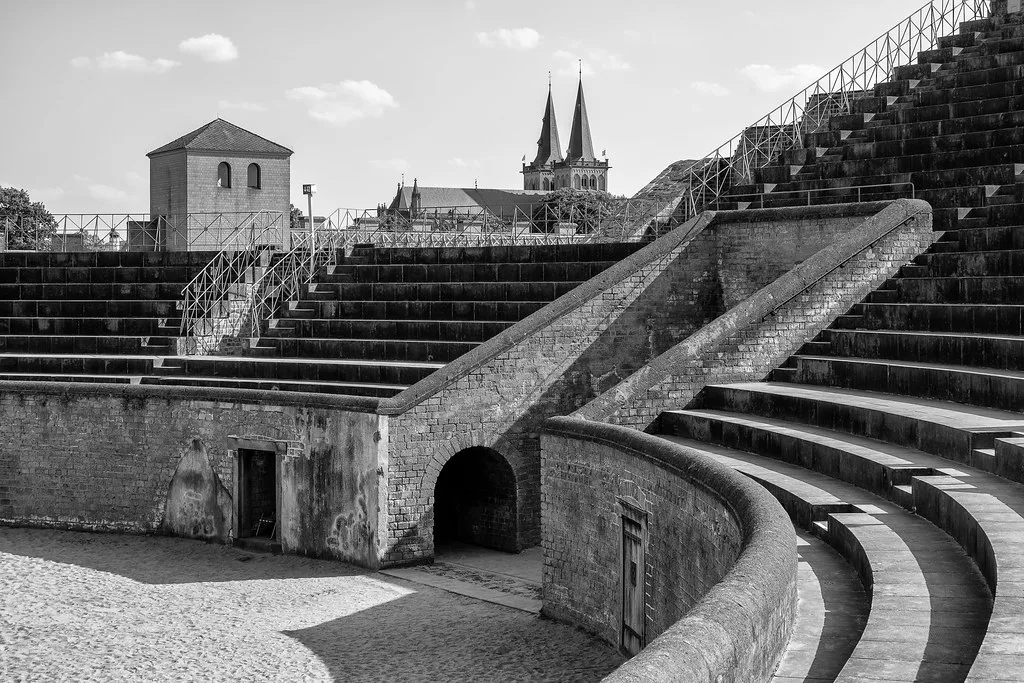
Reconstructions dominate the park. Expect a rebuilt amphitheater, a city wall, a temple and a baths building. The RömerMuseum holds the original finds. Treat the standing structures as an interpretation of the Roman town, and use the museum to see what was actually dug up. Reading that split correctly sets the right expectations before you arrive.
- Reconstructed: amphitheater, city wall, temple and baths.
- Original material: finds displayed in the RömerMuseum.
- Bring weather-appropriate clothing, because most of the site is open air.
Plan your time in Xanten
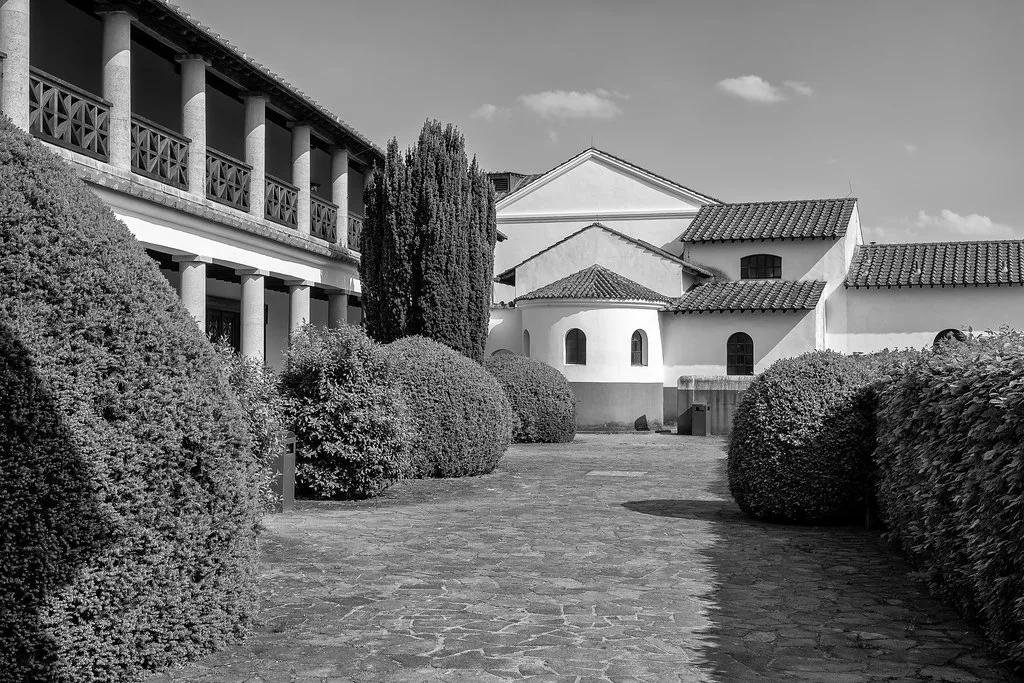
Prioritise the park first and the museum second. Add the old town and cathedral only if energy remains. Rushed visitors should walk the main reconstructions, then step into the museum for the finds behind them. A relaxed day lets you cover the park, the museum and a slow walk through town. On rainy days, move your time indoors to the museum and the cathedral.
| Visit style | What you see | Trade-off |
|---|---|---|
| Park only | Reconstructions and museum | Skips the town |
| Park plus town | Park, old town and cathedral | Longer day, more walking |
| Combined day | Xanten plus another Rhine-region stop | Less time at each site |
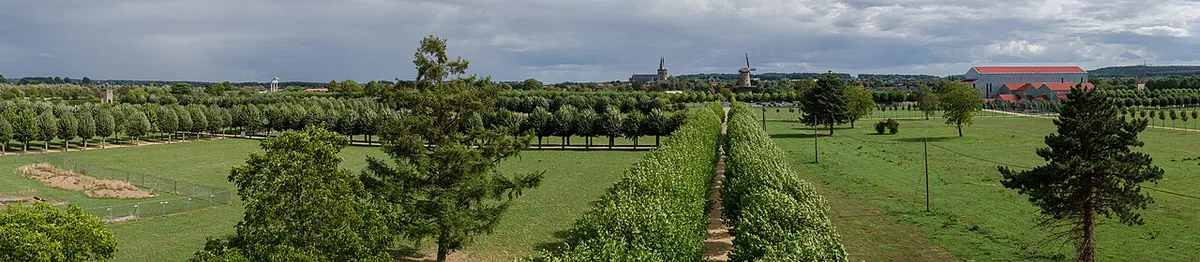
Tickets, hours and seasonal access
Current prices, opening days and winter restrictions are published on the official park site. Check the park's official page before you travel, since open-air sites often change hours by season.
Getting there and getting around
Rail, car and bike routes all reach Xanten, but timetables and parking rules change. Use the Xanten tourism site for current arrival options. Allow time for walking between the station, the old town and the park, and plan for weather exposure on the open-air site.
Xanten town: cathedral and old town
Xanten Cathedral, dedicated to St. Viktor, anchors the old town and makes a natural second stop after the park. Cathedral hours and visitor rules vary, so check the tourism site before you go. Cafés in the old town suit a lunch break between the park and the museum. Staying overnight makes sense if you want both sights unhurried. Otherwise, a day trip from a larger Rhine-region base is enough.
Xanten in the wider Roman Germany picture
Xanten shows a Roman city on the lower Rhine. Frontier sites show something different. For forts, see the Upper Germanic-Raetian Limes. For a rebuilt fort with a museum, try Saalburg. For another Roman town, visit Kempten's Cambodunum. For a villa and a Moselle-side stop, go to the Perl-Nennig Roman villa. Together these give a fuller picture of Roman life along Germany's rivers and borders.
How much time to allow for Xanten
A 2-to-3-hour visit suits travellers focused on the Archaeological Park and RömerMuseum. Start with the main reconstructed buildings, then use the museum to connect those structures with original finds. This is the best choice if Xanten is one stop on a wider Lower Rhine day.
Allow a half day if you want time to walk at an unhurried pace and take shelter in the museum when weather changes. The park is largely open air, so comfortable shoes and rain protection matter more than they would at an indoor museum.
Choose a full day for all 3 parts of a classic visit: the park, the museum and Xanten’s old town with St. Viktor Cathedral. Visit the park first when energy is highest. Leave the old town for later, when a café break or cathedral stop fits naturally. If time is tight, do not skip the museum: it provides the original material that explains the reconstructions outside.
Related guides

Continue reading
Guides on the same trip