
Last updated November 2026. The Danube Limes was the Roman Empire's frontier along the river, and its western segment is part of the UNESCO Frontiers of the Roman Empire listing. In Bavaria it is a string of separate, modest sites rather than one attraction. Plan around several scattered stops, because few of them have dramatic standing ruins.
Featured image: Following Hadrian, CC BY-SA 2.0, via Flickr.
What the Danube Limes is and how it differs from its sibling
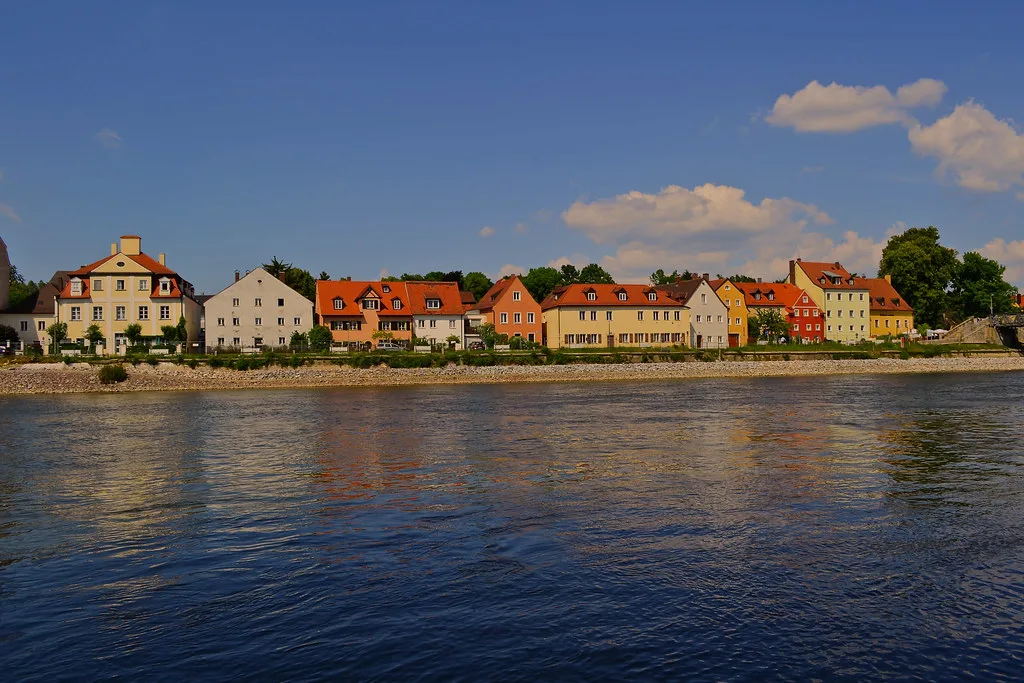
The Danube Limes ran along the river through today's Germany, Austria, Slovakia and Hungary. UNESCO inscribed the Western Segment in 2021, and it covers almost 600 km of the frontier. Roads, legionary fortresses, their settlements, small forts and temporary camps all count as part of it. Visitors mostly meet it as forts, foundations and earthworks set in river landscape.
Searchers often confuse it with the land frontier north of the river. That is the Upper Germanic-Raetian Limes, a separate component of the same World Heritage listing. For the wider country, start with our overview of 8 Best Roman Ruins in Germany: Sites, Maps & Tips.
What you will actually see: site types and expectations
Set expectations by site type before you drive anywhere. Some stops reward a long visit. Others take twenty minutes and a good imagination.
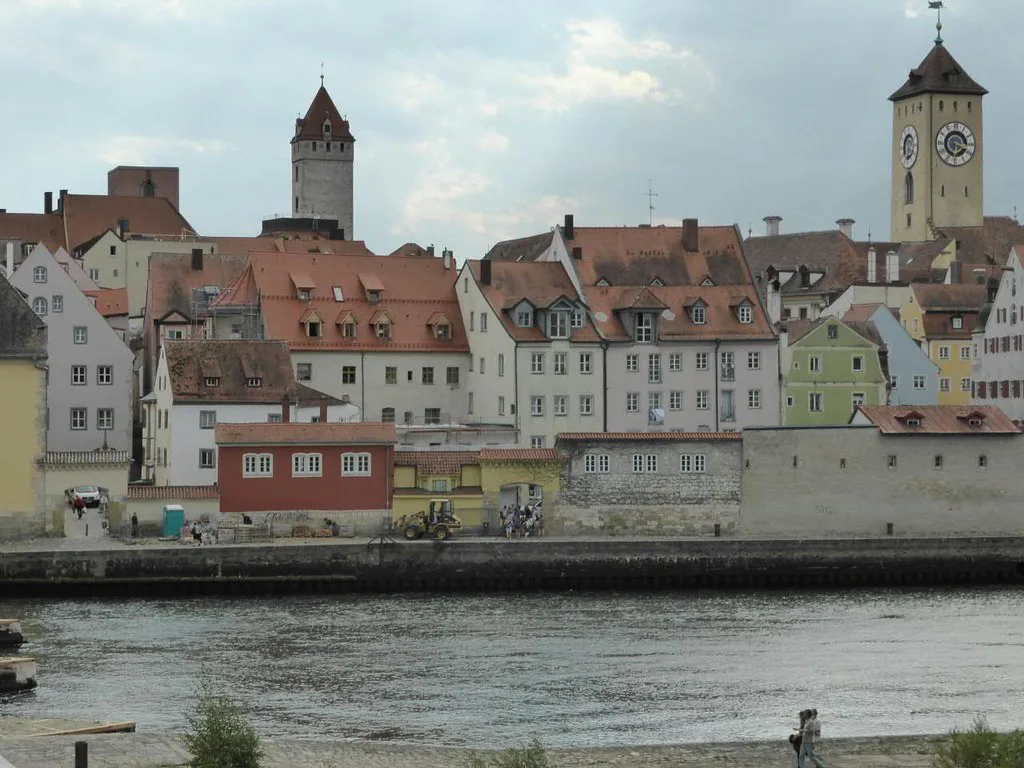
| Site type | What remains | Skip if |
|---|---|---|
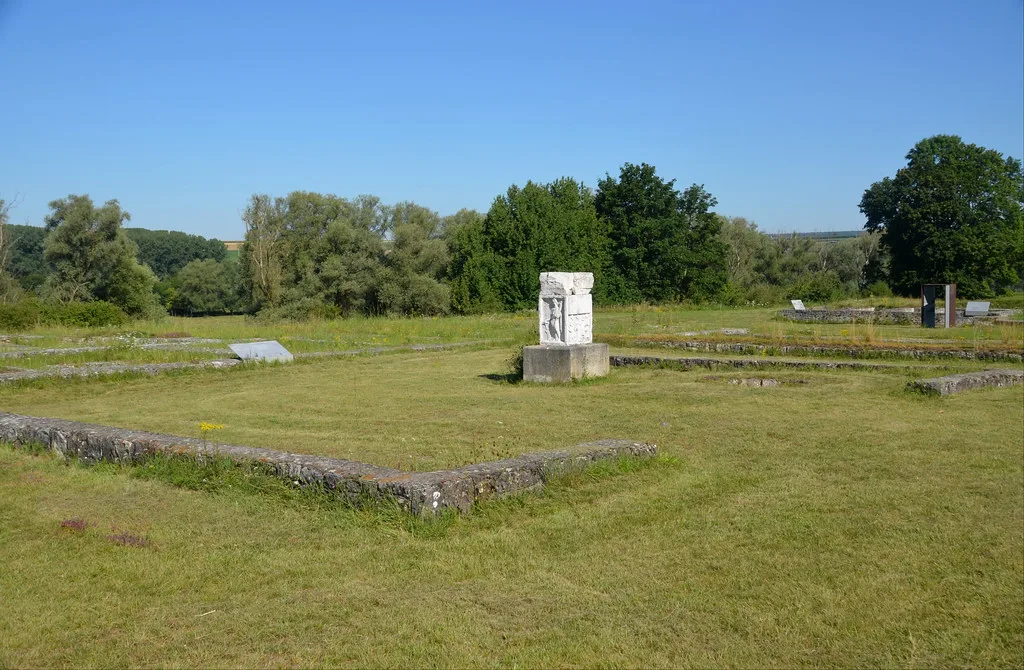
| Fort on the river | Foundations, low walls and earthworks in open air | You want tall standing ruins |
| Reconstruction | Rebuilt gates and walls that show the scale | You prefer unrestored remains |
| Museum | Finds, models and maps indoors | You only want open-air walking |
| Field or buried site | Fields, mounds and information boards | You need facilities and cafés |
Key stop on the Bavarian stretch: Eining and Abusina
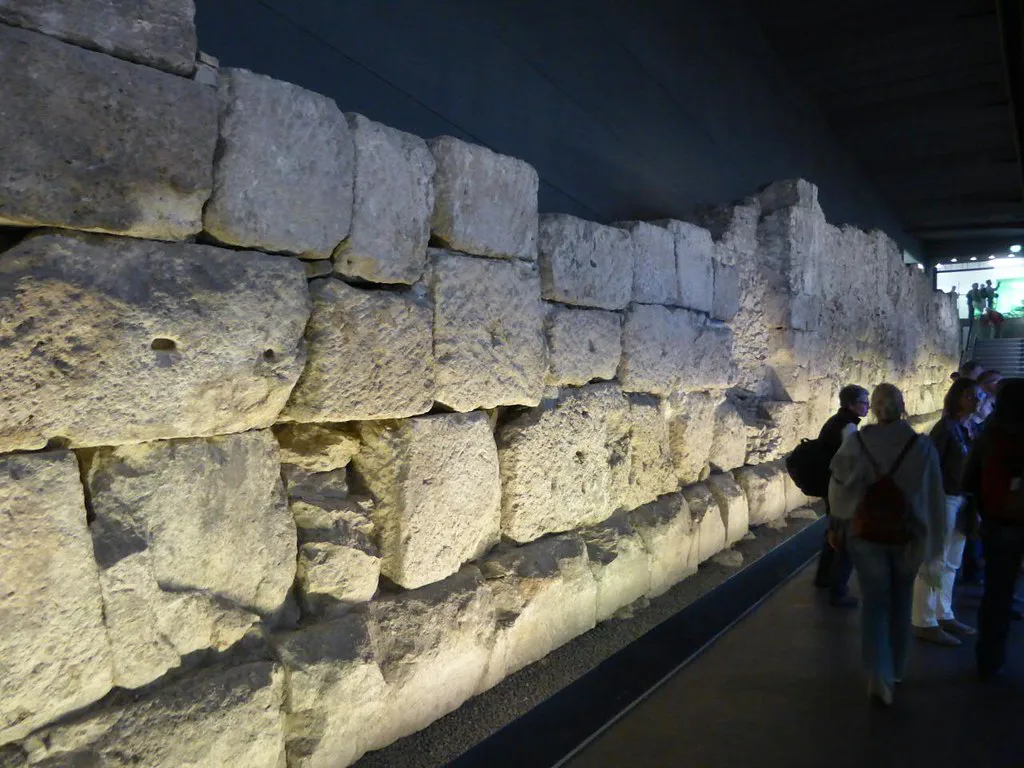
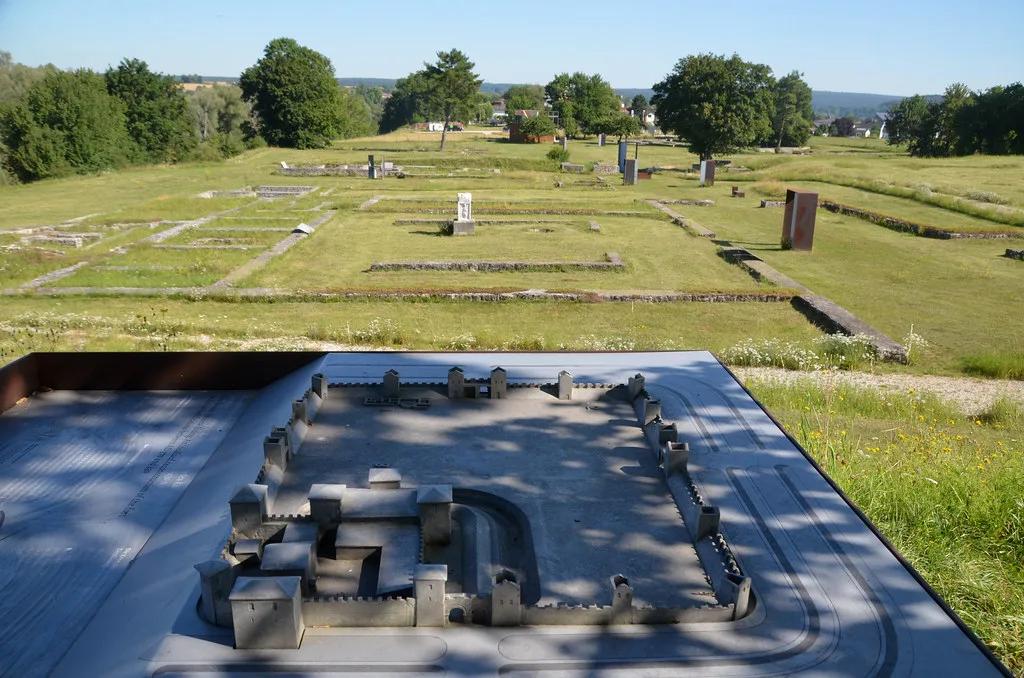
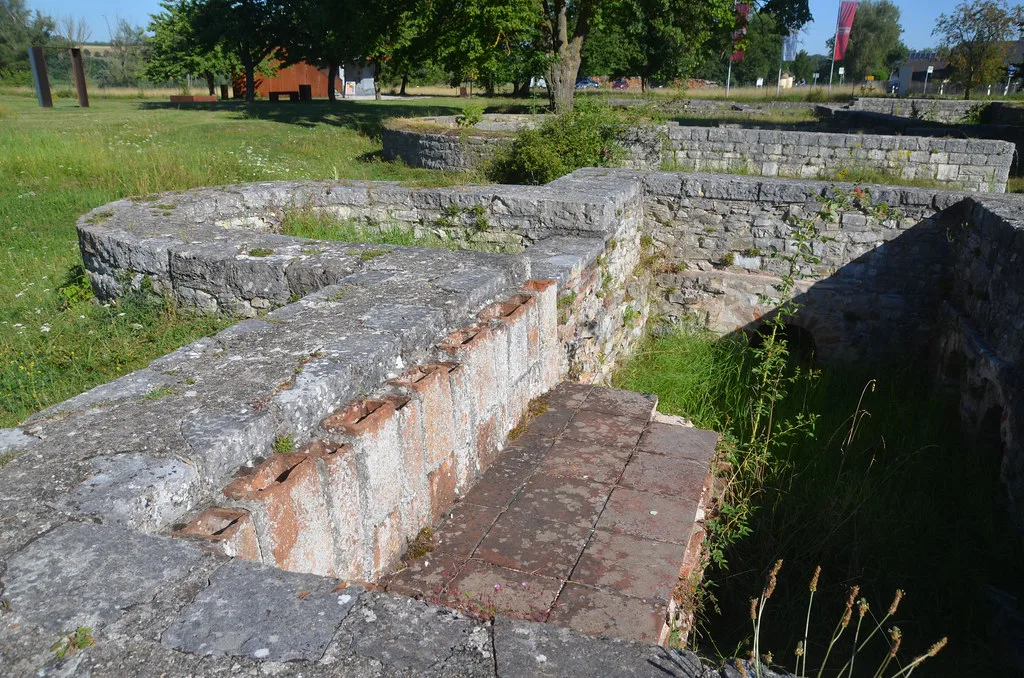
Eining on the Danube is the Bavarian stop to build a day around. Abusina was the Roman fort here, and it sits in open country beside the river. Expect foundations and interpretive boards rather than a theme park.
Abusina suits a 1/2-day plan, while Eining is the stop to build a fuller day around.
For contrast, Saalburg is a heavily reconstructed fort on the other frontier. It shows what a fort looked like, which helps when you stand at Eining's foundations. Our guide to the Aalen Limes Museum covers the museum-led option, again on the northern limes. Neither is a Danube site.
How to plan your time and get around
Treat these as planning shapes, not fixed durations. A half day suits one fort and a river walk. A full day suits two or three stops with a museum in between. Two or three days let you add a Raetian town such as Kempten and Cambodunum.
Sites sit far apart, so a car gives the most freedom; adding Kempten means planning 2–3 days.
Sites sit far apart along the river, so a car gives the most freedom. Regional rail works for patient travelers who pick one base town. Check train times on Deutsche Bahn and measure drive times on a mapping app before you commit.
Three mistakes are common. Do not expect one central visitor centre. Do not rely on a single site's hours to shape the whole day. Do not assume every site has a museum.
Costs, tickets and opening hours
Open-air fort grounds are often free to walk, while museums usually charge. Individual operators set their own prices and hours, so check each site's page. Bavaria's tourism portal is the place to start for regional Roman heritage listings.
When to go and what to skip
It is November, so the season matters. Open-air sites stay reachable year-round, but small museums often shorten hours or close in winter. Short days also cut your walking time at river forts. Late spring through early autumn gives the widest choice.
Skip the Danube Limes if you want towering ruins. Head to the Rhine instead, where Xanten Archaeological Park: Visit Guide & Planning Tips offers large reconstructions. Choose the Danube if you enjoy quiet landscape and the logic of a frontier.
Beyond Germany: Austria, Slovakia and Switzerland
The same frontier continues east into Austria, where the Carnuntum Archaeological Park presents a larger Roman town and fortress. Our page on Roman Ruins in Austria: Carnuntum, Vienna & More maps more stops. Slovakia has its own section of the listing, mentioned here only as a pointer. Swiss sites such as Augusta Raurica Visitor Guide: Roman Ruins Near Basel lie on Rhine-side Roman ground, not the Danube. More Swiss options are in Roman Ruins in Switzerland: Augusta Raurica, Aventicum and More.
Choose the Right Danube Limes Day
Build the day around the experience you want, rather than trying to chase every Roman marker. The Western Segment covers almost 600 km, so Bavaria’s sites cannot be treated as one walkable attraction. A 1/2-day plan works best for Abusina, a riverside walk, and time to read the interpretation boards.
Choose an open-air fort day if quiet landscape matters more than objects in cases. Choose a museum-led day if you need maps, finds, and context before viewing low foundations outdoors. Open-air grounds are often free, while museums usually charge admission and may have limited seasonal hours.
Allow 2–3 days if you want to combine several Danube stops with a Raetian town such as Kempten and Cambodunum. The frontier became a UNESCO World Heritage component in 2021, but its value is in the connected landscape rather than a single monumental ruin.
Related guides
Continue reading
Guides on the same trip