Swimming at Pont du Gard: Rules, Where to Swim & Safety
Last updated November 2026: swimming at Pont du Gard is possible in the Gardon below the aqueduct, but only when river conditions and site rules allow it. Swimming is prohibited after heavy rain, and the rules should be confirmed at the entrance on the day. Our main Pont du Gard guide covers the monument itself, while this page covers the river, the two banks, safety and the logistics of a swim.
Featured image: Roly-sisaphus, CC BY-SA 2.0, via Flickr.
Swimming at Pont du Gard: The Short Answer
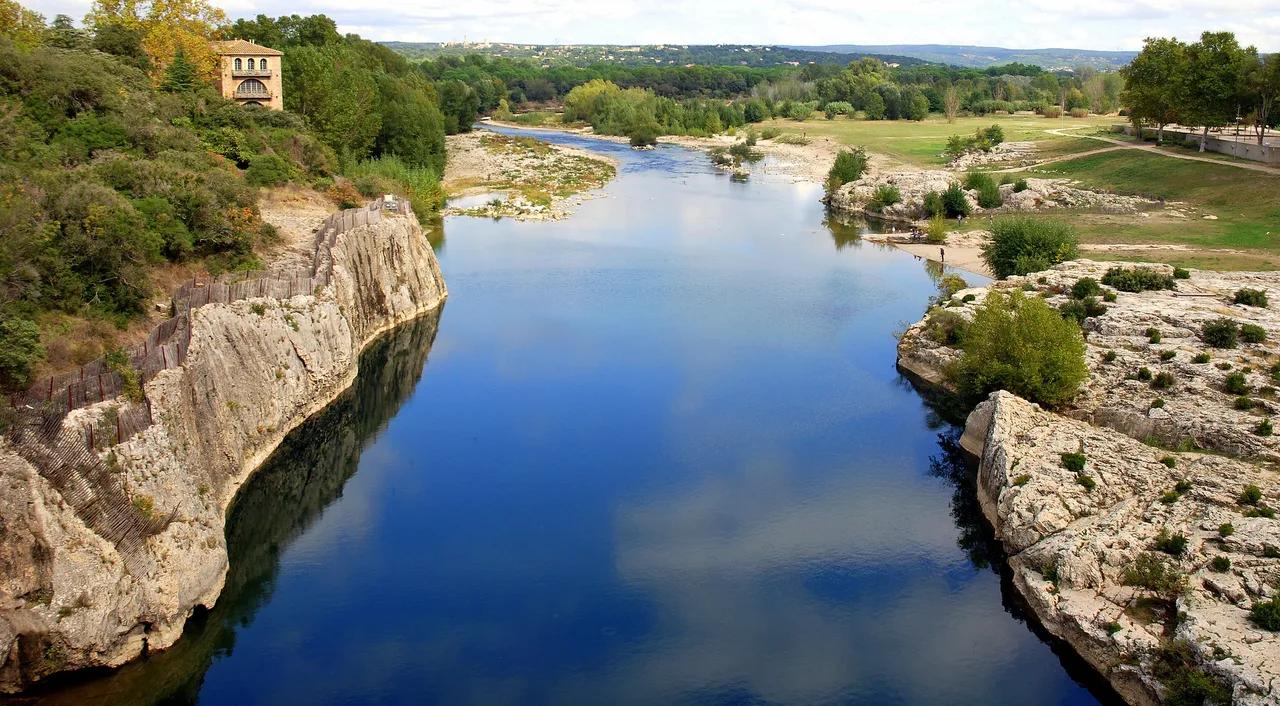
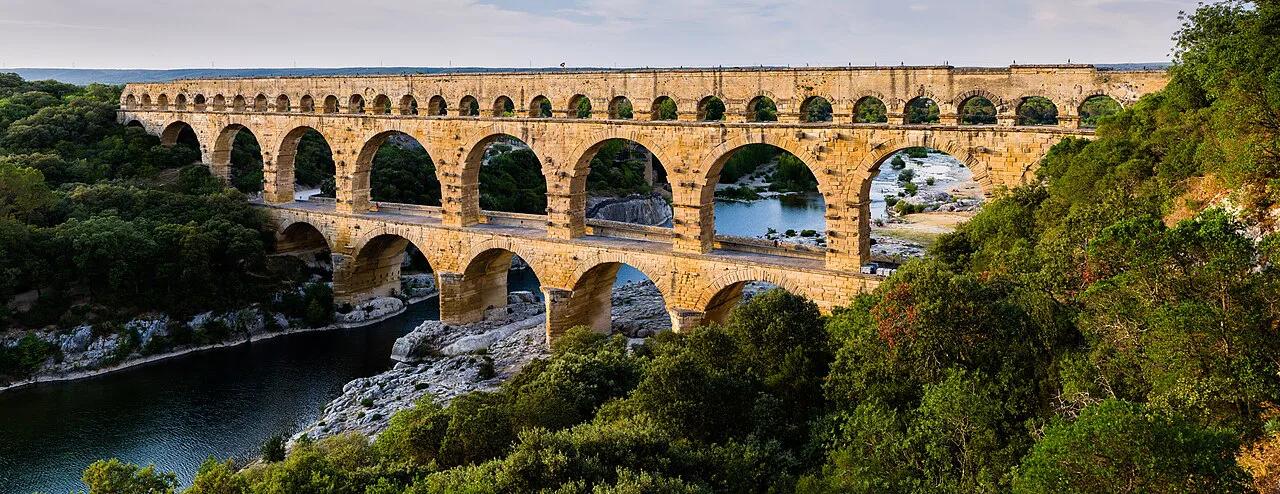
Yes, conditionally. The Gardon runs directly below the three-tier aqueduct, and gravel banks on both sides are the usual places to get in. Summer water is said to be roughly 18–22°C, which is cool but comfortable on a hot afternoon.
Conditions decide everything. A calm, low river is fine for confident swimmers and for wading with children. A river that has risen after rain is not, and swimming is banned then. Treat the river as a bonus on top of the monument rather than the reason to book a trip.
The riverbanks and the views of the aqueduct do not need a ticket, according to visitor information. Parking and the museum are separate costs, covered below. For current site notices, the official Pont du Gard site is the place to start.
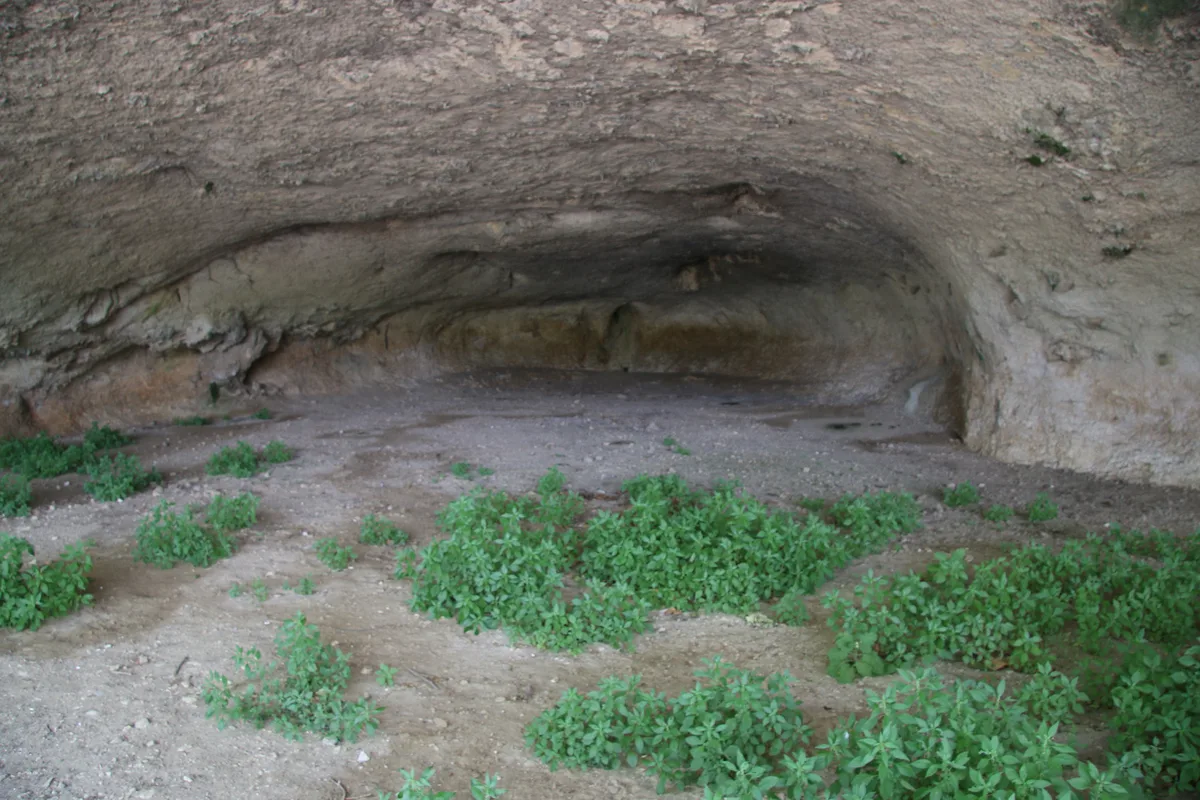
- Allowed: when the water is low and clear and the site permits it.
- Banned: after heavy rain, when the Gardon can rise quickly.
- Best for: confident swimmers, paddlers and families who stay in shallow water.
- Skip if: the river is brown, fast or visibly higher than normal.
Rules and When Swimming Is Not Allowed
Rules at a managed heritage site can change by season and by day. Notices at the entrance override anything printed in a guide, including this one. Staff can tell you whether the river is open for bathing that day.
The firmest rule is the rain ban. After heavy rain the Gardon can rise rapidly, and swimming is prohibited while levels are high. Upstream storms can affect the river even when the sky above the bridge is clear.
On arrival, ask at the entrance about three things. Ask whether bathing is open, whether any area is marked off, and whether any age or equipment limits apply. Written rules on lifeguard cover, dogs and jumping should be read on the spot rather than assumed.
The go/no-go table below turns river conditions into a simple decision.
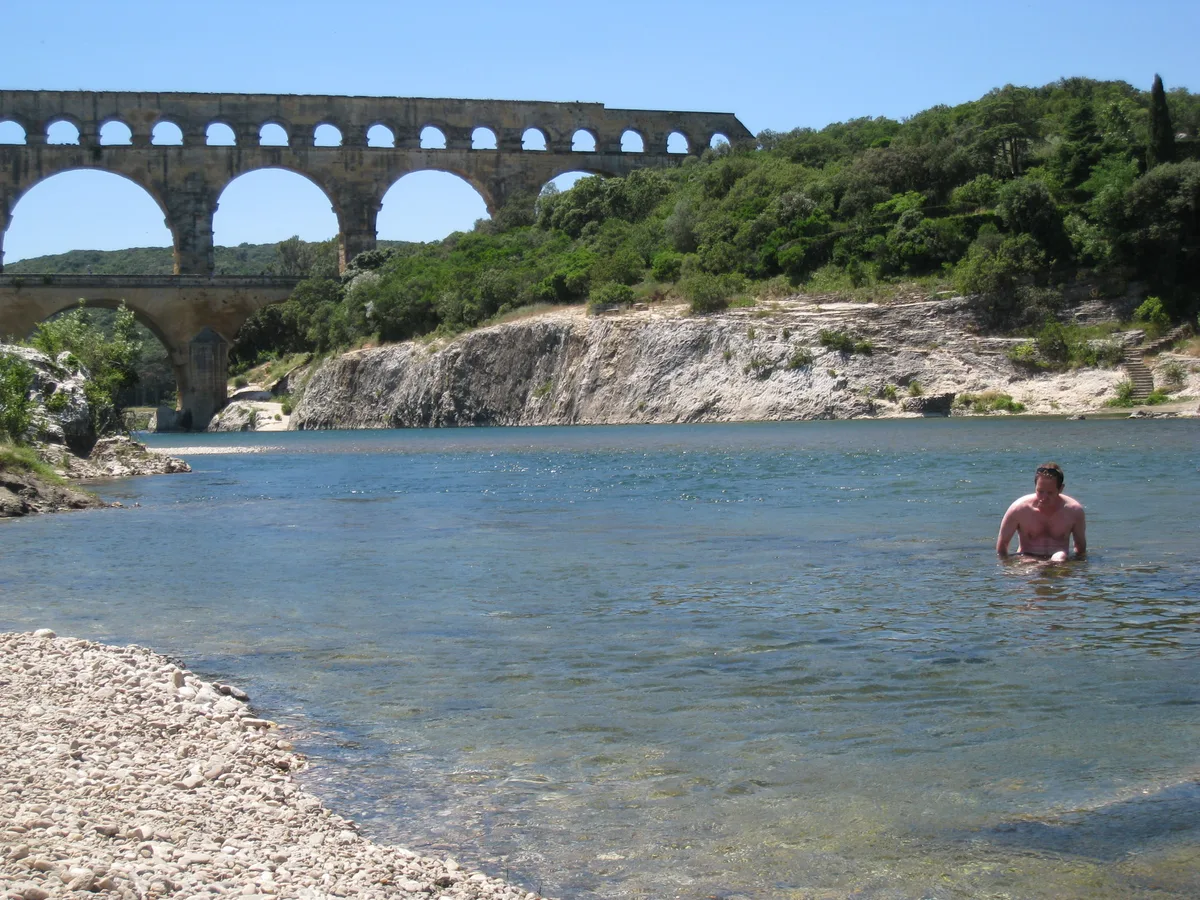
| River condition | What to do |
|---|---|
| Low, clear water and an open notice | Swim, staying near the bank |
| Clear but noticeably faster than a gentle flow | Wade only, with children held close |
| Cloudy, brown or higher than the gravel line | Skip the swim |
| Heavy rain in the last day or two | Skip the swim, because bathing is banned |
| Notice says bathing is closed | Skip the swim and follow the staff |
Where to Swim: The Two Banks Compared
Gravel beaches lie on both banks below the aqueduct. Visitor information describes the Remoulins side, the right bank, as the one with more organised facilities. The Vers-Pont-du-Gard side, the left bank, is described as slightly quieter and gives a better angle on the lower arches from the water.
Both banks are reached from the site, so you can look at each before choosing. Walk both on arrival if the river is open. Pick the one with the space and the calmer water that day.
Whatever you choose, the stones are uneven and can be slippery, so footwear matters. Pack the list below before you leave the car.
| Remoulins bank (right) | Vers-Pont-du-Gard bank (left) | |
|---|---|---|
| Facilities | More organised | Fewer |
| Crowds | Busier in peak summer | Slightly quieter |
| View | Aqueduct from the beach | Better angle on the lower arches |
| Best for | Families wanting amenities nearby | Visitors who want space and photos |
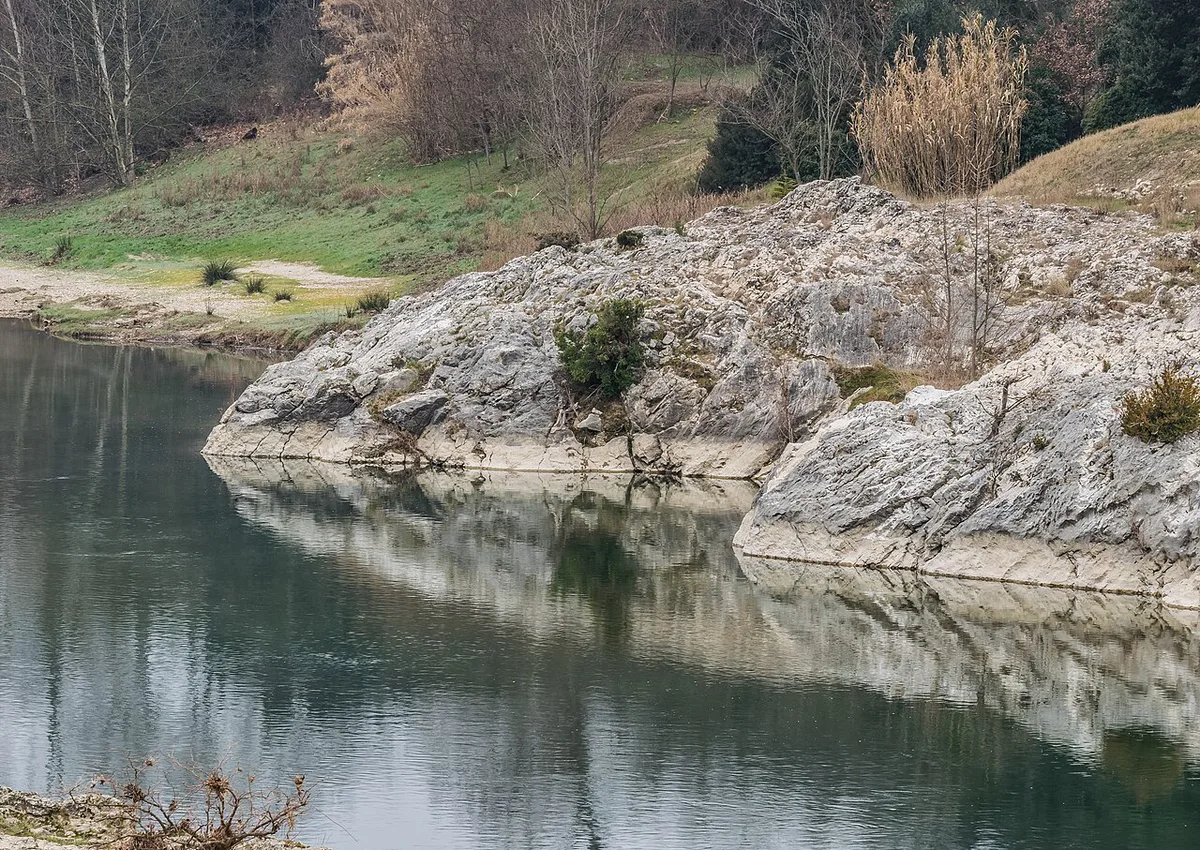
- Water shoes for slippery stones and gravel.
- A towel and a dry change of clothes.
- Drinking water and sun protection, since shade near the beaches is limited.
- A small bag you can carry across the site on foot.
Water Conditions and Safety Checklist
The Gardon drains limestone terrain upstream, which is why the water is described as clear. Clear does not mean risk-free. Currents rise and fall with weather you cannot see from the beach.
Entering the water slowly is the simplest precaution. Test the footing, feel the current and stay within easy reach of the bank. Confirm at the entrance whether any lifeguard is on duty, because you should not assume one is.
Jumping and diving from rocks or the arches is a bad idea in a shallow, stony river. Hidden stones and changing depths make it dangerous. Follow any posted rule on jumping.
Children need an adult within arm's reach at all times. Non-swimmers should stay in ankle-to-knee water and wear shoes. Flood and river-level information for the area is also published by official services, and the Gard tourism site is a starting point for regional updates.
- Do not swim if it rained heavily in the last day or two.
- Do not swim if the water looks cloudy, brown or faster than usual.
- Do not swim if a notice or staff member says bathing is closed.
- Do not swim alone, after drinking, or with young children out of reach.
- Do not jump or dive from rocks or structures.
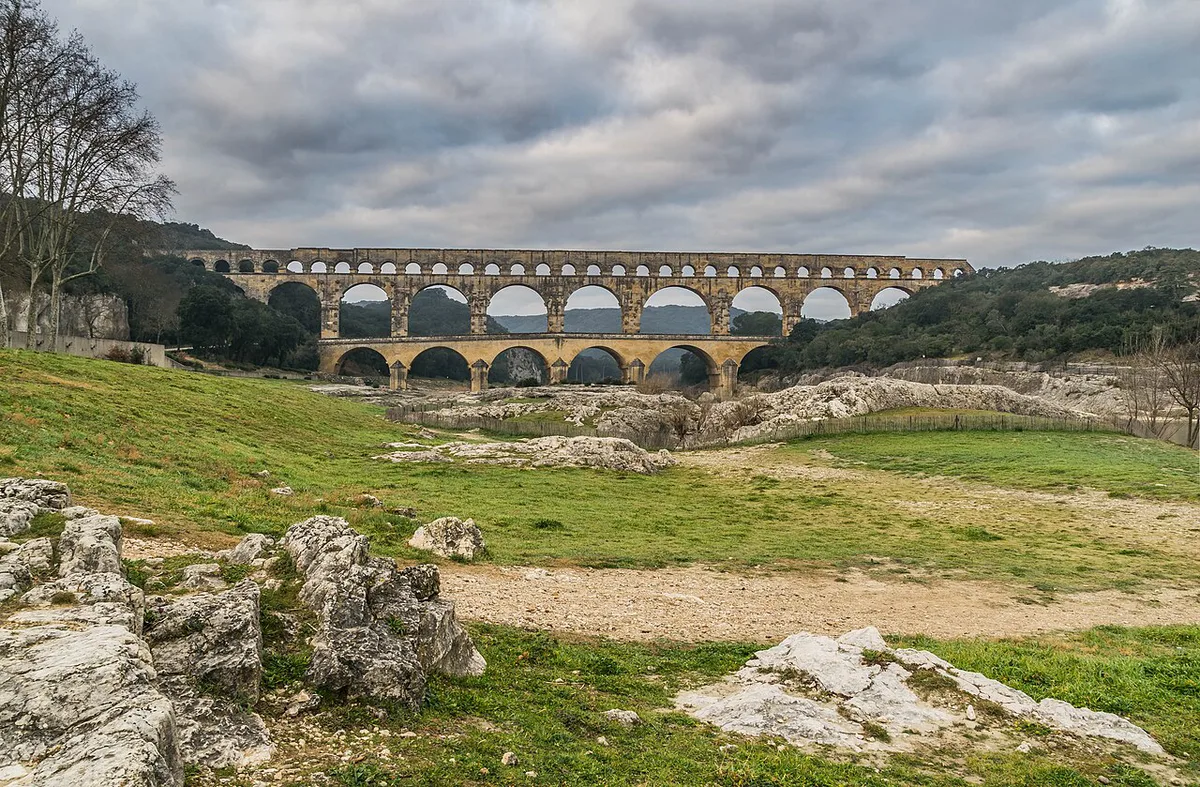
Best Time of Year and Day for a Swim
Summer is the practical swimming season. Warm air makes 18–22°C water feel refreshing rather than cold. Spring and autumn can still offer fine days for wading, but cooler air makes a full swim less appealing.
Arrive for the 9:00 opening, because midday heat and crowds are hardest on the banks.
Midday brings the heat and the biggest crowds. Late afternoon is calmer, and by around 19:00 in June the coach parties have mostly left. Weekdays outside school holidays are quieter than weekends and July–August peaks.
The table gives qualitative swim likelihood by month. It reflects typical southern France weather patterns, not recorded water temperatures, and a heavy rain ban can cancel any day.
| Month | Swim likelihood | Note |
|---|---|---|
| January–March | Very low | Cold air and water; walk and museum instead |
| April–May | Low to moderate | Wading on warm days; rain can raise the river |
| June | Good | Warm days and quieter evenings |
| July–August | Best | Warmest period, but also the busiest |
| September | Good | Warm early in the month, fewer people |
| October | Low to moderate | Autumn storms can close the river |
| November–December | Very low | Not a swimming season |
Costs, Parking and Access
Visitor information puts parking at around €9 per car and the museum at around €8 per adult. Those figures come from secondary information and were last checked in November 2026. Current fees are listed on the official site.
The riverbanks and views of the aqueduct need no ticket, so a swim itself costs nothing beyond getting in. The museum is the optional paid extra. Our guide to site tickets explains what each option covers.
Arriving late affects parking and closing times. The site is said to close its visitor centre and museum at 20:00 in summer. Plan to be back at the car before then, and leave time for the walk back.
A car makes this easiest. Without one, you rely on regional buses and a walk, which is covered in the next section.
Getting to the Gardon from Nîmes, Avignon and Remoulins
Pont du Gard is about 25 minutes by car from Nîmes and 35 minutes from Avignon. Marseille is around 1 hour 30 minutes away by road. Those times assume no traffic, so allow extra in July and August.
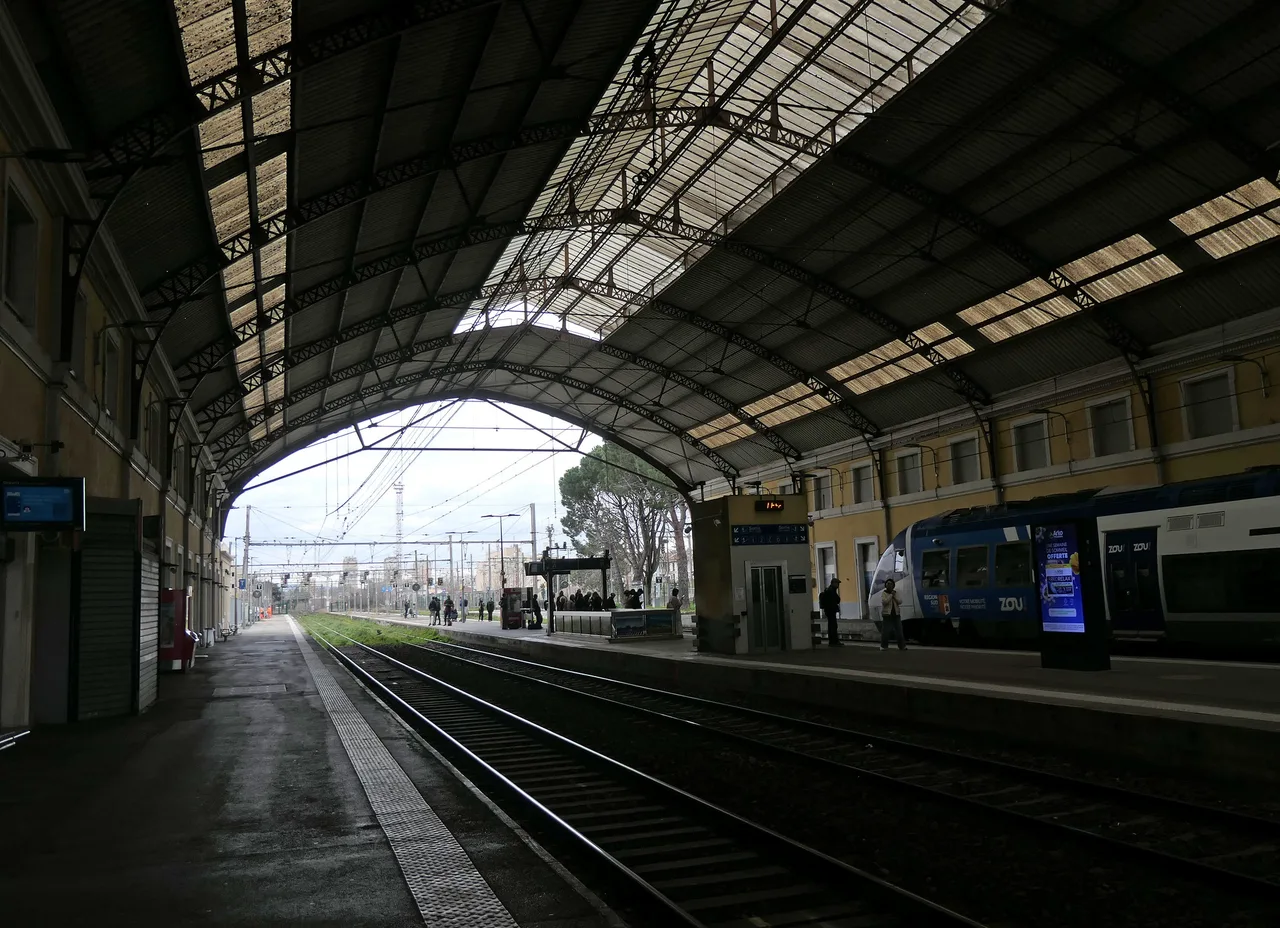
There is no direct public transport to the site. Regional buses reach the village of Remoulins, which is 3 km from the aqueduct. The final stretch is on foot.
For route details, see our guide to getting there from Avignon. A separate guide covers the route from Nîmes.
If you are carrying swim gear, the 3 km walk from Remoulins is workable in cool weather and tiring in summer heat. Most visitors who want a river swim are better off driving or sharing a taxi.
Building a Day: Walk, Museum, Swim
Start with the walk across and around the aqueduct while legs and energy are fresh. The site opens at 9:00, and early arrival means easier parking. Our Pont du Gard overview covers the monument and its route.
Keep 20:00 as your hard stop, since the walk back from the river eats into the evening light.
Next, spend time in the museum, especially if it is hot. Allow about 90 minutes if you are visiting with children and want the interactive section. That slot also lets the sun's worst heat pass.
Swim in the late afternoon if the river is open. Around 16:00 the crowds begin to thin, and the water is at its most inviting after a warm day. Stay on for the evening light, and leave before the 20:00 closing.
Some travelers fit this around a morning in Nîmes or Avignon. That makes the river the second half of the day rather than a rushed stop.
- Families with young children: stay in shallow water, wear shoes and keep a hand free.
- Confident swimmers: use the quieter bank and enter slowly.
- Photographers: the left bank gives a good angle on the lower arches.
- Visitors without a car: plan the Remoulins bus and the 3 km walk, or share a taxi.
If You Can't Swim: Kayak and Nîmes Alternatives
A closed river does not have to end the day. Paddling is another way to see the aqueduct from the water, and our guide to paddling the Gardon explains what is on offer. Operators also close on high-water days.
Back in Nîmes, a Roman circuit works in any weather. Start with the Roman sites in Nîmes overview to plan the order. The Nîmes arena is the biggest stop.
The Maison Carrée temple is a short walk away. The Tour Magne, Nîmes: Hours, Tickets, Climb & Pass sits on the hill above the gardens. A combined Roman pass may cover several of these entries, so price it against single tickets.
The Musée de la Romanité gives context for all of these sites. It makes a good wet-day anchor.
Frequently Asked Questions
How long is the Pont du Gard aqueduct?
Its longest level is given as about 275 metres, and it rises about 49 metres at its highest point. It was built in the 1st century CE to carry water to Nîmes.
Related guides
Continue reading
Guides on the same trip