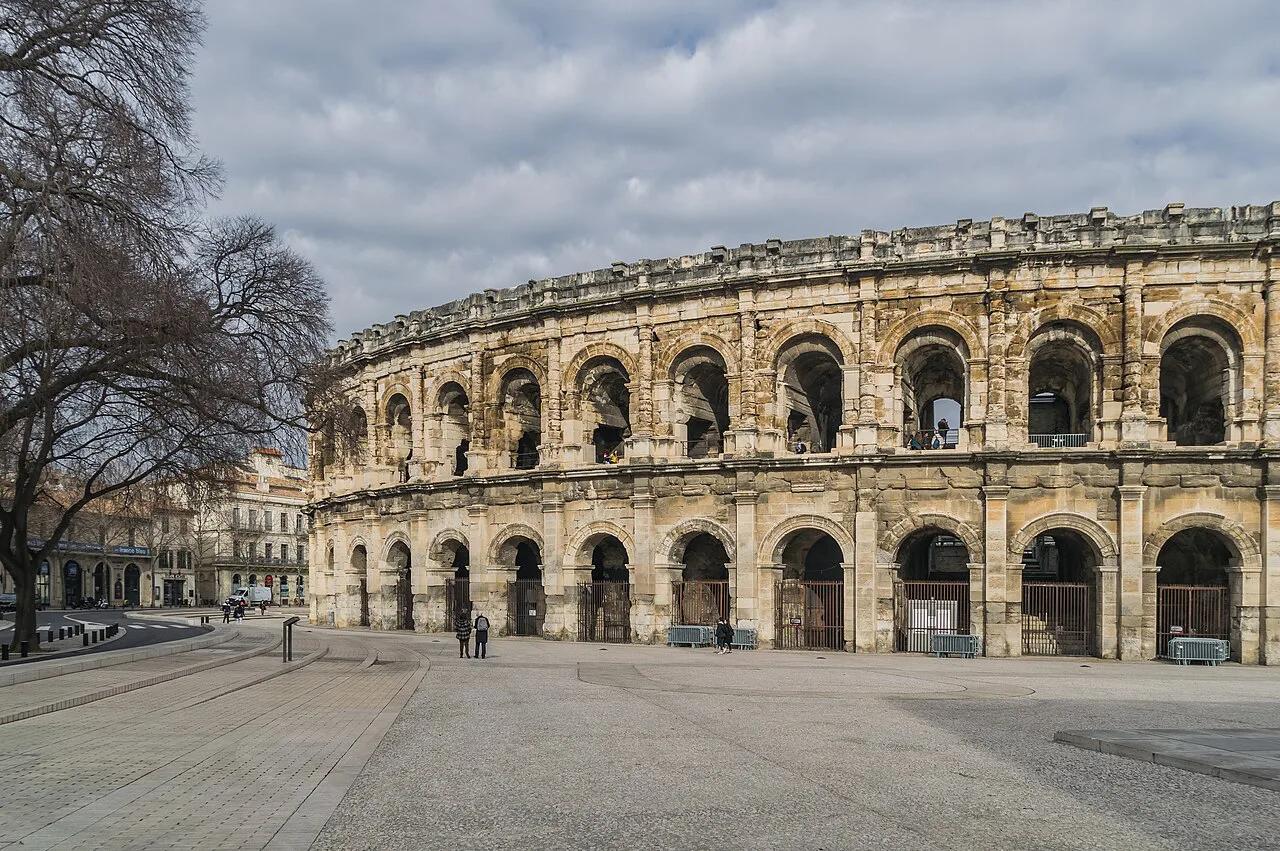
Last updated November 2026: the Arena of Nîmes is a Roman amphitheatre in central Nîmes that still hosts shows, and it is worth a stop on any southern France route. Plan 1–2 hours for the monument visit. History fans and one-Roman-site travellers get the most from it, and our Nîmes Roman sites guide shows where it fits in a wider day.
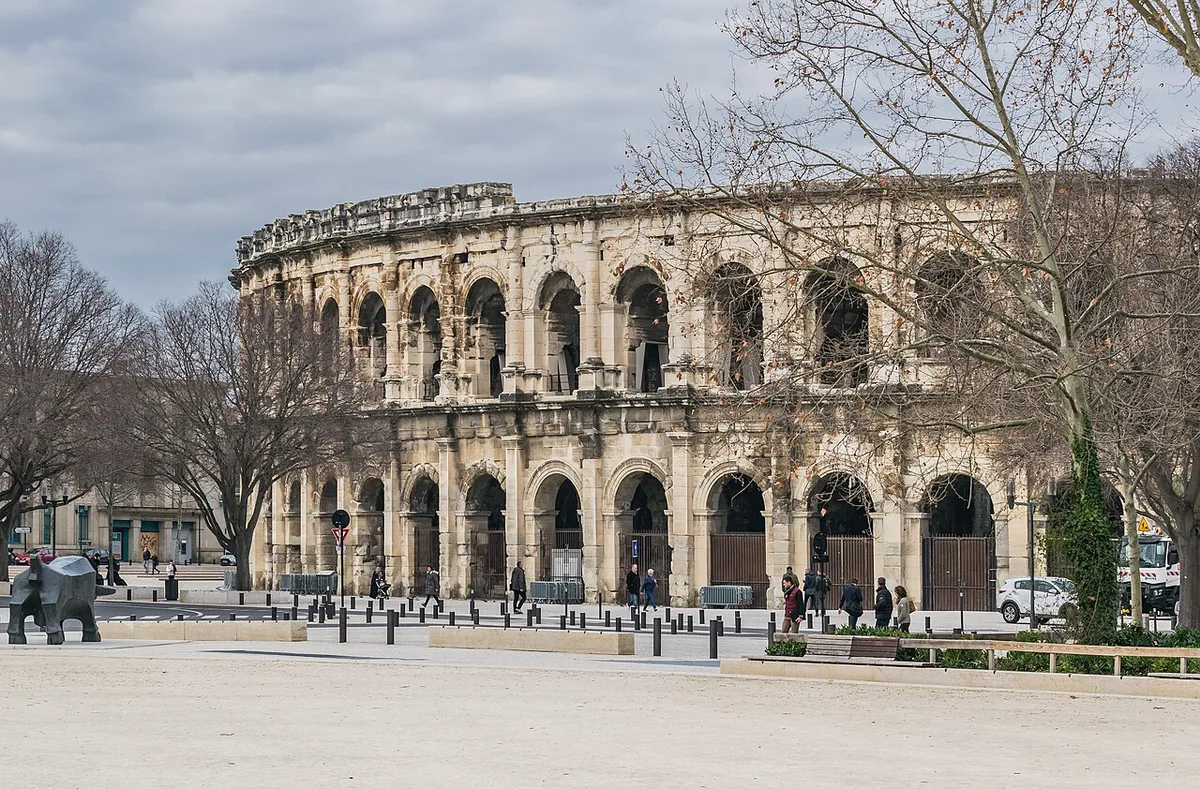
Featured image: Krzysztof Golik, CC BY-SA 4.0, via Wikimedia Commons.
Is the Arena of Nîmes worth visiting?
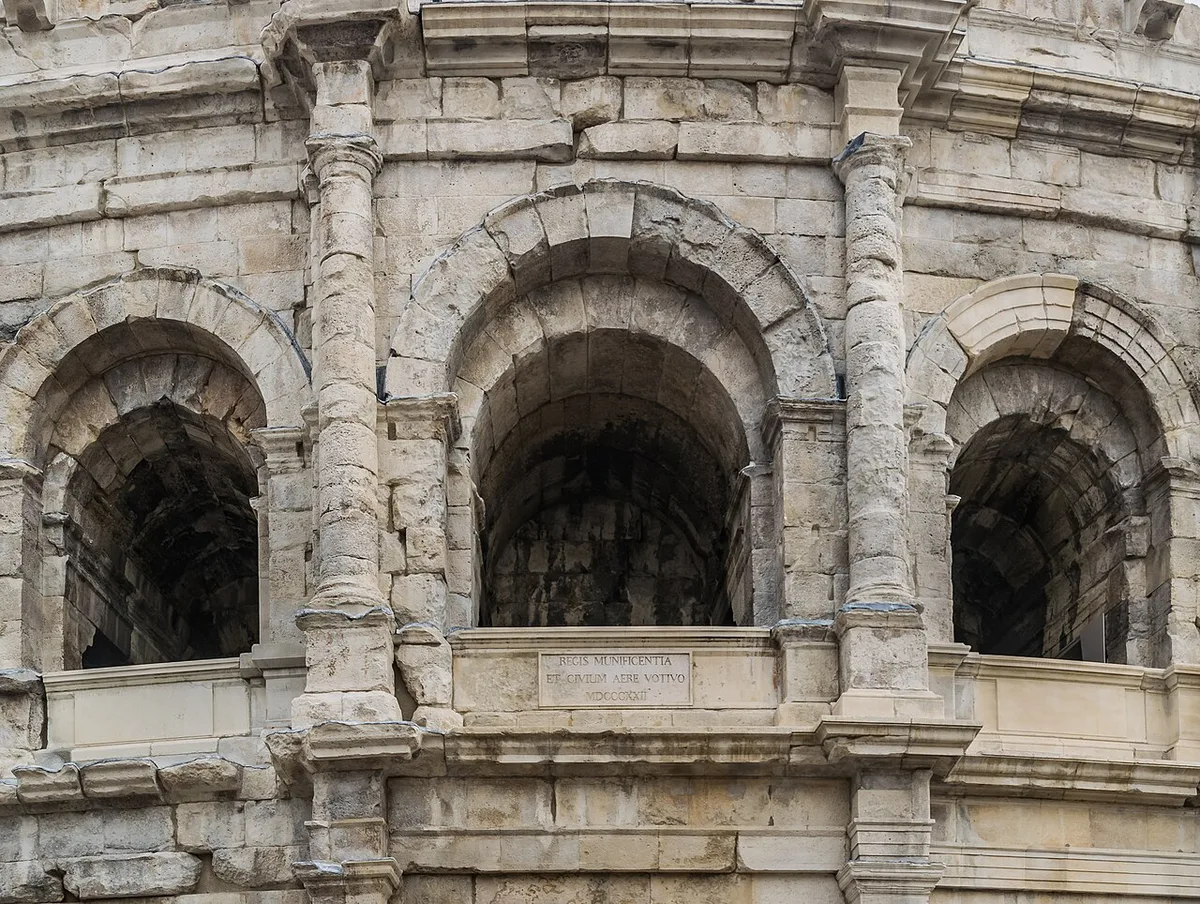
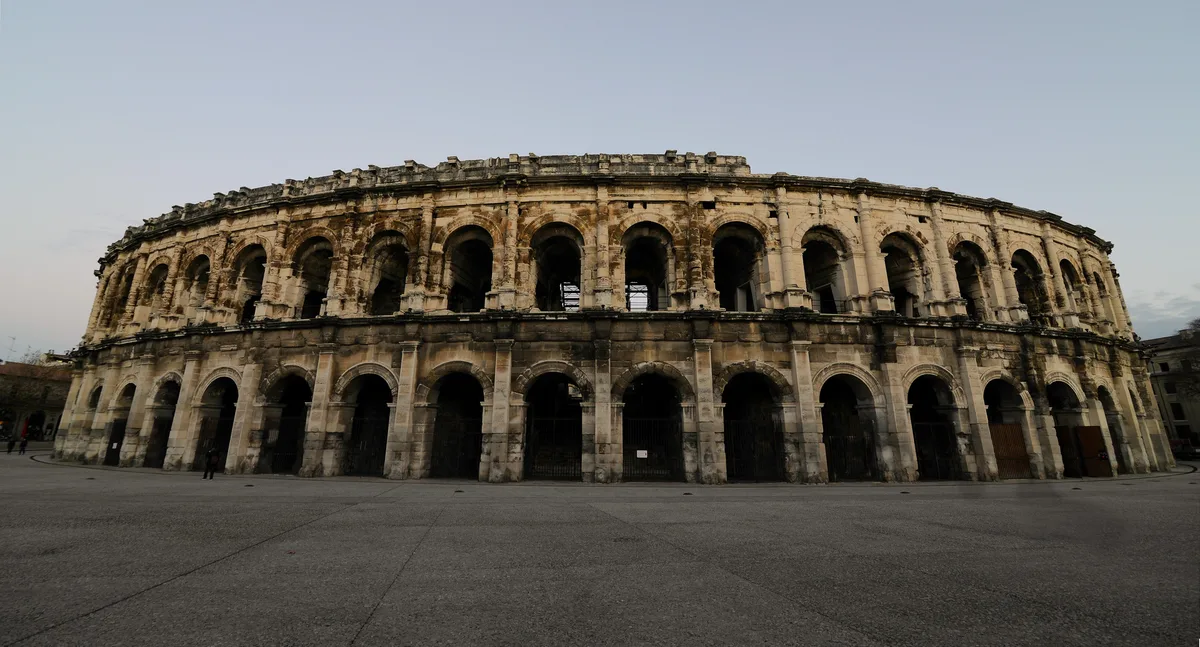
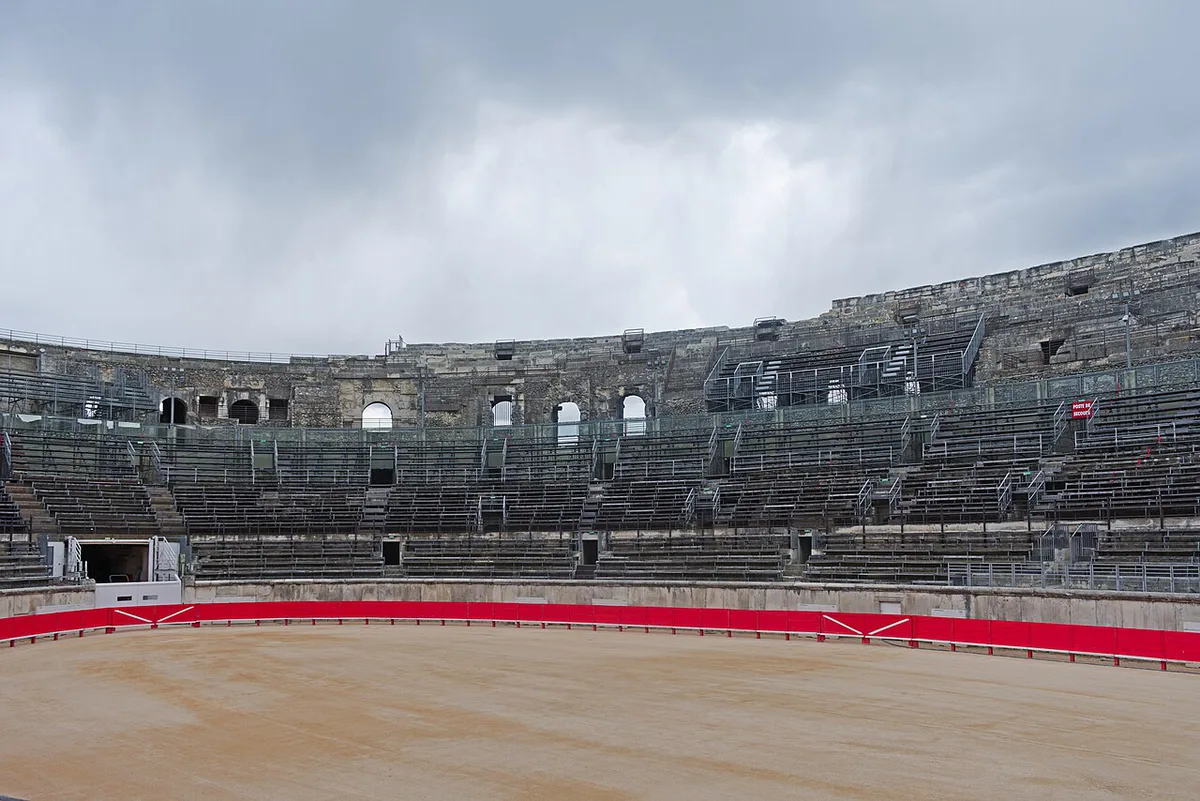
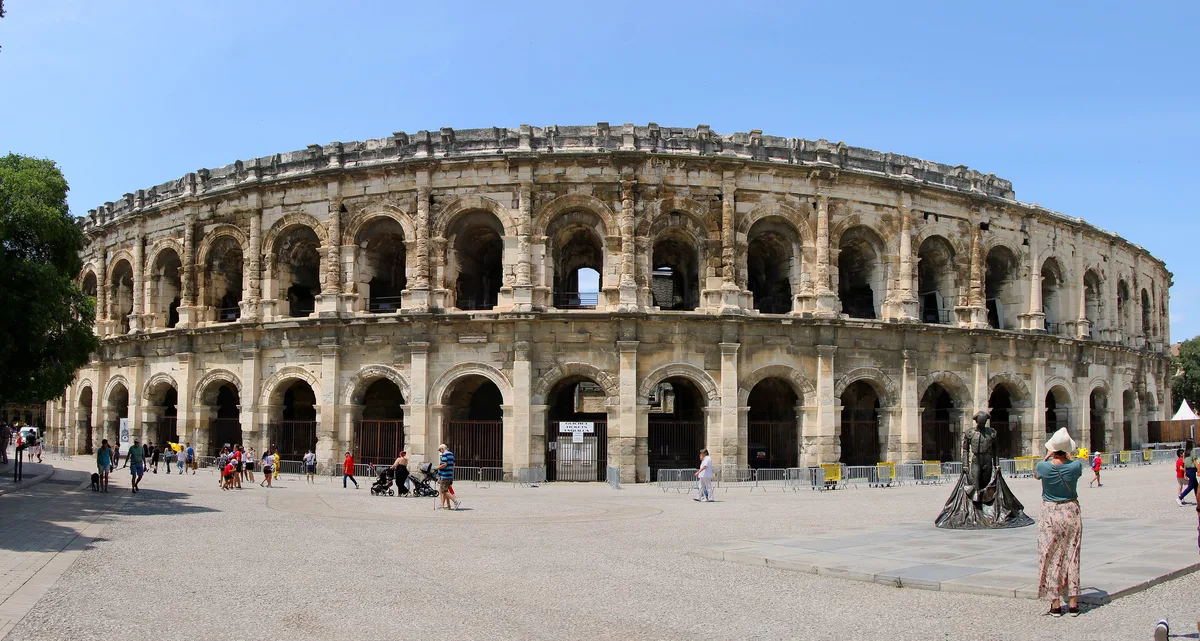
Yes, for most travellers. Roman builders designed it for about 24,000 spectators, and today you can walk its galleries and stand on the arena floor. Few amphitheatres let you do both. Architecture and history fans will want the full interior visit. Families get an easy, open-air stop with space to move. Photographers should look for the two tiers of arcades from the central floor and the stepped seating from the upper levels. If you only have time for one Roman site in Nîmes, choose this one. If you are passing through on a short Provence stop, a walk around the exterior still shows the scale, but the interior is where the monument makes sense.
Tickets, hours and what's included
Ticket prices, opening hours, closure days and audio-guide details are not confirmed here. Check the Nîmes tourist office for current figures before you go. Interior access can change during rehearsals and shows, so check dates if you are travelling in event season. If you plan to see several monuments, read our Nîmes Roman pass guide to see whether a combined ticket suits your route.
How long to spend and how to sequence it
Allow 1–2 hours for the arena itself. A quick look at the exterior and a lap of the lower level fits into well under that. A full visit with an audio guide and the upper galleries takes the longer end. From there, pair it with the Maison Carrée, a Roman temple in the old centre, then climb to the Tour Magne, Nîmes: Hours, Tickets, Climb & Pass for a view over the city. Add the Jardins de la Fontaine if you have the energy. That makes a comfortable half-day or full-day Roman route.
Budget 1–2 hours for the arena itself, which leaves little room for a Pont du Gard visit in the same day.
| Site | What it is | Typical time | Best for |
|---|---|---|---|
| Arena of Nîmes | Roman amphitheatre and working venue | 1–2 hours | Architecture, history, families |
| Maison Carrée | Roman temple | Short stop | Photographers, architecture fans |
| Tour Magne | Roman tower above the city | Short stop plus climb | City views |
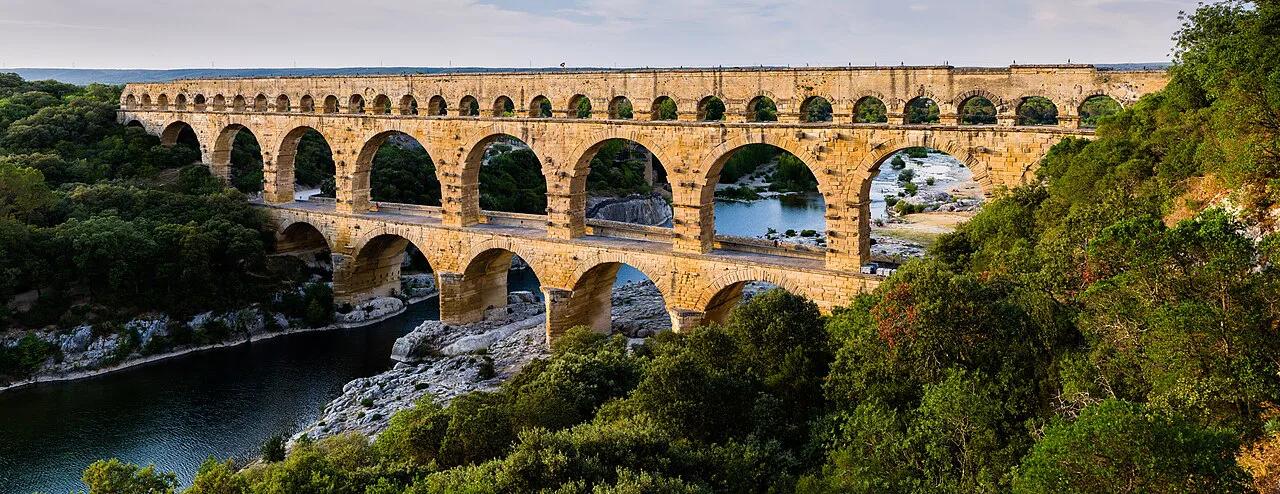
| Pont du Gard | Roman aqueduct bridge outside Nîmes | Half a day with transport | Engineering and walking |
- 2 hours: arena interior with the upper galleries, then a look at the Maison Carrée from outside.
- Half a day: arena, Maison Carrée, then Tour Magne.
- Full day: add the Jardins de la Fontaine and a slow lunch in the old town.
What you'll see inside
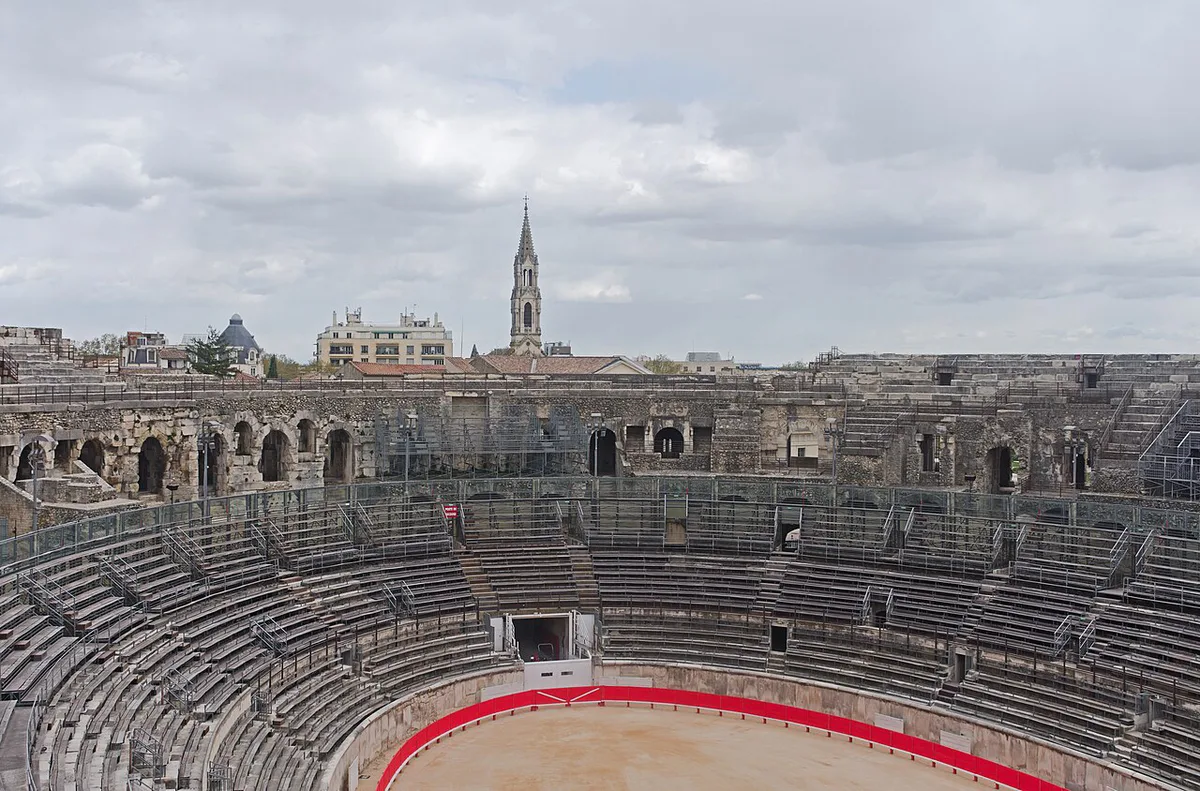
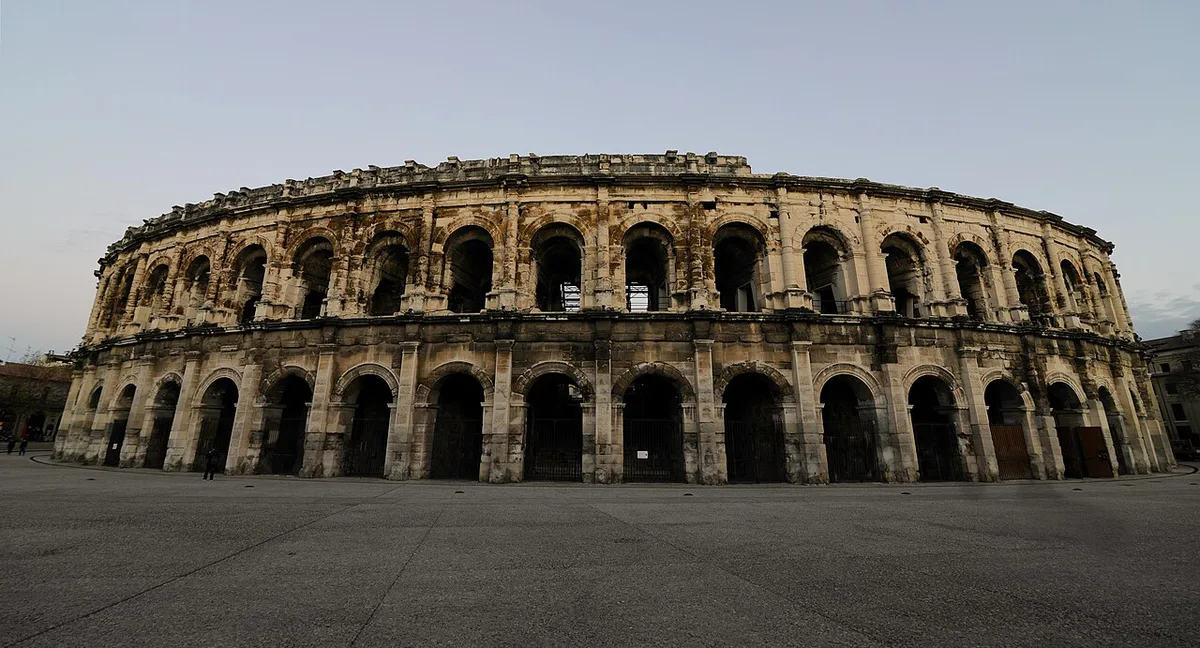
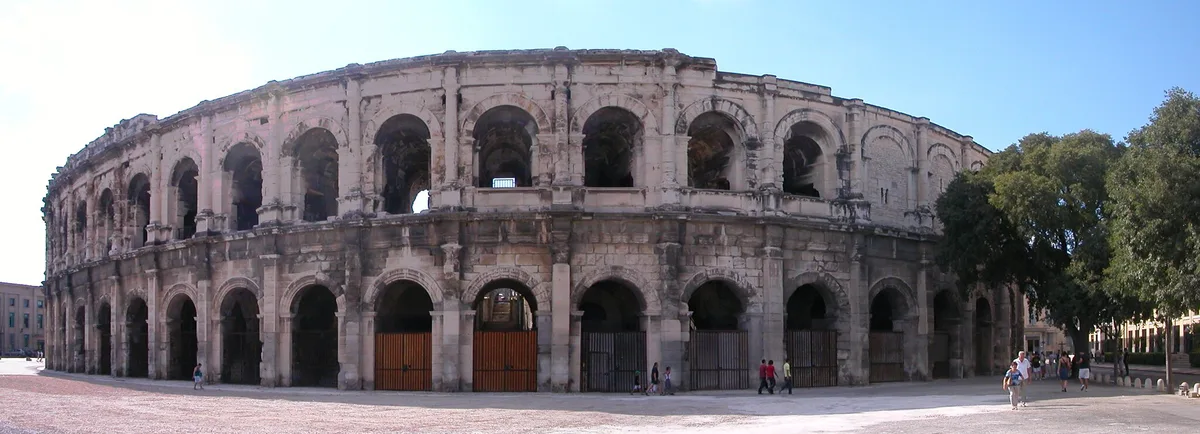
The oval building measures 133 m by 101 m, and its façade rises 21 m in two tiers of 60 arcades. Inside, the arena floor is 68 m by 38 m. You can climb the seating tiers, walk the corridors and look for the vomitoria, the passages that once let crowds pour in and out. Expect stairs and uneven stone, so ask the official site about mobility access before you plan the visit. Summer brings heat, because the stone bowl offers little shade. Go early or late in the day in July and August. Briefly, the building later served as a fortress and then as a walled town of about 100 houses, cleared in the early 19th century.
History of the Nîmes amphitheatre from Roman games to modern shows
The amphitheatre went up in the late 1st century AD, when Nîmes was the Roman colony of Nemausus. It hosted gladiator combats and animal hunts for a crowd of roughly 24,000. Those games explain the layout you walk through today: separate entrances, radiating corridors and tiered seating that sorted spectators by rank.
- Late Roman and early medieval period: as public games faded, the stone bowl was fortified and reused as a defensive position.
- Middle Ages: houses and a small walled community filled the arena and the arcades. That is the settlement mentioned above, and it was cleared in the early 19th century.
- 19th century onward: restoration returned the oval to its open form. It became a bullring and then a general events venue, which it remains.
The continuous use is a large part of why the monument survives in such good condition. Look for worn stairways and repaired blocks as you climb. They show where later builders patched the original stonework.
Events, bullfights and shows on an event night
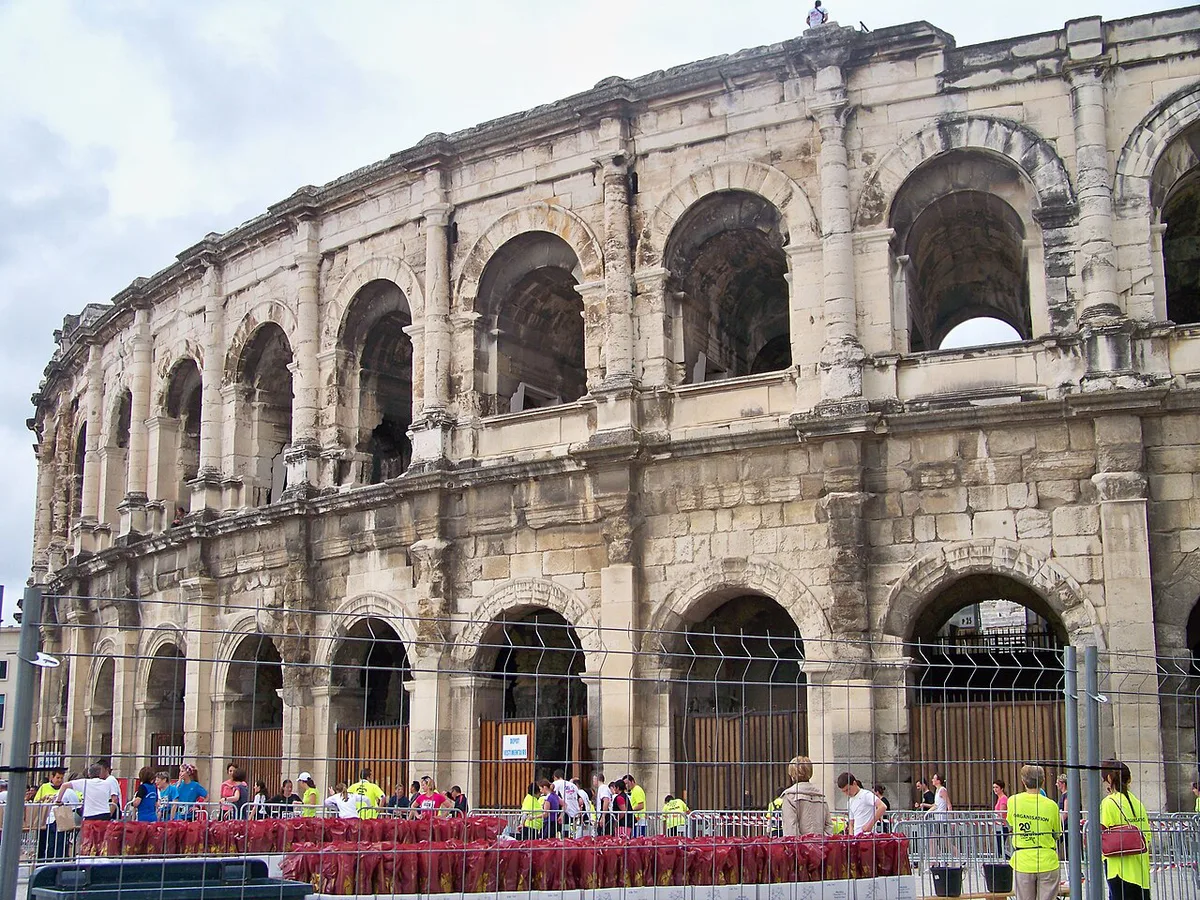
The Arènes de Nîmes are a working venue as well as a monument. The Feria de Nîmes brings bullfights in spring and autumn. Other programming includes the Great Roman Games reenactments, concerts and the Festival de Nîmes. Bullfighting is part of local tradition and is controversial, so decide whether it suits you before you buy. Buy tickets only through the venue or the event organiser, because resale sites add confusion and are not a source for hours or access. Feria weeks bring crowds and street closures, so book accommodation early.
Built for about 24,000 spectators, the arena can still feel packed on feria weeks, so expect crowds.
- Monument visit: daytime, interior access, audio guide, calm pace.
- Event night: seating for a show, crowds, and a fixed programme.
- Mistake to avoid: assuming the interior is open during a rehearsal or set-up week.
Getting there and combining with Pont du Gard
The arena stands on Boulevard des Arènes in central Nîmes, so you can reach it on foot from most central hotels. Parking in the old centre is tight, so leave the car outside the core if you can. For the aqueduct, follow our Pont du Gard from Nîmes route. Our main Pont du Gard guide covers the site itself. Staying in Avignon instead? Use our Avignon day-trip route. Do not squeeze Nîmes and the aqueduct into one afternoon without checking transport. The arena is a 1–2 hour city stop, while Pont du Gard needs a transport leg. See the official Pont du Gard site for visitor details.
How Nîmes compares with Arles, Verona and the Colosseum
Southern France has more than one Roman amphitheatre, and travellers often ask which to prioritise. A short comparison helps if you are building a wider route.
| Monument | Approximate size | What stands out |
|---|---|---|
| Arena of Nîmes | 133 m by 101 m | Very well-preserved façade and still in active use |
| Arles amphitheatre | Slightly larger footprint | Similar design, medieval towers, a short rail or road hop from Nîmes |
| Verona Arena | Larger, in northern Italy | Opera season in a Roman setting |
| Colosseum, Rome | About 188 m by 156 m | Far bigger, with a ruined outer wall and much heavier crowds |
Nîmes and Arles share a basic plan of two tiers of 60 arcades, so seeing both is rewarding but repetitive. If you have time for only one in Provence, Nîmes is the easier choice because the interior is open on most days and its Roman centre is compact. Anyone covering the Rhône valley by train can add Arles as a second amphitheatre stop. Check each site's own schedule first, as access changes around events.
Related guides

Continue reading
Guides on the same trip