
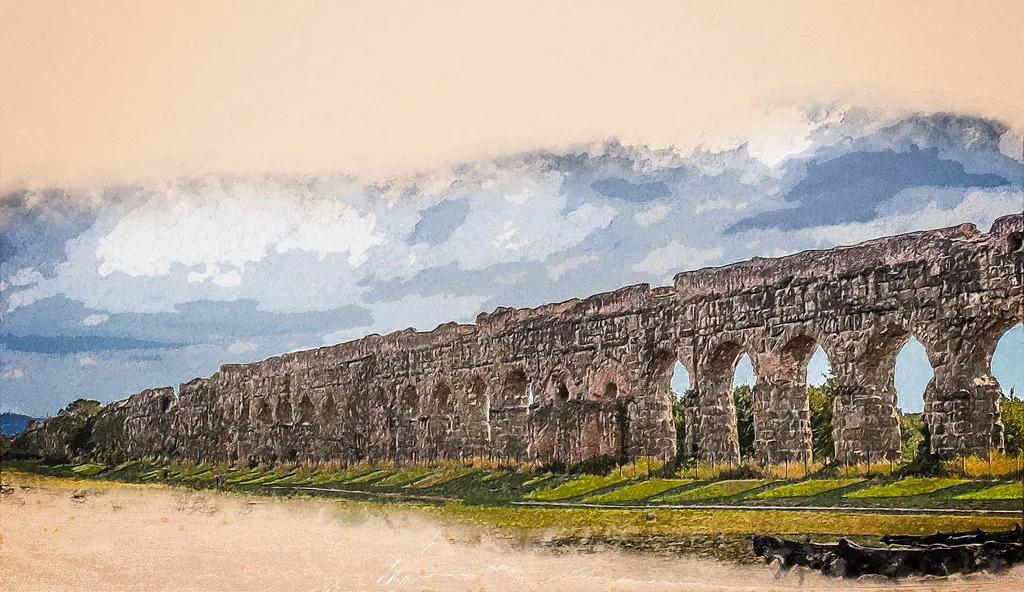
Parco degli Acquedotti, Rome: How to Visit the Aqueduct Park
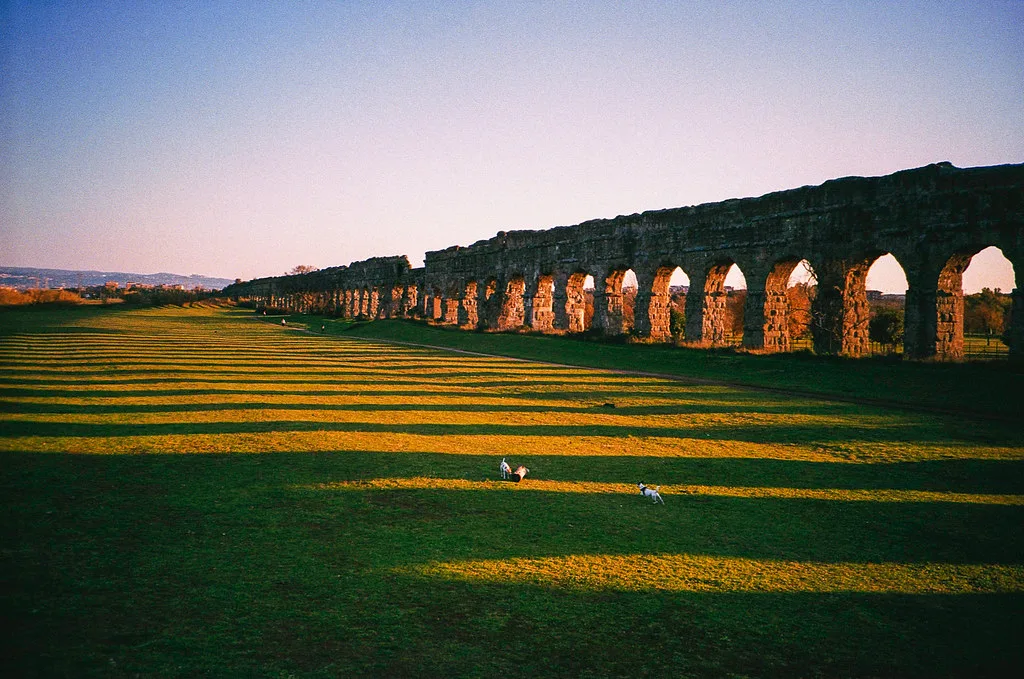
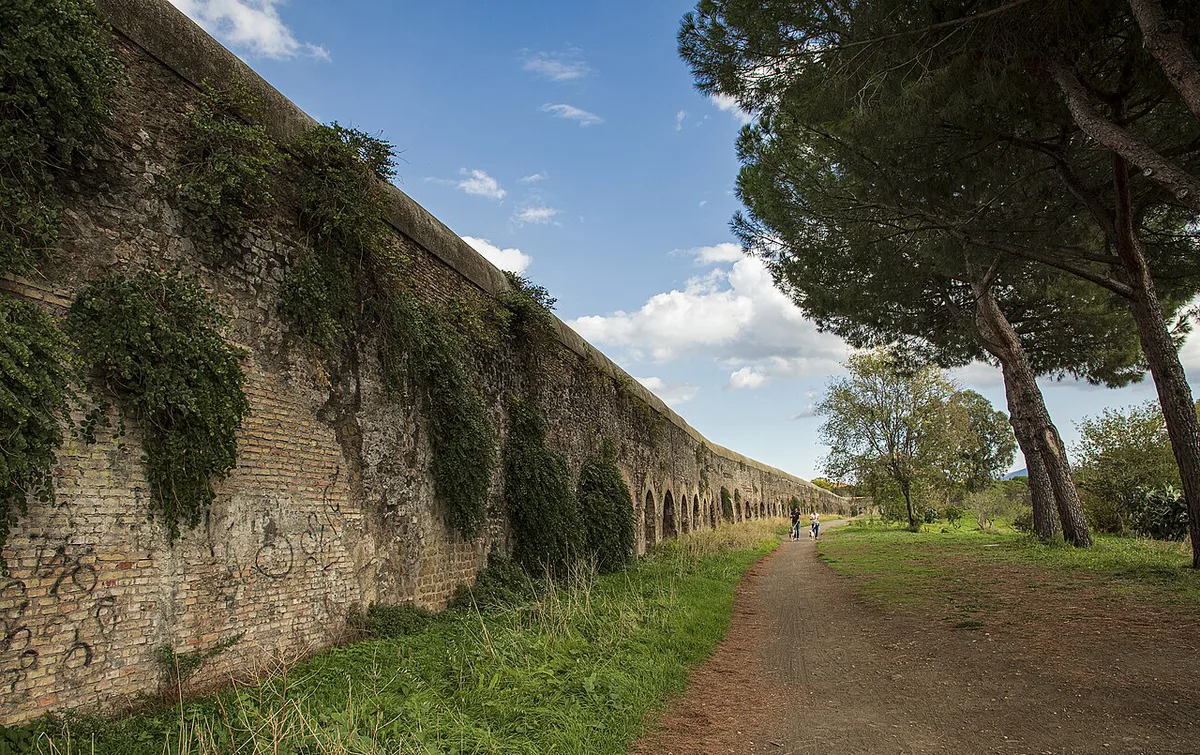
Last updated November 2026. Parco degli Acquedotti, the Park of the Aqueducts, is a free public park on Rome's southeastern edge, inside the Appian Park. You walk open grass beneath tall aqueduct arches, which makes it a quiet half-day outing away from the central Roman ruins.
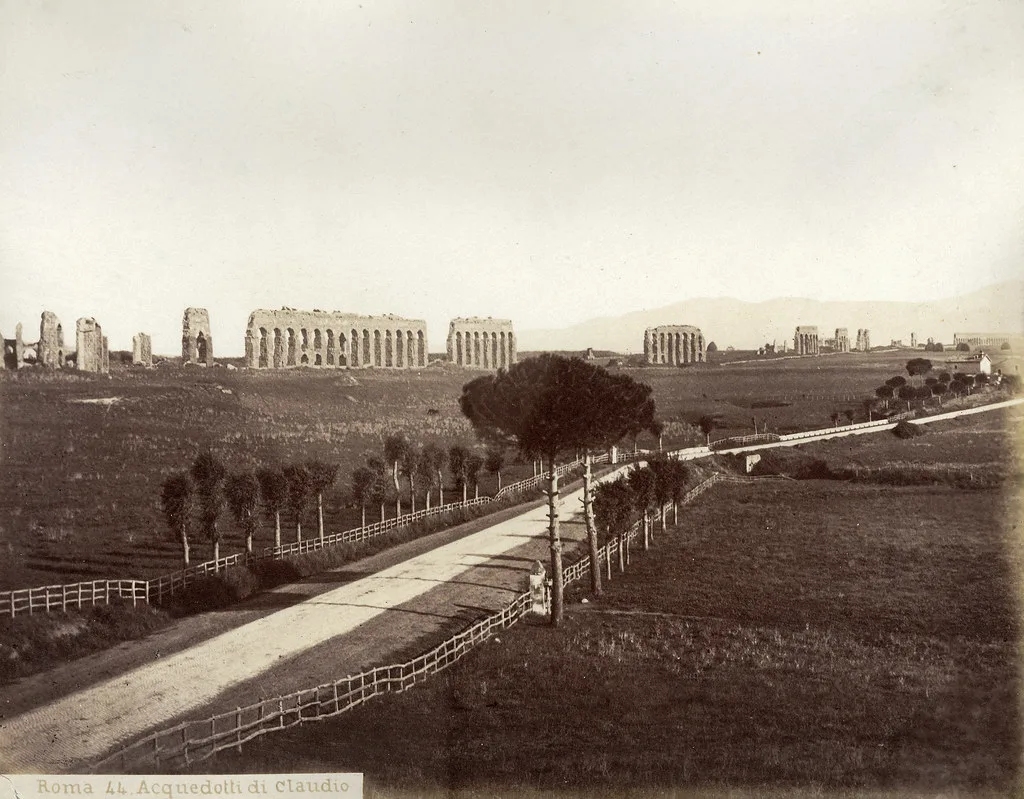
Featured image: Me in ME, CC BY 2.0, via Flickr.
Parco degli Acquedotti: what it is and who it suits
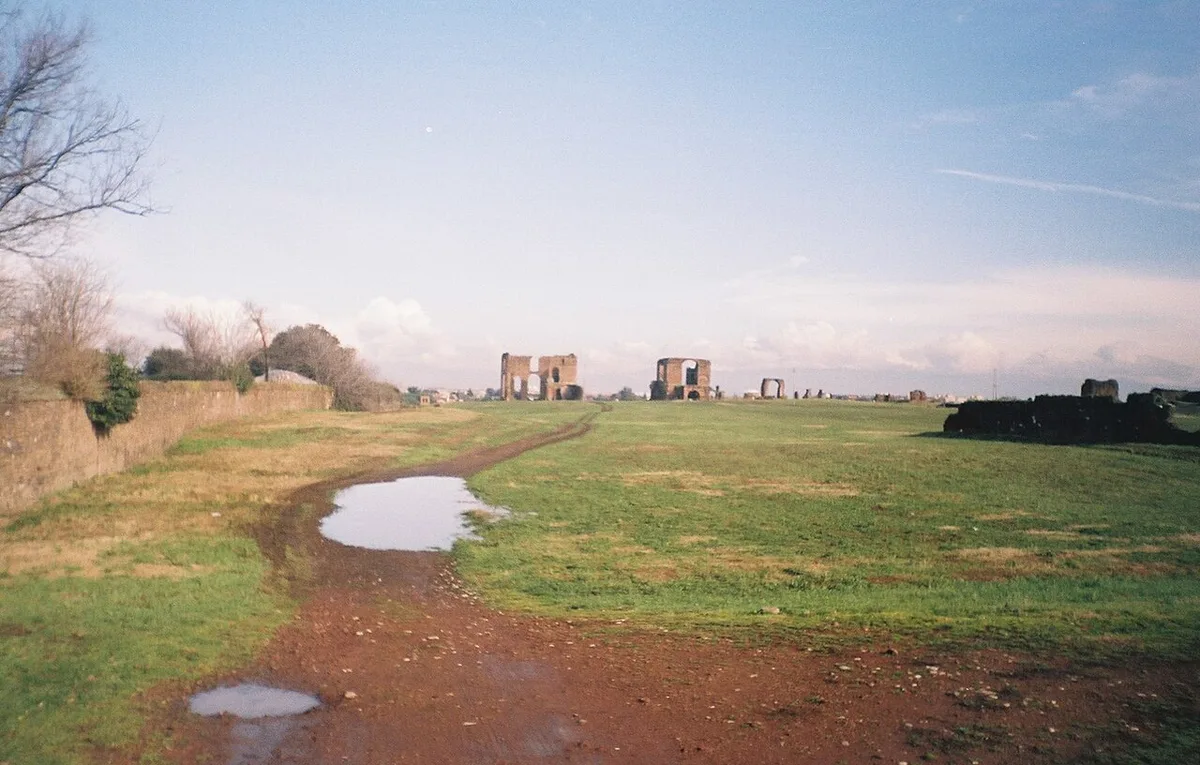
This park sits within the Appia Antica Regional Park, on the southeastern side of the city. Its address is usually given as Via Lemonia. Turismo Roma describes the park as a landscape of the Roman countryside in an atmosphere suspended in time. Ruins like these once ran unbroken between Rome and the Colli Albani.
- Go if you want open space, photography and a quieter ruin experience.
- Skip it if you only have a few hours and want the headline monuments.
What you'll see along the aqueducts
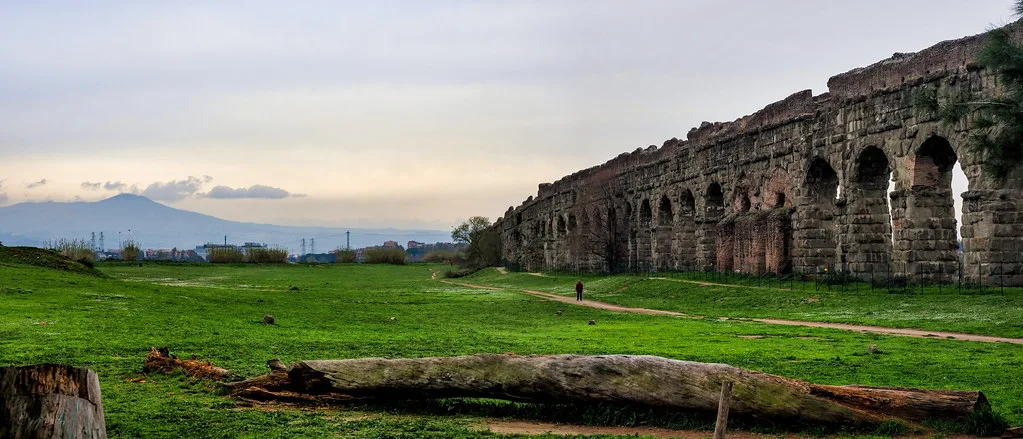
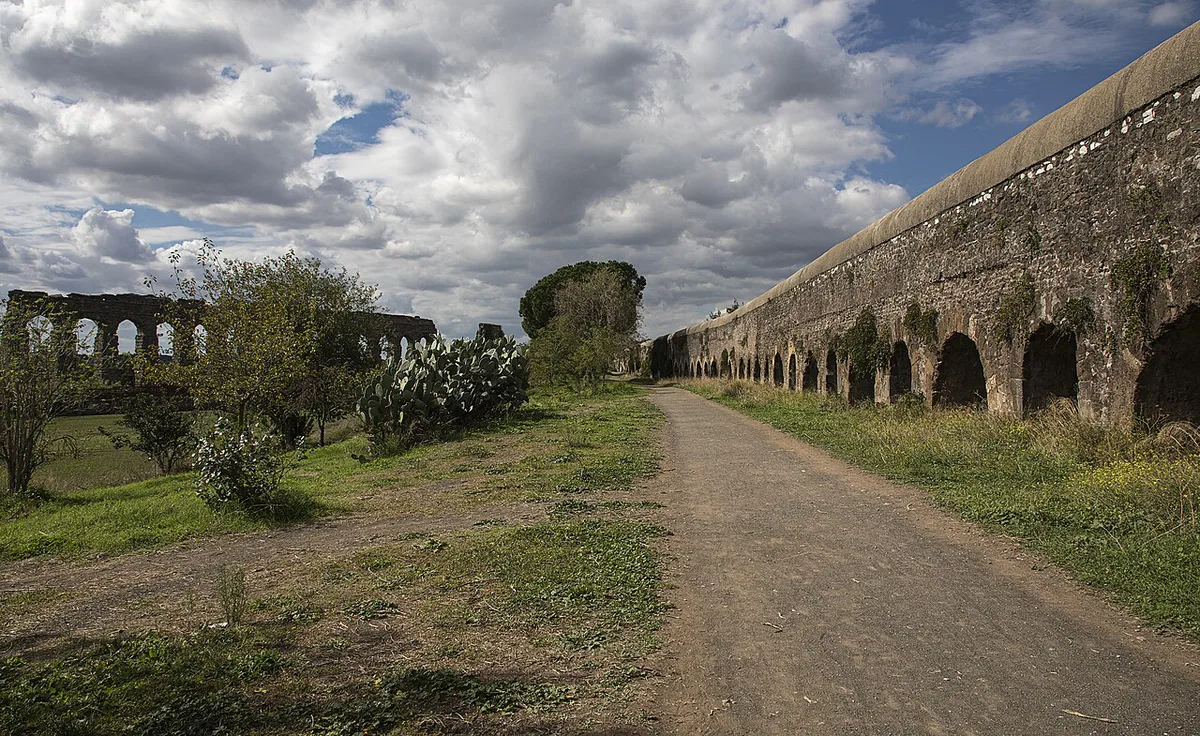
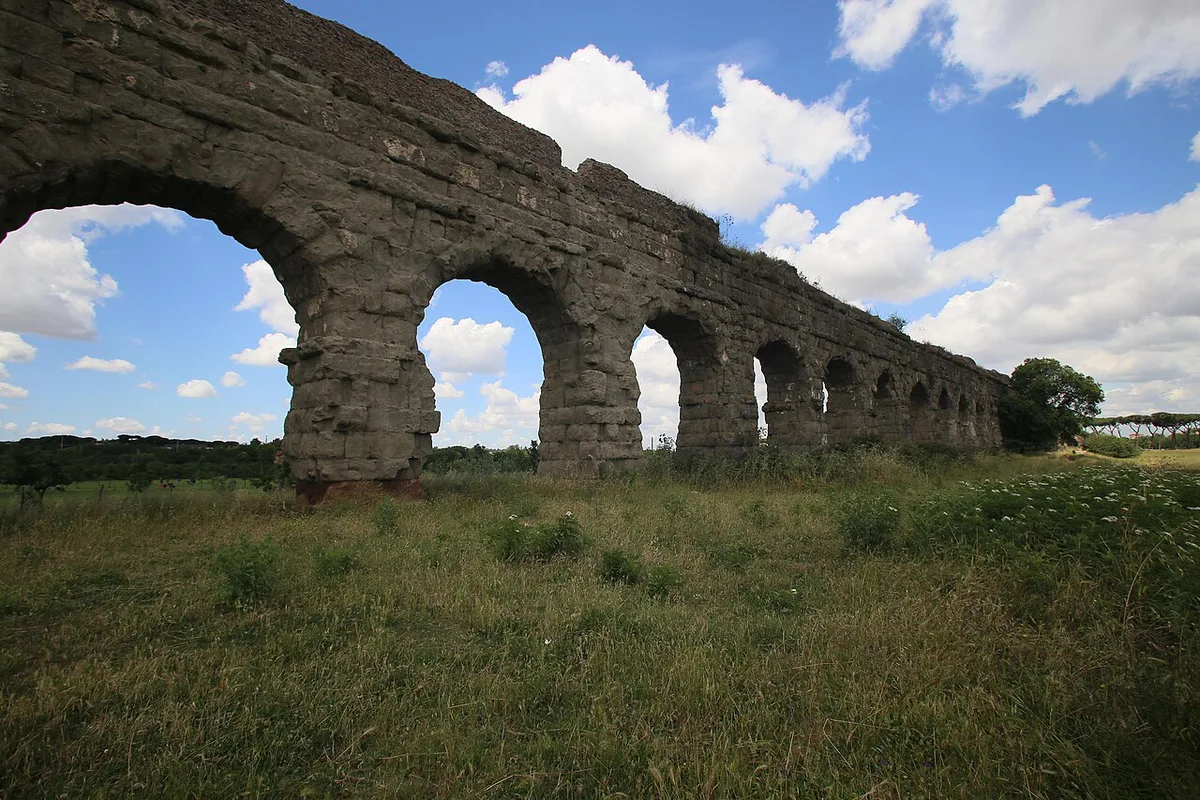
Six of the eleven aqueducts that supplied ancient Rome ran through this area. They were the Anio Vetus, Aqua Marcia, Aqua Tepula, Aqua Iulia, Aqua Claudia and Anio Novus. The Anio Vetus ran fully underground, so you will not see it as arches. Tall arches belong to the Claudian aqueduct. Lower arches belong to the Acquedotto Felice, built in the Renaissance under Sixtus V. That height difference is the easiest way to tell Roman work from Renaissance work. In the 18th and 19th centuries, artists, landscape painters and Romantic-era travellers came here for the same view.
How to get there, costs and hours
Search for Via Lemonia in your map app and work backwards from the nearest metro or bus stop. Entrances, gate times and rules are set by the park authority, so read the current notes on the Appian Park site before you set out. Rome's public transport operators publish current stop names and routes.
Metro Line A stations and the walk to Via Lemonia
The park has no metro station of its own. The practical approach is Metro Line A, southeast of the centre, then a short walk. The stations usually used are Giulio Agricola, Subaugusta and Cinecittà. All three sit on the same stretch of the line, so any of them puts you within a walk of the Via Lemonia side of the park.
- Plan the walk before you leave. Mark Via Lemonia on an offline map. Phone signal can be patchy once you are among the arches.
- Allow extra time. Budget a walk from the station to the entrance, then more time on the park paths. The arches are spread out, and you will be on foot the whole way.
- Check the stations first. Line A works and station closures happen. Look at the operator's service notices on the day of travel.
- Plan the return. Evening light is best for photos, but the walk back to the metro will be after sunset. Leave yourself enough daylight, or know the route in advance.
A standard Rome single ticket covers metro and city buses, and Line A stations sell it. Fares change, so check the current price on the transport operator's site.
How long to stay and what to bring
Plan a slow half-day if you want to walk the length of the arches and take photographs. Wear closed shoes, because paths in a countryside park can be uneven and muddy after rain. Bring water and food, since an open park on the city edge may have little or nothing on site. Avoid midday summer heat, when shade along the arches is limited. Low evening light suits photography best.
Nearby sites: Villa dei Quintili and Tor Fiscale
The park is a good base for a southeastern Rome day, because other sites sit close by. They are separate places with their own access rules, so treat each as its own stop.
- Villa dei Quintili. This large Roman villa complex lies on the Appian Way side of the same regional park. Unlike the aqueduct park, it is a managed archaeological site. Check the Parco Archeologico dell'Appia Antica website for opening days, ticket prices and entry rules before you go.
- Parco di Tor Fiscale. This is a nearby green area where the Claudian aqueduct and the Renaissance Acquedotto Felice cross. It suits visitors who want more arches after walking the main park. Check the route on a map, because the distance on foot is greater than it looks.
How to combine them: start with the aqueduct park in the morning, when the light is gentler and the grass is dry. Then add one other site, not two. Distances here are longer than in the centre, and the paths between sites are not always direct.
If you are short on time, keep to the aqueduct park alone. It is the free, open-air option, and it keeps the day light.
The Appian Way and the Tomb of Caecilia Metella
If the aqueduct park leaves you wanting more of the Roman countryside, the Appian Way (Via Appia Antica) is the natural next step. It lies on the same regional park's western side. Appius Claudius Caecus began the road in 312 BC, and it ran south from Rome toward Brindisi. Long stretches still carry the original basalt paving, with tombs and ruined monuments on either side.
Mausoleum of Caecilia Metella
The best-known landmark on this stretch is the Mausoleum of Caecilia Metella, a drum-shaped tomb from the 1st century BC. In the Middle Ages it was turned into a fortified tower for a local noble family, and the crenellated top dates from that period. It is a managed site, so opening days and ticket terms are set by the Parco Archeologico dell'Appia Antica. Check its official website before you go, because they change by season and Villa dei Quintili may be covered by a combined ticket.
Practical points for the Appian Way
- Surface: the old stones are uneven and hard on ankles. Wear sturdy shoes, not sandals.
- Traffic: parts of the road are shared with cars and bicycles, and the verges are narrow. Stay alert on the blind bends.
- Distance: the aqueduct park and the Appian Way are separate entrances, and the walk between them is longer than the map suggests. Treat them as two outings or link them with a short bus or taxi ride.
- Timing: go in the morning in summer, as there is little shade along the paving.
Pair the tomb with the aqueduct park only if you have a full day. Otherwise pick one and save the other for a return visit.
Combining the park with central Rome
This park works as a contrast to ticketed sites. At Circus Maximus Rome: Free Visit, Hours & Worth It?, you see a single huge ancient arena in the city centre. Here you see infrastructure that fed the whole city. For a wider choice of sites, start with our guide to 12 Roman Ruins in Rome: Best Sites, Tickets & Routes. If you have one day only, a one-day ancient Rome plan will serve you better than this outing. Give the aqueducts their own half-day on a return visit or a slower itinerary.
Related guides



Continue reading
Guides on the same trip


