Eleftherna (Eleutherna) Crete: Visitor Guide, Museum and Site
Last updated November 2026: eleftherna, also spelled Eleutherna, is an ancient Cretan city-state on a northern spur of Mount Ida, about 25 km (16 miles) southeast of Rethymno. It has an excavated hillside site and a site museum that opened in June 2016. Archaeology fans and drivers based in Rethymno get the most from it, while anyone chasing reconstructed Bronze Age palaces can skip it.
Featured image: Tomisti, CC BY-SA 4.0, via Wikimedia Commons.
Is Eleftherna worth visiting? The short verdict
Yes, if you like layered ruins in a quiet rural landscape. Ancient Eleftherna is not a Minoan palace. Its main remains run from the Geometric period through Archaic, Hellenistic, Roman and Byzantine times, with a few Late Bronze Age buildings on the acropolis hill. Spellings vary: Eleftherna, Eleutherna and the ancient alternative name Apollonia all describe the same city. Expect olive trees, shaded paths and excavated foundations rather than rebuilt walls.
- Location: Rethymno regional unit, on a spur of Mount Ida (Psiloritis), about 25 km southeast of Rethymno
- Distance to neighbors: the site lies about 1 km south of modern Eleftherna village and about 8 km northeast of Arkadi Monastery
- Best for: archaeology fans, slow walkers, and travelers building an Arkadi day
- Time needed: roughly 1 hour for the museum alone, a half day with the site walk (estimates)
- Closed day: Tuesday
What you'll see at the ancient site
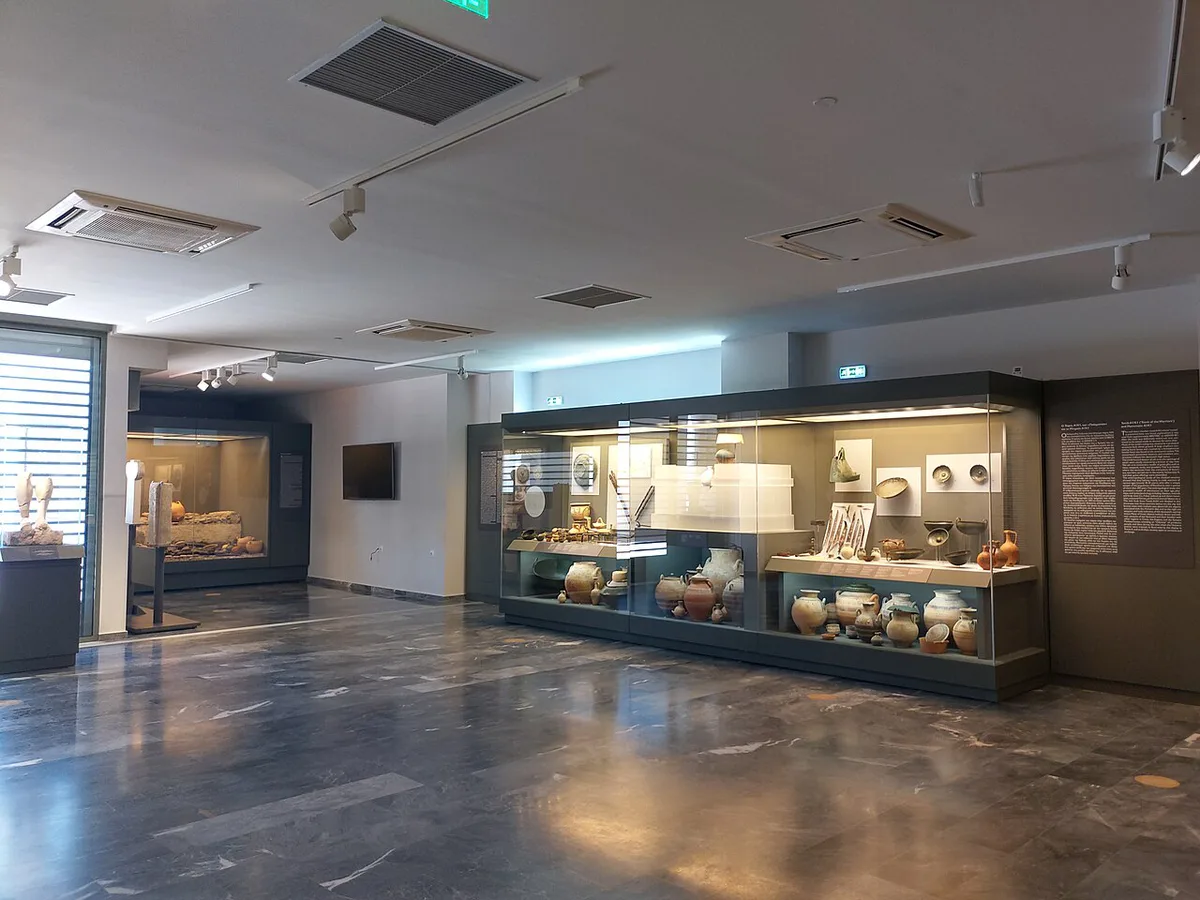
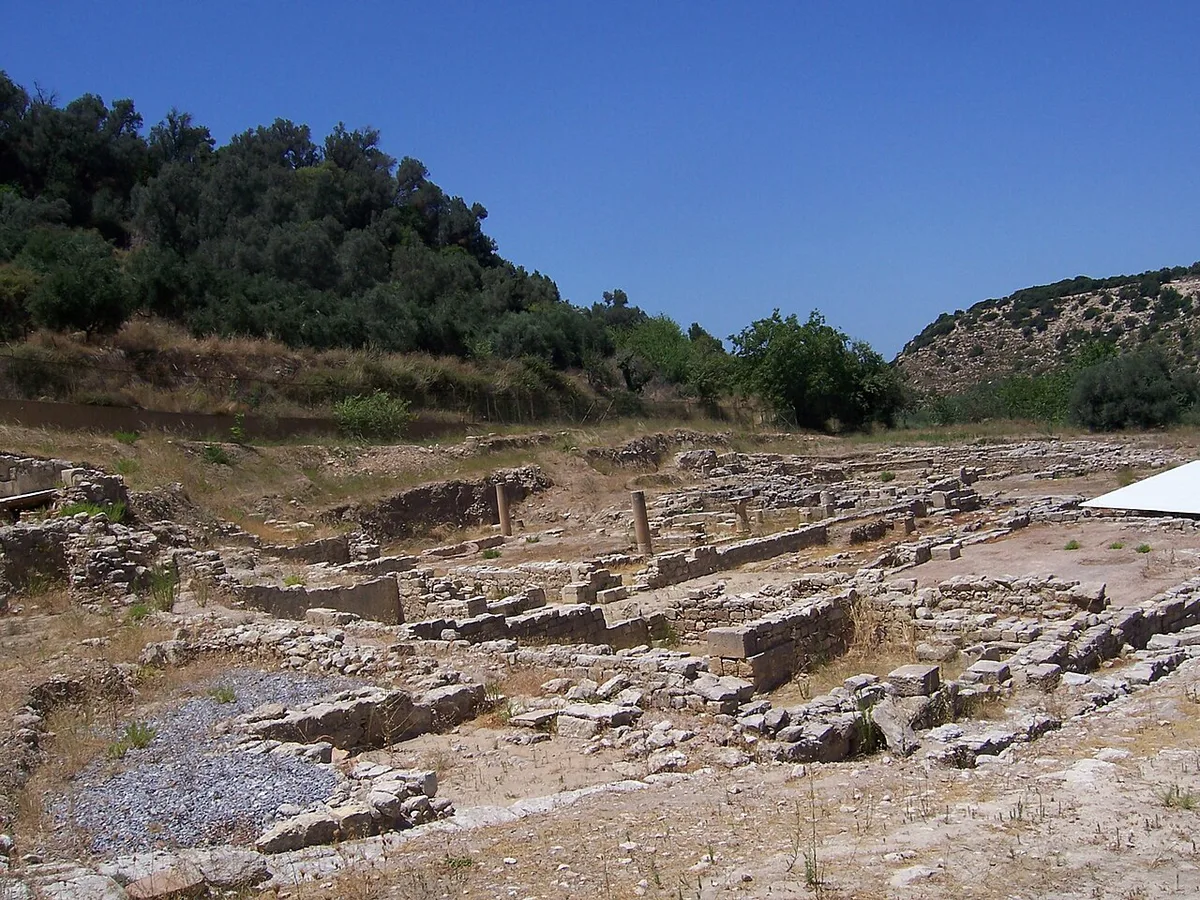
Eleftherna is a spread-out excavation, not a single monument. Paths link several sectors, so it works best as a slow walk. The city's main nuclei sat on Prines hill and Nisi hill, which belong to the villages of Archaia Eleftherna and Eleftherna. The University of Crete has excavated here since the 1980s, led originally by Petros Themelis, Thanasis Kalpaxis and Nikos Stampolidis. Much of what you see is foundations, rock-cut features and covered graves, so set expectations accordingly.
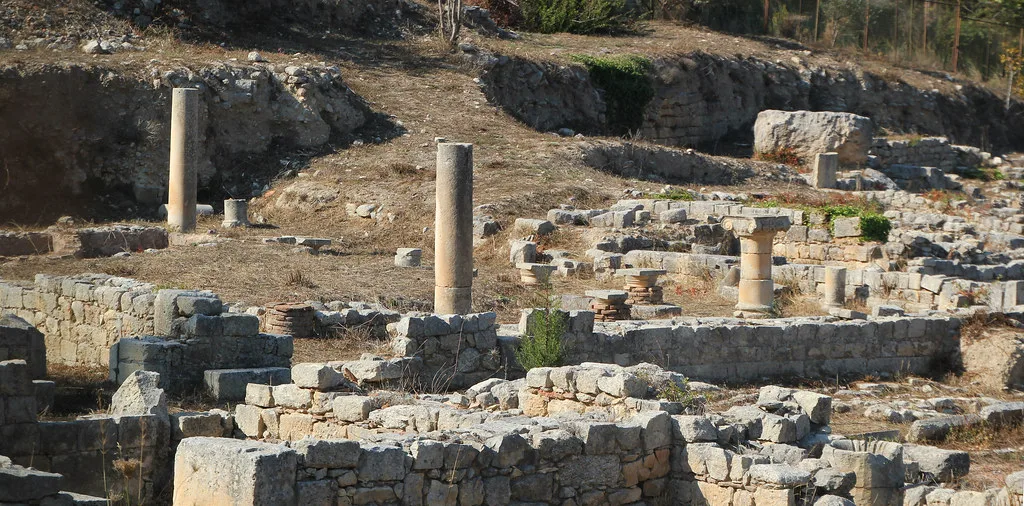
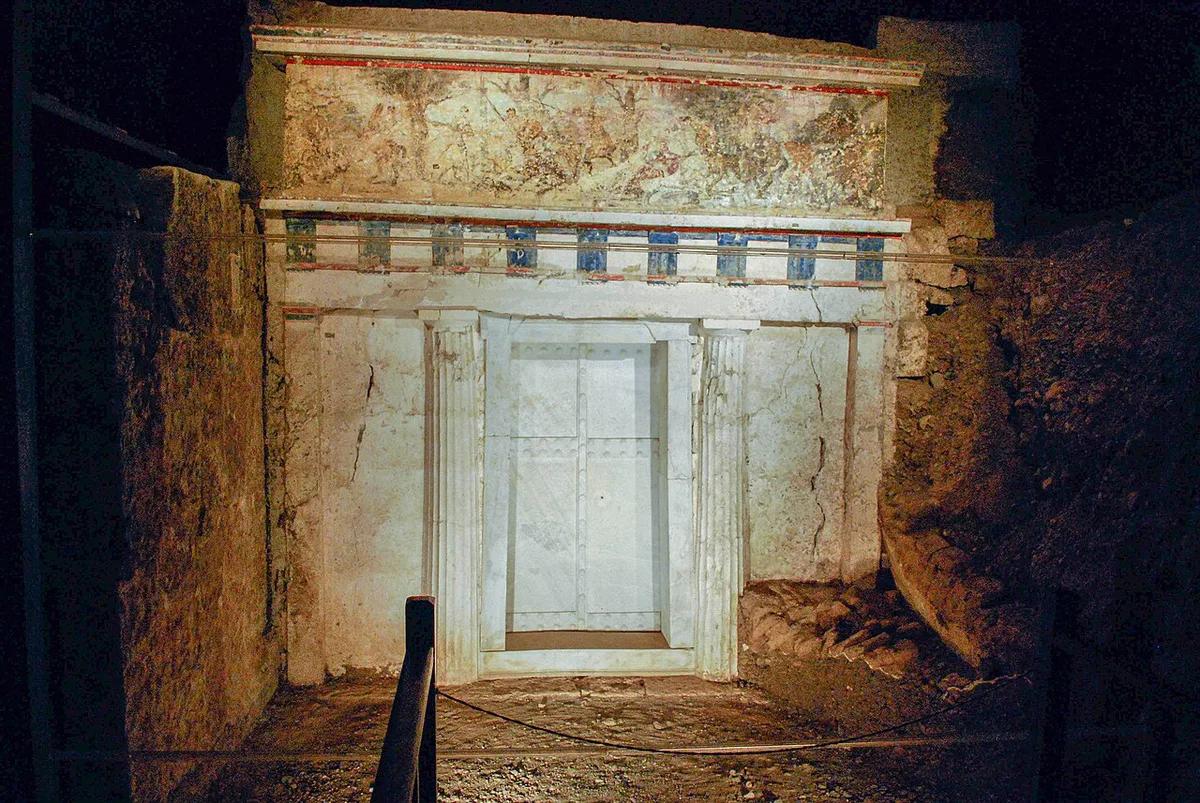
- Orthi Petra necropolis: the cemetery on the west slope of Prines hill, used from the Late Protogeometric period (about 870/850 BC) to the Archaic period (about 650/600 BC). A curved shelter covers it.
- Pyrgi acropolis: the northern part of Prines hill, with a fortification tower and two vast rock-hewn cisterns below and west of it. Buildings here range from the Late Bronze Age to Byzantine times.
- Katsivelos basilica: a church dedicated to the Archangel Michael, built in AD 420-450 and destroyed in the seventh century. A stepped shelter protects it.
- Nisi hill: an entire Hellenistic quarter with houses and a sanctuary enclosure whose five-column Doric propylon dates to about 400 BC.
- Peristere quarry and the stone bridge: a huge limestone quarry, plus a bridge north of Prines hill.
The Eleftherna museum: what to expect
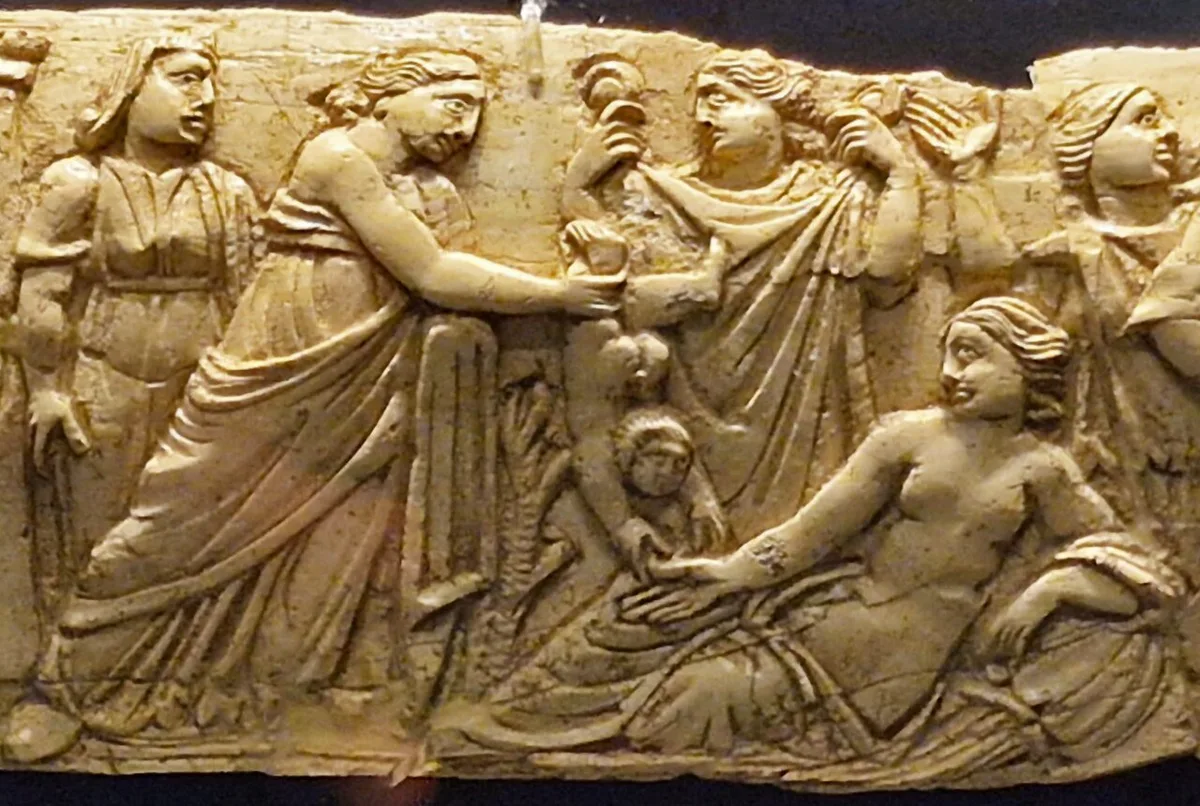
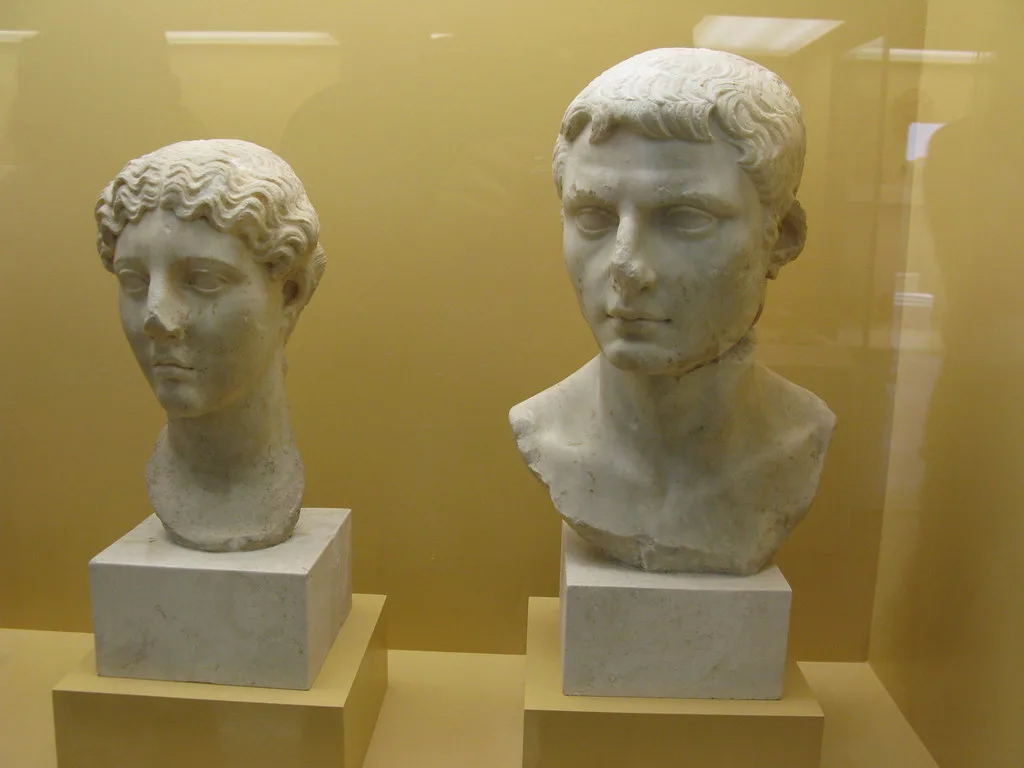
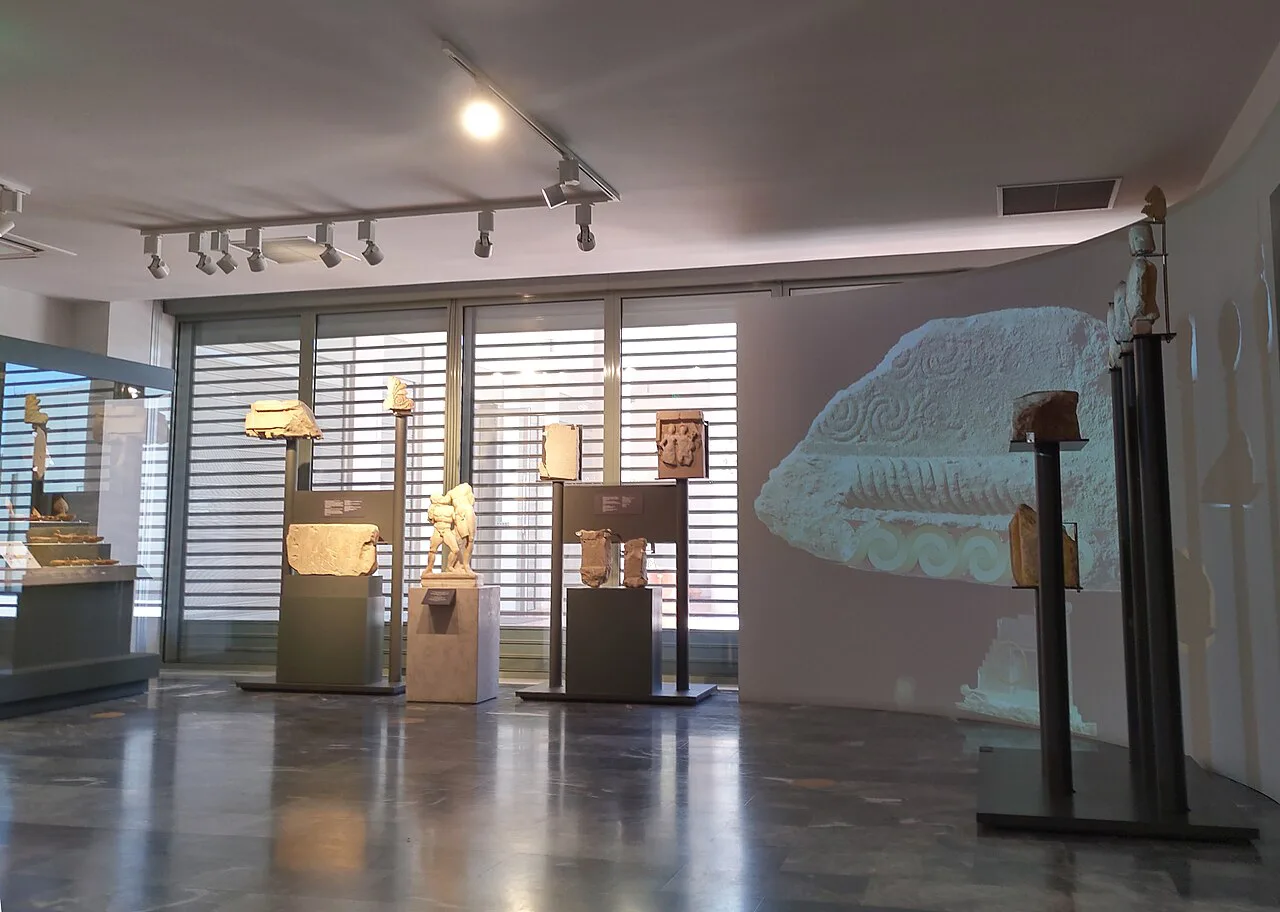
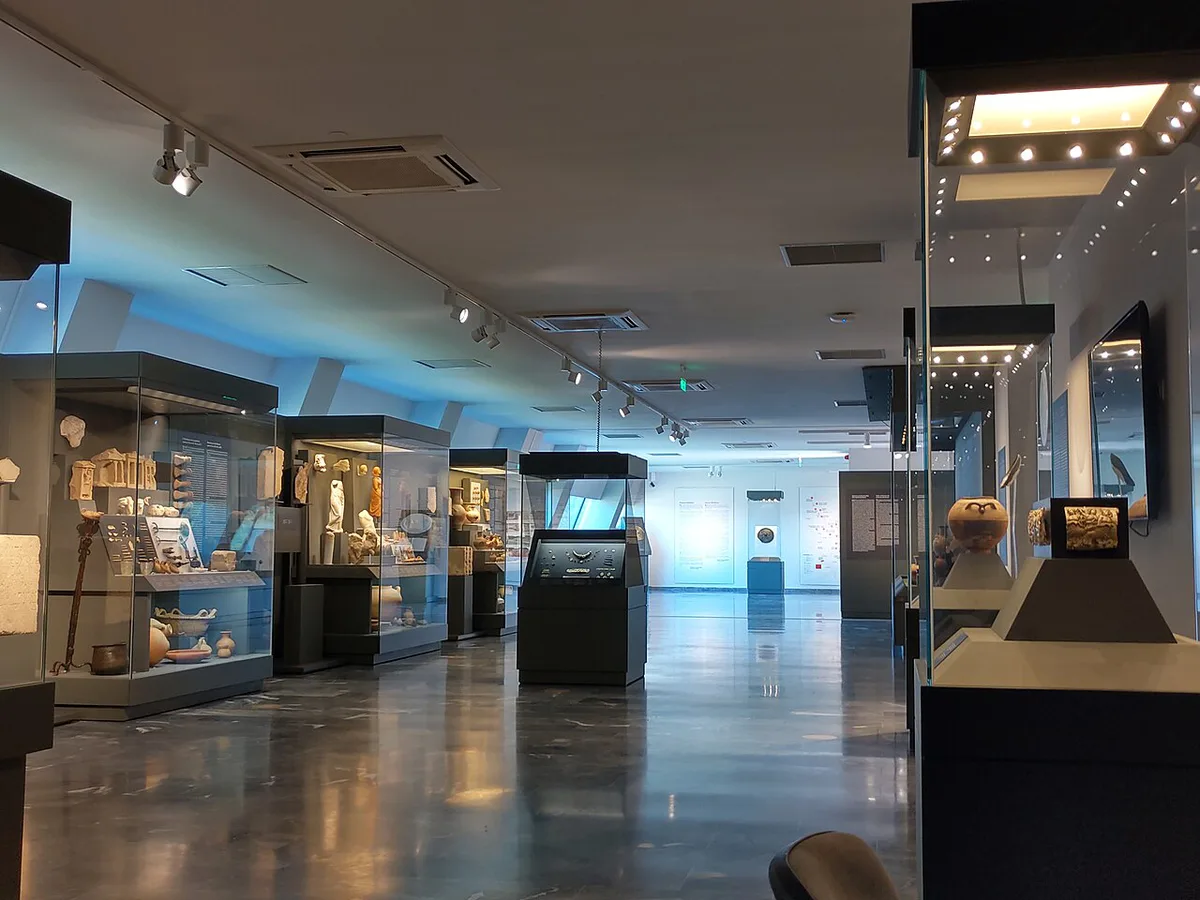
The Museum of Ancient Eleftherna was inaugurated in June 2016 and is listed by the Ministry of Culture as the first site museum in Crete. Its permanent exhibition focuses on Crete's Homeric past. Displays also cover city life from the late 4th millennium BC to the Byzantine period. Finds from the excavation include inscriptions, sculptures, objects of precious materials, imported eastern artefacts, coins and glass vases. The museum lists a ramp, an accessible WC, parking, tactile material, a printed guide and educational programs. If time is short, choose the museum first, because it explains what the scattered ruins once were.
How long to plan and how to sequence the visit
Official visit times are not published, so the durations below are planning estimates. Start inside the museum, then walk the site, so the ruins make sense. Heat matters more than distance here, so put the open-air walk at the start of a summer day or late afternoon.
| Profile | What to see | Estimated time | Suits |
|---|---|---|---|
| Museum only | Permanent exhibition | About 1 hour | Rainy days, short stops, limited mobility |
| Museum plus site walk | Museum, Orthi Petra, Pyrgi, basilica | Half day, about 3 to 4 hours | Most archaeology fans |
| Full day | Eleftherna, then Arkadi Monastery, then Margarites | Most of a day | Drivers with a car and an early start |
Tickets, opening hours and free days
Prices and hours checked November 2026 against the museum's official listing, last updated 17 July 2026. Admission is €10. Winter hours (1 November to 31 March) are 08:30 to 15:30. Summer hours (1 April to 31 October) are 10:00 to 18:00. Last admission is 20 minutes before closing, and Tuesday is closed year-round. The listing covers the museum, so check the museum's official site for the open-air walk. Closing days are 1 January, 25 March, Orthodox Easter Sunday, 1 May and 25-26 December.
Admission is €10. Because that covers the museum only, confirm the site walk's terms on the museum's official site before you plan a half day.
- Free admission: 6 March, 18 April, 18 May, the last weekend of September and 28 October
- Free admission: the first Sunday of each month from 1 November to 31 March
Getting there and getting around
Eleftherna sits on rural roads about 25 km southeast of Rethymno, and a rental car is the most flexible way to reach it. No public bus service is evidenced for the site, so a taxi or an organized tour from Rethymno is the main alternative. Arkadi Monastery lies about 8 km away, which makes a stop on an Arkadi route easy. The museum offers parking. Coming from Heraklion or Chania, plan the drive with a live map, since journey times depend on season and roads. The museum address is Eleftherna Mylopotamou, Rethymno 74052, and its phone is (+30) 2834092501. Call ahead if you need hours confirmed for a holiday period.
Plan the drive from Rethymno around the museum's Tuesday closure, since the site is about 25 km southeast of Rethymno.
Combine it with nearby stops
Arkadi Monastery is the natural pairing, about 8 km from the site. Margarites, a village known for pottery, is also close by. For the mountain side of the story, read about the great sanctuary cave on Ida. Wikipedia places that cave on the same mountain, and Eleftherna lay on the route between the coast and Ida. Another western Crete city worth pairing is ancient Aptera. For a larger Hellenistic and Roman city, compare it with Gortyna in the Messara. Base yourself in Rethymno or at a north coast resort, since both put the site within a day trip. A suggested order is museum and site first, Arkadi next, and Margarites last. That is a suggestion, not a timed schedule.
- Skip it if you want large reconstructed palaces: see the Minoan palaces of Crete instead.
- Skip it if you came for the Bronze Age: start with our overview of Minoan Civilization: History, Key Sites and How to Visit.
- Other archaeology days: Phaistos is in the south, a long drive from here.
Practical tips and mistakes to avoid
Wear sturdy shoes, because paths are dirt or stone-paved, with wooden steps and handrails in places. Bring water and a hat in summer, since shelters cover only the necropolis and the basilica. Rest areas with seating are scattered along the route, and signs are in Greek and English. Trees help navigation: follow the almond-lined path to reach the necropolis, and turn at the three cypresses for the museum. Visitors with mobility needs should note the museum ramp and accessible WC, while the site paths are uneven. Winter brings shorter hours and free first Sundays, and summer brings a later 18:00 closing and more heat. The most common mistake is arriving on a Tuesday, when everything is closed. Check the Ministry of Culture's Odysseus portal for any holiday changes.
Related guides


Continue reading
Guides on the same trip