
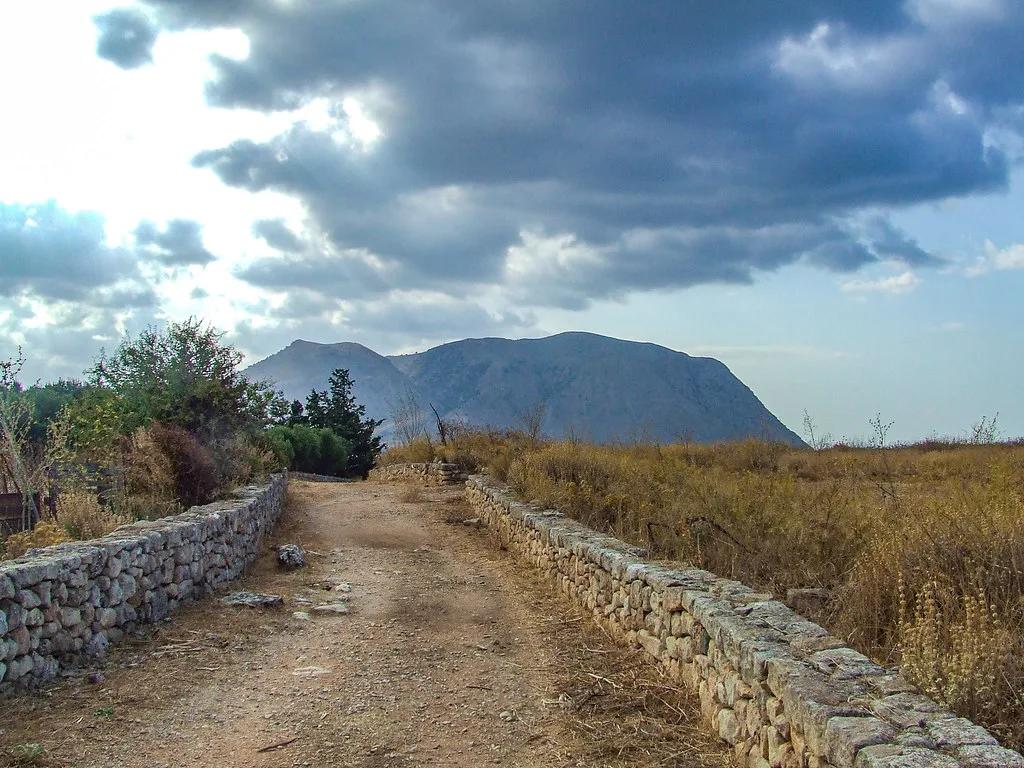
Last updated November 2026. Aptera is an ancient city above Souda Bay in the Chania region of western Crete, and it holds Hellenistic and Roman remains rather than a Minoan palace. Visit if you want later-period ruins and a quieter stop near Chania. Looking for the electric car brand instead? That company borrowed the Greek word "aptera" for its name and has no link to this site.
Featured image: www.mgaylard.co.uk and thanks for looking, CC BY 4.0, via Flickr.
What Aptera Is, and Which Aptera You Want
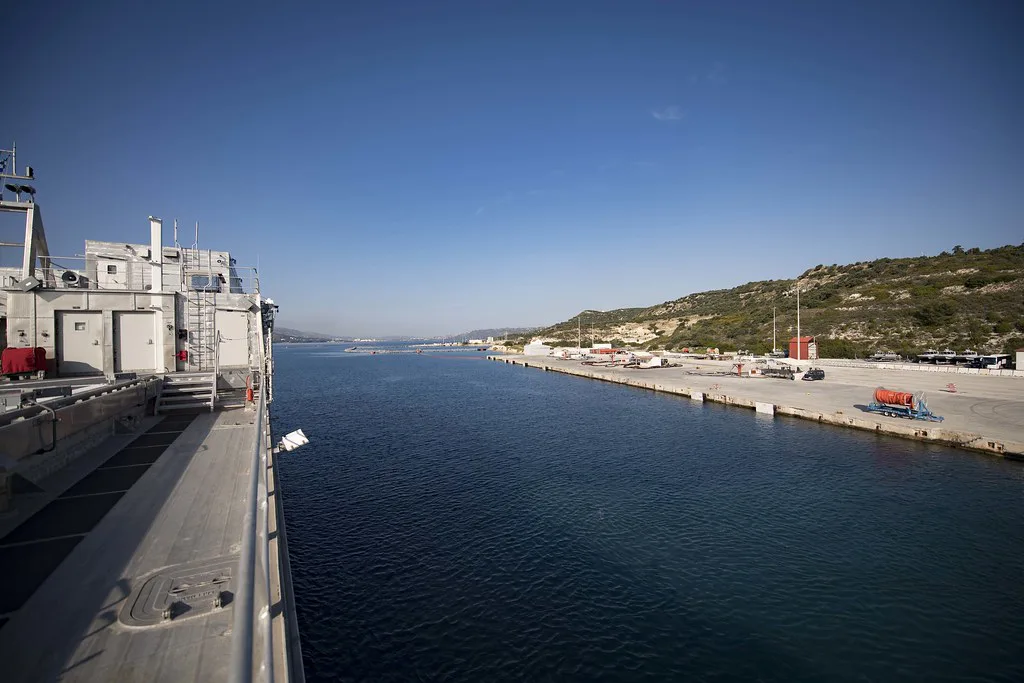
Aptera is an archaeological site in western Crete, in the Chania region above Souda Bay. Its visible remains date to the Hellenistic and Roman periods. Nothing here belongs to the Bronze Age palace culture that dominates most Crete itineraries. If you came for the car company, this page will not help. Everything below concerns the ruins.
Why the City Is Called Aptera: The Sirens Legend
The name is Greek and means "wingless" or "featherless" (a-ptera). Ancient writers tied it to a local myth, which is also why a modern electric car company borrowed the word.
In the story, the Sirens challenged the Muses to a singing contest near the city. The Sirens lost, and the Muses plucked their feathers as the penalty. The place where the feathers fell was said to be Aptera. The tale is folklore, not archaeology, but it appears in the way the city presented itself in antiquity.
- What it tells you: Aptera was a prominent, self-confident city with its own legends, not a minor outpost.
- What to expect on site: no Siren monuments. The myth explains the name only, so do not look for it among the ruins.
- For the car brand: the electric vehicle company shares the word, not the history.
Knowing the story gives the plateau a bit more meaning when you stand looking down over Souda Bay.
A Short History of Aptera: From City-State to Abandonment
Aptera was one of the more important city-states of western Crete in the Hellenistic period, and its history explains why so many eras sit on one plateau. The dates below are broad. Scholars debate the early ones, so treat them as a guide to what you are looking at, not as exact figures.
- Early city-state: The settlement grew into an independent polis in the first millennium BC. It minted its own coins, which often carried images tied to its local legends.
- Hellenistic peak: The long circuit of walls and much of the planning you can still trace belong to this period, when Aptera was a regional power with a harbour on Souda Bay.
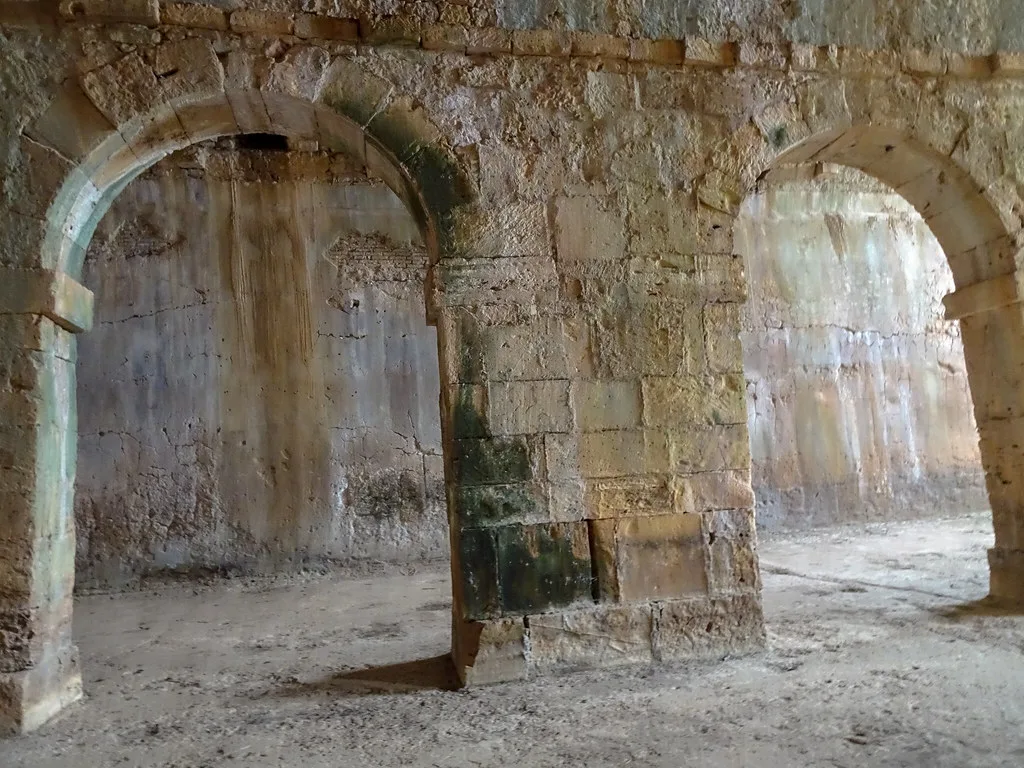
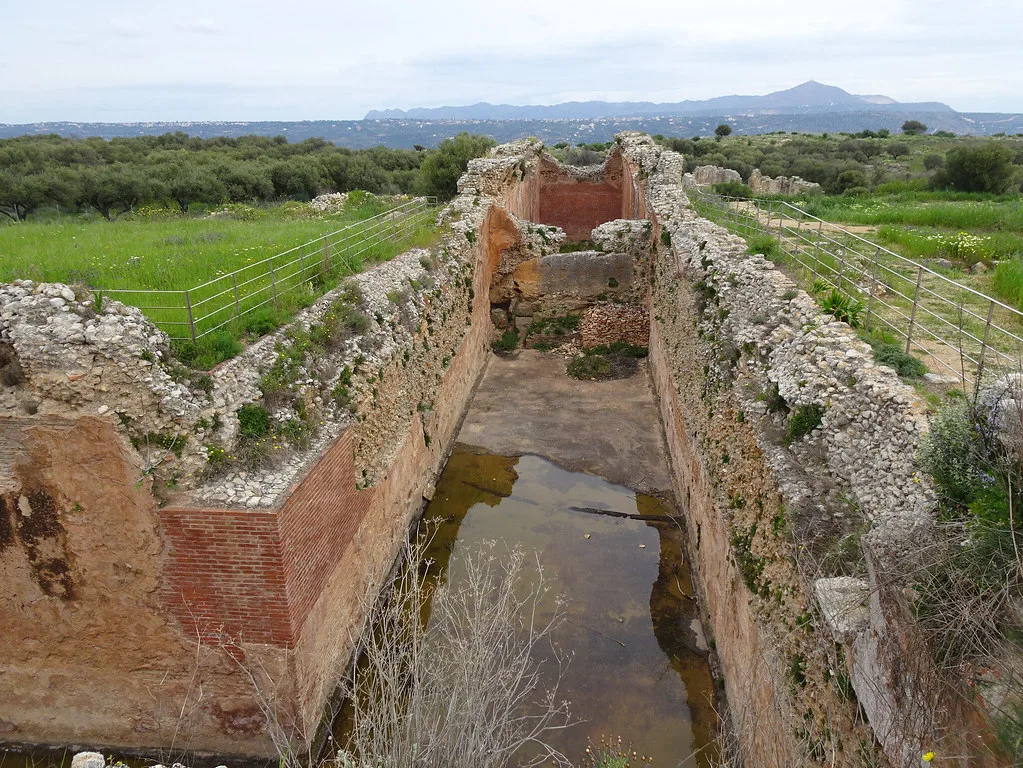
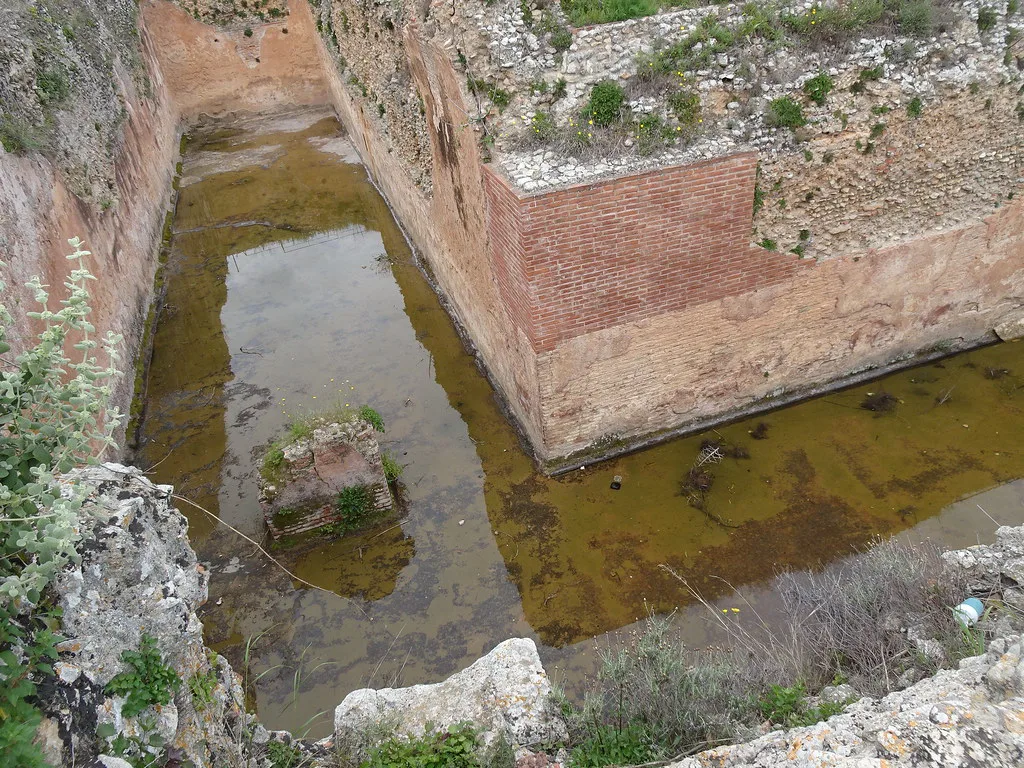
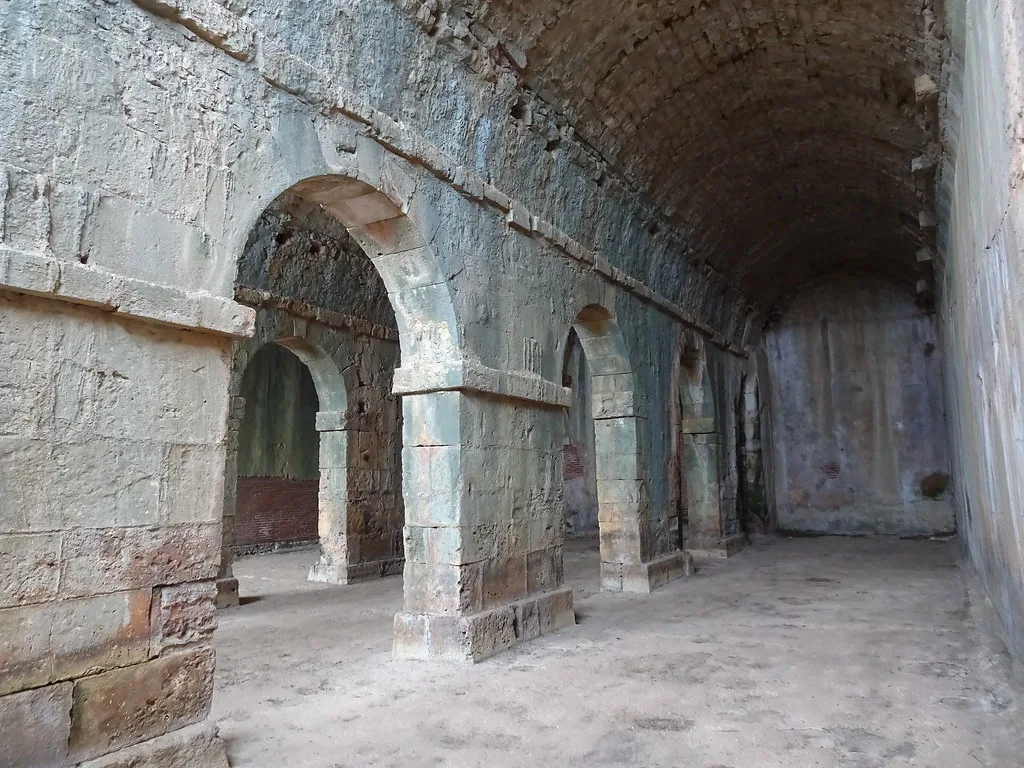
- Roman period: After Crete came under Roman rule, the city kept its status and gained public buildings. The large cistern is the best-preserved example of Roman engineering on the site.
- Decline: Earthquakes damaged the city in late antiquity, and it shrank under Byzantine rule. Later occupants built a monastery and, in the 19th century, an Ottoman fort on the same high ground.
This sequence helps on site. Masonry that looks very different in stone size and finish usually comes from different periods. Tracing the wall circuit gives you a sense of how large the ancient city was, and the cistern shows how its residents managed water on a dry hilltop.
Excavation has uncovered only part of the city. Some areas are unexcavated or fenced off, so you will see less than the ancient plan implies. Check which parts are open before you plan your time.
Is Aptera Worth Your Time?
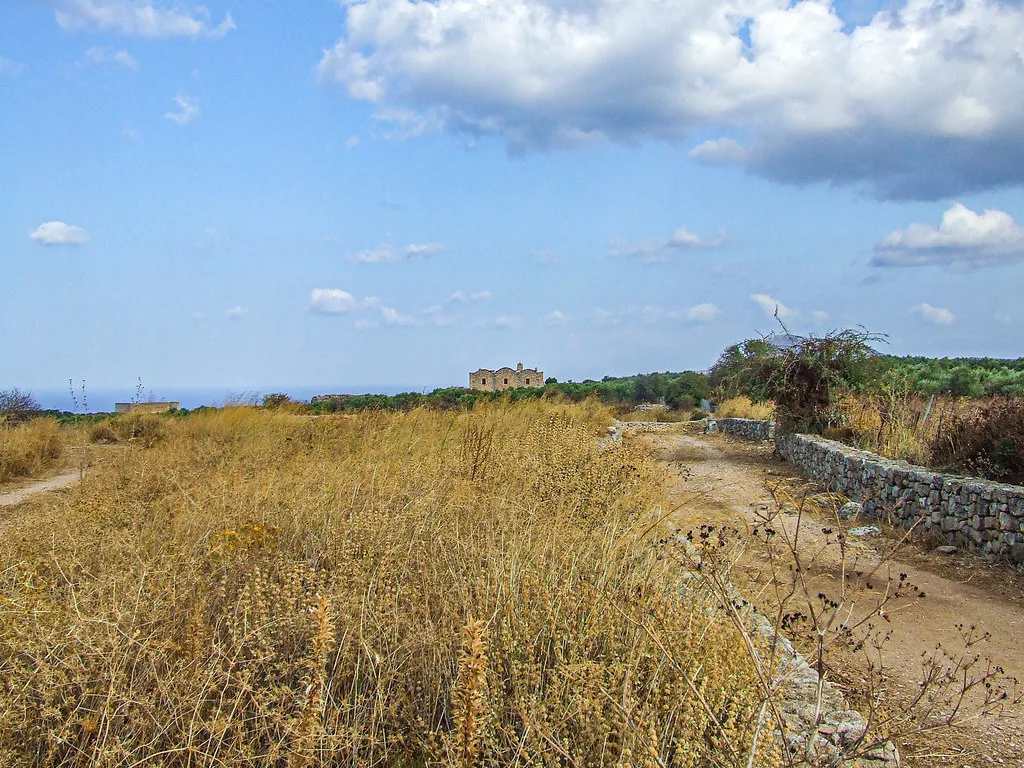
Aptera suits travelers who already have Chania as a base and want ruins from a later era. It is a weaker choice if your only interest is Minoan Crete. Use the table to decide.
| Your priority | Go to Aptera? | Better alternative |
|---|---|---|
| Later-period ruins near Chania | Yes | None needed |
| Minoan palaces | Skip | Phaistos in the south |
| Roman-era Crete | Yes, or add | Gortyna in the south |
| Short, easy stop with no walking | Probably skip | Choose a site with level paths |
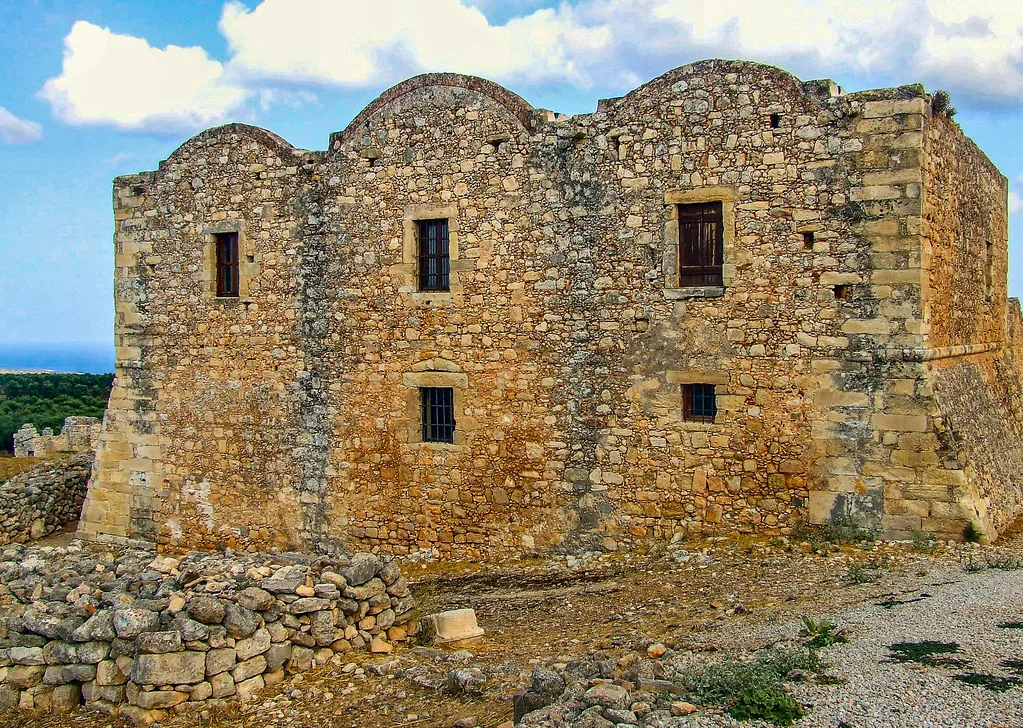
What You Will See at the Aptera Ruins
Expect a Roman cistern, Hellenistic and Roman remains and wide views toward Souda Bay. Ground at ancient sites is uneven, so wear sturdy shoes. Shade is limited at most Cretan ruins, so bring water and a hat. The Ministry of Culture's Odysseus portal lists the official site description and visitor details.
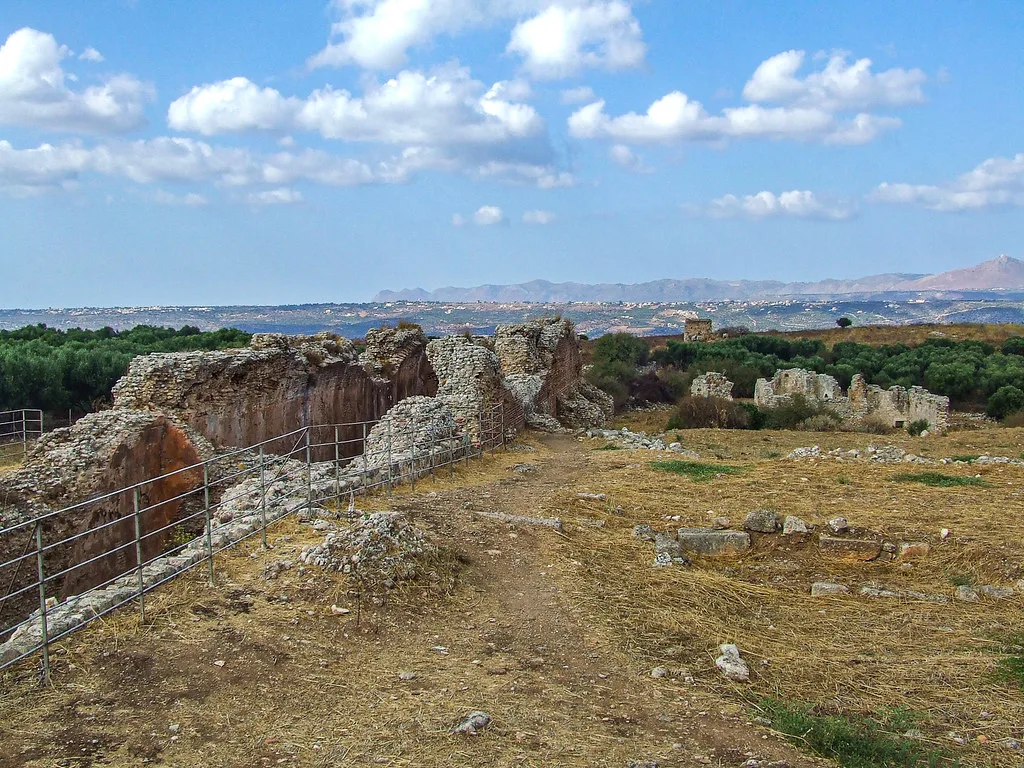
Beyond the Cistern: Walls, Monastery and Fortress at Aptera
The cistern is the best-known feature, but the plateau holds more than one era. Layers from several periods sit close together, so allow time to walk and look rather than treating the site as a single photo stop.
- City walls: Aptera was enclosed by a long Hellenistic circuit of fortification walls. Stretches survive around the site, and they show how large the ancient city once was.
- Monastery of Agios Ioannis Theologos: a working monastery stands within the archaeological area. Dress modestly and keep to the visitor areas, since it is not a museum.
- Ottoman fortress: a 19th-century Ottoman fort sits on the high ground near the ancient remains. Its position explains why the spot was valued for defence, with views across Souda Bay toward the Akrotiri peninsula.
These later structures are separate from the Hellenistic and Roman remains described above. Which areas are open can vary, so check the Odysseus portal mentioned earlier before you go, and treat any fenced area as closed.
Paths are uneven and there is little shade, so the sturdy shoes, water and hat advice applies here too. If you are short on time, prioritise the cistern and the viewpoint, then add the walls and monastery if energy and daylight allow.
How to Get There From Chania
A car gives you the most flexibility, because the site sits above Souda Bay and not in a town centre. A taxi from Chania is the other direct option. Bus services to nearby villages exist, but timetables change by season. Check current routes with the regional operator before you plan around one.
| Option | Best for | Trade-off |
|---|---|---|
| Rental car | Flexible timing, combining stops | You handle parking and the last stretch on foot |
| Taxi from Chania | No driving | Agree the waiting time and return fare first |
| Regional bus | Lowest cost | Limited and seasonal; confirm the last return |
Costs, Opening Hours and Booking
We have no verified ticket price or opening hours to quote here. Greek state sites change hours by season and close on some public holidays. Check the Ministry of Culture's Odysseus portal the day before you go. Entry is paid in euros, so carry some cash in case card readers fail.
How Long to Plan and When to Visit
Plan a short half-day from Chania, including the drive. Go early in the morning or late in the afternoon in summer, since exposed ruins get hot by midday. Spring and autumn are more comfortable for walking uneven ground. Pick the cooler hours if you are travelling with anyone who tires in the sun.
Combining Aptera With Other Stops
Pair Aptera with a Chania old-town afternoon, since both sit in the same part of western Crete. Check the opening hours for each stop before fixing the order. If you want another post-Minoan site, ancient Eleftherna is a Cretan option, but it lies in a different part of the island. Do not try to fit it into the same day. The Visit Greece guide to Crete helps you plan island-wide routes.
Where Aptera Fits in Cretan Archaeology
Minoan sites such as the palaces belong to the Bronze Age. Aptera belongs to a much later urban world of Hellenistic and Roman Crete. Read our guide to the Minoan palaces for the earlier story. For background on that culture, see Minoan Civilization: History, Key Sites and How to Visit. If you head east or south instead of staying near Chania, Heraklion to Phaistos: Bus, Car or Tour for a Day Trip is the practical route for that side of the island.
Related guides



Continue reading
Guides on the same trip

