Dikteon Cave (Psychro) Guide: Access, Walk & Is It Worth It
Last updated November 2026: Dikteon Cave, also called the Cave of Psychro or Dikteon Andron, sits on the Lasithi Plateau in east Crete and is traditionally linked to the birth of Zeus. Plan on roughly an hour on site, including an uphill walk, and settle its opening status before you drive. Travelers who also hear about the second Zeus cave can compare the two in our Idaean Cave guide.
Featured image: Epsilon68 - Street and Travel Photography, CC BY 2.0, via Flickr.
Dikteon Cave at a Glance
Locals call it the Cave of Psychro, after the village on the eastern side of the Lasithi Plateau. Its entrance lies at about 1025 m above sea level, so mornings on the plateau feel cooler than the coast. Expect roughly 60 minutes for the walk and the visit combined, plus your drive time. Opening status is the one detail to settle before leaving.
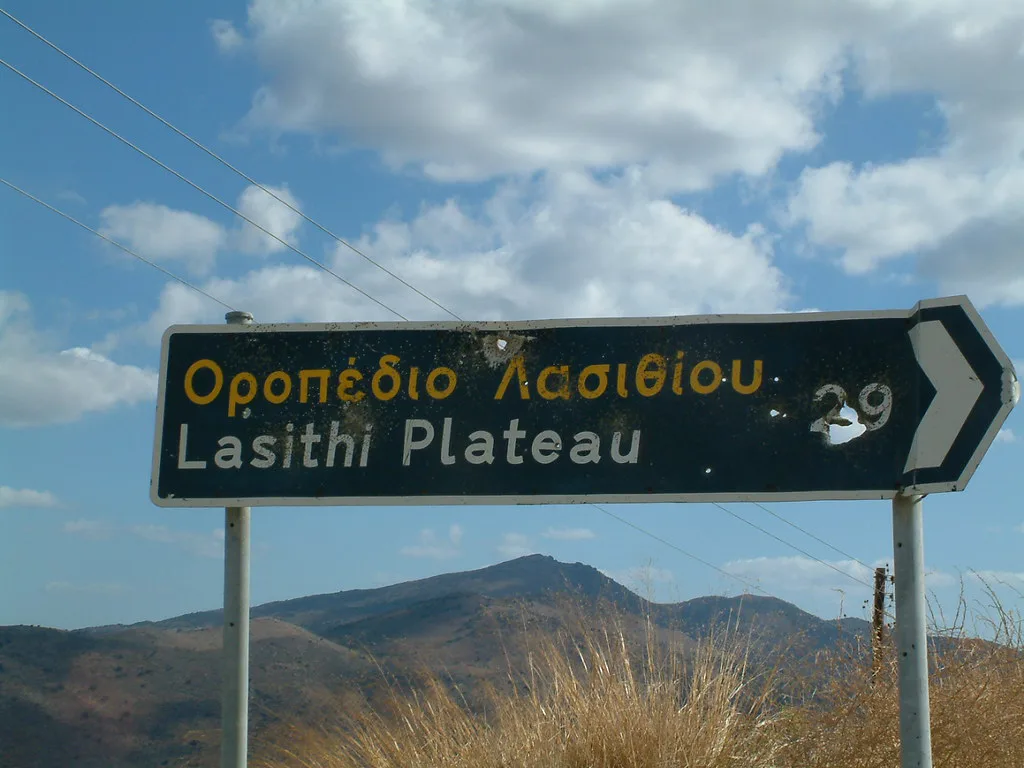
- Location: above Psychro village, Lasithi Plateau, east Crete
- Myth: traditionally associated with the birth of Zeus
- Time needed: plan roughly an hour, then add driving
- Effort: moderate, because the approach climbs uphill
- Status: confirm with the official source before you go
Is Dikteon Cave Open? Check Before You Drive
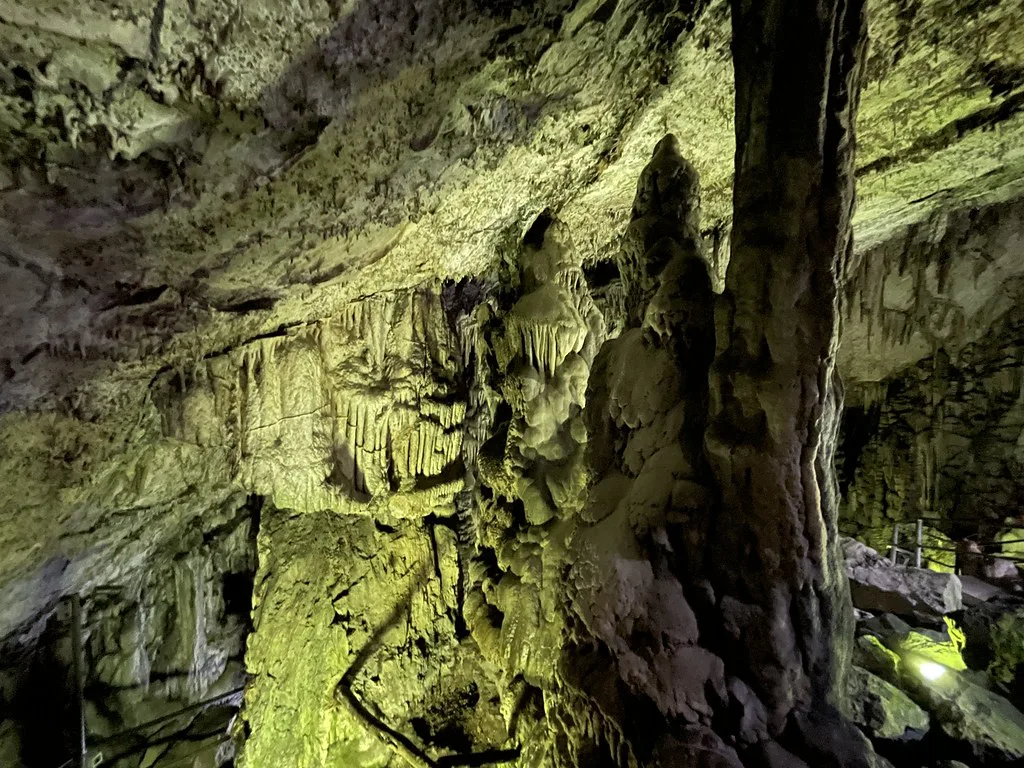
Public listings send mixed signals. One regional tourism page carries a notice that the cave is closed for restoration work, while a headline on the same site says Dikteon Andron welcomes visitors again. Neither is dated, so treat current status as unconfirmed as of 24 November 2026. The Ministry of Culture publishes site status, hours and fees through the Odysseus portal. If the cave is closed, the Lasithi Plateau still rewards a scenic loop drive, and Minoan sites such as Gournia offer an alternative stop on the same side of the island.
What Is Dikteon Cave (and Why Zeus?)
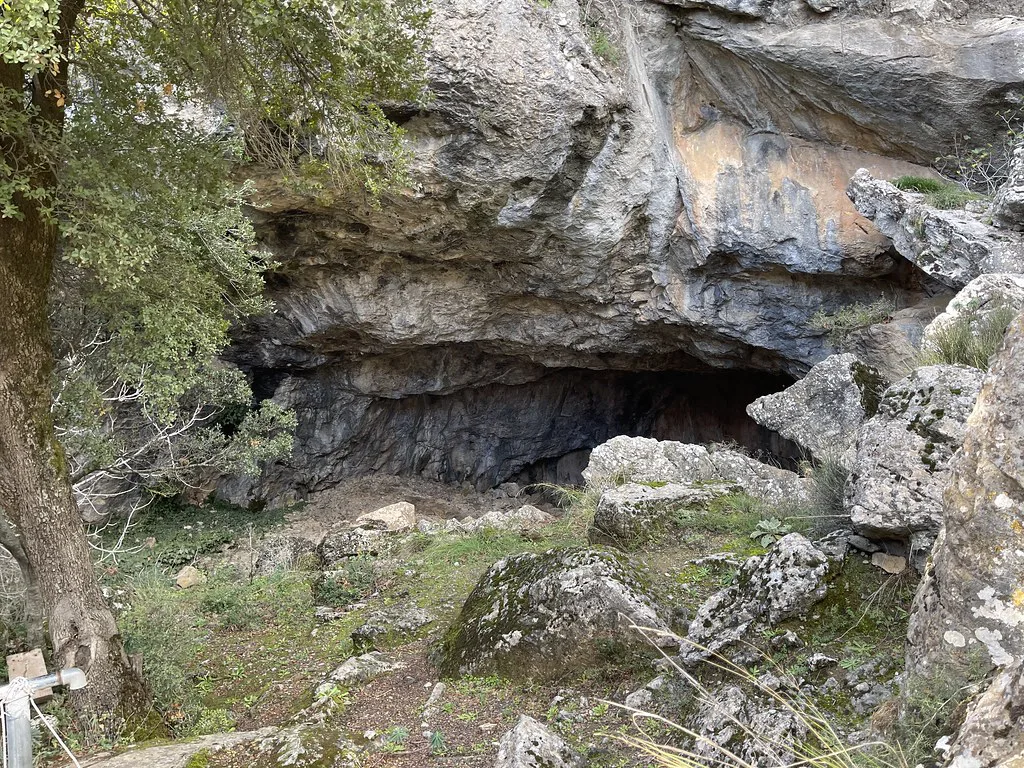
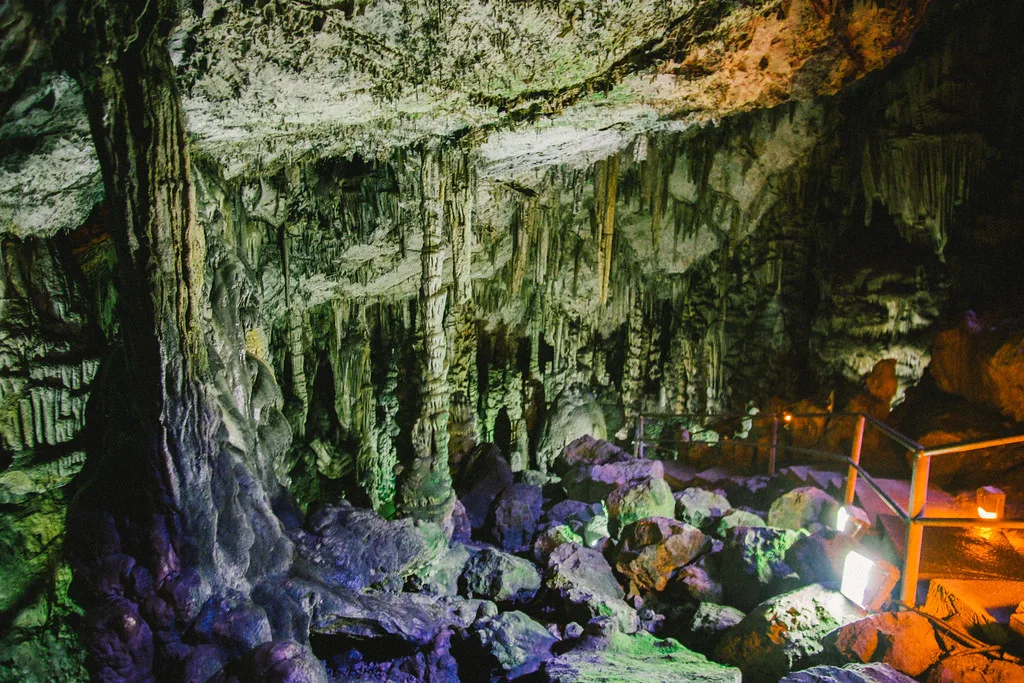
Greek tradition holds that Zeus was born on Crete, and this cave is one of the places linked to that story. The name Dikteon Andron, meaning roughly Cave of Zeus, became attached to it in the late 19th century. Minoan-era people used caves like this one for cult worship, which fits the wider picture in our Minoan civilization overview. Inside, a large folded stalactite is known as the Mantle of Zeus. Careless visitors have damaged it over the years, so keep your hands off every formation.
Getting There and Parking
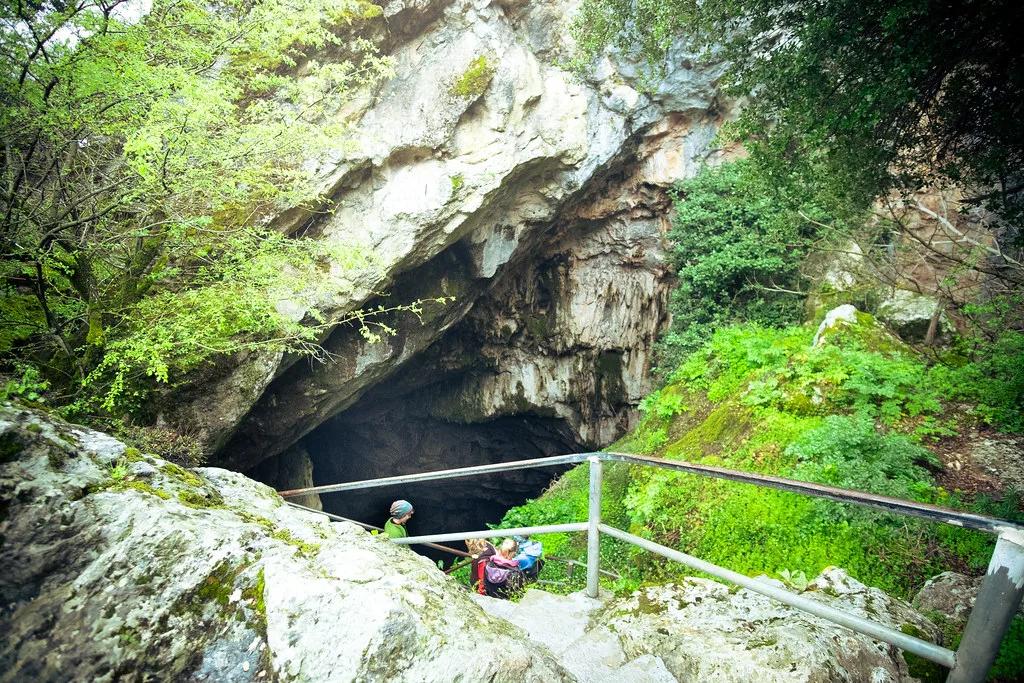
A paved road leads to a designated parking area near Psychro village. From there, the cave entrance lies up an inclined approach on foot. One tourism listing mentions a kiosk about halfway up and says the entrance can be reached by car. That conflicts with the parking-then-walk description, so look at the signage on arrival rather than assuming either. Public transport to the plateau is limited, and the KTEL Heraklion-Lassithi site is the place to check any bus service. Most visitors drive from Heraklion or Agios Nikolaos.
The Uphill Walk
Allow 10–20 minutes uphill from the parking area. The surface is paved but inclined, and the effort is moderate rather than steep. Summer heat makes the climb harder, so go in the morning. Wear closed shoes with grip. Visitors with limited mobility should think twice, because the ascent is the main barrier and the interior has its own steps and railings.
Even at 1025 m, the approach climbs enough that a morning start beats midday, especially in summer.
Inside the Cave
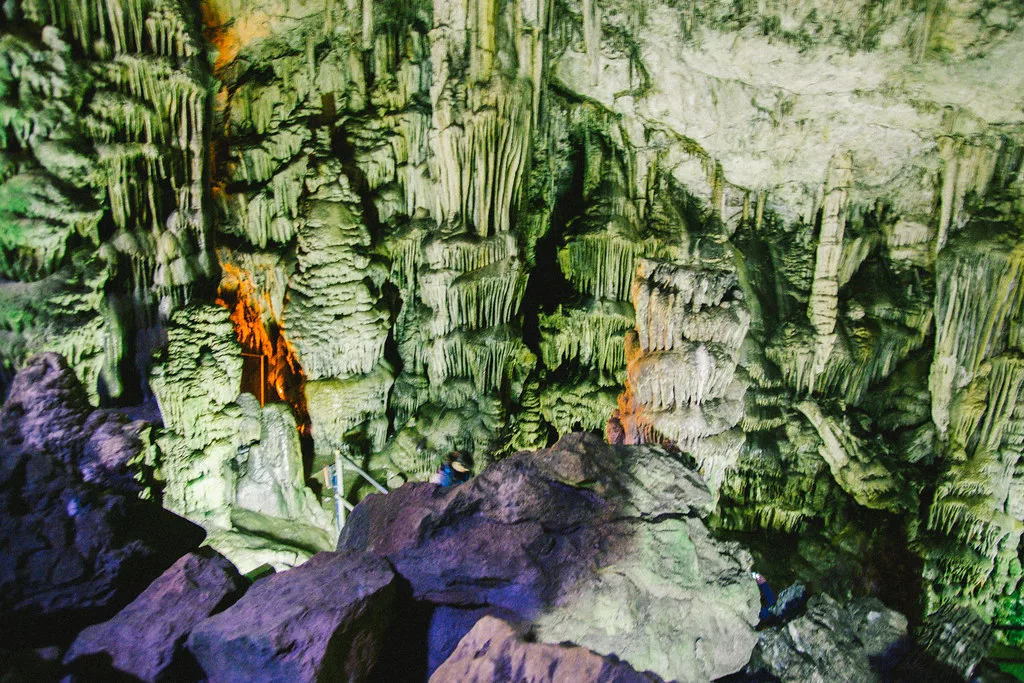
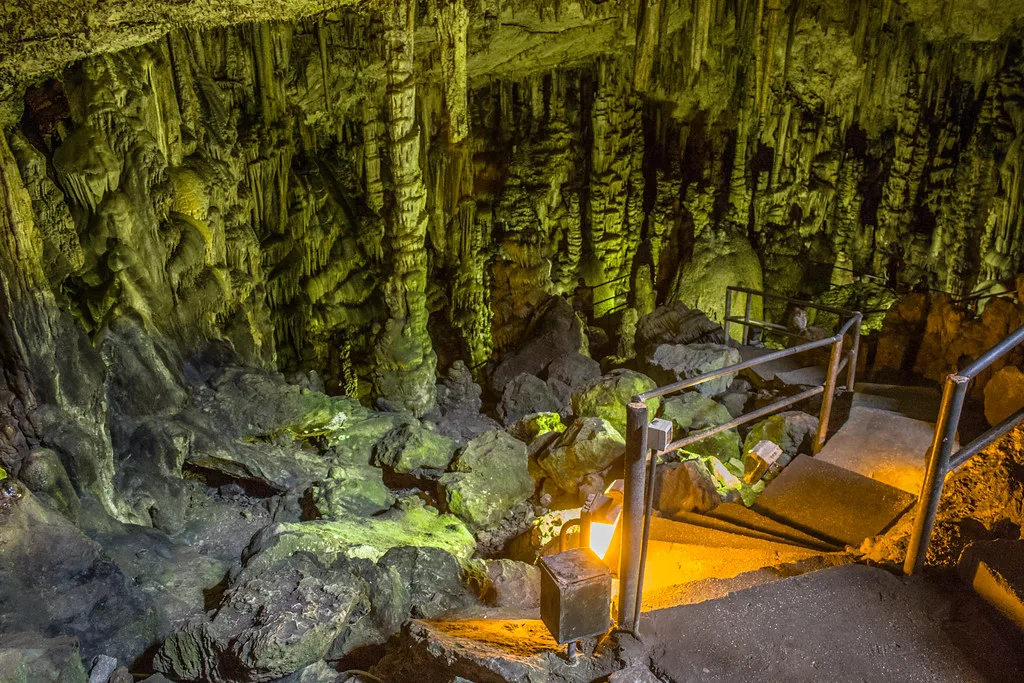
Constructed paths and railings guide you through the chambers. Past the entrance, a vestibule opens on your right and a large hall lies ahead. Plan 20–30 minutes inside. The interior is damp and cool, and surfaces can be slippery, so stable footwear matters more than a jacket. Look for stalactites, stalagmites and the Mantle of Zeus. Photography rules are not confirmed, so follow any on-site signs.
What Archaeologists Found in the Cave of Psychro
The cave is more than a scenic grotto. Excavations around 1900, led by the British archaeologist David Hogarth, showed that people had left offerings here for centuries, from the Minoan period into the classical era.
- Votive offerings: bronze figurines, double axes, pottery and small tools were found wedged into crevices and pushed into stalactites.
- Lower chamber: the deepest part of the cave holds a pool and a dense stand of formations. Worshippers are thought to have left gifts here.
- Where the finds went: many objects are now in museum collections rather than in the cave. The Heraklion Archaeological Museum is the natural place to see Cretan material from sites like this, so check its current displays before you go.
Knowing this changes how you look at the interior. The rock face and the lower chamber are the places where offerings once accumulated. The cave itself contains no ancient objects to see, so expect formations and atmosphere, not displays.
How Long to Allocate
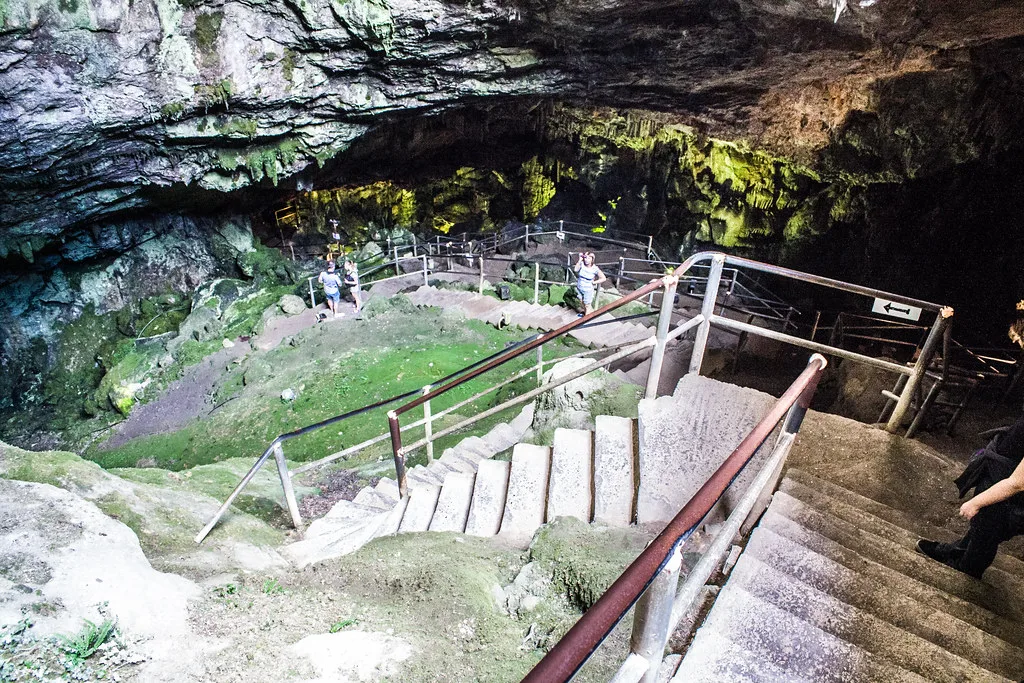
Walking up and down takes 20–40 minutes in total. Add 20–30 minutes inside, and the visit comes to roughly 60 minutes. Treat these as estimates, then add your own driving time from Heraklion or Agios Nikolaos.
| Stage | Estimated time |
|---|---|
| Drive to Psychro village | Depends on your base; add to the total |
| Walk uphill from parking | 10–20 minutes |
| Inside the cave | 20–30 minutes |
| Walk up and down combined | 20–40 minutes |
| Whole visit on site | About 60 minutes |
Tickets and Opening Hours
No verified fee or schedule is available for 2026. Archaeological sites in Greece set their own hours and ticket prices, which can change by season. Check the Ministry of Culture's Odysseus portal for the current euro price and opening days.
Is Dikteon Cave Worth Visiting?
It suits mythology fans and anyone who likes caves, and it is the most defined attraction on the plateau. Travelers who only want scenic driving can skip the climb. For comparison, the Idaean Cave is the other Zeus-birth tradition, covered in our Idaean Cave page. Use the table to decide.
| Traveler | Verdict | Effort and time |
|---|---|---|
| Mythology fans | Worth the detour | Moderate; about an hour |
| Families with kids | Possible with sturdy shoes | Uphill walk and damp steps |
| Limited mobility | Likely skip | Incline plus interior steps |
| Tight schedule | Skip or shorten | Adds an hour to driving |
| Scenic drivers | Optional | Plateau loop is enough |
Fitting It Into a Crete Itinerary
Treat the cave as one stop on a Lasithi Plateau loop, not a standalone trip. East-coast Minoan sites such as Zakros make a separate day. For the broader picture, our Minoan palaces guide maps the main sites. Malia Palace, Crete: Visitor Guide and Tips is another Minoan stop, but check the route before pairing it with the plateau. Phaistos and Gortyna lie in the south, so treat them as separate inland days, not natural pairings.
What Else to See on the Lasithi Plateau
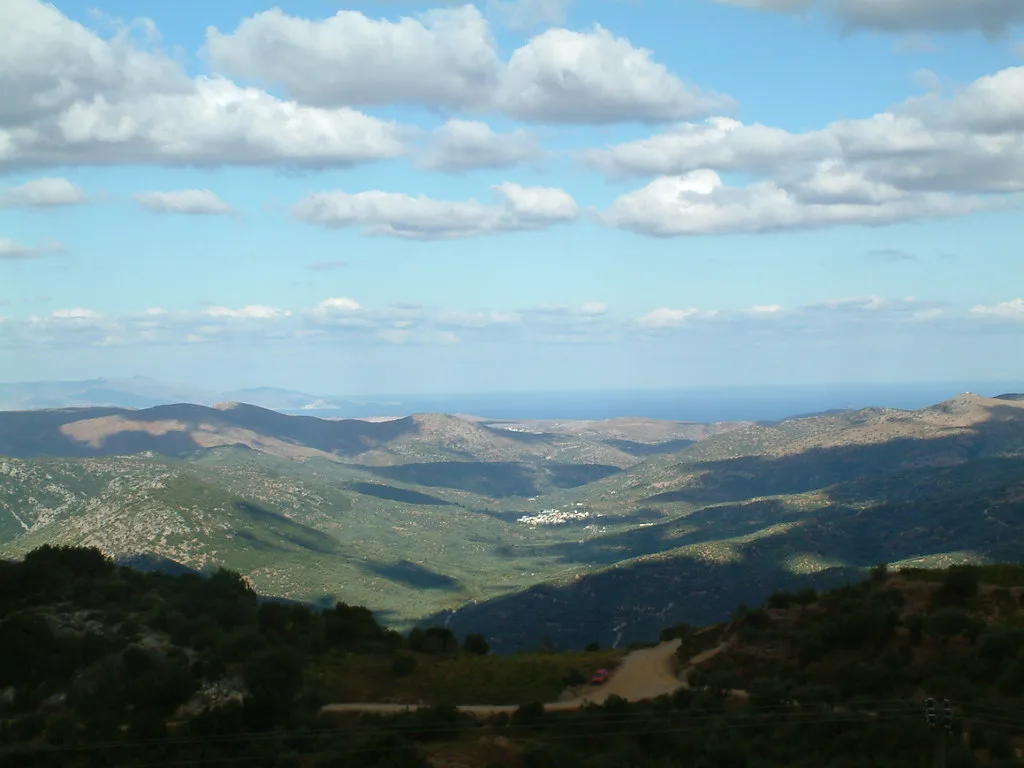
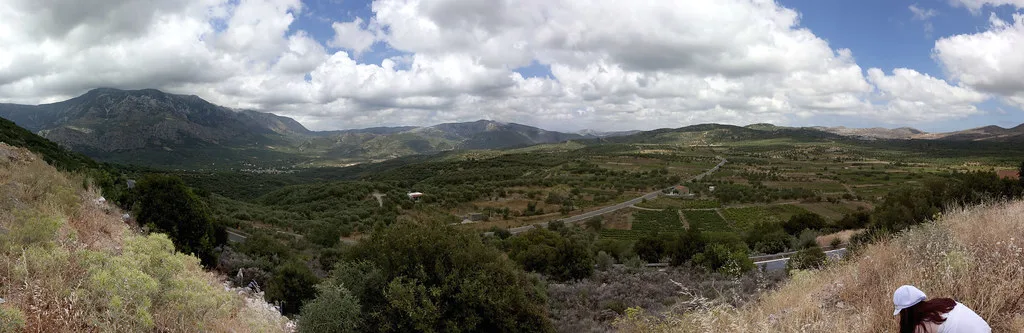
The cave is the headline stop, but the plateau itself fills out the half day. It is a high, flat farming basin ringed by mountains, known for orchards, potato fields and the white-sailed windmills once used to pump irrigation water.
- Psychro village: cafes and tavernas near the parking area make a practical stop before or after the climb, and they are a useful place to ask locals whether the cave is currently open.
- Windmills: many survive across the plain. Some are restored, while others stand as ruins. They suit photo stops on a loop drive.
- Plateau villages: Tzermiado is the main town, with places to eat and fill the tank. Smaller villages around the ring road suit a slow, unplanned loop.
Allow another two to three hours for the loop drive and a lunch stop on top of the hour at the cave. Mountain roads are slower than the distances suggest, and fuel is easier to find in the larger villages and on the coast than on the plateau's back roads. If the cave turns out to be closed, this loop still gives the trip a purpose, and Gournia on the coast pairs with it as a fallback.
Common Mistakes
Most problems come from local conditions, not bad luck.
- Underestimating the uphill walk, especially in summer
- Arriving at midday when heat peaks
- Assuming the cave is open without checking
- Wearing smooth-soled shoes on damp paths
- Forgetting that the drive to Psychro adds time to the hour on site
Frequently Asked Questions
What cave was Zeus born in?
Greek tradition places his birth on Crete, and two caves claim the story. Dikteon Cave on the Lasithi Plateau is one, and the Idaean Cave is the other.
Is Zeus cave still closed?
Public listings conflict, and none carries a date. Check the Ministry of Culture's Odysseus portal for current status before you make the drive.
Related guides


Continue reading
Guides on the same trip