Last updated November 2026. Zakros is the Minoan palace-and-harbour site at Kato Zakros on Crete's far east coast, and it is remote. It rewards travellers who already base themselves in Sitia or Palekastro, or who want every Minoan palace. If you only have one day near Heraklion, choose Knossos instead.
Featured image: Shadowgate, CC BY 2.0, via Flickr.
Zakros at a glance
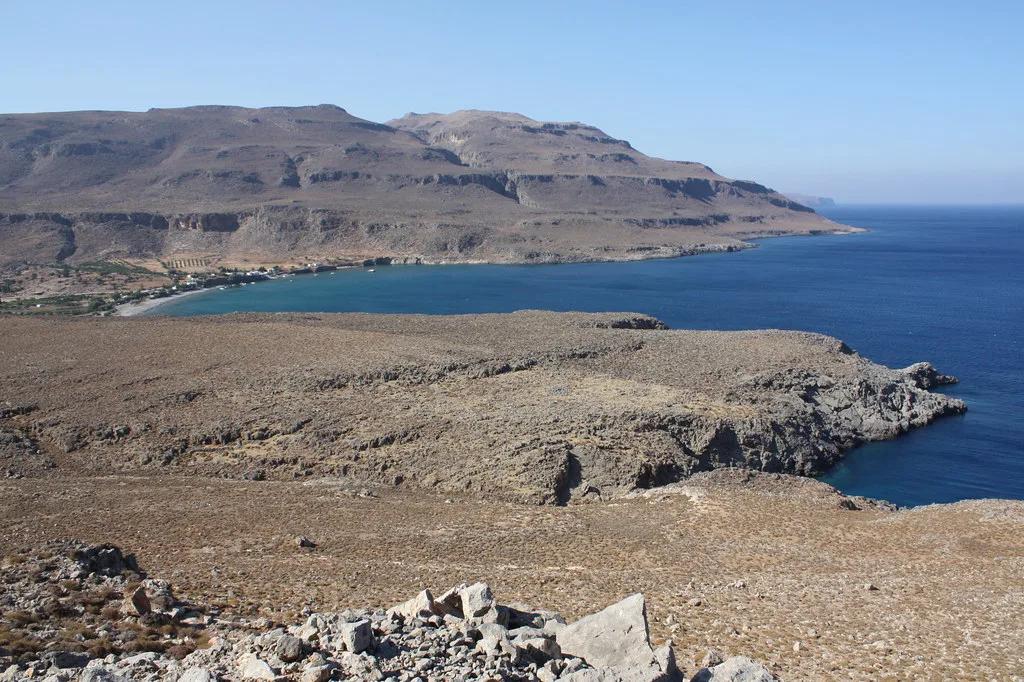
Search results use "Zakros" for three places, so define them first. Epano Zakros is the upper village on the hillside. Kato Zakros is the seaside settlement beside the ruins, and the palace sits there. The site is in Lasithi, eastern Crete, and was inscribed by UNESCO in 2025 as part of Minoan Palatial Centres. The palace was built around 1900 BC, rebuilt around 1600 BC and destroyed around 1450 BC.
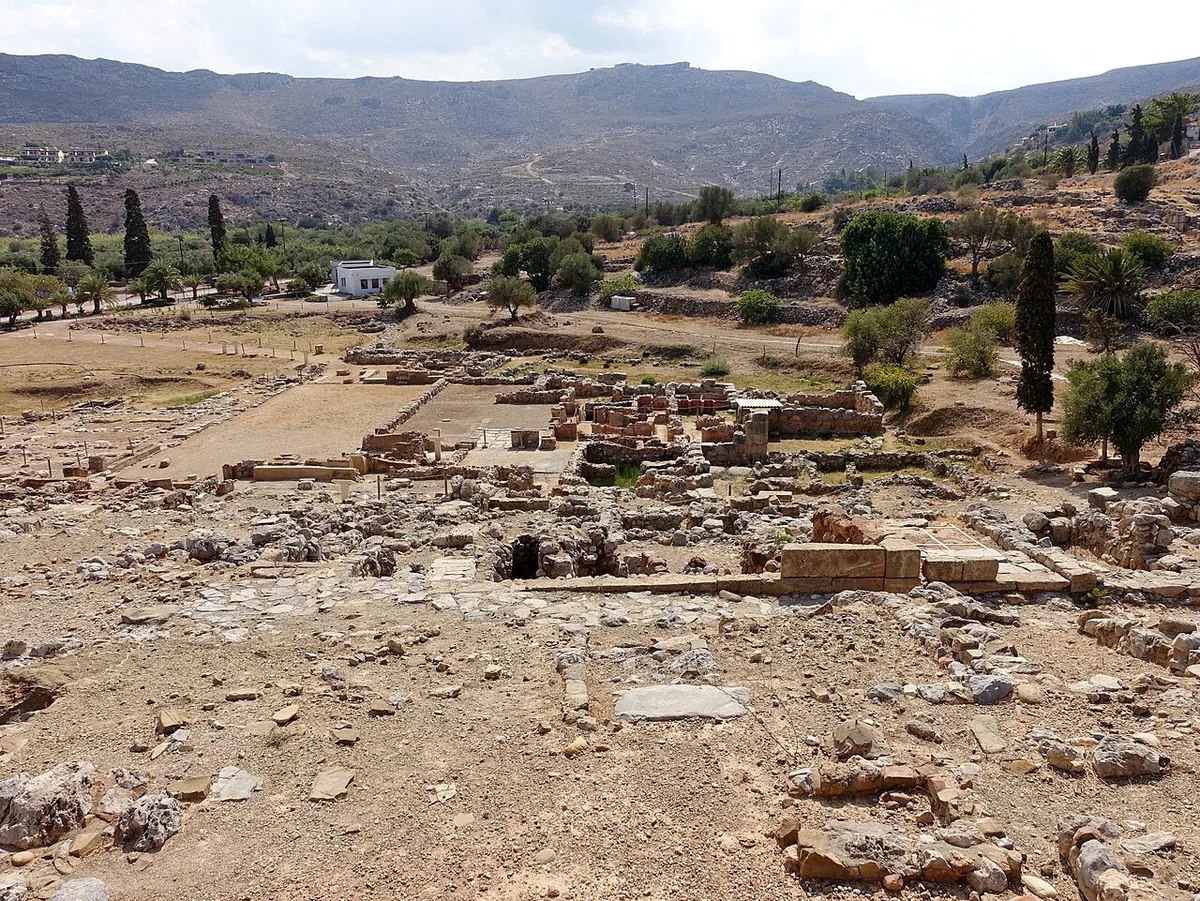
- What it is: a Minoan palace with a surrounding town and a sheltered trading harbour.
- Size: about 8,000 square meters and roughly 150 rooms, with a central court of about 30 by 12 meters. Published figures vary slightly between archaeologists.
- Verdict: a rewarding stop if you are already in the east, and a long detour if you are not.
Is Zakros worth the trip?
Go if you want the full set of Minoan palaces, or if you are already staying near Sitia or Palekastro. The setting is the draw: a quiet bay, a harbour town and a palace left with many objects in place after the 1450 BC destruction. Skip it if you have a short itinerary, limited mobility or a single day from Heraklion. For a first Minoan visit, the other Minoan palace sites are far easier to reach. Visible walls are modest, so the site rewards people who enjoy reading a ground plan.
| Choose Zakros if | Choose another palace if |
|---|---|
| You are based in Sitia or Palekastro | You are based around Heraklion |
| You want all the palaces and a quiet site | You have one day and want the clearest ruins |
| You are happy with a long, winding drive | You prefer short, easy transfers |
| You want a beach and taverna stop afterwards | You want guided tours and big visitor facilities |
- For a day from Heraklion, a Heraklion day-trip plan for Phaistos shows a more realistic framing.
- Closer to the north coast, Malia's palace ruins are an easier half-day.
Getting to Zakros
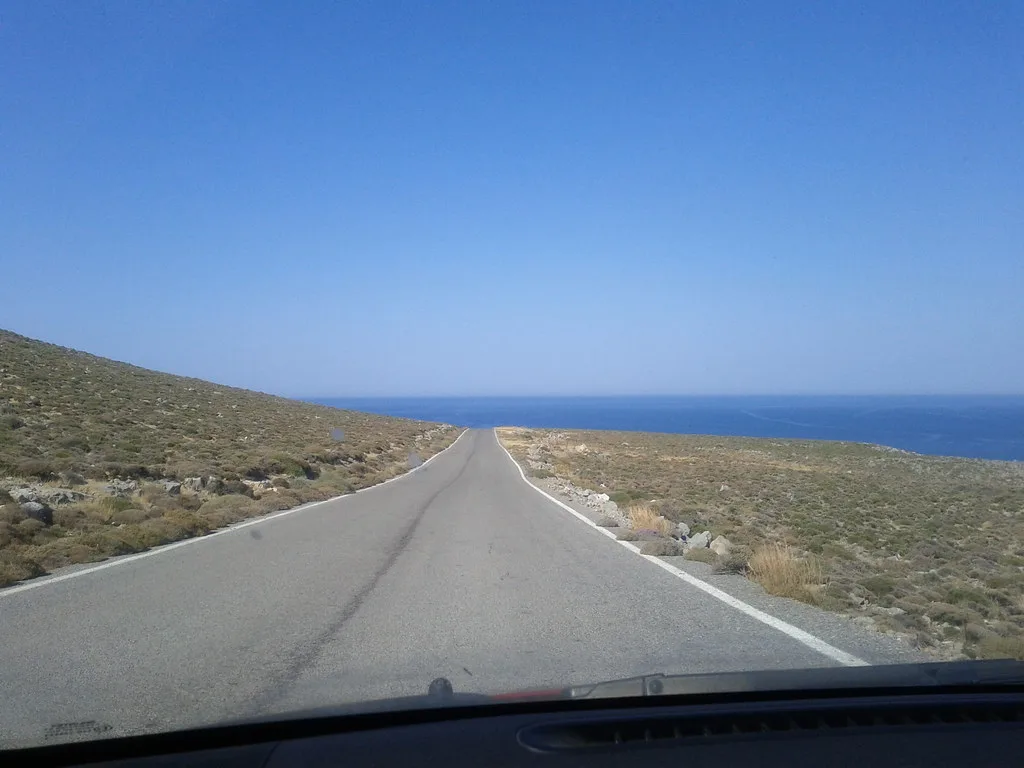
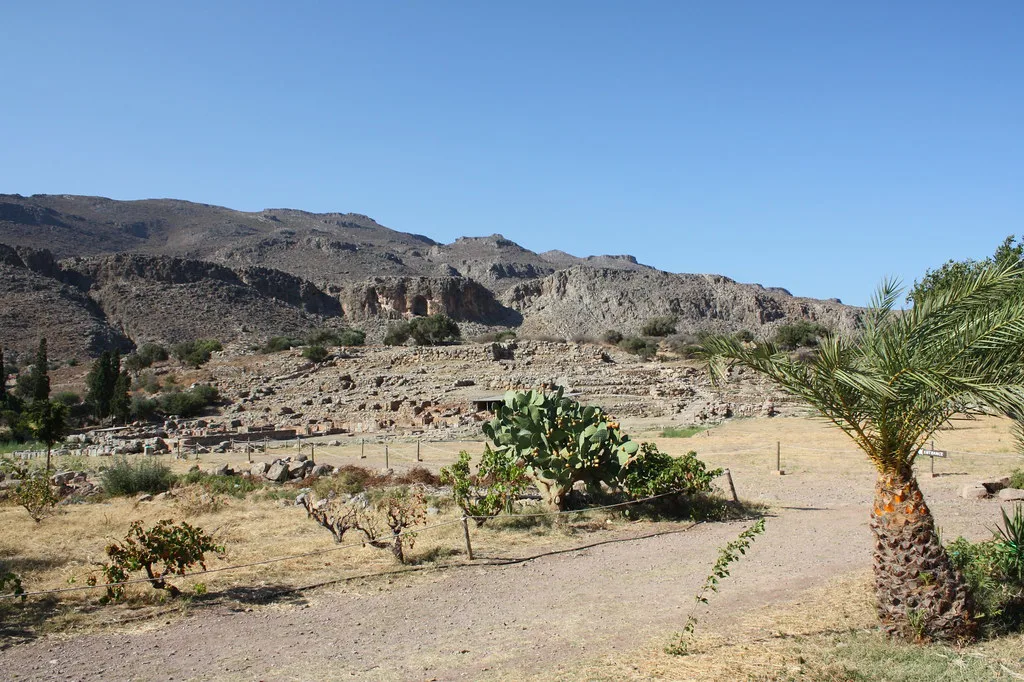
Zakros is among the most isolated Minoan sites, and the road in is the main cost. Archaeology Magazine advises renting a car in Heraklion and driving east to Sitia. From there, a local tour operator can drive you the hour or so down the coast. Drivers should expect steep inclines and roads with no shoulder. Parking and drop-off arrangements at Kato Zakros are not documented, so check them locally. For other drive times, use a current map app rather than a printed estimate.
| Option | Time and effort | Flexibility |
|---|---|---|
| Self-drive day trip from Heraklion | Long day: drive east to Sitia, then about an hour down the coast | High, but tiring |
| Base in Sitia or Palekastro | Roughly an hour from Sitia; shorter from Palekastro (check current times) | High, with relaxed mornings |
| Local driver or tour from Sitia | About an hour each way, no mountain driving yourself | Fixed schedule |
Tickets, opening hours and free days
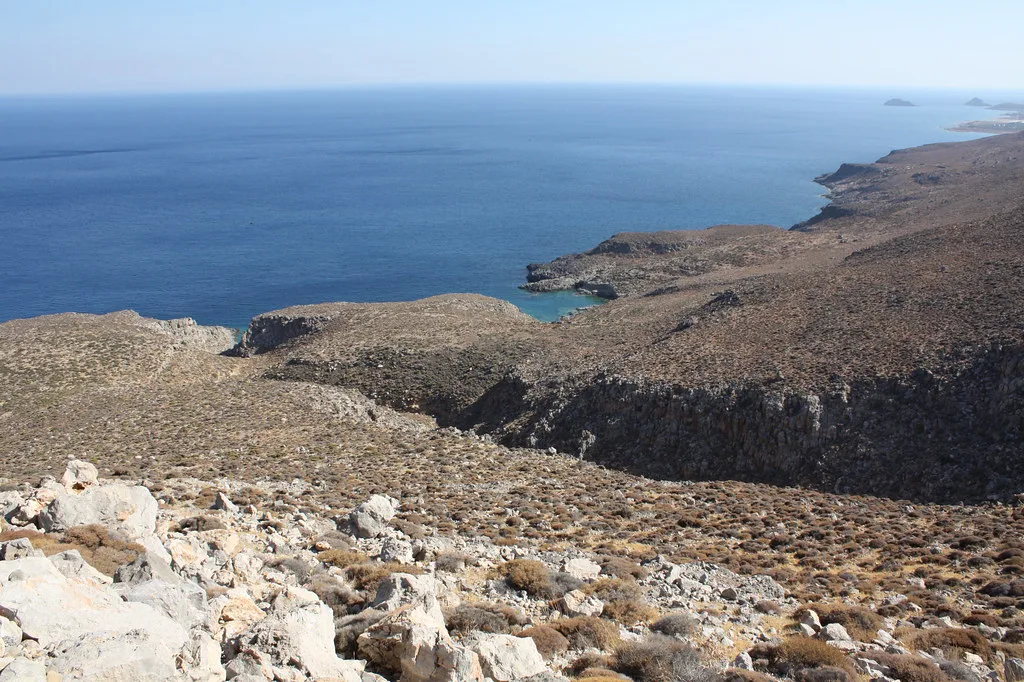
As of 2026, the Hellenic Ministry of Culture portal lists a full ticket at €10 and a reduced ticket at €5. A special ticket package is listed at €6 full and €3 reduced. Winter hours run 08:30–15:30 from 1 November to 31 March. Summer hours run 08:00–20:00 from 1 April to 31 October. Holidays differ, with closures on 1 January, 25 March, 1 May, Easter Sunday, 25 December and 26 December. Free admission is listed for 6 March, 18 April, 18 May, the last weekend of September and 28 October. Free first and third Sundays apply from 1 November to 31 March. Prices and hours checked November 2026; the Ministry's own pages word some free days inconsistently, so confirm the date before you travel.
Closing at 15:30 in winter, with about an hour's drive from Sitia, leaves little slack for a late start.
What to see on site
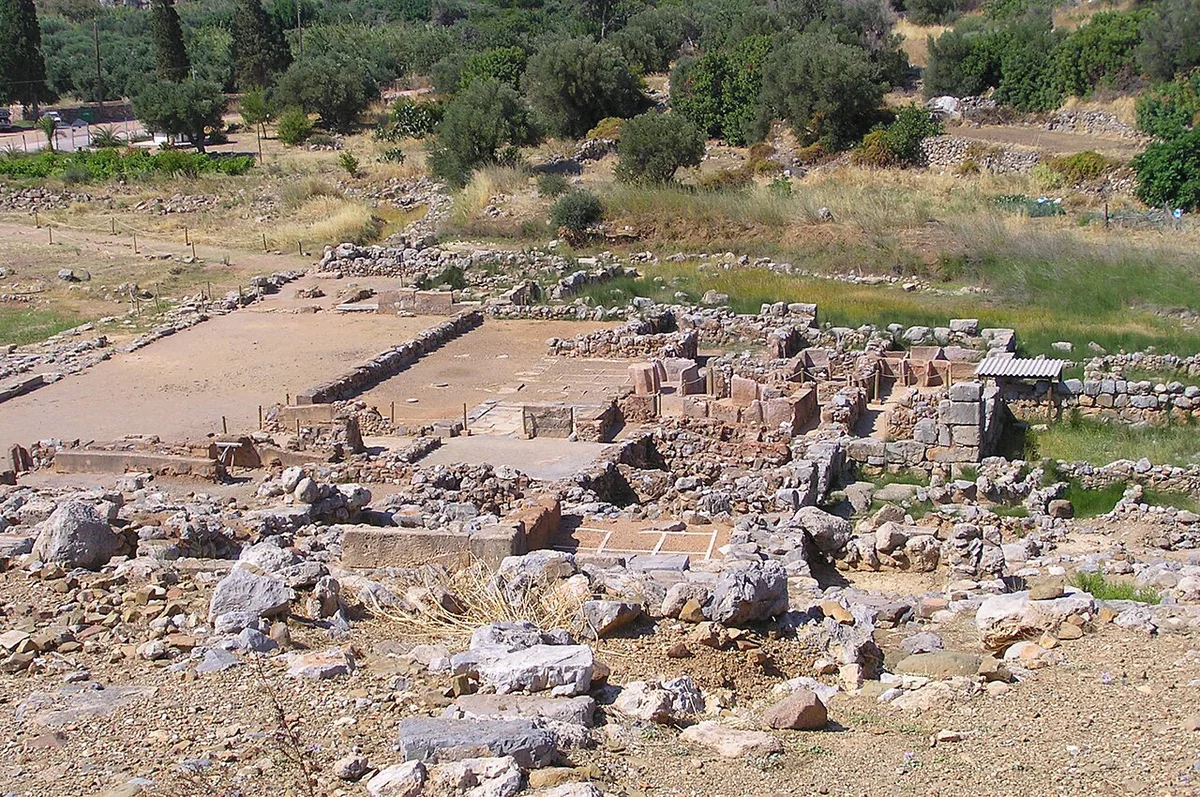
Start at the north-east entrance, where a road once linked the harbour to the palace. From there you reach the central court, about 30 by 12 meters and much smaller than the court at Knossos. The west wing held the archive, a small shrine and the Treasury of the Shrine. The archive produced Linear A tablets, and published counts differ: 13 tablets in one account, 591 documents including sealings in another. The east wing has the water features, including a cistern with seven steps down and the Well of the Fountain with fifteen steps. Several rooms are hard to read without a plan, so download a site map before you arrive. The town to the north held houses of up to 30 rooms, with wine and olive presses.
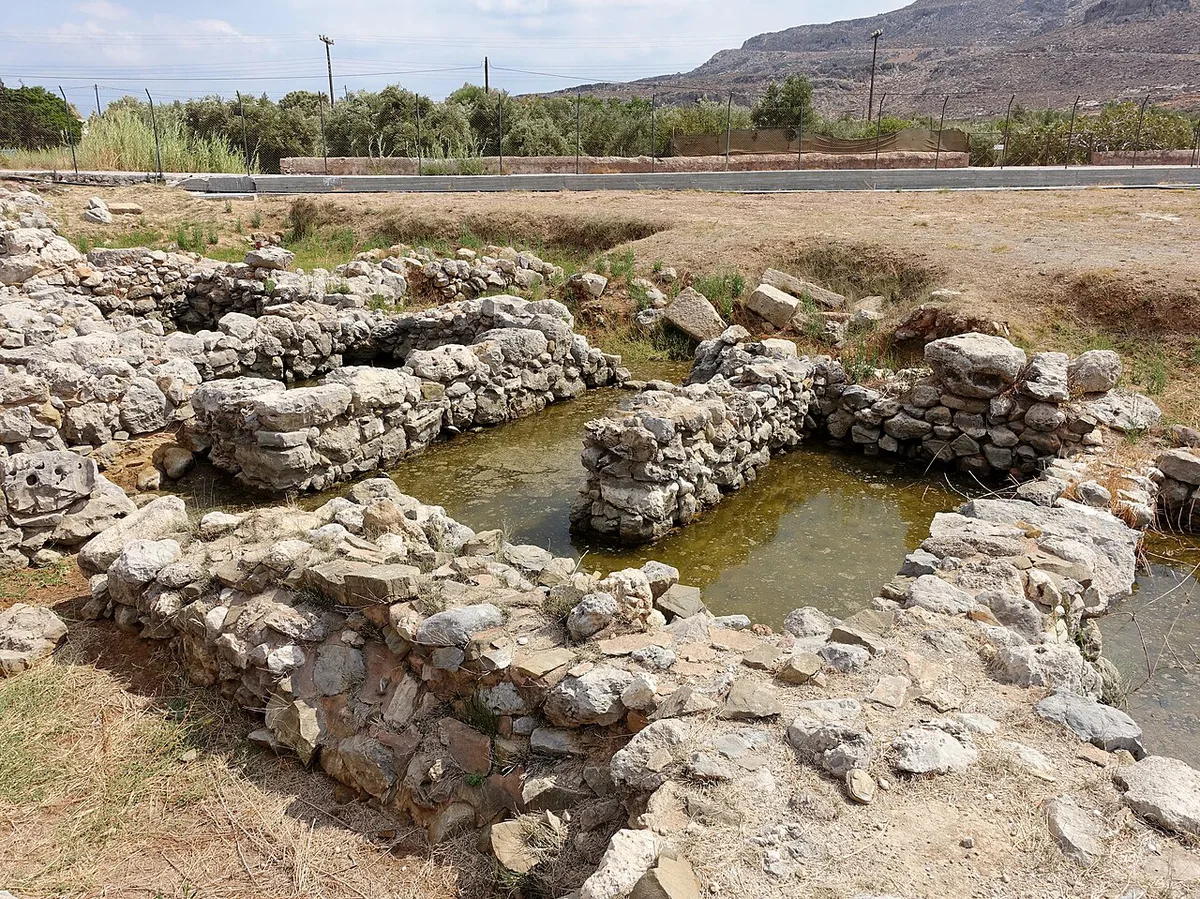
- Best value: the central court, the cistern and the town houses.
- Harder to read: storerooms and the workshop block in the south wing.
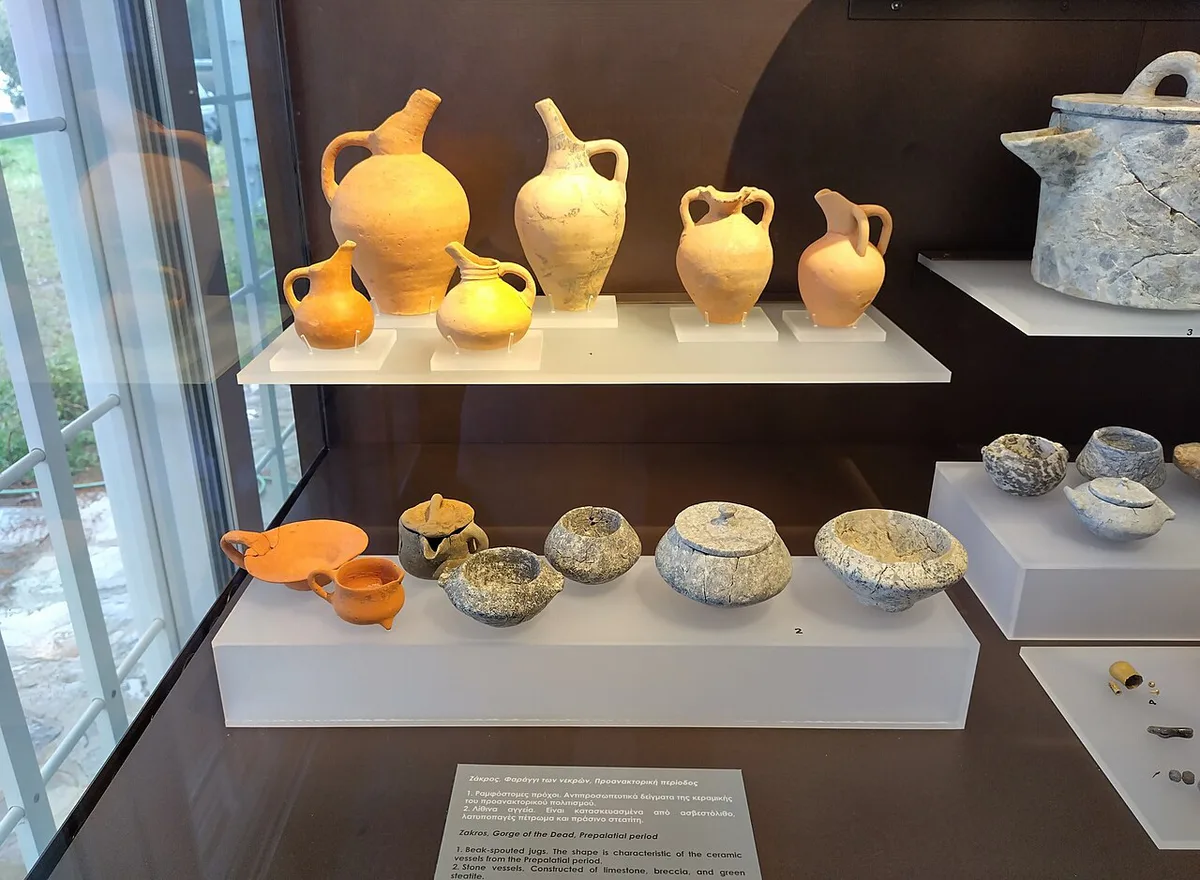
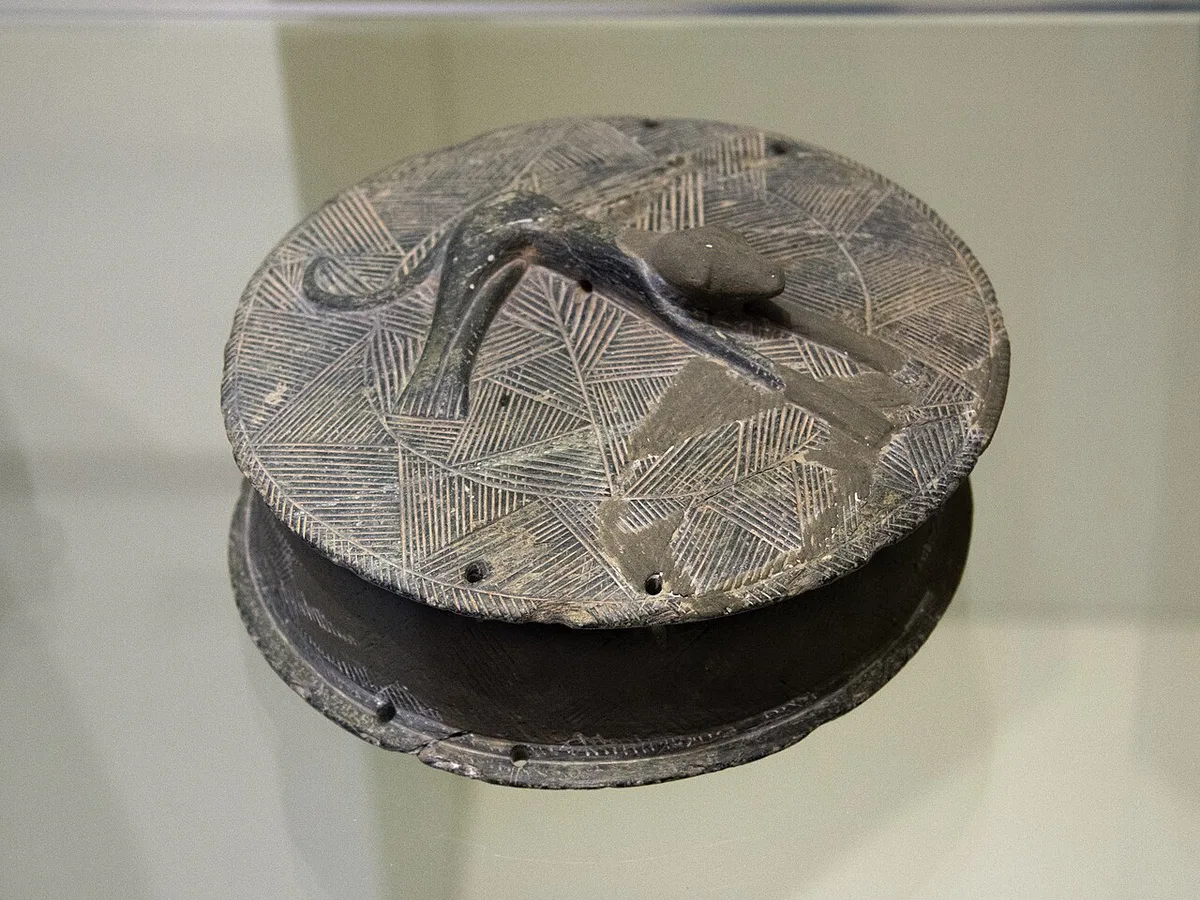
- Finds: the bull's head rhyton and other treasures are in the Heraklion Archaeological Museum, so pair a museum visit with the site.
The story in brief
Zakros acted as a gateway to the east. Finds include copper ingots, Egyptian faience and alabaster, and ivory from Syria. Its harbour is described as the only safe refuge along a rough coast. D.G. Hogarth dug here in 1901, and Nikolaos Platon resumed excavation in 1961. The palace was never reoccupied after about 1450 BC. Archaeologist D. Matthew Buell cautions that no Minoan site shows evidence of rulers living in these "palaces". Scholars also disagree on whether the east wing held "royal apartments" and whether lustral basins were for ritual or bathing. For wider background, read about Minoan culture and history.
The Ravine of the Dead and the surrounding area
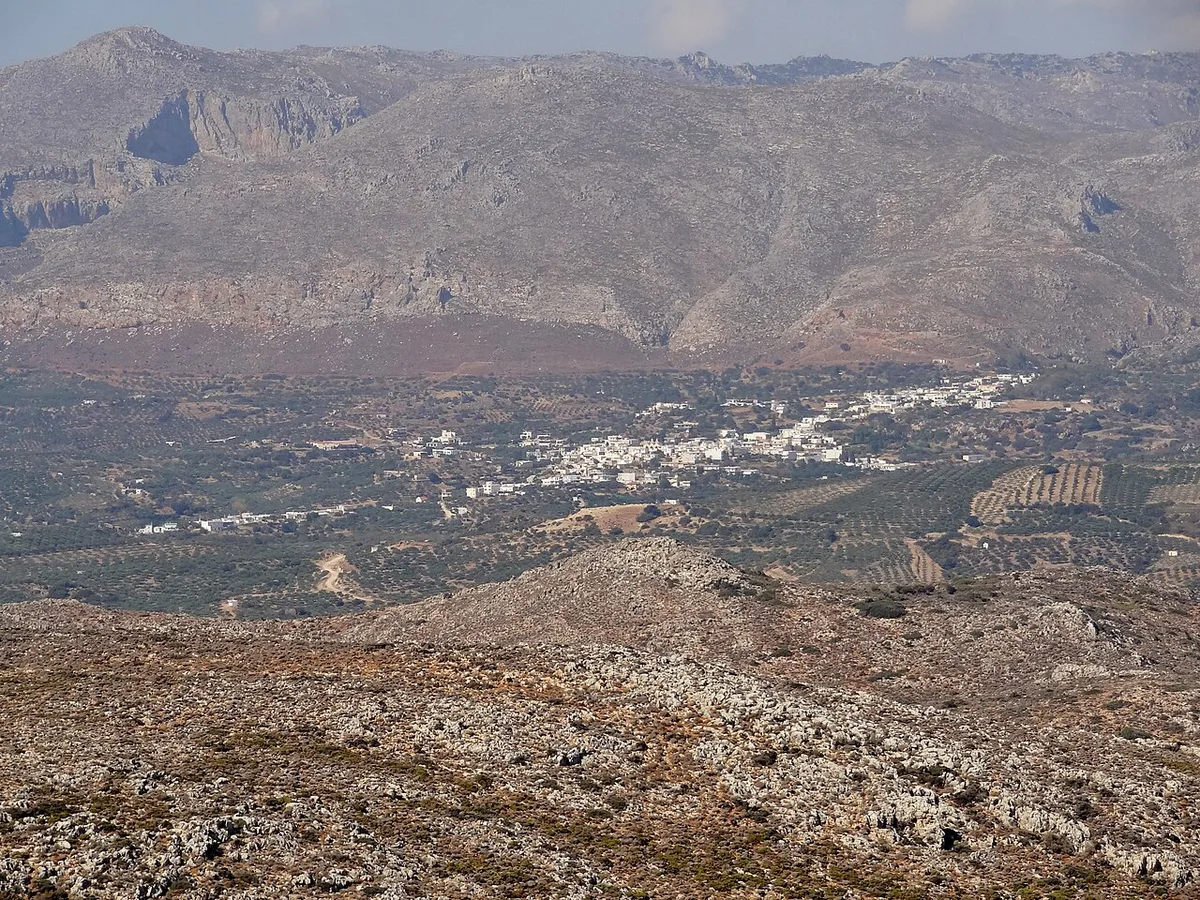
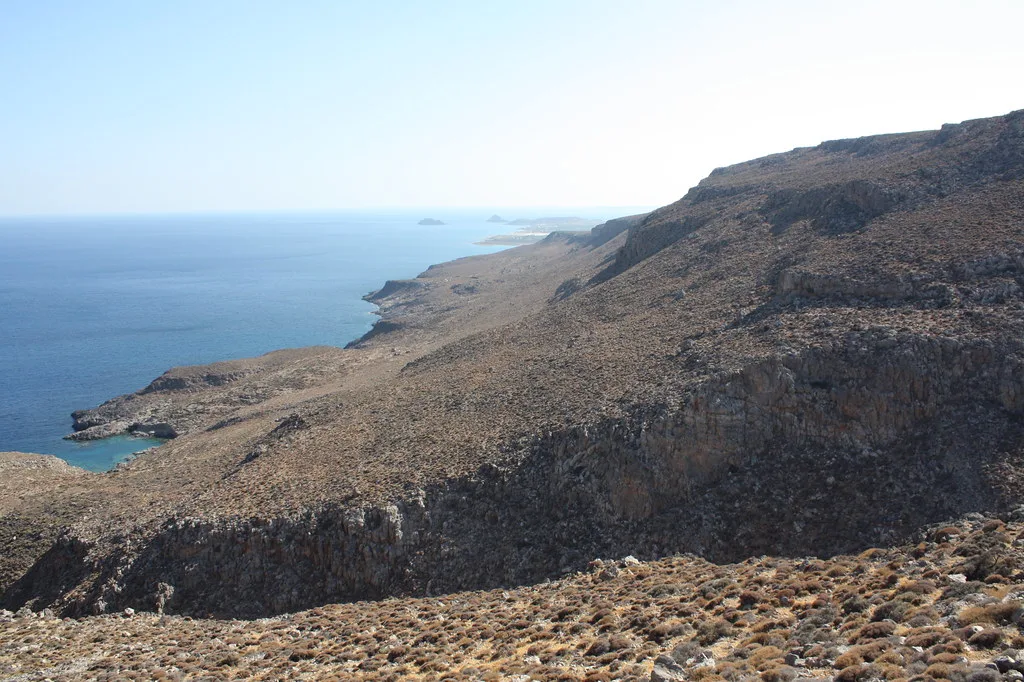
The Ravine of the Dead, usually called a gorge, links Epano Zakros with the palace site. Its name comes from burials found in caves along its walls. Published sources do not give a trail length, difficulty or return-transport plan. Ask locally about trail condition, summer heat and footwear before you set out, and arrange a ride back first. Nearby, Palekastro and the beach tavernas at Kato Zakros offer shade, food and drink. Vai Beach lies about 20 miles up the coast. Sitia has its own Archaeological Museum of Sitia.
Vai Beach, about 20 miles up the coast, suits a beach day rather than a quick stop on the way.
| Add-on | Time cost | Best for |
|---|---|---|
| Kato Zakros beach and taverna lunch | 1–2 hours | Everyone after the ruins |
| Ravine of the Dead walk | Check locally | Confident walkers with a transport plan |
| Palekastro | Short stop | Travellers already in the east |
| Vai Beach | About 20 miles up the coast | Beach day |
| Sitia museum | 1–2 hours | Rainy or very hot afternoons |
- Gournia is also listed in the same Lasithi group of sites.
How long to spend, and a sample plan
Allow a half day for the site and lunch at the beach. Make it a full day if you add the gorge or Palekastro. In winter, the site closes at 15:30, so aim to arrive by mid-morning. A sample day starts in Sitia, reaches the site in the morning, then lunches at Kato Zakros. Finish with a beach stop or a drive up the coast.
- Mistake: arriving close to the 15:30 winter closing time.
- Mistake: carrying no water or food. Tavernas are on the beach, not at the ruins.
- Mistake: squeezing Zakros into a Heraklion day with other sites.
Where to stay and eat
Staying at Kato Zakros gives the quietest evenings and the shortest walk to the ruins, but it has limited choice. Zakros village is smaller and further inland. Palekastro offers more options and a base for beaches. Sitia has the widest choice, including the museum and restaurants, but adds the hour-long drive each way. Book ahead in summer, since the area is small.
More Minoan sites to pair with Zakros
East Crete options come first. Gournia's Bronze Age town is the natural companion, and the Ministry also lists Palekastro, Petras, Itanos and Lato nearby. In the south-central region, try the Agia Triada site or the palace at Phaistos. Roman and earlier layers are visible at the ruins at Gortyna. Use the hub guide to compare every palace in one place.
Related guides


Continue reading
Guides on the same trip