
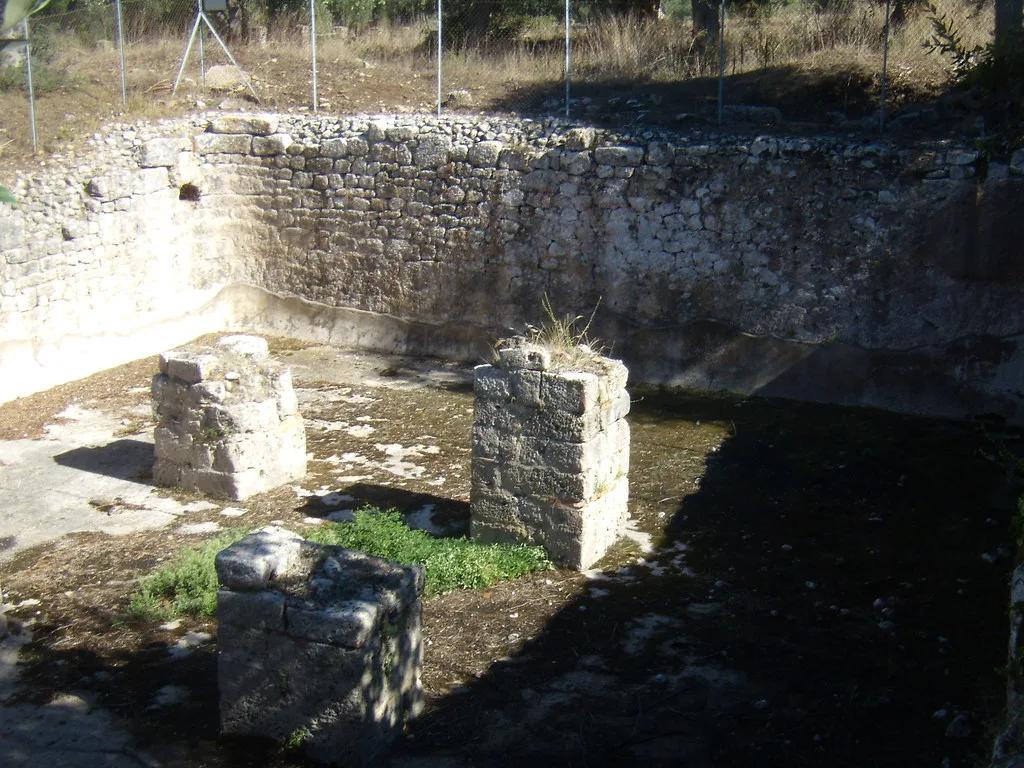
Last updated November 2026. In this guide, cosa means Cosa, the Roman colony on the hill above Ansedonia, near Orbetello on the Tuscan coast, and not the Italian word for "what". It suits travelers who want a quiet archaeology stop on the Maremma coast. It also suits anyone who wants a compact alternative to the big Roman sites listed in our guide to Roman sites across Italy.
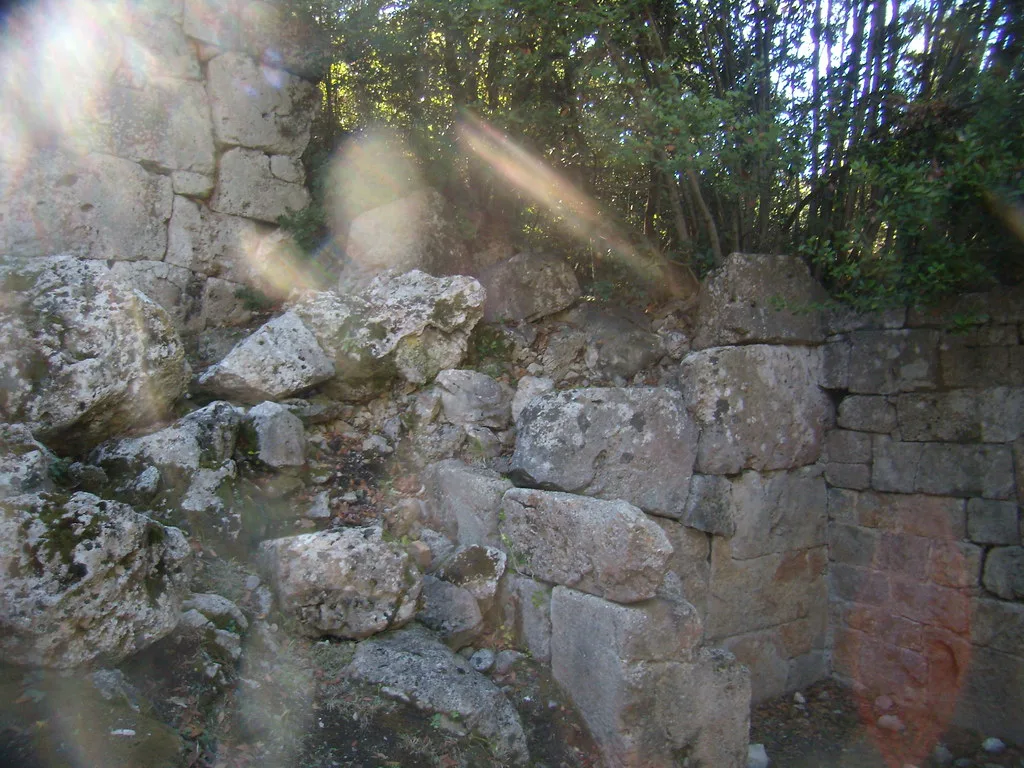
Featured image: Hyspaosines, CC BY-SA 2.0, via Flickr.
Is Cosa worth visiting?
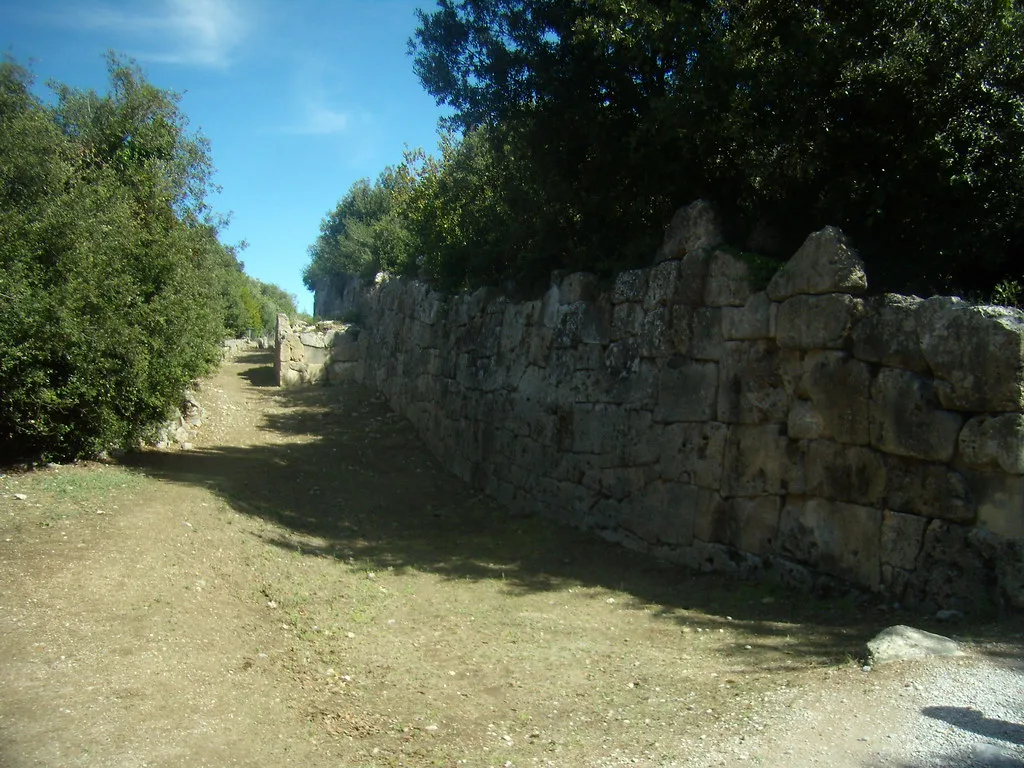
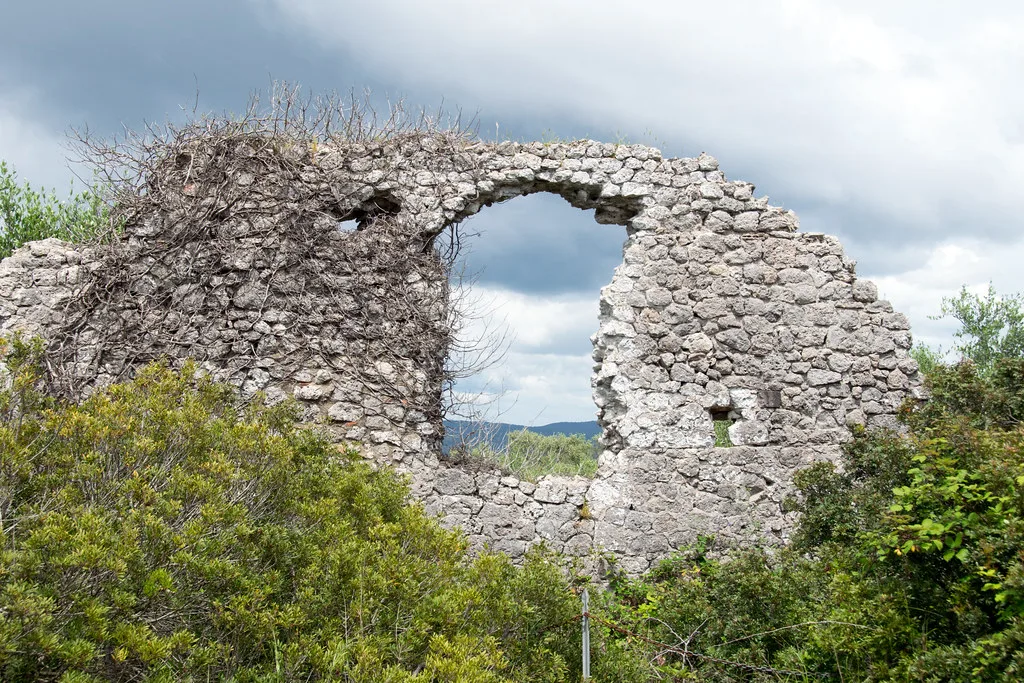
Cosa rewards visitors who like reading a landscape. You walk a hilltop town plan with walls, a forum and a temple platform, and you see little reconstruction. If you want standing monuments on the scale of Rome or Pompeii, you may find it underwhelming. A beach day at Ansedonia is the easier choice in high summer. A Rome-based day trip is possible but long, so Cosa works better as part of a stay on the Maremma coast or Monte Argentario.
What you will see at Cosa
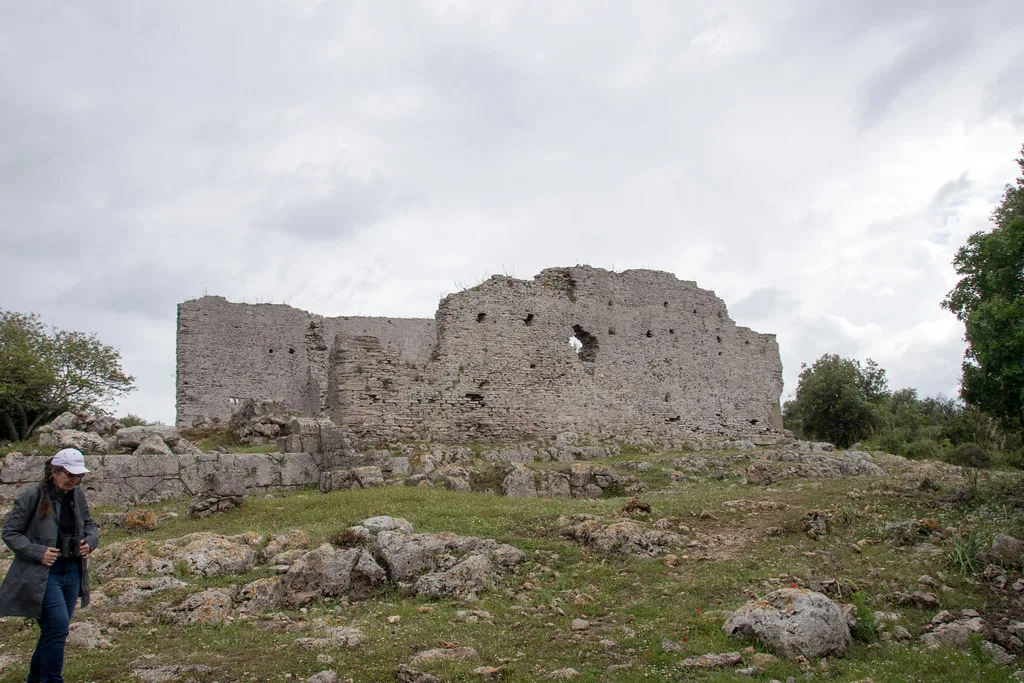
The site occupies a hill above the sea and centers on a few clear elements. Start with the circuit of walls, then move inward to the forum and the Capitolium. The acropolis gives the best sense of why the colonists chose this spot. The museum on site holds finds from the excavations and helps you read the ruins before or after your walk.
- Circuit of walls enclosing the hilltop town
- Forum area, the civic core of the colony
- Capitolium, the main temple of the town
- Acropolis, the highest part of the hill
- Site museum with excavation finds
What the Cosa Museum Collection Holds
The site museum, the Antiquarium, is small, but its collection explains the colony better than the bare foundations do. The finds come mainly from the excavations run at Cosa by the American Academy in Rome from 1948. They document daily life on the hill rather than grand sculpture.
Expect these kinds of objects:
- Black-gloss and coarse pottery: table and kitchen ware that shows what the colonists ate from and cooked in.
- Amphorae and storage jars: containers for wine and oil, evidence of the trade that moved through the coast below the hill.
- Architectural fragments: pieces of terracotta decoration and building material linked to the temples and civic buildings you walk past outside.
- Coins, tools and small personal items: useful for dating the phases of the town.
The finds are easier to place if you visit after the walk, once you have stood in the forum and on the acropolis. Labels and displays may be partly in Italian, so a quick read of the history section above helps. Gallery layout and which objects are on show can change, so check the Tuscan museums portal before you go.
Cosa's archaeological context is also covered in the Wikipedia entry for Cosa, which is a useful background read if you want the excavation record in more detail.
A Self-Guided Route Through the Ruins and What to Bring
Cosa is a hilltop of grass, scrub and low masonry rather than a site with signposted monuments at every turn. A fixed order keeps the layout readable, and it follows the same logic the Roman planners used.
- Walls first. Walk a stretch of the circuit to see the gates and towers. The line of the walls shows how the colony's boundary followed the hilltop.
- Forum next. Move inside to the open civic square and the foundations around it. The regular layout is easiest to grasp at ground level here.
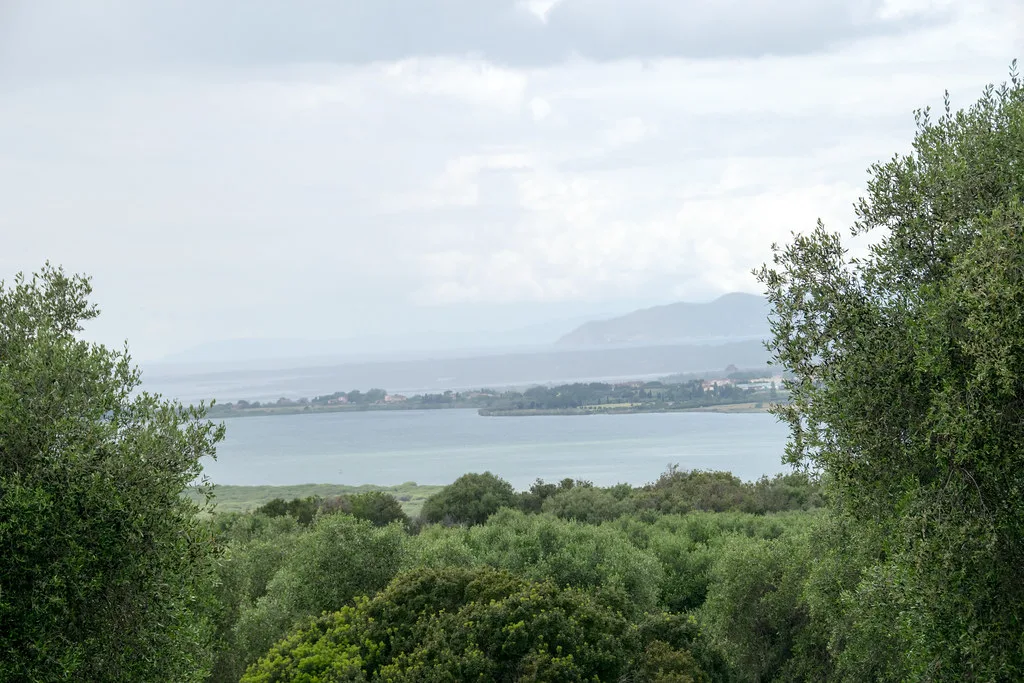
- Acropolis last. Climb to the highest part of the hill for the Capitolium platform and the view over the coast and lagoon. Saving it for the end means you already know what you are looking down on.
- Museum to close. Visit the site museum once you have seen the ruins, so the finds connect to places you have walked through. If you prefer context first, reverse this and start there.
Practical notes for the walk
- Footwear: paths are uneven and stony in places, so wear walking shoes rather than sandals.
- Water and sun cover: bring water, a hat and sunscreen, since the hilltop has little reliable shade.
- Accessibility: slopes and rough ground make the site hard going for wheelchairs and pushchairs. Ask at the entrance which parts are practical.
- Pace: allow about 1.5 to 2 hours for the walls, forum and acropolis, plus extra for the museum. This fits within the half day suggested above.
- Reading the ruins: there is little reconstruction, so a short read of the history above before you go makes the site far easier to follow.
A short history of the Roman colony
Rome founded Cosa in 273 BC as a colony on the Tuscan coast. Its position above the sea made it a lookout and a base in this stretch of the Maremma. Visitors today see a planned town with a regular layout rather than a city that grew without a plan. That is why the walls and forum are so easy to follow on the ground.
How to get there and how long to allow
Cosa sits above Ansedonia, close to Orbetello, and a car makes the hill much easier to reach. Train travelers should check the current station and bus options on the operator sites before leaving. Allow a relaxed half day if you add the museum and a coastal stop.
Best season and time of day
The hilltop has little reliable shade, so early morning or late afternoon is more comfortable than midday. Summer pulls crowds to the Ansedonia beaches, and the ruins tend to feel calmer than the shoreline. Spring and autumn give the easiest conditions for walking the walls.
| Season or time | What to expect at Cosa |
|---|---|
| Summer | Crowds head to the Ansedonia beaches, and the ruins tend to feel calmer than the shoreline. |
| Spring and autumn | The easiest conditions for walking the walls. |
| Early morning or late afternoon | More comfortable than midday, since the hilltop has little reliable shade. |
| Midday | Less comfortable, because the hilltop has little reliable shade. |
Tickets and hours
Opening days and ticket rules for the site and museum change by season. Check the Tuscan museums portal and the Italian Ministry of Culture for current times and fees.
What to pair with Cosa nearby
The Spacco della Regina, a rock cleft at Ansedonia, is the natural companion to the ruins. The Tagliata Etrusca lies on the same stretch of coast, so both fit into one outing. Orbetello and its lagoon make an easy lunch stop afterward. Monte Argentario is the next logical day if you are staying in the area. Confirm access to each coastal site locally, since conditions can vary.
Other Roman sites to compare
Cosa is a compact, low-crowd option, so it pairs well with other lesser-known sites. If you want a larger southern contrast, see the ruins around Naples. Travelers who enjoy road-based itineraries can follow the Via Flaminia route. The ruined town of Carsulae offers a similar quiet atmosphere inland. On the northern coast, Roman Luni makes another comparison. Our guide to Roman ruins in Italy maps the wider choices.
Related guides



Continue reading
Guides on the same trip


