Old Sarum Visitor Guide: Is It Worth It and How to Get There
Last updated November 2026: Old Sarum is an English Heritage site on a hill about 3 km (two miles) north of Salisbury, holding an Iron Age hillfort, a Norman castle and the first Salisbury cathedral. Most of what survives is earthworks and foundation outlines, so it suits people who enjoy reading a landscape. This guide covers what you will see, how to fit it into a day, and how it pairs with Stonehenge and Avebury.
Featured image: Simon Burchell, CC BY-SA 4.0, via Wikimedia Commons.
Is Old Sarum worth visiting?
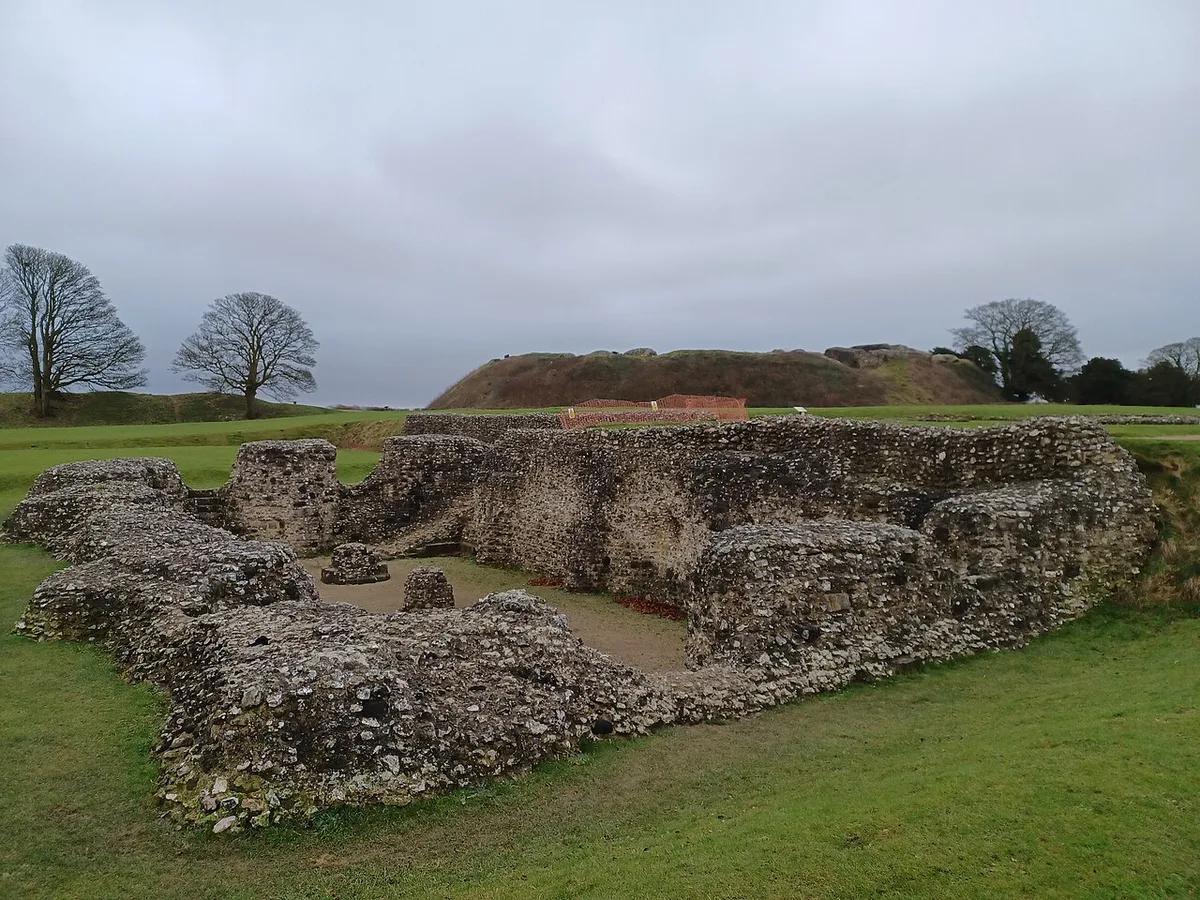
Yes, if you like history you can walk across. Old Sarum is the ruined site of the earliest settlement of Salisbury, and it is open to the public under English Heritage. Allow one to two hours on the hill. If you expect standing walls, you may be underwhelmed, because the cathedral and castle survive mainly as outlines in the grass. It is a strong stop for anyone who wants to understand why Salisbury sits where it does, and why a bishop moved his cathedral off this hill.
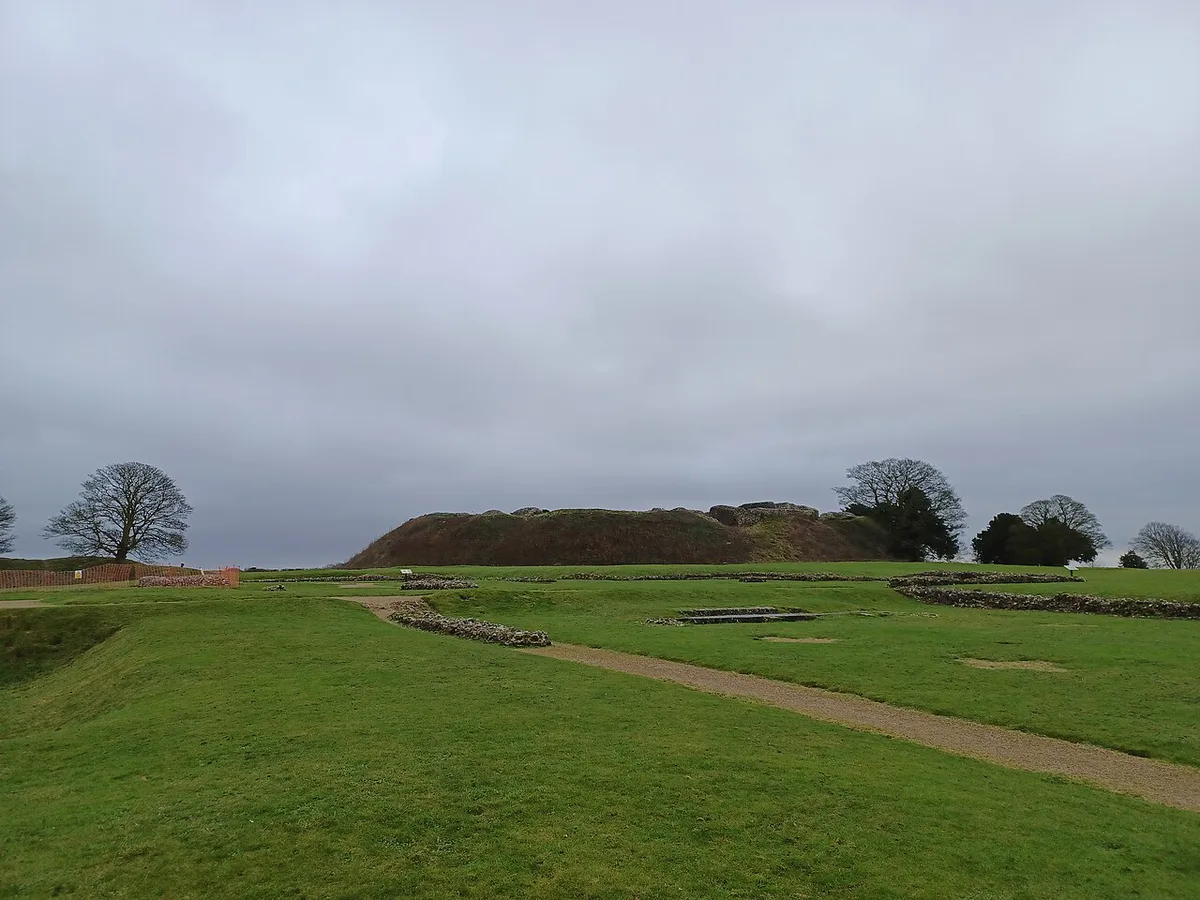
What you'll see on site
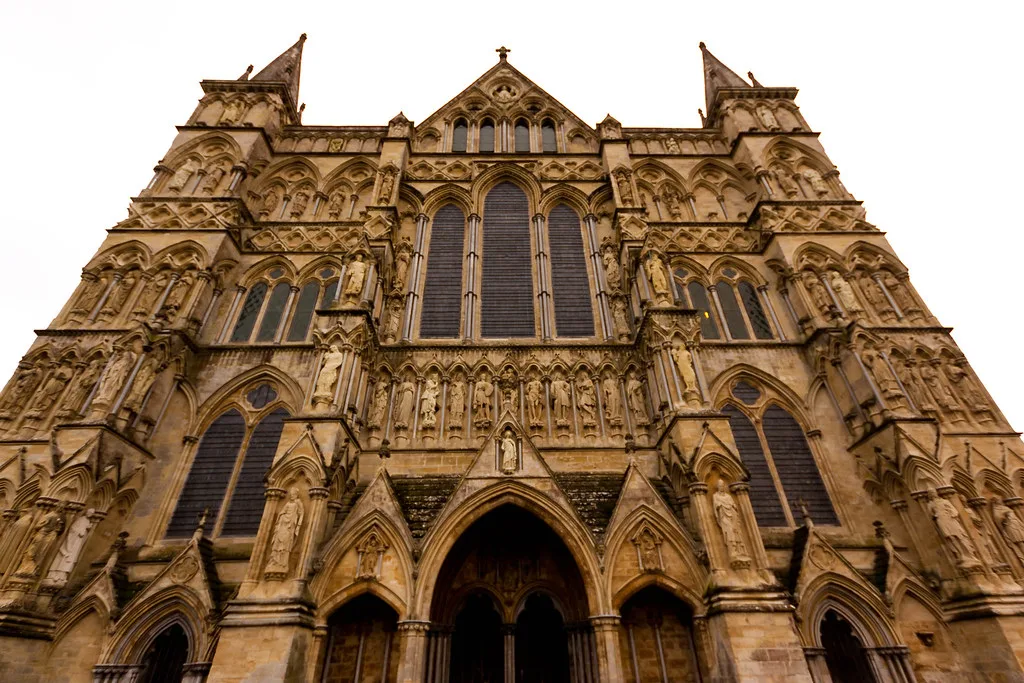
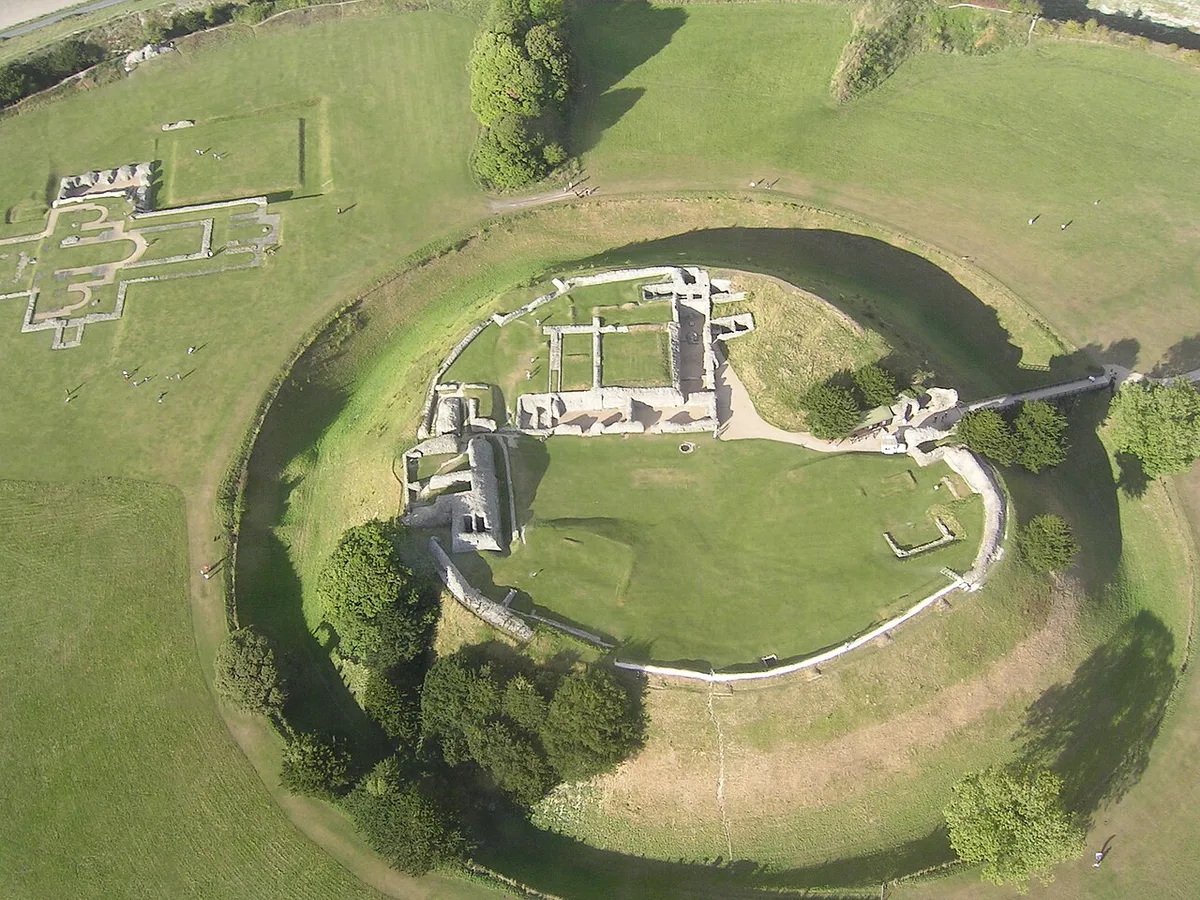
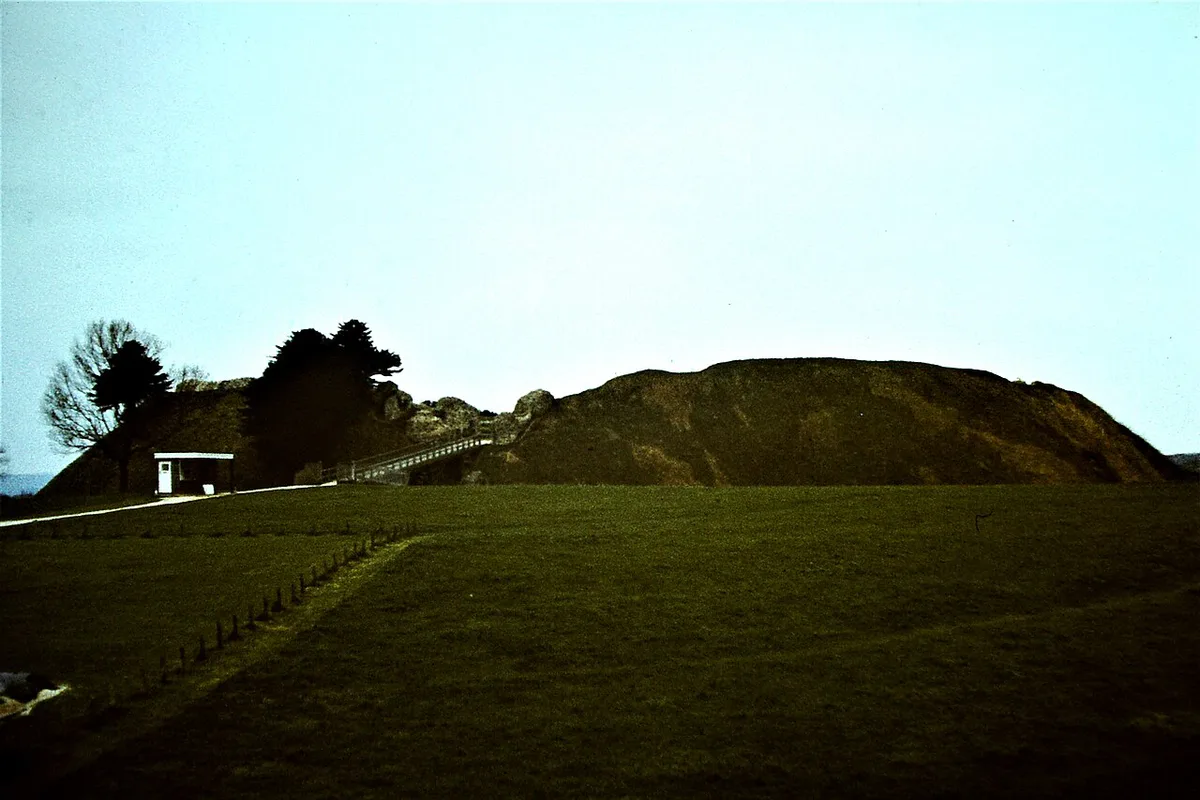
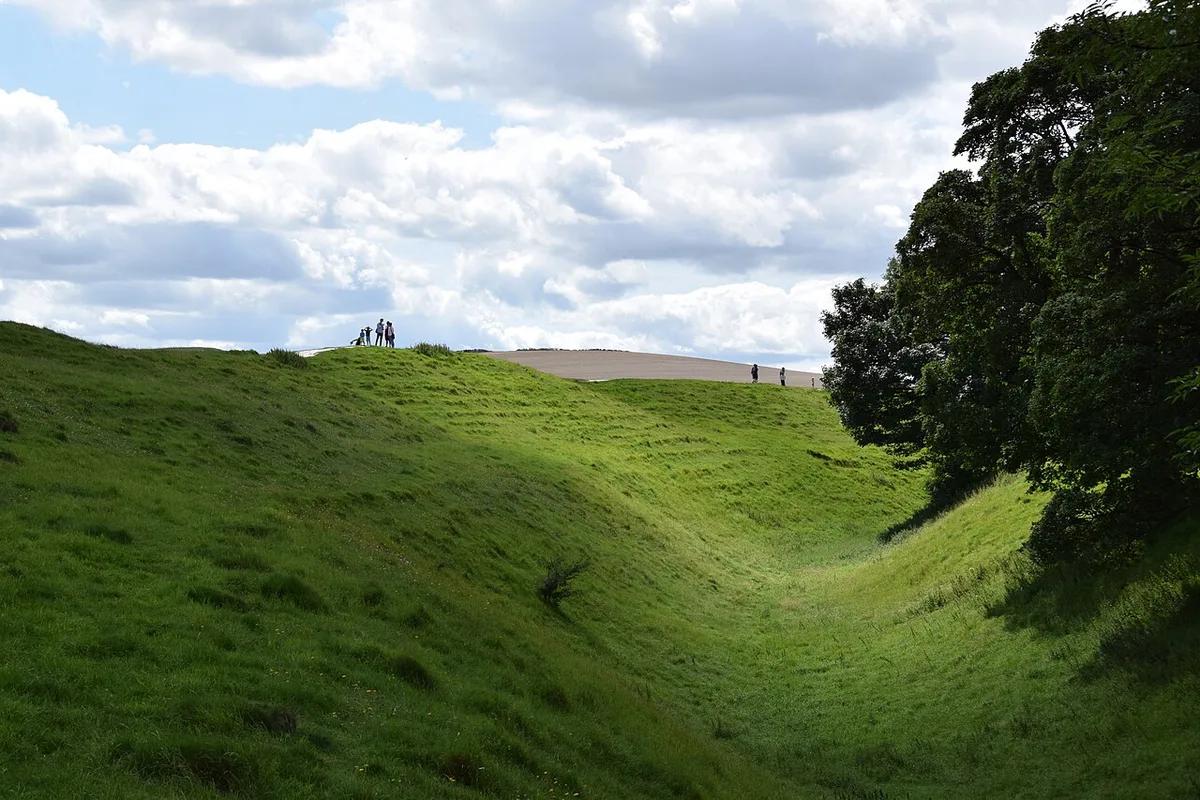
Three layers of history sit on one hill. The oval Iron Age hillfort is a single circuit of bank and ditch, roughly 405 m by 360 m, with its entrance at the east end. Inside it, a Norman castle stands on an inner mound, and the cathedral foundations lie beside it. Ramparts walks give you the best sense of scale, and views run toward modern Salisbury, so on a clear day you can look for the cathedral spire.
At roughly 405 m by 360 m, the hillfort is large enough that a full rampart circuit fills the two-hour plan.
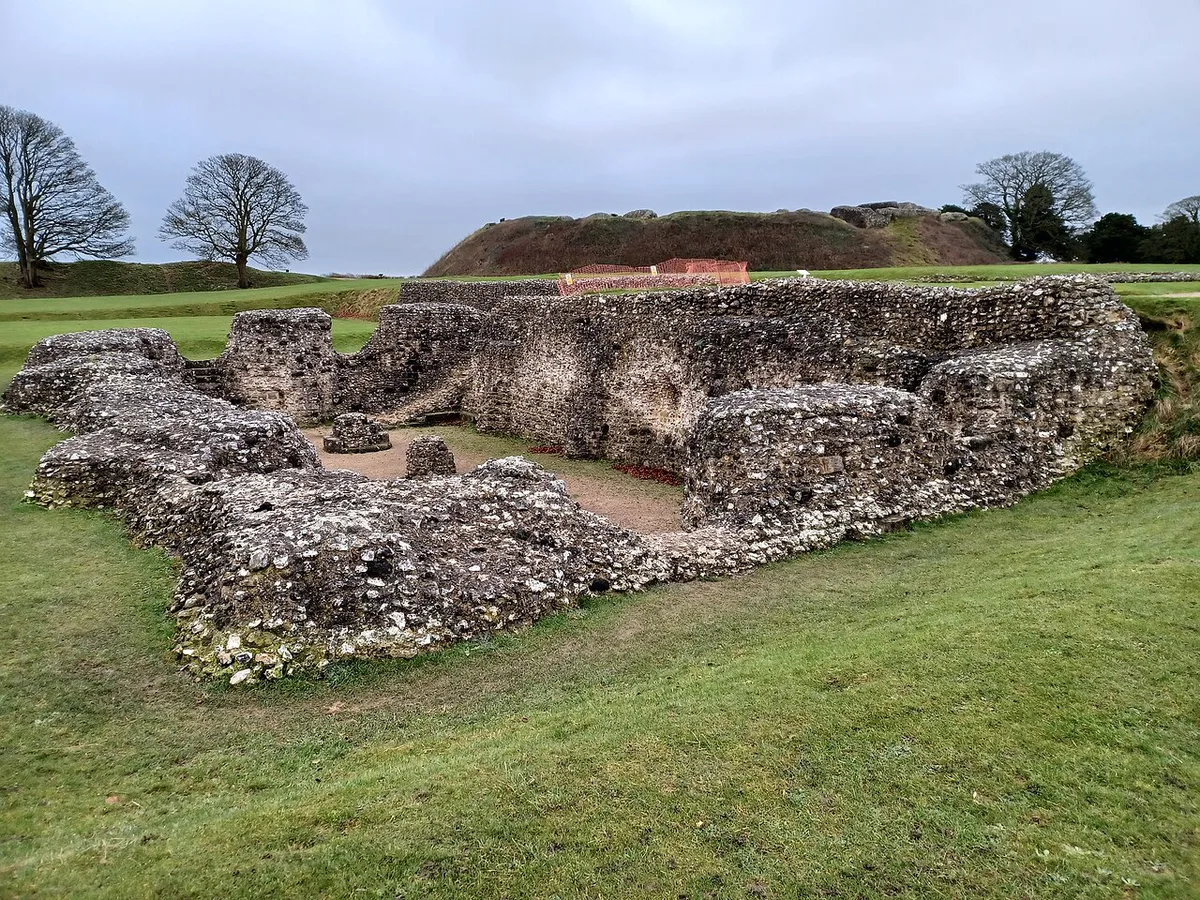
- Inner castle mound: ruined flint-and-stone walls, the only substantial masonry on the hill.
- Cathedral foundations: ground-level outlines that show the plan of the first Salisbury cathedral.
- Outer bailey and ramparts: a circular walk along the bank and ditch of the hillfort.
- Layout tip: do the ramparts first, then climb to the castle mound, so the outlines make sense from above.
How to plan your time
Old Sarum works as a short stop or as part of a longer Salisbury day. Pick the version that fits your schedule. Wear shoes with grip, because the slopes and grass can be slippery after rain.
- 1 hour: castle mound, cathedral outlines and one half-lap of the ramparts.
- 2 hours: a full rampart circuit, a slow look at the foundations, and time for the views.
- Half day: Old Sarum in the morning, then a bus or taxi into Salisbury for the cathedral and the city centre.
- Skip if: you cannot manage slopes, you want standing buildings, or you only have time for one headline monument.
Mistakes to avoid
A few simple errors catch out first-timers. Each is easy to sidestep with a little planning.
- Arriving without checking opening times on the English Heritage page.
- Expecting a roofed castle or an intact cathedral.
- Wearing smooth-soled shoes on wet grass and slopes.
- Forgetting that the hilltop is exposed, so bring a windproof layer even on mild days.
Old Sarum tickets, opening hours and access
English Heritage sets Old Sarum tickets, opening hours and last entry, and they change by season. Check its Old Sarum page before you go for current prices, any booking requirement, and whether membership or an Overseas Visitor Pass covers entry. The same page lists parking, toilets, café provision, dog rules and access notes. Expect a hilltop with slopes and uneven ground, so wheelchair users and anyone with limited mobility should read the access details first.
Getting to Old Sarum from Salisbury and London
The site is about 3 km (two miles) north of Salisbury, near the A345. That puts walking within reach for confident walkers, though the route runs along a main road, so check it on a map first. A taxi is the quickest option without a car. Local bus services run from Salisbury, but confirm the current route and frequency with the operator rather than relying on an old timetable. Drivers should check English Heritage for parking details. From London, take a train to Salisbury and continue by bus or taxi. For a logistics-style comparison of rail and day-trip options in the same region, see our Avebury from London guide.
A short history for visitors
Old Sarum's story runs from prehistoric settlement to a field of ruins. Each phase left something you can still trace on the hill.
- Iron Age: a hillfort guarded the crossing of two trade routes near the River Avon.
- Roman: the site was used and known as Sorbiodunum.
- Saxon: the hill continued as a stronghold.
- Norman: a motte-and-bailey castle and a cathedral were built, and Henry I had a royal palace in the castle.
- Move to Salisbury: in 1219 the bishop began a new cathedral beside the Avon, and the new town grew around it.
The rotten borough: Old Sarum's strangest legacy
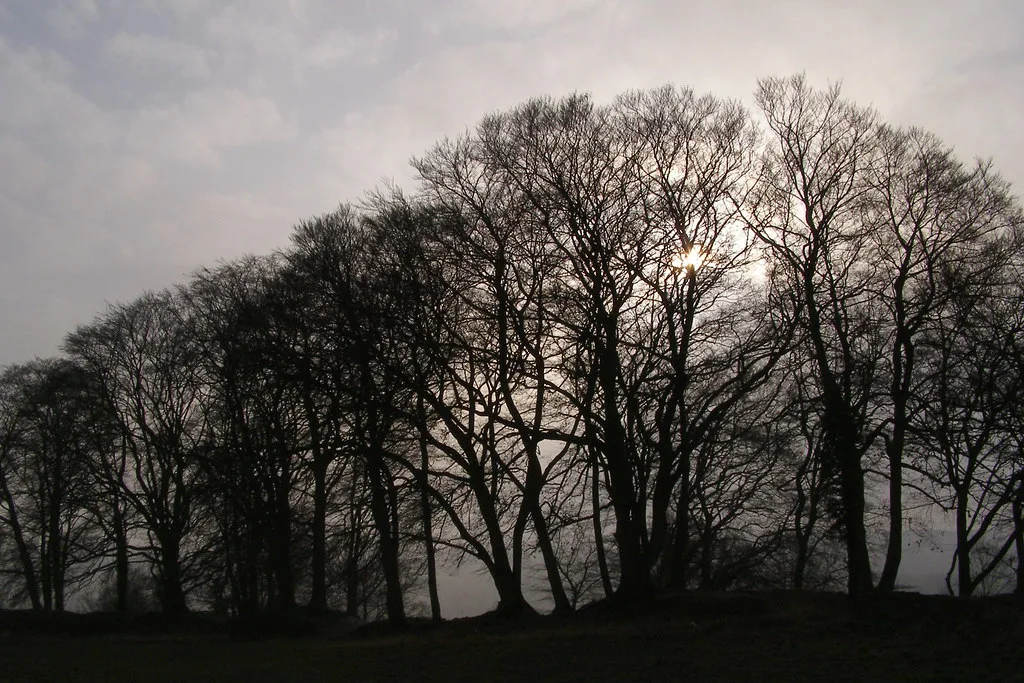
Old Sarum kept the right to send two members to the House of Commons long after almost nobody lived there. In 1831 it had 11 voters, and they were landowners living elsewhere. William Pitt the Elder was one of its MPs in the 18th century. Reformers used it as the textbook example of a rotten borough. The Reform Act of 1832 ended its representation. Standing in the empty field, you are looking at the reason the system needed changing.
In 1831 it had 11 voters, which means the two seats outlived almost everyone who lived on the hill.
Why the cathedral moved and what happened to Old Sarum
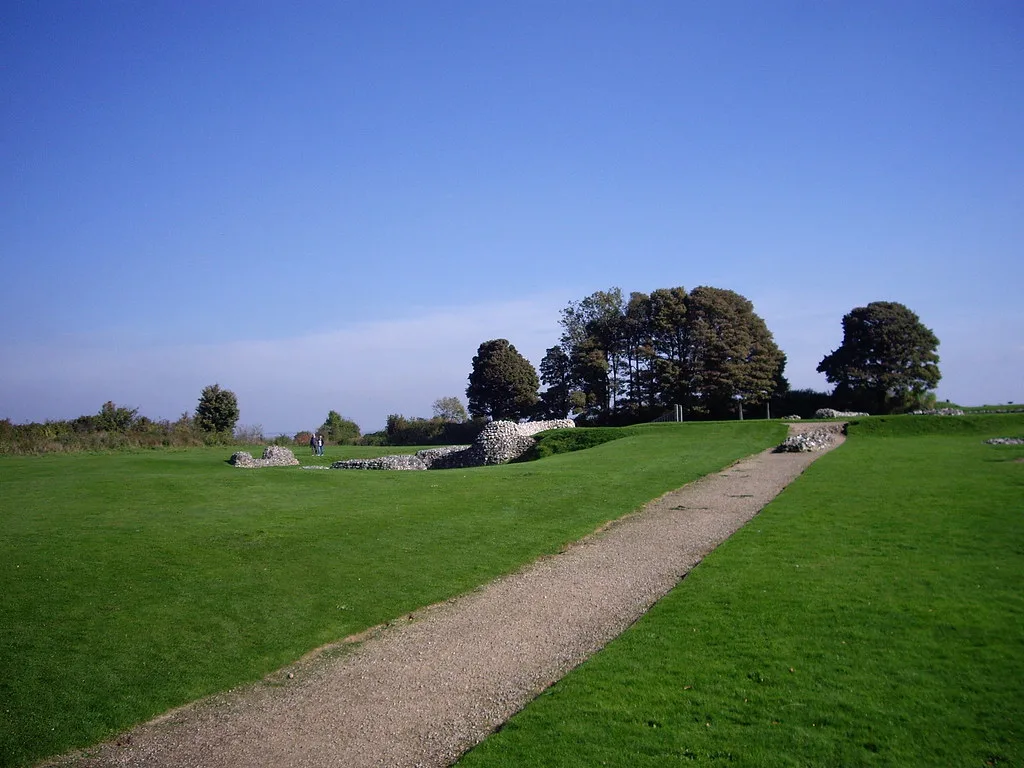
Space ran short on the hilltop, water was scarce, and cathedral and castle authorities often clashed. Those pressures led Bishop Richard Poor to start a new cathedral on low ground by the Avon in 1219. Houses were pulled down and rebuilt in New Sarum, which became Salisbury. Old Sarum slowly emptied and fell into ruin.
Where to stay and eat
Base yourself in Salisbury, which has the cathedral, the main rail station and the bus links to Old Sarum. Staying in the city centre suits walkers and train travellers. Drivers may prefer somewhere on the edge of town with easy parking. Families usually want somewhere close to the centre for short evening walks. Check Visit Wiltshire's accommodation and dining listings for current options, and bring a snack to Old Sarum if you plan a long rampart walk.
Combining Old Sarum with Stonehenge and Wiltshire sites
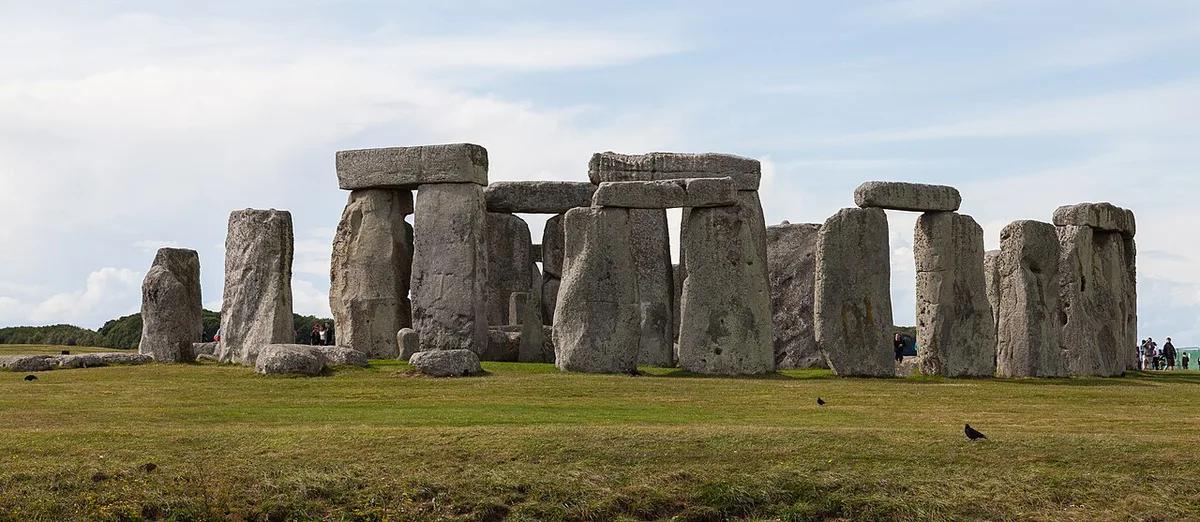
Old Sarum pairs naturally with Salisbury Cathedral, and you can add Stonehenge if you have a full day. Our prehistoric Wiltshire guide shows how the region's earlier monuments fit together. If you want a wider look at megalithic sites, read about Stone Circles in England: Where to Go and How to Choose. Avebury sits further north and needs its own day. The National Trust page for Avebury covers its visitor details, and our Avebury guide explains the village and the stone circle. With a second day, you could add Silbury Hill: Access Rules and How to Visit.
| Site | Time needed | What you see | Access | Cost level |
|---|---|---|---|---|
| Old Sarum | 1 to 2 hours | Hillfort, castle mound, cathedral outlines | Hilltop with slopes; bus, taxi or car from Salisbury | Paid; check English Heritage |
| Salisbury Cathedral | Around half a day with the city | Standing medieval cathedral in Salisbury | In the city centre; walkable from the station | Paid; see the cathedral site |
| Stonehenge | Half a day with transfers | Stone circle on Salisbury Plain | Needs a car, tour or planned transport | Paid; see the official site |
| Avebury | Full day | Stone circle around a village | Best by car or tour from Salisbury | Village free; some sites paid |
Frequently Asked Questions
How much does it cost to visit Old Sarum?
English Heritage runs Old Sarum and sets the ticket prices, which change by year and season. Its Old Sarum page lists the current adult, child and family rates. Members and Overseas Visitor Pass holders should check whether their pass covers entry.
Why did they move Salisbury Cathedral?
Old Sarum's hilltop was cramped and short of water. Castle and cathedral authorities also clashed. In 1219 the bishop began a new cathedral beside the Avon, and the new settlement became Salisbury.
What happened to Old Sarum?
Residents moved down to New Sarum as the new cathedral rose, and the hilltop settlement was slowly abandoned. It kept two MPs as a rotten borough until the Reform Act of 1832. Today it is a ruined site managed by English Heritage.
Related guides
Continue reading
Guides on the same trip