Last updated November 2026. The arenes de lutece are a Gallo-Roman amphitheatre-theatre in Paris's Latin Quarter, open as a public square you can walk into without a ticket. Plan a short stop of well under an hour. Expect a modest, partly restored ruin rather than a monument on the scale of Arles or Nîmes.
Featured image: Titlutin, CC BY-SA 4.0, via Wikimedia Commons.
What the Arènes de Lutèce are, and what you are really seeing
Roman Paris was called Lutetia, and the Arènes de Lutèce are its best-known surviving public building. The structure is a hybrid: a stage for theatrical performances combined with an arena for shows. That dual design is rare, and it is the main reason to look closely rather than just glance in.
Workers rediscovered the site during 19th-century construction of Rue Monge, part of the Haussmann-era rebuilding of the Latin Quarter. Archaeologists and public campaigners then saved it from being built over. Part of what you see today is restored, so treat it as a reconstructed ruin and not as untouched stone. Sources disagree on the exact construction date, so this guide gives none.
It sits on the Montagne Sainte-Geneviève, the hill where Roman Lutetia stretched on the Left Bank. For the wider picture of Roman sites across the country, start with our guide to Roman ruins in France.
Is the Arenes de Lutece worth your time?
Yes, if you are already in the Latin Quarter and want a quiet Roman anchor for your Paris day. No, if you want a Colosseum-style monument or a guided interior. Use the list below to decide quickly. Give it a short stop, roughly 20 to 30 minutes by our own editorial estimate.
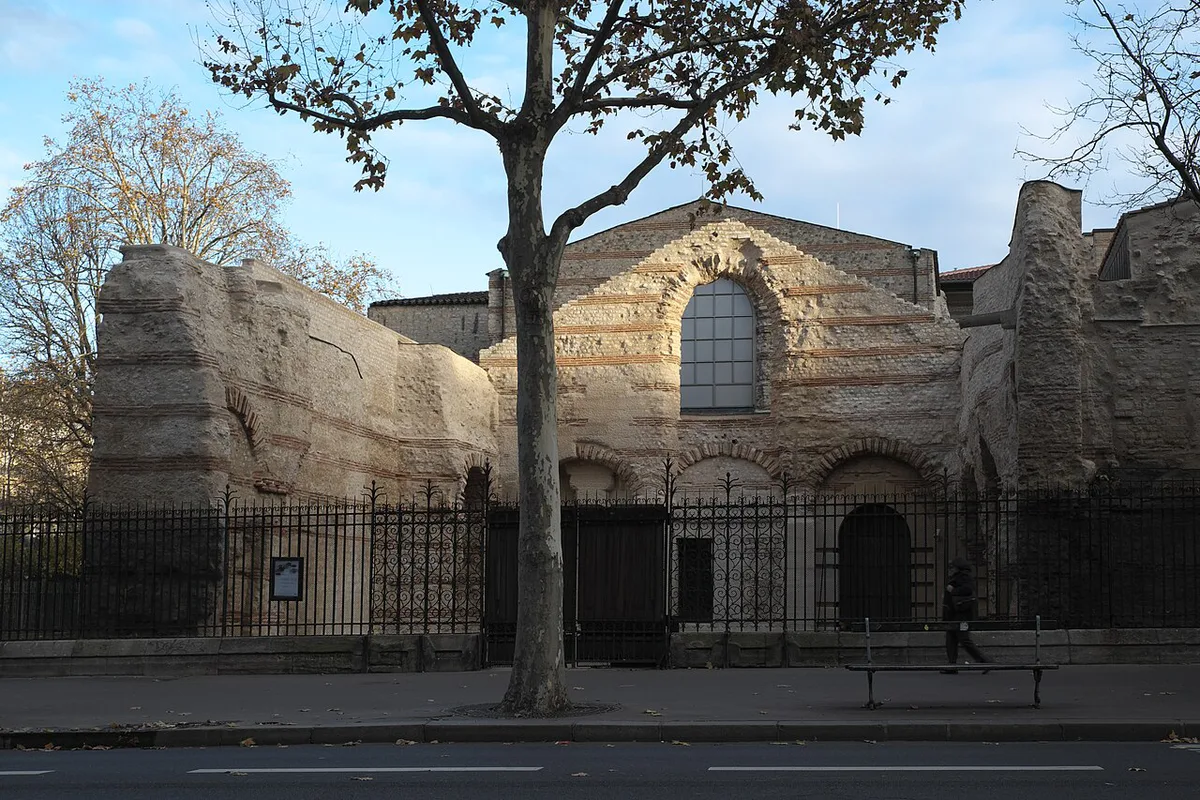
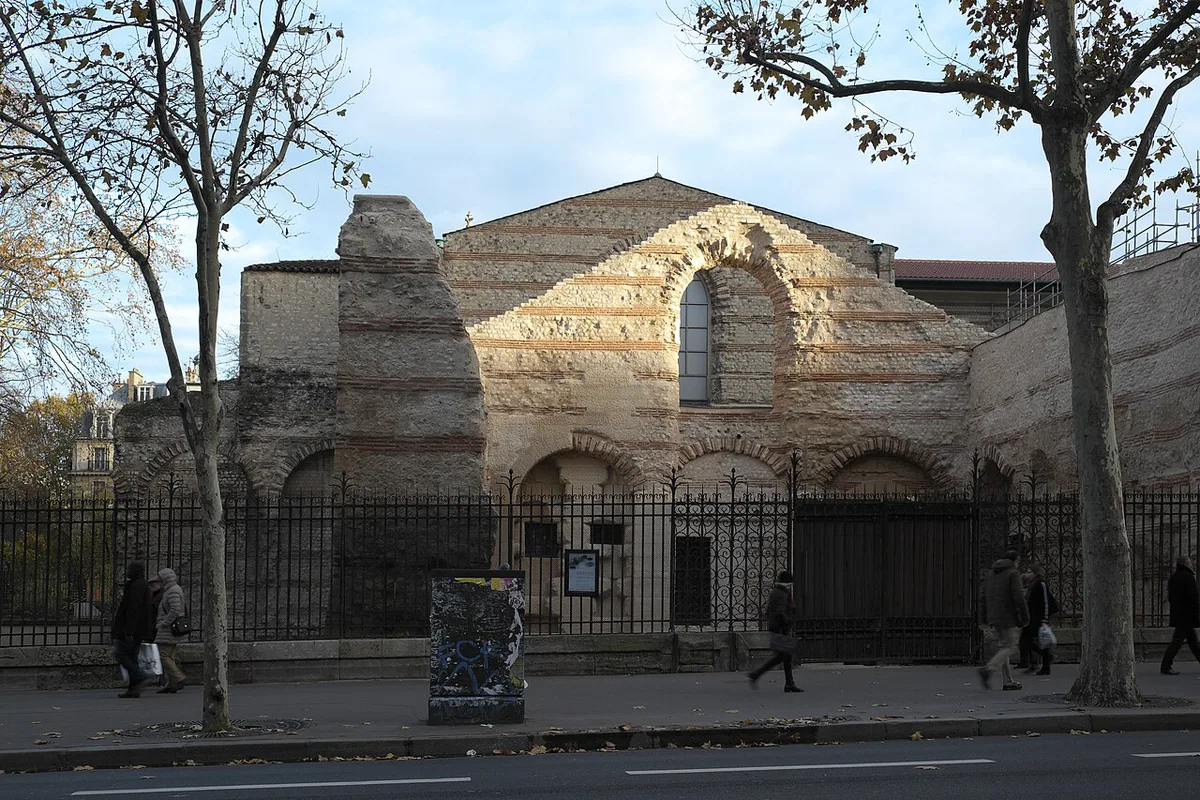
Budget roughly 20 to 30 minutes here, then add the Cluny baths, whose frigidarium is the other main Roman survivor in Paris.
- Go if you are walking between the Panthéon, the Jardin des Plantes and the Cluny area.
- Go if you want a free, non-ticketed stop with space to sit.
- Go if you want a visible trace of Roman Lutetia without queues.
- Skip if you expect a large, intact Roman amphitheatre.
- Skip if your Paris schedule is one day of queue-heavy priorities.
- Skip if you need audio guides, staff or a guided interior.
Getting there and finding the entrance
Two metro stations serve the site. Place Monge is on Line 7, and Jussieu is on Lines 7 and 10. From either stop it is a short walk. From the Panthéon or the Jardin des Plantes, allow about 10 minutes on foot.
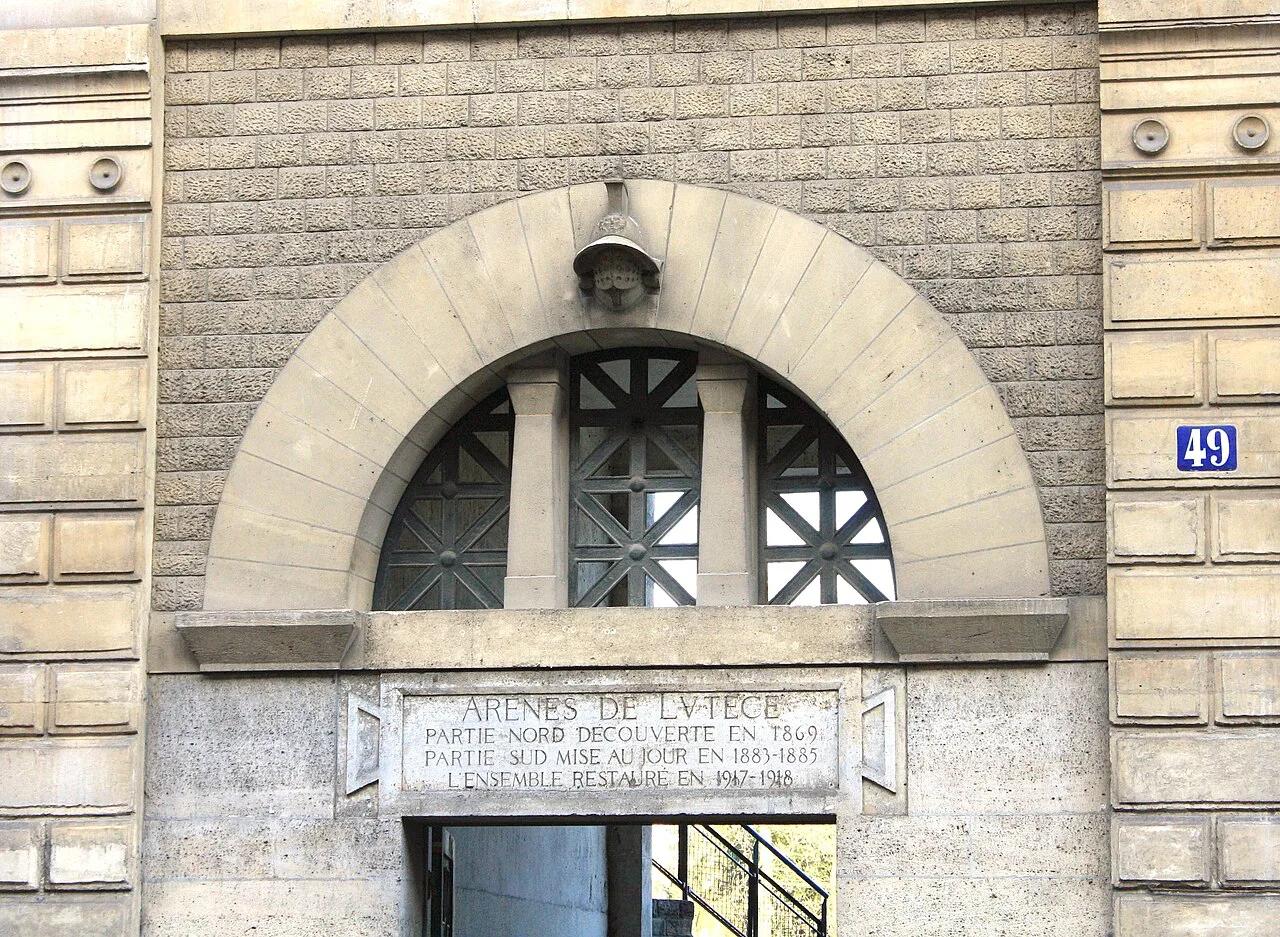
There are three ways in: Rue Monge, Rue des Arènes and Square Capitan. The Rue Monge entrance is discreet and easy to walk past. If you miss it, try Rue des Arènes or Square Capitan. Bus and Vélib' options change, so check RATP or the city's bike-share map for current stops.
For where to stay, base yourself in the Latin Quarter or the 5th arrondissement. That keeps the arena, the Panthéon and the Jardin des Plantes within walking distance.
Hours, entry and what you can do there
Opening hours and any seasonal closures are set by the City of Paris, so check its site for current times before you go. Entry works as a public square, which is why no ticket office exists.
Locals use the arena for petanque, casual football games, picnics and sitting on the stone steps. Share the space politely. Keep off fragile stonework, stay clear of games in progress and keep noise down near players. Concerts and theatre performances are sometimes held here, so look up the official schedule if you want to catch one. Avoid arriving mid-match if you want a clear view of the whole arena.
How the Paris arena compares with other Roman sites in France
Paris is a 30-minute add-on. Provence and the Rhône valley are destination trips with far larger remains. Use the table to pick the right scale for your trip, then see the full list of Roman sites for more.
Paris is a 30-minute add-on, while Provence sites are destination trips, so plan the Latin Quarter stop as an extra, not a day.
| Site | Type | Scale | Best for |
|---|---|---|---|
| Arènes de Lutèce, Paris | Amphitheatre-theatre | Small, partly restored | A quick Latin Quarter stop |
| Roman Arles: Monuments, Tickets and a Visit Plan | Amphitheatre and more | Large, multi-site | A full Roman day trip |
| Théâtre Antique d'Orange | Theatre | Large, imposing | Seeing a Roman stage wall |
| Lyon Roman Theatre (Fourvière): Visit Guide & Tips | Theatres | Medium, hillside | A city break with Roman depth |
| Vaison-la-Romaine | Excavated town | Large, spread out | Walking through Roman streets |
- Want a nearby Provence stop next? Try Glanum near Saint-Rémy.
- Heading south by the coast? See Roman Fréjus.
Combine it with nearby stops
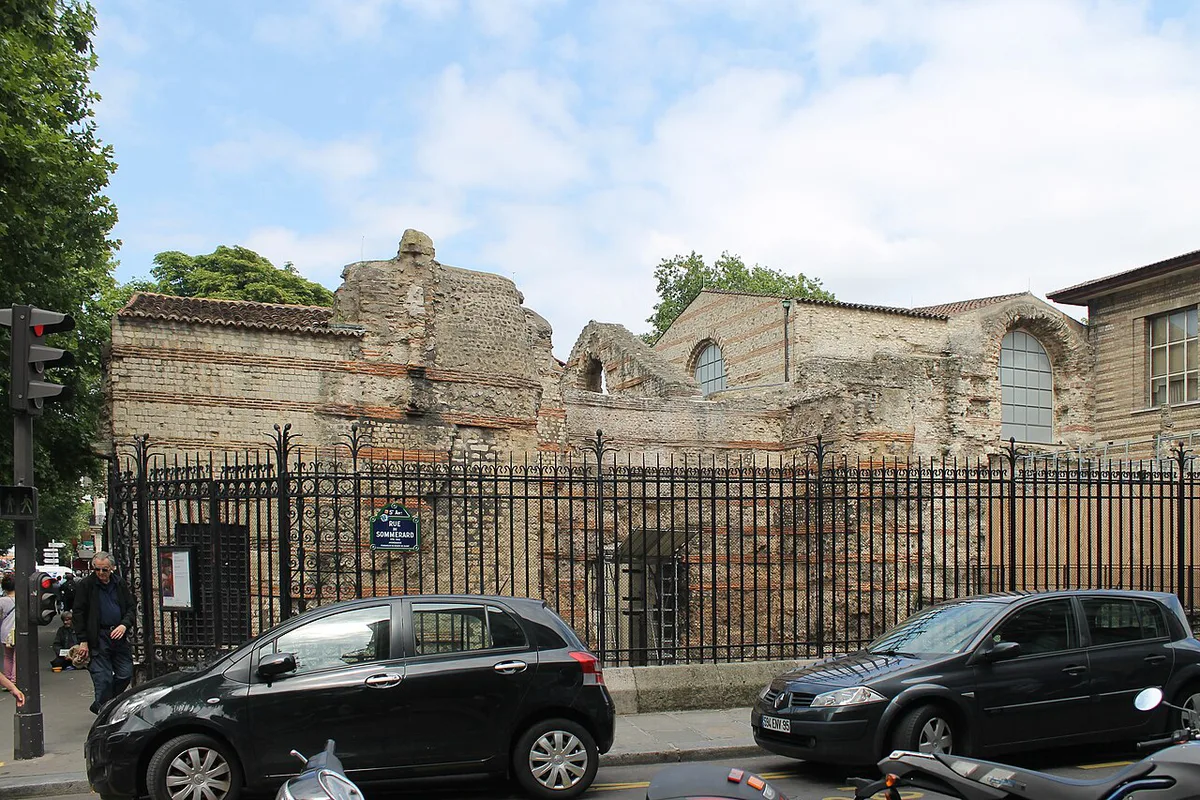
A half-day pairing works well. Walk about 10 minutes to the Panthéon or the Jardin des Plantes, both free to approach from the street. The arena itself costs nothing, while neighbouring museums and monuments charge for interiors, so check their prices and hours separately.
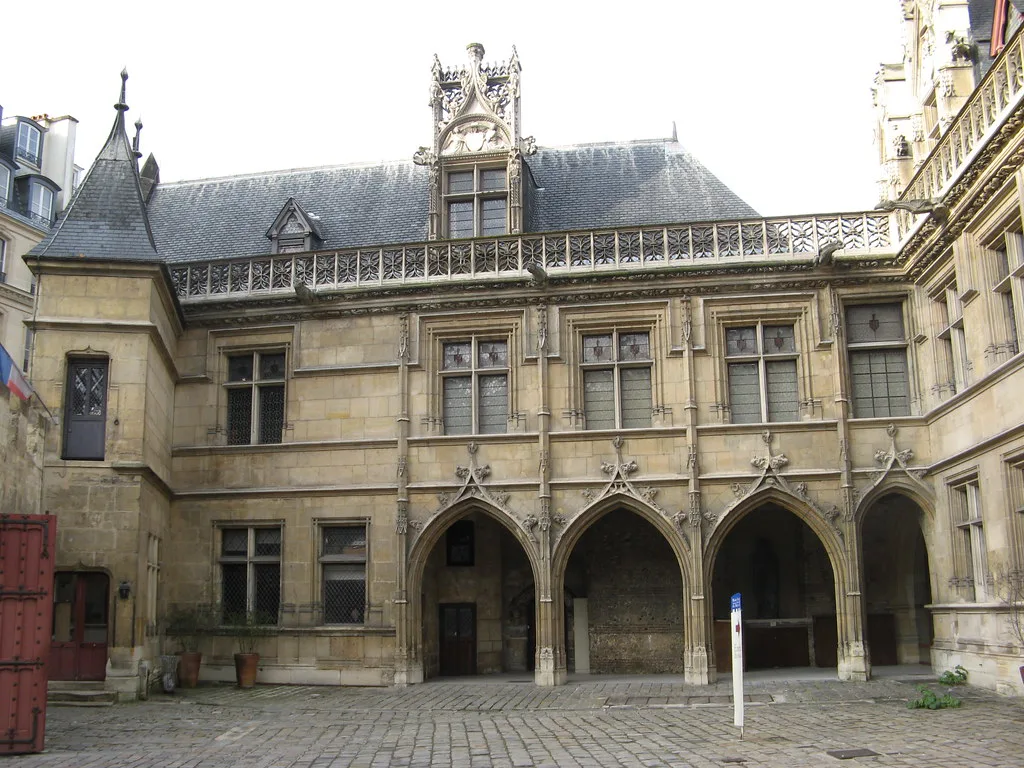
For a second Roman site, add the thermal baths at the Musée de Cluny. The frigidarium there is the other main Roman survivor in Paris. Check the Musée de Cluny official site for current opening status, since the museum has had renovation phases.
Common mistakes to avoid
Four errors come up most often. Expecting a ticketed monument leads to disappointment, because this is a public square. Visiting during a match or event limits your view. Arriving without a plan for the entrance wastes time on Rue Monge. Treating it as the only Roman site in Paris misses the Cluny baths, a short walk away.
Related guides

Continue reading
Guides on the same trip