Last updated November 2026. Glanum is the archaeological site just south of Saint-Rémy-de-Provence, with Gaulish, Greek-influenced and Roman phases. The Centre des monuments nationaux runs the site, and it suits history fans building a Provence route. Use this guide to decide how long to stay and what to pair it with.
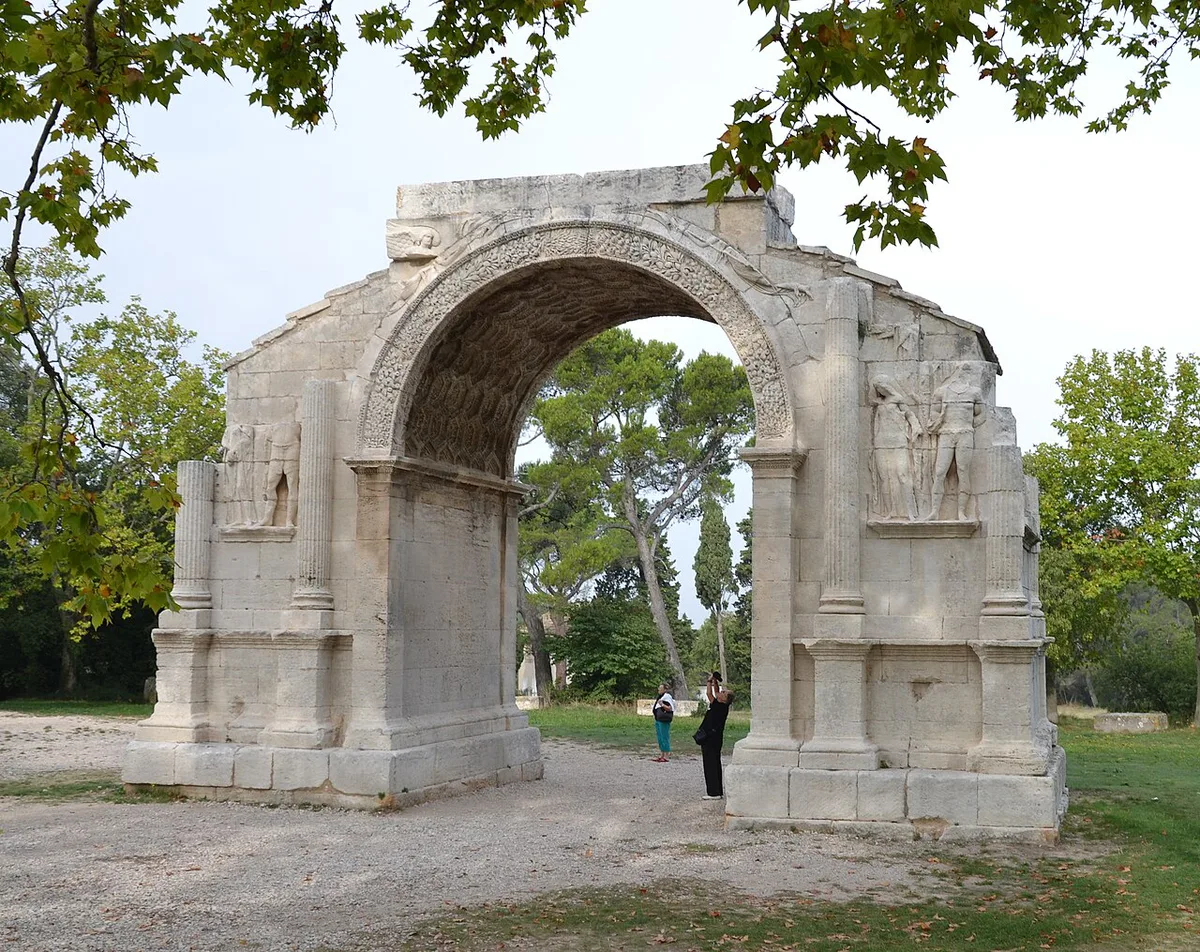
Featured image: Christian Ferrer, CC BY-SA 4.0, via Wikimedia Commons.
What Glanum is, and why it matters
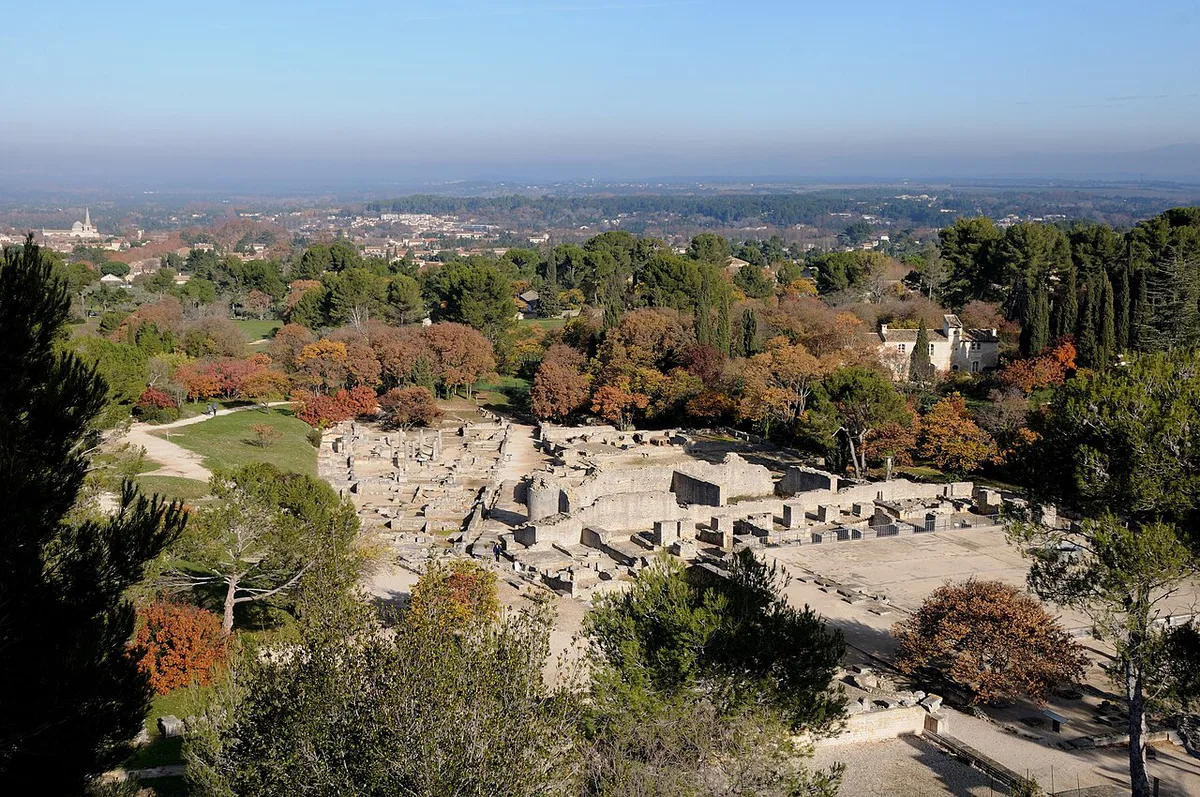
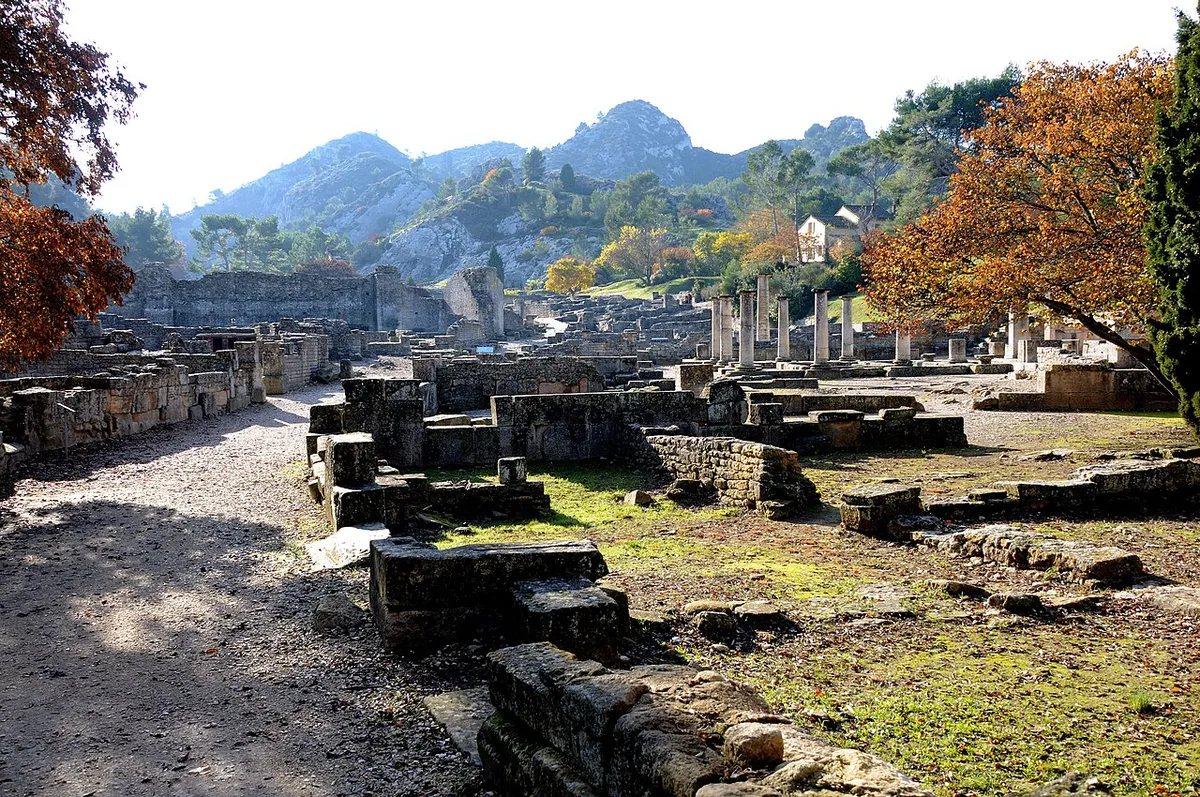
Glanum began as a Gaulish settlement built around a sacred spring linked to the healing god Glan. Greek influence later brought prosperity, with the town doing well in the 2nd and 1st centuries BC. Roman building followed on top of those earlier layers. That sequence is why Glanum reads differently from a purely Roman site. Excavation of the buried town began in 1921. Our guide to Roman ruins in France places it among the country's other major sites.
What you see on site
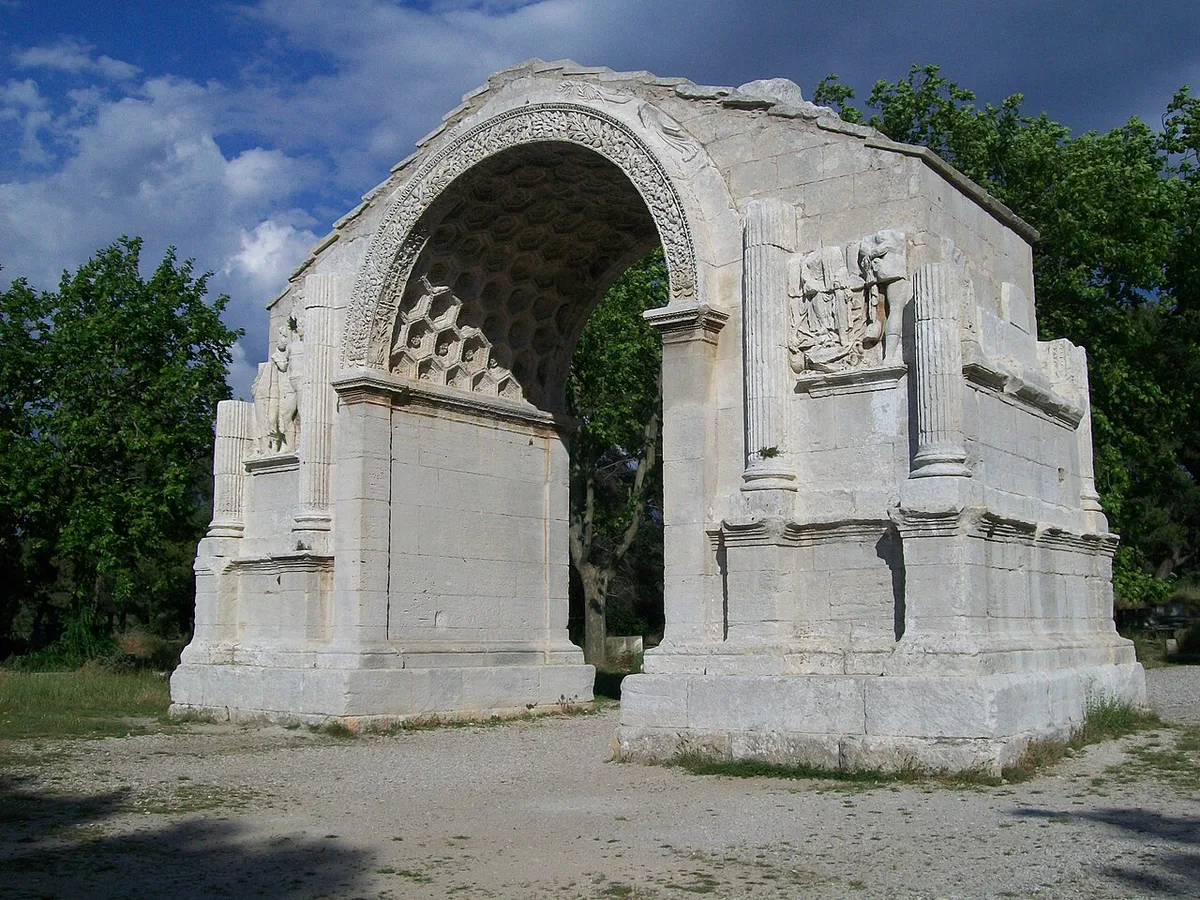
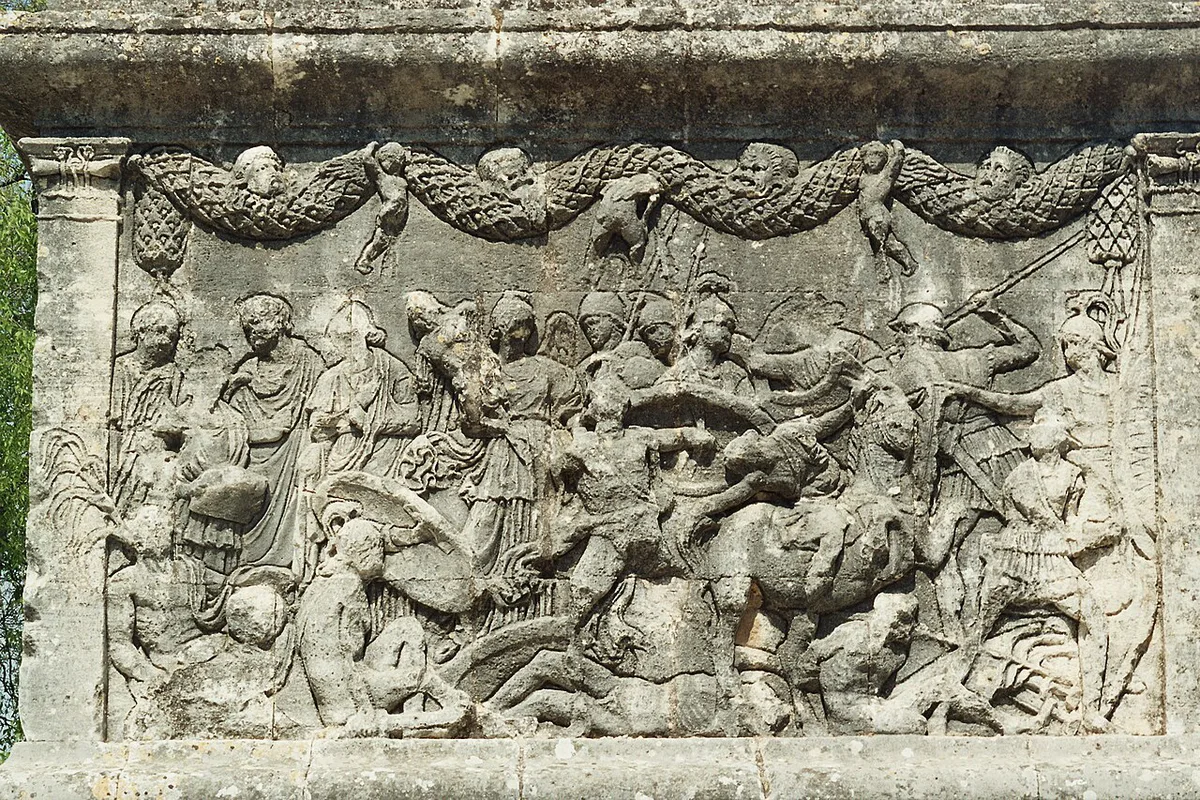
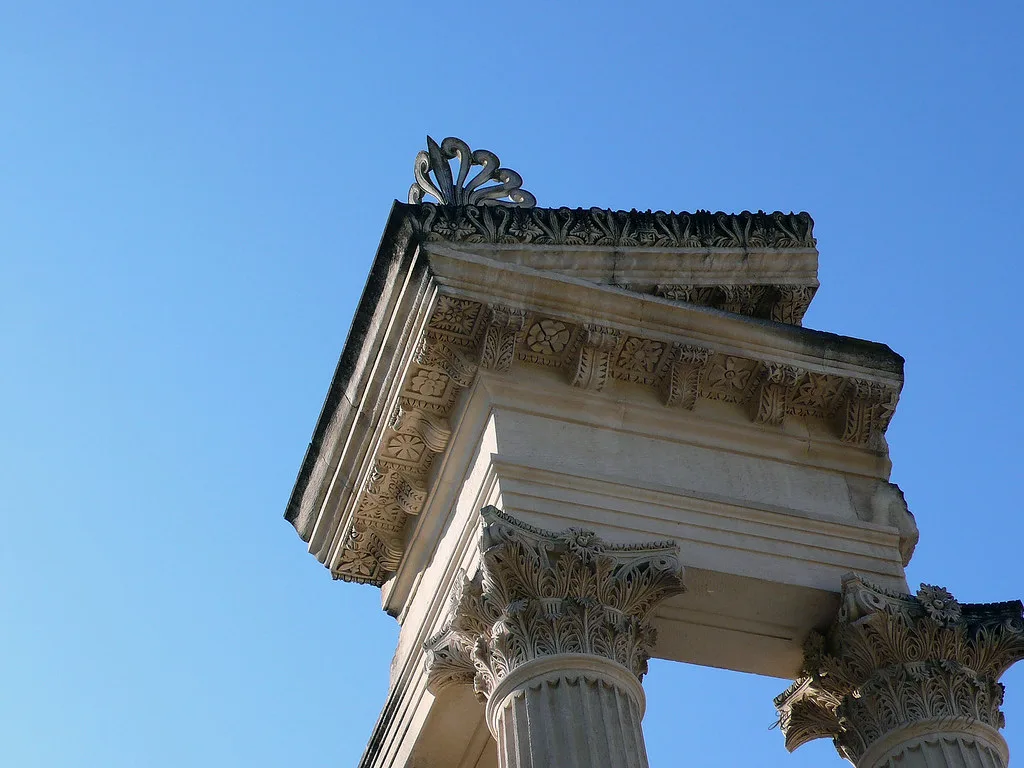
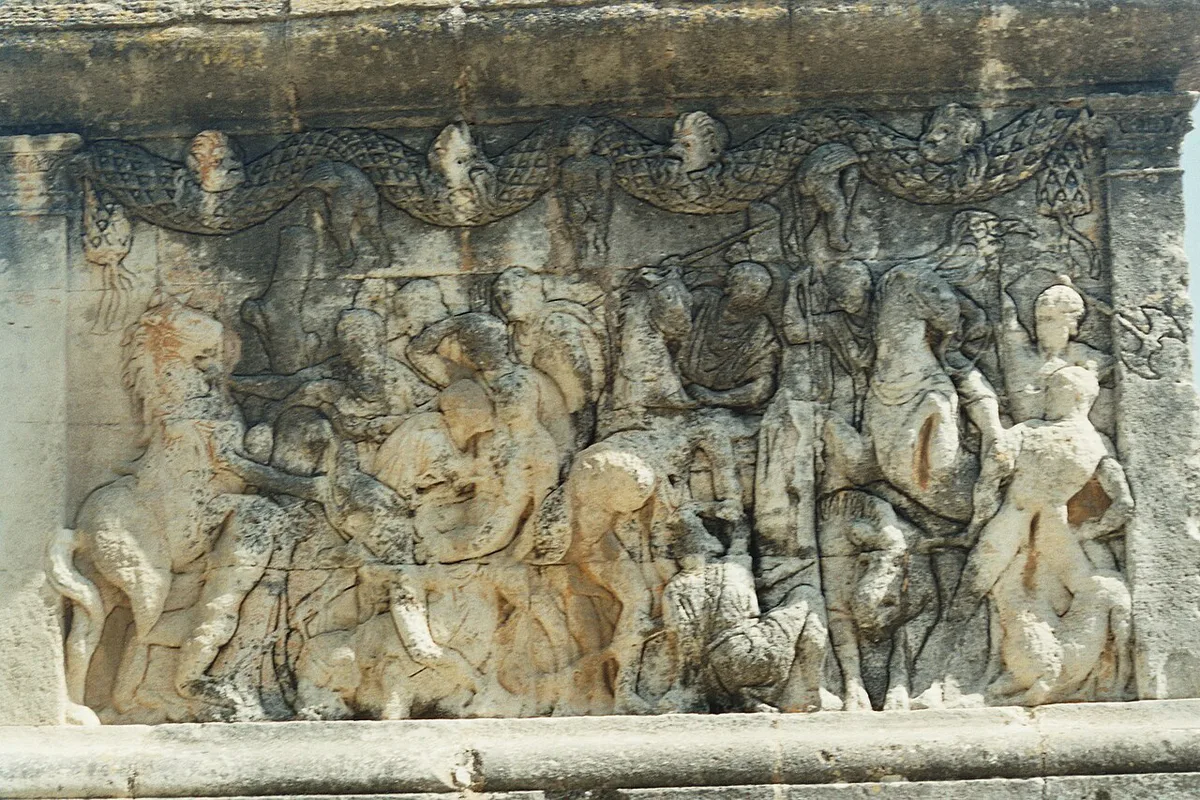
Two monuments stand just outside the excavated town: a triumphal arch and a mausoleum. The arch dates to about 20 BC and marked the city's gateway on the Via Domitia, the Roman road between Italy and Spain. The mausoleum belonged to a wealthy local family. These two structures stayed visible while the rest of the town lay buried, so they are the strongest photographs on the visit.
Greek influence brought prosperity in the 2nd and 1st centuries BC, and the arch, dated to about 20 BC, falls inside that span.
- Arch and mausoleum: the clearest, most complete structures, and the best place to start.
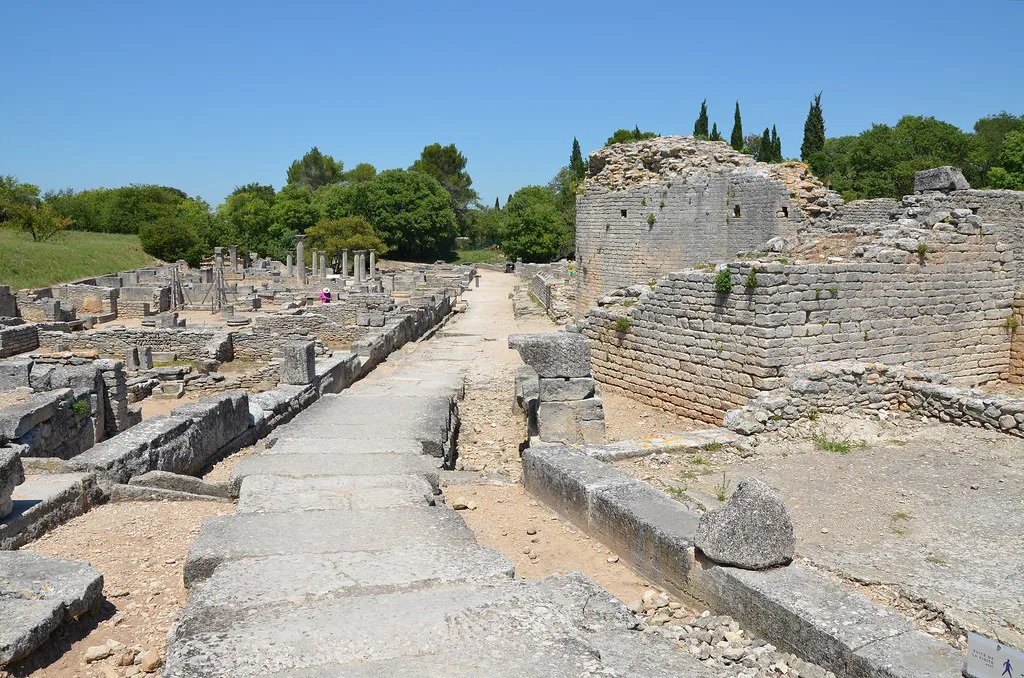
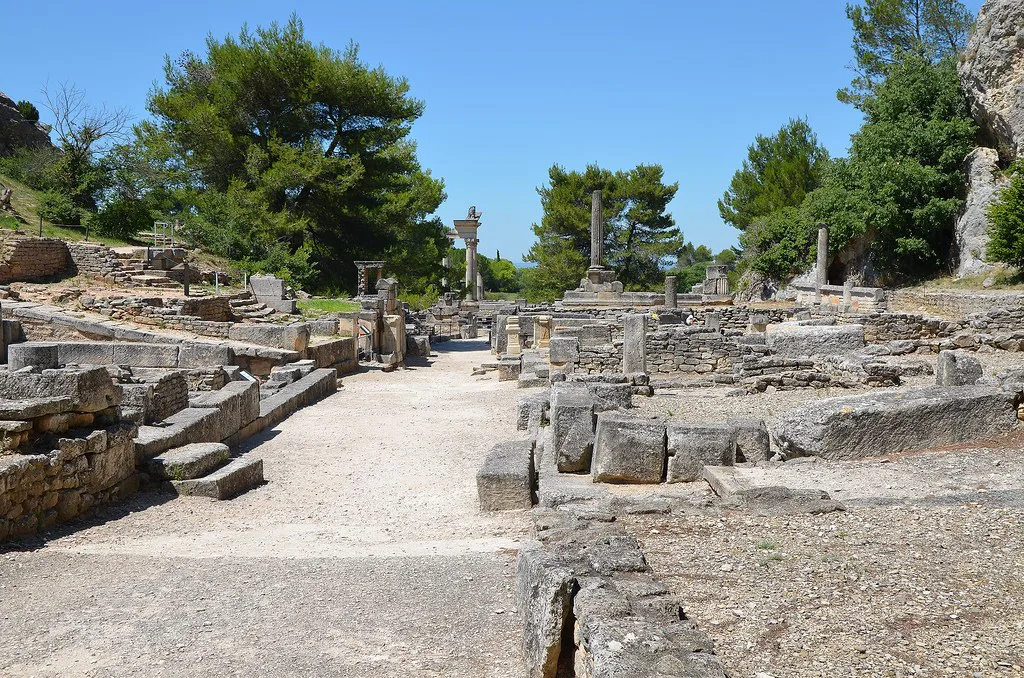
- Town layout: low walls and foundations that need some imagination, so read the site panels as you walk.
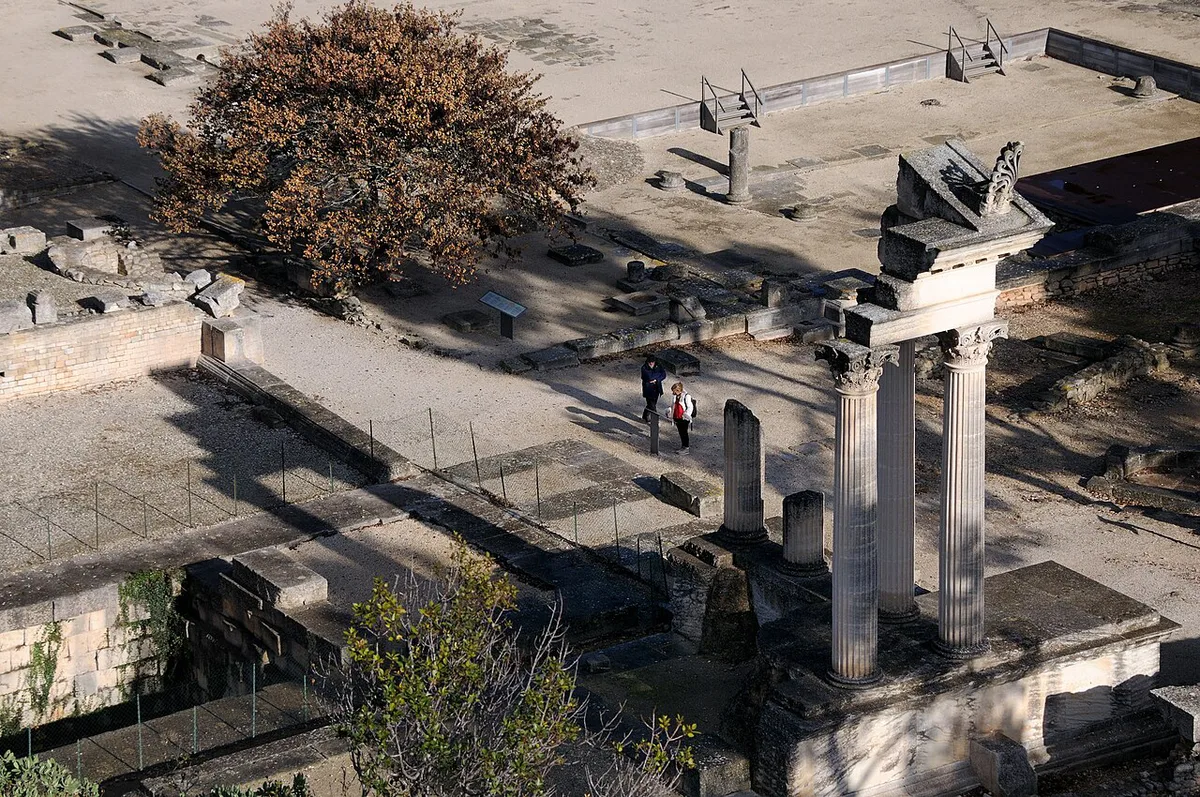
- Spring and sanctuary area: the Gaulish origin of the settlement, and the part that explains why people lived here.
- Greek and Roman phases: layered over one another, which is why the plan looks more tangled than a single-period town.
How long to allow
A short visit covers the arch, the mausoleum and a quick loop through the main streets. A thorough visit adds the spring area and time to read the interpretation boards. The official site gives the recommended visit duration, so check it before fixing the rest of your day.
| Visit style | Focus | Access note |
|---|---|---|
| Quick stop | Arch and mausoleum | Check the official site for how much is viewable without a ticket |
| Standard visit | Arch, mausoleum and main town layout | Ticketed entry to the excavated town |
| Full day | Glanum plus nearby Roman sites | Needs a car or planned transport |
Tickets, hours and closures
Prices, seasonal hours, last entry and closure days are set by the operator and can change. Prices and hours checked November 2026 were not available for quoting here, so read the current figures on the official Glanum site. The same page lists any combined tickets and free-entry categories.
Getting to Glanum from Saint-Rémy-de-Provence
Saint-Rémy-de-Provence is the natural base, and the site lies just south of the town. Parking, walking routes from the centre and local buses are covered by the Saint-Rémy-de-Provence tourism office. Arrivals from Avignon, Arles or Marseille should check current regional bus and SNCF links, because timetables change by season. Whether the arch and mausoleum can be seen without a ticket is worth confirming on the official site.
Is Glanum worth it?
Glanum rewards visitors who like layered history more than a single grand monument. Use this list to decide.
- Go if you enjoy history and want to see how a Gaulish settlement became a Roman town.
- Go if you photograph ruins, since the arch and mausoleum are strong subjects.
- Skip or shorten it if you want a large intact monument, because much of the town survives as foundations.
- Take care in hot weather: ruins offer little shade, and families with young children may prefer a short visit.
- Check the official accessibility information first if mobility is a concern, since excavated ground can be uneven.
Best time to visit
Open ruins feel best when the sun is lower. Early morning or late afternoon helps in summer, and midday heat is the main thing to avoid. Winter and shoulder-season days are quieter, but hours may be shorter, so look at the seasonal calendar before you set out.
Glanum compared with Arles and Orange
Glanum is one of several Roman stops in Provence. For a day beyond Saint-Rémy, the Roman monuments in Arles are the closest neighbours. The Cryptoporticus Arles: Visiting the Roman Underground Galleries adds an underground structure. Further north, the ancient theatre of Orange and its triumphal arch offer another gateway monument to compare with Glanum's. Another Provence option is Vaison-la-Romaine.
| Site | What stands out |
|---|---|
| Glanum | Gaulish, Greek-influenced and Roman layers; arch and mausoleum |
| Arles | Several Roman monuments, including the cryptoporticus |
| Orange | Ancient theatre and a triumphal arch |
Mistakes to avoid
A few planning errors cost visitors the most time.
- Arriving at midday in summer, when there is little shade.
- Assuming opening hours without checking the official calendar.
- Skipping the interpretation panels, which explain the Gaulish and Greek layers.
- Treating Glanum as a quick photo stop and missing the town layout.
Related guides
Continue reading
Guides on the same trip