Last updated November 2026. Fréjus Roman sites are spread across a Riviera resort town, so a little planning saves a lot of walking. Ancient Forum Julii left an amphitheatre, a theatre, aqueduct remains and traces of its harbour. This guide ranks them, shows how long each needs and explains how Fréjus fits into the wider 14 Roman Ruins in France: Best Sites and How to Plan Your Visit.
Featured image: marsupilami92, CC BY 2.0, via Flickr.
Roman Fréjus at a Glance
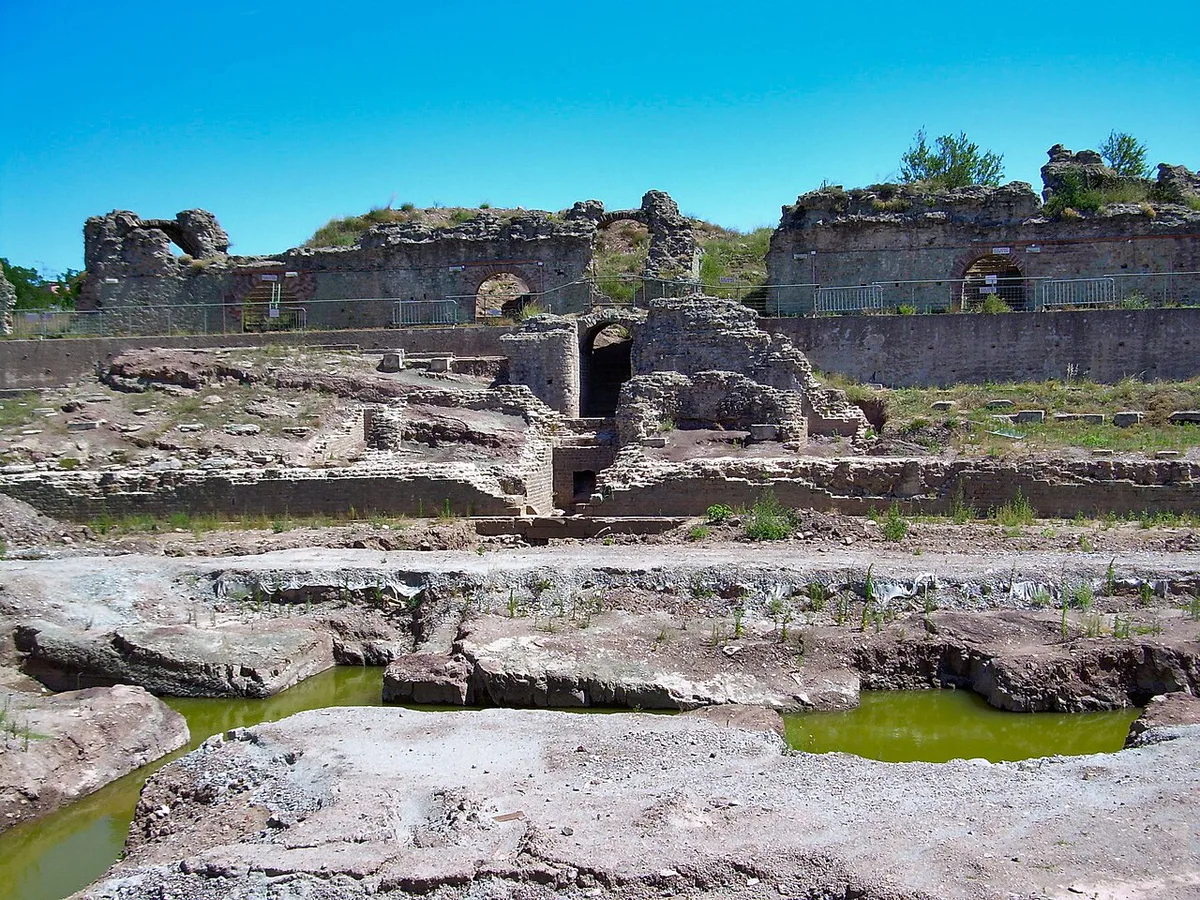
Fréjus has real Roman remains, but they are ruins rather than intact monuments. The arènes, the theatre and the aqueduct are the three headline sights. The ancient port, the walls and gates and a paved stretch of the Via Aurelia are shorter stops. The arena measures about 113 × 85 m and could hold up to 12,000 spectators in the 1st century, when the town was Forum Julii. Use the table below to decide what deserves your time.
| Site | What survives | Time needed | Best for |
|---|---|---|---|
| Arènes (amphitheatre) | Oval of green sandstone, partly rebuilt with modern materials | 45–60 minutes | Everyone; the main stop |
| Roman theatre | Remains of the ancient theatre | 20–30 minutes | Ruin enthusiasts |
| Aqueduct | Arches and channel remains of the Mons aqueduct | 30 minutes plus transport | Walkers and photographers |
| Ancient port and Lantern of Augustus | Quay remains, pier and lantern | 20–30 minutes | History readers near Port-Fréjus |
| Walls, gates and Via Aurelia paving | Fragments of ramparts and a paved section of road | Quick looks | Wanderers in the old town |
The Main Roman Sites: Arena, Theatre, Aqueduct
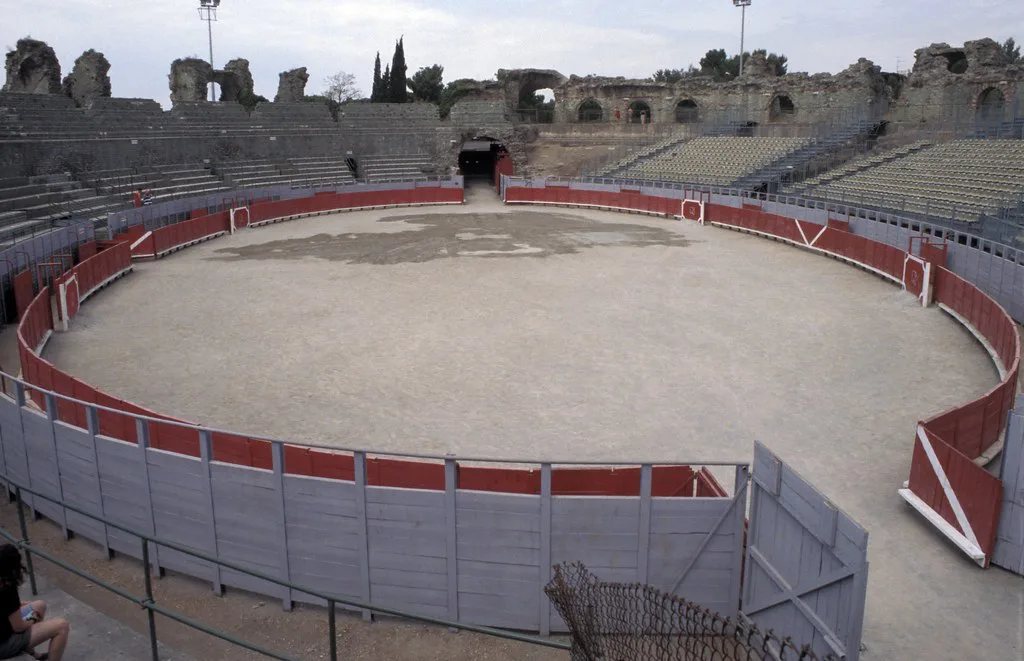
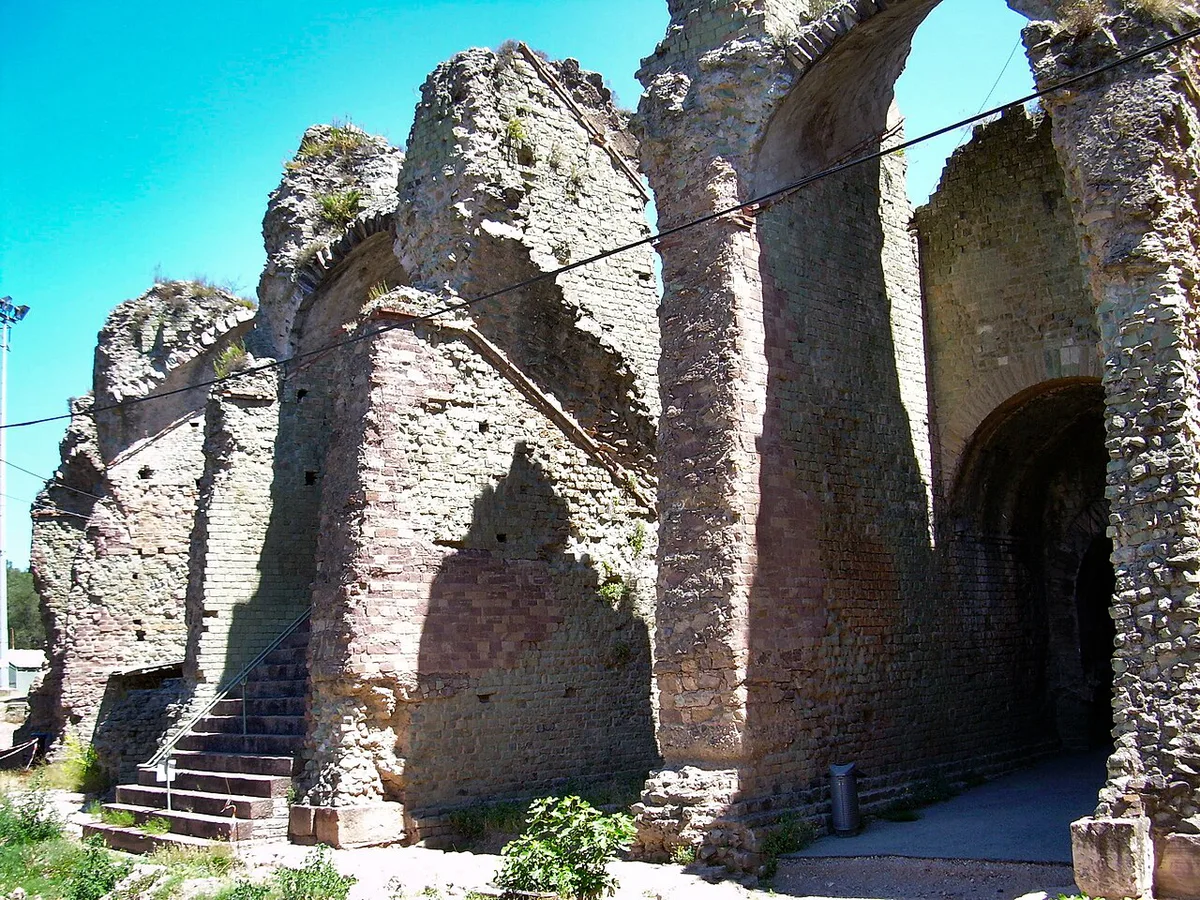
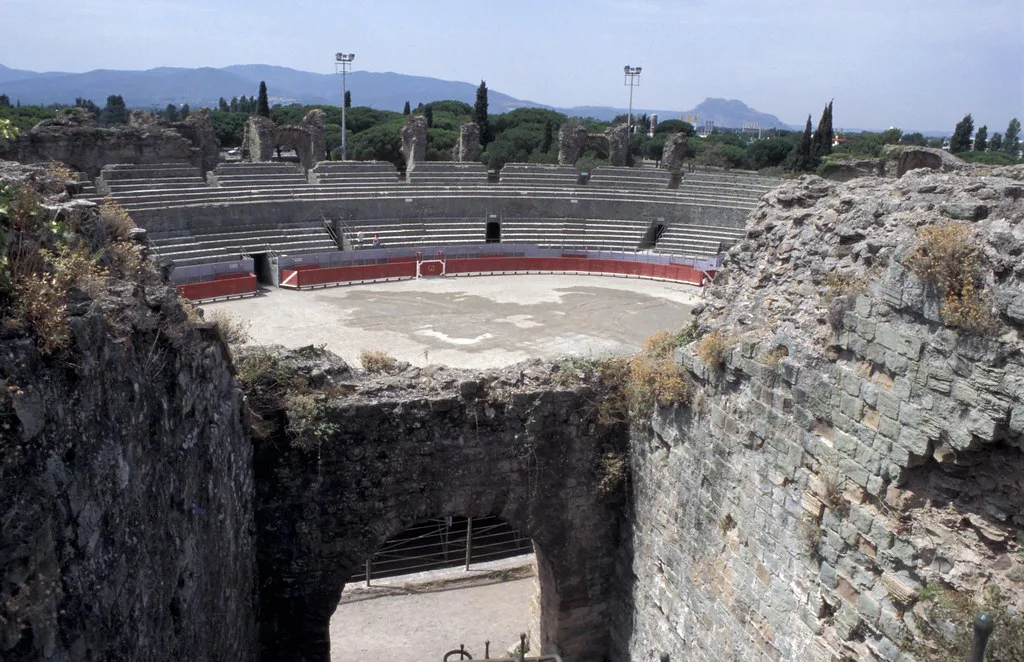
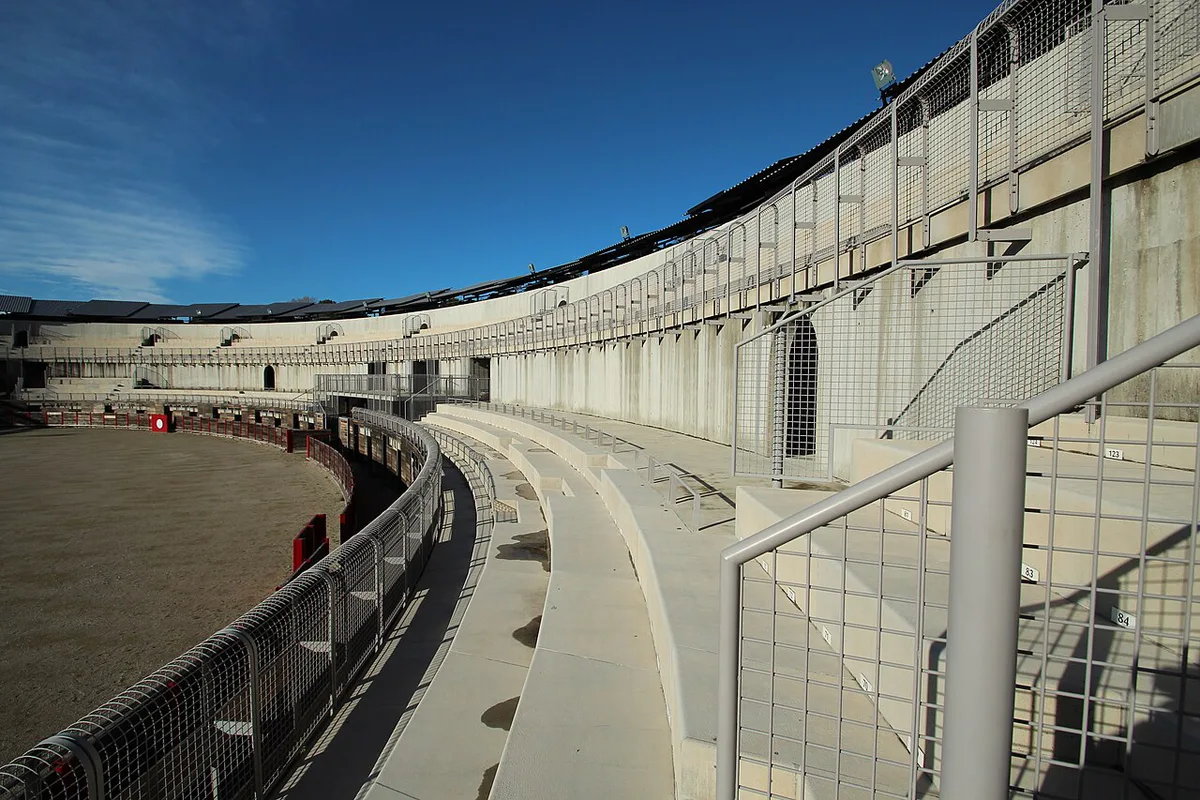
Start with the arènes. Built in the 1st century outside the city walls and leaning against a sandstone hill, they hosted gladiator fights and animal shows. Quarrying in the Middle Ages took stone for houses and church buildings. The Malpasset dam failure of 1959 then helped uncover an amphitheatre that was half buried in earth. Since 2007 a restoration programme has rebuilt parts of the structure in modern materials that continue the ruins. Expect a working venue, not a pristine Roman shell like the ones you may know from Provence. The arena also stages concerts, bullfights and festivals, so look at the event calendar on the Fréjus city website before you set off.
- Arènes: the strongest first stop, and the clearest sense of scale.
- Roman theatre: smaller and more fragmentary, best paired with the arena on one walk.
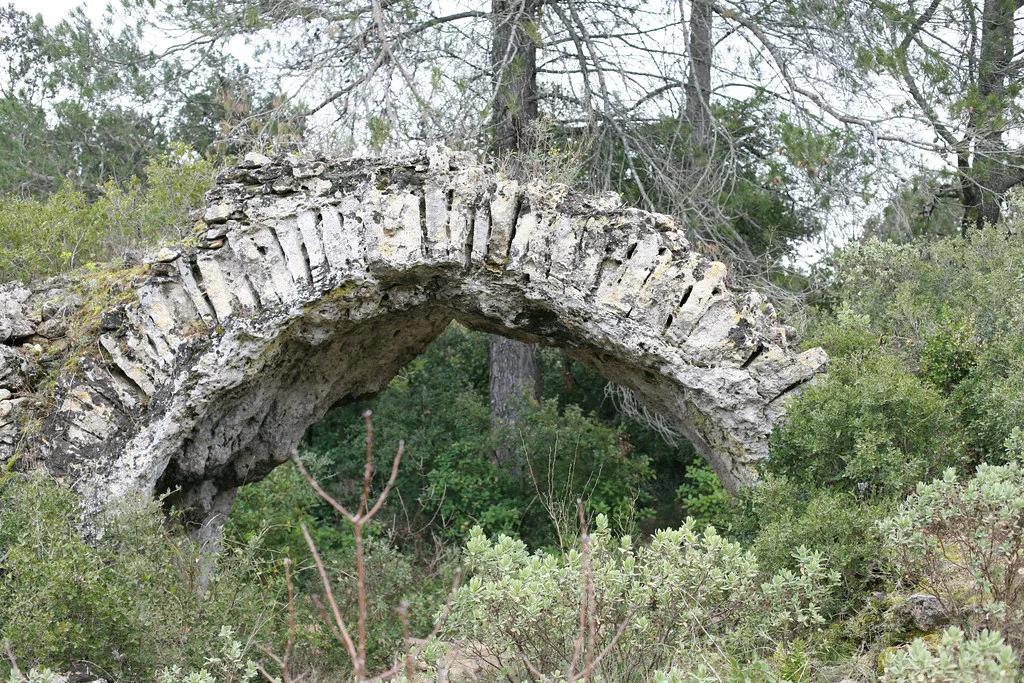
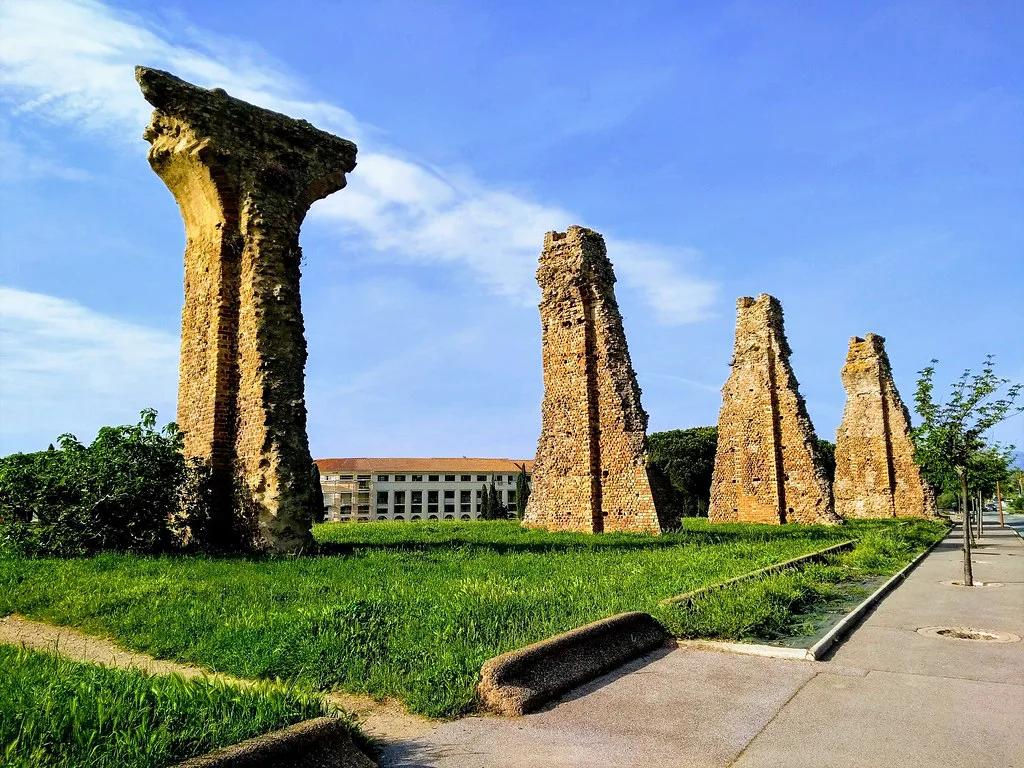
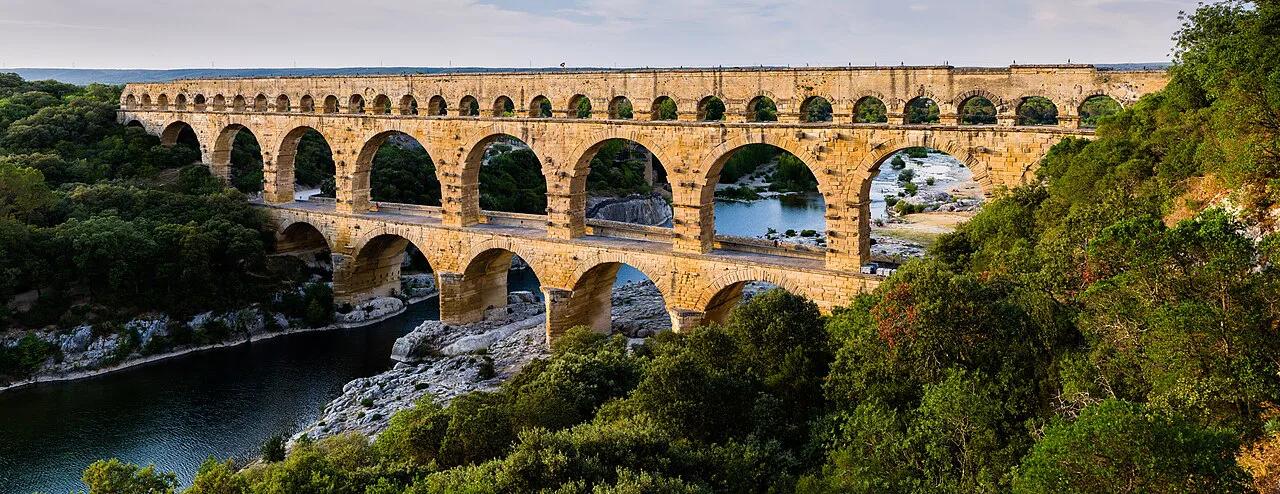
- Aqueduct: the remains of the Mons aqueduct, a countryside-style stop rather than a town sight.
- Mosaic and Agricola square: ask at the tourist office what is open to visitors before you plan around them.
The Ancient Port, Walls and Gates
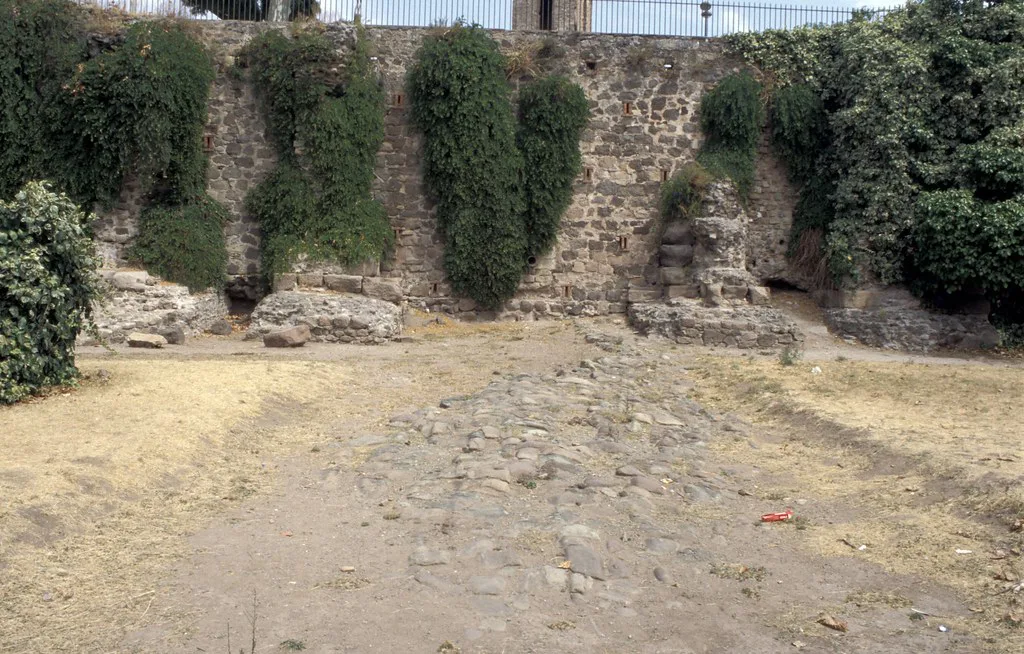
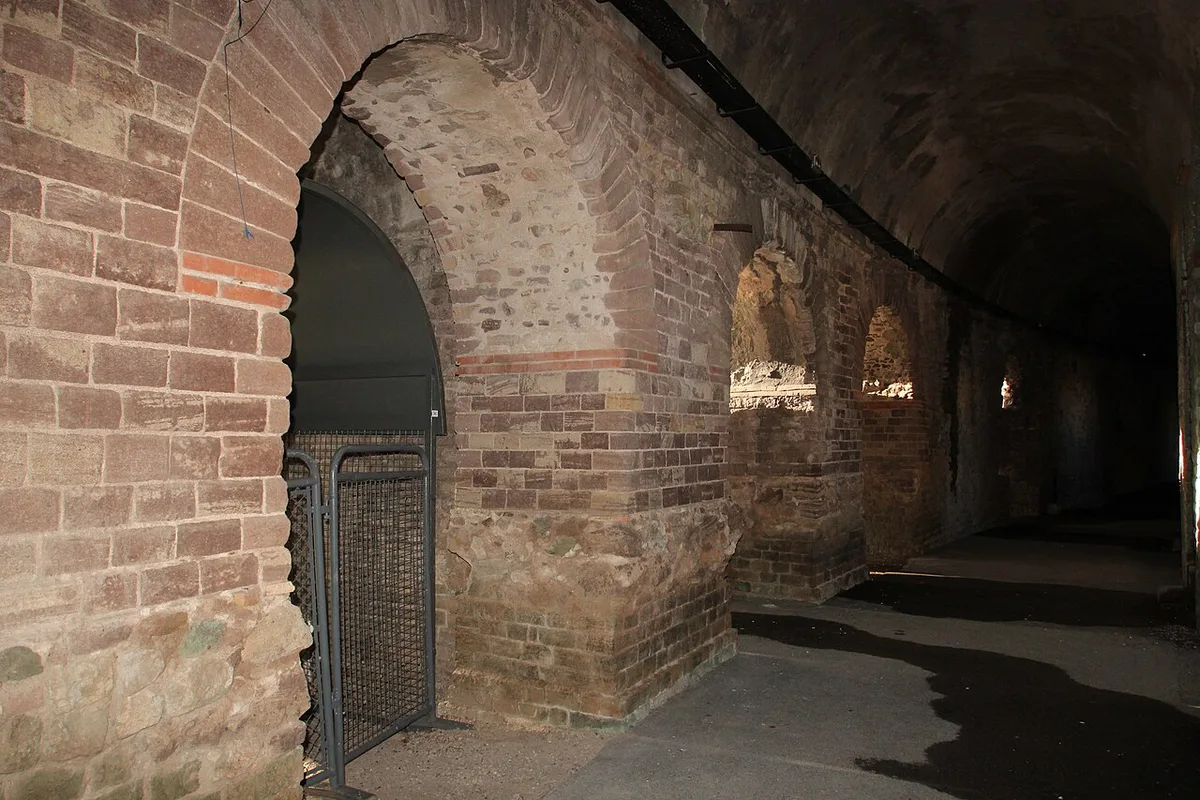
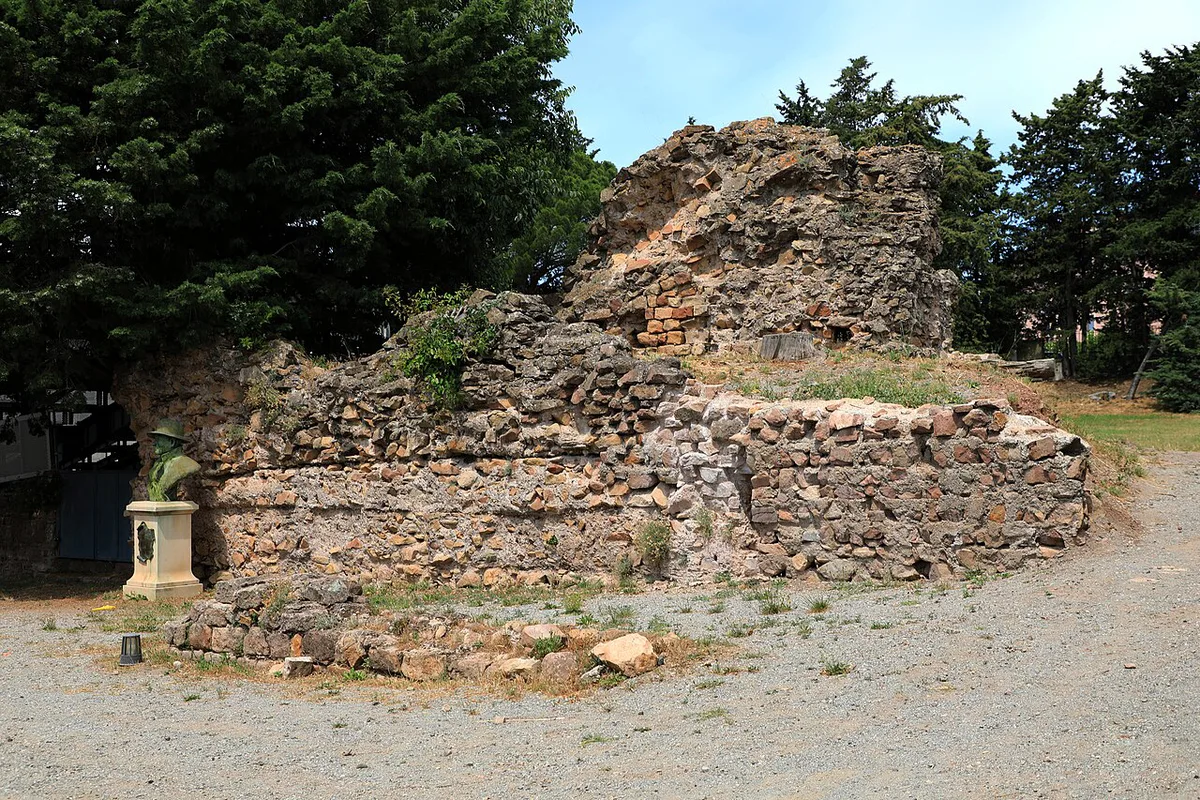
Forum Julii was founded as a naval base, and the harbour was central to its importance. Traces of that port survive, along with the pier and the Lantern of Augustus. Fragments of the ramparts and the Gaul gate also remain in the old town. A paved section of the Via Aurelia, which once linked Rome to Narbonne, adds a road-level view of the Roman street plan. These are modest sights. Treat them as short additions to a walk through the old town, not as destinations of their own. Note that the modern Port-Fréjus is a resort marina and sits apart from the old Roman harbour area.
How to Plan Your Time
A half-day covers the essentials: the arènes, the theatre and a walk through the old town. Add the cathedral and its Romanesque cloister if you have 30 spare minutes. A full day adds the aqueduct, the harbour remains and a beach break on Plage de Fréjus. Saint-Raphaël is 9 minutes away by car, over 3.4 km, so a combined stay is easy. Do not assume everything sits in one walkable cluster. The aqueduct and the harbour area need a car, a bus or a taxi, so set aside time for transfers.
- Half-day: arènes, Roman theatre, old town, cathedral cloister.
- Full day: add aqueduct, port remains and the Via Aurelia paving.
- Coast-plus-Rome day: morning ruins, afternoon at Plage de Fréjus.
Tickets, Opening Days and Guided Tours
Opening days are seasonal. Local sources list the arena as open Tuesday to Saturday in low season and Tuesday to Sunday in high season. Event days can change access, so check the official Fréjus site or the tourist office at 249 rue Jean Jaurès, Le Florus II, before travelling. Admission prices were not published in the material we checked, so no figure is quoted here. In summer the tourist office runs a guided tour led by costumed Roman legionnaires, covering the arenas, the theatre and the aqueduct. Children under 4 enter free. Ask the office for the current adult price, dates and booking terms.
- Mistake to avoid: arriving on a Monday, when the arena is closed in both seasons.
- Mistake to avoid: ignoring the summer legionnaire tours, which cover three sites in one route.
- Mistake to avoid: skipping the event calendar, since concerts and bullfights may limit visits.
Getting There and Getting Around
Fréjus station sits on the TER line from Marseille-Saint-Charles to Ventimiglia, served by regional lines 03 and 06. Saint-Raphaël-Valescure station handles TGV, Intercités and iDTGV services. By car, the A8 has three exits for Fréjus, and Cannes is about 42 minutes away. Nice is about 56 minutes away. Nice-Côte d'Azur airport is 46 km from town, and Cannes-Mandelieu is 22 km. The AggloBus network links Fréjus and Saint-Raphaël, and a bus station sits by the Clos de la Tour car park. You can see the old-town sights without a car, but the aqueduct is easier with one.
Nice-Côte d'Azur airport is 46 km from town, so build transfer time into a full day before the aqueduct and harbour stops.
Where to Stay
Staying in Fréjus old town puts the arènes and the cathedral within walking distance. Port-Fréjus suits beach time and boat trips to Saint-Tropez and Cannes. Saint-Raphaël is the practical base if you arrive by TGV. Pick based on whether ruins or sand take priority, and book early for summer.
Saint-Raphaël is 9 minutes away by car, over 3.4 km, so a base there after a TGV arrival still keeps the ruins a short drive off.
Fréjus vs Other Roman Sites in France
Fréjus is spread out, ruin-based and easy to pair with a beach day. Provence has more intact monuments. Arles tourism information covers its arena and theatre, and our guide to Arles' Roman monuments explains them in detail. The underground galleries are covered in the Arles cryptoporticus. Orange adds a famous stage wall at the Théâtre Antique d'Orange. Further options include Vaison-la-Romaine and Glanum. Heading up the Rhône, Lyon's Roman theatres and the Temple at Vienne continue the route. Choose Fréjus if you are already on the Riviera and want ruins plus the sea.
Frequently Asked Questions
Is Fréjus worth visiting?
Yes, if you want Roman remains alongside beaches and an old town. The arènes, theatre and aqueduct make a good half-day. Visitors expecting intact monuments may prefer Arles or Orange.
Was France ruled by the Romans?
Yes. Roman Gaul included the Mediterranean coast, and Forum Julii at Fréjus was a naval base. Our pillar guide to Roman ruins in France lists the main surviving sites.
Related guides
Continue reading
Guides on the same trip