Cryptoporticus Arles: Visiting the Roman Underground Galleries
Last updated November 2026. The cryptoporticus Arles visitors can walk through is a set of underground vaulted galleries beneath the Roman forum, known in French as the cryptoportiques. Atlas Obscura dates the structure to the 1st century BC, and it works best as one stop on a Roman Arles walk. Our guide to Arles's Roman monuments covers the surface sites that make a natural pairing.
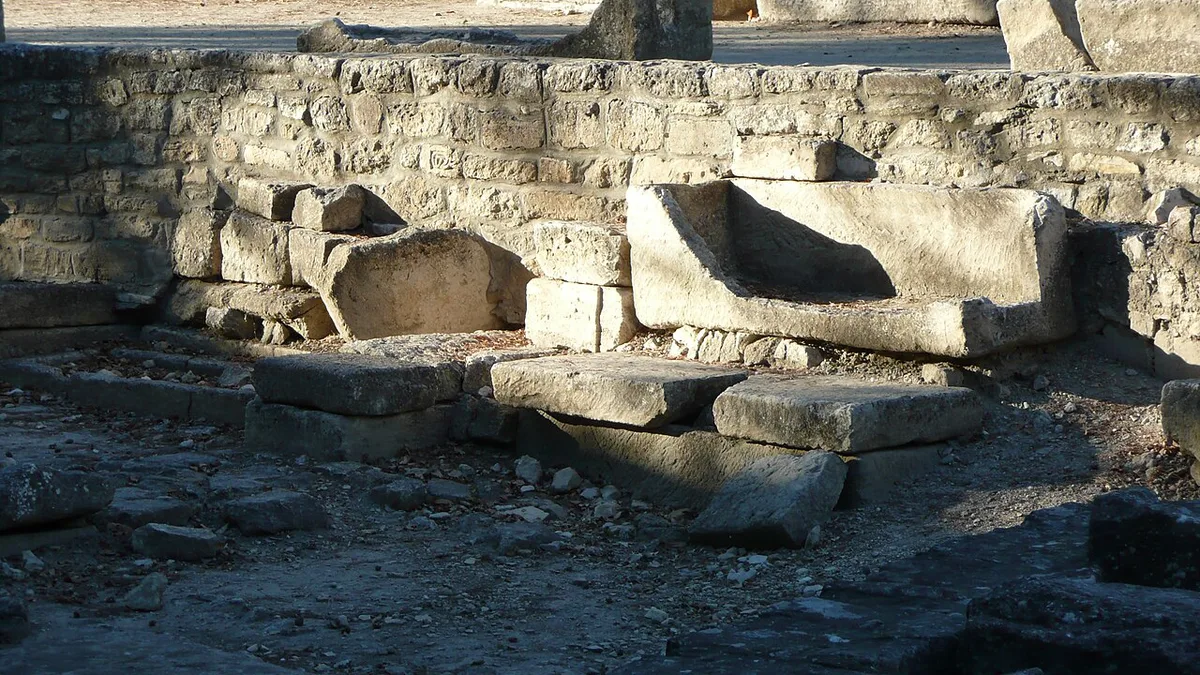
Featured image: alusch, CC BY-SA 4.0, via Flickr.
Cryptoporticus Arles: What It Is
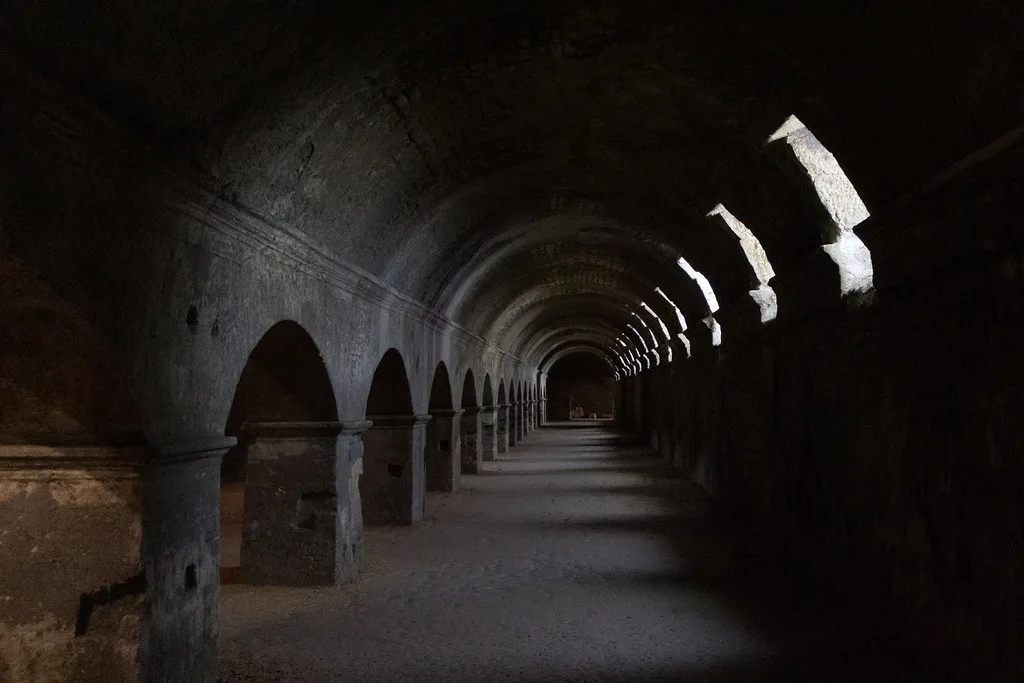
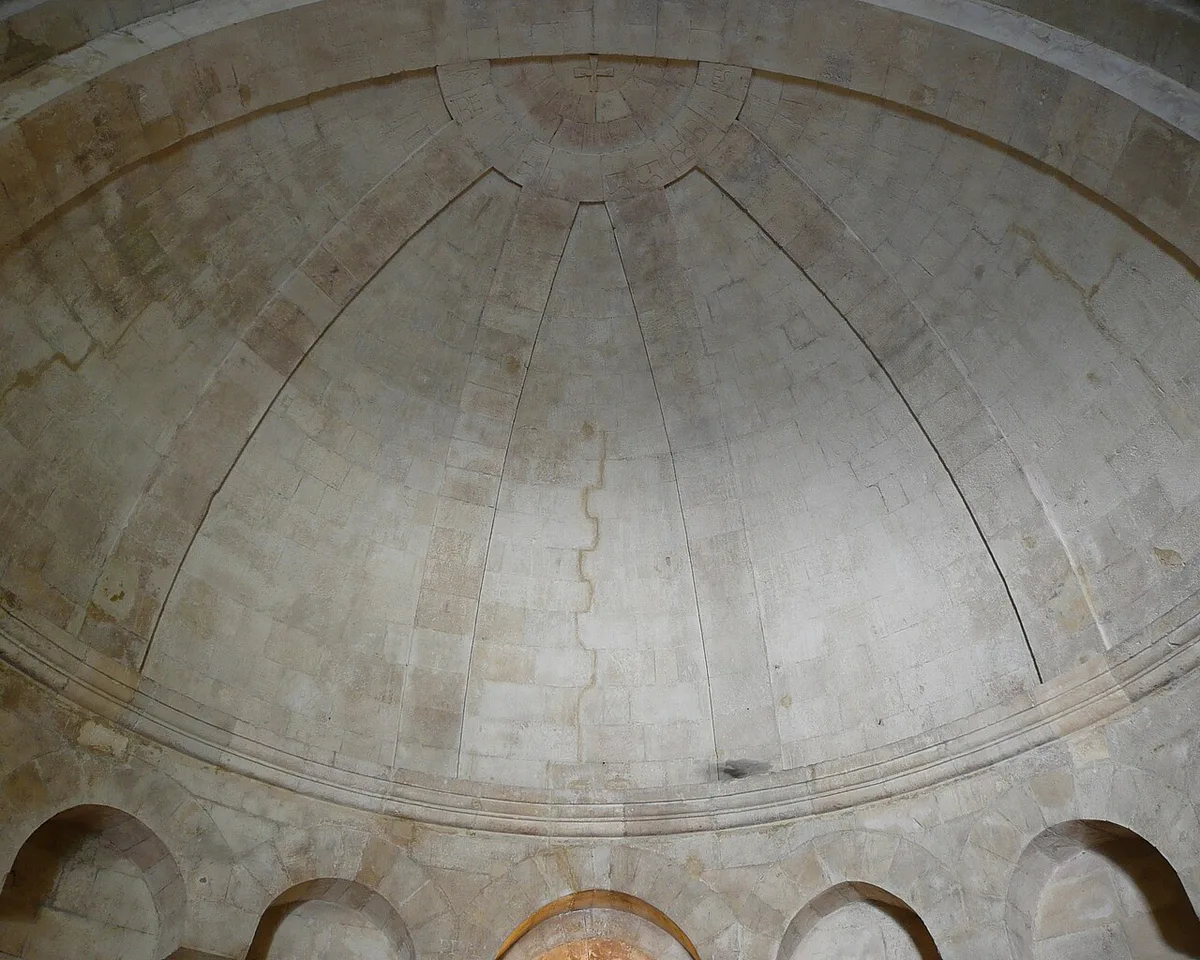
A cryptoporticus is a covered, semi-buried gallery with arched vaults. In Arles, these galleries sit under the Roman forum, the civic square of the ancient town of Arelate. Photo-library tags describe a vaulted passage with arched walkways, which matches what the name suggests.
French signage uses the plural, Cryptoportiques. Look for that spelling on maps and street signs around Place du Forum and the Hôtel de Ville area.
A Short History: Why the Romans Built Underground Galleries
Roman builders often raised a forum on a platform. Underground galleries could carry that platform and level uneven ground. They also gave covered space below it.
Scholars debate the exact use of such galleries. Storage and structural support are the usual explanations, and the Arles galleries may have served both. The Musée départemental Arles antique is the place to put the forum in context.
- Era: dated by Atlas Obscura to the 1st century BC.
- Type: vaulted underground galleries under the forum.
- Function: debated, with storage and support the common readings.
Is It Worth Visiting? Go If, Skip If
This is a short, specialised stop. It rewards people who like to see how Roman engineering looks from below, rather than only from above.
- Go if you enjoy archaeology and want to understand the forum beneath the old town.
- Go if you want an indoor stop on a rainy day.
- Go if you want a quieter contrast to the amphitheatre.
- Skip if you are very short on time and prefer open-air monuments.
- Skip if low, enclosed spaces make you uneasy, or if steps and uneven floors are a problem.
Tickets, Hours and Access
Opening days, ticket prices and any combined pass change by season and with maintenance works. Check the Arles tourism office for current hours, and the city's monuments page for tickets and access conditions.
How Long to Allow and Where to Fit It
Treat the galleries as a short stop inside a longer Roman Arles half-day. Start in the forum area, where the entrance sits near Place du Forum and the Hôtel de Ville. Then continue on foot to the surface monuments in the old town.
Built in the 1st century BC, the galleries sit below the same forum where the half-day walk begins.
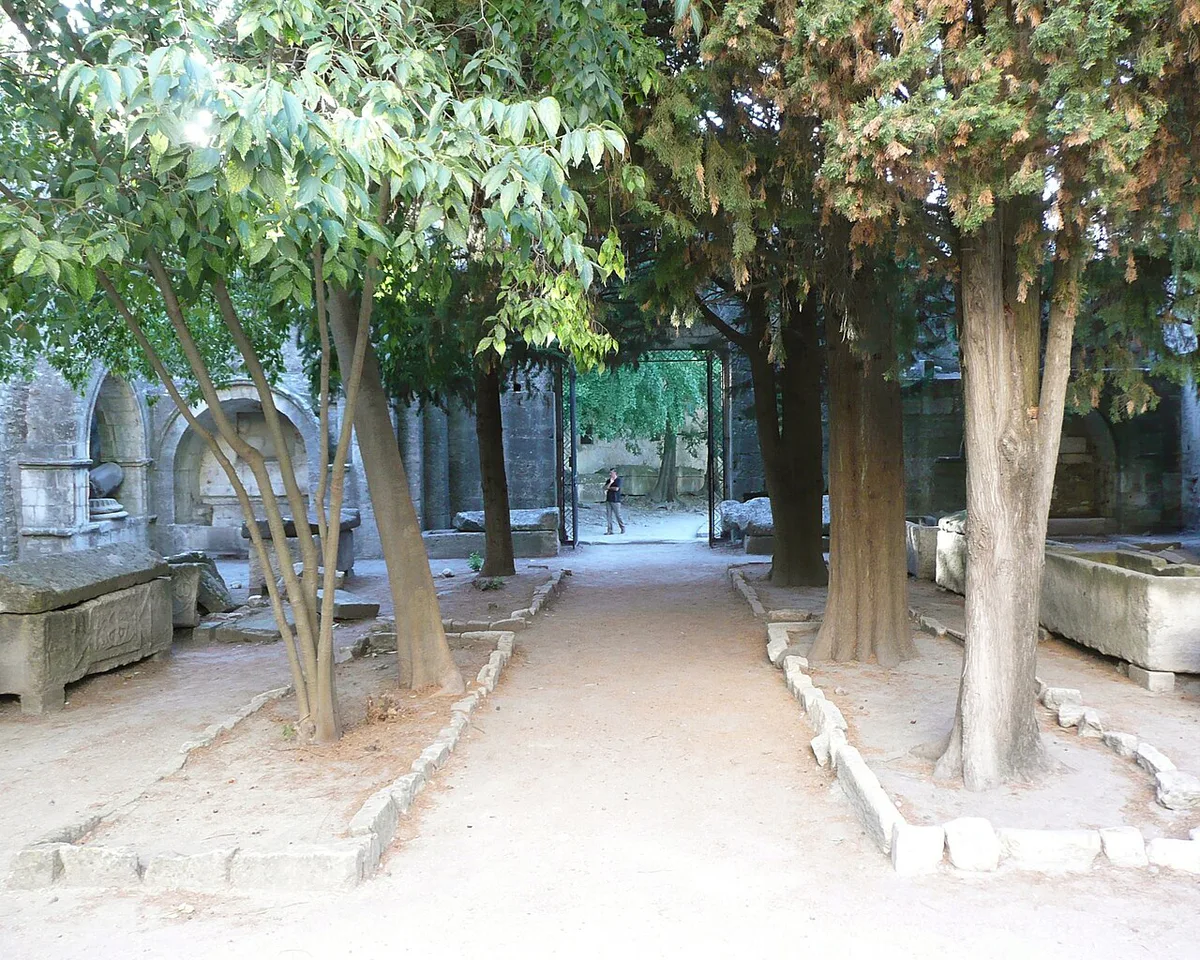
The old town is largely pedestrian, so leave the car outside it. Alyscamps and the baths are other Roman sites to consider, but check their opening details before you plan a loop.
What to Expect Inside and Mistakes to Avoid
Expect vaulted stone corridors, low light and a cooler feel than the street, as is common underground. Wear shoes with grip, since floors in old galleries can be uneven. Check the photography rules at the entrance.
- Do not assume it is open every day; check before you walk over.
- Do not treat it as a stand-alone attraction; pair it with the amphitheatre and theatre.
- Do not ignore mobility limits; ask the tourism office about steps.
- Do not skip the history context; a few minutes of reading makes the vaults make sense.
Beyond Arles: Where Else to See Roman Ruins
Our overview of Roman ruins in France maps the wider country. In Provence, Glanum near Saint-Rémy adds a Roman and pre-Roman town site.
Further north, the Roman theatre at Orange is a well-preserved stage building. For a town-scale ruin field, try Vaison-la-Romaine's excavated quarters.
How the Cryptoporticus Fits Arles’s World Heritage Story
The cryptoporticus makes more sense when viewed as part of Arles’s unusually dense Roman landscape. The underground galleries date to the 1st century BC and supported the forum at the heart of ancient Arelate. They reveal the infrastructure beneath the civic spaces visitors see above ground.
Arles’s Roman and Romanesque monuments were inscribed on the UNESCO World Heritage List in 1981. Use the galleries as a starting point for noticing how Roman public life was organised across the old town. The amphitheatre and Roman theatre show monumental entertainment spaces. The forum galleries show the less visible engineering that helped shape the city centre.
This context also helps set expectations. The cryptoporticus is not a dramatic arena or a museum filled with objects. Its value lies in its surviving vaults, its connection to the forum, and the rare chance to stand below a Roman civic square.
Related guides
Continue reading
Guides on the same trip