
Emperor Hadrian: Life, Legacy and Where to See His Italy
Last updated November 2026. Emperor Hadrian ruled Rome from 117 to 138 CE after Trajan adopted him. He is remembered for travelling the provinces, building Hadrian's Wall in Britain and rebuilding the Pantheon. In Italy, his biggest personal footprint is the villa at Tivoli, and this guide shows how it fits with the Rome sites.
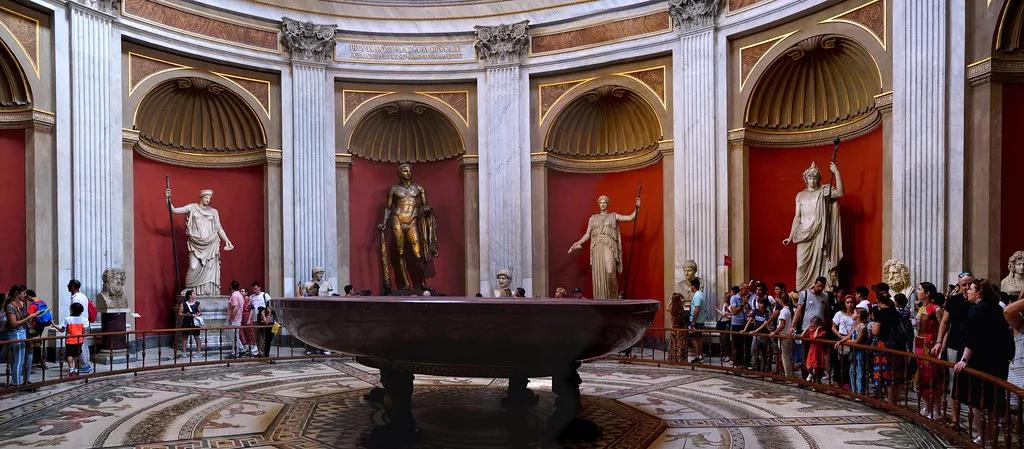
Featured image: █ Slices of Light ✴ █▀ ▀ ▀, CC BY-SA 2.0, via Flickr.
Who Was Emperor Hadrian?
Hadrian was born in 76 CE in Spain and came up through the Roman political ladder. He served as tribune of the plebs in 105 CE, praetor in 107 CE and consul in 108 CE. Trajan, who became his guardian after his father's death, adopted him. Hadrian succeeded Trajan in 117 CE and ruled until his death in 138 CE. Trajan had expanded the empire to its widest extent, so Hadrian's job was to hold and organise it.
Hadrian at a Glance: Key Dates and Facts
These are the dates most visitors and students look up first. They sit alongside the career milestones above.
| Fact | Detail |
|---|---|
| Born | 24 January 76 CE, in Italica, in what is now southern Spain |
| Became emperor | 117 CE, on Trajan's death |
| Died | 10 July 138 CE, at Baiae on the Bay of Naples |
| Wife | Vibia Sabina; the marriage produced no children |
| Successor | Antoninus Pius, adopted in 138 CE |
| Dynasty label | The third of the "Five Good Emperors", after Nerva and Trajan |
His reign lasted about 21 years, and he spent roughly half of it away from Rome. After his death the Senate was reluctant to honour him. Antoninus Pius pressed for his deification, and Hadrian was buried in the mausoleum he had built on the Tiber. That building later became Castel Sant'Angelo.
Tip: if you only have a short list of dates to remember, take 117 (accession), 122 (the Wall begins) and 138 (death and succession).
Why Hadrian Matters: Builder, Traveller, Hellenophile
Hadrian was well educated and drawn to poetry, architecture and Greek culture. That taste shaped what he built and where he went. He travelled extensively through the provinces rather than ruling only from Rome. Frontier works were a lasting result of those journeys. Hadrian's Wall is the best known. It lies in northern Britain, not in Italy, so you will not find it on a Rome trip. His Italian legacy is of a different kind: a rebuilt temple in Rome and a sprawling retreat outside the city.
Hadrian's Journeys, Antinous and the Bar Kokhba Revolt
Hadrian's travels explain why his name appears in so many countries. They also explain the two most dramatic episodes of his reign.
- Britain, 122 CE: he visited the province, and construction of the frontier wall began during his reign.
- Athens: he spent time in the city several times and sponsored new buildings there, including work on the Temple of Olympian Zeus, which was dedicated in 131 or 132 CE.
- Egypt, 130 CE: he sailed up the Nile with his young companion Antinous, who drowned there. Hadrian founded the city of Antinoopolis in his memory and encouraged his worship across the empire. Statues of Antinous are among the most recognisable Roman portraits, and many are displayed in Italian museums.
- Judaea, 132-135 CE: a major Jewish revolt led by Simon bar Kokhba followed the decision to refound Jerusalem as a Roman colony, Aelia Capitolina. Rome suppressed it at heavy cost, and Judaea was reorganised afterwards.
The Egyptian tour left a mark on the Tivoli villa. The Canopus canal is usually read as an echo of a Nile-side city that Hadrian knew, which is why the villa feels so different from a conventional palace. The revolt, by contrast, is the darkest part of his record and is worth knowing if you read any longer biography.
Emperor Hadrian's Legacy in and Around Rome
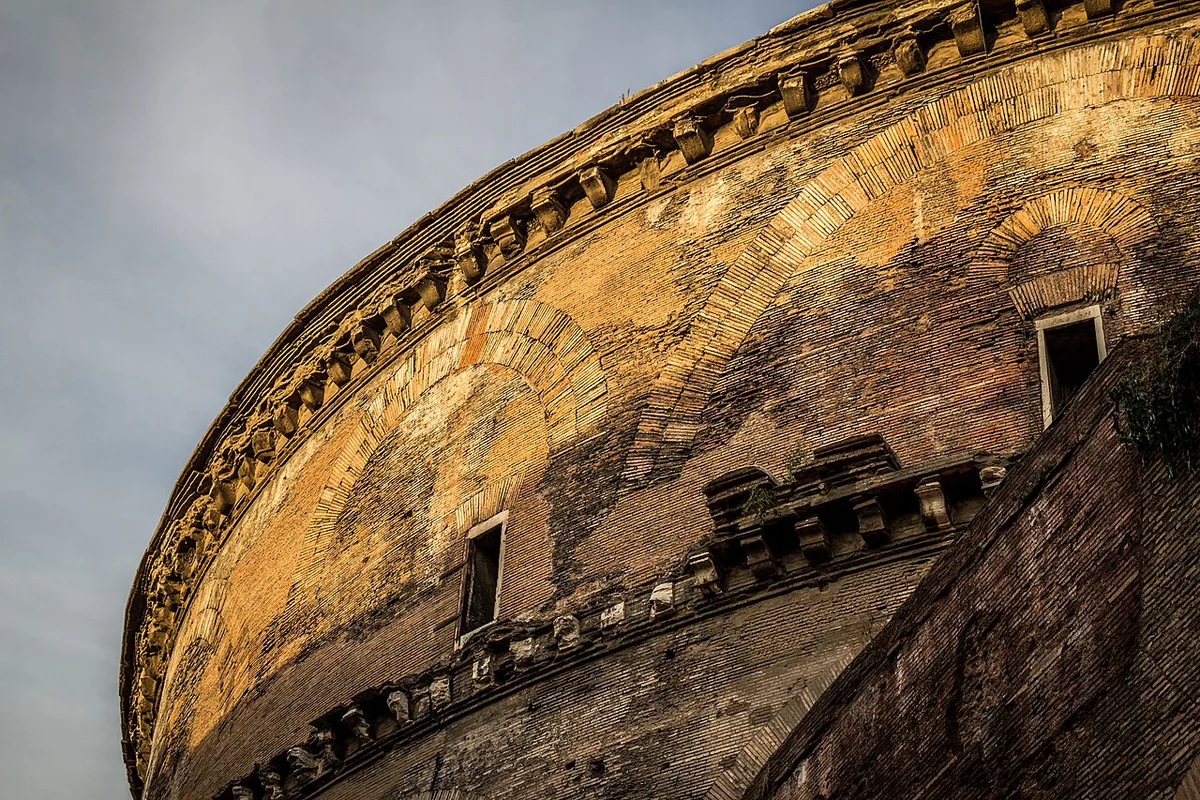
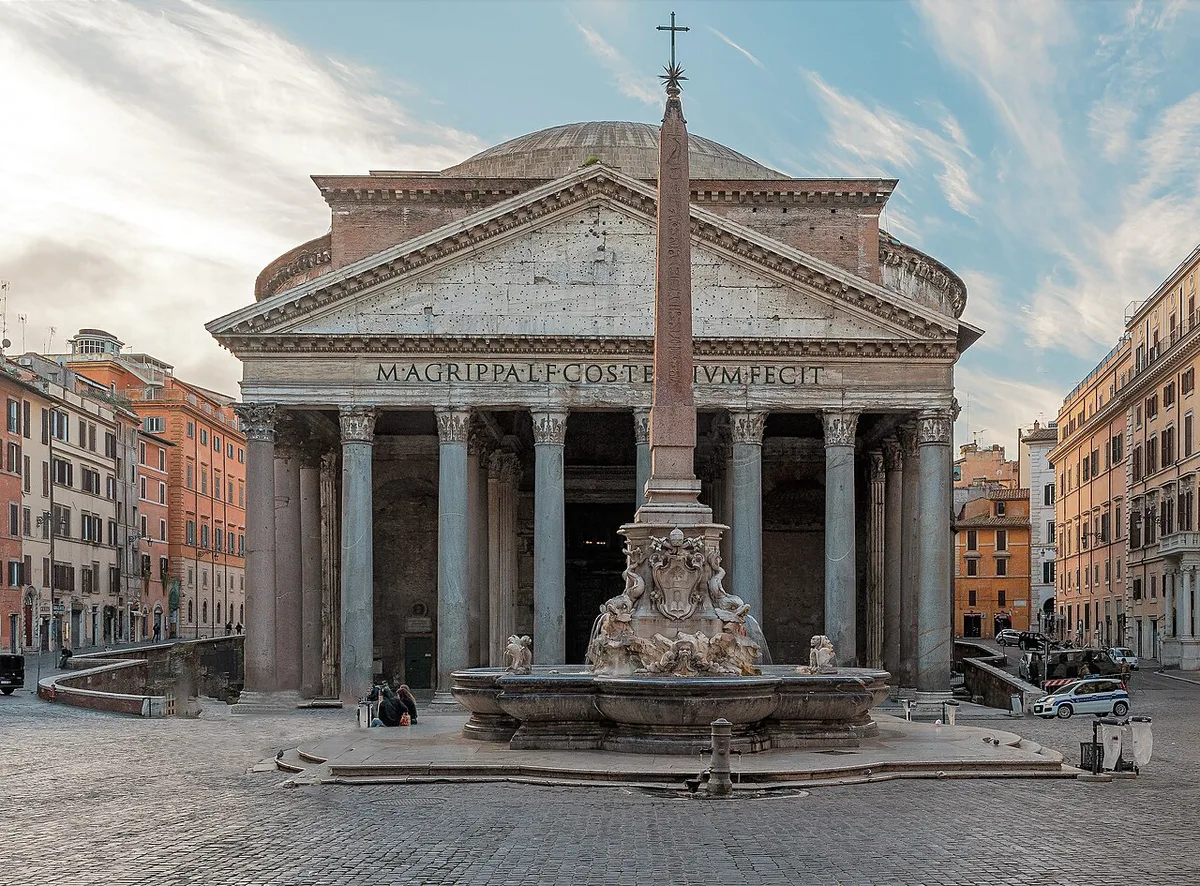
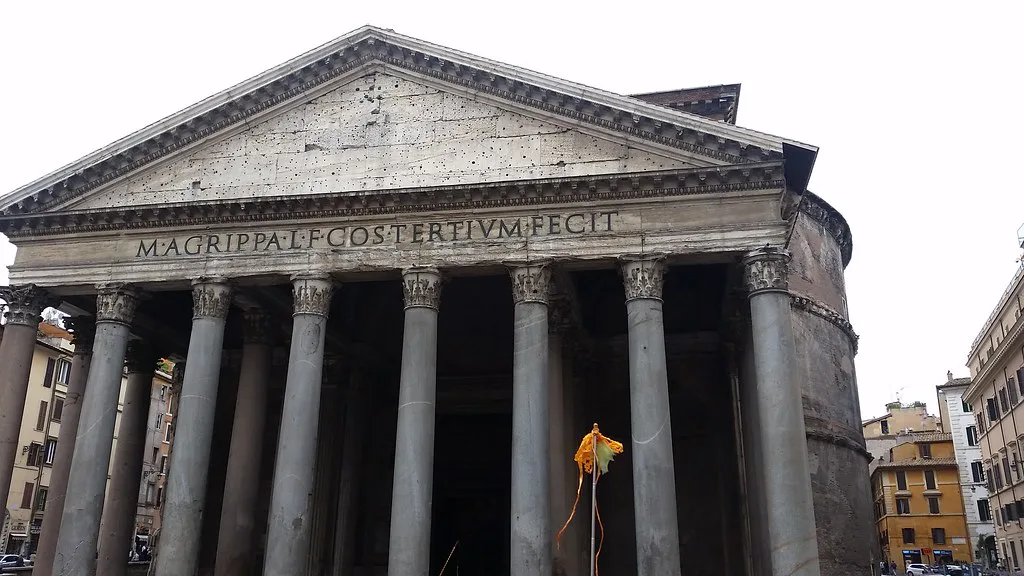
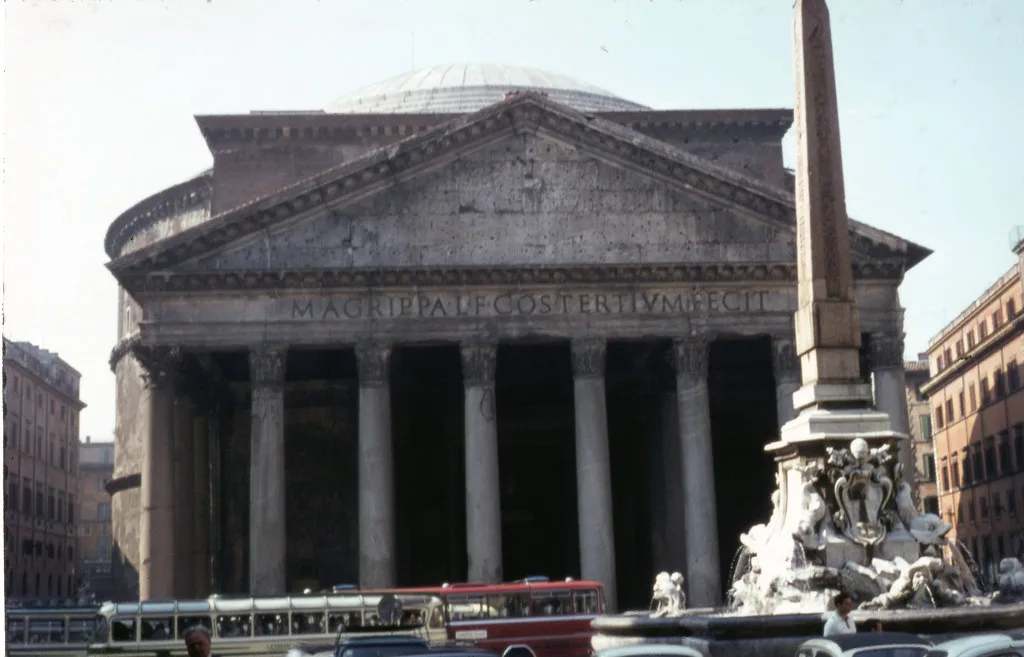
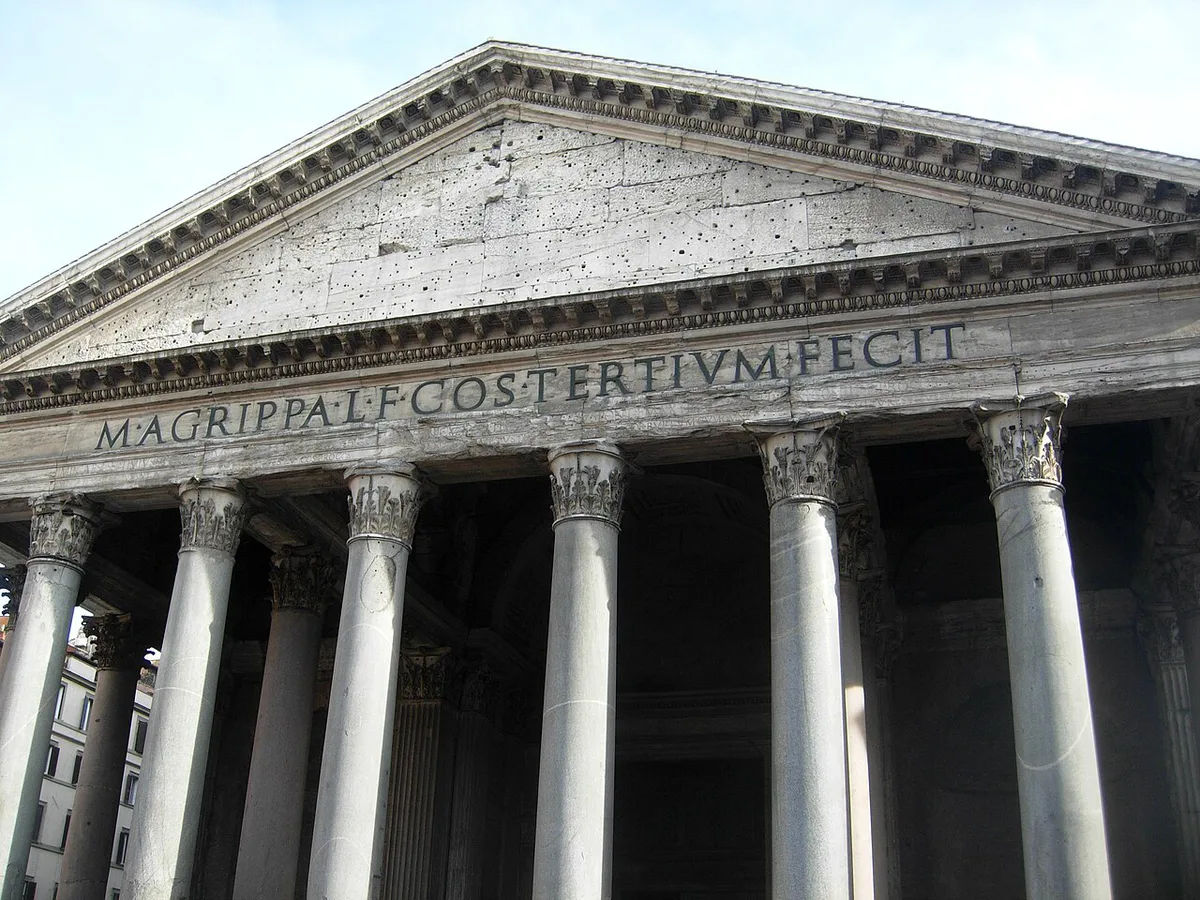
Two kinds of sites carry his name in Italy. In Rome you see public monuments tied to his reign. At Tivoli you see the place he designed for himself. Our complete Hadrian's Villa guide covers the Tivoli site in depth. The Pantheon was rebuilt during his reign, and its inscription still credits Marcus Agrippa, an earlier builder. Castel Sant'Angelo began as Hadrian's mausoleum. Use the table to choose between them.
| Site | What it shows about Hadrian | Getting there from Rome | Time needed |
|---|---|---|---|
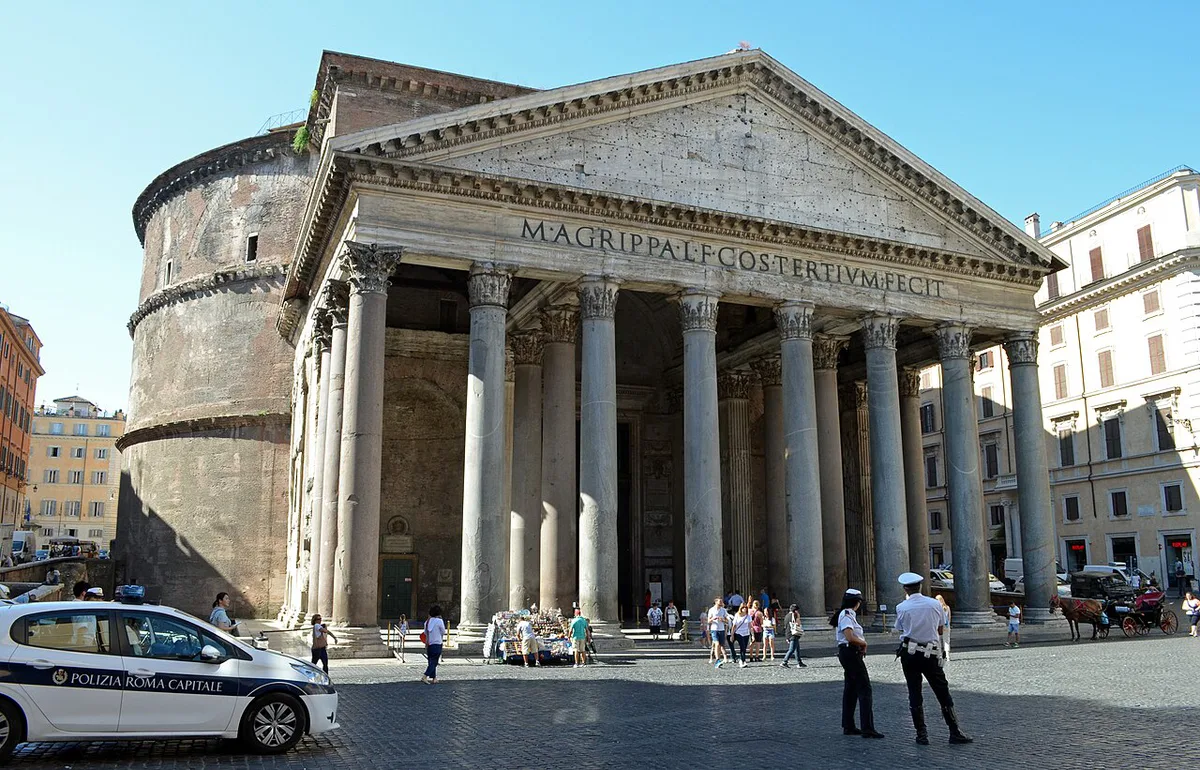
| Pantheon | His rebuilding of an older temple, with the Agrippa inscription kept | In Rome's historic centre | Short stop |
| Castel Sant'Angelo | The mausoleum he planned for himself and his family | In Rome, no day trip needed | Short visit |
| Hadrian's Villa, Tivoli | His taste, travels and engineering in one large complex | Separate trip from Rome | Half day or more |
What Hadrian's Villa at Tivoli Tells You About the Man
The villa is the clearest portrait of Hadrian's interests. It is a large imperial retreat, not a single palace, and its pools, halls and gardens reflect his love of Greek and Egyptian ideas. The Canopus canal and its Serapeum are the best-known example. Read our Canopus and Serapeum guide before you go. For the walking route, follow this villa tour. The official Villa Adriana site covers current opening details. Tivoli also has two stops that are not Hadrian's work. Villa Gregoriana Tivoli: Visitor Guide and Walk Difficulty is a separate park. The Temple of Vesta stands in the same town. Both pair well with the villa. Details on the town are on the Visit Tivoli site.
Visiting Hadrian's Sites: Logistics and Trade-offs
Tivoli needs its own trip, so plan the transfer first. Our Rome to Tivoli transport guide sets out the options. For booking, see tickets and timing for the villa. Prices and hours change, so take them from the official site and the Italian Ministry of Culture. Short on time or energy? Is Hadrian's Villa worth it? helps you decide. The trade-off below compares the two main plans.
- Pantheon only: shortest time, lowest effort, and no transfer out of Rome. It shows his rebuilding work but little of the man himself.
- Pantheon plus Tivoli: costs most of a day and adds a transfer and a ticket. It adds the villa, where his personal tastes are visible.
- History buffs: choose the second plan. Short-stay visitors: the Pantheon alone is a fair compromise.
Seeing Hadrian's Wall in Northern England
Many readers searching for this emperor really want the Wall. It lies in England, so it needs a separate trip from any Italian itinerary.
- Length: about 73 miles (117 km), running from Wallsend near Newcastle in the east to the Solway Firth in the west.
- Status: it is part of the UNESCO "Frontiers of the Roman Empire" World Heritage Site, first inscribed in 1987.
- Best-known stops: Housesteads Roman Fort, Vindolanda with its famous writing tablets, Chesters Roman Fort and Birdoswald. Segedunum at Wallsend and Carlisle bookend the route.
- Walking: the Hadrian's Wall Path National Trail is about 84 miles and is usually walked in six to seven days. Day visitors can also take sections by car or by the AD122 seasonal bus.
Opening hours and ticket prices vary by season and by site, so check English Heritage and the Vindolanda Trust before you set off. If you are doing both countries, treat Rome and Tivoli as one trip and the Wall as another. The two are about as far apart as Hadrian's reign could make them.
Common Mistakes When Visiting Hadrian's Sites
A few errors come up repeatedly when people plan around this emperor.
- Expecting Hadrian's Wall in Italy. It is in Britain.
- Crediting Hadrian with everything at the Pantheon. The inscription names Agrippa.
- Treating Villa Gregoriana or the Temple of Vesta as his work. They are Tivoli sights from other periods.
- Leaving too little time. The villa is large, and a rushed visit misses most of it.
Personal Life and Succession
Little is known about Hadrian's private life. He married Vibia Sabina around 100 CE, and they had no children. He therefore chose an heir by adoption. Antoninus Pius was that heir, and he in turn adopted Marcus Aurelius and Lucius Verus. This secured the succession for two generations.
Trajan's adoption of Hadrian set the pattern. He married Vibia Sabina around 100 CE, and with no children, adoption chose the next heir.
Frequently Asked Questions
What were Hadrian's accomplishments?
Hadrian consolidated the empire Trajan had expanded and travelled widely through its provinces. He built frontier works including Hadrian's Wall in Britain. He also rebuilt the Pantheon in Rome and created his villa at Tivoli.
Why was Hadrian's Wall built?
It marked a northern frontier of Roman Britain as part of Hadrian's focus on holding the empire rather than expanding it. It is in Britain, not Italy, so Italian visitors see his legacy at the Pantheon and Tivoli instead.
Related guides



Continue reading
Guides on the same trip


